13 Most Iconic Jewels Stolen Through History
For centuries, jewel thieves have captivated the public’s attention by executing audacious thefts that seem like they belong in a Hollywood movie script. These are complex operations that target valuable gems valued at tens of millions, and occasionally even close to a billion dollars.
They are not small-time crimes. The most daring criminals frequently embarrassed the most advanced security systems in the world by combining careful preparation with blatant execution.
After intense police investigations, some stolen jewels were found, while others disappeared forever into the criminal underworld. Where known, values represent estimated totals adjusted for inflation.
Every theft marks a time when bold criminals outwitted palaces, museums, and affluent collectors who believed their treasures were inviolable. The 13 most famous jewels that have been stolen throughout history are listed here.
The Hope Diamond
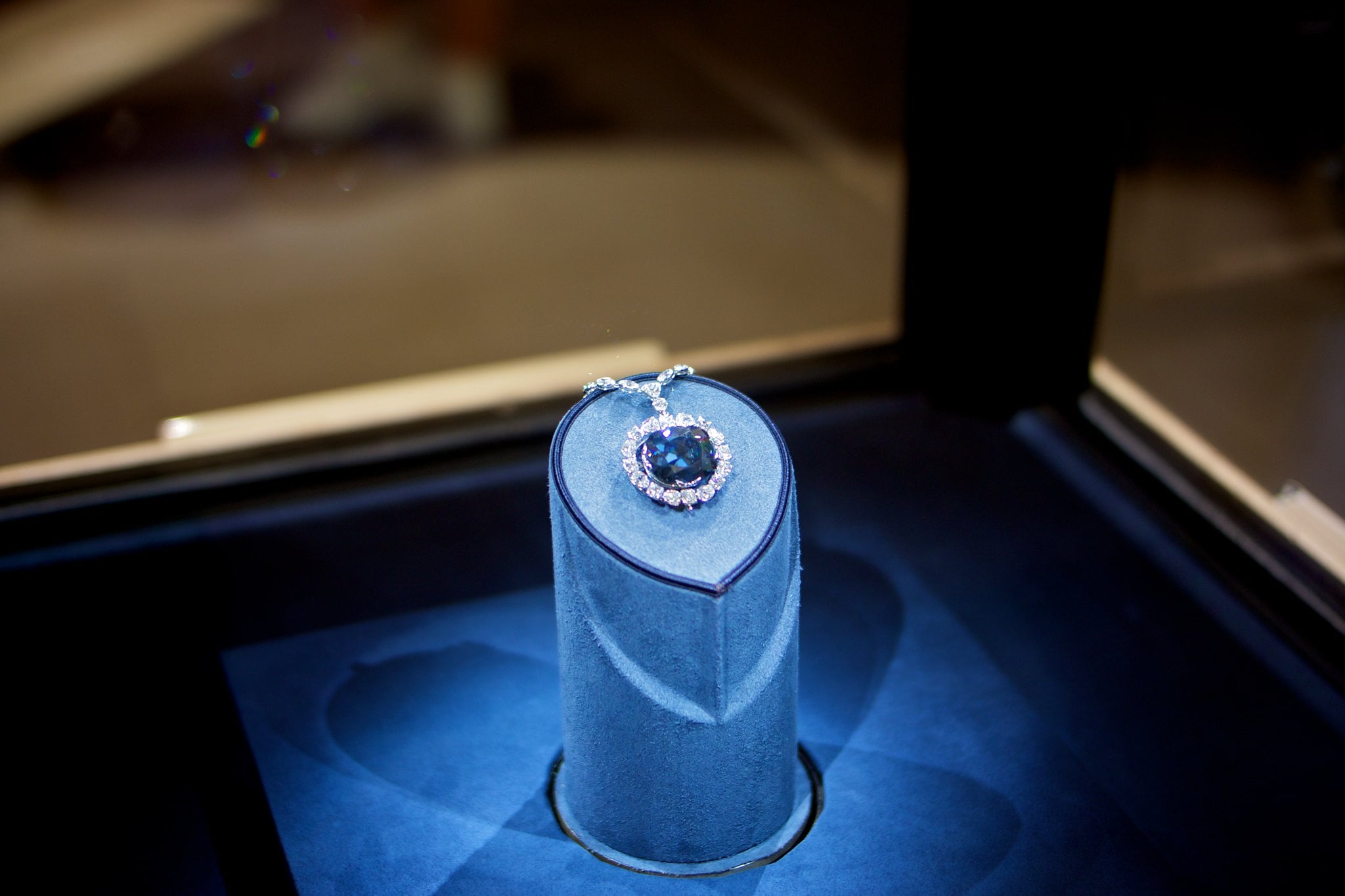
The 45.52-carat blue diamond was stolen in September 1792 from the French Crown Jewels during the French Revolution when looters raided the royal storehouse. It vanished for decades before resurfacing in 1839 in the catalog of Henry Philip Hope, believed recut to conceal its provenance.
The diamond allegedly carried a curse that brought misfortune to its owners, though historians note this legend originated in the early 20th century and was publicized by jeweler Pierre Cartier as a marketing tool.
The Irish Crown Jewels
In 1907, someone gained unauthorized access to Dublin Castle’s strongroom and stole the insignia of the Order of St. Patrick just days before a royal visit. The items, which included a diamond star and badge, were worth approximately £14,000 at the time, far higher in today’s equivalent.
Despite extensive investigations pointing to an inside job, the thieves were never caught and the jewels never recovered. This remains one of Ireland’s greatest unsolved mysteries, with theories ranging from Irish nationalists to a scandal involving members of the castle staff.
The Great Pearl Heist

Joseph Grizzard and his gang masterminded the 1913 theft of a pearl necklace worth £150,000, approximately $17-20 million today, from a Hatton Garden dealer in London. The thieves used a postal interception method, replacing the pearls with sugar cubes of similar weight during transit.
Police eventually recovered the pearls intact and arrested the gang at Harrow Road. The sophisticated method shocked Edwardian society and became known as one of the most ingenious jewelry thefts of the early 20th century.
The Duchess of Windsor’s Jewels
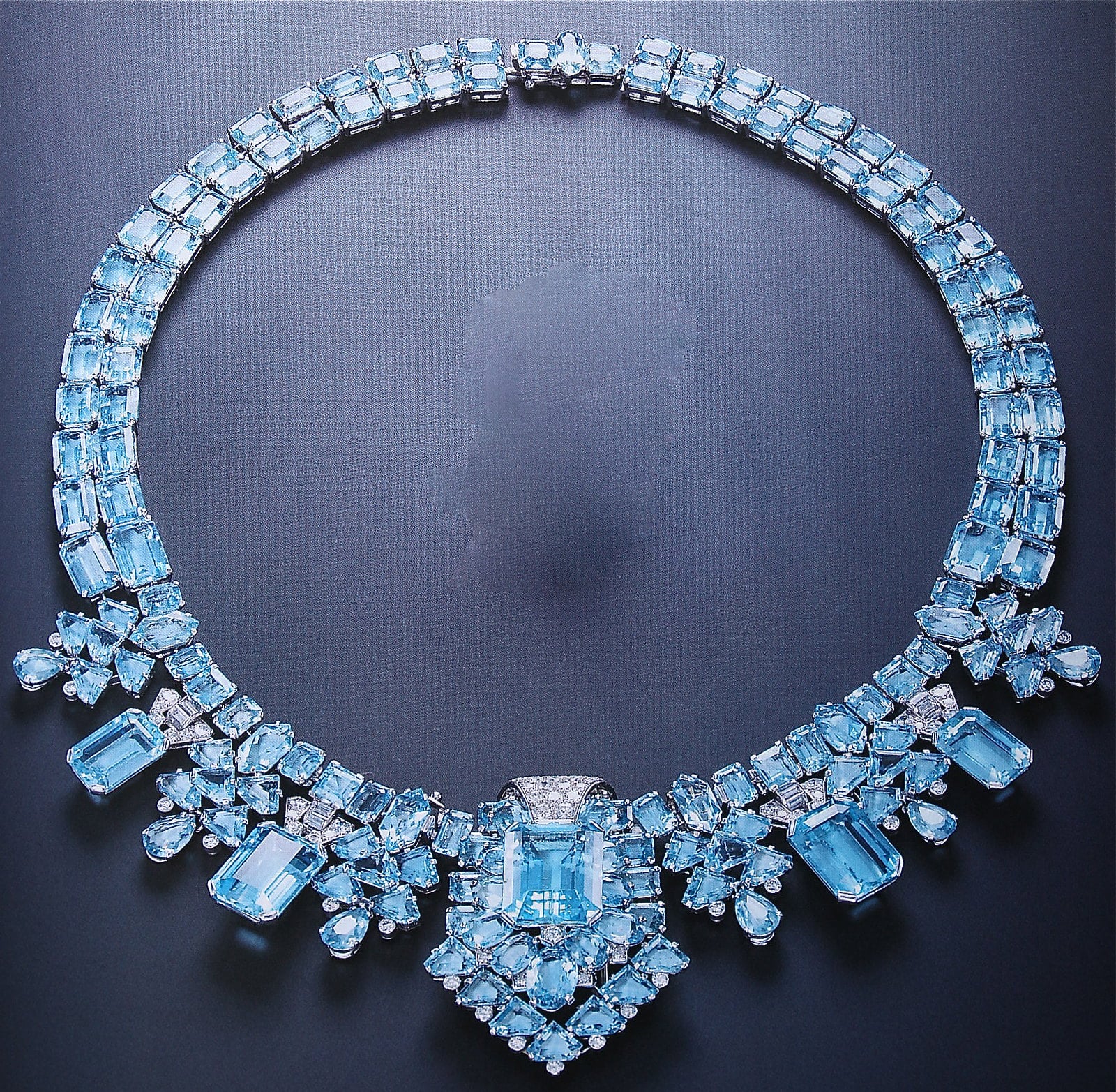
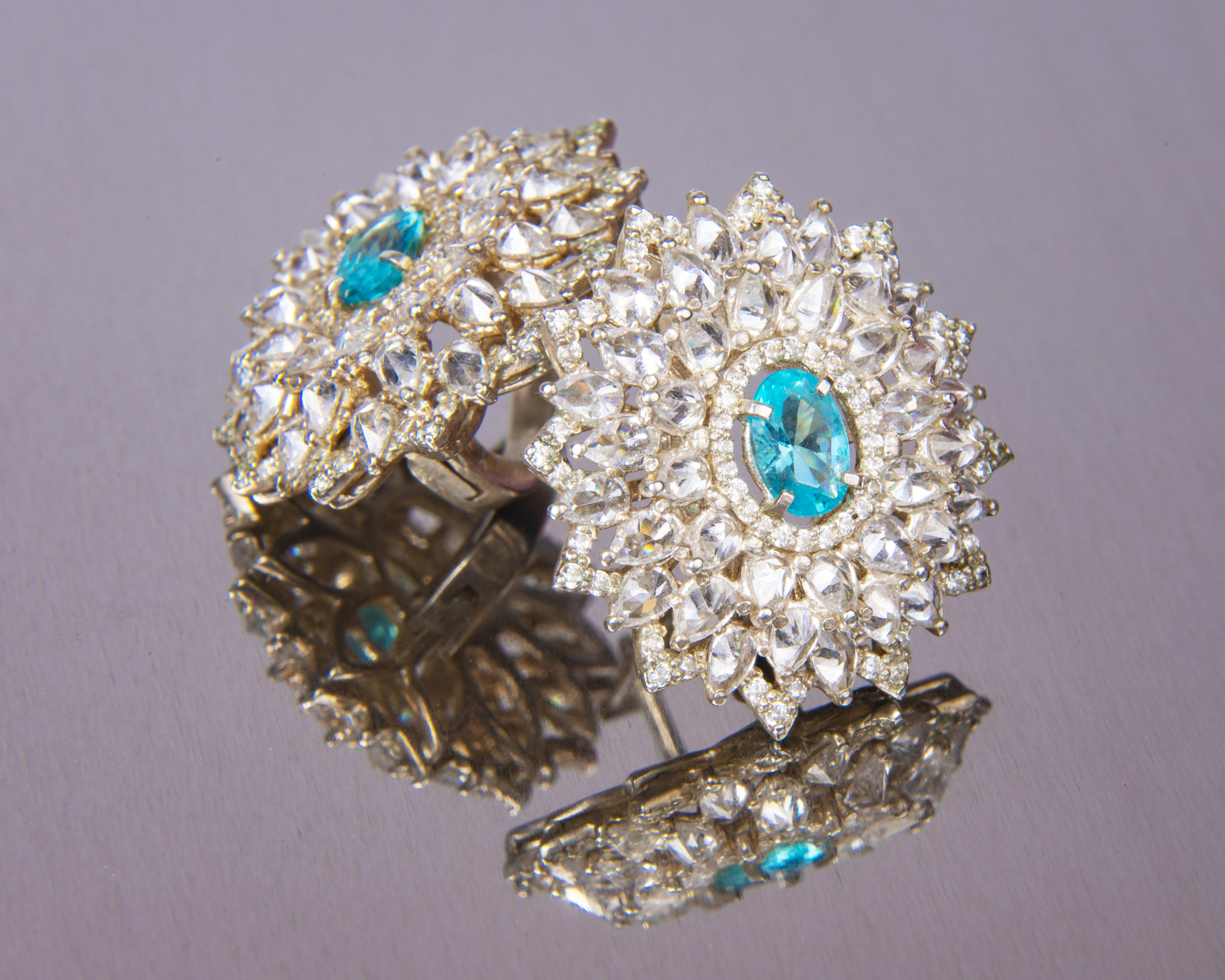
On October 6, 1946, thieves broke into the Duchess of Windsor’s home at Cap d’Antibes, France while she slept and stole jewelry worth approximately $2 million then, roughly $25 million today. The collection included pieces from Cartier and Van Cleef & Arpels, many given by her husband, the former King Edward VIII.
Police arrested four suspects in 1947 and recovered only a portion of the jewels. The remaining pieces were never found.
The Star of India

On October 29, 1964, three thieves climbed through a window at New York’s American Museum of Natural History and stole the Star of India sapphire, weighing 563 carats. They also grabbed the DeLong Star Ruby and dozens of other gems worth approximately $410,000, about $4 million today, exploiting the museum’s notoriously lax security with a dead alarm battery.
Former champion surfer Jack Murphy, nicknamed Murph the Surf, led the gang and became a celebrity criminal after his arrest. Authorities recovered the Star of India from a Miami bus station locker, but the DeLong Ruby required a $25,000 ransom payment.
Doris Payne’s Career

Socialite thief Doris Payne targeted high-end jewelry stores throughout her six-decade career starting in the 1950s. Her most famous theft involved a 10-carat diamond ring in Monte Carlo during the 1970s, though she also hit De Beers, Tokyo boutiques, and eventually stole a Montblanc ring in 2011.
She used charm and distraction techniques to steal millions in jewelry from stores across the world. Her life of crime continued into her 80s, making her one of the most successful jewel thieves in history.
The Isabella Stewart Gardner Museum Heist

On March 18, 1990, two thieves disguised as police officers entered Boston’s Gardner Museum and stole 13 works valued around $500 million total. While the heist primarily targeted paintings, they also took a Napoleonic eagle finial and ancient Chinese decorative objects.
The FBI considers this the largest unsolved art theft in history, with a $10 million reward still active. Empty frames still hang in the museum as placeholders, waiting for the artworks’ return.
The Millennium Star Heist Attempt
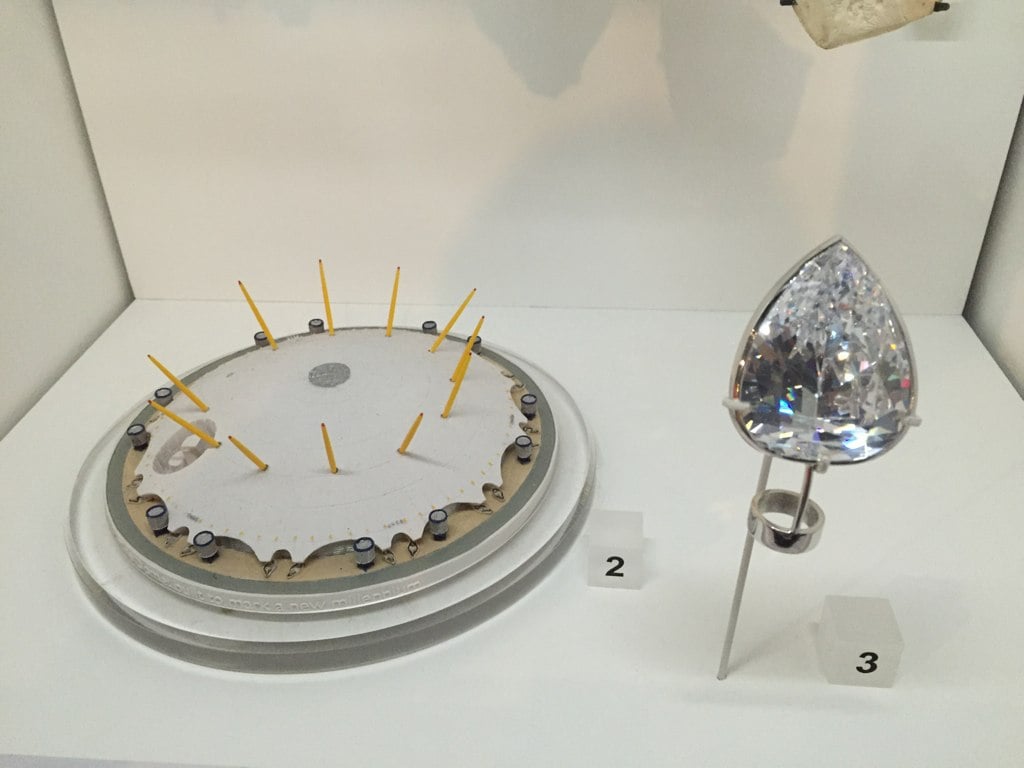
On November 7, 2000, thieves attempted to steal the Millennium Star diamond worth $350 million from the De Beers exhibit inside London’s Millennium Dome. The gang planned to ram-raid the exhibit using a JCB earthmover and speedboat for their Thames River escape.
Police had been monitoring the gang for months through Operation Magician and arrested them mid-heist in a dramatic confrontation. No jewels were stolen thanks to excellent police intelligence work, making this one of the most ambitious jewelry heist attempts ever foiled.
The Antwerp Diamond Heist
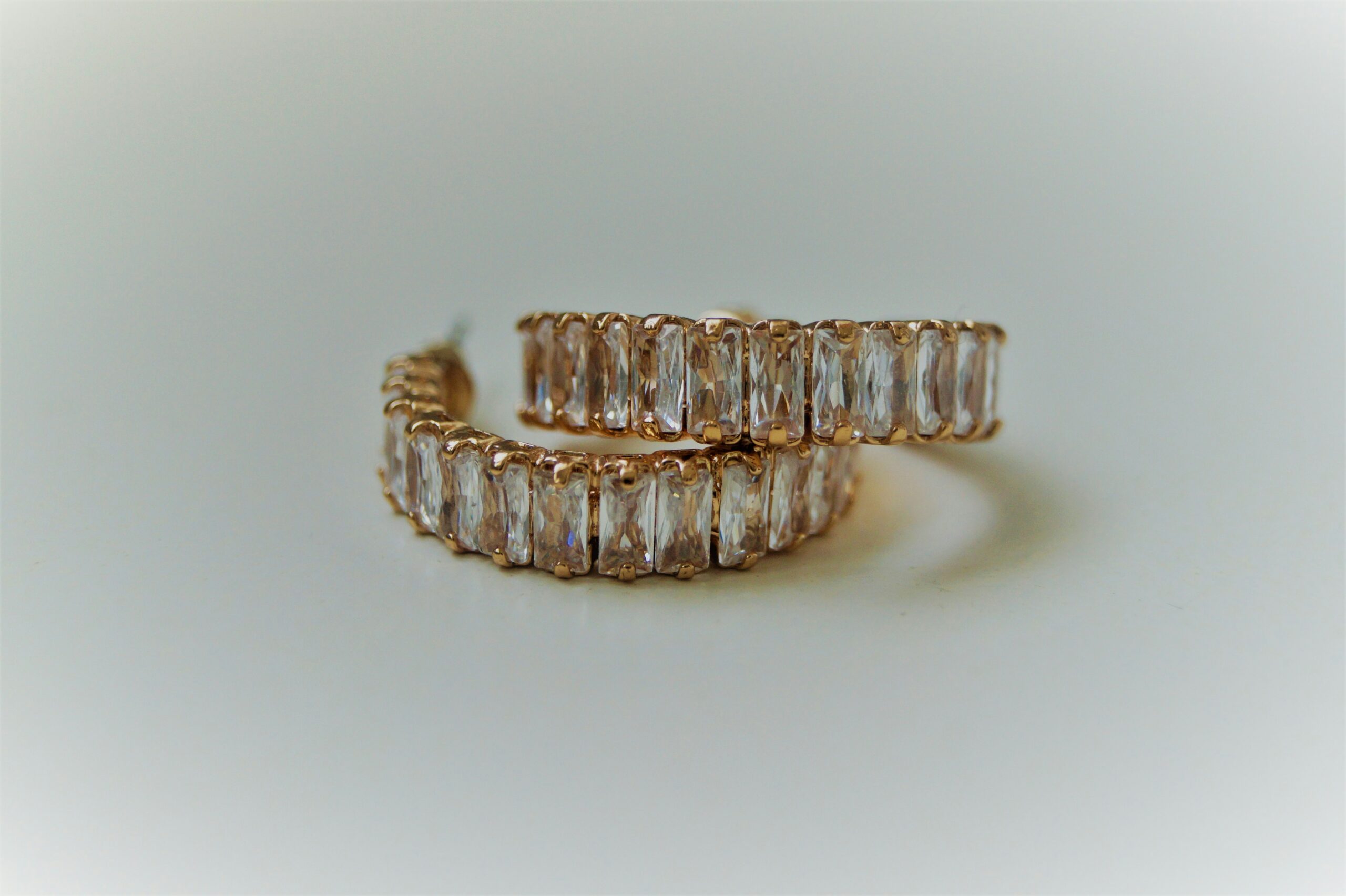
On February 15-16, 2003, Leonardo Notarbartolo led a team that broke into the Antwerp Diamond Center’s vault, bypassing an 18-inch-thick door, motion sensors, and magnetic locks. They stole over $100 million in diamonds, gold, and jewelry from one of the world’s most secure facilities.
The thieves left almost no evidence, but authorities eventually caught them after finding a half-eaten salami sandwich with DNA evidence. Notarbartolo served five years of a 10-year sentence, but most of the stolen diamonds were never recovered.
The Graff Diamonds Robbery

On August 6, 2009, two well-dressed men using professional prosthetic makeup disguises entered Graff Diamonds in London’s Mayfair district and held staff at gunpoint while stealing 43 pieces worth $65 million. The thieves spoke with sophisticated accents and wore expensive suits, initially appearing to be wealthy customers.
Police tracked the getaway car and arrested several suspects, recovering some jewelry, though many pieces disappeared. This brazen daytime robbery in one of London’s most exclusive shopping areas shocked the jewelry world.
Pink Panther Gang Heists

This international crime syndicate, named after the famous film series, has stolen an estimated $334-500 million in jewels since the 1990s according to Interpol. Operating across Europe, Asia, and the Middle East, they’ve executed over 380 confirmed robberies with military precision.
Their methods range from smash-and-grab raids to elaborate cons, and members have escaped from prisons multiple times in Switzerland and Dubai. Many gang members hail from Serbia, Montenegro, and Bosnia, making them the most successful jewelry theft operation in modern history.
The Carlton Hotel Heist
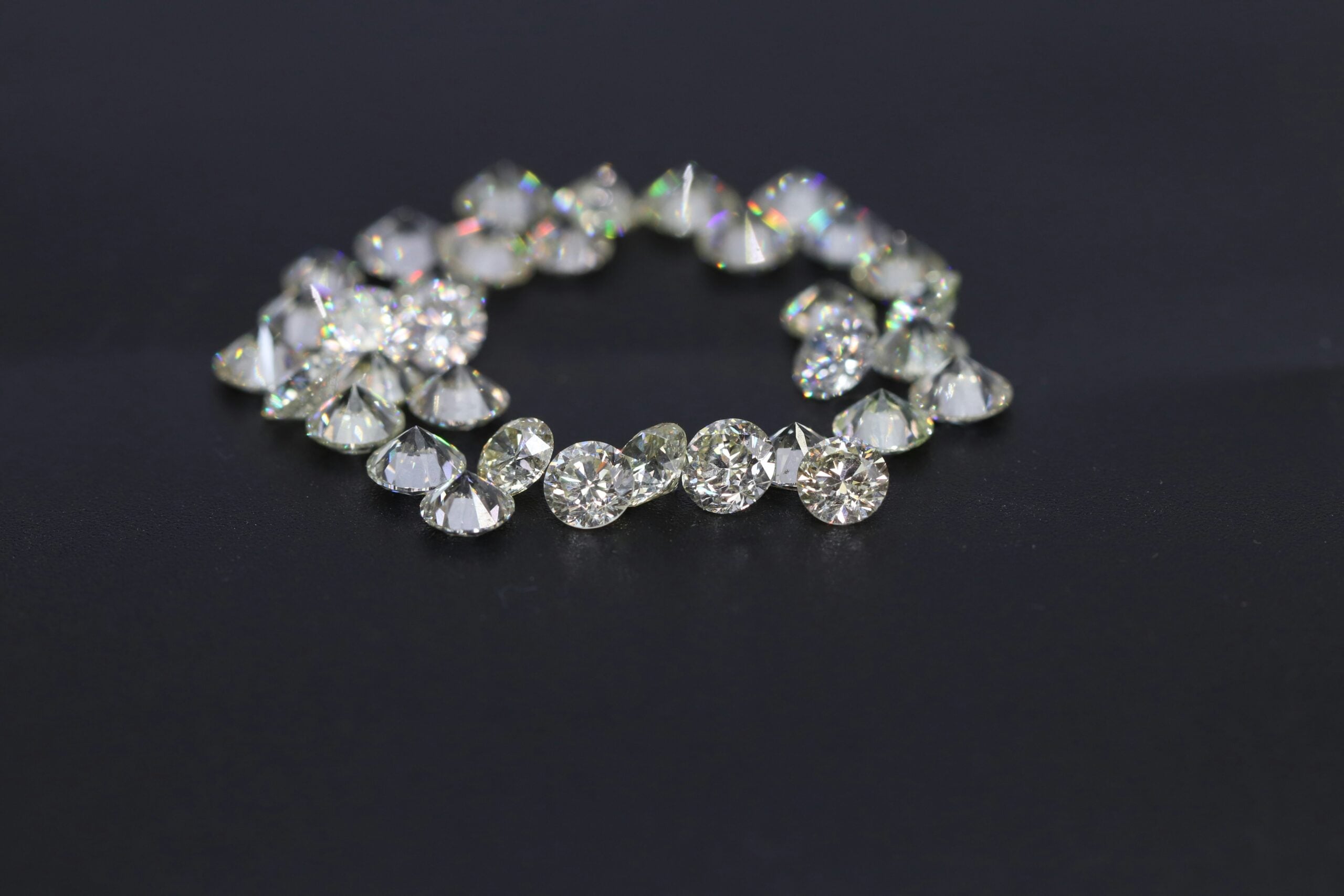
On July 28, 2013, a lone masked gunman, believed linked to the Pink Panther network, walked into Cannes’ Carlton Intercontinental Hotel during a jewelry exhibition and stole $136 million worth of diamonds. He accomplished the heist in under a minute, brandishing what witnesses initially thought was a toy gun.
The robbery happened in broad daylight with dozens of people present, yet the thief escaped on foot. The diamonds vanished and have never been found.
The Green Vault Robbery

On November 25, 2019, thieves broke into Dresden’s Green Vault museum and stole 18th-century jewelry officially valued at approximately €113 million, about $120 million. They started a fire to disable electrical systems, smashed display cases, and escaped within minutes.
The stolen items included diamond-encrusted swords, epaulettes, and jewelry from the Saxon royal collection. German authorities arrested six suspects in 2020, and about half the pieces were returned in 2022 after a plea deal.
Fortunes Lost and Found

These heists expose the never-ending game of cat and mouse between law enforcement and criminals, where boldness frequently outsmarts even the most advanced security. The majority of thieves ended up in prison with little to show for their crimes, though some briefly experienced fame.
Less than 10% of significant stolen jewels, according to experts, are ever found undamaged. Many precious gems are still missing, most likely broken down and sold as individual stones, but the recovered pieces have been returned to their rightful owners.
Because they combine crime, art, and boldness, these tales have endured—proving that people’s fascination with hidden treasure never goes away.
More from Go2Tutors!

- The Romanov Crown Jewels and Their Tragic Fate
- 13 Historical Mysteries That Science Still Can’t Solve
- Famous Hoaxes That Fooled the World for Years
- 15 Child Stars with Tragic Adult Lives
- 16 Famous Jewelry Pieces in History
Like Go2Tutors’s content? Follow us on MSN.



