15 Items Bought Cheap and Sold for High Profits
Everyone aspires to become wealthy through a fortunate acquisition, such as discovering that undiscovered gem at a yard sale or making an investment that yields exceptional returns. Amazing examples of someone buying something for very little money and then selling it for a huge profit have occurred throughout history. Our passion for treasure seeking is fueled by these tales of amazing returns, which also serve as a reminder to pay close attention to what others might miss.
These 15 incredible things were lawfully bought for a small sum and subsequently sold for large quantities of money, transforming routine transactions into windfalls that changed people’s lives.
The Declaration of Independence
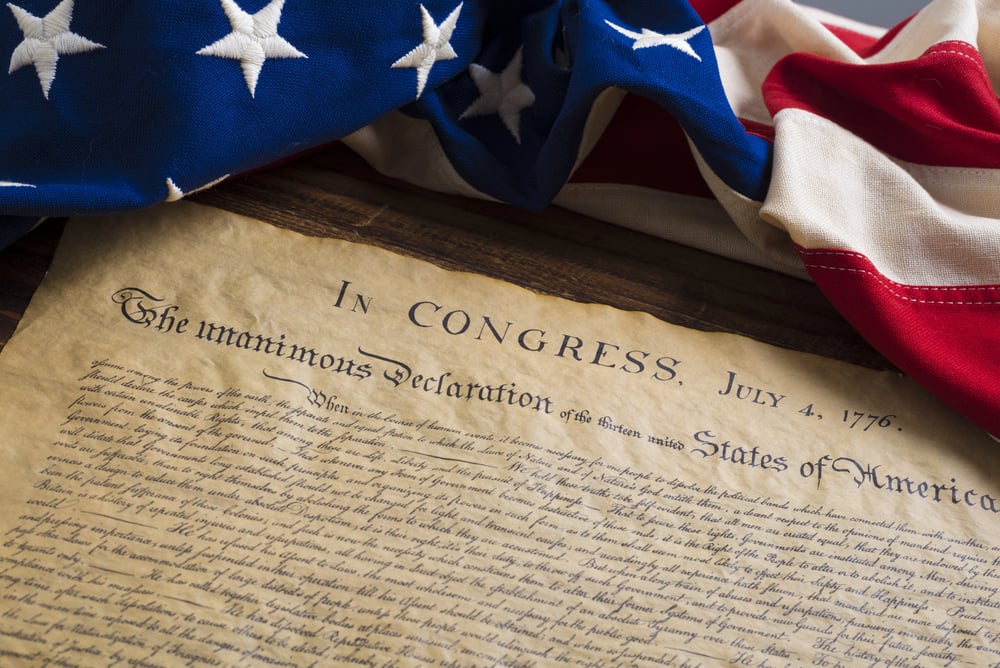
In 1989, a Philadelphia man purchased an old painting at a flea market for $4 primarily because he liked the frame. When he removed the painting at home, he discovered a folded document hidden behind it that appeared to be an old copy of the Declaration of Independence.
After careful authentication by Sotheby’s experts, the document was confirmed as one of 24 surviving copies from the first printing in 1776. Four years after his lucky find, the man sold this rare historical document at auction for $2.42 million, creating an astounding return of over 60 million percent on his original investment.
His wife had initially criticized the flea market purchase, making the eventual windfall all the more satisfying.
The Roman Artifact Paperweight
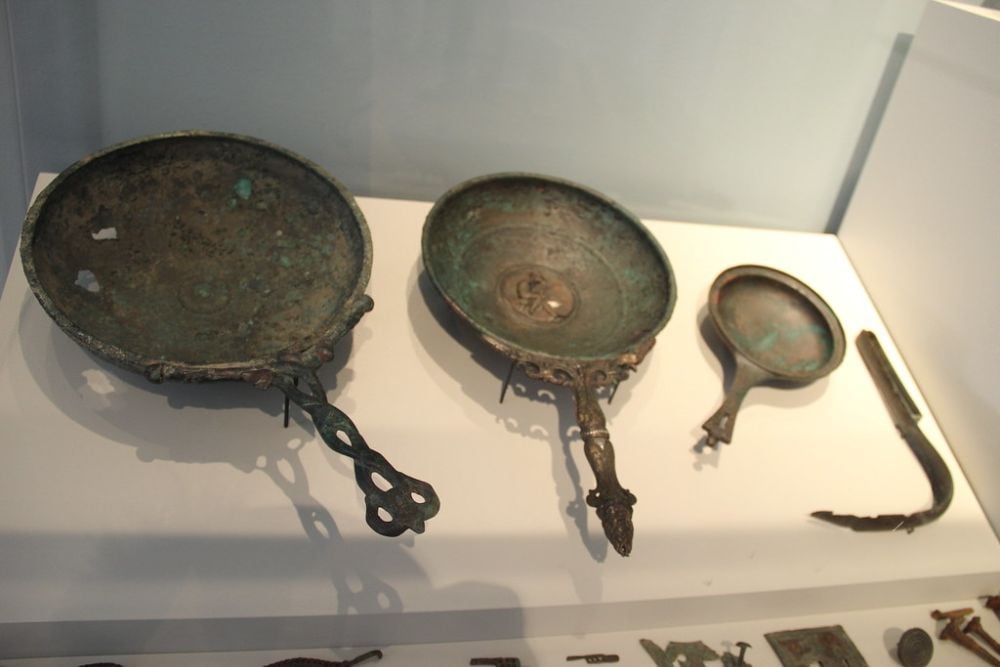
A British woman spent £19 ($26) in 1991 on a little bronze figure at a yard sale, which she used for years as a paperweight in her office. She had the item analyzed by specialists after viewing a similar figure on an antiques television program, and they determined that it was a rare Roman bronze dog figurine from the second century CE.
At Christie’s auction house, the relic brought in £205,000 ($270,000), more than 10,000 times the initial investment. According to archaeologists, the statue was unlawfully removed from a Roman site in England in the 19th century and was then owned by several people who were unaware of its importance.
Like Go2Tutors’s content? Follow us on MSN.
The Chinese Bowl
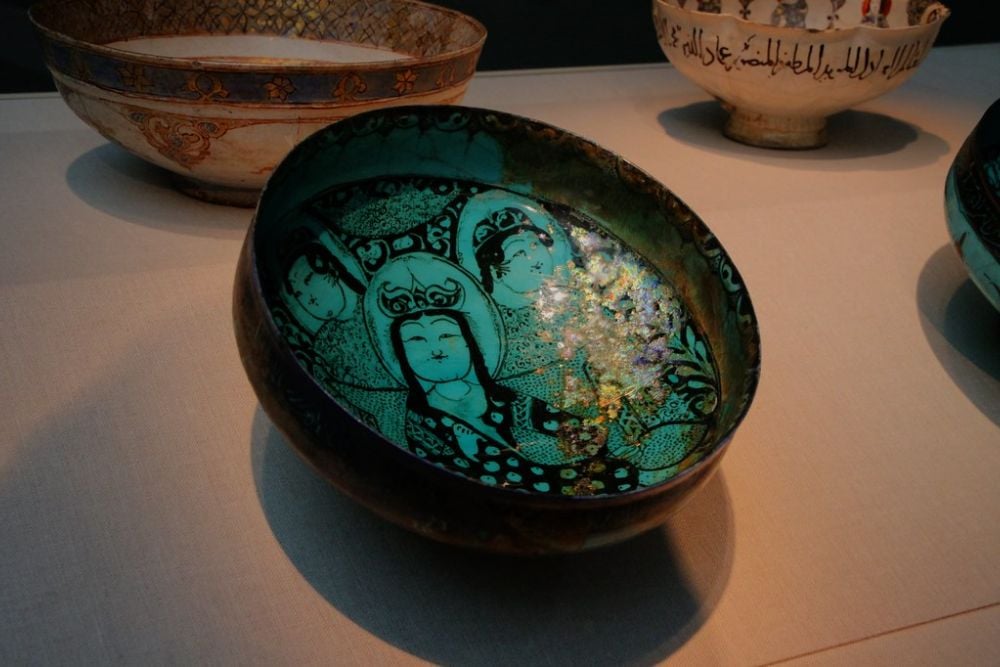
A New York family bought a little white bowl for only $3 at a yard sale in 2007 and kept it on their mantel for years before they started to wonder where it came from. Sotheby’s experts determined that it was one of only a few known to exist, a very rare 1,000-year-old bowl from China’s Northern Song Dynasty.
The porcelain treasure generated an extraordinary 73.3 million percent return on investment when it sold for an incredible $2.2 million at auction in 2013. The bowl was very valuable to collectors and museums who specialize in Asian antiquities because of its unusual glaze and lotus shape, which at the time signified the height of Chinese ceramic production.
The Baseball Card Collection
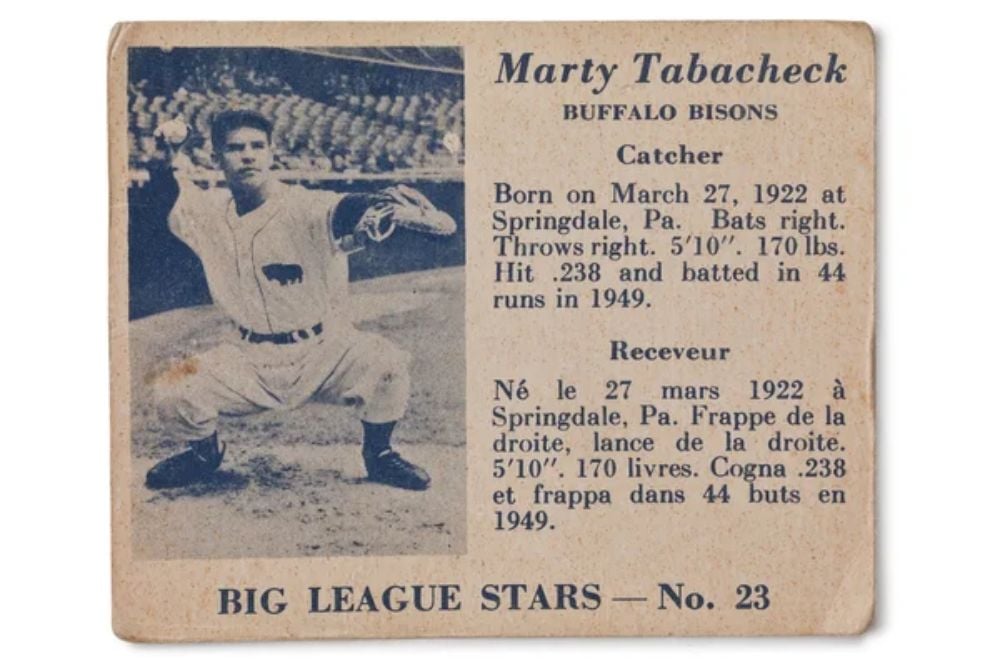
In 2018, a Tennessee family cleaning out their late father’s attic discovered a dusty box of baseball cards and brought it to memorabilia dealer Al Crisafulli for evaluation. The collection included seven extremely rare Ty Cobb cards from 1909-1911, known as the ‘Lucky 7 Find’ in collecting circles, that their great-grandfather had purchased as a young boy for pennies.
The family sold the seven Cobb cards for $3 million through auction house Heritage Auctions, with individual cards fetching between $250,000 and $900,000 each. What made this find particularly remarkable was that previously only 15 examples of this particular Ty Cobb card were known to exist in the collecting world.
The Picasso Print

Zachary Bodish of Ohio paid $14.14 at a Columbus secondhand store in 2012 for what he believed to be a reproduction poster. He decided to do more research on the item after noticing red lines that seemed to be hand-signed upon closer examination.
After authentication, it was discovered to be a linocut, numbered 6/100 for a 1958 exhibition, that was made and signed by Pablo Picasso personally. Bodish made a profit of more than 49,400 percent on his original purchase when he sold the genuine Picasso print to a private collector for $7,000. Bodish was happy with the transaction, even though he might have gotten more at auction. He utilized the unexpected money to pay his debts and finance his own artistic endeavors.
Like Go2Tutors’s content? Follow us on MSN.
The Attic Letter
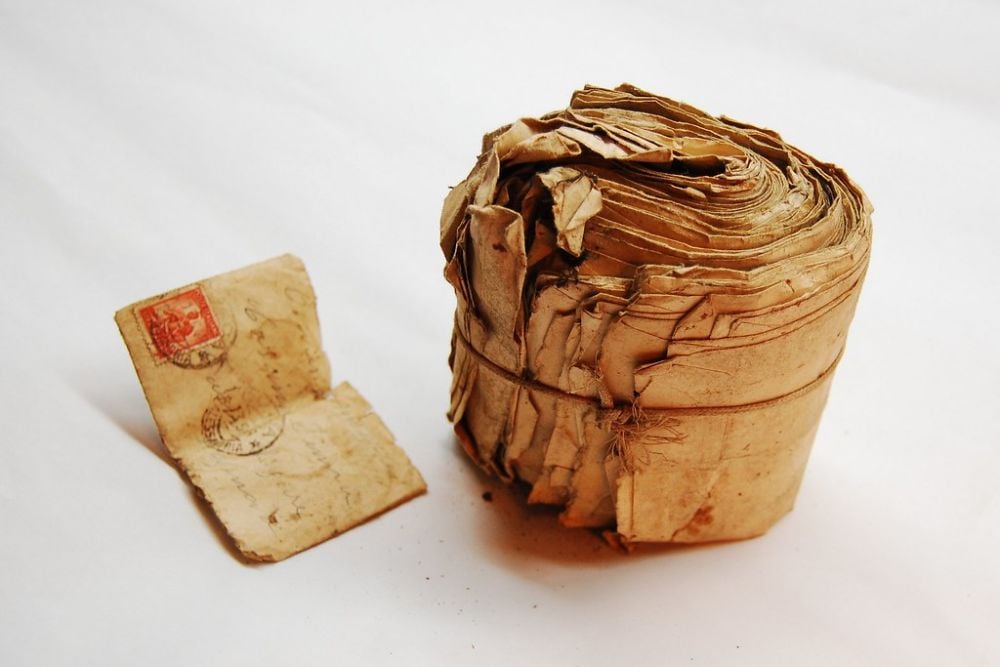
In 2006, a French family clearing out their attic found an old letter signed by René Descartes, the famous 17th-century philosopher and mathematician. Purchased generations earlier as part of a collection of unremarkable documents for a nominal sum, the family initially thought it might be worth a few hundred euros.
Expert analysis revealed it to be an extremely rare unpublished letter written by Descartes in 1641, discussing his masterwork ‘Meditations on First Philosophy.’ The document sold at auction for €625,000 ($703,000), demonstrating how seemingly mundane family papers can sometimes contain historical treasures of immense scholarly and financial value.
The Renaissance Masterpiece
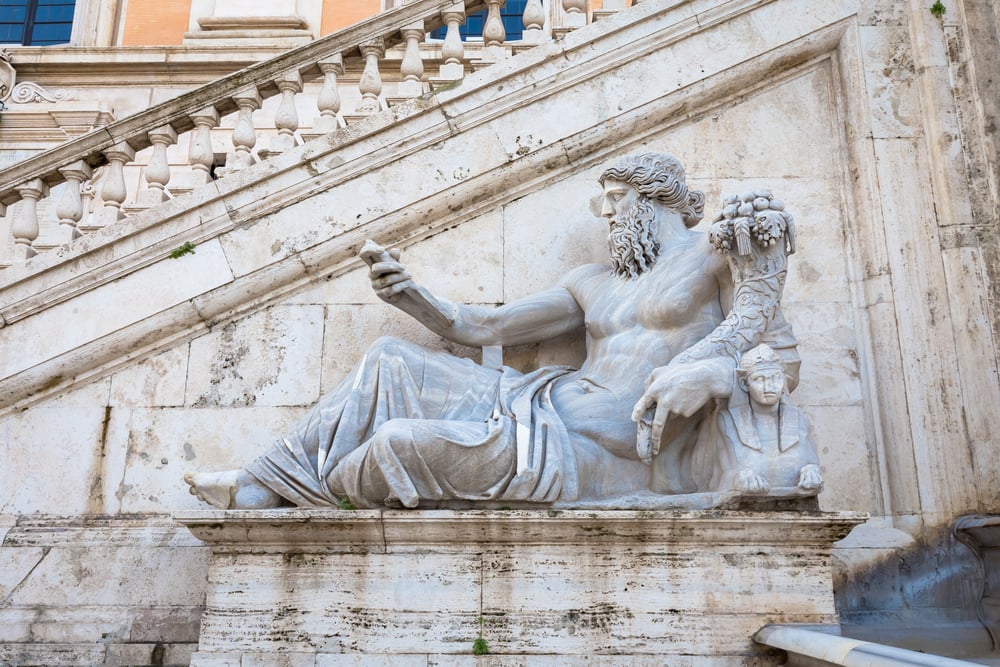
In 2000, retired truck driver Fiorenzo Iannelli purchased a small painting of the Madonna and Child for €30 from an antique shop in Rome, attracted by its ornate gold frame. After noticing unusual details in the painting technique, he sought expert opinions, which eventually identified it as a work by Renaissance master Filippino Lippi, painted around 1485.
In 2008, after extensive authentication proceedings, including pigment analysis and infrared reflectography, Iannelli sold the painting at auction for €2.4 million to a European collector. The extraordinary discovery demonstrated how masterworks can sometimes hide in plain sight for centuries, misattributed or overlooked by previous owners.
The Patek Philippe Watch
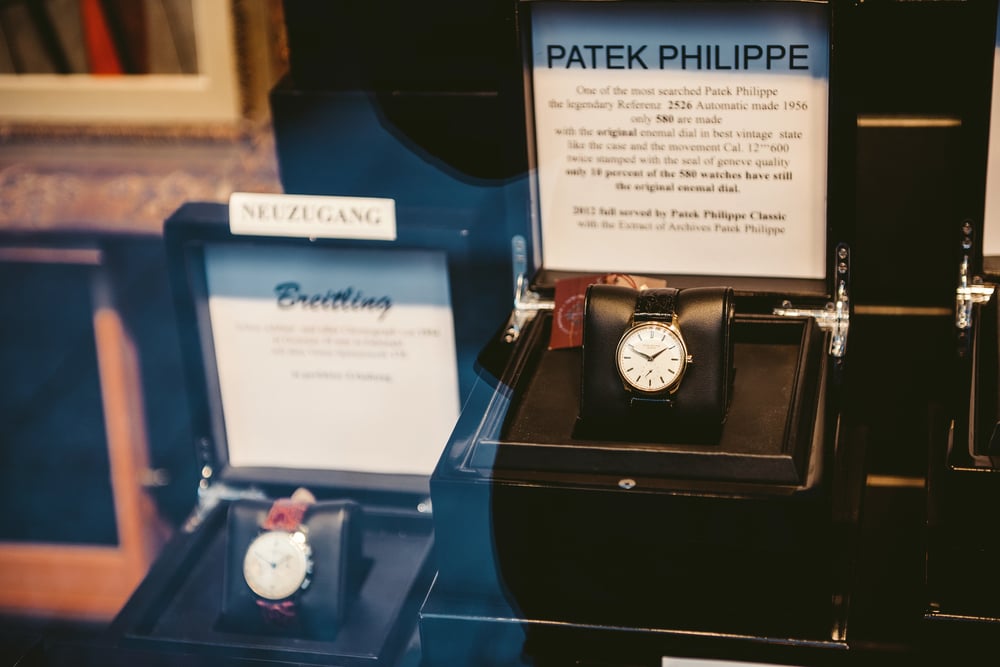
In 1974, a U.S. Air Force veteran purchased a Patek Philippe watch for $345.97 from a base exchange store while stationed overseas, saving the receipt and warranty papers but rarely wearing the timepiece. After learning about the growing value of luxury watches, he brought the unworn watch with its original box and documentation to Antiques Roadshow in 2014, discovering its market value had significantly increased.
In 2016, he sold the watch—a Reference 5513 Patek Philippe—at auction for $35,000, representing a 10,000% return on his original purchase. The watch’s exceptional condition, complete with original papers and box, significantly increased its value to collectors, who typically find such vintage pieces with parts replaced or documentation missing.
Like Go2Tutors’s content? Follow us on MSN.
The Inverted Jenny Stamp
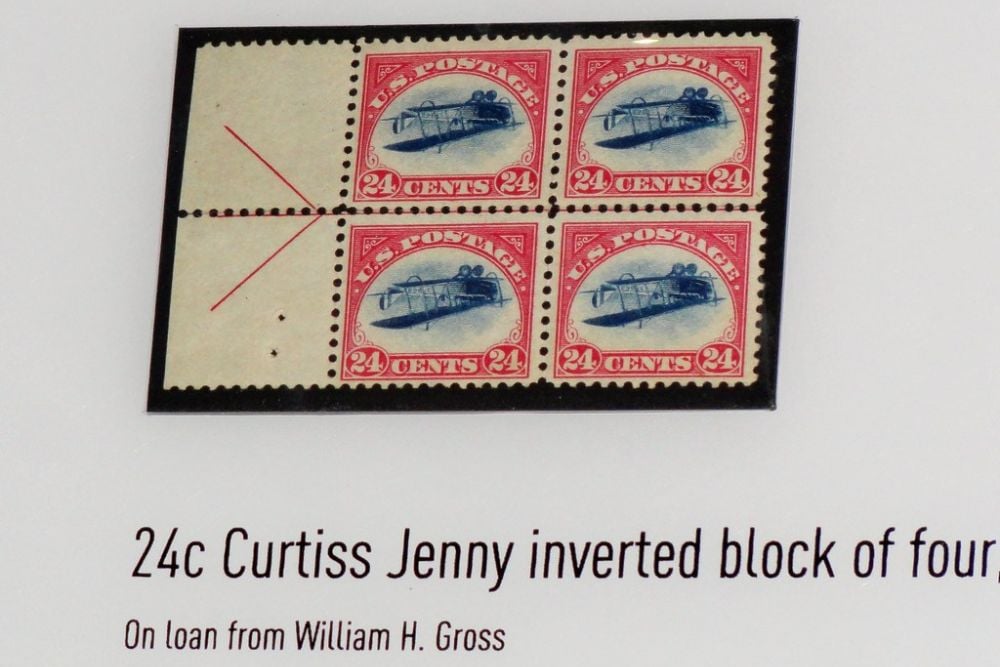
In 2016, a family in Chicago discovered a rare 1918 ‘Inverted Jenny’ stamp while going through their late grandfather’s possessions, a stamp he had purchased in the 1960s for approximately $10,000. This particular stamp—showing an upside-down airplane due to a printing error—was from the famous sheet of 100 misprinted stamps that had been broken up and sold to collectors over the decades.
The family sold their heirloom through Heritage Auctions for $1.35 million, marking a substantial return on their grandfather’s original investment. The stamp’s rarity and perfect centering made it particularly valuable, as only 100 were ever produced and many have been damaged or lost over the century since their misprinting.
The Beach Boys Contract
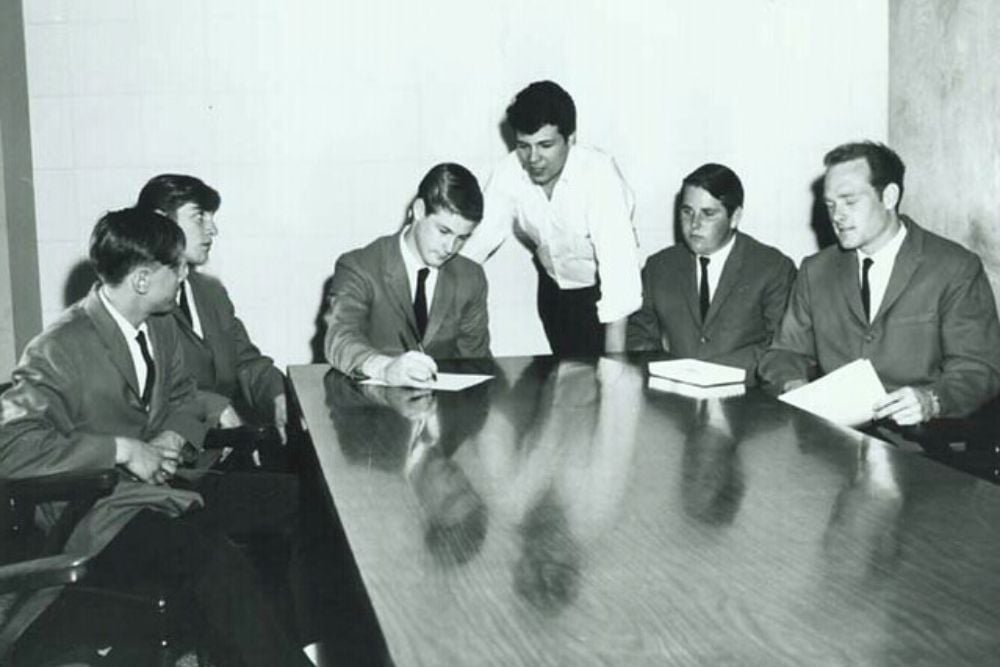
In 1969, a teenager purchased a box of papers for $5 at a blind auction of abandoned storage units in Florida, mainly interested in the furniture also included in the lot. Among the papers was an original 1959 signed contract between The Beach Boys and their first record company—a document predating their rise to fame.
In 2000, after authenticating the document and establishing clear ownership, the man sold the contract to a music memorabilia collector for $46,500, creating a remarkable 9,300-fold return on his initial $5 investment. The contract’s value was enhanced by original signatures from all the founding band members, including the Wilson brothers, in an era before autopen and secretarial signatures became common.
The First Issue of Action Comics
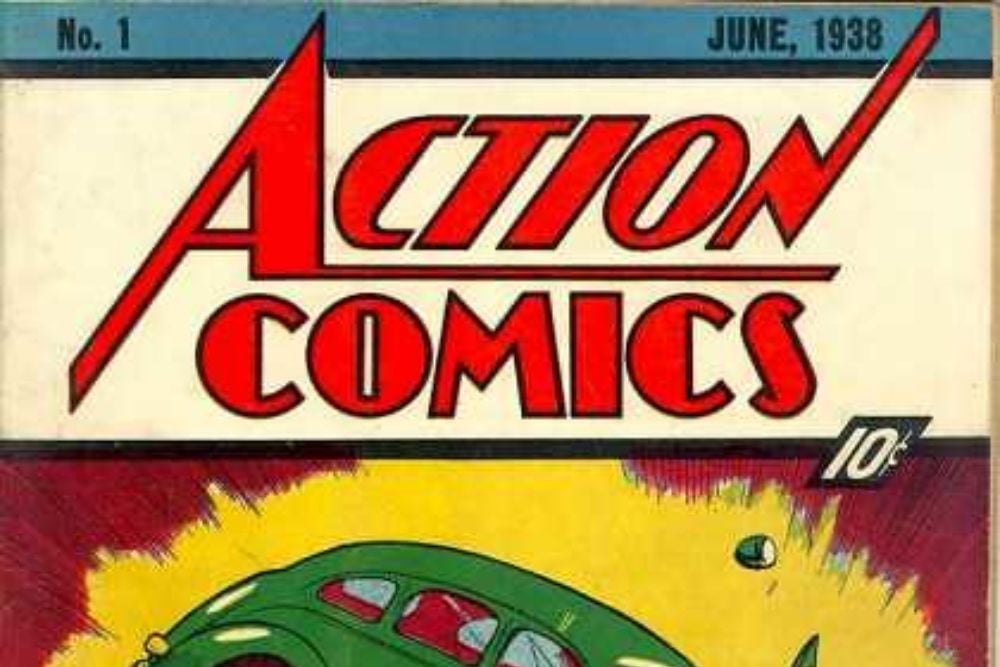
In 1938, this comic book featuring Superman’s first appearance sold for 10 cents on newsstands across America. A pristine copy purchased at the original price and carefully preserved was sold at auction in 2014 for $3.2 million, making it one of the most valuable comic books in existence.
The copy had exceptional provenance, having been stored in a cedar chest at high altitude in West Virginia for decades, protecting it from humidity and light damage. What makes this investment return even more remarkable is that many parents threw these comics away once their children outgrew them, never imagining their future value.
Like Go2Tutors’s content? Follow us on MSN.
The Apollo 11 Flight Plan
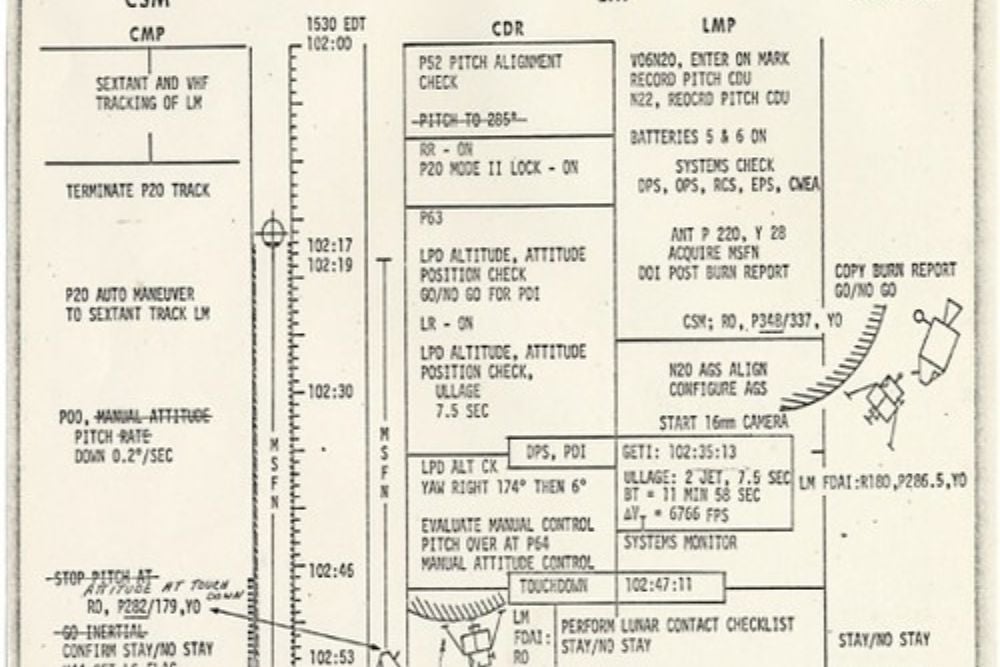
In the 1970s, a NASA engineer purchased the original Apollo 11 flight plan for $175 at a government surplus auction, recognizing its historical significance even as the public’s interest in space exploration temporarily waned. The 362-page document contained the minute-by-minute instructions for the first lunar landing mission, complete with handwritten notes by Neil Armstrong, Buzz Aldrin, and Michael Collins.
In 2018, as the 50th anniversary of the moon landing approached, the engineer sold this irreplaceable piece of space history at Sotheby’s for $175,000, resulting in a 1,000-fold return on investment. The document’s value was significantly enhanced by the astronauts’ handwritten annotations, making it a unique artifact from humanity’s first moon landing mission.
The Nintendo PlayStation
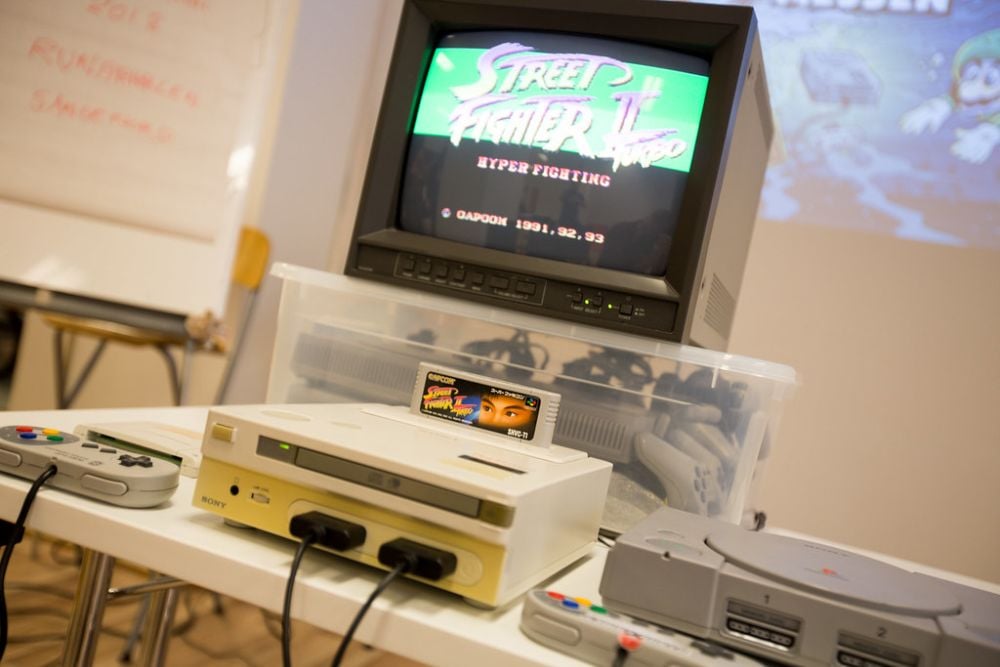
In 2009, Terry Diebold unknowingly purchased a prototype Nintendo PlayStation console for $75 as part of a lot of abandoned items from a former Sony executive’s storage unit. This ultra-rare prototype—one of only 200 made—was from the failed partnership between Nintendo and Sony in the early 1990s before Sony launched its own PlayStation console.
After discovering its significance and touring it at gaming conventions for several years, Diebold sold the prototype at auction in 2020 for $360,000, creating a 4,800-fold return on his original investment. This sale represented the highest price ever paid for a piece of gaming history, reflecting the prototype’s unique position as the missing link between two gaming giants.
The Ansel Adams Negatives
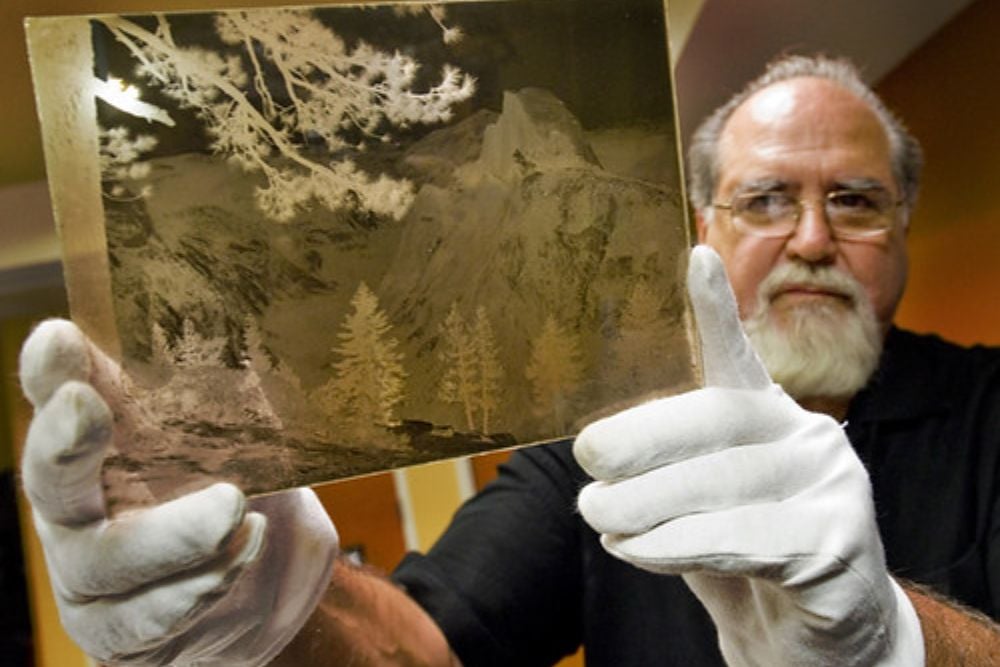
In 2000, Rick Norsigian purchased two boxes of old glass plate negatives for $45 at a garage sale in Fresno, California, negotiating down from the original asking price of $70. After a decade of research and authentication, experts confirmed the negatives were previously unknown works by famed photographer Ansel Adams from early in his career—created before a 1937 darkroom fire destroyed much of his early work.
In 2010, Norsigian sold his collection of prints made from these negatives to a private collector for $1.8 million, creating a 40,000-fold return on his original investment. The authentication process involved handwriting analysis of notes on the original packaging and comparative studies of the landscape locations depicted in the photographs.
Like Go2Tutors’s content? Follow us on MSN.
The Vince Lombardi Sweater
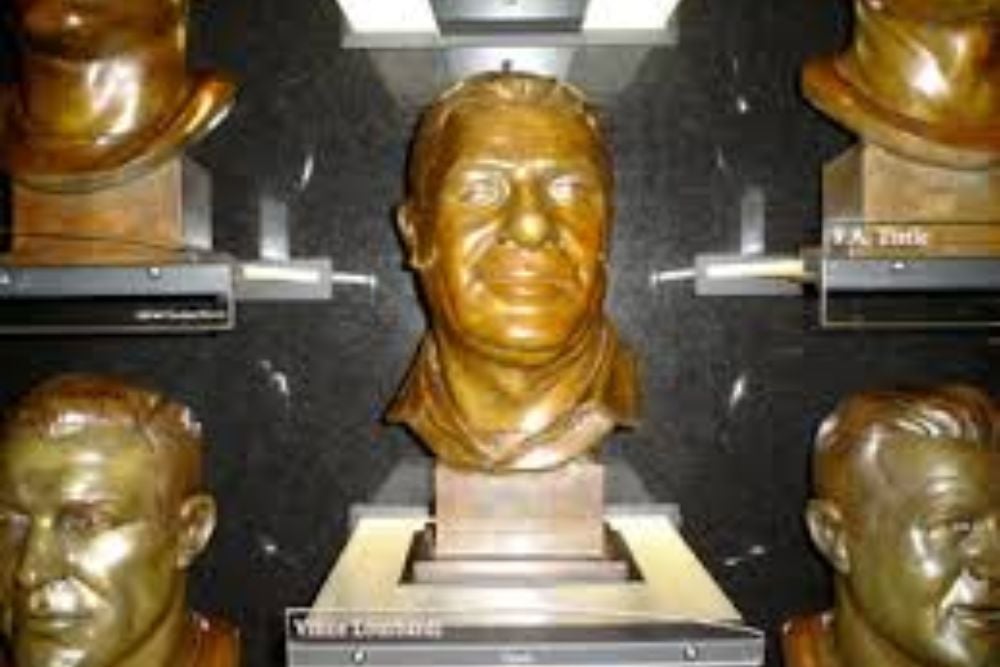
In 2014, Sean and Rikki McEvoy purchased a West Point sweater for 58 cents at a Goodwill store in Asheville, North Carolina, attracted by its vintage style. Months later, while watching a documentary about legendary football coach Vince Lombardi, Sean noticed Lombardi wearing an identical sweater.
Upon closer inspection, they found a name tag inside confirming it had belonged to the iconic coach during his time as an assistant at the military academy. The couple sold the sweater at Heritage Auctions in 2015 for $43,020, creating a return of over 7.4 million percent on their thrift store find. The sweater’s provenance was confirmed through photographic evidence and documentation from Lombardi’s time at West Point in the late 1940s.
From Pennies to Fortunes

These remarkable stories of items purchased for little and sold for substantial sums share a common thread—someone recognized value where others saw nothing special. While luck certainly played a role in many of these discoveries, the final step to realizing enormous profit often involved research, expert authentication, proper timing, and knowing the right marketplace for selling these treasures.
Though most thrift store finds and flea market purchases won’t yield life-changing wealth, these examples remind us that extraordinary value sometimes hides in ordinary places, waiting for the right person to recognize its true worth and transform a modest purchase into a remarkable windfall.
More from Go2Tutors!

- 18 Unexpectedly Valuable Collectibles You Might Have Lying Around
- 15 Things Every Teenager in the ’70s Did That Teens Today Wouldn’t Understand
- 15 Strange Things People Have Tried to Ban (And Failed)
- 15 Inventions That Were Immediately Banned After Being Created
- 20 Actors Who Were Almost Cast in Iconic Roles
Like Go2Tutors’s content? Follow us on MSN.