13 Ocean Creatures Scientists Recently Discovered
The ocean remains Earth’s final frontier, hiding countless mysteries in its deepest trenches and darkest waters. Despite centuries of exploration, scientists estimate we’ve only discovered about 5% of marine life — meaning millions of species are still waiting to be found. Recent advances in deep-sea technology and underwater robotics have opened up previously inaccessible areas, leading to an explosion of new discoveries.
These remarkable creatures challenge everything we thought we knew about life on our planet. From bioluminescent jellies that glow like underwater fireworks to fish that live in crushing depths where no sunlight ever reaches, the ocean continues to surprise researchers with its incredible biodiversity.
Here is a list of 13 ocean creatures scientists recently discovered.
Yeti Crab
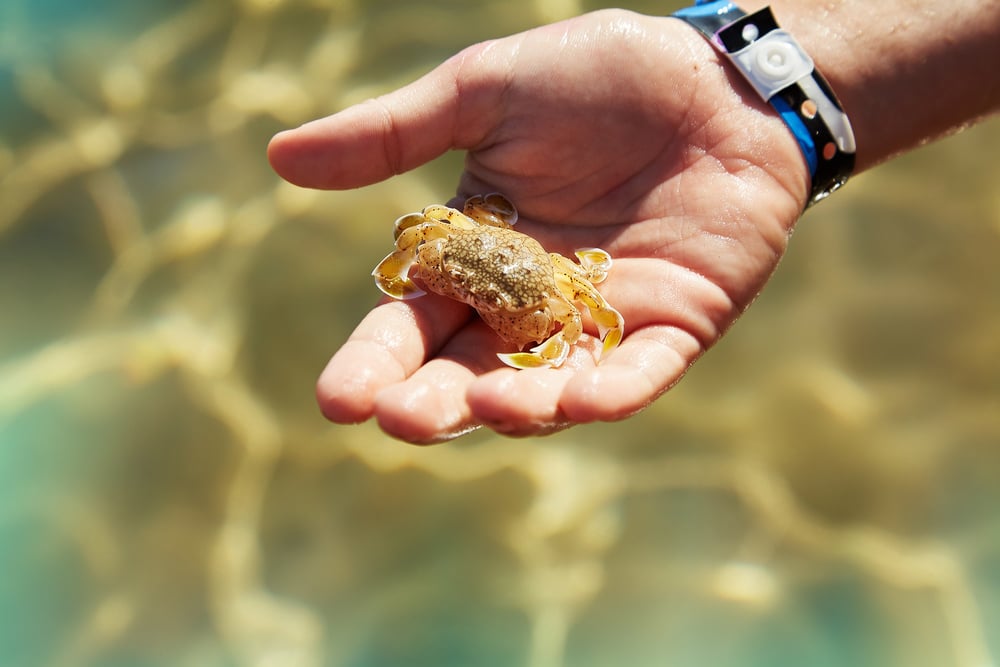
The Yeti crab was discovered near hydrothermal vents in the South Pacific — a bizarre crustacean covered in hair-like filaments that may help filter toxins from the water. This blind crab lives in one of Earth’s most extreme environments, where temperatures can reach 750 degrees Fahrenheit.
Scientists believe the creature’s furry appendages might harbor bacteria that help it survive — in waters that would kill most other life forms.
Dumbo Octopus

The Dumbo octopus earned its name from ear-like fins that resemble the Disney elephant — making it one of the most adorable deep-sea creatures ever discovered. These remarkable cephalopods live at depths exceeding 23,000 feet, deeper than any other known octopus species.
They propel themselves through the water using their distinctive fins — while their eight arms trail behind like underwater parachutes.
Like Go2Tutors’s content? Follow us on MSN.
Vampire Squid

Despite its terrifying name, the vampire squid doesn’t actually suck anything — instead feeding on marine snow, the constant rain of organic debris that falls from the ocean’s surface. This living fossil has remained virtually unchanged for millions of years, representing a unique evolutionary branch between squid and octopus.
When threatened, it can turn itself inside out — revealing spines that make it look like an underwater porcupine.
Blobfish

The blobfish became an internet sensation after being voted the world’s ugliest animal — though this gelatinous appearance only occurs when the fish is brought to the surface. At its natural depth of 4,000 feet, the blobfish looks like a normal fish, but the dramatic pressure change causes its body to expand into a blob-like mass.
This unfortunate transformation happens because the fish lacks the gas-filled swim bladder — that helps other fish maintain their shape at different depths.
Goblin Shark

The goblin shark is a living fossil that hasn’t changed much in 125 million years — earning it the nickname “living dinosaur of the sea.” This bizarre predator can shoot its jaws forward at lightning speed to catch prey, extending them up to 3 inches beyond its mouth.
Scientists rarely encounter these deep-sea sharks — making each discovery a treasure trove of information about ancient marine ecosystems.
Like Go2Tutors’s content? Follow us on MSN.
Fangtooth Fish
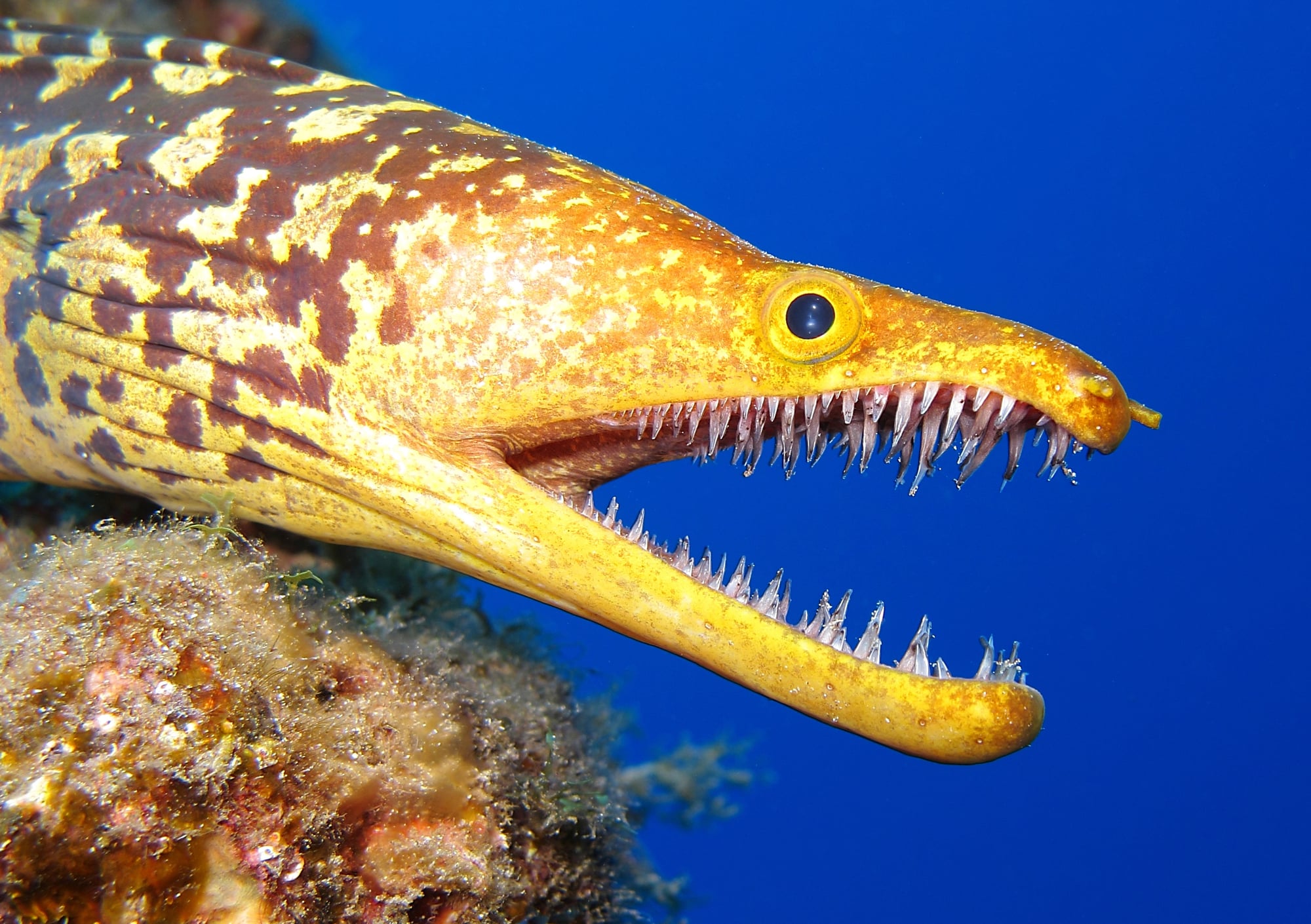
The fangtooth fish possesses the largest teeth relative to body size of any marine animal — with fangs so large they have special sockets in the fish’s skull to accommodate them. These deep-sea predators live in complete darkness, using lateral line systems to detect the slightest water movements from potential prey.
Despite their fearsome appearance, fangtooth fish are only about 6 inches long — proving that size doesn’t always matter in the deep ocean.
Like Go2Tutors’s content? Follow us on MSN.
Sea Pig

Sea pigs are actually deep-sea sea cucumbers that roam the ocean floor in herds — sometimes numbering in the thousands across the abyssal plains. These strange creatures feed on organic particles in the mud, essentially acting as underwater vacuum cleaners that help maintain ocean floor ecosystems.
Scientists have discovered that sea pigs can sense food sources from miles away — and will migrate together like underwater cattle following the richest feeding grounds.
Frilled Shark
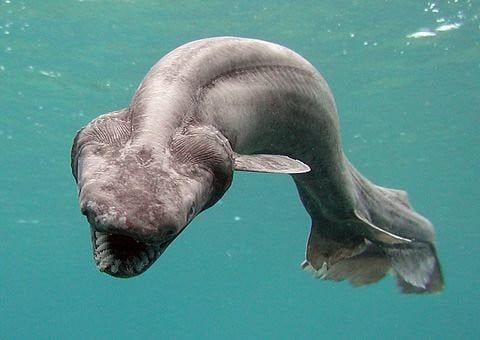
The frilled shark is another living fossil that predates the dinosaurs — with a primitive body structure that has remained unchanged for 80 million years. This eel-like shark can grow up to 7 feet long and hunts by striking like a snake, coiling its body before lunging at prey with lightning speed.
Its discovery in modern times was so significant that scientists initially thought — they were looking at a completely new type of marine animal.
Like Go2Tutors’s content? Follow us on MSN.
Giant Tube Worms
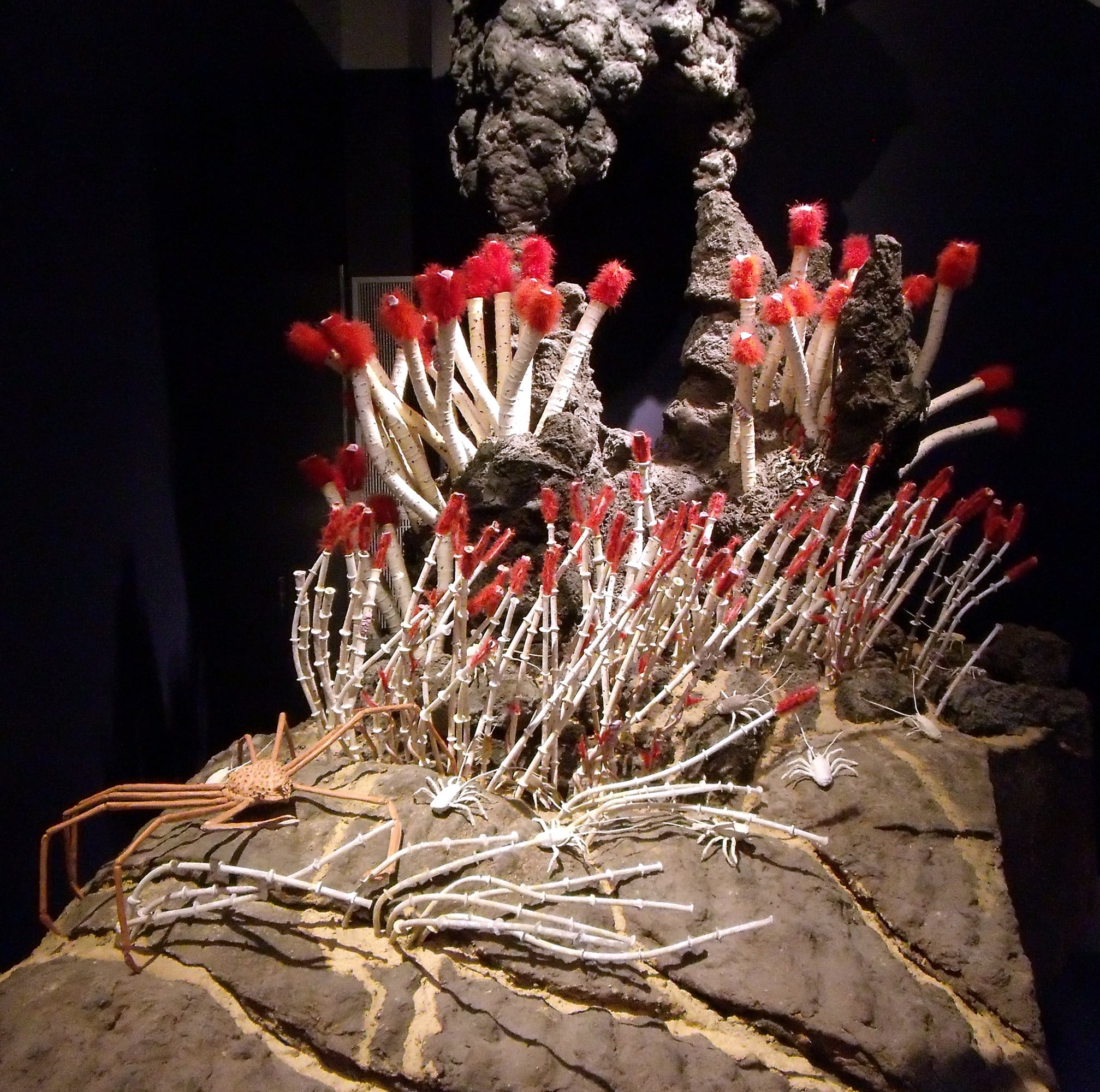
Giant tube worms were discovered around hydrothermal vents in the 1970s, revolutionizing our understanding of life on Earth. These remarkable creatures can grow up to 8 feet long yet have no mouth, stomach, or digestive system.
Instead, they rely on symbiotic bacteria that convert chemicals from the vents into energy, proving that life can exist without sunlight. Their discovery has influenced theories about potential life on other planets.
Christmas Tree Worm
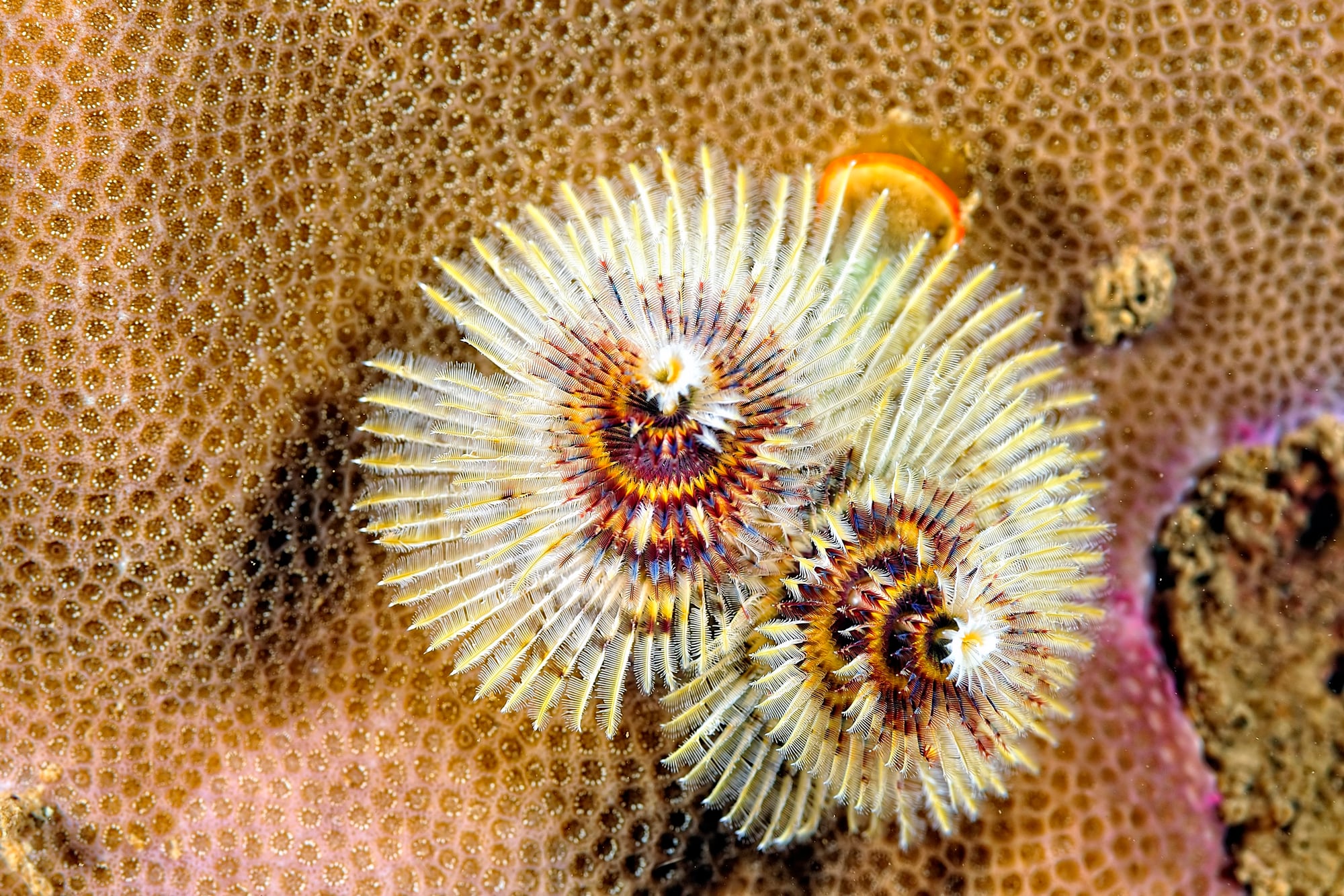
Christmas tree worms create some of the ocean’s most spectacular displays with their feathery, colorful feeding structures that look exactly like festive decorations. These filter-feeders can instantly retract their beautiful plumes when threatened, disappearing into their tubes in milliseconds.
Scientists have discovered that each worm’s crown contains thousands of tiny cilia that create water currents to capture microscopic food particles.
Leafy Sea Dragon
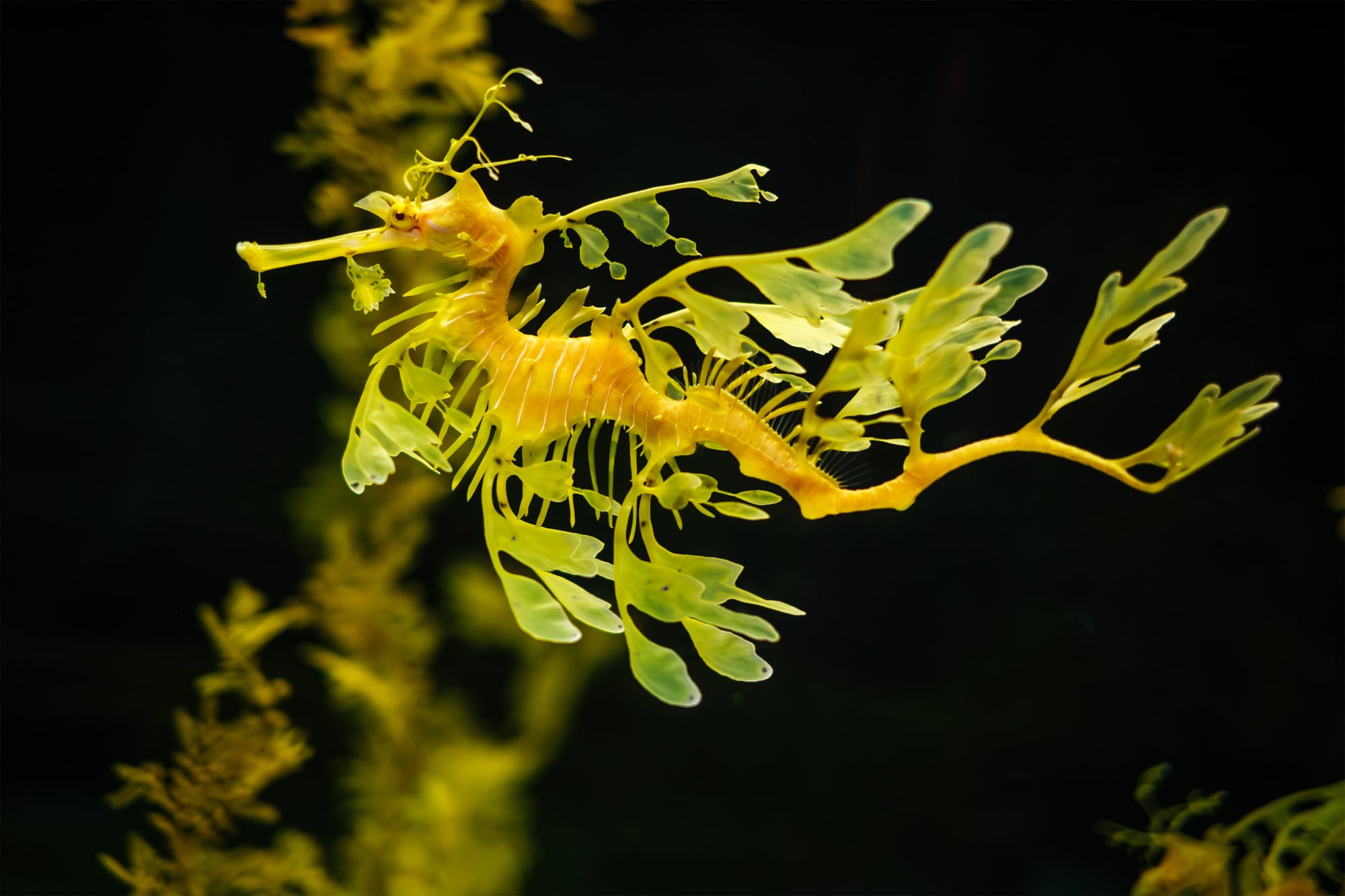
The leafy sea dragon is perfectly camouflaged to look like floating seaweed, with elaborate appendages that mimic kelp fronds swaying in the current. Unlike seahorses, these creatures can’t grip objects with their tails and must rely entirely on their incredible camouflage to avoid predators.
Male leafy sea dragons carry the eggs during reproduction, though they attach them to their own tails rather than storing them in pouches.
Like Go2Tutors’s content? Follow us on MSN.
Mantis Shrimp
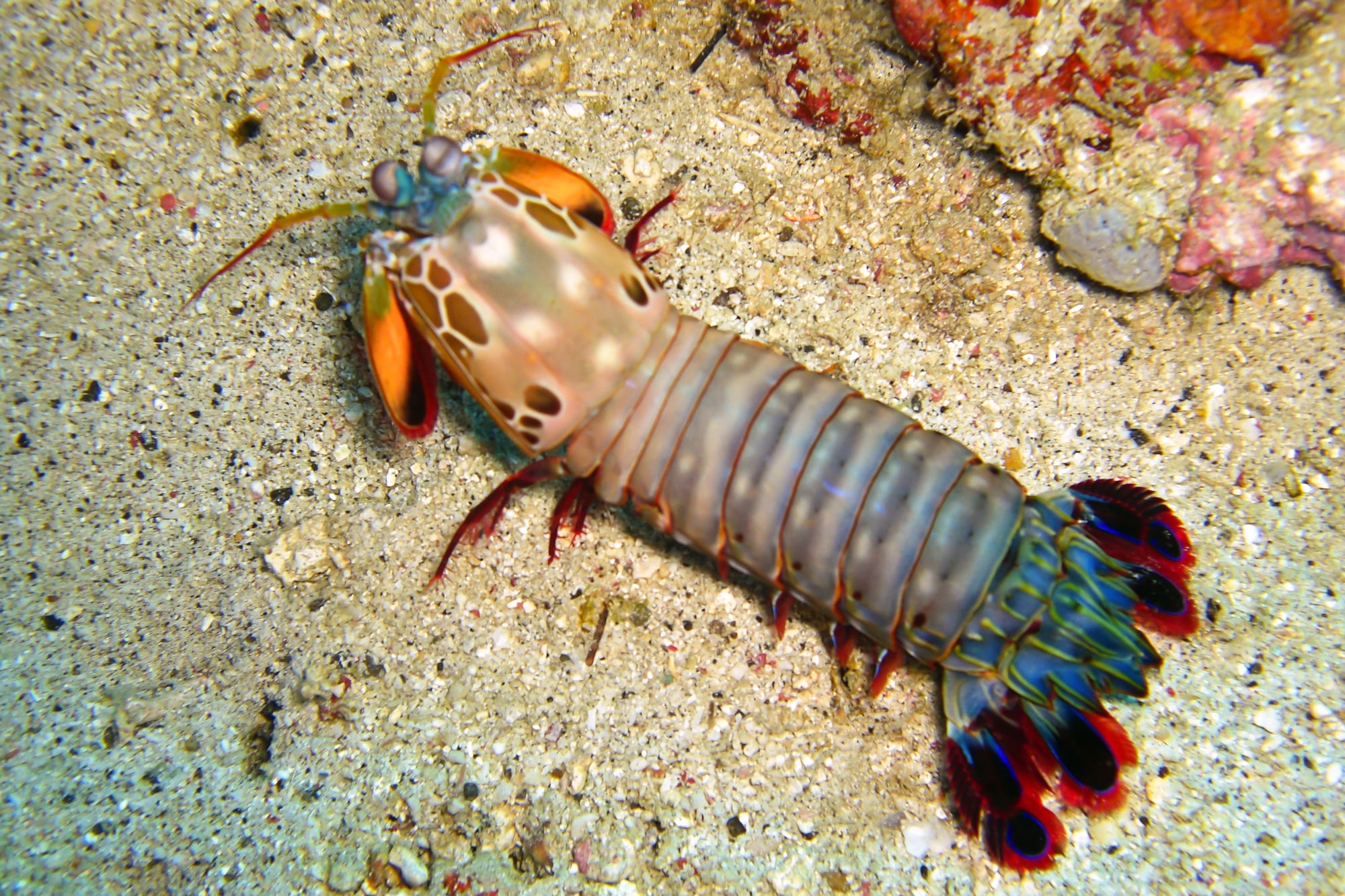
Mantis shrimp aren’t actually shrimp but powerful predators with the most complex eyes in the animal kingdom, capable of seeing 16 types of color receptors compared to humans’ three. These rainbow-colored crustaceans can punch with the force of a bullet, creating cavitation bubbles that generate temperatures nearly as hot as the sun.
Their strikes are so fast they can break aquarium glass, making them both beautiful and dangerous marine discoveries.
Anglerfish

Deep-sea anglerfish use bioluminescent lures to attract prey in the pitch-black depths, with females carrying glowing bacterial colonies in specialized organs above their mouths. The males of many anglerfish species are tiny parasites that fuse permanently to females, essentially becoming living sperm banks.
This bizarre reproductive strategy ensures that these rarely-encountered fish can always find mates in the vast darkness of the deep ocean.
Windows Into an Alien World
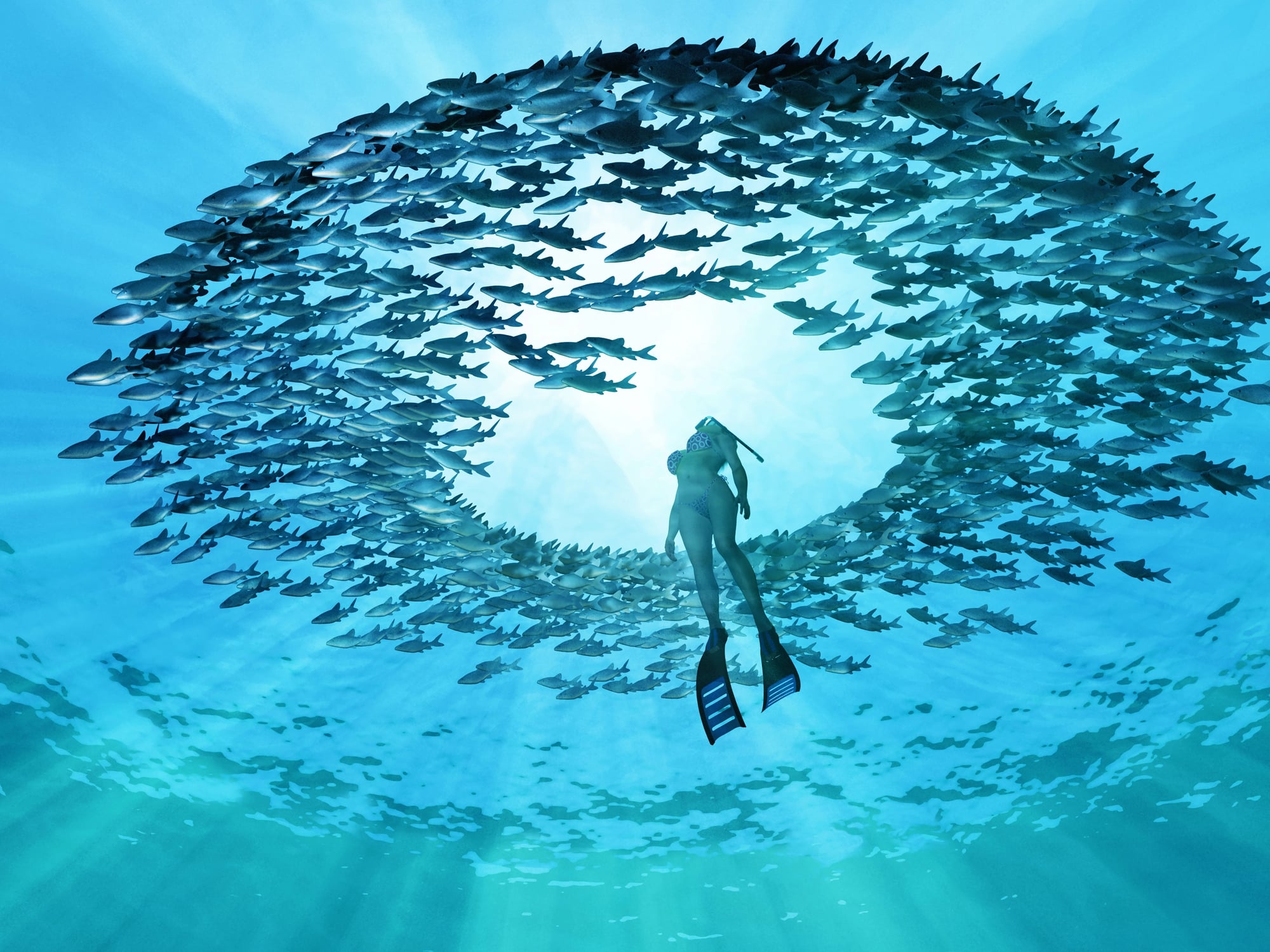
These incredible discoveries remind us that our own planet still holds countless mysteries waiting to be uncovered. Each new species reveals unique adaptations that push the boundaries of what we consider possible for life on Earth.
As technology continues to advance and exploration reaches even deeper into the ocean’s most remote areas, scientists expect to discover thousands more species that will continue reshaping our understanding of marine biodiversity and evolution.
Like Go2Tutors’s content? Follow us on MSN.
More from Go2Tutors!

- 16 Historical Figures Who Were Nothing Like You Think
- 12 Things Sold in the 80s That Are Now Illegal
- 15 VHS Tapes That Could Be Worth Thousands
- 17 Historical “What Ifs” That Would Have Changed Everything
- 18 TV Shows That Vanished Without a Finale
Like Go2Tutors’s content? Follow us on MSN.