15 Things 3D Printing Can Do
When A Machine Starts Making Almost Anything
There’s something almost disorienting about watching a 3D printer work. You load a file, press a button, and a few hours later there’s a physical object sitting on the build plate — something that didn’t exist before.
It still feels like a trick. But the technology has been quietly maturing for decades, and what it can produce today goes well beyond plastic novelties.
Here are 15 things 3D printing can genuinely do.
1. Print Human Tissue and Organs
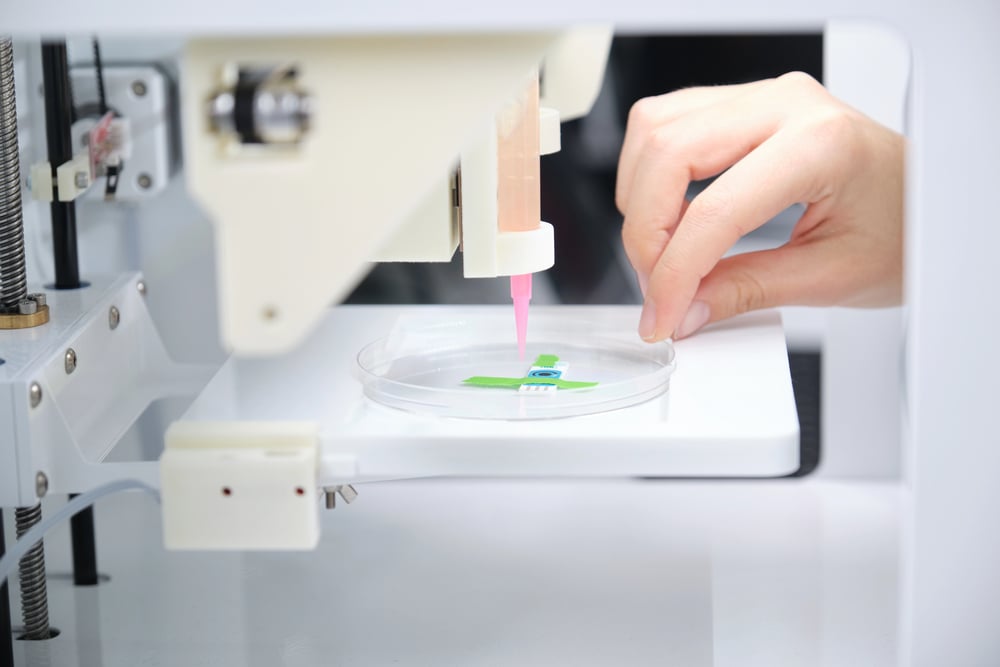
Bioprinting uses living cells as ink. Researchers have already printed skin grafts, cartilage, and blood vessels that the body accepts.
Full functional organs are still in development, but labs have printed organoids — miniature organ-like structures — that are used to test drugs and study disease. The goal is to eventually print replacement kidneys or hearts tailored to individual patients.
2. Build Houses
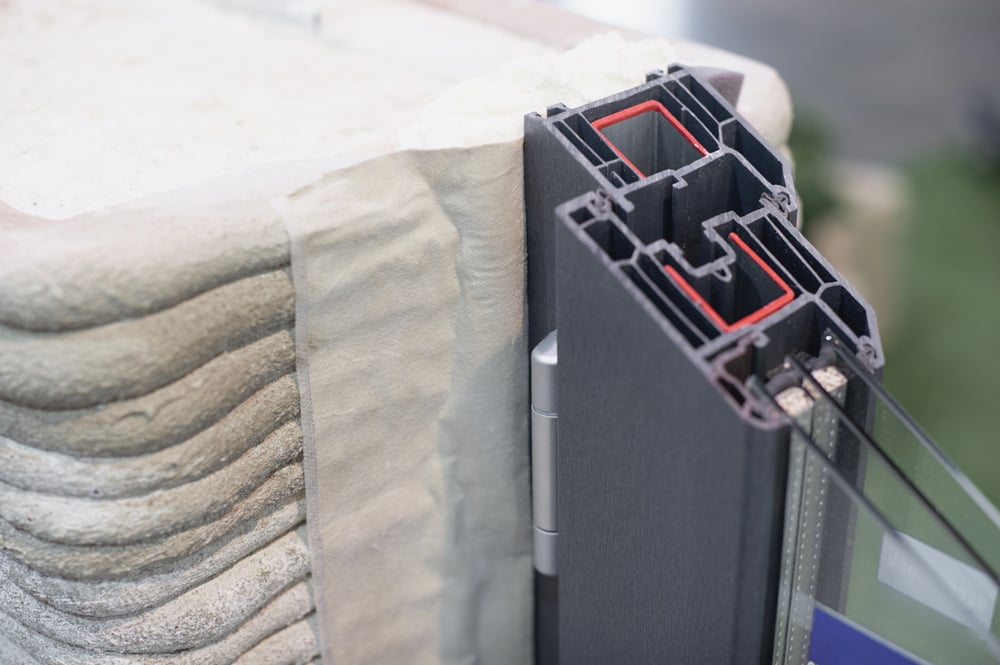
Full-scale 3D-printed homes are no longer experimental. Companies in the US, Europe, and Africa have built livable homes using large concrete printers that extrude material layer by layer.
The process is faster than traditional construction and produces significantly less waste. In some cases, a basic structure goes up in under 24 hours.
3. Make Prosthetics That Fit Perfectly
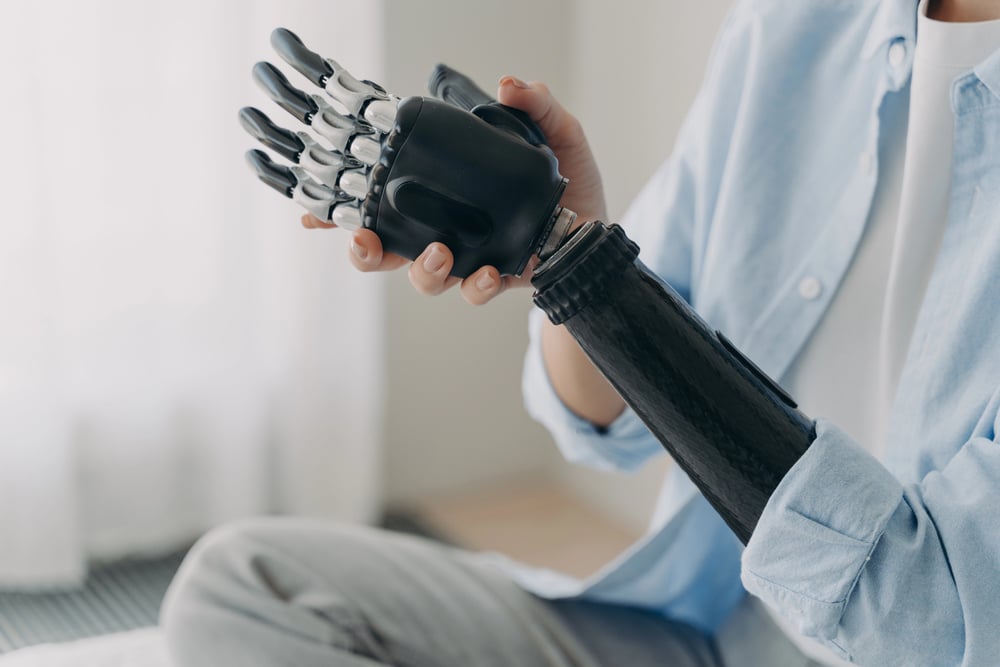
Traditional prosthetic limbs are expensive and slow to produce. A 3D-printed prosthetic hand can cost a fraction of the price and be customized exactly to the user’s measurements.
For children who outgrow their prosthetics quickly, this matters enormously. Designs can be shared as files and printed almost anywhere in the world.
4. Produce Spare Parts on Demand
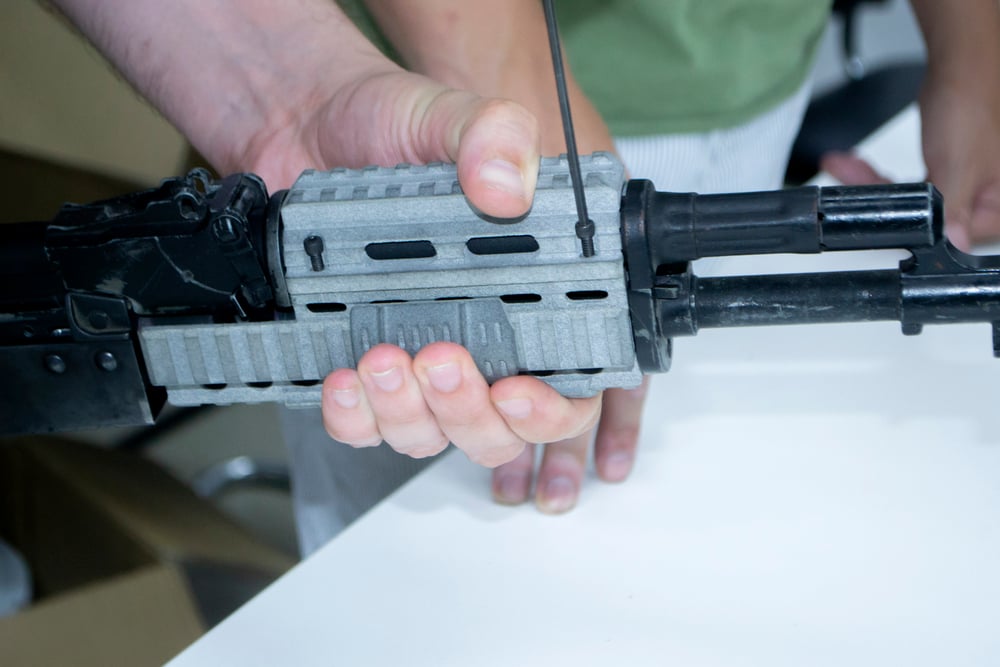
Manufacturers and repair shops use 3D printing to produce replacement parts that are no longer in production. Old appliances, vintage vehicles, industrial machines — if the original part is unavailable, a scan or CAD file can bring it back.
The US Navy has tested onboard 3D printers so ships can produce spare components at sea without waiting for supply chains.
5. Create Surgical Guides and Implants
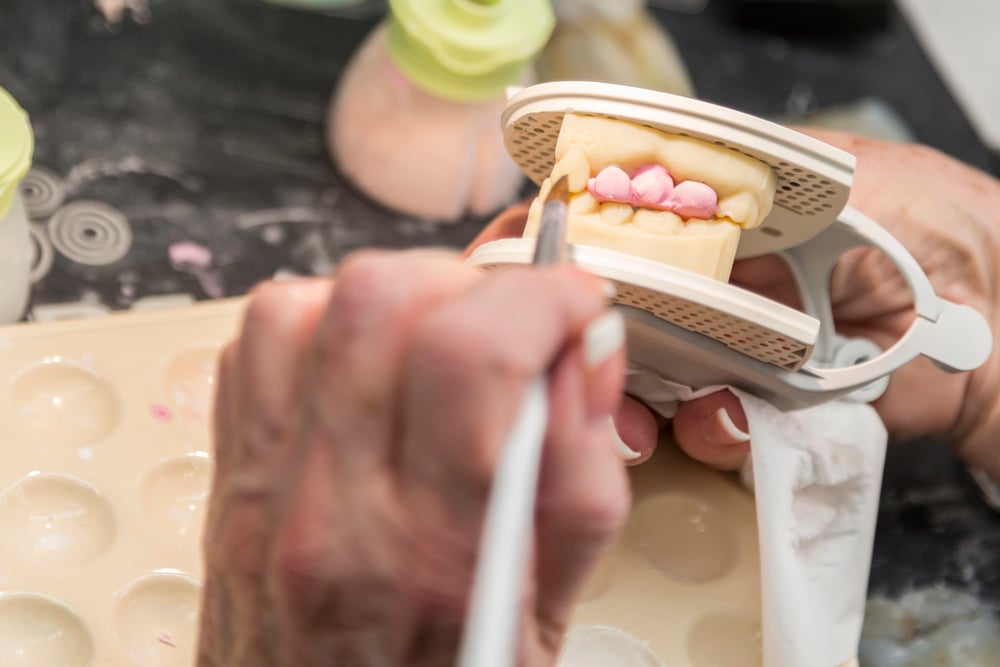
Surgeons use 3D-printed models of a patient’s anatomy to plan complex procedures before they happen. These models are built from CT or MRI scans and give surgeons a physical replica to work with.
Beyond planning, titanium implants — hip replacements, spinal cages, jaw reconstructions — are regularly 3D printed and implanted in patients.
6. Print Food

Food-safe printers can work with pastes, doughs, chocolate, and pureed ingredients. Restaurants have used them for decorative garnishes and precise plating. More practically, researchers are developing printed meals for elderly patients who have difficulty swallowing, where standard food shapes are dangerous but pureed food is unappetizing.
Printed food can replicate the look of normal meals while adjusting texture to be safe.
7. Manufacture Aerospace Components
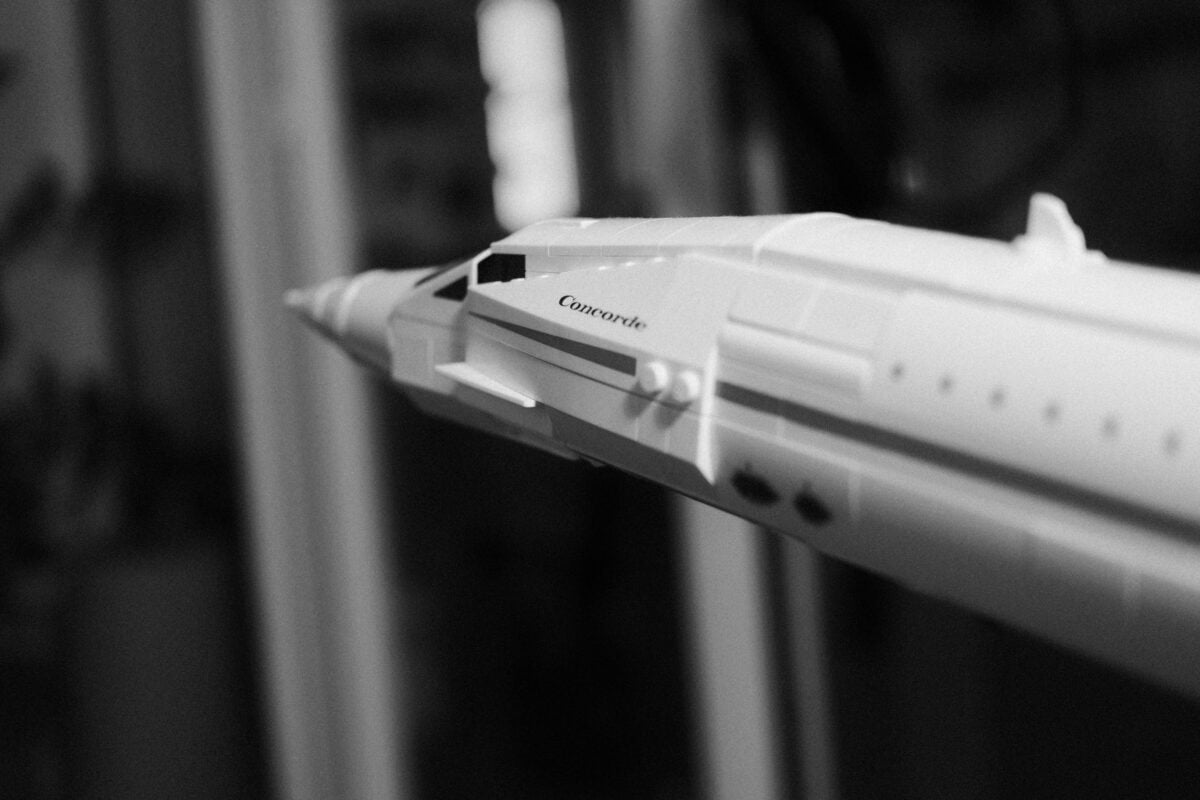
NASA and private aerospace companies print rocket engine parts. Some components that once required assembling dozens of individual pieces can now be printed as a single part — which reduces weight and eliminates potential failure points at joints.
SpaceX, Rocket Lab, and others have flown engines with 3D-printed chambers and injectors.
8. Assist in Archaeology and Preservation
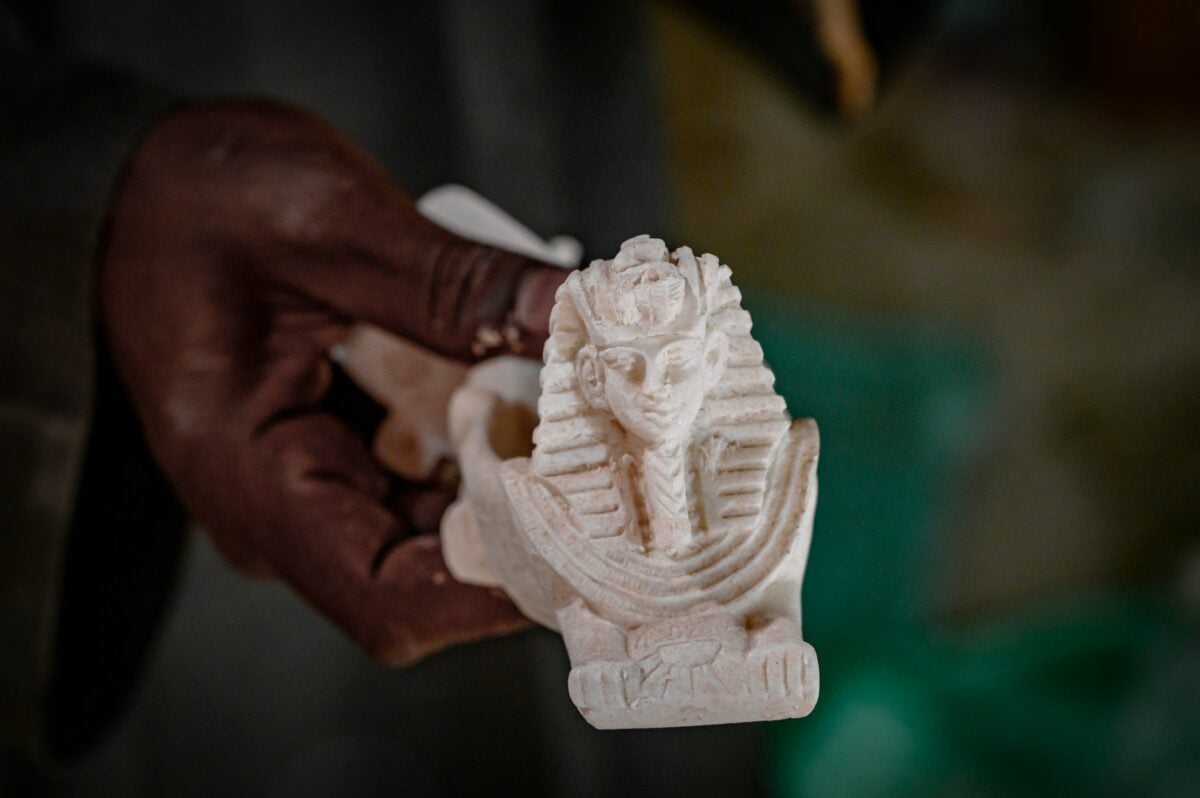
Museums and archaeologists scan fragile or damaged artifacts and print high-quality replicas. The replica can be handled, studied, or displayed while the original stays protected.
When artifacts are destroyed — by conflict, natural disaster, or time — existing 3D data can be used to reconstruct them. Palmyra’s destroyed Temple of Bel was partially recreated using this method.
9. Support Custom Orthotics and Medical Devices
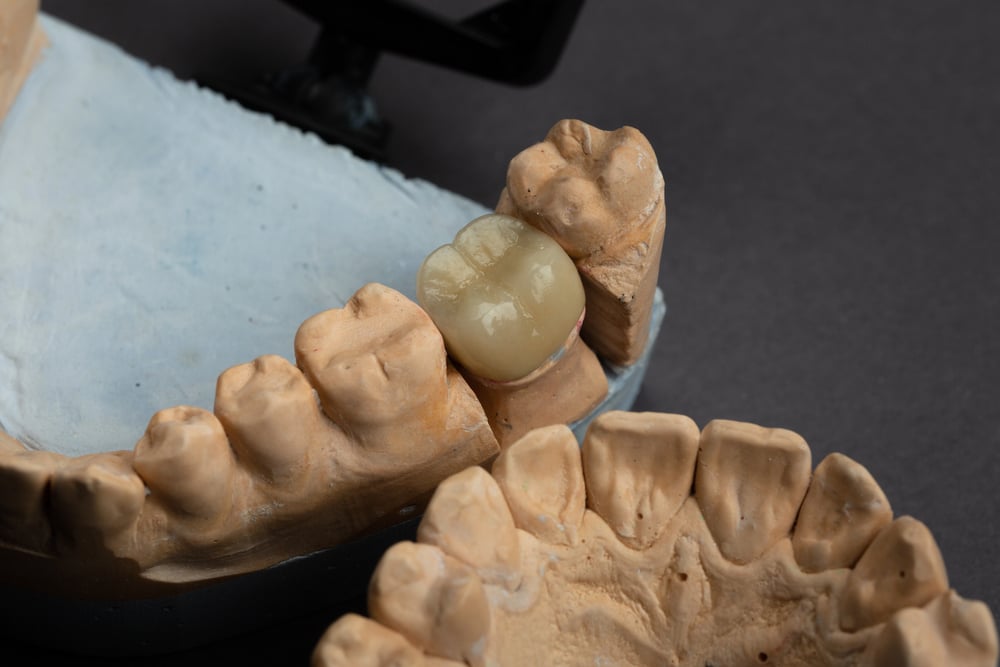
Insoles, braces, hearing aids, and dental aligners are all being produced with 3D printing. The hearing aid industry moved almost entirely to printed devices years ago — the fit is better, the production is faster, and costs dropped significantly.
Dental labs now print crowns, bridges, and surgical guides. Your dentist’s office may already be doing this.
10. Enable Small-Batch Manufacturing
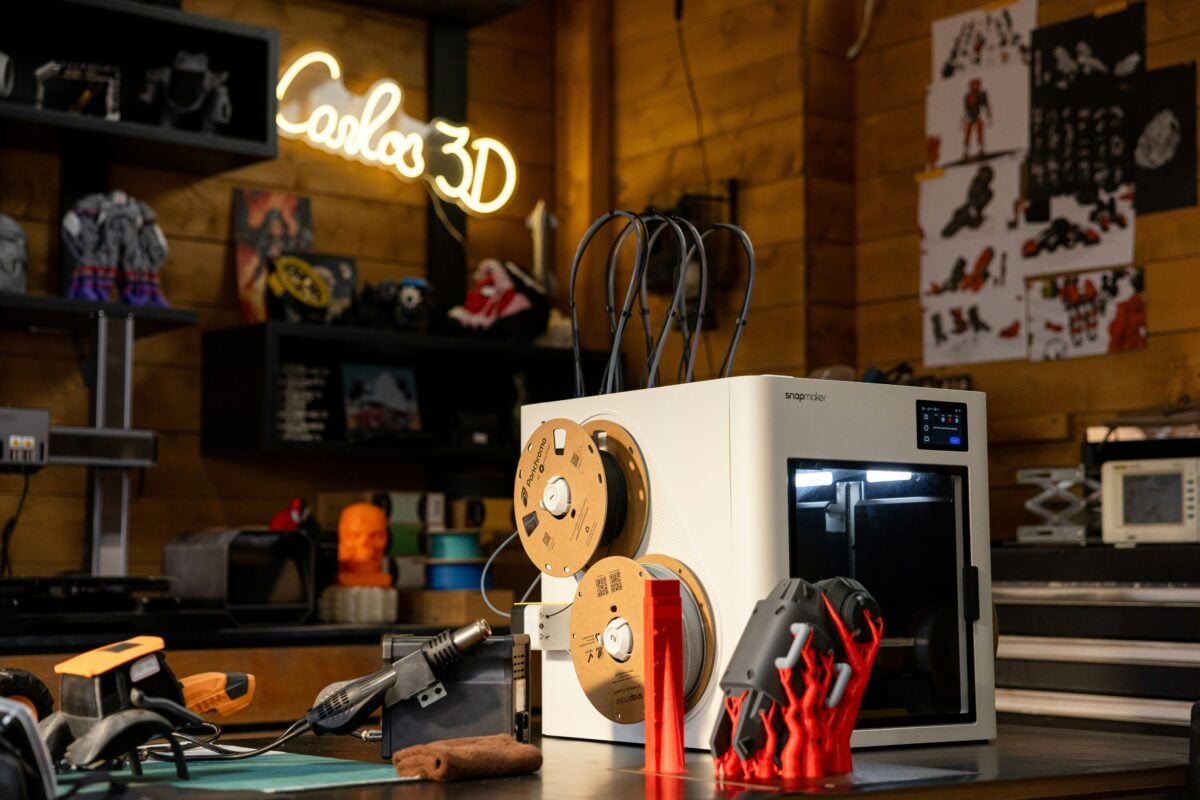
For startups and independent designers, 3D printing removes the need for expensive injection molds. You can produce 50 units of a product, test the market, refine the design, and produce another 50 — without committing to a factory run of thousands.
This changes what’s viable for small businesses and individual inventors.
11. Print Electronics and Circuit Boards

Conductive filaments and specialized printers can print basic circuits directly onto surfaces. More advanced systems print antennas, sensors, and even full circuit boards.
Research is pushing toward fully printed electronics, where components and connections are deposited in one process. This opens up possibilities for embedding electronics into objects during fabrication.
12. Help with Disaster Relief
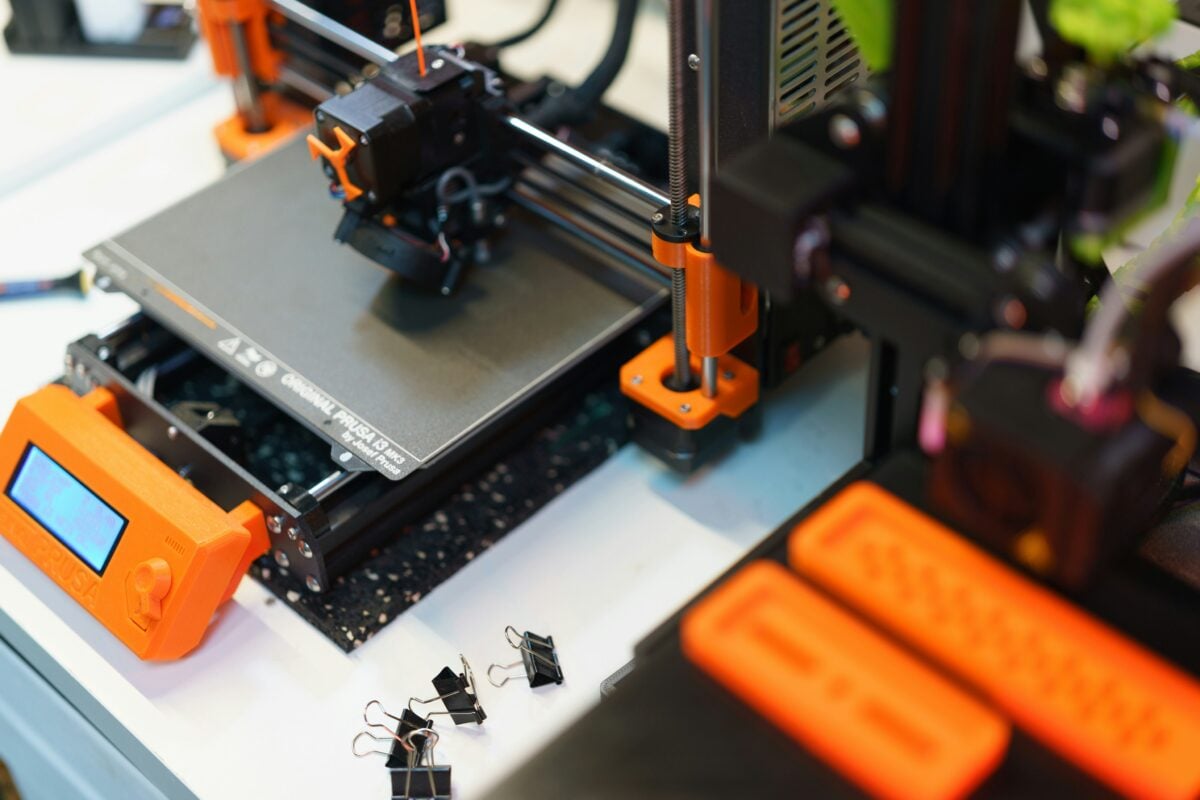
Floods strike. War rips through cities.
Quakes split roads apart – then everything stops moving. Machines that fit in a backpack start humming, building filters on the spot instead of waiting months.
Doctors get tools they need because someone hit print, not because trucks arrived. A group called Field Ready skips long waits by making parts where they’re needed, one layer at a time.
13. Higher Learning and Study
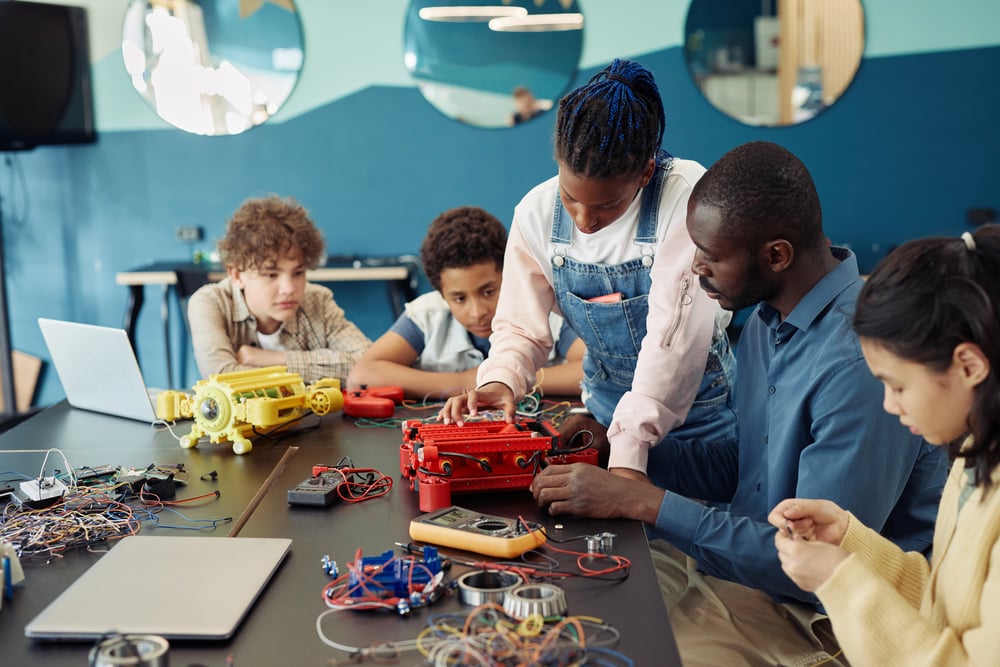
Schools now rely on desktop 3D printers to build teaching tools. From there, medical learners examine lifelike body parts made of plastic.
Meanwhile, engineering pupils try out building plans without wasting steel or wood. In labs, researchers craft their own gear – jigs, clips, trays – skipping long waits for outside vendors.
Suddenly, turning a sketch into something you can hold takes hours, not weeks.
14. Make Art and Jewelry
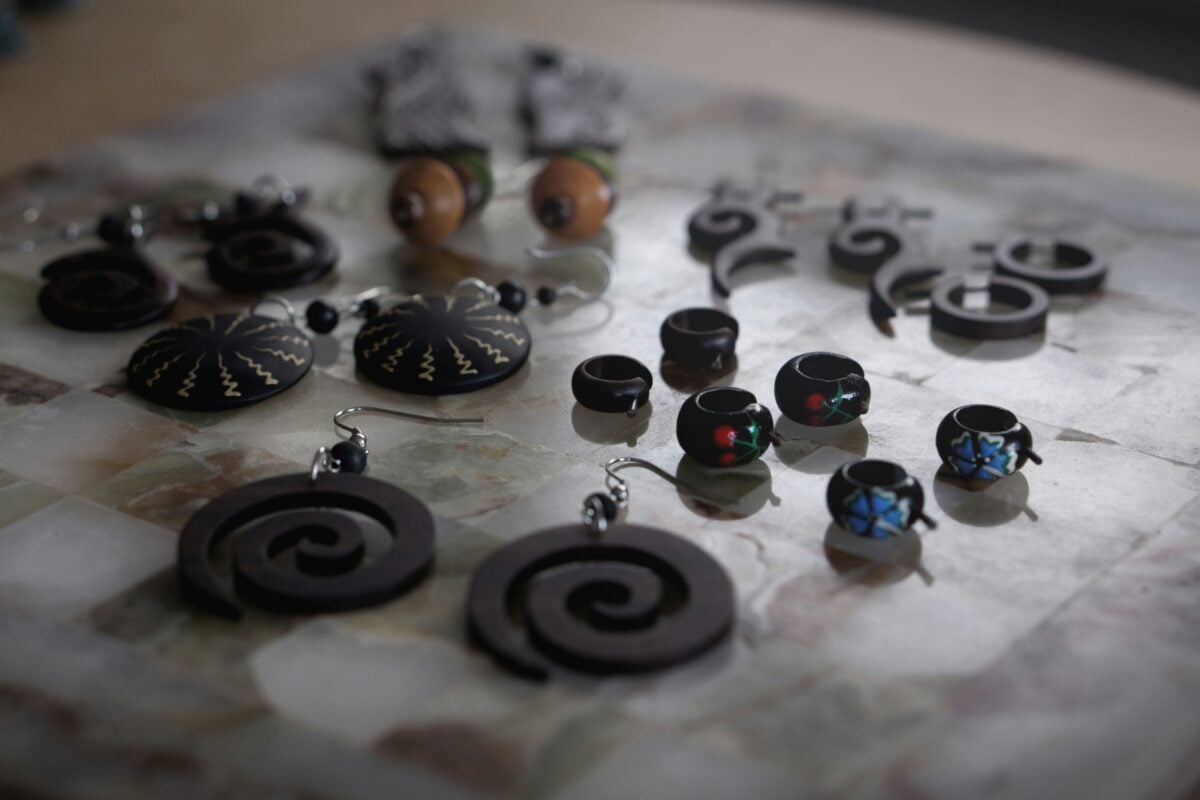
Craftsmen of metal and creators of wearable art now use 3D printing not just to sketch ideas but also to build real pieces. Instead of carving by hand, they print wax models – perfect for molds that shape intricate designs fingers could never cut.
With digital tools, sculptors dream up shapes too wild to make using old methods. Metal or resin rolls out straight from the machine, becoming artwork without extra steps.
15. Print in Space
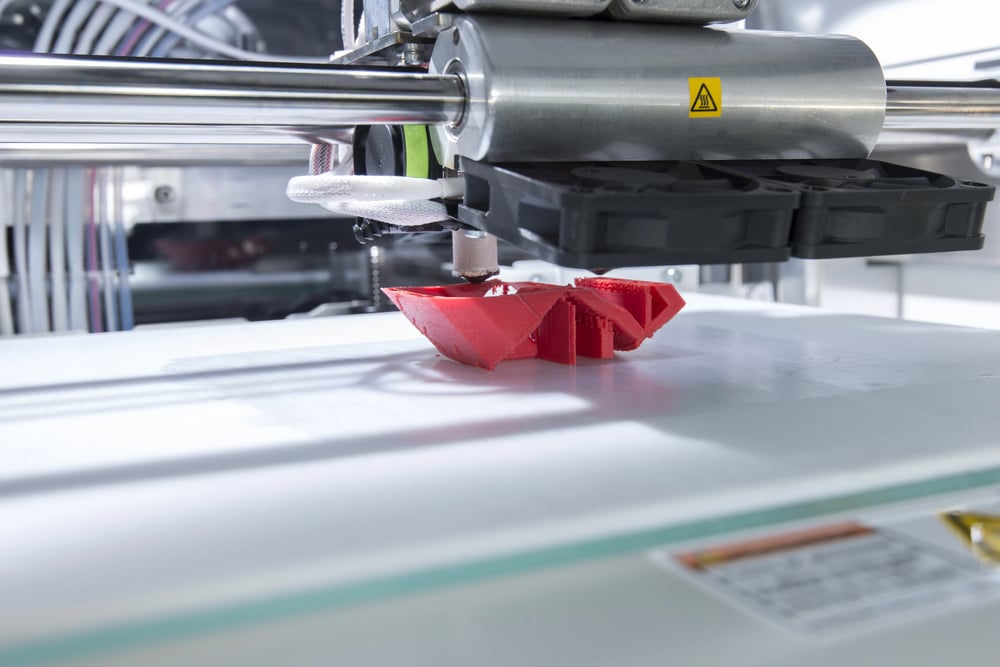
Since 2014, the International Space Station run by NASA has carried a 3D printer. Getting parts made in orbit beats launching endless spares into space.
Tools, mounts, even small pieces for gear – printed when needed. Later trips to the Moon or Mars may depend on making things from local stuff instead of bringing it all up from Earth.
The Point Was Never About the Printer
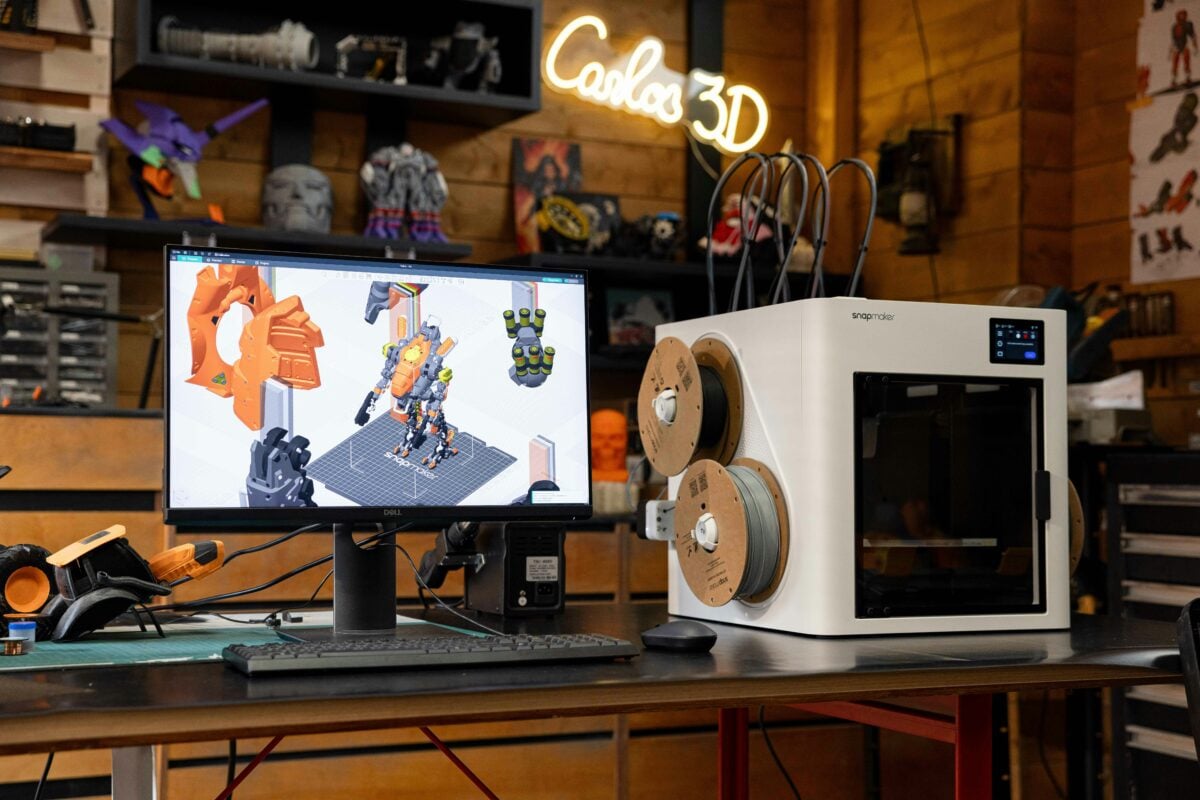
What stands out with 3D printing isn’t the hardware. Instead, it’s the change in production methods.
The design itself takes center stage now. Files move across the world in moments, becoming real objects far away.
Suddenly, more people can build things. Access opens up – spare components, custom tools, even healthcare aids – are easier to reach.
Even so, the tech struggles with speed, how strong materials can be, and high costs when used widely. Yet where it works, it really works.
With time, those spots are growing more numerous.
More from Go2Tutors!

- The Romanov Crown Jewels and Their Tragic Fate
- 13 Historical Mysteries That Science Still Can’t Solve
- Famous Hoaxes That Fooled the World for Years
- 15 Child Stars with Tragic Adult Lives
- 16 Famous Jewelry Pieces in History
Like Go2Tutors’s content? Follow us on MSN.



