13 Schools That Don’t Give Grades at All
Traditional letter grades have dominated education for over a century, yet a growing number of schools are ditching A’s, B’s, and C’s entirely. These innovative institutions believe grades can actually hinder learning — creating anxiety, encouraging competition over collaboration, and reducing complex understanding to simple letters.
Here’s a list of 13 schools that have completely eliminated traditional grading systems in favor of more meaningful ways to assess student progress.
New Tech High School
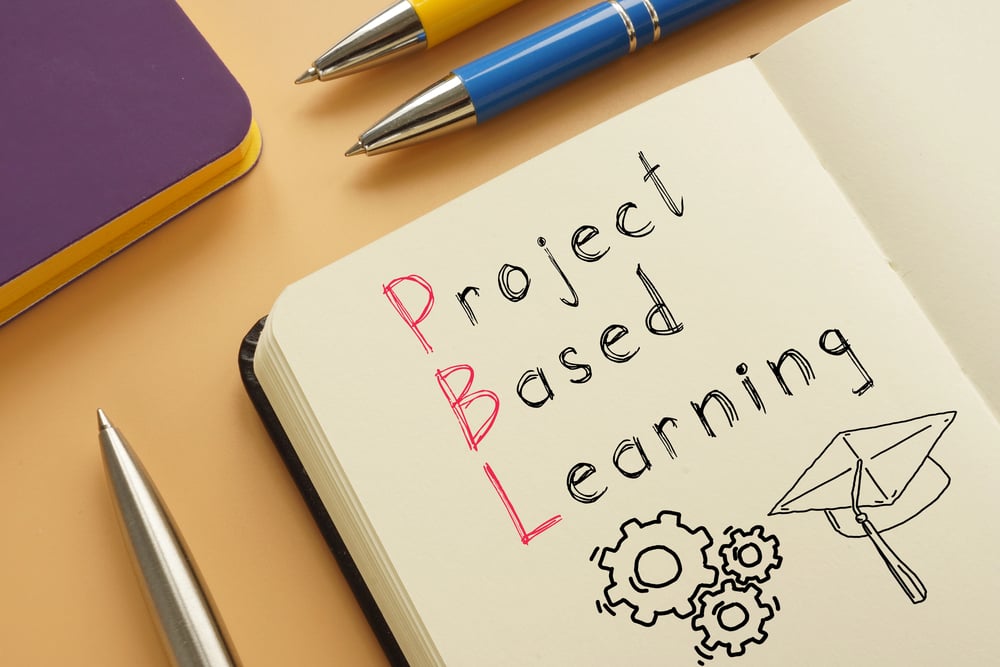
New Tech High School in Napa, California pioneered project-based learning without traditional grades back in 1996. Students receive detailed narrative evaluations that describe their mastery of specific skills and knowledge areas. The school focuses on real-world projects where students tackle actual community problems — making assessments about growth rather than ranking.
Sudbury Valley School

This Massachusetts institution operates on the radical principle that children learn best when they’re free to pursue their own interests. Founded in 1968, Sudbury Valley has no curriculum, no grades, and no required classes. Students of all ages mix freely. They learn through play, conversation, and self-directed exploration while staff members serve more as resources than traditional teachers.
New Country School

Located in Henderson, Minnesota, New Country School replaced grades with detailed learning profiles that track student progress across multiple competencies. Students work on personalized learning plans. They receive ongoing feedback through conferences and portfolio reviews. The school emphasizes mastery learning — where students advance based on demonstrated understanding rather than time spent in class.
High Tech High

This network of charter schools in San Diego eliminated traditional grades in favor of exhibitions and portfolio-based assessment. Students present their learning to panels of teachers, peers, and community members throughout the year. The schools focus heavily on project-based learning where students create tangible products that demonstrate their understanding of academic concepts.
Parker Charter Essential School

This Massachusetts public charter school uses narrative evaluations and student portfolios instead of letter grades. Students must demonstrate mastery through exhibitions and presentations before advancing to the next level. The school operates on the principle that learning should be personalized — and that traditional grades often mask what students actually know and can do.
Crossroads School

This Santa Monica, California private school eliminated traditional grades for its middle school students. Instead, they provide detailed feedback through conferences and written evaluations. Students receive extensive commentary on their work that helps them understand their strengths and areas for growth. The school believes this approach reduces anxiety while encouraging risk-taking in learning.
Quest to Learn

This New York City public school designs learning around game-like challenges and quests rather than traditional subjects and grades. Students advance by completing increasingly complex missions that integrate multiple academic disciplines. Assessment happens through portfolio reviews and peer feedback — not tests and letter grades.
Watershed School
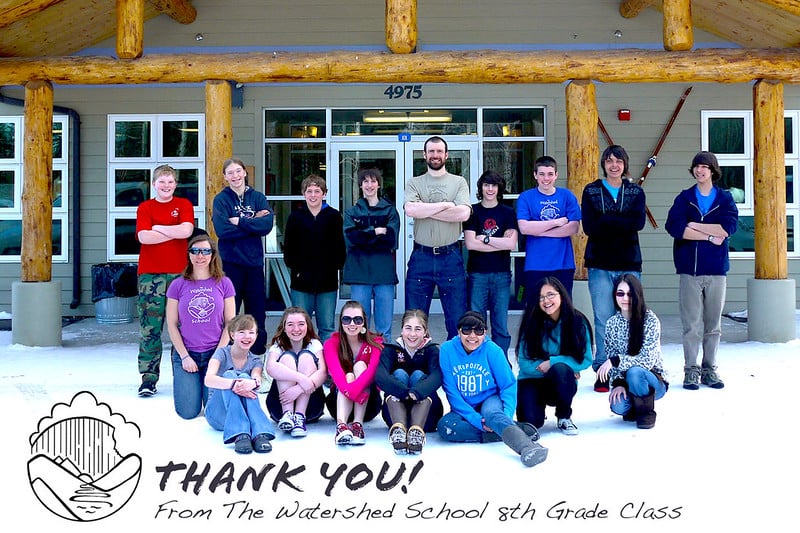
Located in Colorado, Watershed School uses competency-based assessment where students must demonstrate mastery of specific skills before moving forward. Instead of grades, students receive detailed feedback on their progress toward meeting learning objectives. The school emphasizes experiential learning through outdoor education and community partnerships.
Crefeld School

This Philadelphia Quaker school eliminated grades for its elementary and middle school students, focusing instead on detailed written evaluations. Students participate in regular conferences with teachers and parents to discuss their learning progress. The school believes this approach helps students develop intrinsic motivation and a genuine love of learning.
Scarsdale Alternative School

This New York program within the Scarsdale school district offers high school students an option to learn without traditional grades or rigid schedules. Students work closely with faculty advisors to design individualized learning experiences. Assessment happens through portfolio presentations and self-reflection rather than comparative grading.
Avalon School

Located in St. Paul, Minnesota, Avalon School serves students who haven’t succeeded in traditional settings by eliminating grades and offering flexible scheduling. Students work at their own pace on personalized learning plans with regular check-ins with advisors. The school measures progress through portfolio development and community presentation of learning.
Metropolitan Regional Career and Technical Center

This Rhode Island school combines academic learning with real-world internships, assessing students through portfolio exhibitions rather than traditional grades. Students spend half their time in community internships where they apply academic concepts to actual workplace challenges. Assessment focuses on demonstrated competency and reflection on learning experiences.
Big Picture Learning Schools

This network of small schools across multiple states eliminates traditional grades in favor of exhibitions and internship-based learning. Students spend significant time in community internships where they pursue individual interests while meeting academic standards. Assessment happens through regular exhibitions where students present their learning to panels of adults and peers.
The Lasting Impact of Grade-Free Education
These pioneering schools demonstrate that meaningful learning can happen without the carrot-and-stick approach of traditional grading. Many graduates report feeling better prepared for college and careers because they learned to seek feedback, reflect on their progress, and take ownership of their education. While the approach isn’t for everyone, these institutions prove that there are viable alternatives to the grade-obsessed culture that dominates most American schools. Their success suggests that the future of education might look very different from the classrooms most of us remember.
More from Go2Tutors!

- The Romanov Crown Jewels and Their Tragic Fate
- 13 Historical Mysteries That Science Still Can’t Solve
- Famous Hoaxes That Fooled the World for Years
- 15 Child Stars with Tragic Adult Lives
- 16 Famous Jewelry Pieces in History
Like Go2Tutors’s content? Follow us on MSN.



