The Science of Earth’s Coldest Temperature
Think about the coldest day you’ve ever experienced. Maybe your breath turned to fog instantly, or your car wouldn’t start.
Now imagine a cold so intense that it makes Antarctica feel like a warm summer day. Scientists have created temperatures so cold that atoms almost completely stop moving, and the story of how they do it reads like science fiction come to life.
Ready to dive into the world where hot and cold as you know them simply don’t exist anymore?
What absolute zero actually means
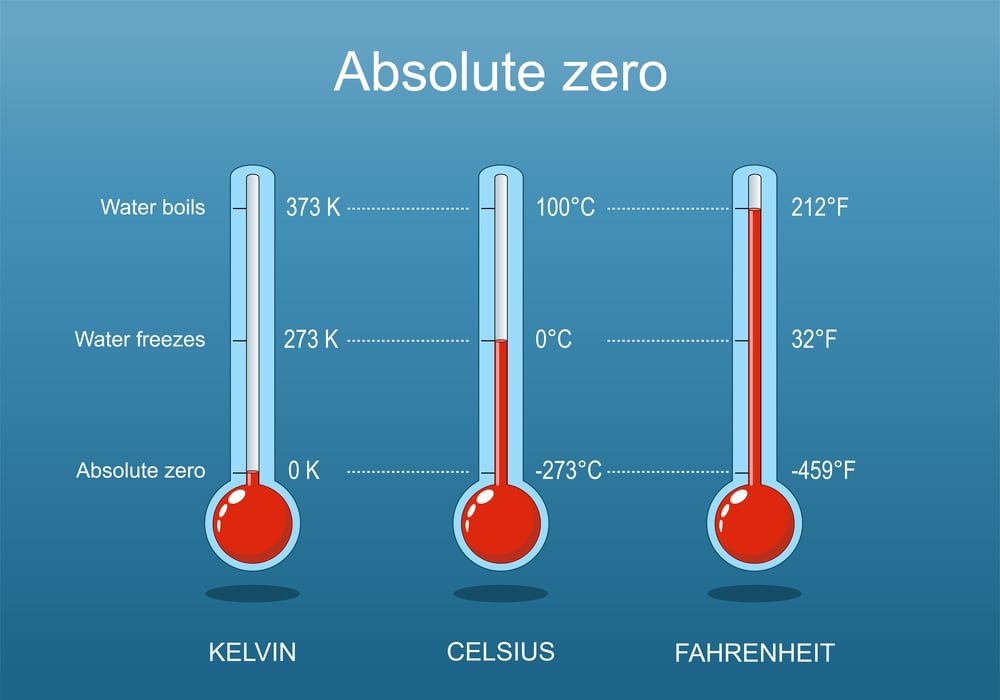
Absolute zero sits at the bottom of every temperature scale like the basement floor of the universe. Lord Kelvin calculated this absolute coldest temperature as negative 273.15 Celsius (or negative 459.67 degrees Fahrenheit).
At this point, atoms would theoretically have zero energy and stop moving entirely. Picture a dance floor where everyone suddenly freezes mid-step. That’s what happens to matter at absolute zero, except the dancers are atoms and molecules.
Breaking records with rubidium atoms
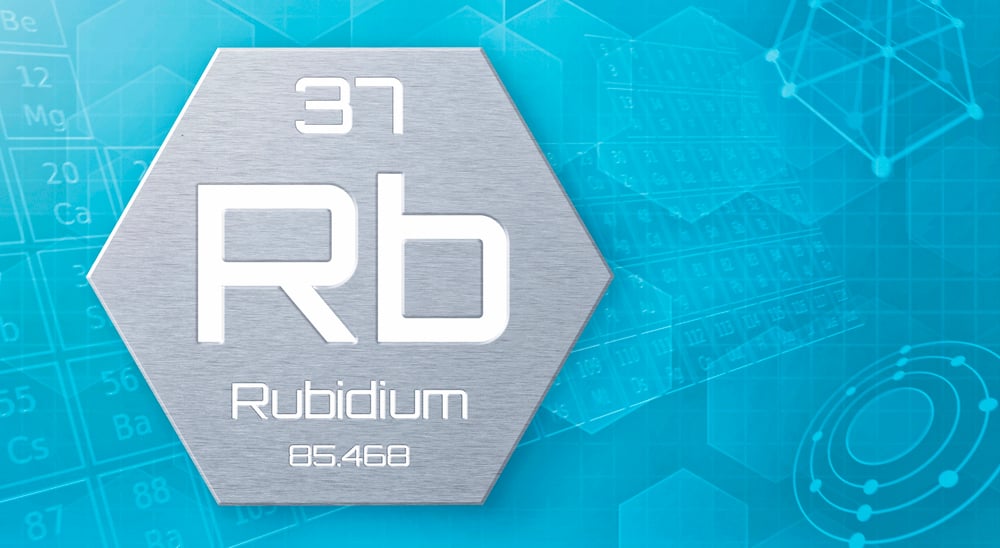
The lowest temperature that matter has been cooled to is 38 picoKelvin, just 38 trillionths of a degree above absolute zero. German researchers achieved this mind-bending cold by working with rubidium atoms in 2021.
To put this in perspective, this temperature is closer to absolute zero than room temperature is to the freezing point of water. The achievement required technology that would have seemed impossible just decades ago.
Laser cooling sounds backwards but works
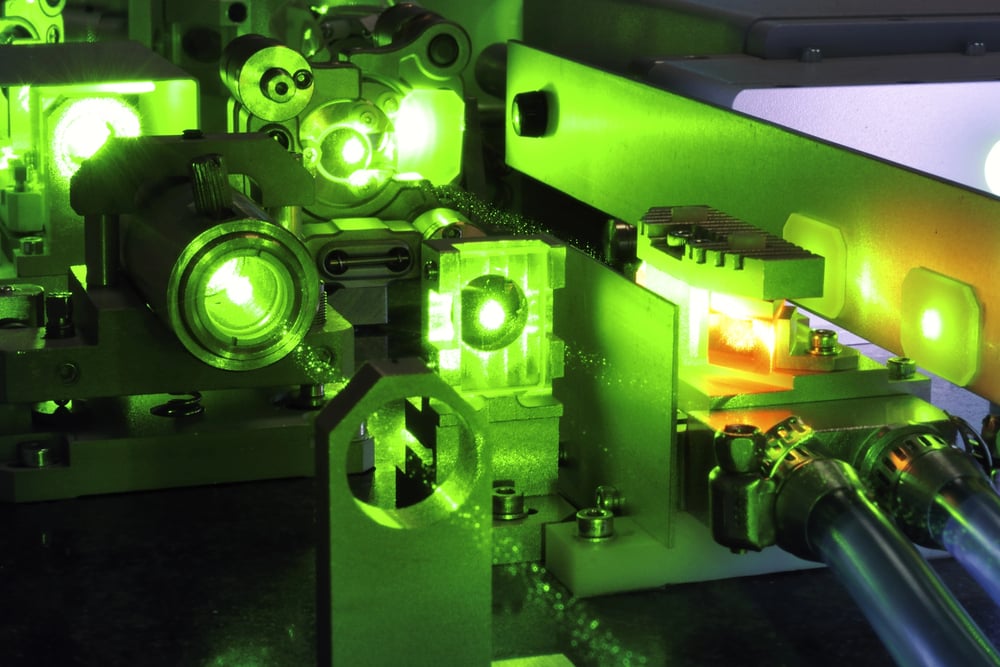
Here’s where things get weird. Scientists use light beams to make atoms colder, not warmer.
The radiation pressure of a laser beam cools and localizes atoms by slowing them down. Think of atoms like ping pong bouncing around in a box.
The lasers act like gentle hands that catch the fastest and slow them down. When atoms move slower, they become colder. It’s counterintuitive but brilliantly effective.
Building atom traps from pure light

Scientists create invisible cages made entirely of laser light to hold their super-cold atoms. The infrared beams are aligned so that the atoms are bombarded by a steady stream of photons from all directions.
These optical traps work like invisible force fields that keep atoms from escaping while researchers cool them down. The atoms get pushed back toward the center every time they try to wander off.
Creating conditions cleaner than outer space
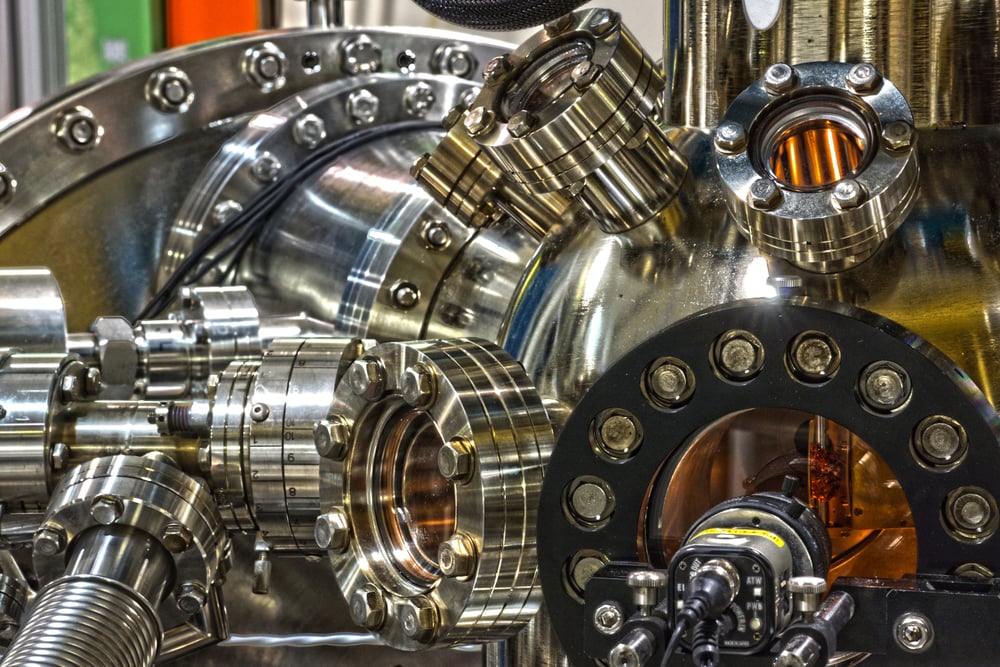
Acceptable collision rates for cold atom machines typically require vacuum pressures at 10−9 Torr. That’s about a billion times cleaner than the best vacuum cleaner could achieve.
Even one stray molecule bouncing into the ultra-cold atoms would heat them up like throwing a hot coal into a freezer. The lab chambers used for these experiments are cleaner than the space between planets.
The evaporative cooling trick

Scientists borrowed a technique from your morning coffee to reach the coldest temperatures. If the depth of the trap is lowered slowly, the hottest atoms are “forced” to evaporate and the sample cools continuously while its density increases.
Just like how blowing on hot soup cools it down by removing the hottest molecules, researchers let the warmest atoms escape their traps. What’s left behind becomes progressively colder.
When atoms become super atoms

Cool atoms down far enough and something amazing happens. Cool a cloud of identical atoms so cold that the wave of each atom starts to overlap with the wave of its neighbor atom, and all of a sudden you wind up with a sort of quantum identity crisis known as Bose-Einstein condensation.
Individual atoms lose their separate identities and merge into one giant quantum object. It’s like a thousand people suddenly becoming one person.
The space station gets in on the action

NASA decided Earth wasn’t cold enough and took the experiments to space. The Cold Atom Lab (CAL) is the first facility in orbit to produce clouds of “ultracold” atoms, which can reach a fraction of a degree above absolute zero.
In the weightless environment of the International Space Station, atoms can be trapped and cooled without gravity pulling them down. This gives scientists much longer to study their ultra-cold creations.
Multiple cooling methods work together
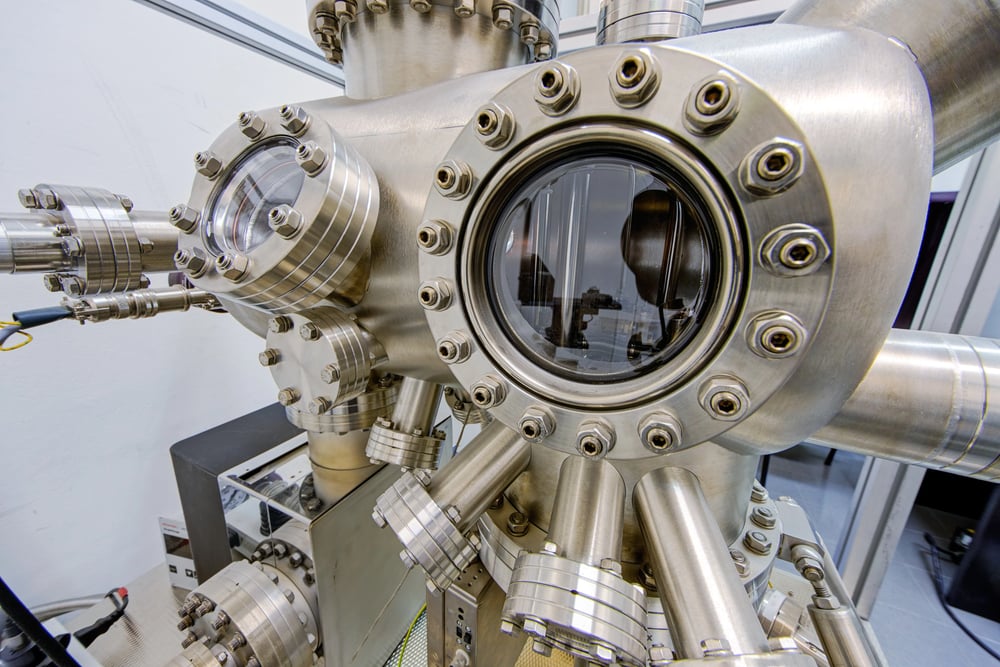
Creating a record-breaking cold requires a tag-team approach. There are at least three different methods of laser cooling employed: simple radiation pressure, Doppler cooling, and evaporative cooling by selective removal of atoms.
Scientists combine these techniques like a chef using multiple ingredients. First they slow atoms with laser pressure, then use Doppler effects to cool them further, and finally evaporate the hottest ones away.
Why scientists chase absolute zero

The coldest temperatures aren’t just about breaking records. At ultra-low temperatures, quantum effects that are normally invisible become obvious and useful.
Atoms behave in ways that could revolutionize computing, create perfect sensors, and help us understand fundamental physics. These experiments probe the basic rules that govern how reality works at its smallest scales.
The technology behind the magic

Creating ultra-cold atoms requires some of the most sophisticated technology on Earth. Researchers use magnetic fields stronger than those in MRI machines, lasers more precise than surgical tools, and vacuum systems that create emptier space than exists naturally anywhere in the universe.
The equipment fills entire rooms and costs millions of dollars to build and operate.
Cesium atoms set earlier records
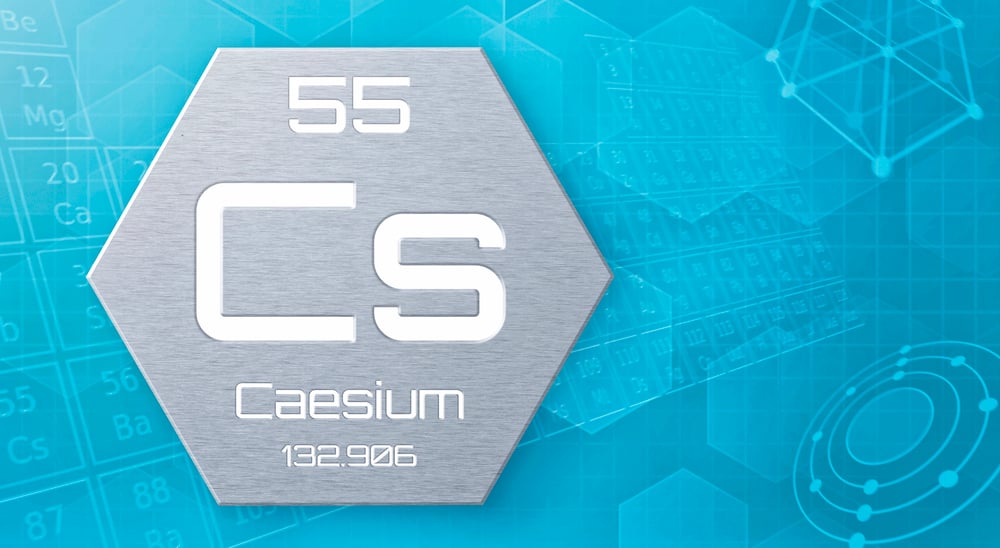
Before rubidium atoms claimed the crown, cesium held the record for coldest temperature. NIST scientists chilled a cloud of cesium atoms very close to absolute zero using lasers to catch the atoms in an optical lattice, reaching 700 nanokelvins.
These experiments proved that the techniques could work with different types of atoms. Each element brings its own challenges and advantages to the ultra-cold game.
From theory to reality in decades
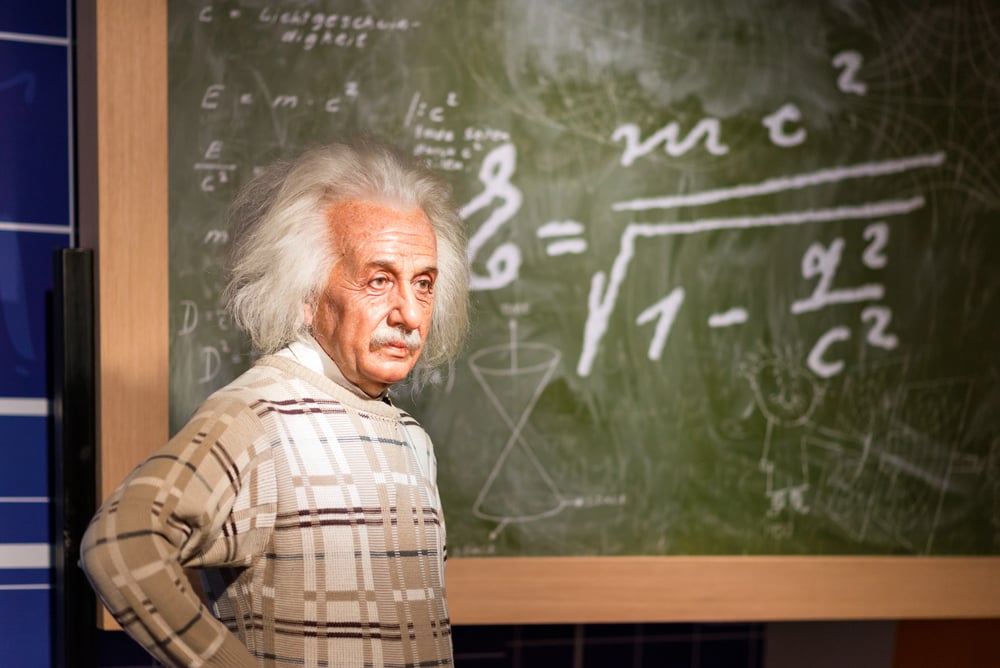
First predicted by Satyendra Bose and Albert Einstein in the 1920s, the creation of a Bose-Einstein condensate promised to unveil a rare quantum state. What started as equations on a blackboard took 70 years to create in real laboratories.
The first successful Bose-Einstein condensate was made in 1995, and scientists have been pushing the temperature limits ever since. The coldest temperatures represent human ingenuity turning wild theoretical ideas into concrete reality that opens new frontiers for science and technology.
More from Go2Tutors!

- The Romanov Crown Jewels and Their Tragic Fate
- 13 Historical Mysteries That Science Still Can’t Solve
- Famous Hoaxes That Fooled the World for Years
- 15 Child Stars with Tragic Adult Lives
- 16 Famous Jewelry Pieces in History
Like Go2Tutors’s content? Follow us on MSN.