13 Things You Didn’t Know About the Day the First McDonald’s Opened
Most Americans can instantly recognize the golden arches, but the humble beginnings of this fast-food empire contain fascinating details many people never learned. The opening day of the first McDonald’s restaurant set in motion a culinary and business revolution that would transform how the world eats.
Here is a list of 13 surprising facts about the day the first McDonald’s opened its doors to the public.
Original Location
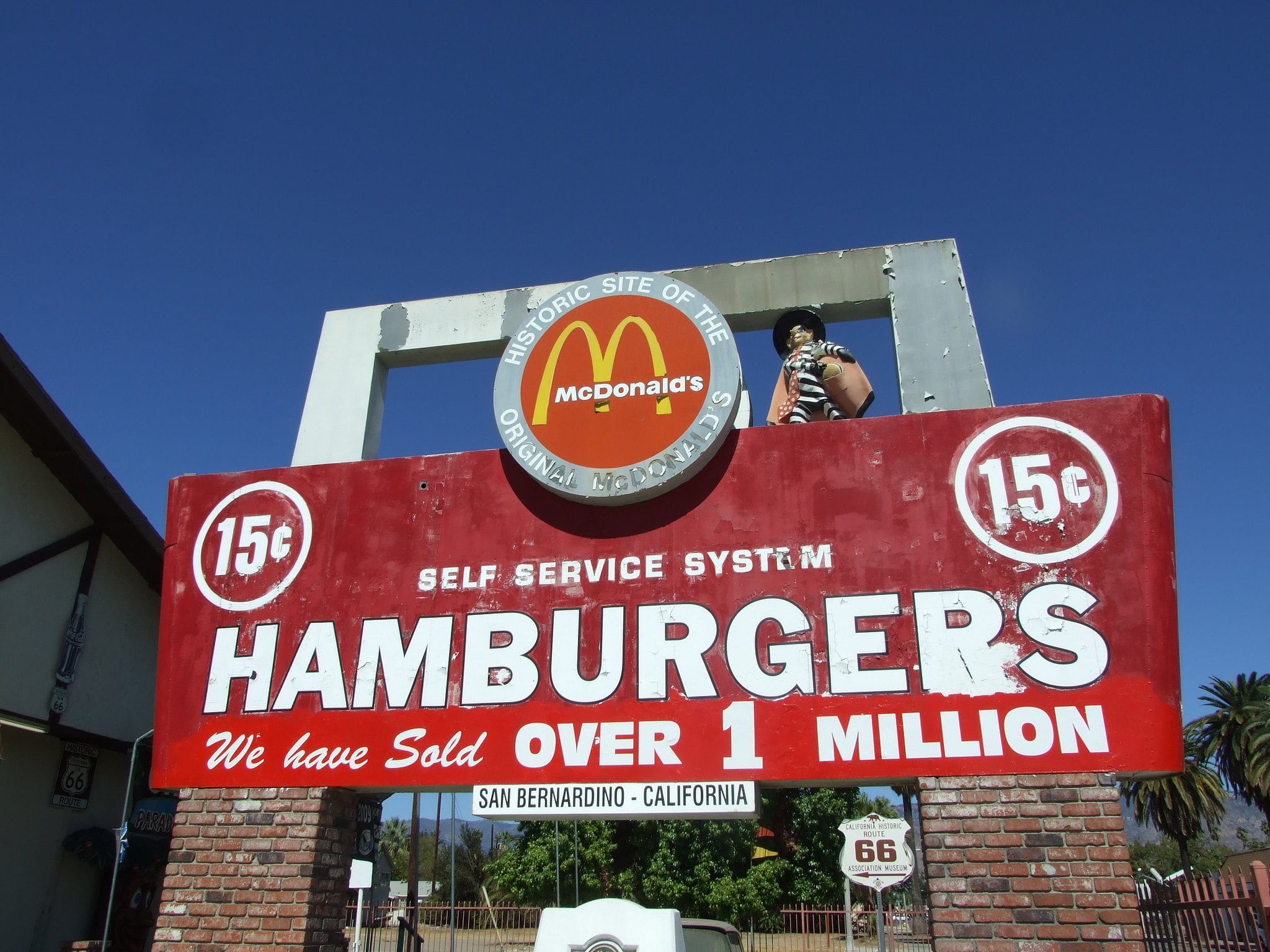
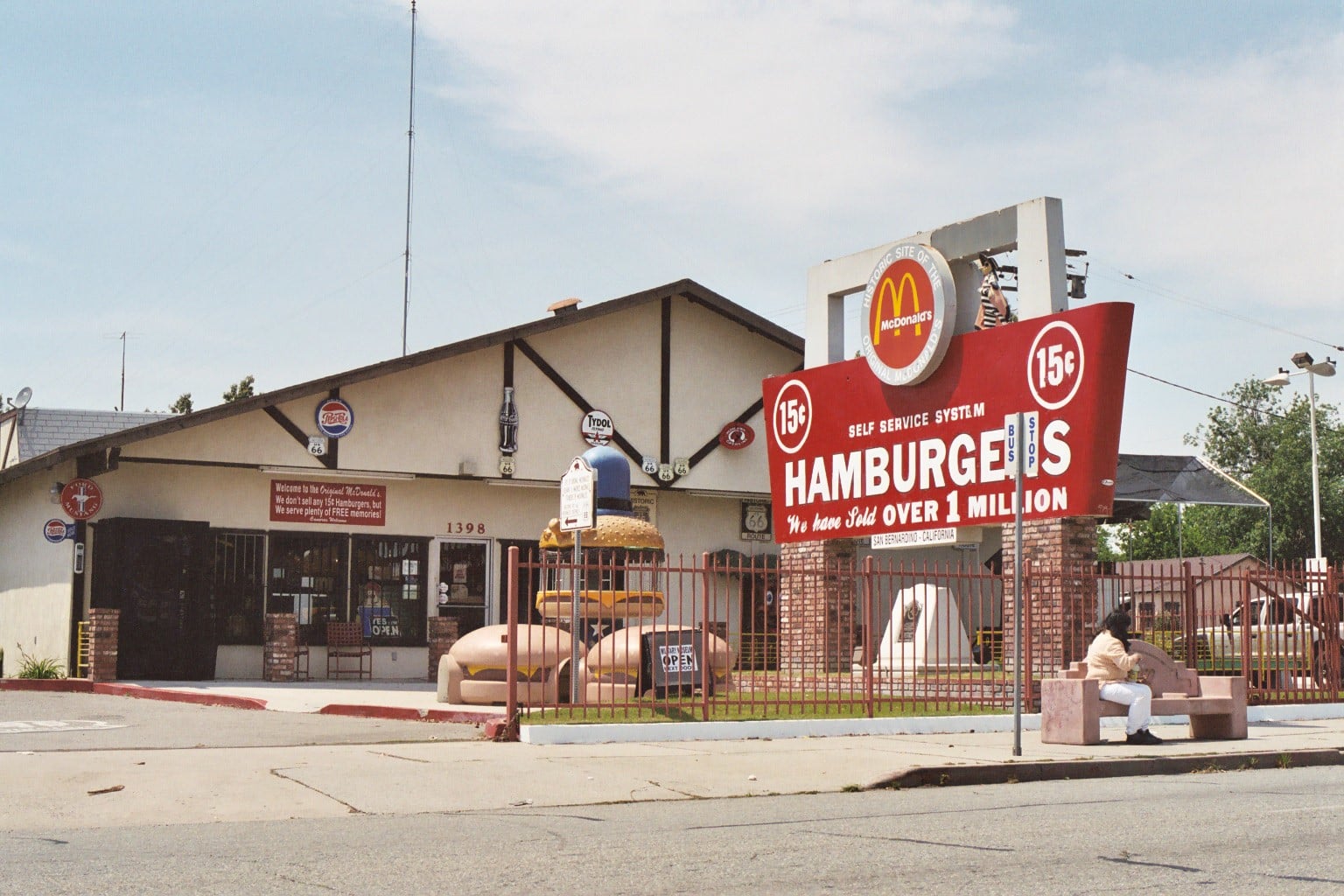
The very first McDonald’s opened its doors on May 15, 1940, in San Bernardino, California. Operated by brothers Richard and Maurice McDonald, it began as a modest 600-square-foot restaurant—about the size of a studio apartment.
Menu Limitations
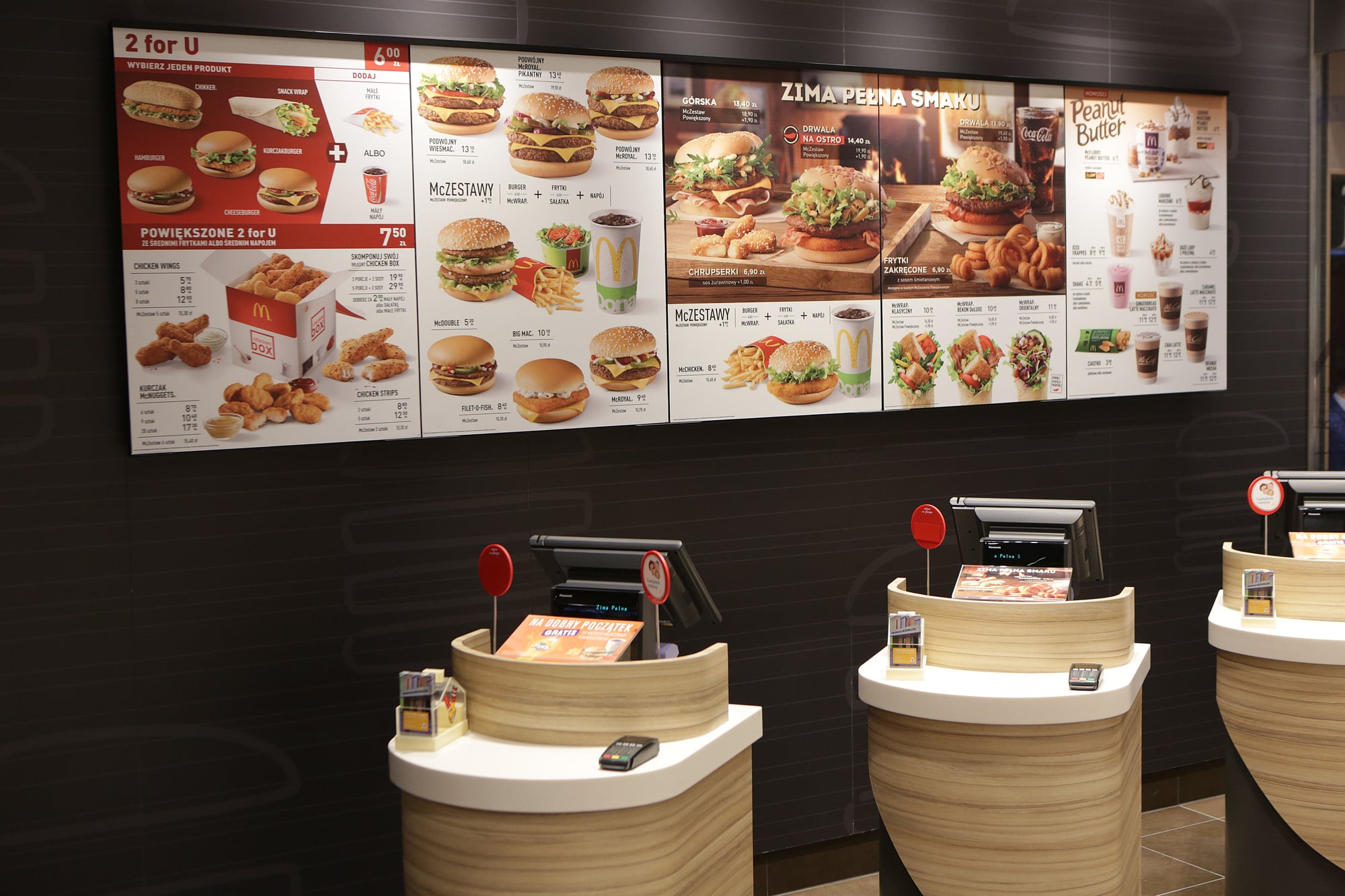
On day one, the menu was small and simple: just nine items including pie, coffee, sodas, burgers, and chips. French fries, now a McDonald’s staple, weren’t added until later that year when the brothers responded to customer demand for a hot side.
Bargain Pricing

A hamburger cost only 15 cents on opening day—about $2.80 today. This low pricing was part of a volume-based business model designed to attract working-class families during the post-Depression era.
No Indoor Seating
There was no dining room at the original location. Customers ordered from walk-up windows and either ate in their cars or took their meals home, helping define the early fast-food experience.
Unique Cooking Method

Inspired by auto industry assembly lines, the McDonald brothers introduced the “Speedee Service System.” By assigning each worker a specific task, they slashed burger prep time from thirty minutes to just thirty seconds.
No Golden Arches
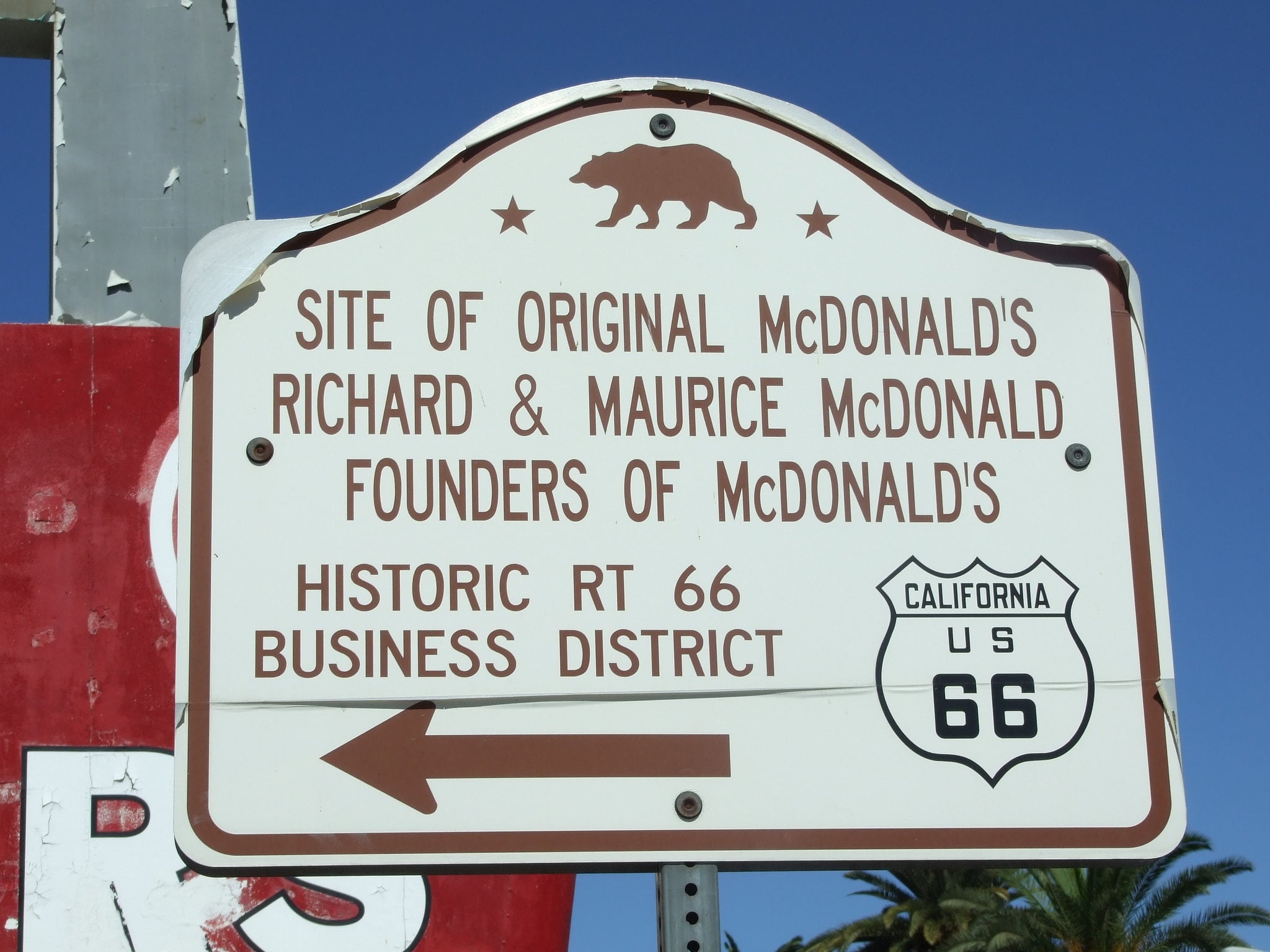
The iconic golden arches were nowhere to be seen in 1940. The first restaurant featured a hexagonal building with a simple “McDonald’s” sign on the roof. The famous arches didn’t appear until 1952.
No Drive-Thru Window
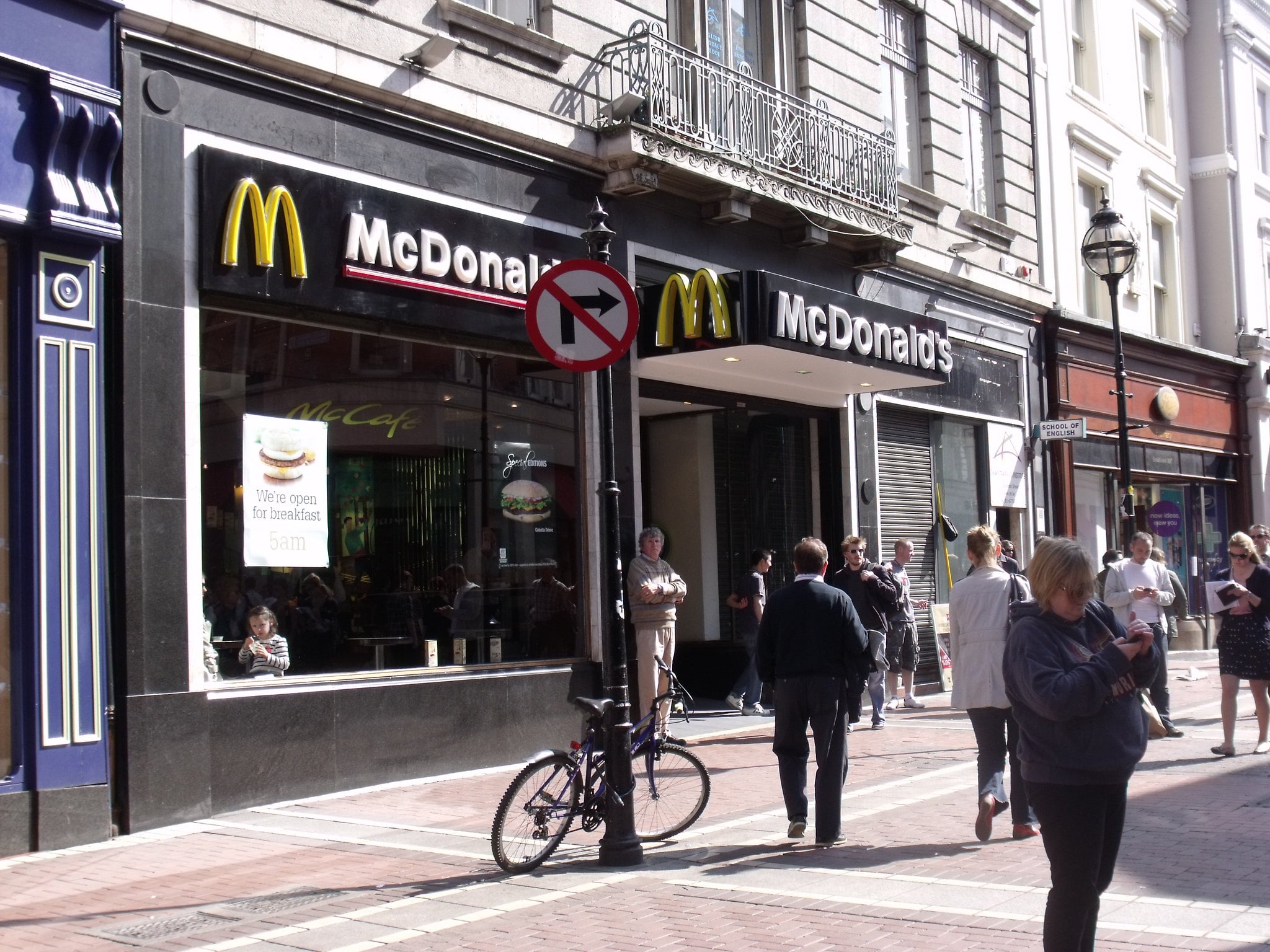
Despite the car-focused design, the first McDonald’s lacked a drive-thru. Patrons had to park and walk up to order. The company didn’t add a drive-thru until 1975 in Sierra Vista, Arizona.
Cash Only

Customers could only pay with cash on opening day. Credit cards weren’t yet part of daily life, and the fast-paced setup favored simple transactions.
Local Supplies
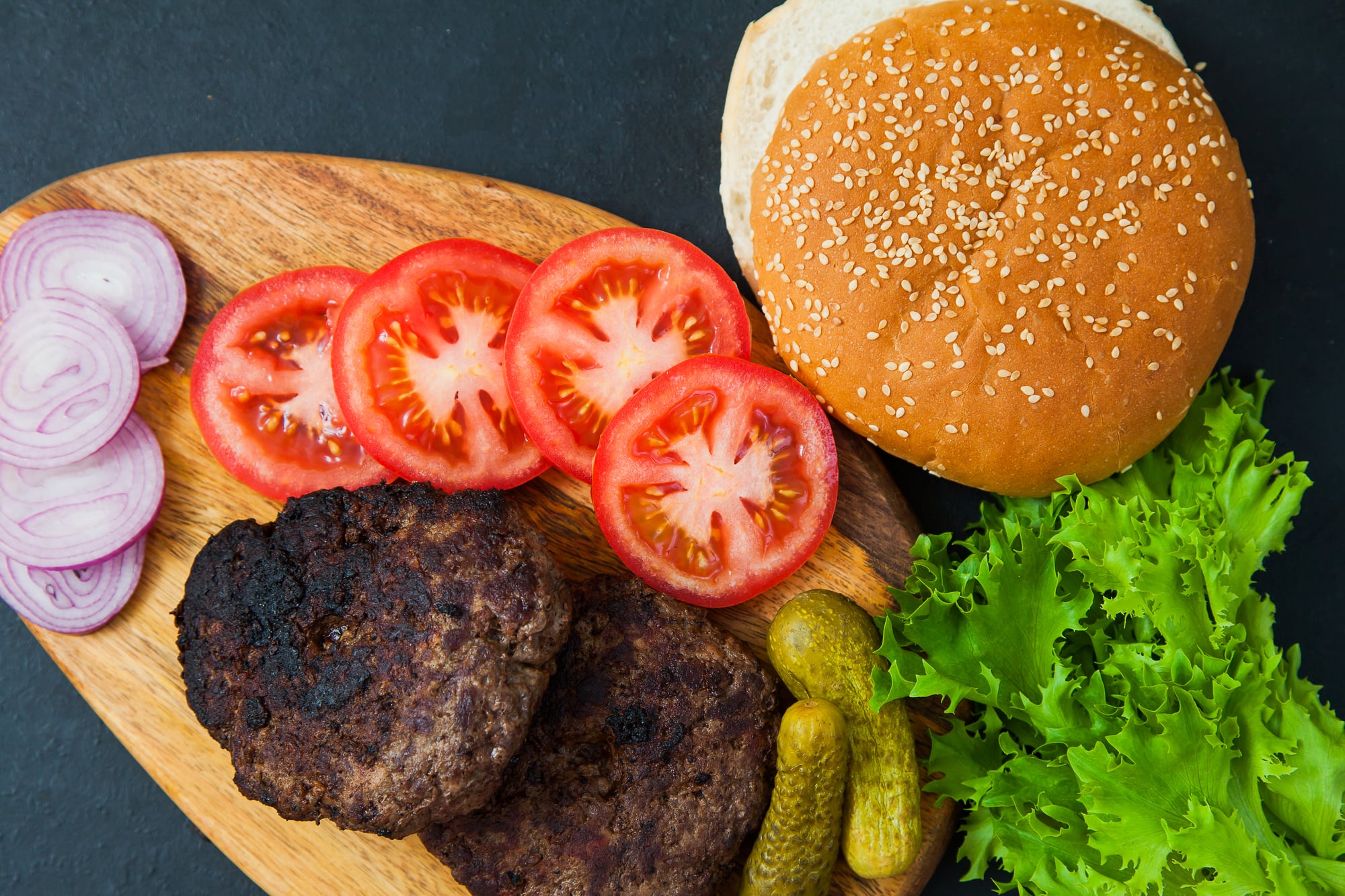
All ingredients were locally sourced within 50 miles of San Bernardino. The beef, buns, and produce were delivered fresh daily—a sustainable model that eventually became impractical as the brand grew.
No Ronald McDonald
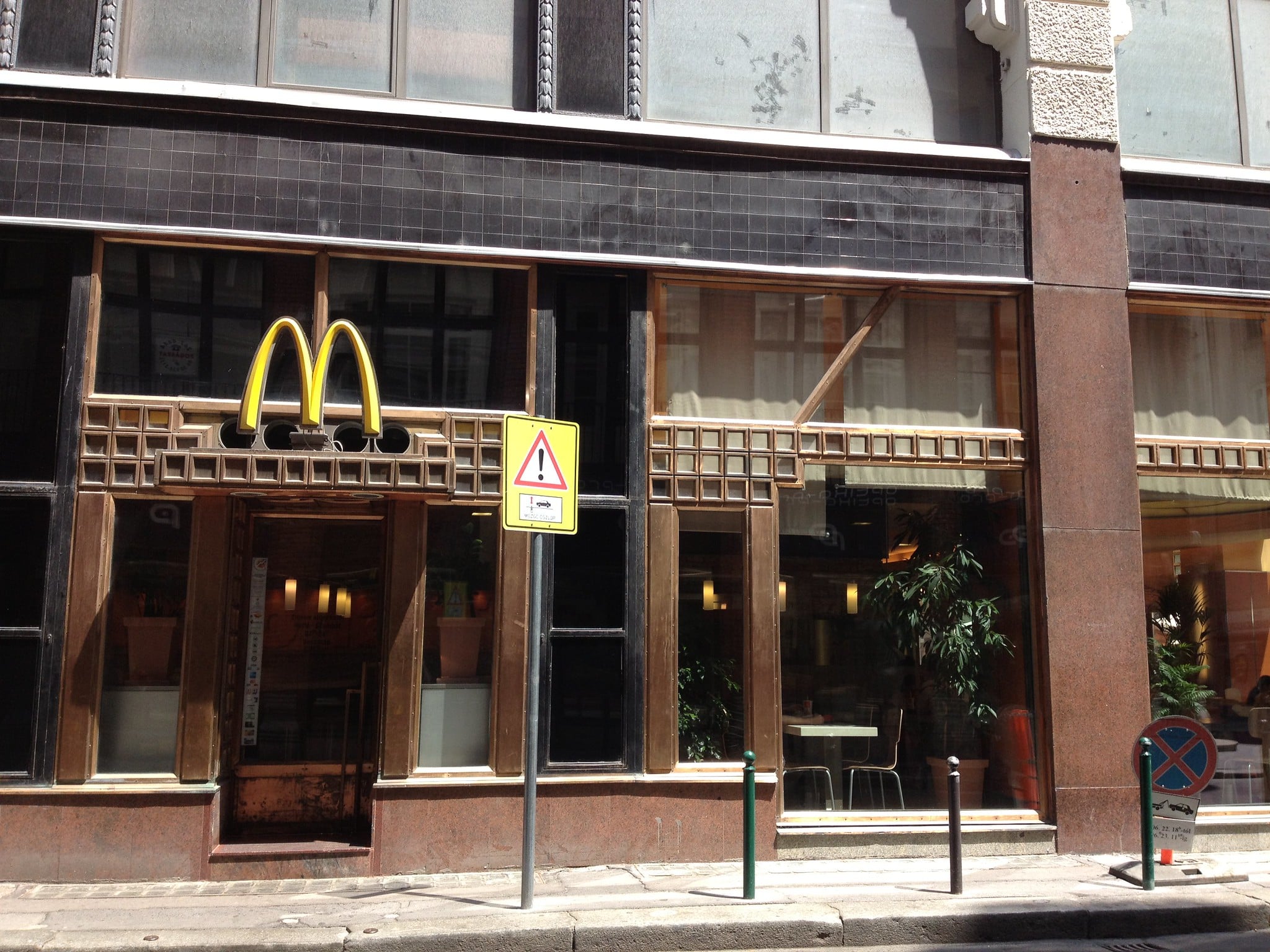
Ronald McDonald didn’t exist in 1940. The famous clown mascot wouldn’t make his debut until 1963. In the early days, McDonald’s relied solely on speed and word-of-mouth to build its customer base.
Unexpected Crowds
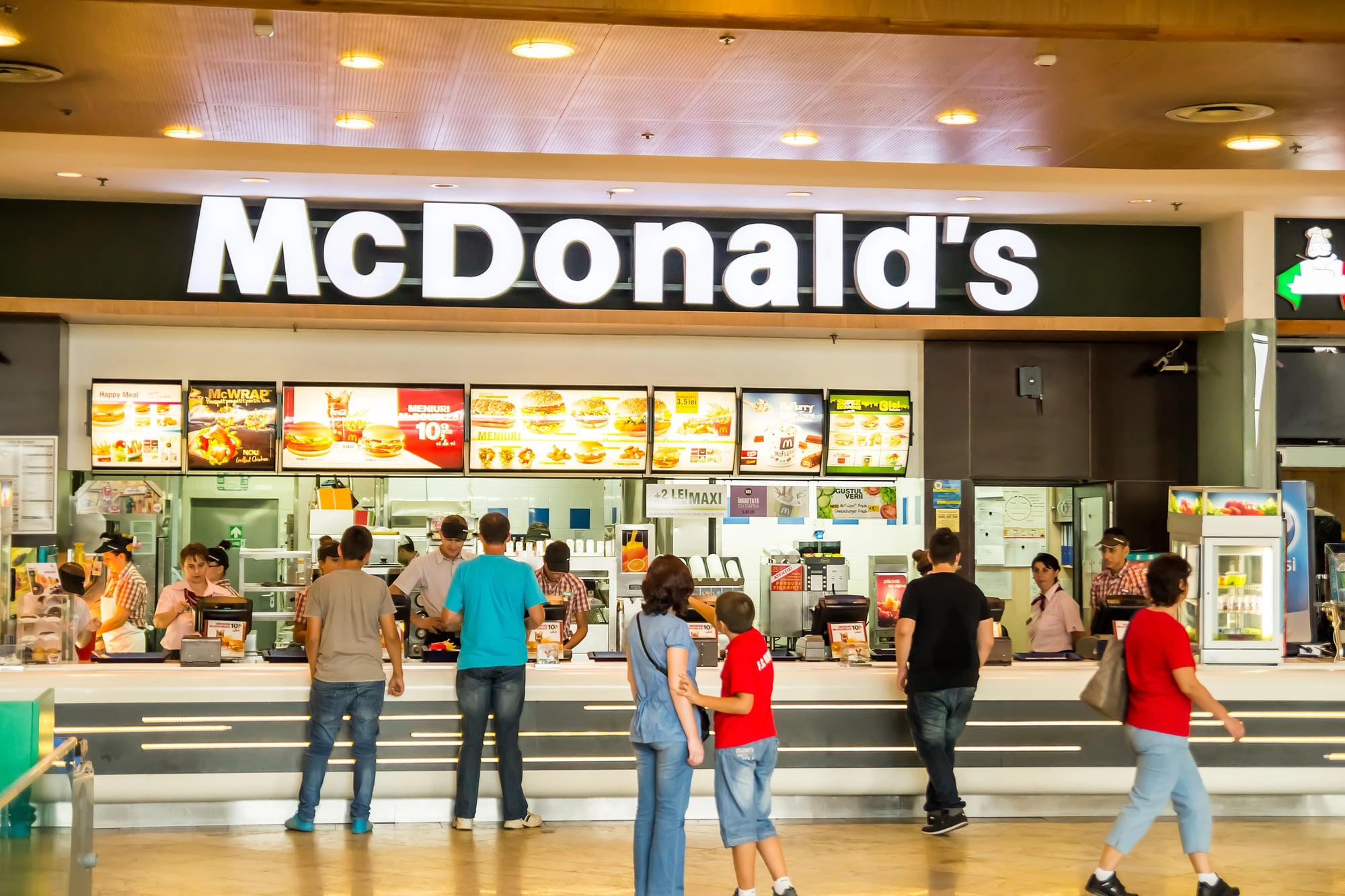
Opening day brought far more customers than expected. Curious locals lined up around the block, and the brothers had to recruit family members to help with the overwhelming demand.
Record-Breaking Efficiency

In their first hour, the McDonald brothers served 47 customers—an astonishing speed at the time. This benchmark set a new standard for restaurant service and shook the industry.
Milkshake Innovation

A milkshake machine that could make five shakes at once played a critical role in McDonald’s history. It’s what caught the attention of milkshake mixer salesman Ray Kroc, leading him to the San Bernardino store.
The American Fast Food Legacy

The first McDonald’s didn’t just serve burgers—it served up a revolution. That tiny restaurant forever changed the way Americans eat, work, and interact with food. It wasn’t just a business—it was the birth of fast food culture.
More from Go2Tutors!

- The Romanov Crown Jewels and Their Tragic Fate
- 13 Historical Mysteries That Science Still Can’t Solve
- Famous Hoaxes That Fooled the World for Years
- 15 Child Stars with Tragic Adult Lives
- 16 Famous Jewelry Pieces in History
Like Go2Tutors’s content? Follow us on MSN.