13 Times Something Was Invented Because Someone Was Just Really Bored
Boredom has a surprising upside. Throughout history, many groundbreaking inventions emerged not from carefully planned research but from simple, mind-numbing tedium.
When creative minds find themselves with nothing to do, they often turn to tinkering, experimenting, and solving problems nobody asked them to solve. Here is a list of 13 remarkable inventions that came into existence because their creators were just really bored.
Potato Chips

In 1853, chef George Crum was working at Moon’s Lake House in Saratoga Springs when a customer repeatedly sent back his fried potatoes, complaining they were too thick. Annoyed and bored with the repetitive complaints, Crum sliced the potatoes paper-thin, fried them to a crisp, and covered them with salt.
This petty act of frustration inadvertently created one of America’s favorite snacks. The customers loved them, and ‘Saratoga Chips’ quickly became a signature dish.
Post-it Notes

3M scientist Spencer Silver had developed a weak adhesive that seemed useless for years. His colleague, Art Fry, was bored during church when his paper bookmarks kept falling out of his hymnal.
Fry remembered Silver’s ‘failed’ adhesive and realized it was perfect for creating repositionable bookmarks. The humble Post-it Note was born from this moment of tedium, becoming an office staple that generates billions in revenue annually.
Slinky
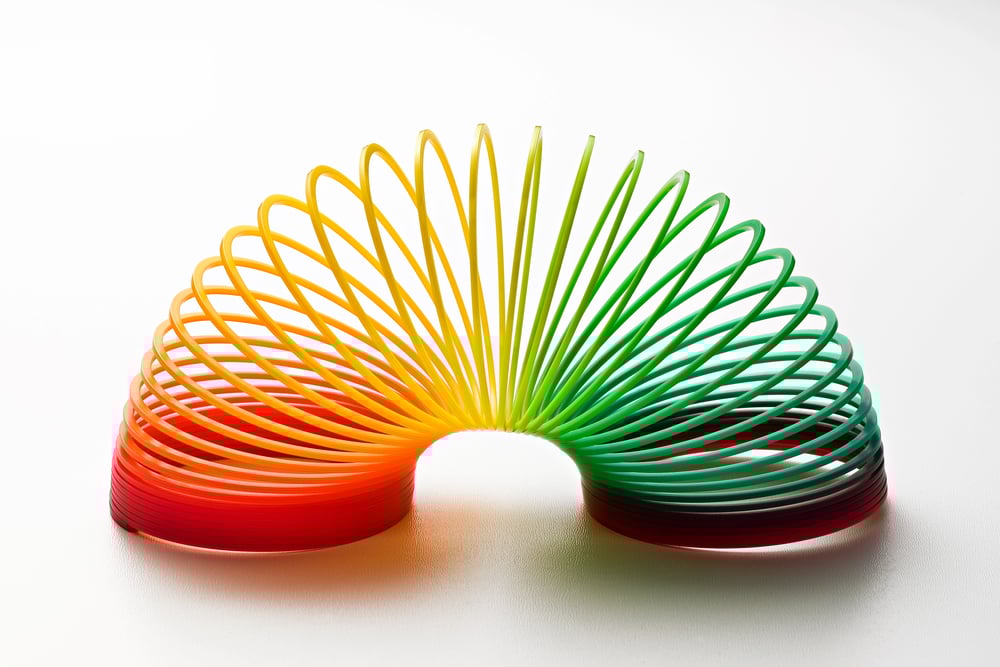
Naval engineer Richard James was working with tension springs in 1943 when one fell off his desk. He watched, fascinated and bored during a long workday, as it ‘walked’ down instead of just falling.
James took the spring home to his wife, who named it ‘Slinky.’ The couple made 400 units that sold out within minutes at their first demonstration.
This accidental discovery has sold over 300 million units worldwide.
Bubble Wrap
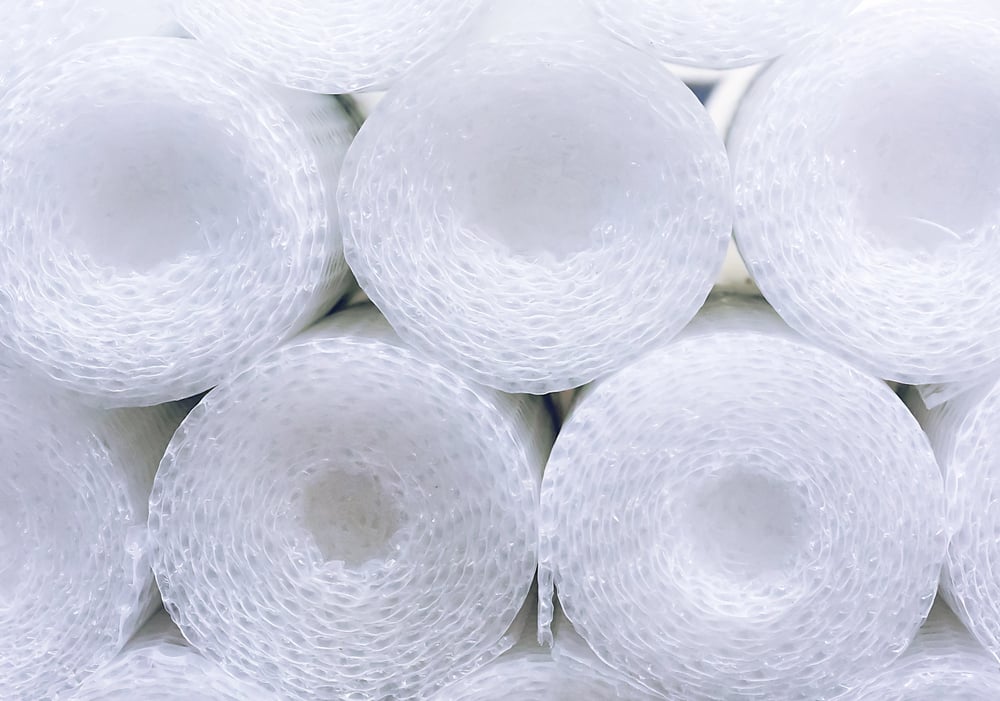
Engineers Alfred Fielding and Marc Chavannes attempted to create textured wallpaper in 1957. Their experiment failed, and they created a sheet of plastic with air bubbles instead.
Initially disappointed, they recognized during a particularly slow period that their ‘failure’ made excellent packing material. Originally marketed as greenhouse insulation, it wasn’t until they were bored with failed marketing attempts that they pivoted to shipping protection, creating a billion-dollar product.
Silly Putty
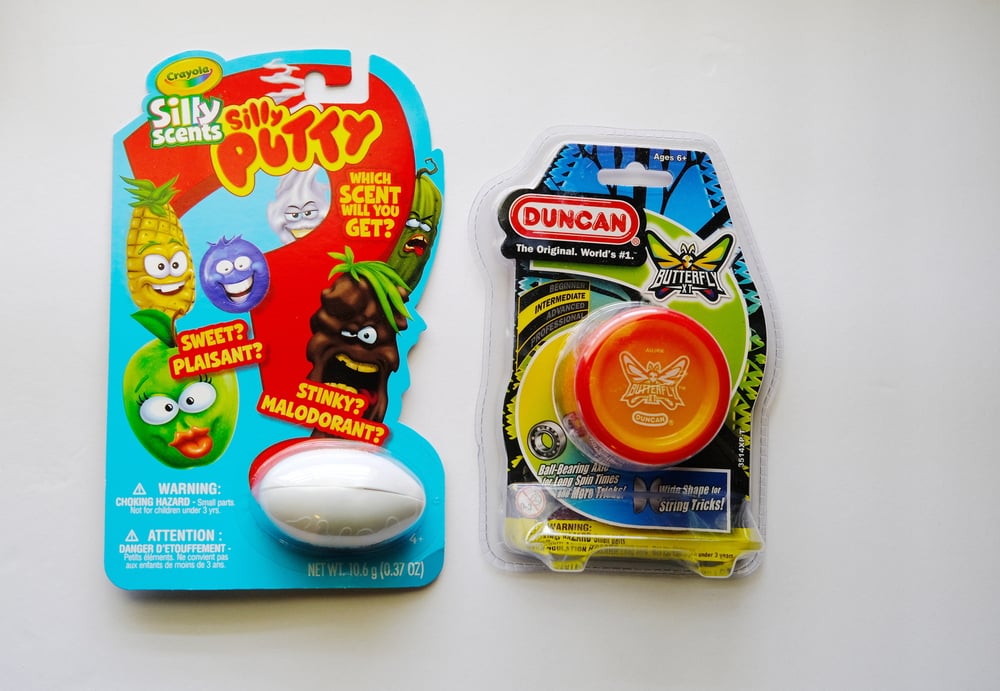
During World War II, engineer James Wright was trying to create synthetic rubber. His experiments produced a strange bouncing goo that seemed useless.
The material sat around while engineers were bored and played with it during slow days. Eventually, someone thought to market it as a toy.
Packaged in plastic eggs since 1950, over 300 million Silly Putty eggs have been sold, all because engineers were bored enough to play with a failed experiment.
Microwave Oven
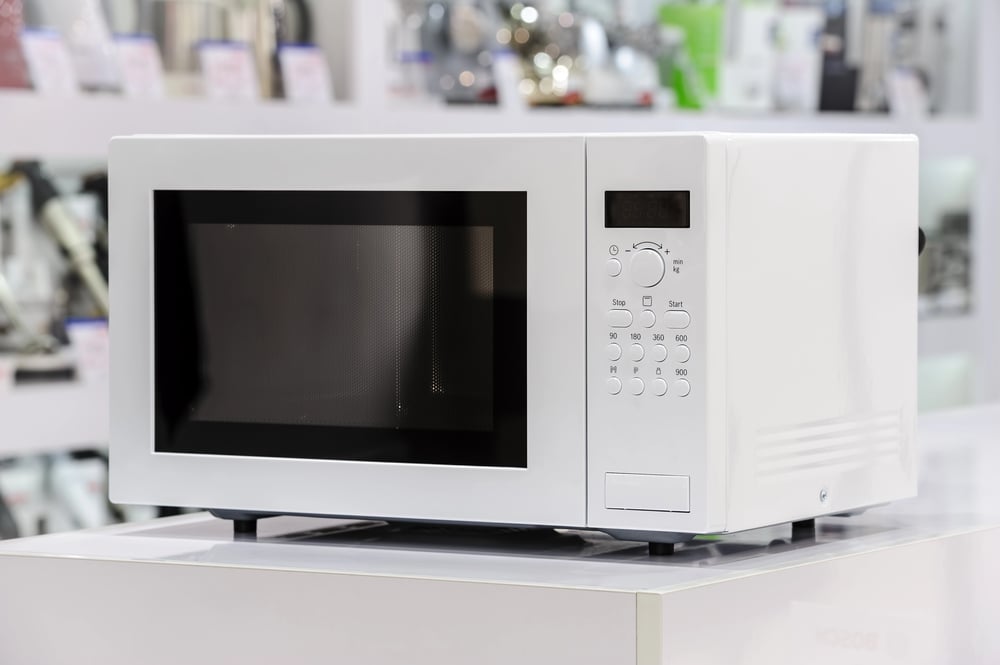
Percy Spencer was testing magnetrons at Raytheon when he noticed a chocolate bar melting in his pocket. Rather than ignoring this observation, Spencer’s boredom led him to experiment further.
He placed popcorn kernels near the magnetron, and they popped. This moment of curiosity during a routine workday led to the development of the first microwave oven in 1945, forever changing how we heat food.
Popsicles

In 1905, 11-year-old Frank Epperson left a glass of soda with a stirring stick on his porch overnight. The next morning, bored and looking for entertainment, he discovered his drink had frozen with the stick serving as a handle.
Years later, remembering his childhood accident, he patented ‘Epsicles’ which his children called ‘Pop’s sicles,’ eventually leading to the name we know today.
Velcro
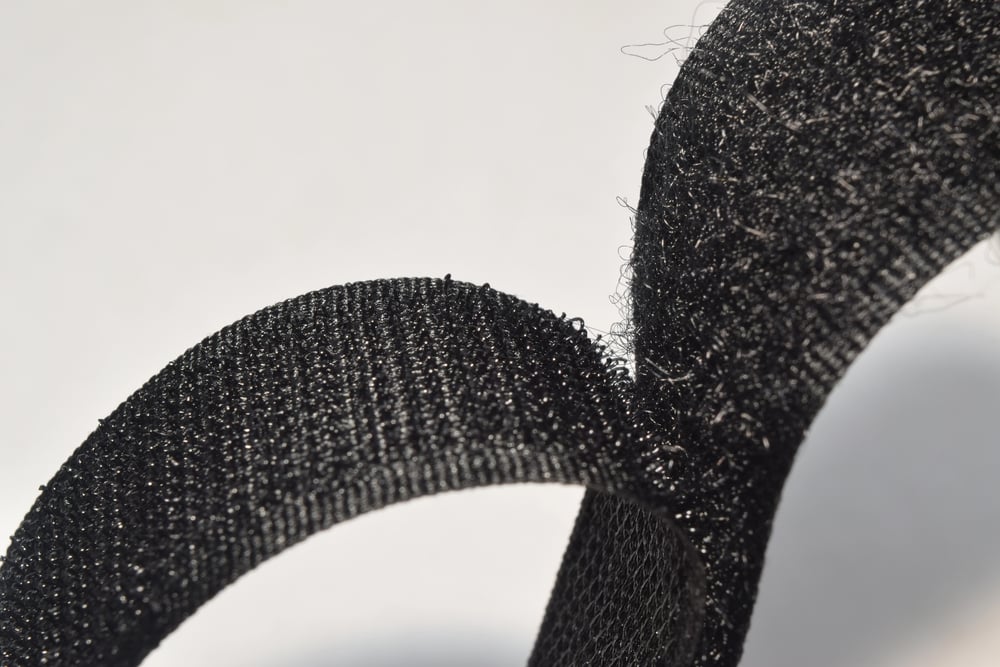
Swiss engineer George de Mestral went hunting with his dog in 1941 and returned covered in burrs. Bored during his evening routine, he examined these annoying hitchhikers under a microscope and noticed tiny hooks that caught on loops in fabric and fur.
This observation during a dull evening led him to develop Velcro, a fastening system now used in everything from shoes to spacecraft.
Matches
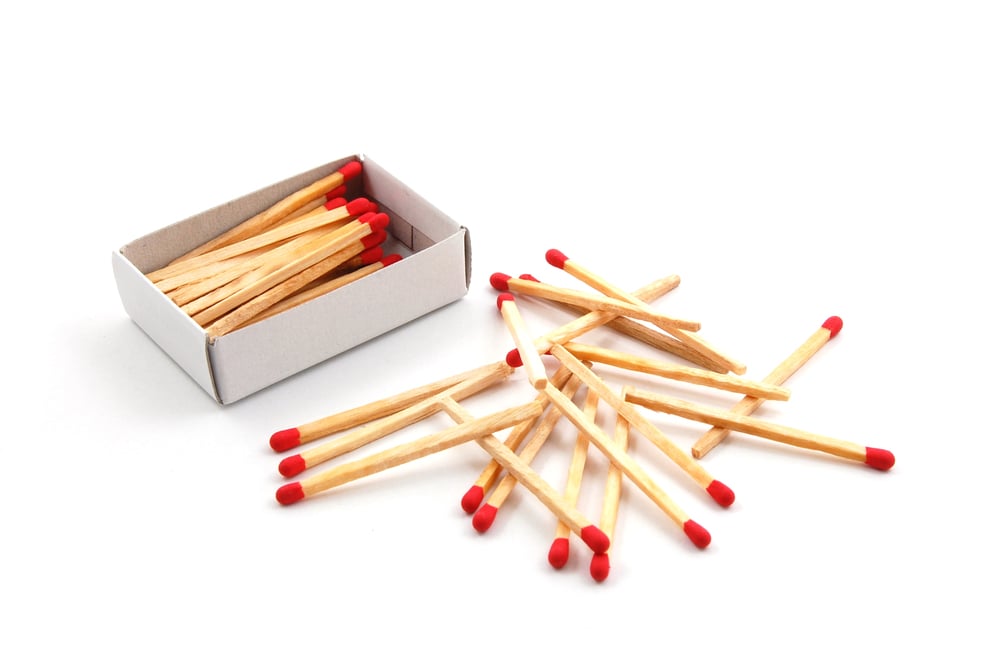
In 1826, chemist John Walker was stirring a mixture with a stick when he noticed the dried end caught fire when scraped against the floor. Walker was bored enough with his routine work to pay attention to this accident.
He developed the first friction matches, initially called ‘Congreves,’ which sold about 250,000 boxes before he even thought to patent them, changing how humans access fire.
Teflon

Roy Plunkett was working with refrigerant gases at DuPont in 1938 when he opened a cylinder that unexpectedly had no pressure. Curious during a slow day, rather than discarding it, he cut it open and found a slippery white powder.
This boredom-prompted investigation led to the discovery of polytetrafluoroethylene (PTFE), later branded as Teflon, which now coats cookware in kitchens worldwide.
Play-Doh
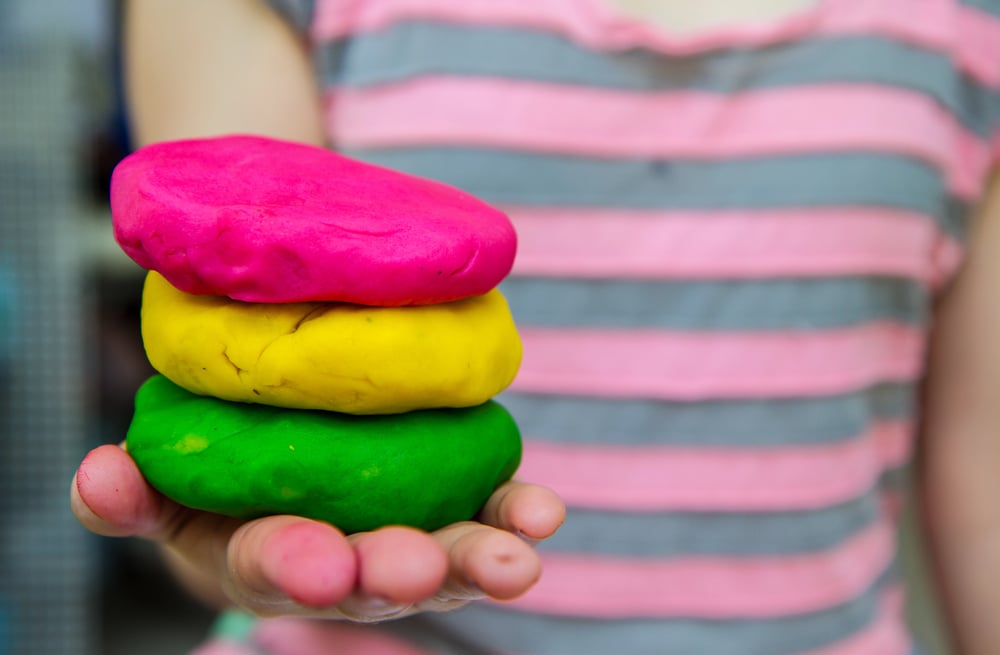
Play-Doh was originally a wallpaper cleaner. When heating homes transitioned from coal to natural gas in the 1950s, the product became obsolete.
Manufacturer Kutol Products was facing bankruptcy when employee Joe McVicker learned that his bored sister-in-law, a teacher, had given the non-toxic cleaner to students as a modeling compound. This classroom boredom solution transformed a failing cleaning product into an iconic toy that has sold over 3 billion cans.
Penicillin

Alexander Fleming left for vacation in 1928 without properly cleaning his lab dishes containing staphylococcus bacteria. Upon returning, bored with routine lab cleanup, he noticed something unusual: mold had grown on one dish, and the bacteria around it had been destroyed.
This moment of careful observation during tedious lab maintenance led to the discovery of penicillin, saving countless lives ever since.
Corn Flakes

In 1894, Dr. John Harvey Kellogg and his brother Will were cooking wheat for patients at their sanitarium. They accidentally left a batch out overnight, and it went stale.
Rather than throwing it away, they processed it anyway out of boredom with their usual routine. The resulting flakes, toasted and served to patients, became unexpectedly popular.
When they tried the same process with corn instead of wheat, Corn Flakes were born, revolutionizing breakfast forever.
Not Just Happy Accidents

These inventions remind us that creativity often flourishes in moments of idleness. Many life-changing products weren’t the result of targeted research but came from people who were bored enough to notice, question, and experiment with the unexpected.
The next time you find yourself with nothing to do, remember that boredom might just be the perfect condition for your own million-dollar idea.
More from Go2Tutors!

- The Romanov Crown Jewels and Their Tragic Fate
- 13 Historical Mysteries That Science Still Can’t Solve
- Famous Hoaxes That Fooled the World for Years
- 15 Child Stars with Tragic Adult Lives
- 16 Famous Jewelry Pieces in History
Like Go2Tutors’s content? Follow us on MSN.



