Peculiar Toys from the Victorian Era
From far away, Victorian kids’ lives seem sweet, like old pictures with frilly shirts and soft brown tones. Yet their toys whisper something else entirely.
Fueled by curiosity about machines, right versus wrong, factories, and grand shows, they mixed fun with lessons in strange ways. What seems charming at first glance turns eerie up close.
Some items now look weird, out of place, even confusing without context. No surprise here.
Back then, playtime meant getting ready for grown-up life – never running from it. Toys had jobs: teach a lesson, enforce rules, make parents proud, often doing every one together.
Peek into the strange items stacked in nursery corners and fancy rooms. See how they mirror the society that made them.
Wax Dolls

Not just toys, wax dolls held special value because of their real-looking faces and fine details. While future versions invited active play, these needed gentle care – more likely set on shelves than carried around.
Shiny eyes gave them a true-to-life stare, matching what Victorians saw as proper and elegant. They showed beauty through accuracy, not fantasy.
Heat made wax melt. Over time it split apart, leaving old pieces looking strange.
Yet people kept them because they were well made. More than playthings, these showed rank – proof of good sense and wealth when image mattered most.
Mechanical Singing Birds

Victorian homes loved novelty, and mechanical singing birds delivered exactly that. These small automaton toys chirped, flapped, and rotated inside ornate cages, powered by delicate clockwork mechanisms.
They were often more expensive than simple dolls or blocks, aimed at households that could afford small marvels. For children, these birds were both a toy and a spectacle.
For adults, they were proof of industrial ingenuity. Their popularity reflected a society captivated by machines that mimicked life, even when the result felt slightly uncanny.
Miniature Execution Sets

Among the strangest playthings were miniature public punishment scenes, complete with platforms and figures. These sets were rooted in the era’s fascination with public order and moral consequence.
Children were expected to learn lessons about authority and justice through play. To Victorian families, these toys reinforced social structure.
Today, they feel unsettling, highlighting how normalized harsh realities were in everyday life. What seems shocking now was once considered straightforward moral education.
Educational Chemistry Kits

Science captured the Victorian imagination, and chemistry kits brought that excitement into the home. These sets allowed children to conduct simple experiments, often with minimal supervision.
The goal was curiosity and instruction rather than entertainment alone. Safety standards were very different.
While the experiments were modest, the materials required care and attention. Still, these kits reflected optimism about progress and belief in learning through direct experience.
Play was expected to produce knowledge, not just amusement. Punch and Judy figures
Punch And Judy Figures
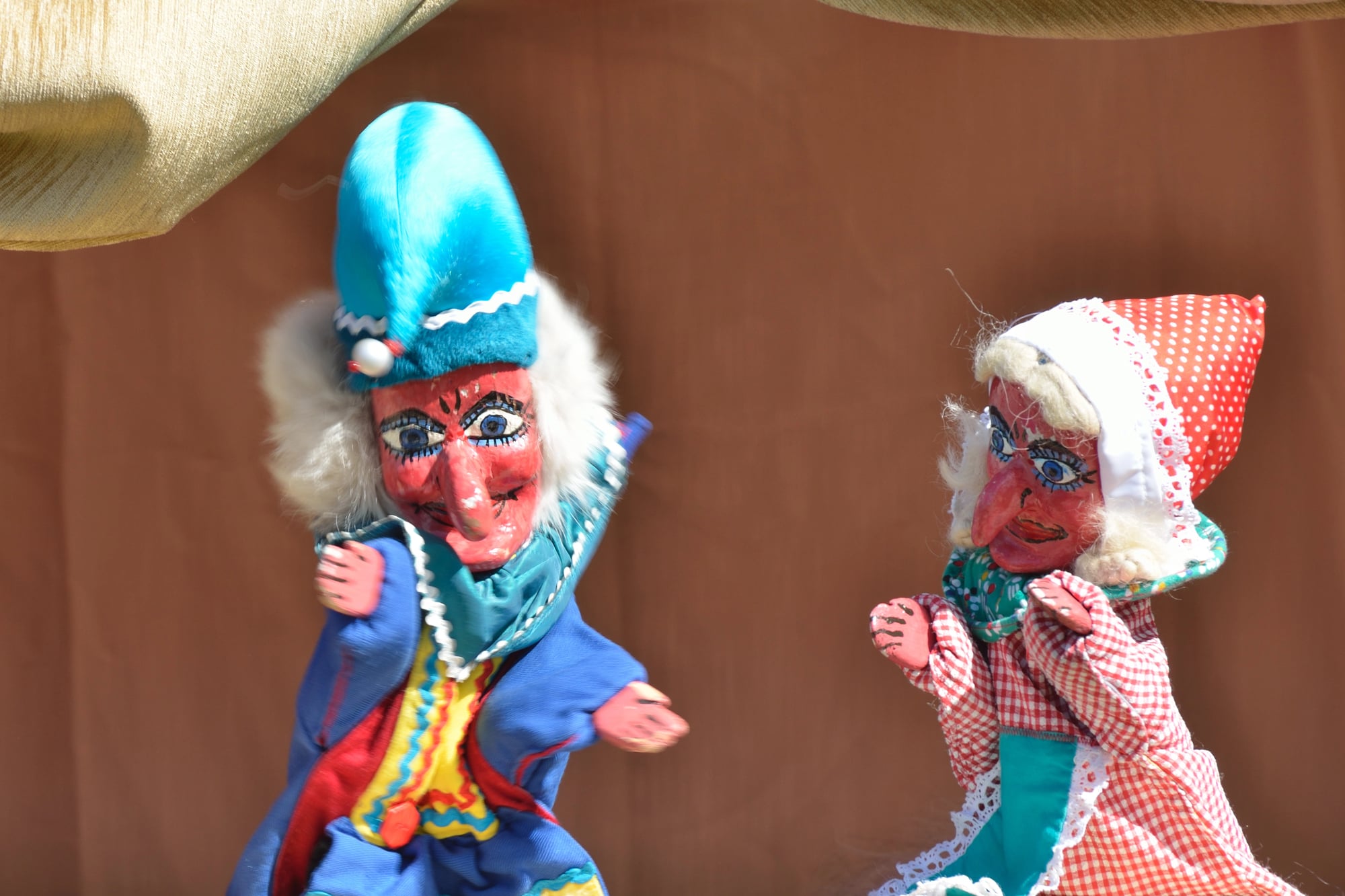
Punch and Judy puppet shows were wildly popular, and miniature versions brought the chaos indoors. These figures allowed children to reenact scenes filled with exaggerated conflict and slapstick violence, all framed as humor.
Victorians viewed these performances as traditional entertainment rather than inappropriate content. The puppets reflected folk culture passed down through generations.
Their continued popularity shows how cultural norms shape what is considered suitable play. Magic lantern slides
Magic Lantern Slides
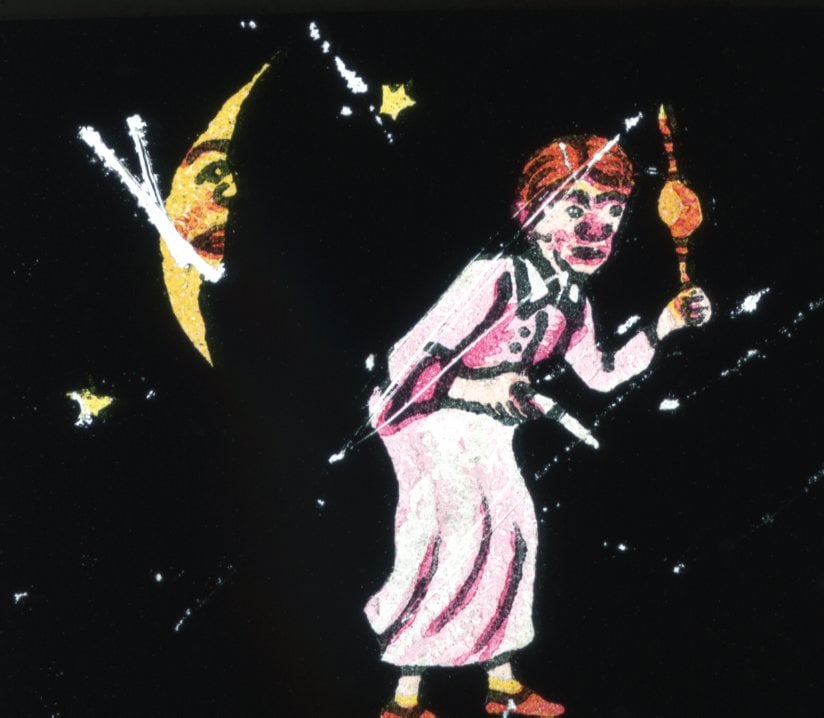
Magic lanterns were early image projectors, and children’s versions brought visual storytelling into the home. Slides depicted fairy tales, moral lessons, and everyday scenes, projected onto walls in dim rooms.
The experience felt magical, even theatrical. These toys blended education and wonder.
They encouraged group viewing and storytelling, turning playtime into a shared event. Magic lanterns helped lay the groundwork for visual media that would later dominate entertainment.
Paper Theaters

Paper theaters allowed children to stage full performances on a tabletop. Printed sheets provided scenery, characters, and scripts, which were cut out and assembled by hand.
These toys demanded patience and creativity. They also reinforced Victorian values around storytelling and order.
Performances followed structured narratives, often adapted from popular stage productions. Through play, children learned sequencing, presentation, and appreciation for dramatic arts.
Porcelain Tea Sets
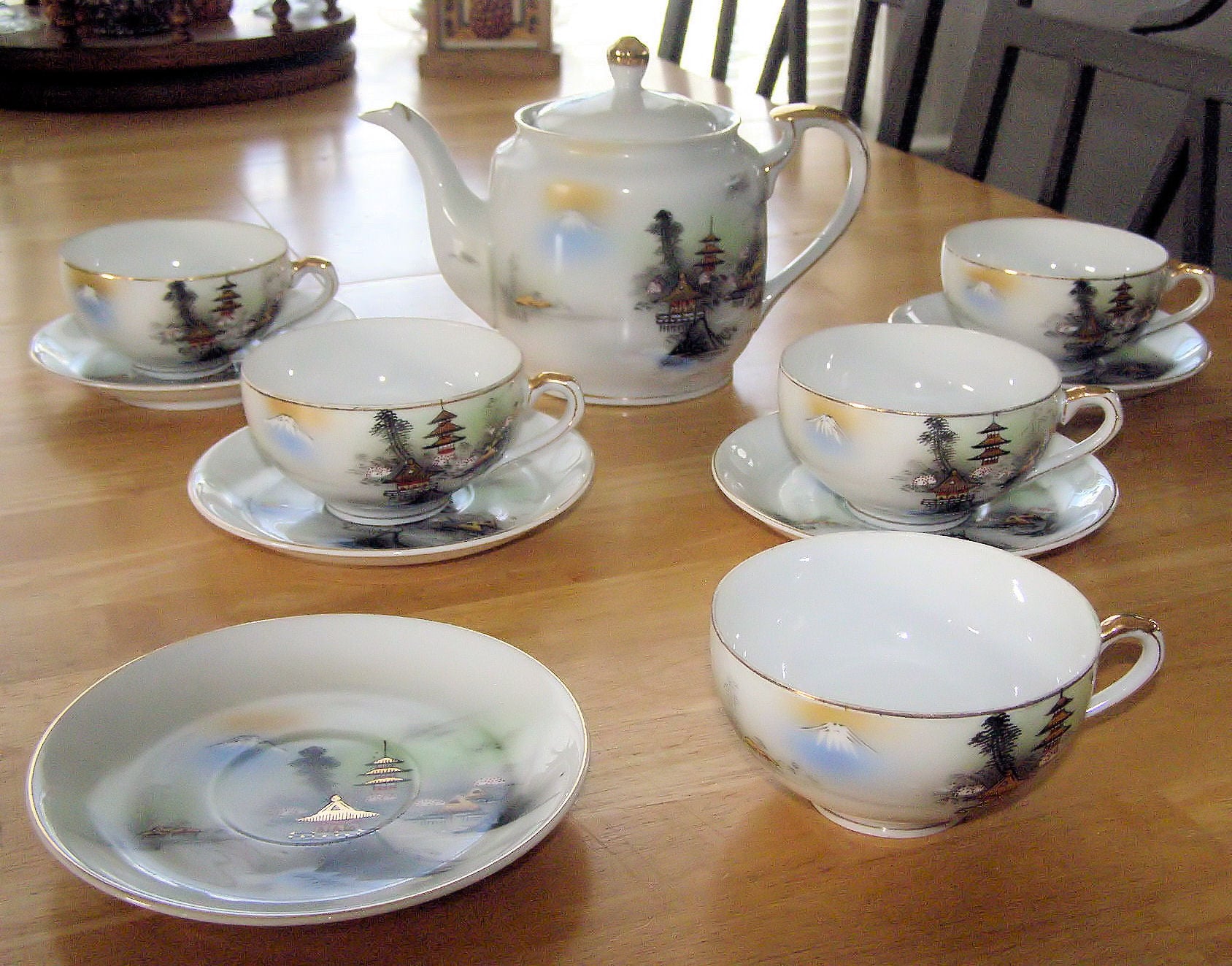
Miniature tea sets were designed to teach etiquette and domestic rituals. Made from real porcelain, they were fragile and detailed, mirroring adult dining ware.
Children practiced hosting and serving, rehearsing social roles expected later in life. Breakage was common, yet accepted.
The fragility itself reinforced careful behavior. These sets were less about carefree play and more about learning grace, restraint, and attention to detail.
Optical Illusion Toys

Victorians were fascinated by vision and perception. Toys that produced optical illusions, such as spinning disks that created the appearance of motion, were popular in middle-class homes.
They blended amusement with scientific curiosity. Children learned that sight could be deceptive, even entertainingly so.
These toys fed into broader cultural interest in psychology and human perception, fields that were just beginning to take shape. Animal automata
Animal Automata
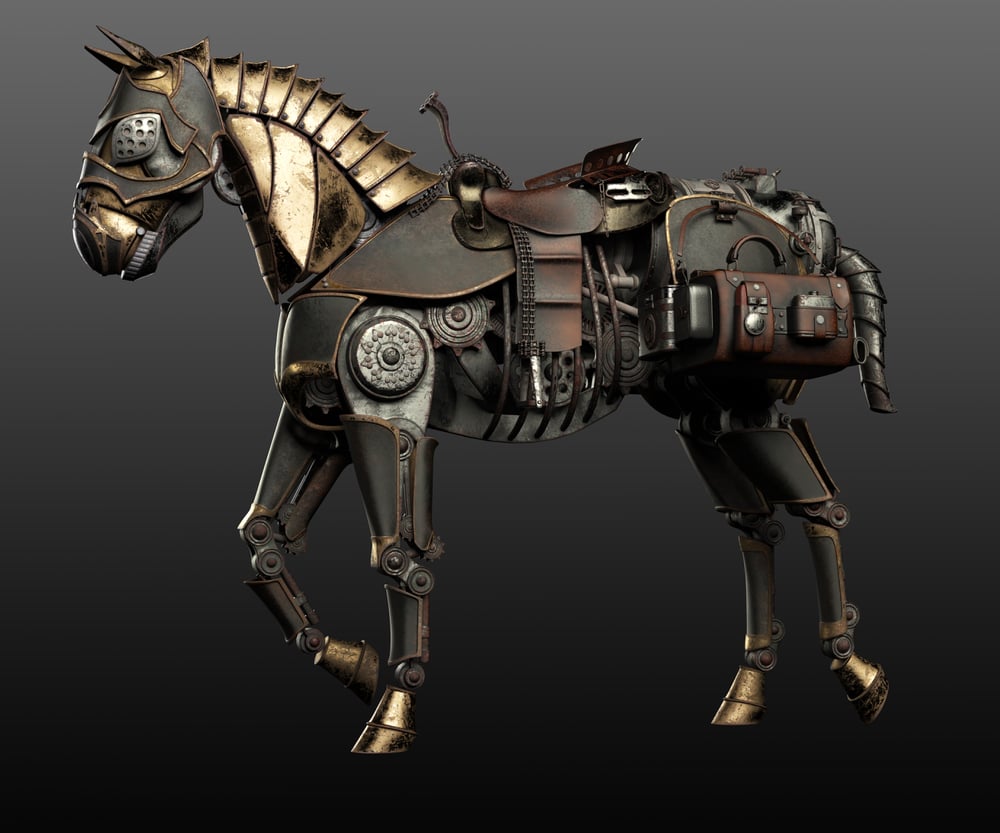
Clockwork animals that walked, hopped, or pecked captivated Victorian children. These toys demonstrated mechanical precision while imitating nature.
The result was charming, though sometimes unnerving in its realism. They reflected a belief that machines could replicate life’s movements, a theme echoed across Victorian technology.
For children, these toys offered a glimpse into a world where engineering and imagination merged. Moral board games
Moral Board Games

Board games of the era often emphasized virtue and discipline. Players advanced by demonstrating good behavior and faced setbacks for moral failings.
The objective was improvement, not just winning. These games mirrored societal expectations.
Play reinforced lessons about character, patience, and responsibility. Fun existed, but it was carefully framed within acceptable conduct.
Dollhouse Mourning Scenes
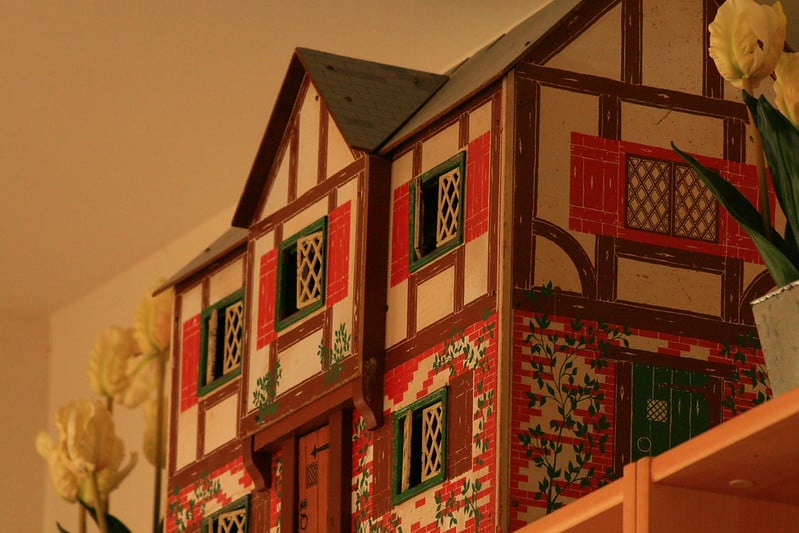
Some dollhouses included rooms set up to reflect mourning customs, complete with dark furnishings and solemn figures. These scenes mirrored rituals surrounding loss, which were highly formalized during the Victorian period.
Children were not shielded from these realities. Instead, play incorporated them as part of everyday life.
The presence of such scenes highlights how differently childhood was understood, with fewer boundaries between adult and child experiences. Toy tool sets
Toy Tool Sets

Miniature tool kits allowed children to mimic trades and household repair. Made from wood or metal, these sets emphasized practicality and skill.
The toys reinforced the value of work and craftsmanship. Rather than abstract play, these objects encouraged imitation of adult labor.
Playtime doubled as preparation, reflecting the era’s focus on productivity and usefulness. What made Victorian toys so unusual
What Made Victorian Toys So Unusual
Many Victorian toys feel peculiar because they were not designed primarily for comfort or escapism. They mirrored adult concerns, from industry to morality to social order.
Childhood was seen as a stage of training rather than a protected world. Materials, themes, and functions all reflected this mindset.
Toys educated, disciplined, and sometimes unsettled. They were tools of cultural transmission as much as sources of amusement.
How Modern Views Differ

Toys today? They’re built around keeping kids safe, sparking make-believe, while also offering a sense of calm. Back in the Victorian era, play items leaned heavily toward looking real and teaching lessons.
The shift shows just how much our thinking on what it means to be a child has shifted across generations. Strange replaces what seemed right before, not due to absence of concern, yet guided by different beliefs.
Mirrors of a world shifting fast, toys showed how industry reshaped daily life. Why these toys still fascinate
Why These Toys Still Fascinate

Old toys from Victorian times still draw eyes, not just for charm but for their quiet fierceness. Shaped by rules of the day, games changed slowly, bending around new tools yet holding tight to old views.
Behind every small thing made for hands was a wish, shaped like a child who didn’t exist yet. Play took on purpose back then, seen through odd little objects meant to train more than entertain.
Though today’s gadgets mix joy and lessons differently, echoes of that old approach still hum beneath. Odd as those relics seem, they open windows – into lives shaped by rules we barely recall.
More from Go2Tutors!

- The Romanov Crown Jewels and Their Tragic Fate
- 13 Historical Mysteries That Science Still Can’t Solve
- Famous Hoaxes That Fooled the World for Years
- 15 Child Stars with Tragic Adult Lives
- 16 Famous Jewelry Pieces in History
Like Go2Tutors’s content? Follow us on MSN.