13 Traditional Ceremonies That Became Too Dangerous to Continue
Rich customs and ceremonial practices that honor their heritage and unite communities have been developed by cultures all over the world throughout history. These customs, which celebrated seasonal changes or marked significant life transitions, frequently had profound spiritual meaning. But as modern conditions and our perception of safety have changed, some of these ancient rituals have become too dangerous to carry on in their current form.
This is a list of 13 customary rituals that are no longer safe to perform.
Sati
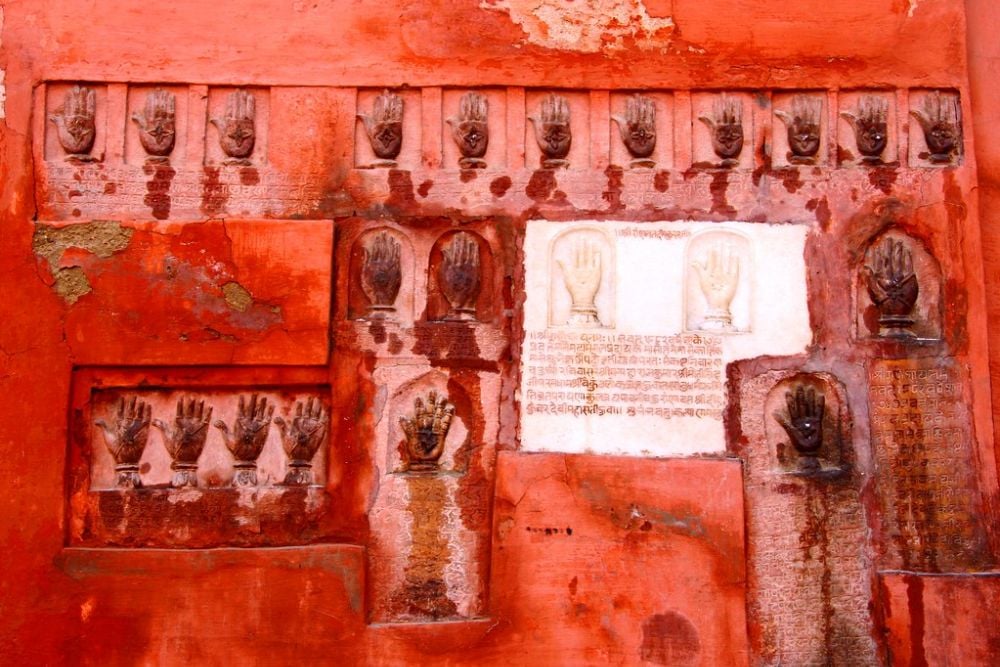
The ancient Hindu practice of sati required widows to throw themselves onto their deceased husband’s funeral pyre. This ritual was believed to purify the woman’s soul and bring honor to her family.
The British colonial government banned sati in 1829 — though isolated incidents continued into the 20th century. Modern India has strict laws against the practice, recognizing it as a form of forced self-harm rather than religious devotion.
Aztec Heart Sacrifice
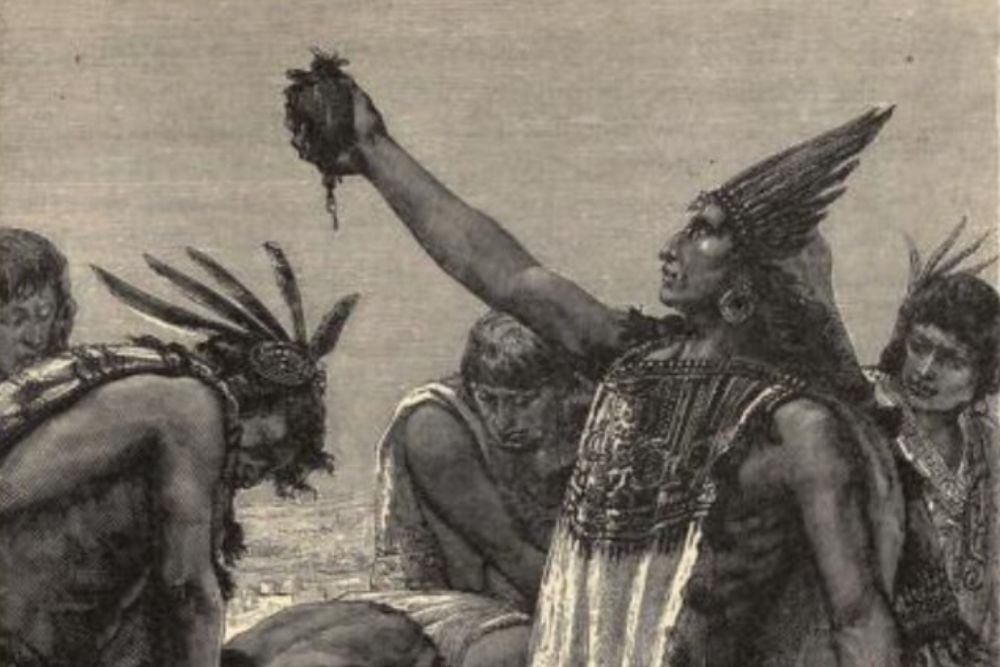
Aztec priests would remove the still-beating hearts of sacrificial victims atop temple pyramids, believing this nourished the gods while ensuring the sun’s continued journey across the sky. These ceremonies involved thousands of people during major festivals like the dedication of Tenochtitlan’s Great Temple.
The Spanish conquest effectively ended these practices in the 16th century, yet archaeological evidence continues to reveal the massive scale of these rituals.
Like Go2Tutors’s content? Follow us on MSN.
Celtic Bog Sacrifices
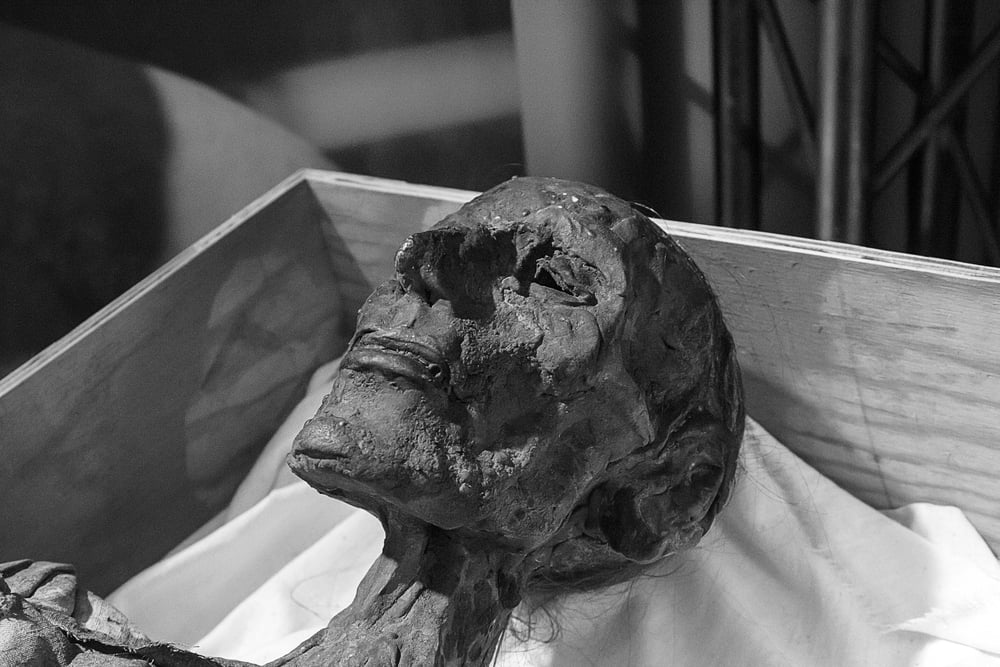
Ancient Celtic druids conducted human sacrifices in sacred bogs — drowning victims as offerings to water deities. The acidic, oxygen-poor bog environment naturally mummified these bodies, which modern archaeologists have discovered across Ireland and Britain.
These ‘bog people’ show evidence of ritualistic killing methods including strangulation and throat-cutting. The practice disappeared as Christianity spread through Celtic lands.
Mongolian Sky Burial for Royalty
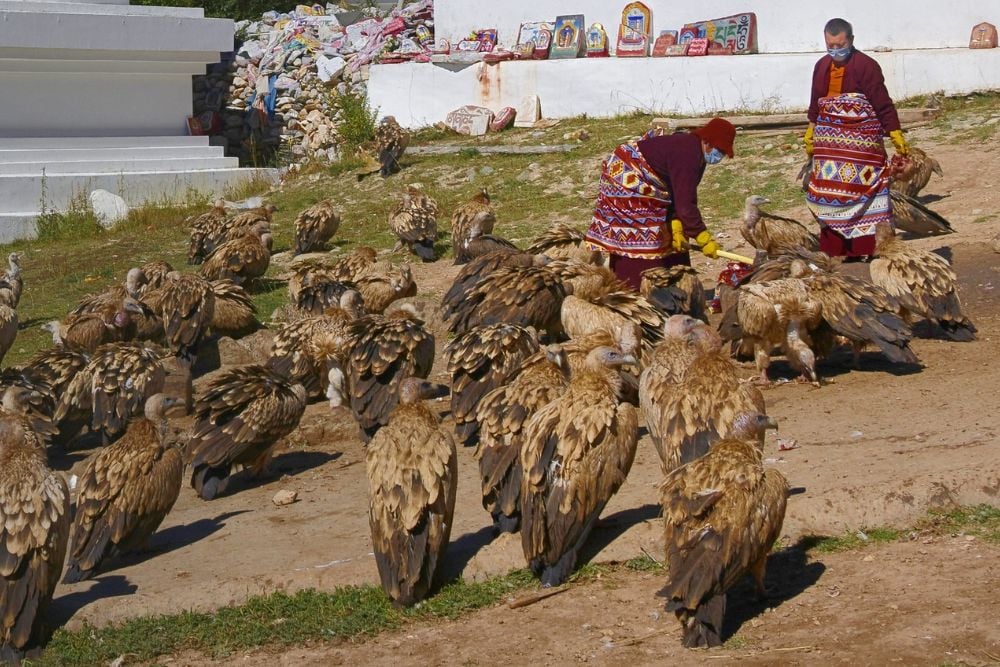
Traditional Mongolian sky burials involved placing bodies on elevated platforms for vultures and other scavengers to consume. Royal sky burials, however, included the sacrifice of servants, horses, and family members to accompany the deceased ruler into the afterlife.
These mass killings created political instability while weakening the empire’s structure. Modern Mongolia still practices sky burial for commoners — but without the accompanying human sacrifices.
Japanese Seppuku Ceremonies
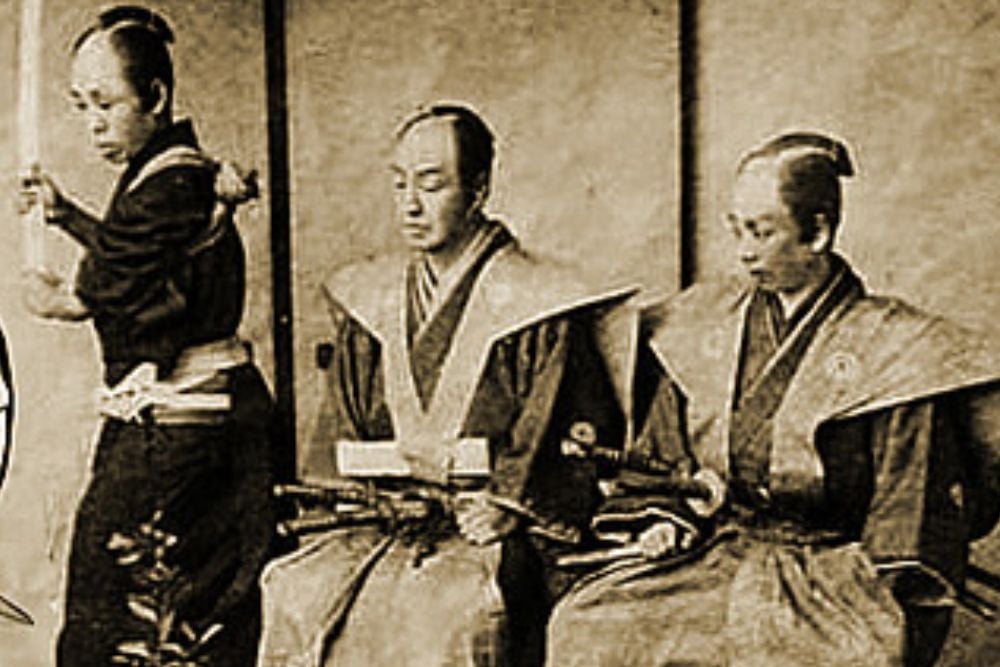
Ritual killing by disembowelment became a formal ceremony among Japan’s samurai class — often performed to restore honor after defeat or disgrace. The ritual required precise cuts while maintaining perfect composure, with a trusted friend delivering the final blow to end suffering.
The Meiji government officially banned seppuku in 1873 as Japan modernized. Though the practice occasionally resurfaces in extreme circumstances, it’s no longer a socially accepted tradition.
Like Go2Tutors’s content? Follow us on MSN.
Thugee Ritual Murders
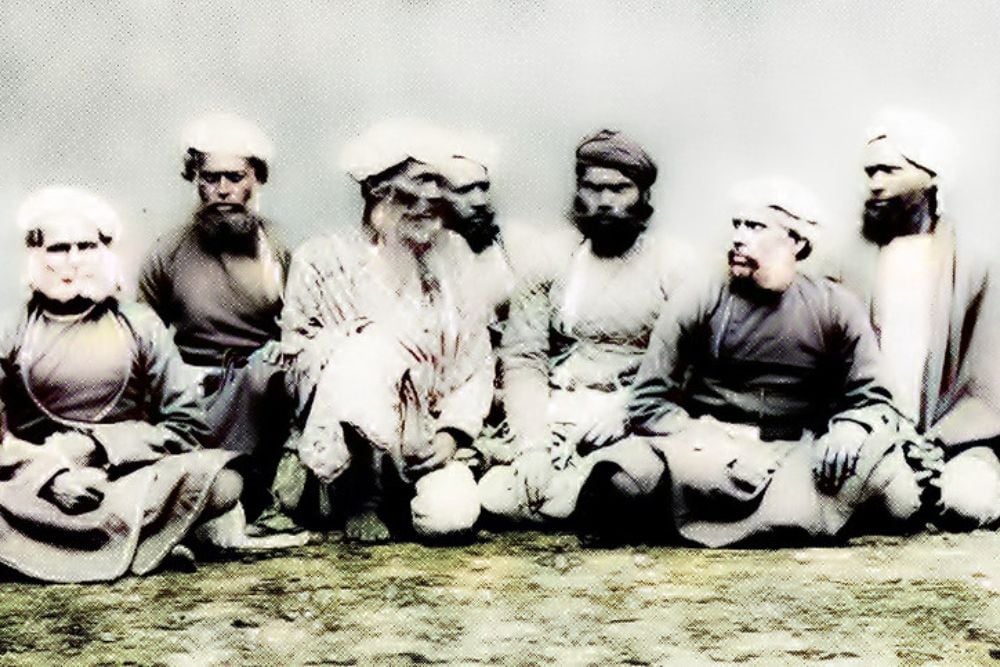
The Thuggee cult in India practiced ritual strangulation of travelers as offerings to the goddess Kali. These weren’t random murders but elaborate ceremonies involving specific prayers, tools, and burial rites.
British colonial authorities systematically hunted down Thuggee groups in the 1830s — executing or imprisoning thousands of members. The practice disappeared entirely by the mid-19th century, though it left a lasting impact on Indian folklore.
Carthaginian Child Sacrifice
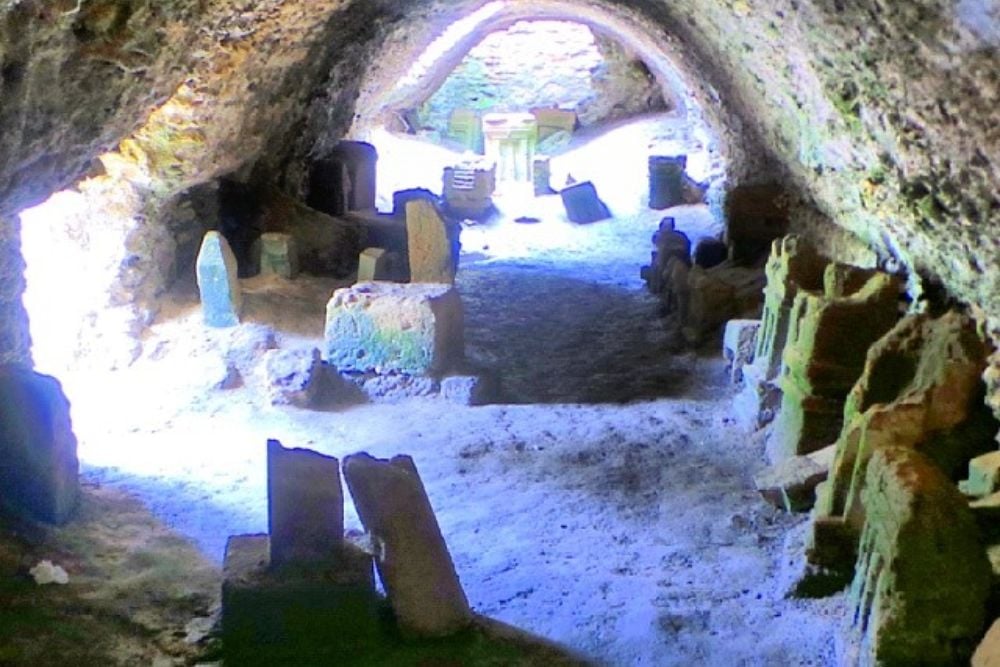
Carthaginians practiced moloch sacrifices, burning children alive in bronze statues during times of crisis or to ensure divine favor. Archaeological excavations have uncovered thousands of urns containing the remains of sacrificed infants and young children.
These ceremonies were public events with elaborate rituals and music to mask the victims’ cries. The practice ended with Carthage’s destruction by Rome in 146 BCE.
Scythian Royal Funerals
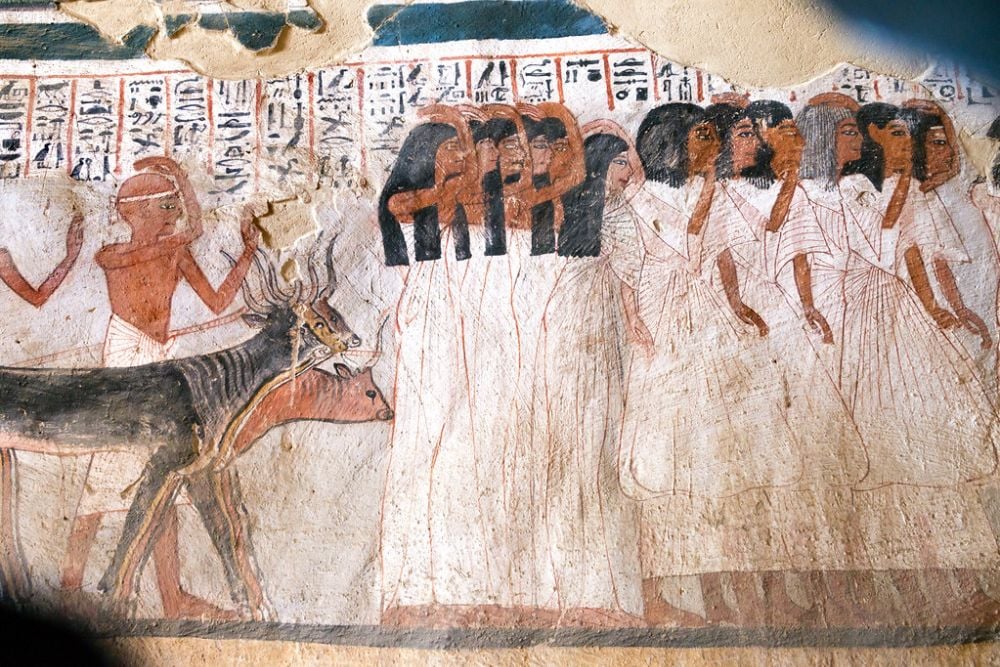
When Scythian kings died, elaborate funeral ceremonies required the sacrifice of servants, concubines, and horses to serve the ruler in the afterlife. These mass killings involved strangling up to 400 people while burying them alongside the deceased monarch.
The surviving royal family would then conduct annual memorial sacrifices for years afterward. These practices contributed to political instability — helping weaken Scythian society over time.
Like Go2Tutors’s content? Follow us on MSN.
Druze Tawhid Initiation Ordeals
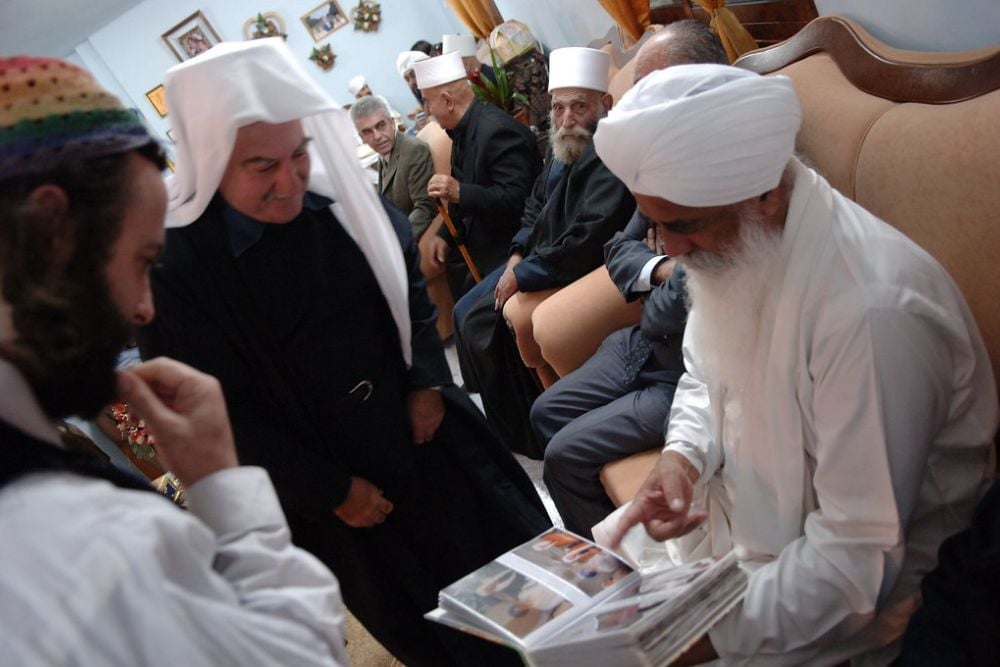
Traditional Druze religious initiation once included dangerous physical ordeals designed to test spiritual commitment. Initiates endured extreme fasting, exposure to harsh elements, and sometimes self-inflicted wounds as proof of their devotion.
These trials occasionally resulted in permanent injury or death — particularly among young initiates. Modern Druze communities have replaced these physical tests with intensive spiritual study and meditation practices.
Berber Endurance Ceremonies
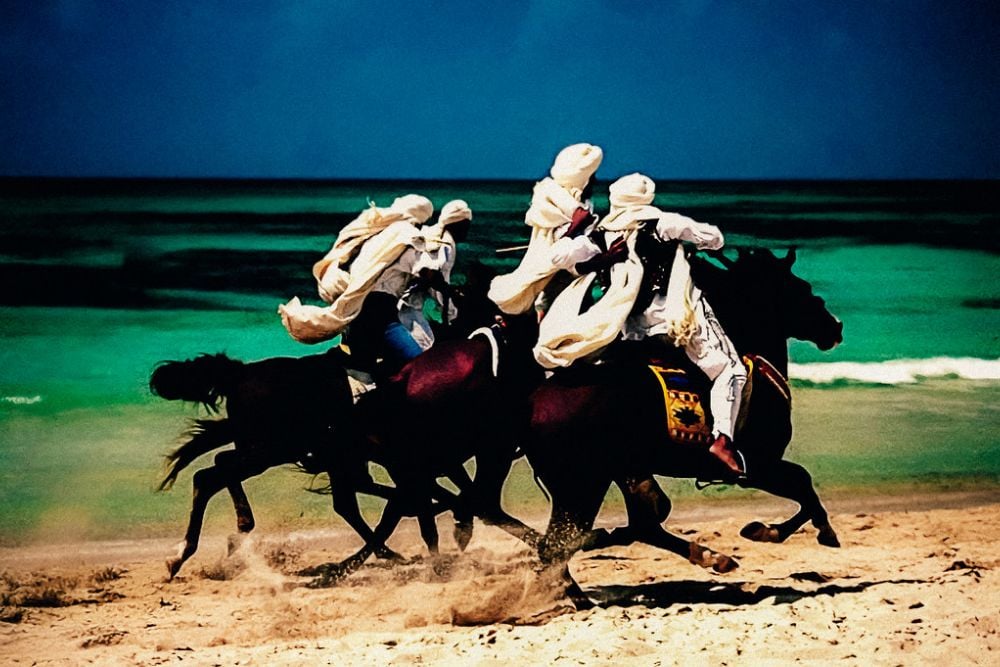
Some North African Berber tribes conducted initiation ceremonies involving extreme physical endurance tests in desert conditions. Young men would undergo days of exposure to heat, cold, and dehydration as proof of their readiness for adulthood.
These trials sometimes resulted in permanent health damage or death from exposure. Contemporary Berber communities have modified these traditions to focus on cultural education rather than physical ordeals.
Pacific Northwest Potlatch Destruction
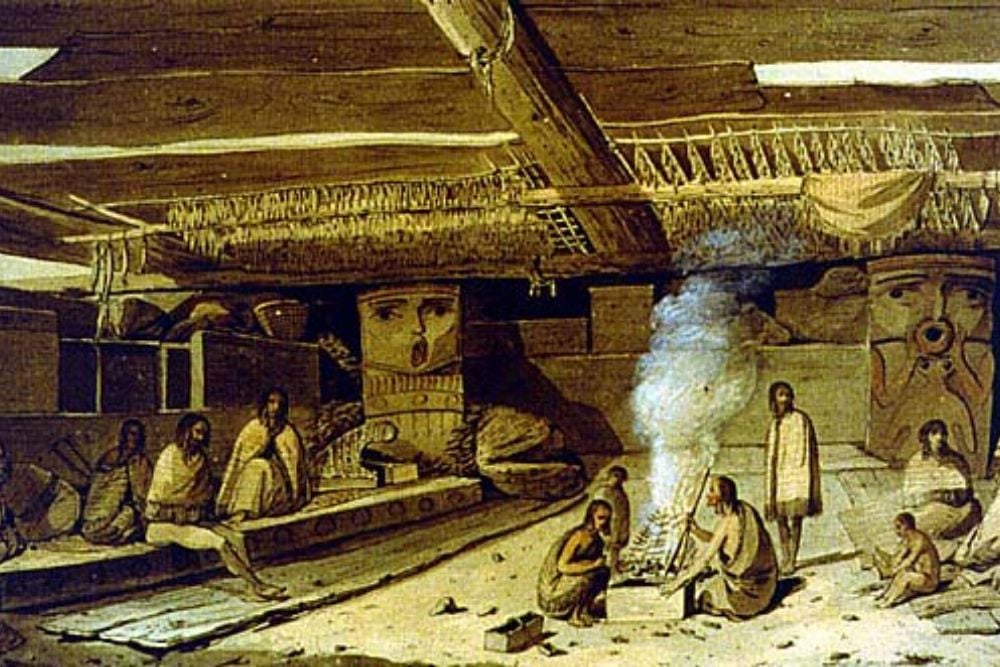
Traditional potlatch ceremonies among Pacific Northwest tribes involved destroying vast quantities of valuable goods to demonstrate wealth and status. These events could bankrupt entire families and communities, creating long-term economic hardship.
The competitive nature of potlatches escalated over time, with some hosts destroying irreplaceable cultural artifacts. Modern potlatch ceremonies focus on gift-giving and cultural sharing rather than competitive destruction.
Like Go2Tutors’s content? Follow us on MSN.
Sati Pratha in Nepal
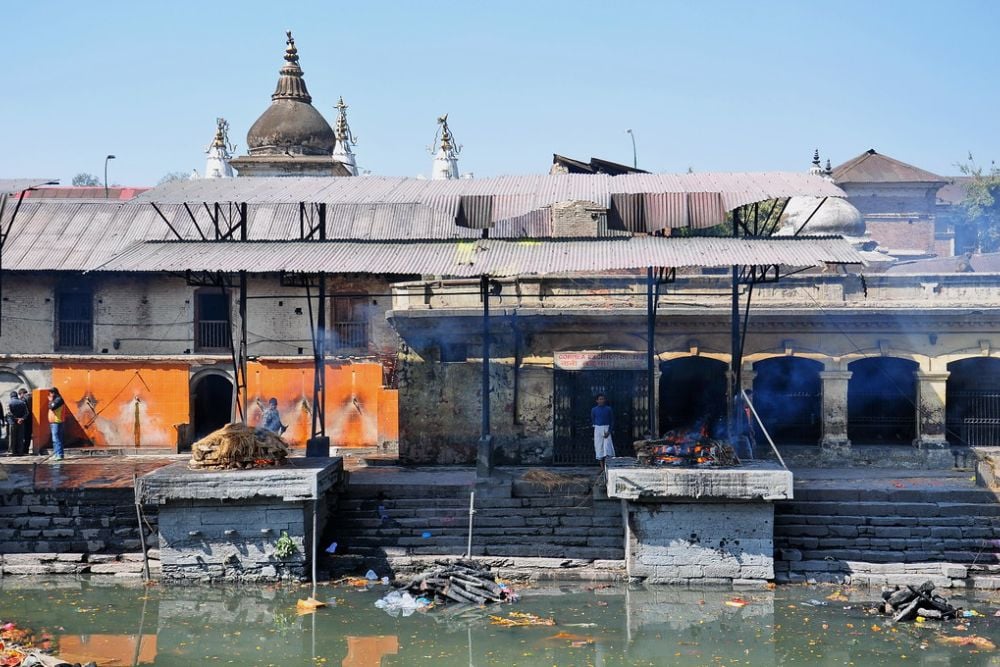
Similar to Indian sati, Nepali traditions once required widows to die alongside their husbands, either by fire or live burial. This practice was considered essential for the woman’s spiritual purification and family honor.
The Nepali government officially banned sati in 1920, though isolated incidents continued in remote regions. Contemporary Nepal has strong legal protections for widows along with active social programs to prevent traditional pressures.
Hunnic Scarification Rituals
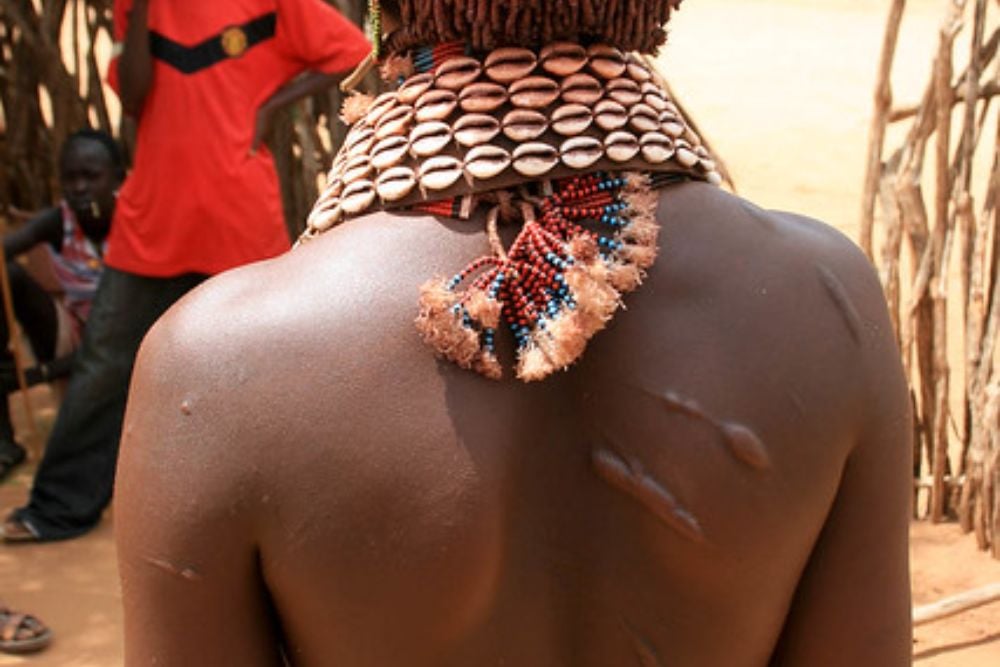
Hun warriors underwent elaborate scarification ceremonies that involved cutting deep patterns into their faces and bodies without anesthesia. These rituals were meant to prove courage while creating spiritual protection in battle.
The process often led to serious infections, permanent disfigurement, or death from blood loss. As the Hunnic empire fragmented, these dangerous initiation practices were gradually abandoned in favor of less harmful warrior traditions.
When Tradition Meets Modern Reality
These abandoned ceremonies remind us that cultural evolution often requires difficult choices between preserving tradition and protecting human life. Many communities have found creative ways to honor their heritage while adapting dangerous practices into safer forms.
Today’s world offers new ways to test courage, demonstrate devotion, and mark important transitions without risking lives. The wisdom lies not in abandoning our past entirely, but in keeping the meaningful elements while leaving behind the harmful ones.
Like Go2Tutors’s content? Follow us on MSN.
More from Go2Tutors!

- 16 Historical Figures Who Were Nothing Like You Think
- 12 Things Sold in the 80s That Are Now Illegal
- 15 VHS Tapes That Could Be Worth Thousands
- 17 Historical “What Ifs” That Would Have Changed Everything
- 18 TV Shows That Vanished Without a Finale
Like Go2Tutors’s content? Follow us on MSN.