16 Muscle Memory Facts That Will Amaze You
Your brain is basically running a constant background program you never consciously notice. Every time you tie your shoes, type on a keyboard, or ride a bike, you’re tapping into one of the most fascinating aspects of human neurology. This automatic pilot system allows you to perform countless complex movements without thinking about each individual step.
Most people think muscle memory lives in their muscles, but the real magic happens upstairs in your brain. The term itself is actually a bit misleading since your muscles don’t store memories at all.
Here’s a list of 16 muscle memory facts that reveal just how incredible this biological system really is.
Your Muscles Don’t Actually Remember Anything

Despite the name, muscle memory has nothing to do with your actual muscles storing information. The memories live entirely in your brain, specifically in areas like the cerebellum and motor cortex.
Your muscles are just following orders from neural pathways that have been strengthened through repetition—kind of like wearing a path through grass by walking the same route every day.
It Takes About 3,000 Repetitions to Build Strong Muscle Memory
Scientists have found that it typically takes around 3,000 correct repetitions to create a solid muscle memory pattern. This explains why learning to play the piano or perfecting a golf swing takes so much practice.
Each repetition strengthens the neural connections until the movement becomes automatic and effortless.
Bad Habits Are Harder to Break Than Good Ones Are to Build

Once you’ve practiced something incorrectly 3,000 times, you’ll need about 5,000 correct repetitions to overwrite that faulty pattern. This is why coaches always emphasize proper form from day one.
It’s much easier to build the right muscle memory than to retrain the wrong one later.
Your Brain Processes Muscle Memory During Sleep

While you’re catching some rest, your brain is busy consolidating the motor skills you practiced during the day. Sleep literally helps transfer information from short-term to long-term motor memory.
This is why you often wake up better at something you struggled with the day before.
Muscle Memory Can Last for Decades
Even if you haven’t ridden a bike in 20 years, you can probably still hop on and pedal away without much trouble. Strong muscle memory patterns can remain intact for incredibly long periods, sometimes an entire lifetime.
The neural pathways don’t just disappear when you stop using them regularly.
Professional Athletes Have Superhuman Muscle Memory

Elite athletes can perform their skills under extreme pressure because their muscle memory is so deeply ingrained it operates below conscious thought. A basketball player shooting free throws or a tennis player serving doesn’t have time to think through each step.
Their bodies just execute the movement pattern automatically.
You Can Build Muscle Memory Without Moving
Mental rehearsal, or visualization, actually strengthens the same neural pathways as physical practice. Studies show that imagining yourself performing a movement can improve your actual performance by up to 35%.
Your brain treats vivid mental practice almost like the real thing.
Muscle Memory Develops Faster in Children

Kids’ brains are like super-absorbent sponges when it comes to motor learning. Children can develop muscle memory patterns much faster than adults because their neural pathways are more plastic and adaptable.
This is why starting instruments, sports, or other skills young gives people such a lasting advantage.
Your Dominant Hand Has Better Muscle Memory

The hand you write with naturally develops more refined muscle memory because you use it more frequently for precise tasks. However, you can train your non-dominant hand to develop similar coordination through practice.
Some musicians deliberately practice with both hands to become truly ambidextrous.
Stress Can Temporarily Disable Muscle Memory

When you’re under extreme pressure or anxiety, your conscious mind can actually interfere with your muscle memory. This is why athletes sometimes ‘choke’ during big moments or why your handwriting might get sloppy when you’re nervous.
The thinking brain overrides the automatic system.
Muscle Memory Works Better in Familiar Environments

You’ll perform motor skills more reliably in settings similar to where you originally learned them. A golfer who always practices at the same course might struggle more on an unfamiliar layout.
Your brain associates environmental cues with the motor patterns, creating a complete memory package.
Different Types of Muscle Memory Use Different Brain Regions
Simple repetitive movements like walking use different neural circuits than complex skills like playing guitar. The cerebellum handles basic coordination, while the motor cortex manages more sophisticated movement sequences.
Your brain essentially has specialized departments for different types of motor learning.
Muscle Memory Can Be Damaged by Brain Injuries
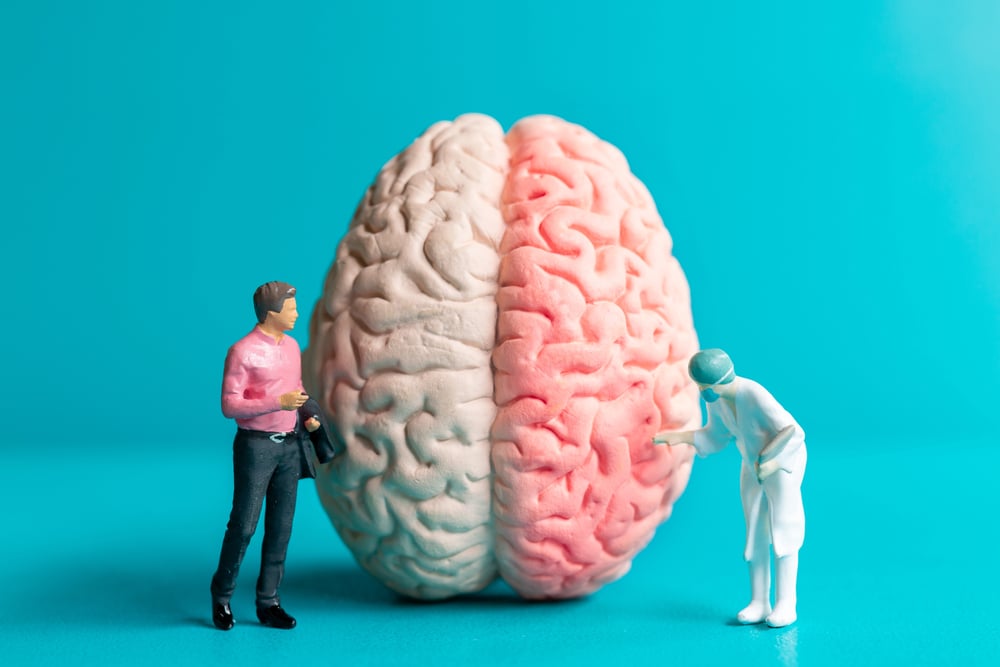
Since muscle memory lives in your brain, injuries to specific regions can wipe out years of motor learning. Stroke patients often have to relearn basic movements they once performed effortlessly.
However, other parts of the brain can sometimes take over these functions through rehabilitation.
Temperature Affects Muscle Memory Performance

Cold muscles don’t just feel stiff, they actually respond more slowly to neural signals. This is why athletes warm up before competition and why your typing might be clumsier on a cold morning.
Optimal muscle temperature helps maintain the precise timing that muscle memory requires.
You Can Have Competing Muscle Memories
If you learn two similar but slightly different movement patterns, they can interfere with each other. Tennis players who also play racquetball sometimes struggle because the swing mechanics are close but not identical.
Your brain has to work harder to keep similar motor patterns separate.
Muscle Memory Explains Why Old Injuries Can Affect New Learning
Your brain remembers not just successful movements but also the adaptations you made around injuries. Even after an injury heals, your movement patterns might retain slight modifications that can interfere with learning new skills.
Physical therapy often focuses on retraining proper movement patterns to prevent this issue.
The Lasting Impact of Automatic Excellence
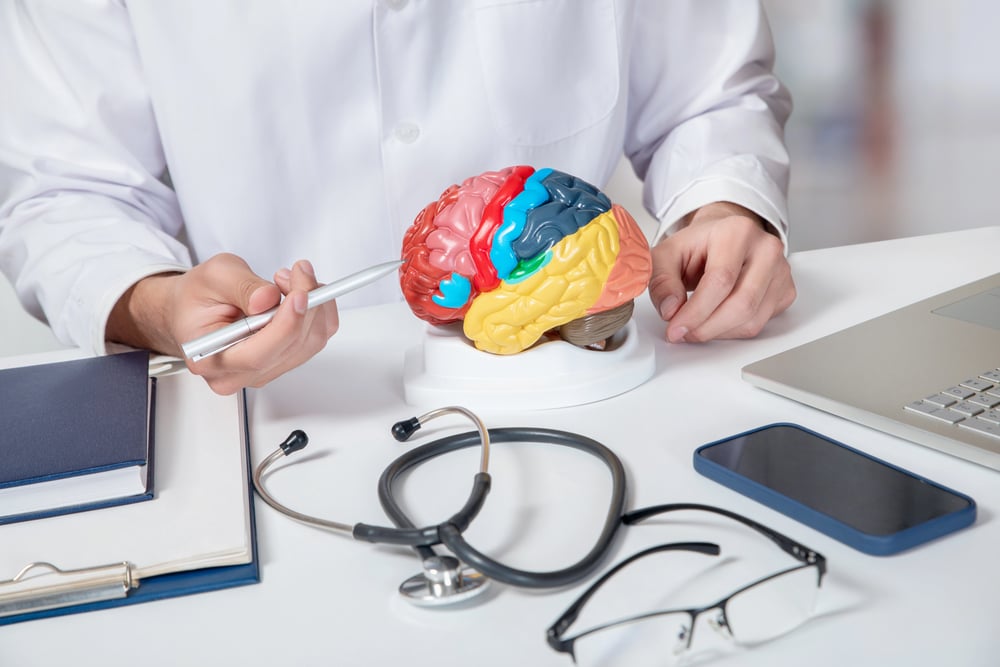
Understanding muscle memory changes how we approach learning any physical skill. Instead of getting frustrated with slow progress, we can appreciate that our brains are literally rewiring themselves with each practice session.
Every repetition is building neural superhighways that will serve us for years or even decades to come. The next time you effortlessly perform a complex movement, take a moment to marvel at the incredible biological computer that makes it all possible.
More from Go2Tutors!

- The Romanov Crown Jewels and Their Tragic Fate
- 13 Historical Mysteries That Science Still Can’t Solve
- Famous Hoaxes That Fooled the World for Years
- 15 Child Stars with Tragic Adult Lives
- 16 Famous Jewelry Pieces in History
Like Go2Tutors’s content? Follow us on MSN.