Voice Actors Behind Iconic Animated Characters
Somehow, animated figures seem real not just because of how they look or what lines they say. Warmth lives in their voices – through pauses, rhythm, subtle choices – that sticks around when the show ends.
One strong vocal fit might lift a sketch into something everyone knows by sound alone. Recognition clicks fast, even without visuals.
Years pass, yet the voice and figure blur together until separating them feels strange. Peeking behind the curtain reveals something surprising: real humans gave life to legendary cartoon figures through nothing but sound.
These vocal performances didn’t just fill scenes – they defined personalities. Not every actor expected to land such roles, yet their delivery stuck deep in culture.
Sound becomes memory when pitch, timing, and tone align just right. Think of it – someone sitting alone in a booth shaping how millions picture a character forever.
That voice sticks around long after credits roll, echoing past reruns and remakes alike.
Mel Blanc
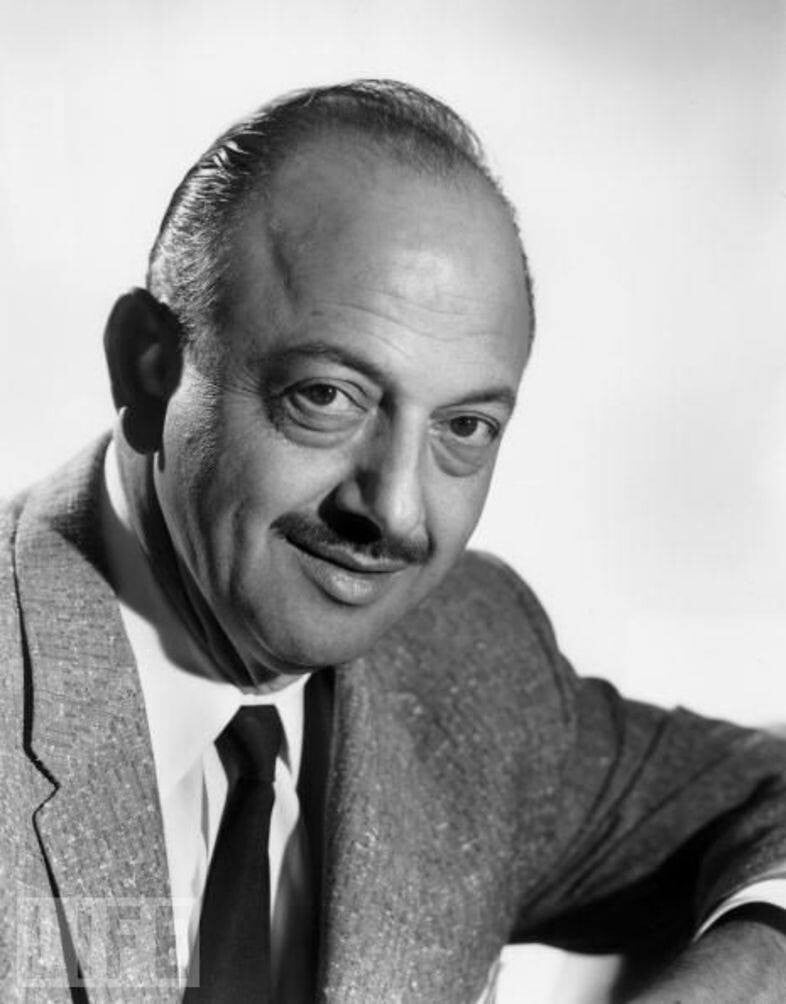
Few figures loom larger in animation history than Mel Blanc, whose voice work defined an entire era of American cartoons. Working primarily with Warner Bros., he voiced a wide range of characters that still dominate popular culture decades later.
What made his performances remarkable was not just range, but precision. Each character sounded distinct, with unique rhythms and emotional beats that made them instantly recognisable.
Blanc treated voice acting as performance, not novelty. He carefully crafted vocal quirks to match physical movement and comedic timing, syncing breath, pauses, and emphasis to the animation itself.
Even when characters shared scenes, they never blurred together. That clarity helped establish voice acting as a specialised craft rather than an afterthought in production.
June Foray

June Foray built a career on subtlety and emotional control, often voicing characters who required intelligence rather than volume. She became known for portraying young boys, sharp-witted women, and quietly commanding figures, often within the same series.
Her work demonstrated how restraint could be just as powerful as exaggeration. Foray’s performances blended seamlessly into the story, never pulling focus yet always grounding the character.
She approached each role with a sense of internal logic, making even fantastical personalities feel emotionally coherent. This approach influenced generations of voice actors, especially in television animation, where consistency across long runs is essential.
James Earl Jones
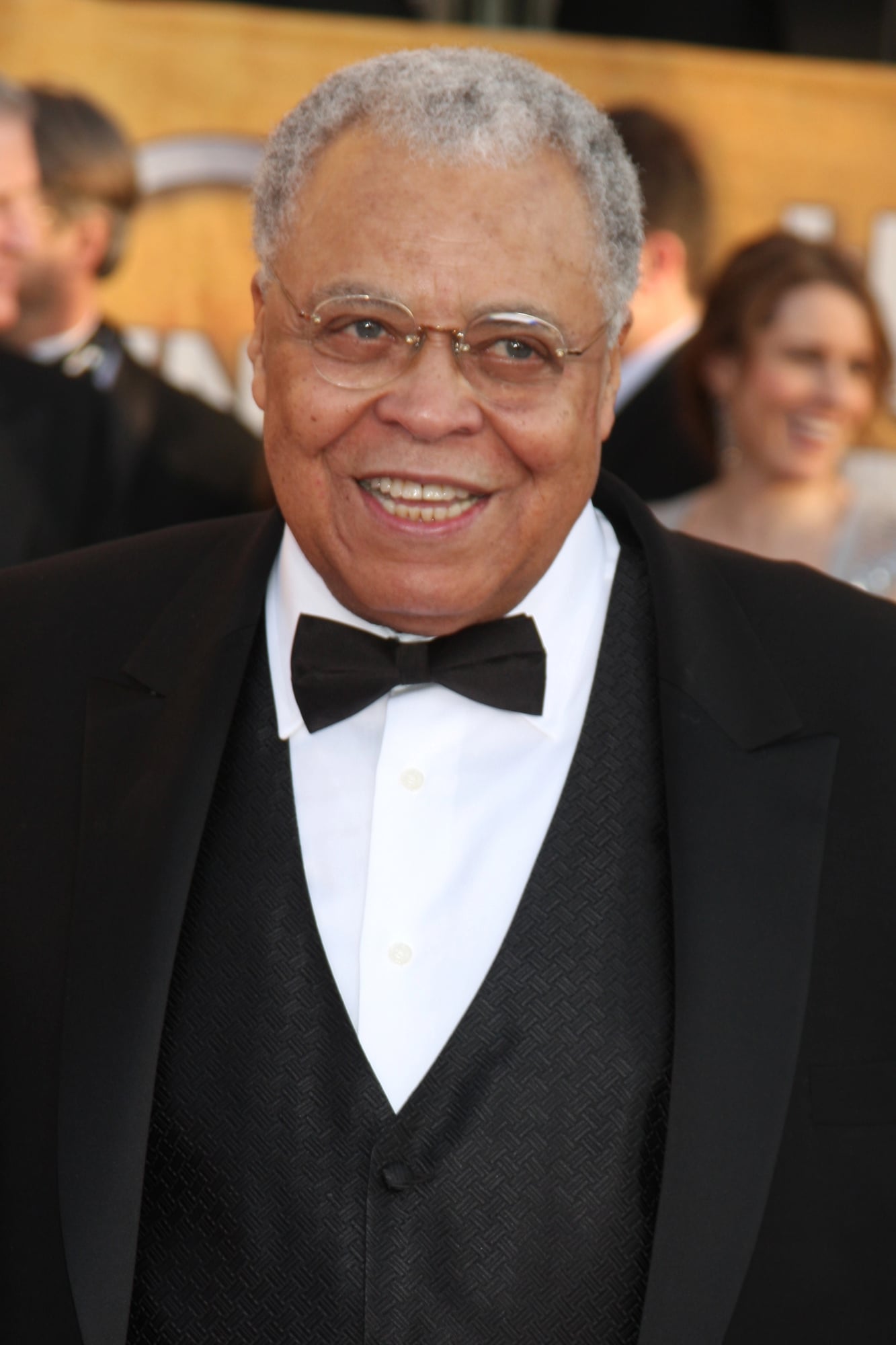
The voice of Darth Vader is inseparable from James Earl Jones, whose deep, measured delivery reshaped expectations of animated and animated-adjacent performances. Although the character appears in live-action films, the vocal performance functions much like voice acting, layered onto physical presence created by others.
Jones brought a theatrical gravity that elevated the character beyond a typical antagonist. His pacing, calm authority, and controlled intensity gave the role a sense of inevitability rather than chaos.
That vocal presence helped establish animation and hybrid forms as spaces for serious dramatic performance, not just light entertainment.
Nancy Cartwright
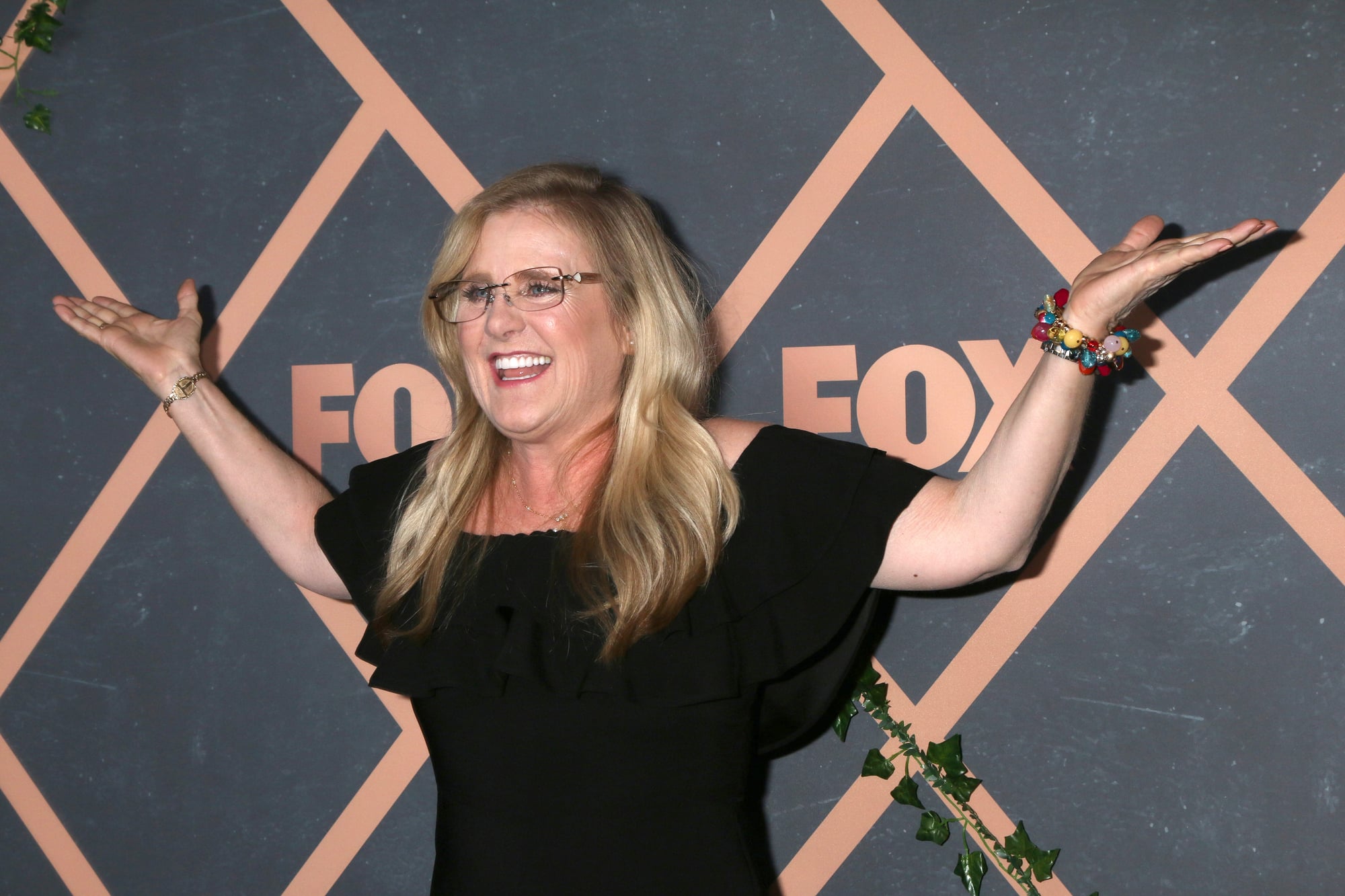
Nancy Cartwright became a household name through her work on long-running television animation, particularly by voicing characters who exist in heightened, satirical worlds. Her most famous role balances youthful energy with emotional sincerity, allowing humour and vulnerability to coexist naturally.
What sets Cartwright apart is stamina and consistency. Sustaining a recognisable voice across decades requires technical discipline, careful vocal care, and an understanding of how characters evolve without losing their core.
Her work helped prove that animated television could support long-term character development, with voices acting as anchors through shifting storylines and cultural changes.
Robin Williams
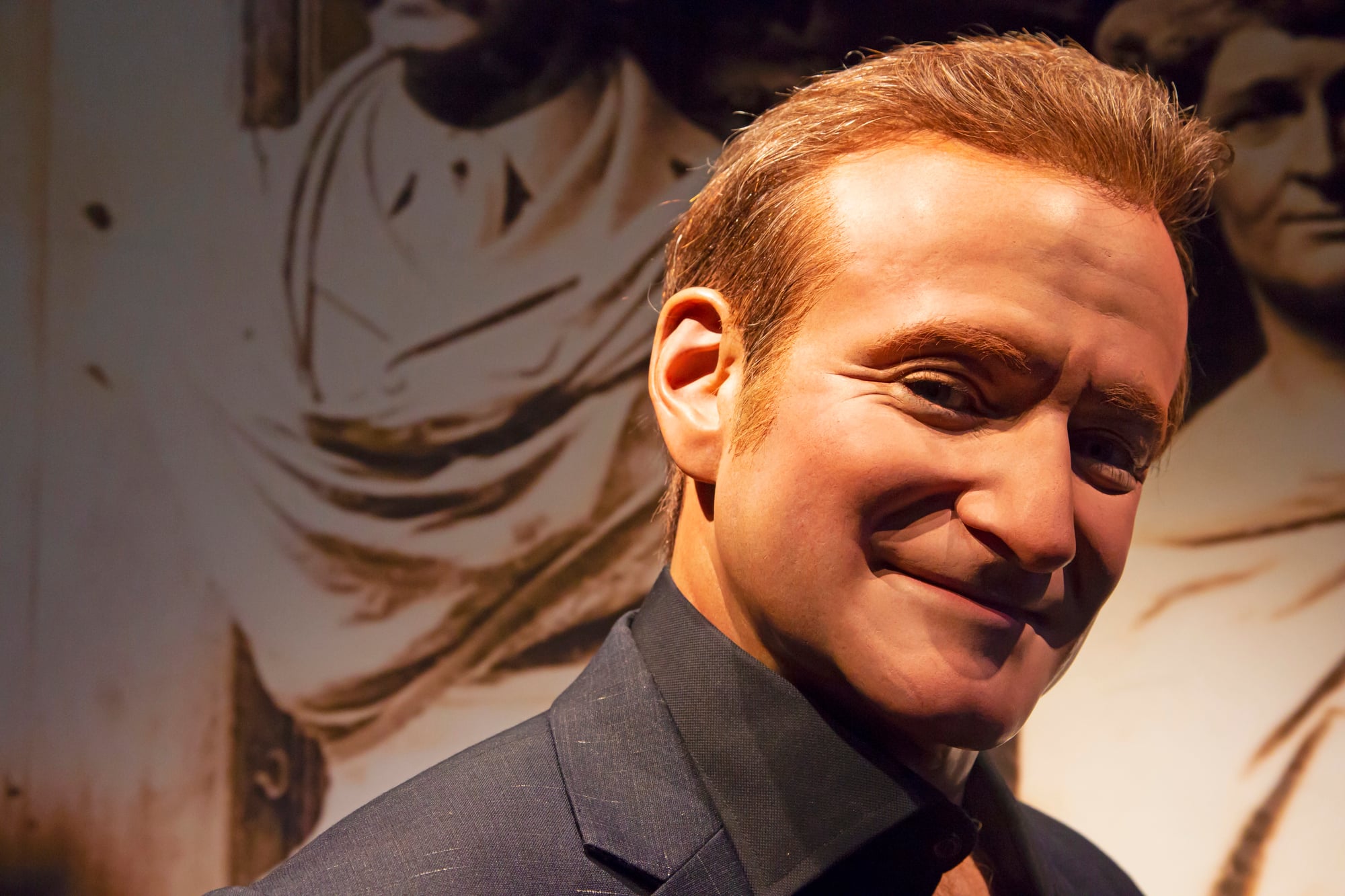
When Robin Williams entered animation, he brought improvisation and speed rarely seen in the medium at the time. His performance as the Genie in Aladdin reshaped studio expectations of what voice actors could contribute creatively.
Much of his dialogue was spontaneous, leading animators to adapt visuals around his delivery rather than the other way around. This approach changed production pipelines.
Studios began recording actors earlier in development, allowing performances to influence character movement and expression. Williams’ work demonstrated that animation could capture the same kinetic energy as live performance, expanding the emotional and comedic range of animated films aimed at broad audiences.
Frank Welker
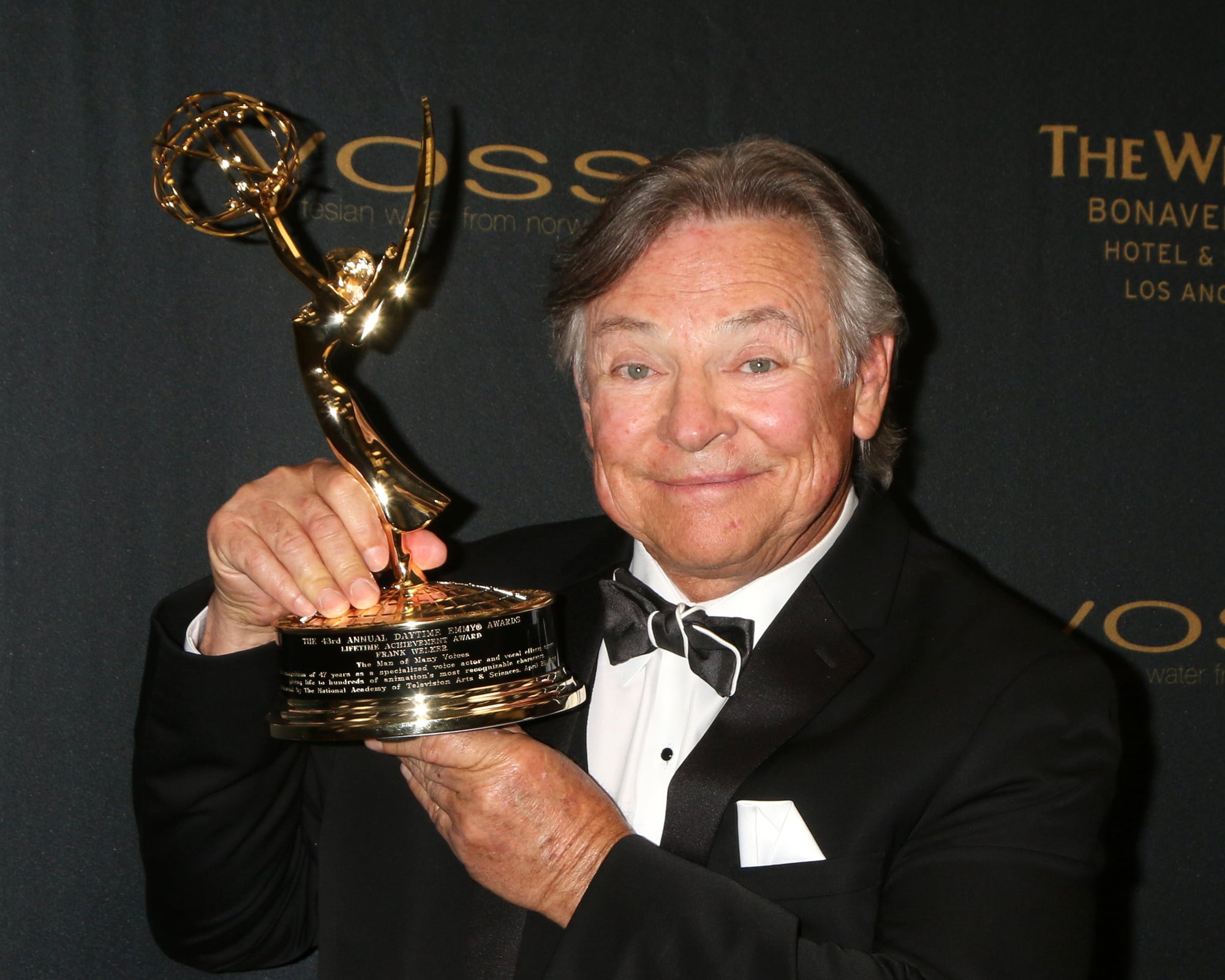
Frank Welker holds one of the most extensive voice acting resumes in the industry, often specialising in non-verbal or minimally verbal roles. From creature sounds to iconic character voices, his work is frequently heard even when audiences do not immediately recognise it as human performance.
Welker’s skill lies in physicality. He uses breath control, pacing, and tonal shifts to suggest emotion without dialogue, giving animated creatures personality and intention.
This kind of performance requires acute awareness of sound design and animation timing, proving that voice acting is as much about listening as it is about speaking.
Tara Strong
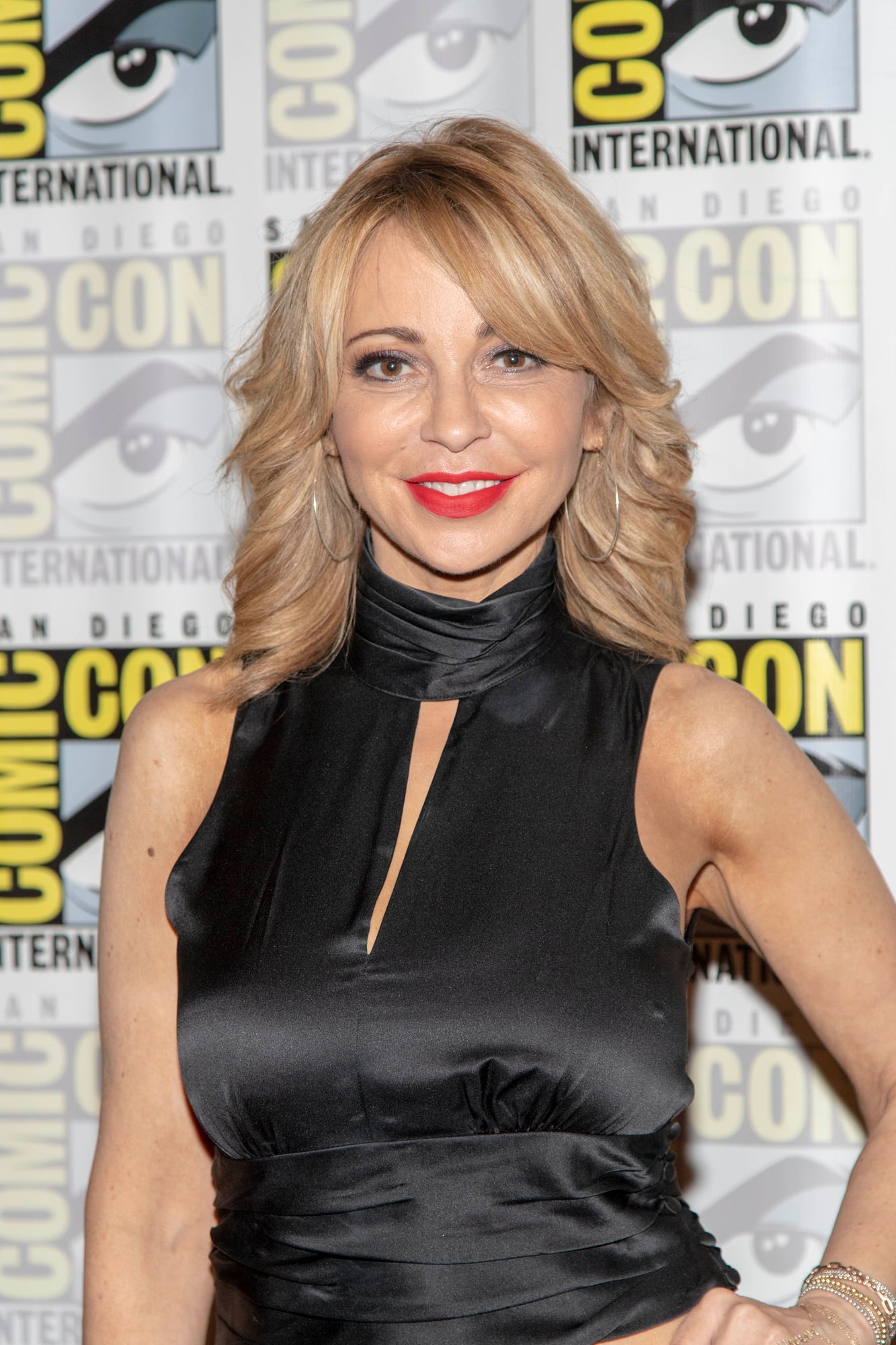
Tara Strong represents a modern generation of voice actors who seamlessly move between television, film, and interactive media. Her performances often centre on clarity and emotional accessibility, making characters feel immediate and relatable across formats.
Strong’s adaptability reflects changes in the industry itself. With animation expanding into streaming platforms and interactive storytelling, voices must work in shorter episodes, longer arcs, and branching narratives.
Her consistency across these spaces shows how technical skill and emotional awareness combine to meet evolving audience expectations.
Mark Hamill
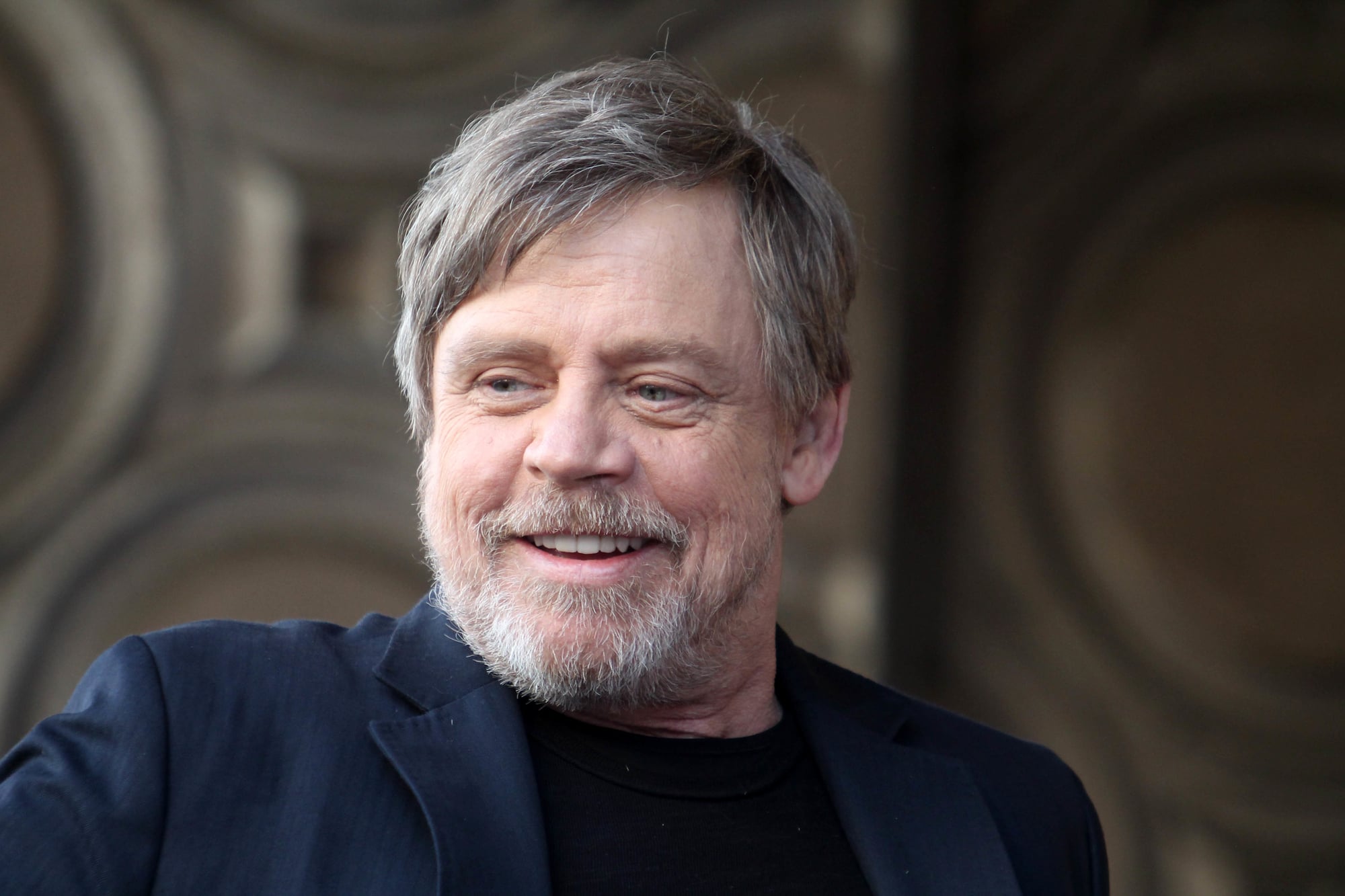
While widely known for on-screen roles, Mark Hamill found a second defining career through voice work, particularly in animated interpretations of well-known franchises. His portrayal of the Joker brought theatrical range and unpredictability, setting a benchmark for animated antagonists.
Hamill’s success highlighted how actors could reinvent themselves through voice roles. Freed from physical typecasting, he explored extremes of tone and emotion that might not translate visually.
This shift encouraged more screen actors to take animation seriously, enriching the medium with diverse performance backgrounds.
Pat Carroll

Pat Carroll delivered one of animation’s most memorable villain performances through a voice that balanced theatrical flair with precise control. Her work showed how musicality, diction, and timing could define a character as much as design or story.
Carroll approached voice acting with stage sensibilities, treating each line as part of a larger performance arc. That discipline gave the character presence even in moments of silence or stillness.
It reinforced the idea that animated roles demand the same level of preparation and intent as live theatre.
Why These Voices Still Resonate

Even now, what those early actors built keeps guiding cartoons and how people watch them. Thanks to new tools, sounds are clearer and shows get finished faster – yet the heart of speaking for characters stays tied to real human expression.
It’s the voices with purpose, feeling, and care behind them that grab listeners best. From toddlers to grandparents, animated tales now travel far and wide.
These performers behind the mic show us sound shapes experience just like sight does. Without it, stories lose their heartbeat.
A single tone can pass down feelings through time. Though looks shift fast, certain voices stick around – soft echoes in how we recall who mattered.
What stays isn’t always seen. It’s heard.
More from Go2Tutors!

- The Romanov Crown Jewels and Their Tragic Fate
- 13 Historical Mysteries That Science Still Can’t Solve
- Famous Hoaxes That Fooled the World for Years
- 15 Child Stars with Tragic Adult Lives
- 16 Famous Jewelry Pieces in History
Like Go2Tutors’s content? Follow us on MSN.



