Heavily Congested Global Cities Officially Ranked
Anyone who has sat in bumper-to-bumper traffic at 6 AM knows that urban congestion isn’t just an inconvenience—it’s a daily reality reshaping how millions of people live their lives. From the sprawling highways of Los Angeles to the narrow streets of historic European capitals, traffic congestion has become the unwelcome soundtrack of modern city living.
The numbers tell a story that commuters feel in their bones every day: longer commute times, higher stress levels, and economic losses measured in billions of dollars annually. Recent comprehensive traffic studies have officially ranked the world’s most congested cities, revealing patterns that go far beyond simple population density.
Istanbul, Turkey
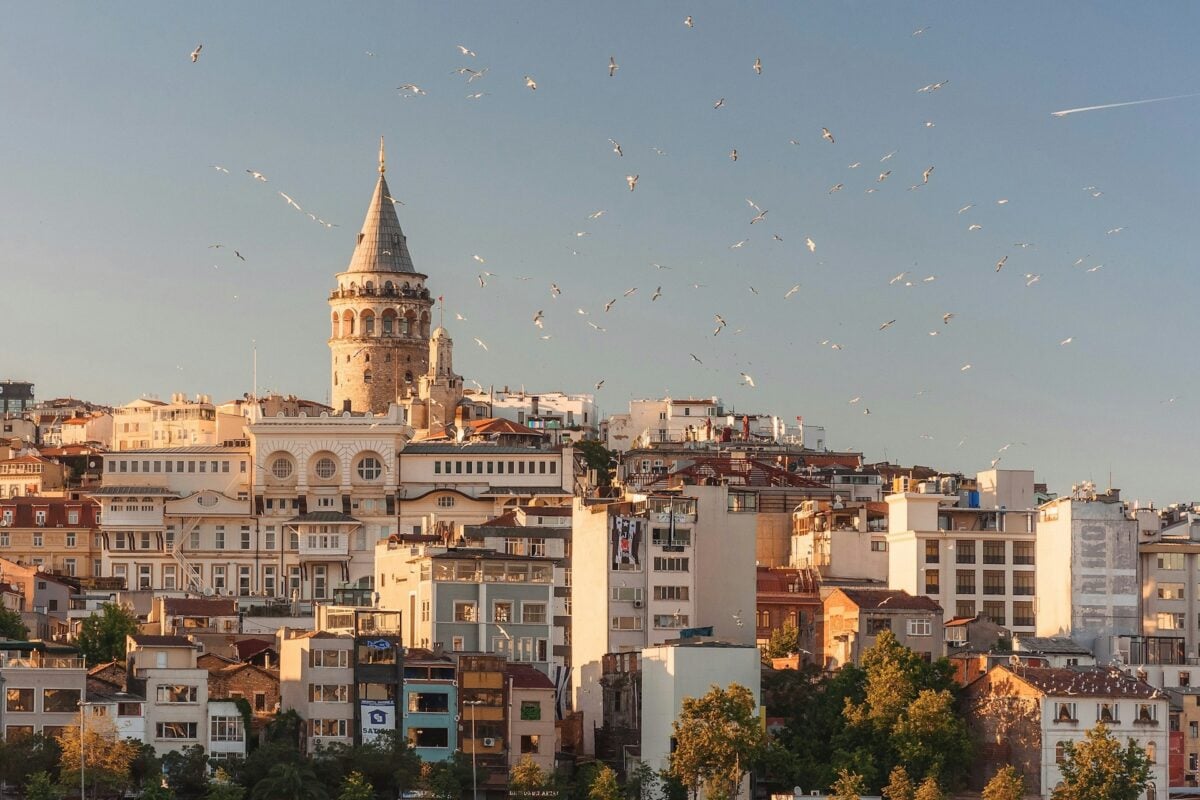
The Bosphorus Bridge carries more than cars—it carries the weight of a city caught between two continents. Traffic in Istanbul doesn’t just slow down; it crystallizes into something solid, where commutes stretch like candy across hours that should have been minutes.
The city’s unique geography forces millions of vehicles through bottlenecks that were never designed for modern traffic volumes.
Mexico City, Mexico
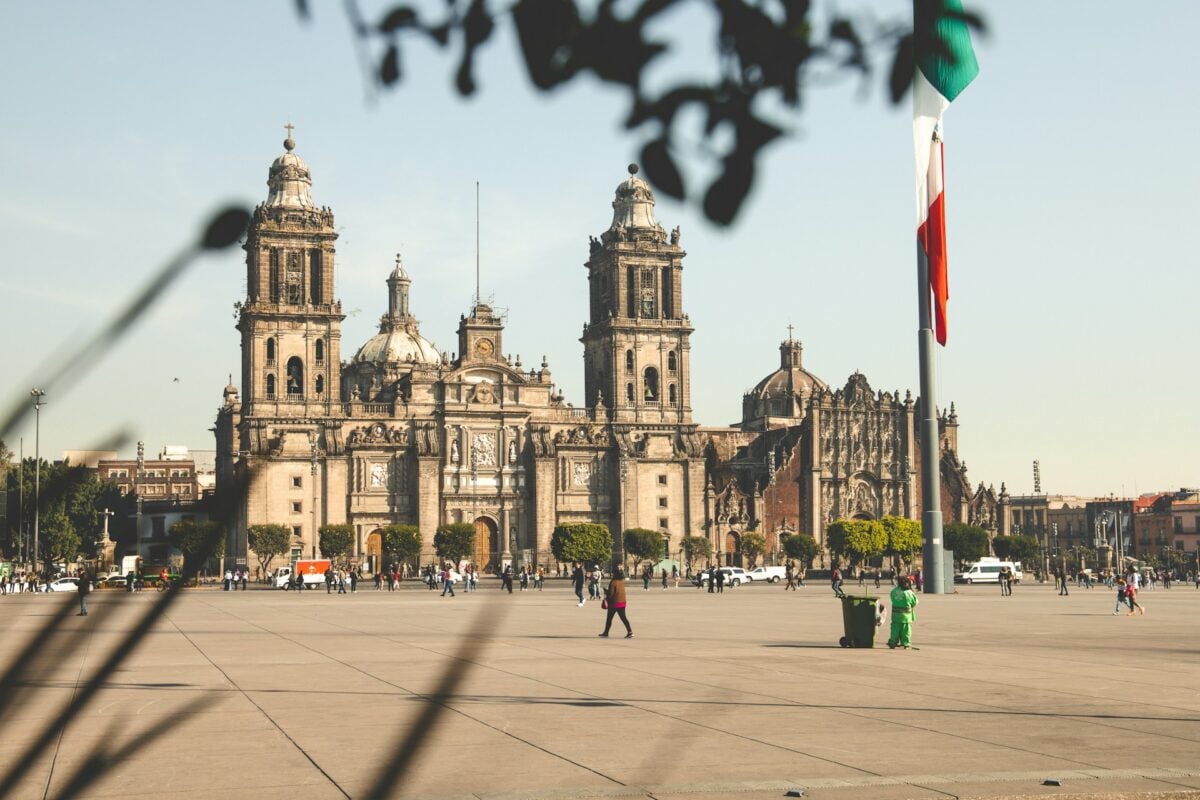
Mexico City sits in a bowl surrounded by mountains, and that bowl fills with more than just smog every morning. Twenty-one million people create a gravitational pull that draws traffic into impossible knots.
The city’s elevation makes engines work harder while drivers work longer, turning rush hour into a test of endurance that can last half the day.
Mumbai, India
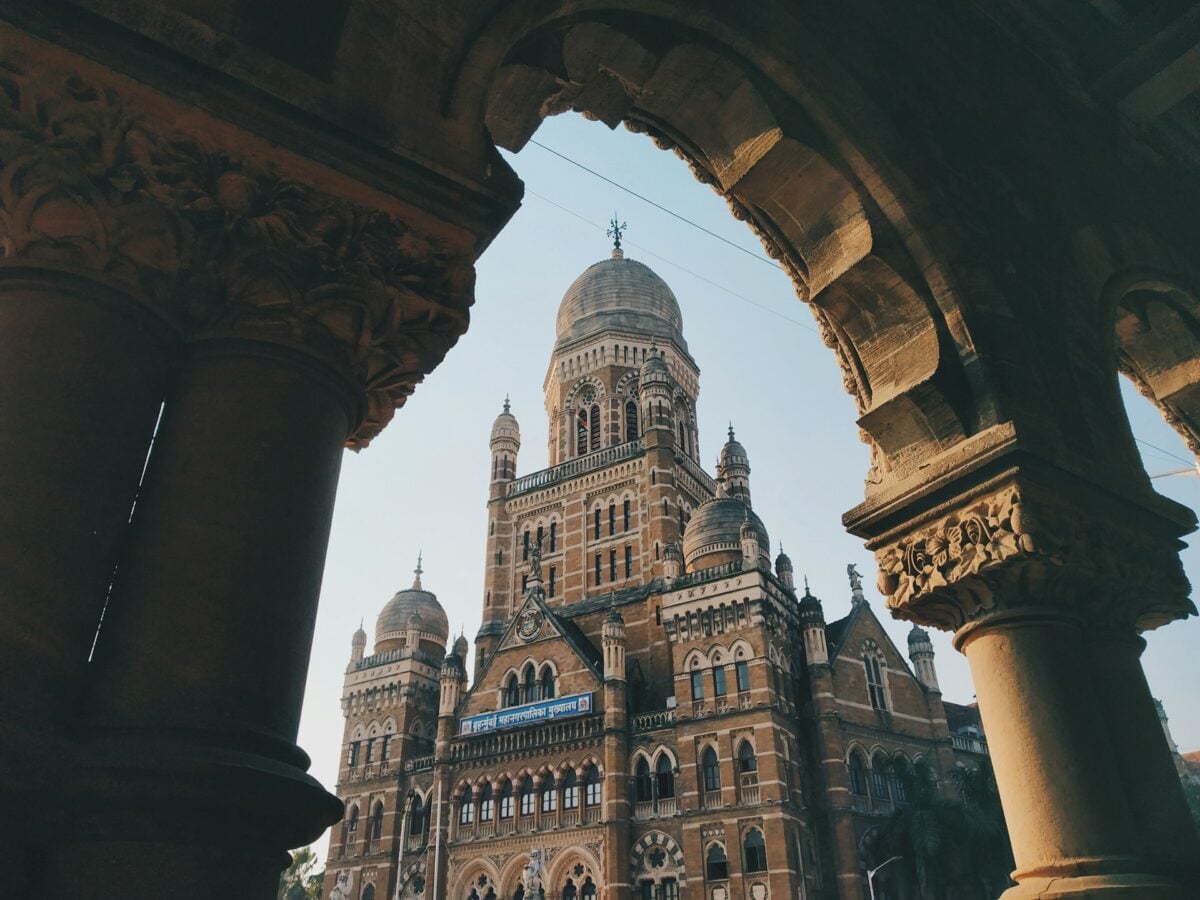
Rush hour in Mumbai isn’t measured in minutes—it’s measured in the number of commuter trains that pass while you remain stationary on the Western Express Highway. The city’s linear geography, squeezed between ocean and mountains, creates a funnel effect where every journey becomes a negotiation with immovable traffic (and occasionally, actual cattle wandering through the lanes).
So commuters adapt in ways that would seem impossible elsewhere: conducting business meetings over phone calls that last entire traffic-locked journeys, or simply accepting that a 10-mile trip might require the better part of an afternoon. And yet the city keeps moving, because stopping isn’t an option when 20 million people depend on reaching their destinations eventually.
London, United Kingdom
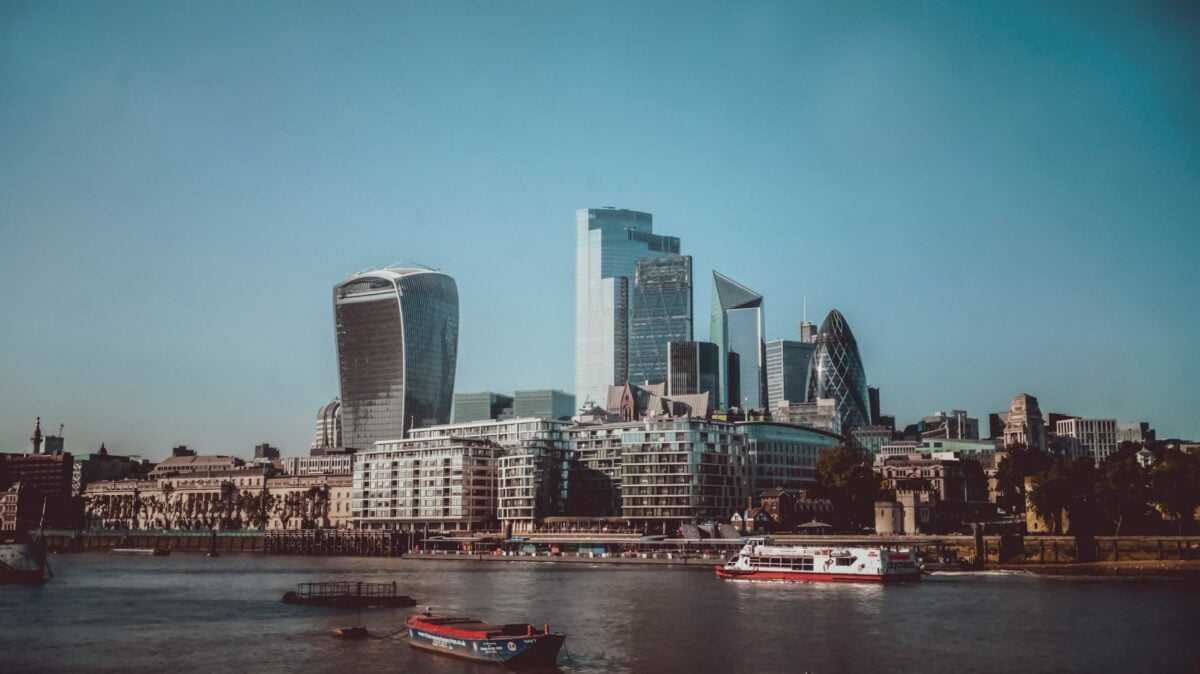
London’s congestion charge was supposed to fix everything. Turns out, charging drivers to enter the city center just redistributed the problem rather than solving it.
The medieval street layout meets modern traffic volumes with predictable results—expensive gridlock instead of free-flowing gridlock. To be fair, sitting in London traffic does offer certain compensations that other cities can’t match.
The view from Waterloo Bridge during a traffic jam includes some of the world’s most expensive real estate, which makes the financial cost of idling feel almost reasonable by comparison. London drivers have perfected the art of resigned patience, treating their cars like mobile offices where conference calls happen between glimpses of Big Ben.
São Paulo, Brazil
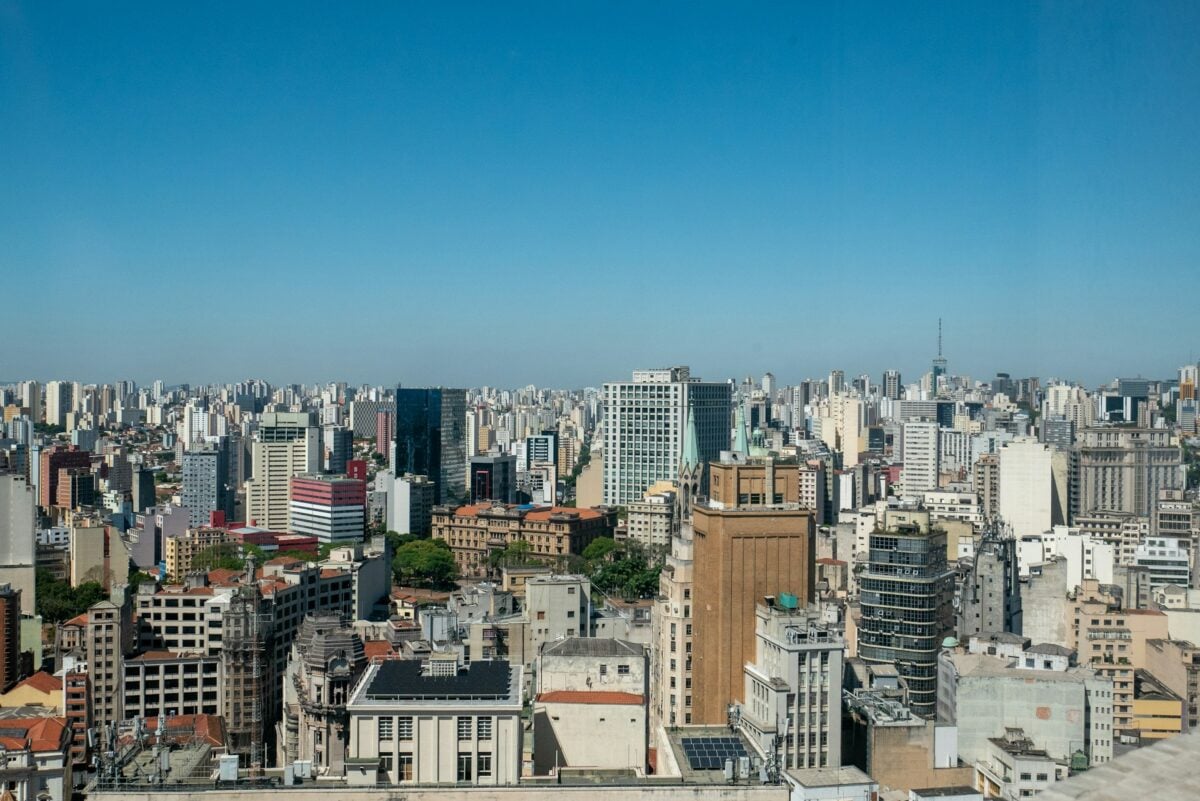
São Paulo has 180 miles of traffic jams during peak hours. That’s not a typo—180 miles of stationary vehicles spread across a city that never learned the meaning of urban planning.
The wealthy helicopter between rooftop helipads while everyone else measures distance in hours rather than miles.
Paris, France
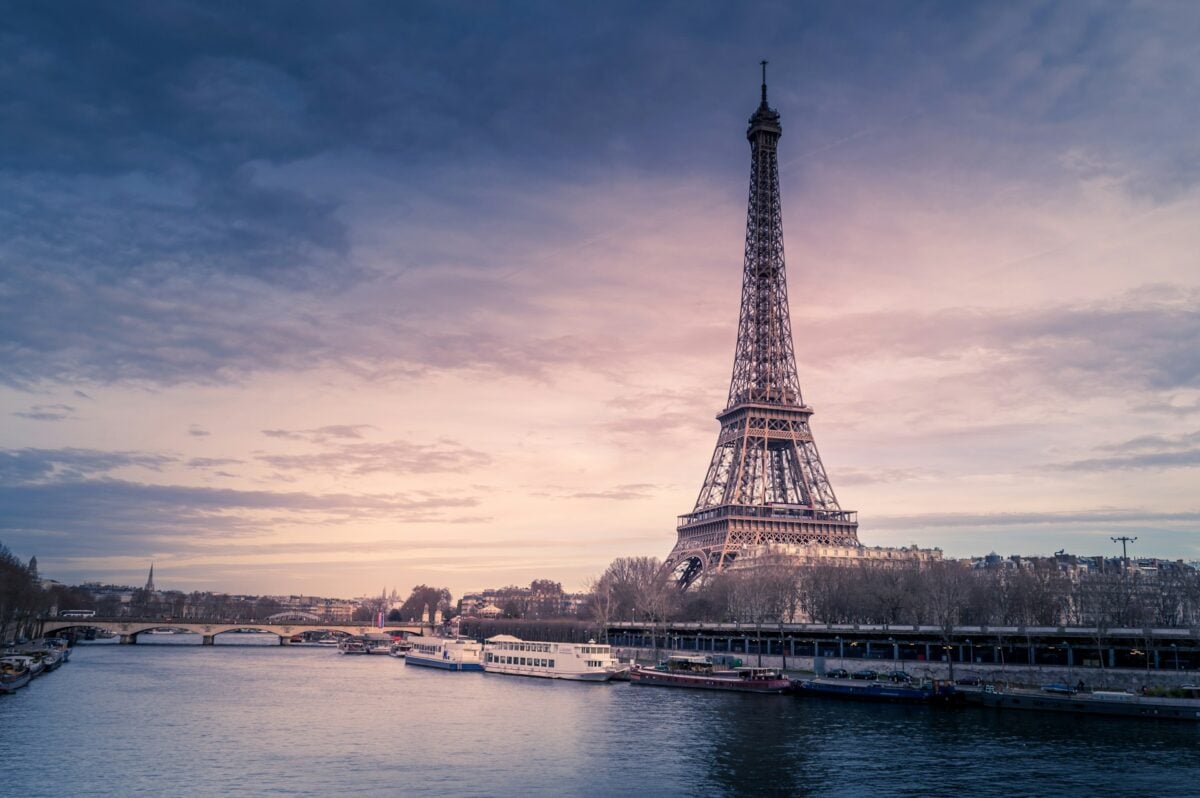
The City of Light becomes the City of Brake Lights twice daily. Paris built its streets for horses and carriages, then wondered why modern traffic moves at roughly the same speed.
The périphérique ring road was designed to ease congestion but instead became a 22-mile parking lot with premium views of the Eiffel Tower.
Manila, Philippines
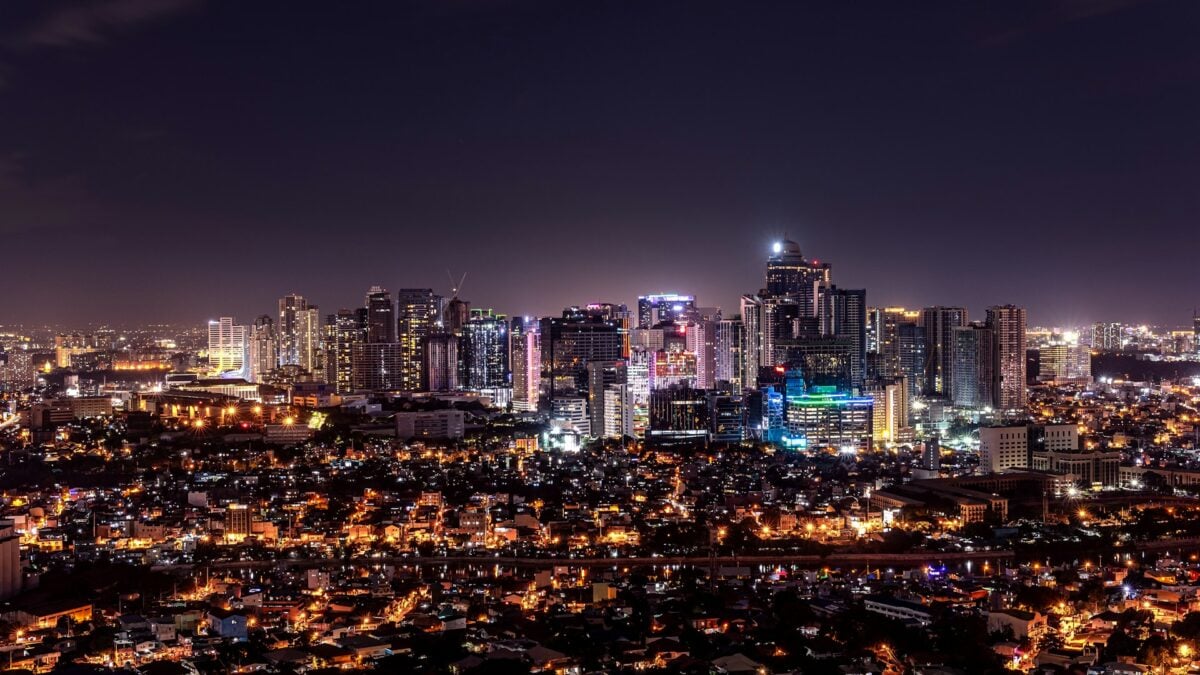
Traffic in Manila doesn’t follow the rules of physics—it operates on its own mysterious principles where three lanes somehow accommodate six rows of vehicles. Jeepneys, tricycles, buses, and cars create a mobile puzzle that rearranges itself constantly but never actually speeds up.
The city holds the distinction of having rush hour traffic that can last 16 hours a day, which raises the philosophical question of whether it’s still called “rush hour” when it describes most of your waking life.
Los Angeles, United States
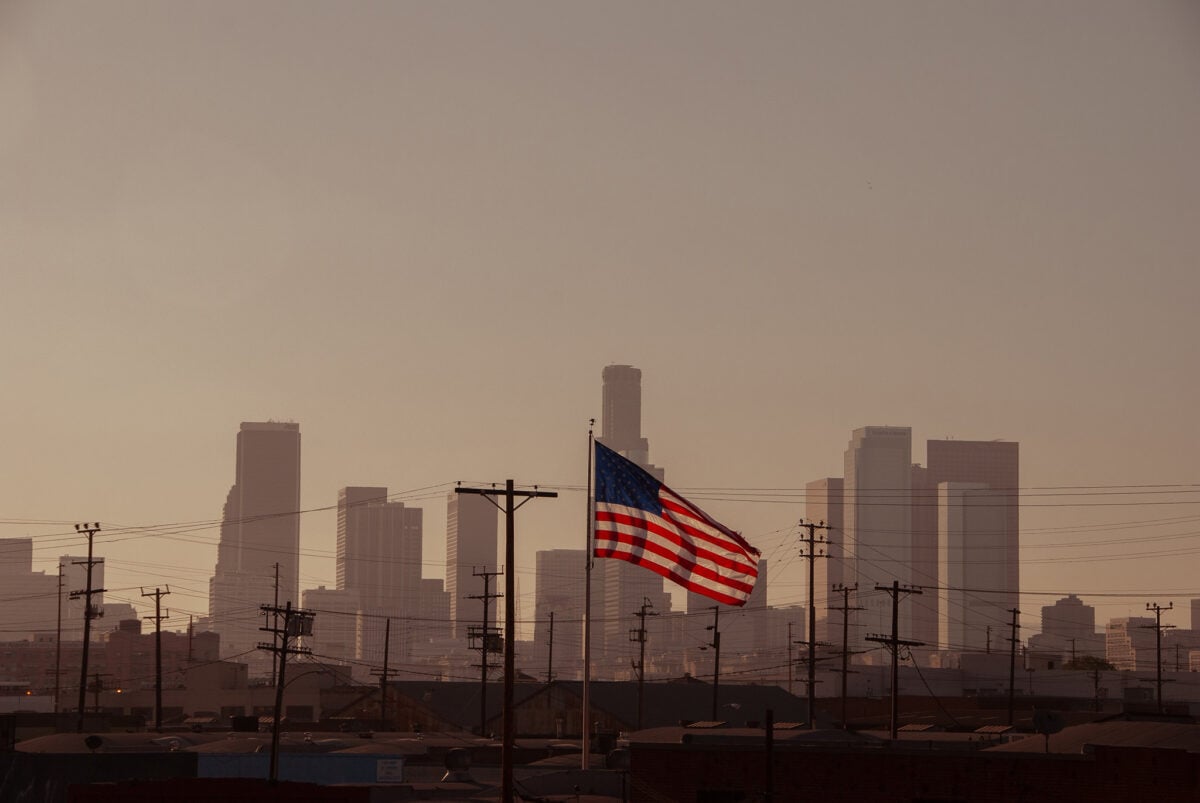
LA perfected the art of the commute. Five-lane highways stretch toward the horizon like concrete rivers, carrying millions of people who moved to California for the weather and stayed for the traffic.
The 405 freeway has achieved legendary status as a place where time stops and gas mileage goes to die.
Bangkok, Thailand
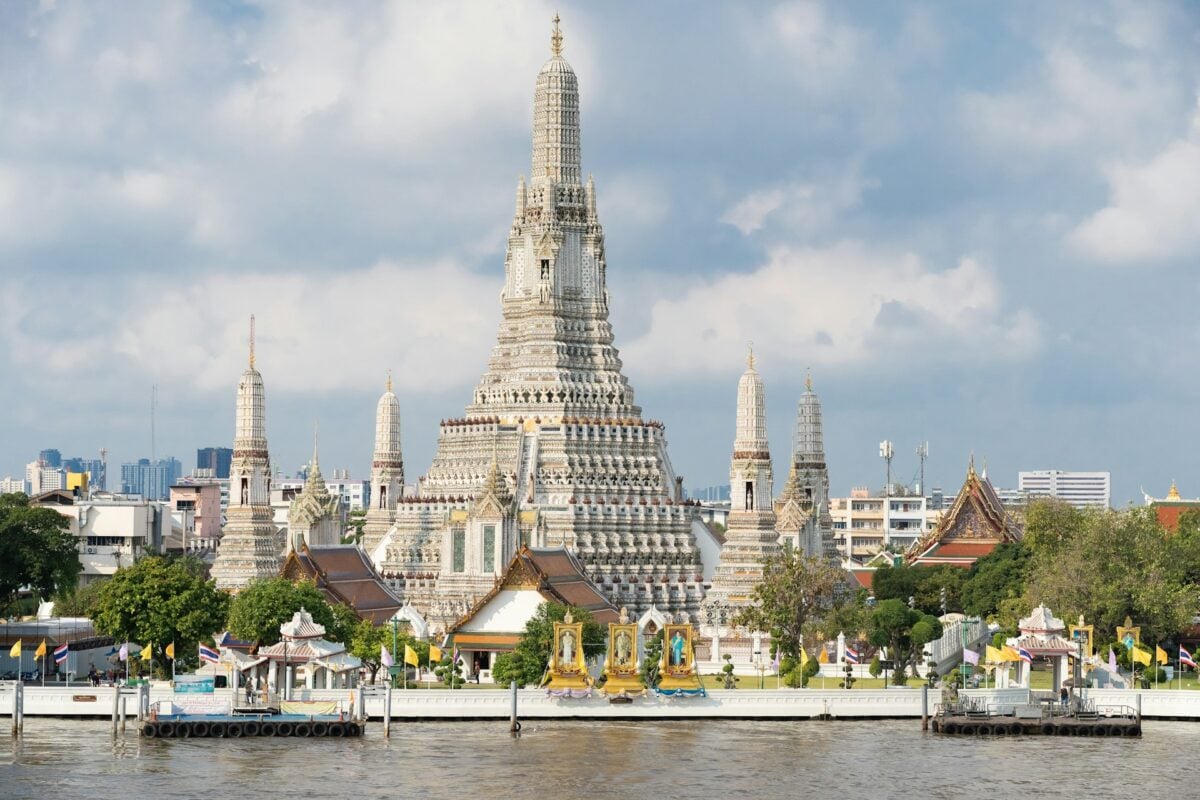
The tuk-tuks weave through traffic like water finding cracks in stone, but even they can’t escape Bangkok’s legendary jams. (The irony, of course, is that a city built on canals now suffers from traffic that moves slower than the boats that used to navigate those waterways.)
The BTS Skytrain offers an aerial view of the gridlock below—endless rows of cars baking under the tropical sun while their drivers contemplate life choices that led them to this moment. But Bangkok traffic has its own rhythm: vendors walk between stopped cars selling everything from grilled squid to phone chargers, turning every traffic jam into an impromptu market.
So the city adapts, because adaptation is the only alternative to madness when your commute might include enough time to learn a new language.
Moscow, Russia
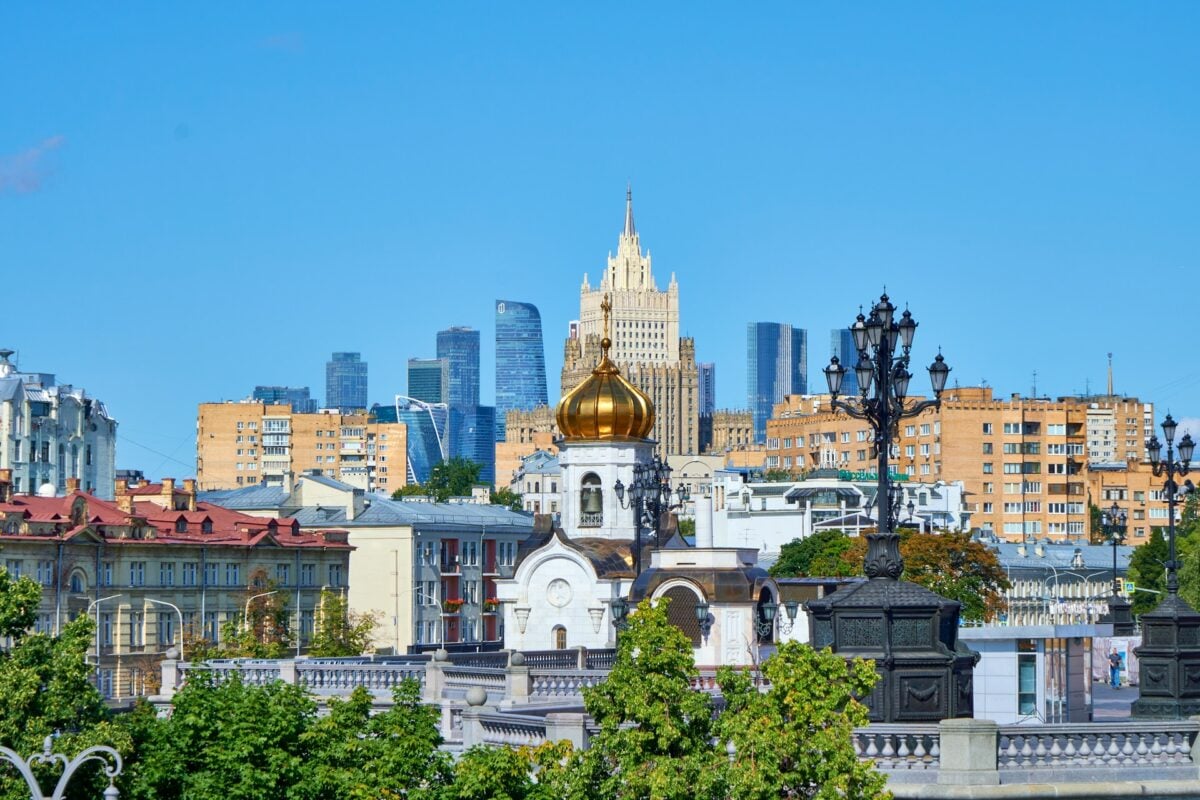
Moscow winters turn traffic jams into endurance contests where engines idle against temperatures that can reach minus 30 Fahrenheit. The Garden Ring road circles the city center like a frozen moat, trapping commuters in a slow-motion parade past Soviet-era monuments.
Russian drivers have developed a stoic patience that matches their climate—grim acceptance that traffic, like winter, is simply something to be survived.
Jakarta, Indonesia
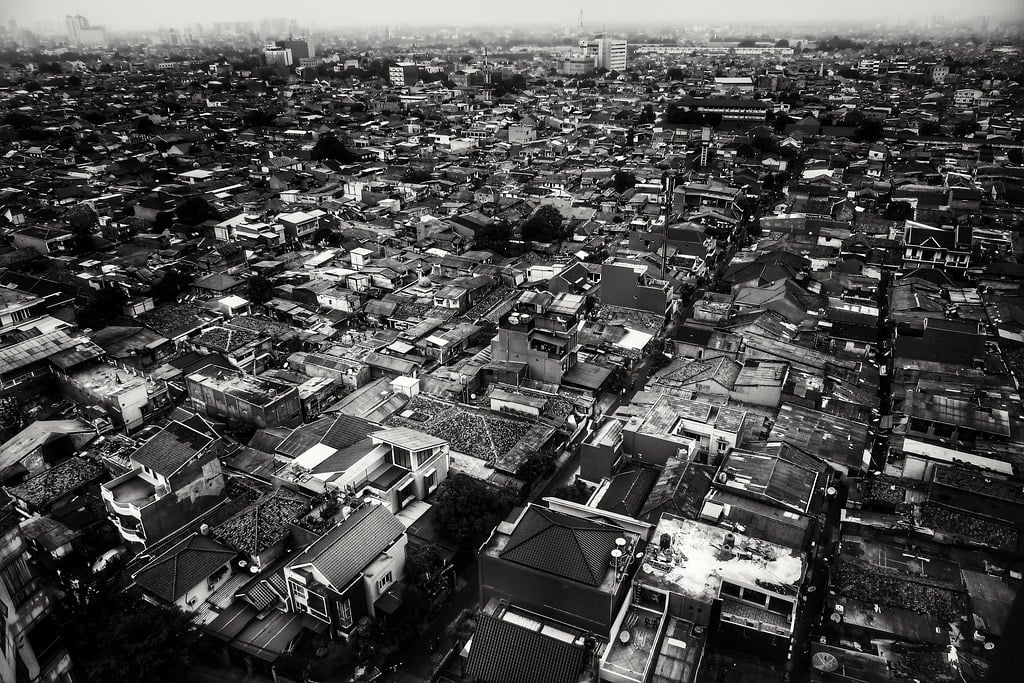
Jakarta is sinking two inches per year, and traffic moves roughly at the same pace. The city’s 34 million metropolitan residents create a density that turns every road into a negotiation between motorcycles, cars, buses, and the occasional street vendor threading through stopped traffic with remarkable agility.
Rio de Janeiro, Brazil
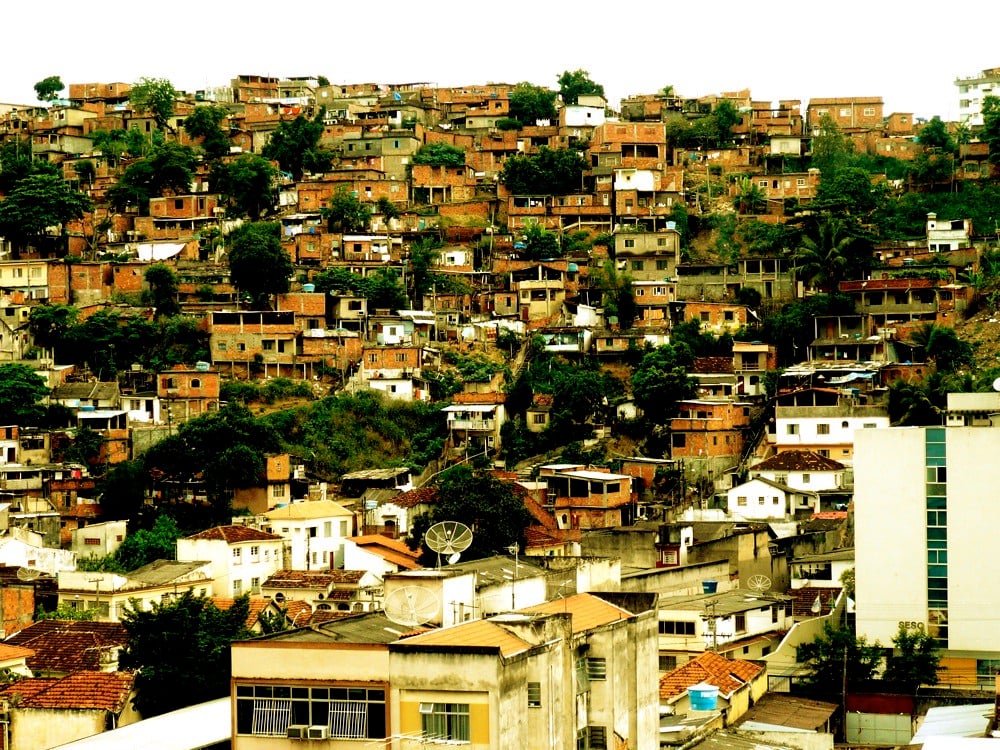
Even paradise has a price, and in Rio, that price is measured in hours spent admiring Sugarloaf Mountain from the driver’s seat of a stationary car. The city’s mountainous terrain funnels traffic through a limited number of routes, creating scenic traffic jams that offer world-class views of beaches most commuters are too stressed to appreciate.
Cariocas have learned to treat their cars like second homes, stocking them with everything needed for extended stays in automotive purgatory.
New Delhi, India
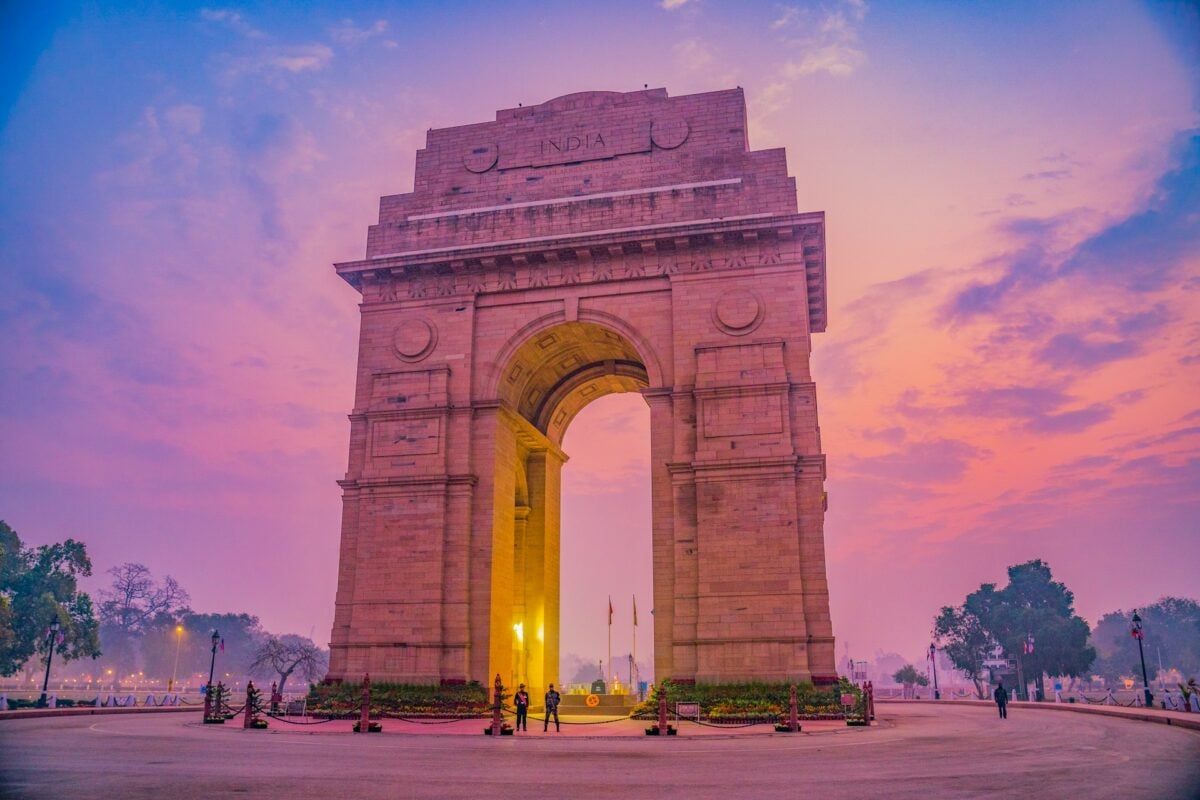
Delhi’s traffic operates by rules that exist nowhere else on earth. Lane markings are treated as suggestions, traffic lights as recommendations, and personal space as a Western concept that doesn’t translate.
Auto-rickshaws dart through gaps that shouldn’t exist while buses lumber forward with passengers hanging from doorways, creating a choreography of controlled chaos.
The Long Road Home
Standing in the middle of Times Square, watching rivers of yellow taxis inch forward at glacial speed, the global nature of urban congestion becomes clear. These aren’t isolated problems—they’re symptoms of cities that grew faster than their infrastructure, dreams that outpaced planning, and human ambition colliding with physical space.
Each traffic jam tells the story of a place where millions of people chose to build their lives, knowing full well that the price of admission includes hours spent staring at brake lights. Yet they stay, and new people keep coming, because even the worst traffic jam connects you to something larger than yourself—a city full of other people also trying to get somewhere important.
More from Go2Tutors!

- The Romanov Crown Jewels and Their Tragic Fate
- 13 Historical Mysteries That Science Still Can’t Solve
- Famous Hoaxes That Fooled the World for Years
- 15 Child Stars with Tragic Adult Lives
- 16 Famous Jewelry Pieces in History
Like Go2Tutors’s content? Follow us on MSN.



