14 Airports Built in the Most Unlikely Places
When you think about airports, your mind probably goes to sprawling terminals surrounded by flat, open land with plenty of room for runways. That’s the textbook approach to aviation infrastructure, and it makes perfect sense from an engineering standpoint. But sometimes geography, politics, or sheer necessity forces airport designers to get creative in ways that would make most pilots do a double-take.
Here’s a list of 14 airports that threw the rulebook out the window and found ways to land planes in places that seem almost impossible.
Courchevel Altiport

Nestled high in the French Alps at 6,588 feet above sea level, Courchevel Altiport looks more like a ski jump than a runway. The landing strip has an 18.5% gradient, which means planes essentially land uphill and take off downhill to help with braking and acceleration.
Only specially trained pilots with mountain flying certifications can operate here, and there’s no go-around option once you’ve committed to landing. The airport serves the exclusive ski resort of Courchevel, where the ultra-wealthy arrive in private jets to hit some of Europe’s most pristine slopes.
Lukla Airport
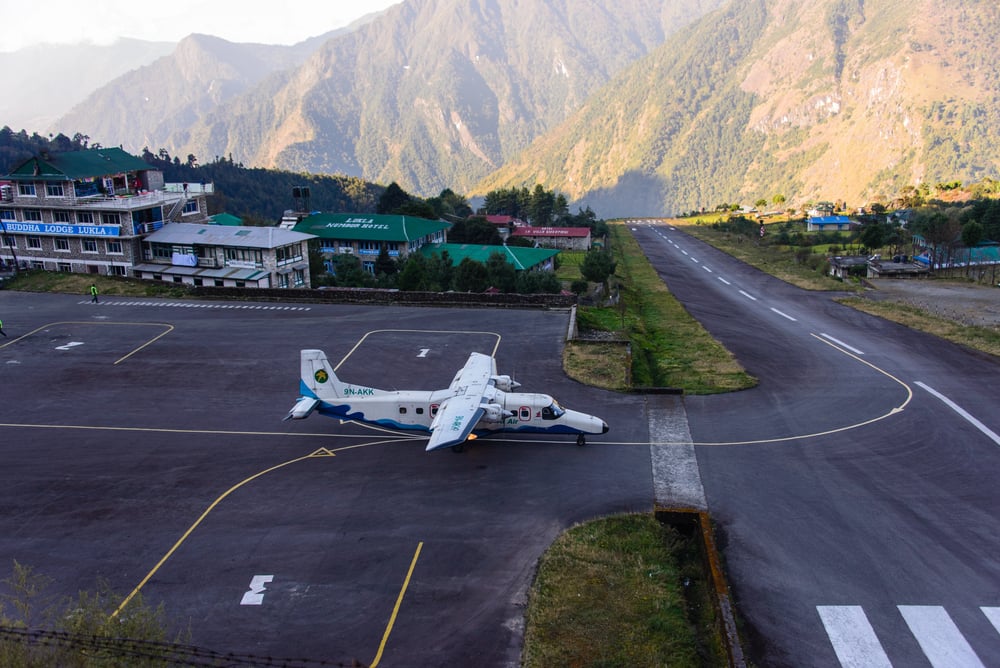
Officially called Tenzing-Hillary Airport, this Nepalese airstrip sits at 9,334 feet in the Himalayas and serves as the gateway to Mount Everest base camp. The runway is only 1,729 feet long and ends in a 2,000-foot drop on one side and a mountain wall on the other.
Pilots have exactly one shot at landing correctly because there’s literally nowhere else to go if they mess up. Weather conditions change rapidly here, and flights often get cancelled for days when clouds roll in.
Gibraltar Airport
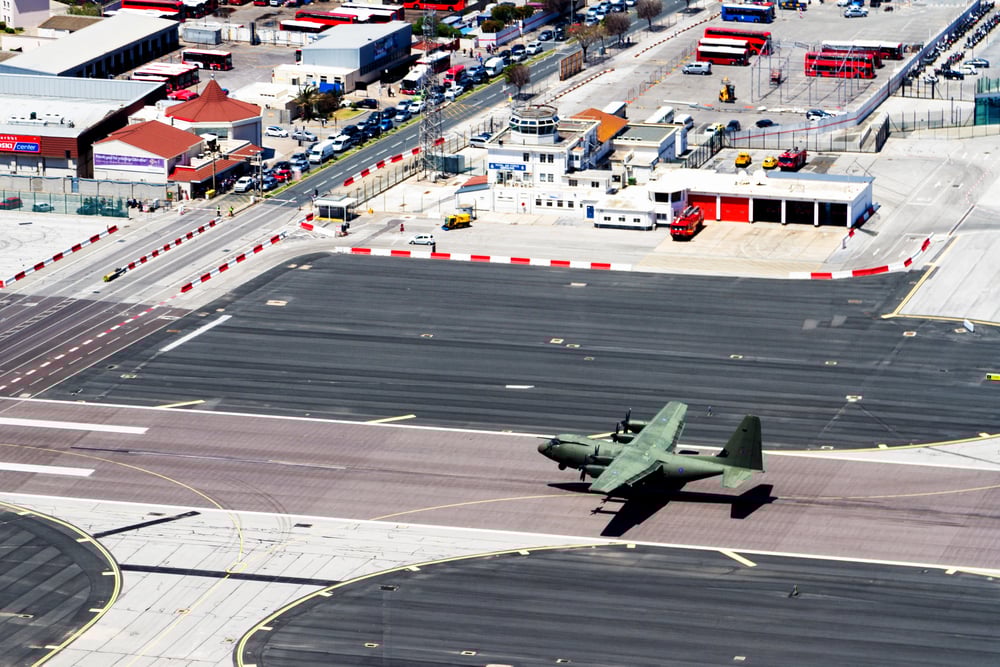
This might be the only airport in the world where you have to stop for airplane traffic when driving across town. The runway at Gibraltar Airport intersects directly with Winston Churchill Avenue, the main road connecting Gibraltar to Spain.
Traffic lights halt cars whenever a plane needs to land or take off, creating one of the most surreal commutes on the planet. The runway also extends into the Mediterranean Sea on reclaimed land, making it feel like planes are landing on water.
Princess Juliana International Airport

Located on the Caribbean island of Sint Maarten, this airport became famous for its incredibly low approach over Maho Beach. Large commercial jets pass just 30-60 feet above beachgoers’ heads before touching down on the runway. The jet blast from departing planes is powerful enough to knock people over, and warning signs are posted everywhere.
Despite the obvious dangers, the beach has become a major tourist attraction where people gather specifically to experience the thrill of massive aircraft roaring overhead.
Barra Airport
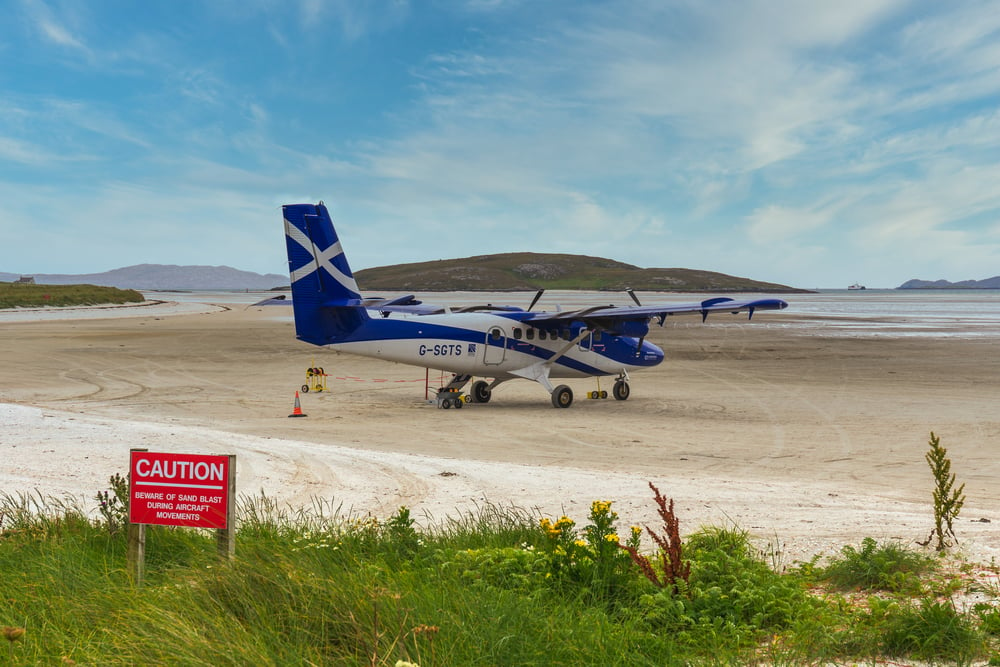
This Scottish airport uses the beach as its runway, making it the only airport in the world where scheduled flights land on sand. The three runways are marked by wooden posts and are completely submerged during high tide, which means flight schedules revolve around tidal charts rather than just weather.
Passengers have to time their arrivals perfectly, and windsocks are the only navigation aids available to pilots. The surrounding landscape is so remote that this beach landing strip serves as a vital lifeline for the Outer Hebrides community.
Madeira Airport

Built on the Portuguese island of Madeira, this airport required engineers to construct a runway partially supported by 180 concrete pillars extending over the ocean. The original runway was too short for modern aircraft, so they literally built an extension out over the water using a bridge-like structure.
Strong crosswinds and mountainous terrain create challenging landing conditions that require pilots to undergo special training. The runway extension cost over $500 million and is considered one of the most expensive airport projects per square foot ever completed.
Ice Runway
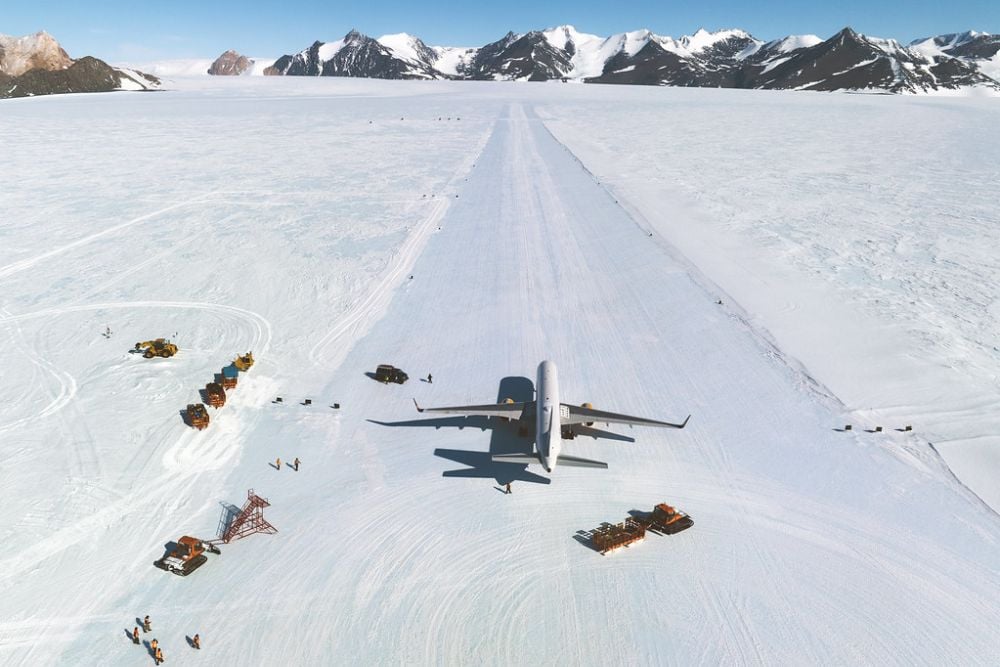
Antarctica’s Ice Runway is exactly what it sounds like: a landing strip carved directly into the ice near McMurdo Station. The runway surface consists of compacted snow and ice that’s thick enough to support massive cargo planes delivering supplies to research stations.
Temperatures can drop to -40°F, and the runway has to be rebuilt annually as the ice shifts and cracks. Pilots face unique challenges like whiteout conditions and the complete absence of visual reference points in the stark polar landscape.
Juancho E. Yrausquin Airport
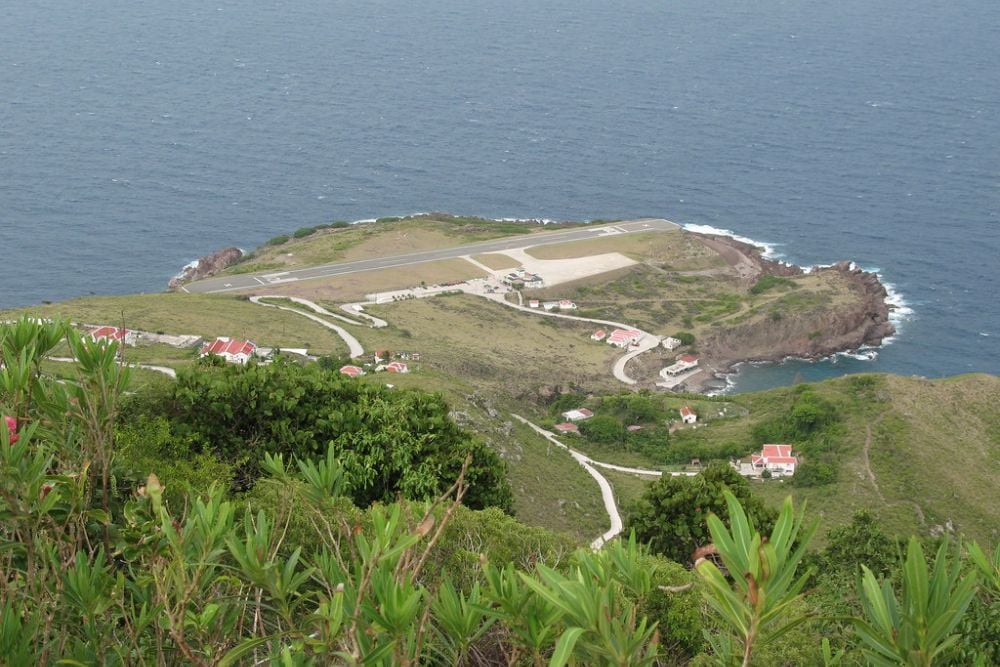
This tiny airport on the Caribbean island of Saba has the shortest commercial runway in the world at just 1,312 feet long. The runway sits on top of a cliff with steep drops on both sides leading straight into the ocean. Only small aircraft can land here, and pilots need special certification to attempt it.
The approach requires threading the needle between mountains, and there’s no room for error since the runway ends abruptly at cliff edges.
Paro Airport
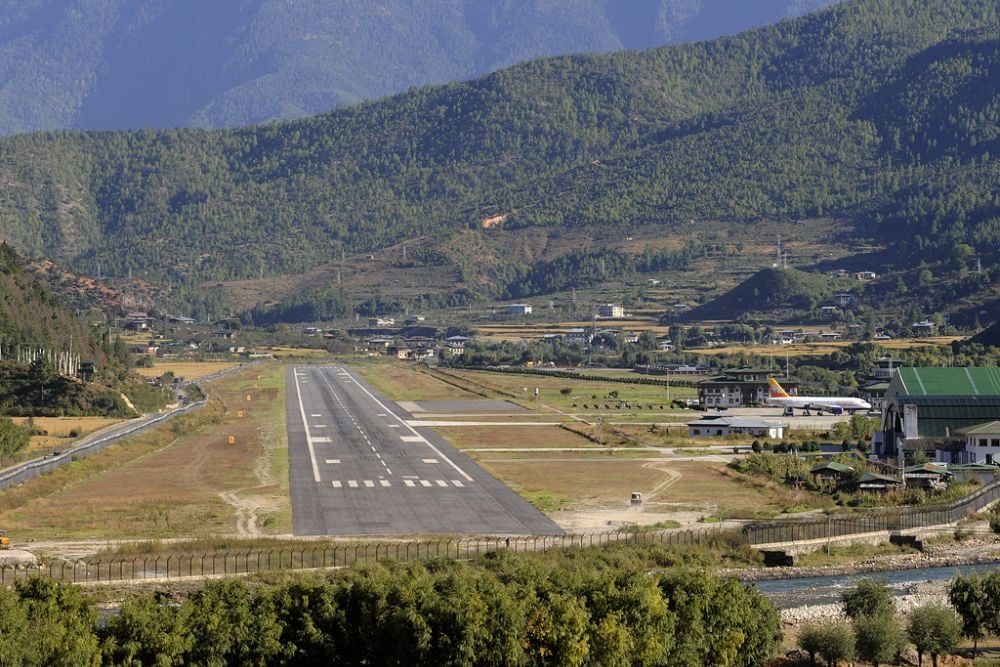
Bhutan’s only international airport sits in a deep valley surrounded by 18,000-foot Himalayan peaks. Only about 50 pilots worldwide are certified to land here because the approach requires flying between mountains with less than 500 feet of clearance on each side.
The runway sits at 7,300 feet above sea level, and weather conditions can change from clear to completely soaked in within minutes. Flights only operate during daylight hours because the visual approach is the only option available.
Svalbard Airport
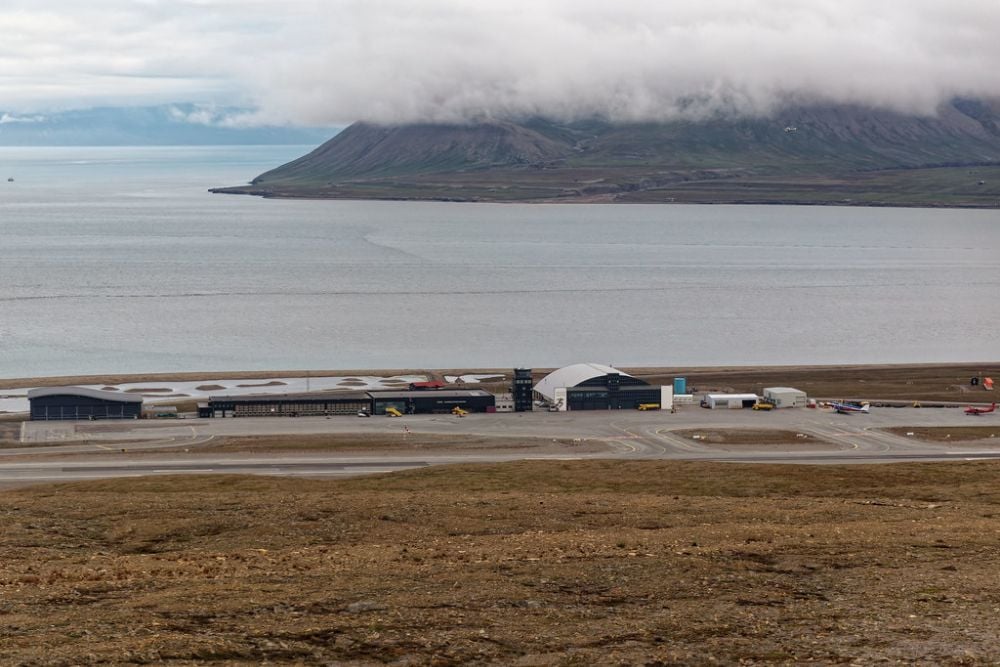
Located just 650 miles from the North Pole, Svalbard Airport in Norway operates in extreme Arctic conditions where temperatures rarely rise above freezing. The runway is built on permafrost, which creates unique engineering challenges as the ground constantly shifts with freeze-thaw cycles.
Polar bears roam the area around the airport, requiring special protocols and armed guards. During winter months, the airport operates in complete darkness for several months straight.
Toncontín International Airport
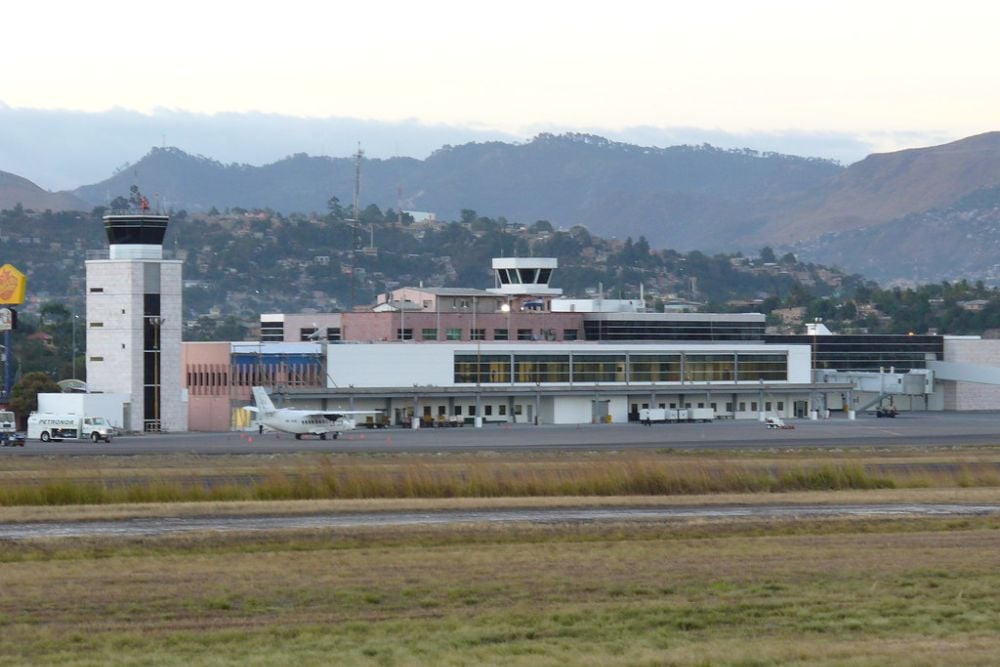
Tegucigalpa’s airport in Honduras sits in a valley surrounded by mountains, requiring one of the most challenging approaches in commercial aviation. The runway is only 7,096 feet long, which is barely adequate for the Boeing 757s that regularly service it.
Pilots must execute a dramatic last-minute turn just before touchdown, and the approach angle is so steep that passengers often feel like they’re diving toward the ground. The airport has been the site of several accidents due to its difficult operating conditions.
Matekane Air Strip
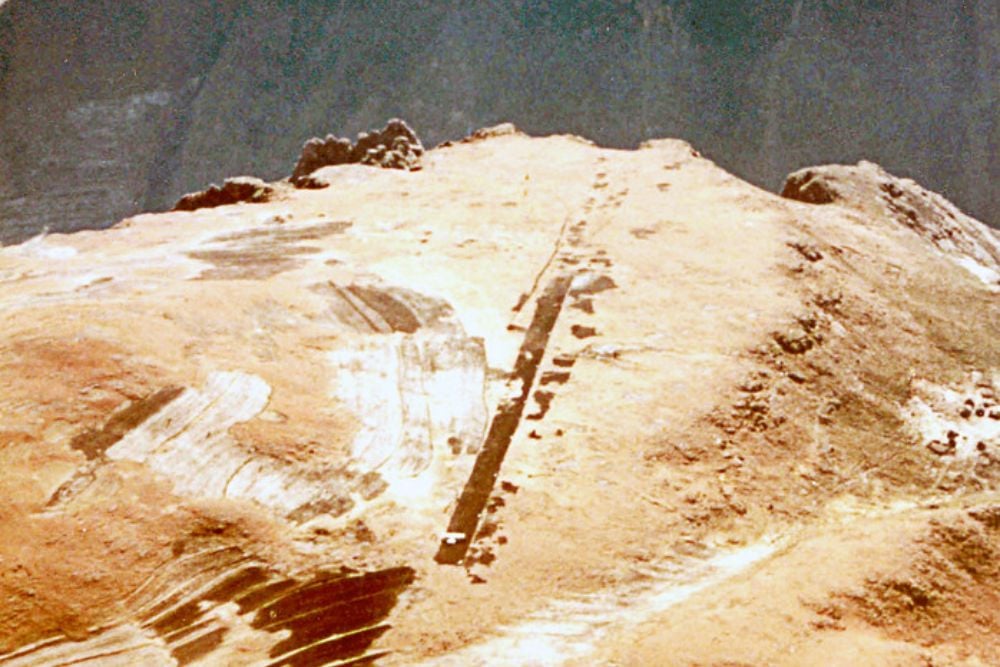
This airstrip in Lesotho sits atop a mountain plateau and ends in a 2,000-foot cliff drop. Pilots taking off literally launch into thin air before gaining enough speed to climb, creating a heart-stopping experience for passengers.
The runway surface is unpaved and sits at high altitude, which reduces aircraft performance significantly. Local pilots describe takeoffs as requiring nerves of steel since there’s no abort option once you’ve committed to the roll.
Narsarsuaq Airport
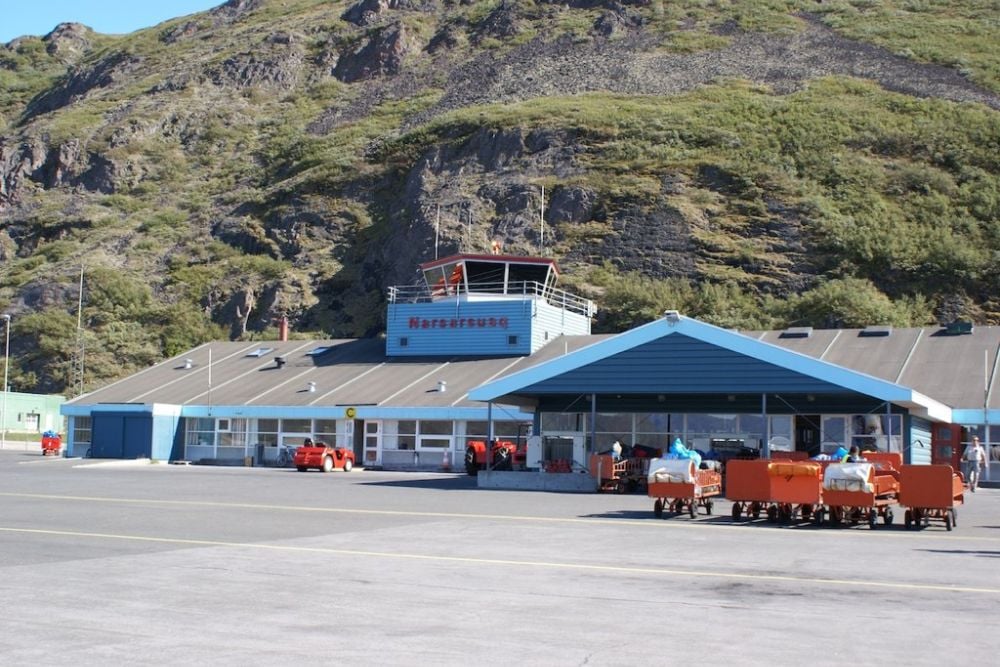
Greenland’s Narsarsuaq Airport was originally built as a U.S. military base during World War II and still operates under extremely challenging Arctic conditions. The airport sits at the end of a fjord surrounded by glaciers and icebergs, creating unpredictable weather patterns and navigation hazards.
Runway conditions can change from clear to completely iced over within hours, and aircraft must be equipped with special cold-weather gear. The isolation means that any emergency situations require help from hundreds of miles away.
Gisborne Airport
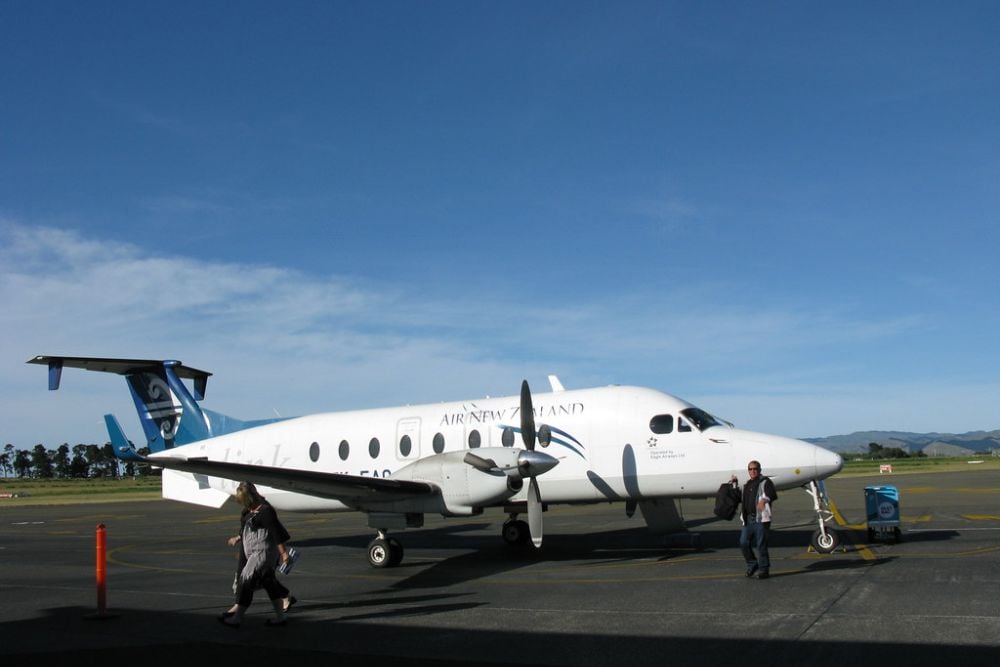
New Zealand’s Gisborne Airport has the unique distinction of having an active railway line running directly across its main runway. Trains have priority over aircraft, and air traffic controllers must coordinate with railway dispatchers to ensure safe operations.
When a train approaches, aircraft operations cease completely until the tracks are clear. The railway was there first, built in the 1920s, and relocating it proved too expensive when the airport expanded operations.
When Engineering Meets Impossibility

These remarkable airports prove that human ingenuity can overcome almost any geographical challenge when there’s a strong enough need for aviation access. Each represents a unique solution to the problem of connecting remote or challenging locations to the rest of the world.
While modern airport design typically prioritizes safety margins and standard approaches, these facilities remind us that sometimes you have to work with what geography gives you. They continue operating today as testaments to the skill of their pilots and the determination of the communities they serve.
More from Go2Tutors!

- The Romanov Crown Jewels and Their Tragic Fate
- 13 Historical Mysteries That Science Still Can’t Solve
- Famous Hoaxes That Fooled the World for Years
- 15 Child Stars with Tragic Adult Lives
- 16 Famous Jewelry Pieces in History
Like Go2Tutors’s content? Follow us on MSN.