14 Ancient Civilizations That Vanished Due to Natural Disasters
Throughout history, countless civilizations have risen to incredible heights, only to disappear almost overnight when nature unleashed its fury. These societies, some of which took centuries to build, were wiped out by earthquakes, volcanic eruptions, floods, and other catastrophic events that left behind only ruins and mysteries for archaeologists to piece together.
From the Mediterranean to the Americas, natural disasters have repeatedly reminded us just how fragile human civilization can be. Here is a list of 14 ancient civilizations that vanished due to natural disasters.
Minoan Civilization

The Minoans ruled the Mediterranean from their base in Crete around 2700 to 1100 BCE, creating one of Europe’s first advanced civilizations. Their elaborate palaces, sophisticated art, and maritime trade networks made them incredibly wealthy and influential.
However, the massive volcanic eruption of Thera (modern-day Santorini) around 1600 BCE likely triggered tsunamis and ash clouds that devastated their coastal cities and agricultural lands.
Mycenaean Greece

The Mycenaeans dominated mainland Greece from roughly 1600 to 1100 BCE, famous for their impressive fortified cities and warrior culture. These were the people who likely inspired Homer’s tales of the Trojan War, with their bronze weapons and massive stone walls.
A series of earthquakes around 1200 BCE destroyed many of their major centers, contributing to what historians call the Bronze Age collapse.
Harappan Civilization
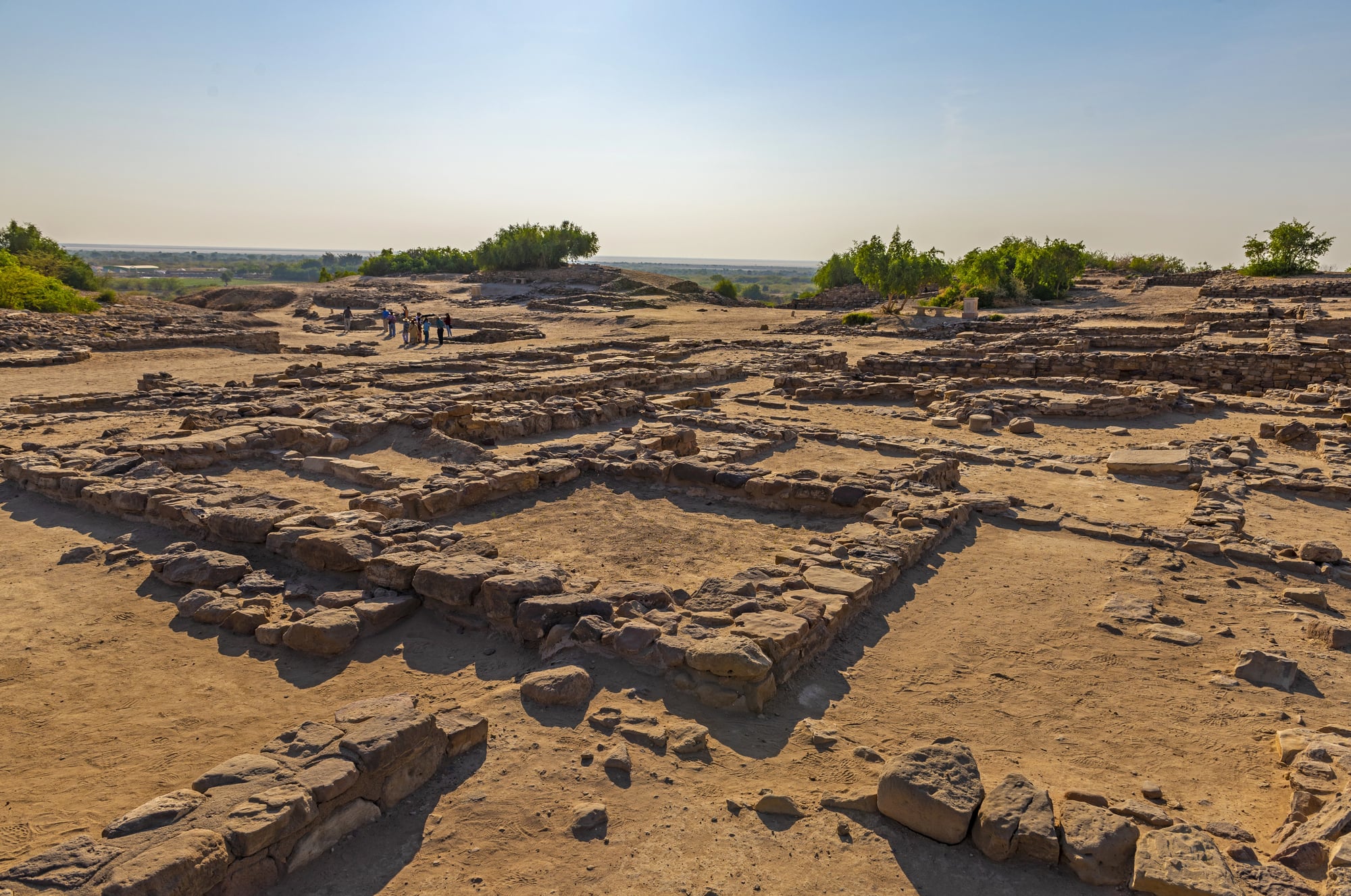
The Indus Valley Civilization, also known as the Harappan Civilization, flourished in present-day Pakistan and northwest India from about 3300 to 1300 BCE. They built remarkably advanced cities with sophisticated drainage systems, standardized weights and measures, and a script that remains undeciphered today.
Climate change and shifting river patterns likely caused severe droughts that made their agricultural system unsustainable, leading to the gradual abandonment of their cities.
Like Go2Tutors’s content? Follow us on MSN.
Ancestral Puebloans
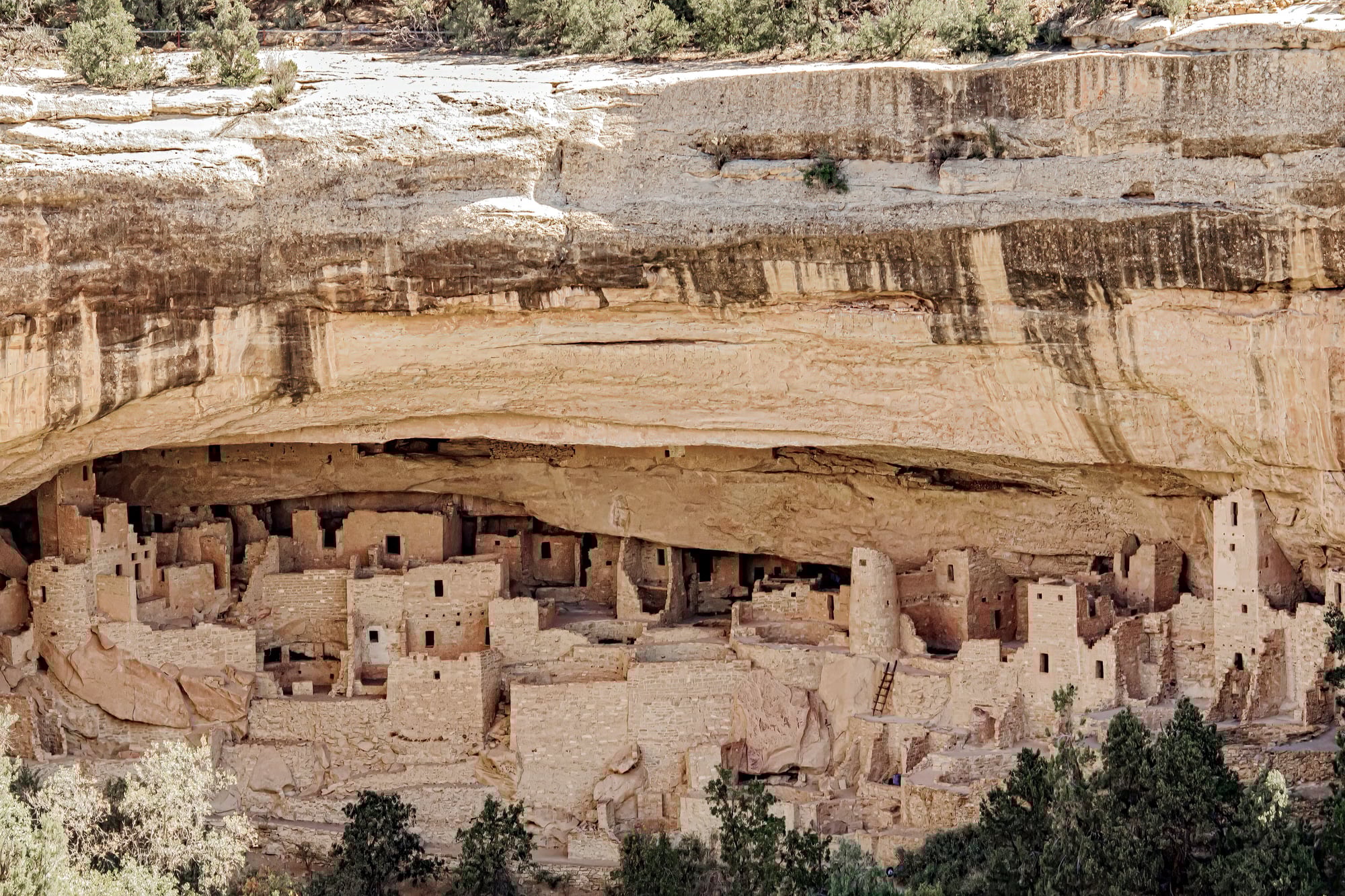
The Ancestral Puebloans, formerly called the Anasazi, created stunning cliff dwellings and pueblos across the American Southwest from about 100 to 1300 CE. Their engineering skills allowed them to build elaborate structures in seemingly impossible locations, like Mesa Verde’s cliff palaces.
A severe drought lasting from 1276 to 1299 CE, known as the Great Drought, forced them to abandon their settlements and migrate to areas with more reliable water sources.
Akrotiri
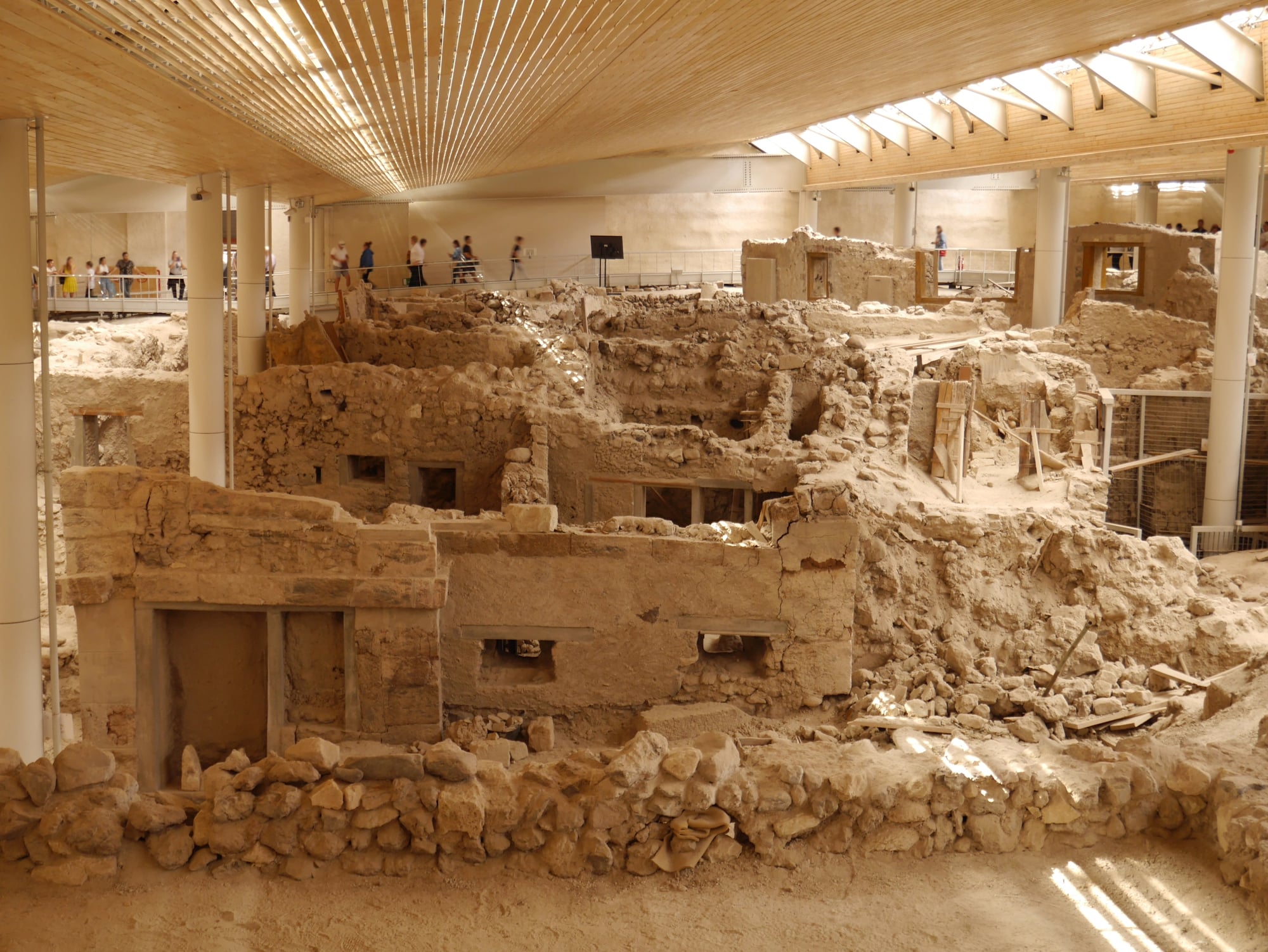
The Bronze Age settlement of Akrotiri on the Greek island of Thera was essentially the Pompeii of the ancient world. This prosperous Minoan outpost featured multi-story buildings, advanced plumbing, and beautiful frescoes that give us a glimpse into daily life 3,600 years ago.
The same volcanic eruption that likely damaged the Minoan civilization buried Akrotiri under layers of ash, preserving it so well that archaeologists have found intact pottery and even loaves of bread.
Cahokia

Cahokia was North America’s largest pre-Columbian settlement, located near present-day St. Louis, Missouri, and thriving from about 1050 to 1200 CE. At its peak, this Native American city housed an estimated 10,000 to 20,000 people and featured massive earthen mounds, including Monks Mound, which rivals the Great Pyramid of Giza in size.
Severe flooding from the Mississippi River, combined with droughts and climate change, likely made the area uninhabitable and forced the population to scatter.
Like Go2Tutors’s content? Follow us on MSN.
Helike
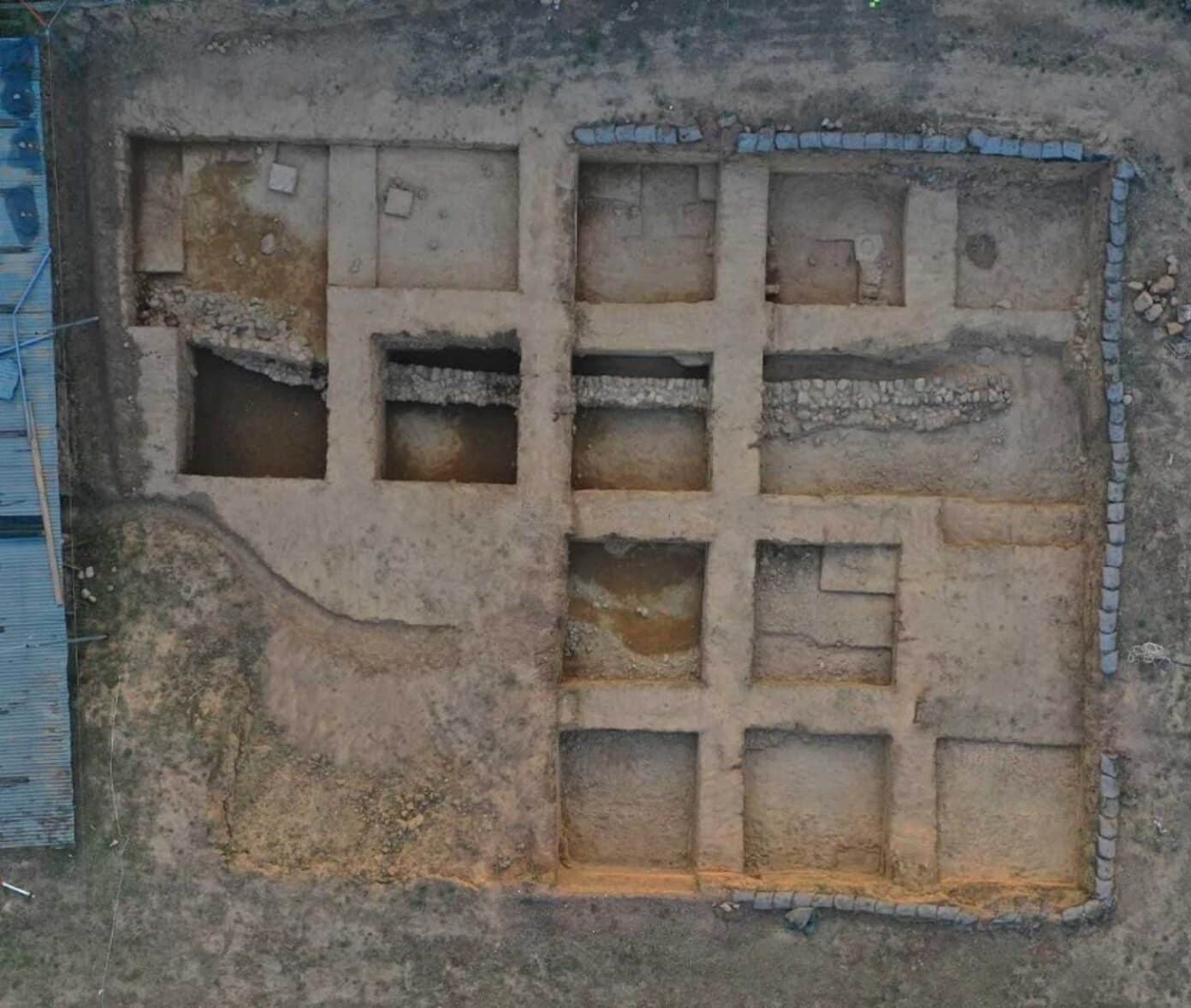
The ancient Greek city of Helike was considered one of the most important cities in the Peloponnese until 373 BCE. This prosperous city-state was famous for its temple to Poseidon and served as the leader of the Achaean League.
A catastrophic earthquake followed by a tsunami completely destroyed Helike in a single night, sinking the entire city beneath the waters of the Gulf of Corinth where it remained lost for over 2,000 years.
Ubar

Known as the ‘Atlantis of the Sands,’ Ubar was a legendary trading city somewhere in the Arabian Peninsula that controlled the lucrative frankincense trade routes. This wealthy oasis city was mentioned in ancient texts and the Quran as a place of great prosperity and eventual divine punishment.
Archaeological evidence suggests the city was built over a limestone cavern that eventually collapsed, causing the entire settlement to sink into the desert around 300 to 500 CE.
Pompeii and Herculaneum
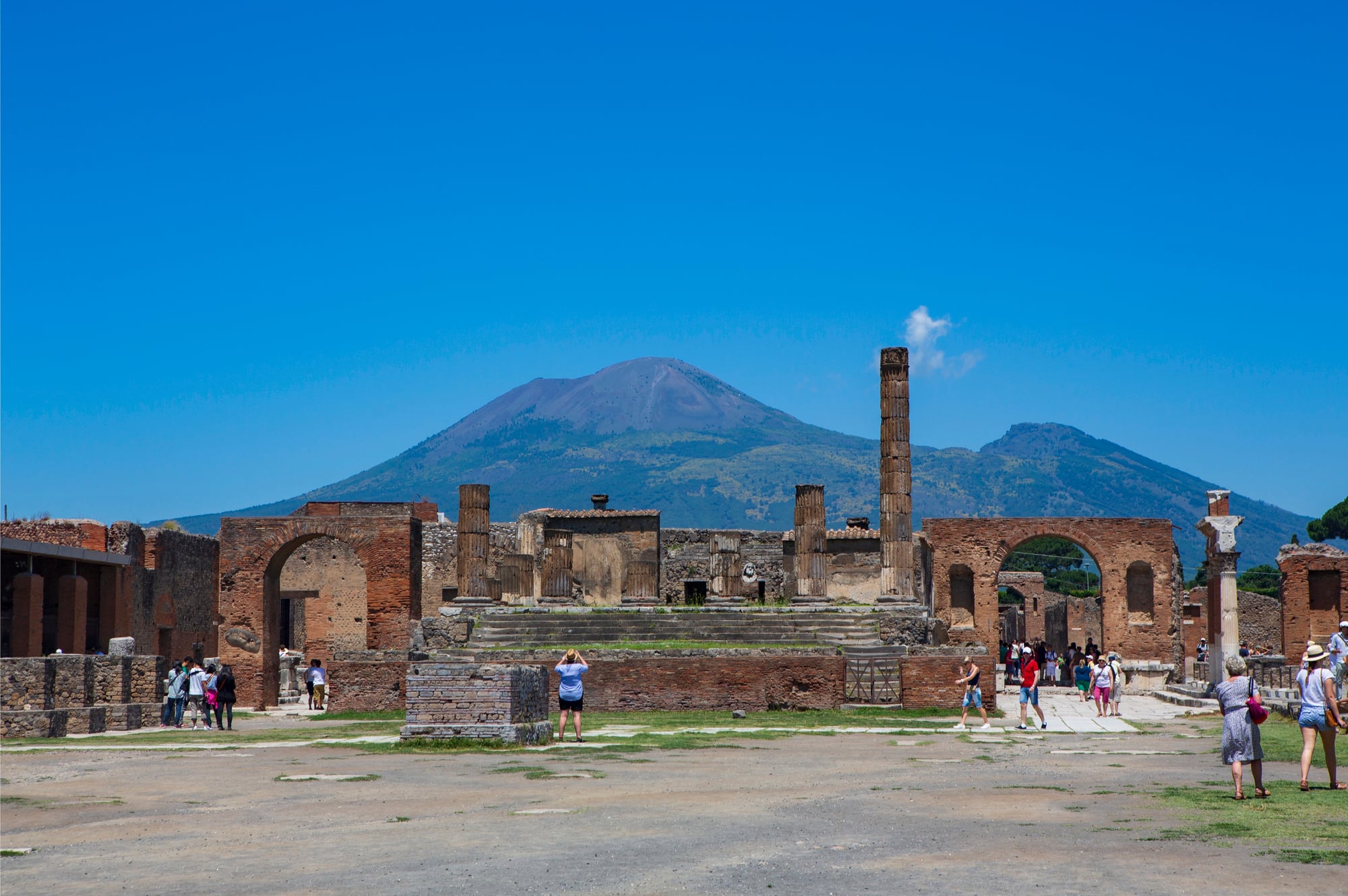
The Roman cities of Pompeii and Herculaneum were thriving commercial centers in the shadow of Mount Vesuvius until 79 CE. These weren’t small villages but significant urban areas with populations in the tens of thousands, complete with theaters, bathhouses, and elaborate villas.
When Vesuvius erupted, it buried Pompeii under 20 feet of ash and pumice while Herculaneum was engulfed in superheated volcanic material, preserving both cities like ancient time capsules.
Like Go2Tutors’s content? Follow us on MSN.
Joya de Cerén

Often called the ‘Pompeii of the Americas,’ Joya de Cerén was a Maya farming village in present-day El Salvador that was suddenly abandoned around 600 CE. Unlike many Maya sites, this wasn’t a ceremonial center but a regular farming community where ordinary people lived and worked.
The eruption of the nearby Loma Caldera volcano buried the village under volcanic ash, preserving everyday items like half-eaten meals and farming tools that give us incredible insights into Maya daily life.
Catalhöyük

One of the world’s first urban settlements, Çatalhöyük in present-day Turkey flourished from about 7500 to 5700 BCE during the Neolithic period. This remarkable site featured densely packed mud-brick houses with no streets — people entered their homes through openings in the roof and walked across rooftops to get around.
The settlement was gradually abandoned, possibly due to climate change and environmental degradation that made agriculture increasingly difficult in the region.
Knossos

The palace complex at Knossos on Crete was the ceremonial and political center of Minoan civilization for over a millennium. This massive structure, with its famous labyrinthine layout, may have inspired the Greek legend of the Minotaur and housed thousands of people at its peak.
Like other Minoan sites, Knossos was likely damaged by the Thera eruption and subsequent earthquakes, though it survived longer than many other Minoan centers before finally being abandoned.
Like Go2Tutors’s content? Follow us on MSN.
Çatalhöyük’s Rival Sites

Several other Neolithic settlements in Anatolia and the Levant faced similar fates to Çatalhöyük during the same period. Sites like Ain Ghazal in Jordan and Göbekli Tepe in Turkey were gradually abandoned as climate conditions changed and resources became scarce.
These early urban experiments show us that even our earliest attempts at city-building were vulnerable to environmental pressures and natural disasters.
Rapa Nui Society

The Polynesian society on Easter Island, known as Rapa Nui, created one of the most isolated civilizations in human history around 1200 CE. Famous for their massive stone statues called moai, the Rapa Nui people developed a complex society on this remote Pacific island.
Environmental collapse, likely triggered by deforestation and climate change, combined with possible tsunamis, led to societal breakdown and population decline by the time European explorers arrived.
When Nature Writes History

The stories of these lost civilizations remind us that human achievement, no matter how impressive, remains at the mercy of natural forces. From the Mediterranean’s volcanic islands to the American Southwest’s cliff dwellings, each of these societies thought they had found permanent solutions to life’s challenges.
Yet earthquakes, eruptions, droughts, and floods proved that nature always holds the final card, reshaping not just landscapes but the entire course of human history in ways that continue to influence our world today.
More from Go2Tutors!

- 18 Unexpectedly Valuable Collectibles You Might Have Lying Around
- 20 Little-Known Historical Battles That Had Huge Consequences
- 20 Historical Artifacts That Scientists Can’t Explain
- 15 Inventions That Were Immediately Banned After Being Created
- 20 Actors Who Were Almost Cast in Iconic Roles
Like Go2Tutors’s content? Follow us on MSN.