15 Strange Status Symbols People Once Rented Instead of Owned
In today’s world of subscription services and rental economies, it seems we’ve created a new approach to accessing luxury without ownership. Yet the concept of renting status symbols has surprisingly deep historical roots, with people throughout different eras displaying wealth through temporarily acquired possessions.
Throughout history, we can find fascinating examples of status items commonly rented rather than purchased outright. Here is a list of 15 strange status symbols that people once preferred to rent instead of own.
Pineapples

During the 18th century in Europe – especially England – pineapples were unbelievably rare tropical treasures. Social climbers would rent these exotic fruits to display as centerpieces at dinner parties, sometimes passing the same pineapple between multiple events.
Hosts placed them prominently on dining tables as proof of their worldly connections and financial resources. Once the gathering ended, the fruit returned to the rental company, ready for its next appearance at another social function.
Funeral Mourners

Professional mourners – known as ‘mutes’ in Victorian England – walked solemnly in funeral processions for wealthy families. These stern-faced individuals dressed in black and followed the casket, creating an impression of widespread social influence for the deceased.
The number of mourners a family could afford to hire directly reflected the funeral’s prestige. Many affluent families rented dozens of these professional grievers to demonstrate their standing – even when the departed had few actual friends.
Wedding Guests

Much like funeral attendees, wedding guests were occasionally rented in various cultures to create the appearance of extensive social networks. Throughout rural Europe and parts of Asia – families hired people to attend weddings, filling empty chairs and generating a lively atmosphere suggesting popularity.
These paid attendees mingled with genuine guests, danced enthusiastically, and sometimes brought gifts (supplied by the hiring family) to maintain the illusion of a well-connected celebration.
Library Books as Decor

Before mass printing made books widely available – families with social aspirations in the 17th and 18th centuries rented leather-bound volumes to fill empty library shelves when hosting gatherings. These temporary collections suggested intellectual sophistication and wealth.
The practice thrived among nouveau riche families desperate to display cultural refinement they hadn’t naturally acquired. After important visitors departed, the impressive tomes returned to rental shops until needed again.
Oil Paintings

Fine art has always signaled status, though historically – not everyone could afford original paintings. Throughout 18th and 19th century Europe, middle-class households rented oil paintings for special occasions or important visitors.
These borrowed masterpieces projected cultural sophistication beyond the family’s actual means. Some clever rental services even specialized in portraits resembling the renting family, allowing them to display distinguished “ancestors” they’d never actually had.
Silver Services

Elaborate silver dining services – including intricate candelabras, serving platters, and ornate cutlery – were frequently rented for dinner parties during the 18th and 19th centuries. Socially ambitious middle-class families temporarily acquired these gleaming symbols of prosperity to impress dinner guests.
Rental businesses specialized exclusively in silver and fine china services, allowing ordinary dining rooms to transform into showcases of apparent affluence for just one evening.
Exotic Animals

Victorian England saw peculiar rental practices emerge – including temporary exotic pets like monkeys, colorful parrots, and occasionally small alligators for garden parties. These unusual creatures sparked conversation while signaling the host’s worldliness.
Temporary animal guests arrived with handlers ensuring appropriate behavior throughout events. This arrangement provided all the social prestige of exotic animal ownership without any long-term care responsibilities.
Carriages and Horses
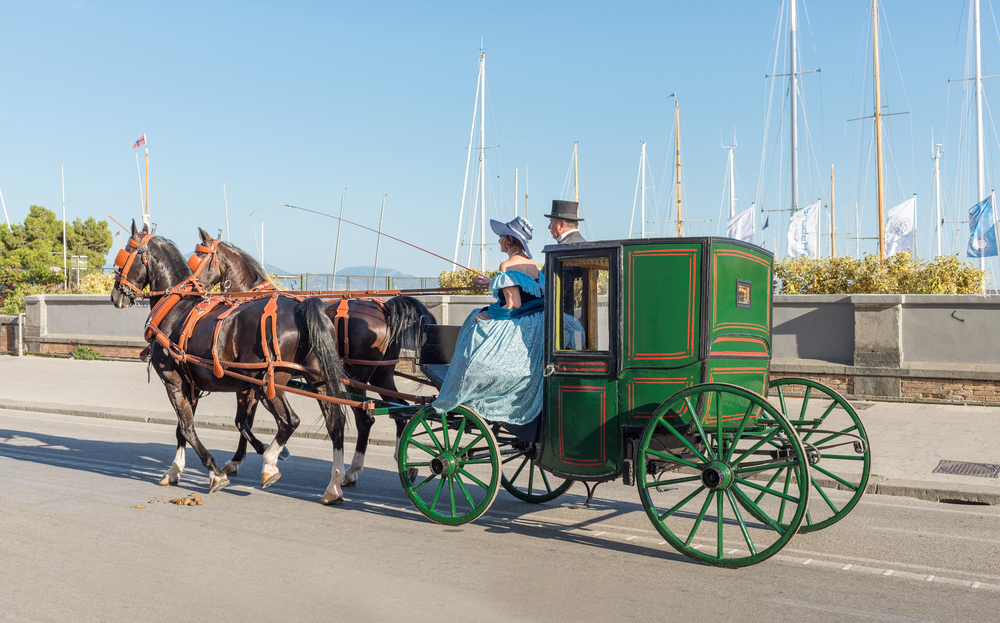
Prior to automobiles, impressive carriages pulled by matching horses represented significant status in society. Countless urban residents during the 19th century rented elaborate carriages for weddings, theater outings, or important social calls.
The finest equipages included uniformed footmen and drivers, completing the aristocratic transportation experience. This practice allowed ordinary citizens brief experiences of elite mobility without the substantial costs of year-round horse and carriage maintenance.
Temporary Servants

Additional household staff commonly appeared at dinner parties throughout the 18th and 19th centuries – typically as short-term rentals. Families with modest resources would temporarily expand their servant roster to create an impression of greater wealth.
These rented staff members served food, attended to guests, and maintained the atmosphere of a well-established household. Hosts could briefly present themselves as belonging to higher social circles than they occupied in daily life.
Wigs and Jewelry

In 18th-century Europe, elaborate wigs weren’t just fashion – they were essential status markers. Rather than owning numerous expensive hairpieces, many people rented them for special occasions.
Likewise, fine jewelry often came from rental establishments rather than personal collections, allowing individuals to shine beyond their financial reality. These borrowed adornments created opportunities for social advancement that might otherwise have remained inaccessible.
Church Pews
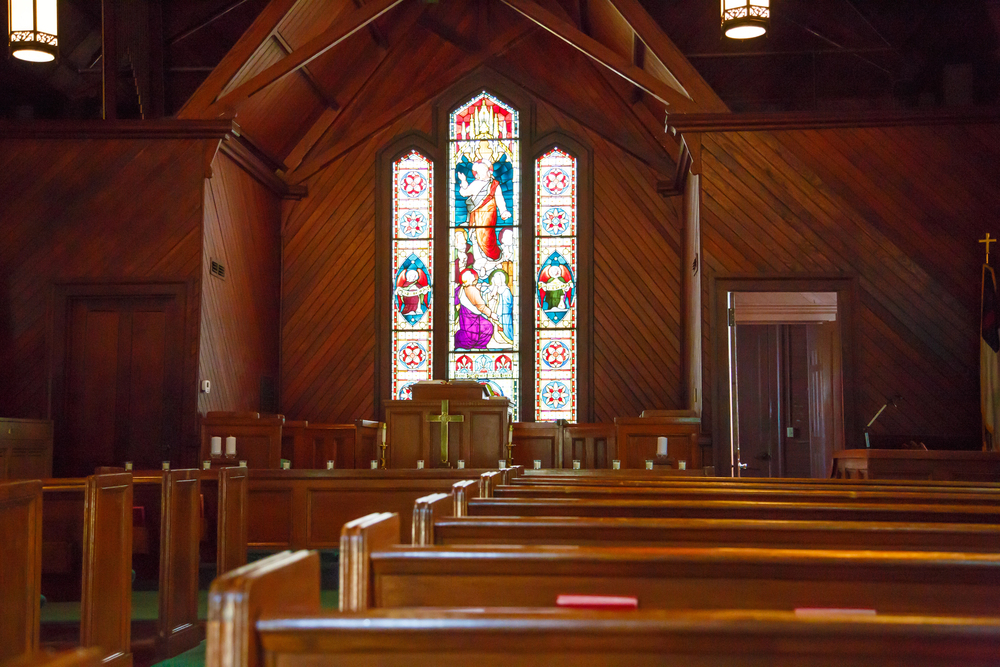
Throughout 19th-century America and England, church pews weren’t free seating but rental properties within religious spaces. The location of one’s pew clearly indicated social position—front pews commanded higher rental prices and belonged to prominent community members.
This system created visible social hierarchy during worship, where everyone could observe who was afforded the most prestigious locations. Wealthy families sometimes maintained pew rentals across multiple churches, demonstrating both religious devotion and financial capacity.
Palm Trees and Exotic Plants

Victorian England developed an obsession with tropical plants, particularly stately palm trees that symbolized wealth and global connections. These plants struggled in cold European climates, making maintenance challenging.
Enterprising businesses began delivering potted palms and other exotic species to homes hosting important gatherings. After creating the desired impression of horticultural luxury and colonial connections, the plants returned to greenhouses until needed for another social event.
Full Sets of Encyclopedia

Before digital information became ubiquitous, encyclopedias represented access to knowledge and intellectual sophistication. Complete sets cost more than many households could justify, leading to short-term encyclopedia rentals.
Families commonly borrowed these impressive volumes when hosting educated guests or when children needed research materials for school projects. Their temporary presence on bookshelves suggested commitment to education that often exceeded financial reality.
Vintage Wine Collections

Wine has always symbolized refinement and prosperity, though building proper cellars requires substantial investment. During the 19th and early 20th centuries, hosts sometimes rented impressive wine collections for dinner parties.
These borrowed bottles created impressions of sophisticated taste and financial means beyond actual circumstances. Business professionals frequently employ this strategy when entertaining potential clients, understanding that appearing successful often creates opportunities leading to actual success.
Pianos and Musical Instruments
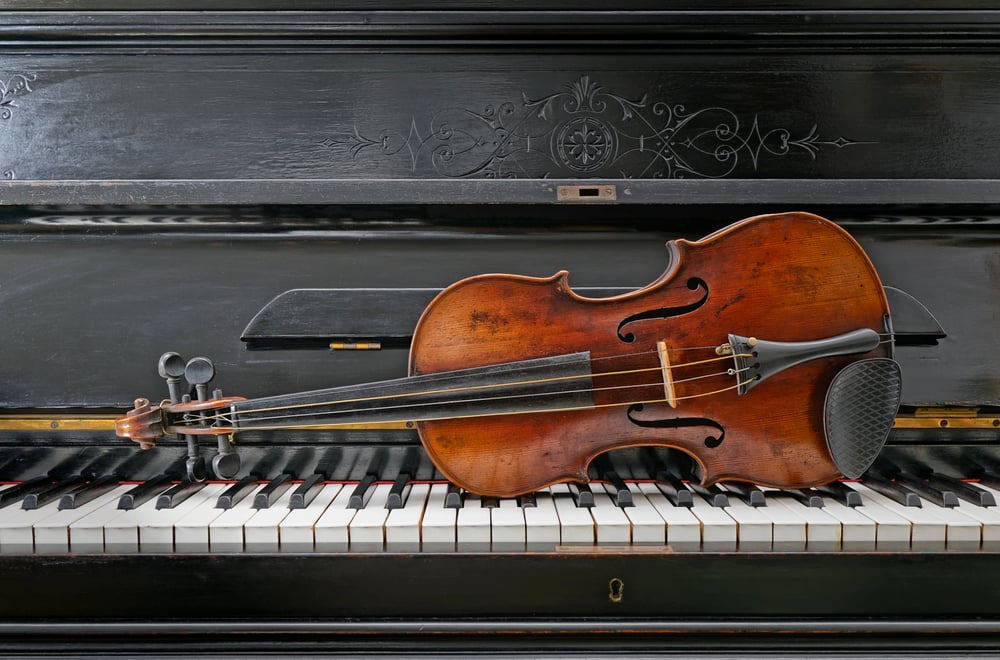
Grand pianos symbolized cultural refinement and proper education during the 19th century. Many families rented these instruments for months at a time, particularly when hosting musical evenings or when introducing marriageable daughters to society.
A piano’s presence suggested household refinement and financial capacity for music education. Rental companies specialized in placing instruments temporarily in homes specifically for social gatherings, retrieving them afterward when the impression had been successfully made.
The Enduring Psychology of Borrowed Status

These historical rental practices reveal something fundamentally human: our desire to appear more successful, refined, and connected than our circumstances might allow. From exotic fruits to funeral participants, temporary status symbols provided social mobility within highly stratified societies.
Though today’s rental economy revolves around different objects—luxury cars, designer fashion, and vacation properties—the underlying psychology remains strikingly similar to when our ancestors rented pineapples and palms to dazzle dinner guests.
More from Go2Tutors!

- The Romanov Crown Jewels and Their Tragic Fate
- 13 Historical Mysteries That Science Still Can’t Solve
- Famous Hoaxes That Fooled the World for Years
- 15 Child Stars with Tragic Adult Lives
- 16 Famous Jewelry Pieces in History
Like Go2Tutors’s content? Follow us on MSN.



