14 Ancient Inventions Scientists Still Can’t Explain
Ancient craftsmen worked without microscopes, spreadsheets, or modern chemistry, yet some of their creations still outperform what comes out of a modern lab. Others have been studied for generations without a final answer about how they were made or what they were for.
These 14 inventions sit in that uncomfortable space between well documented and fully understood. Researchers have strong theories about many of them, but the best explanations still leave gaps.
The Antikythera Mechanism
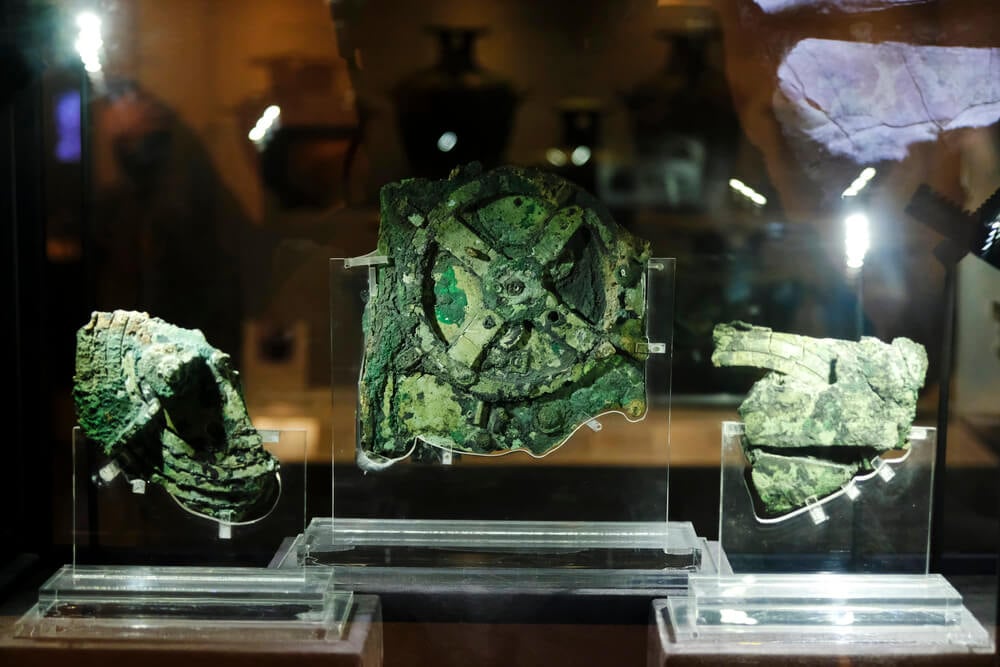
Sponge divers recovered this corroded bronze device from a shipwreck off the Greek island of Antikythera in 1901. It dates to roughly 2,000 years ago and contains at least 30 interlocking gears. It was used to track the movements of the sun and moon, predict eclipses, and follow the cycle of the ancient Olympic Games, a level of precision that would not appear in Europe again for well over a thousand years.
Roman Concrete
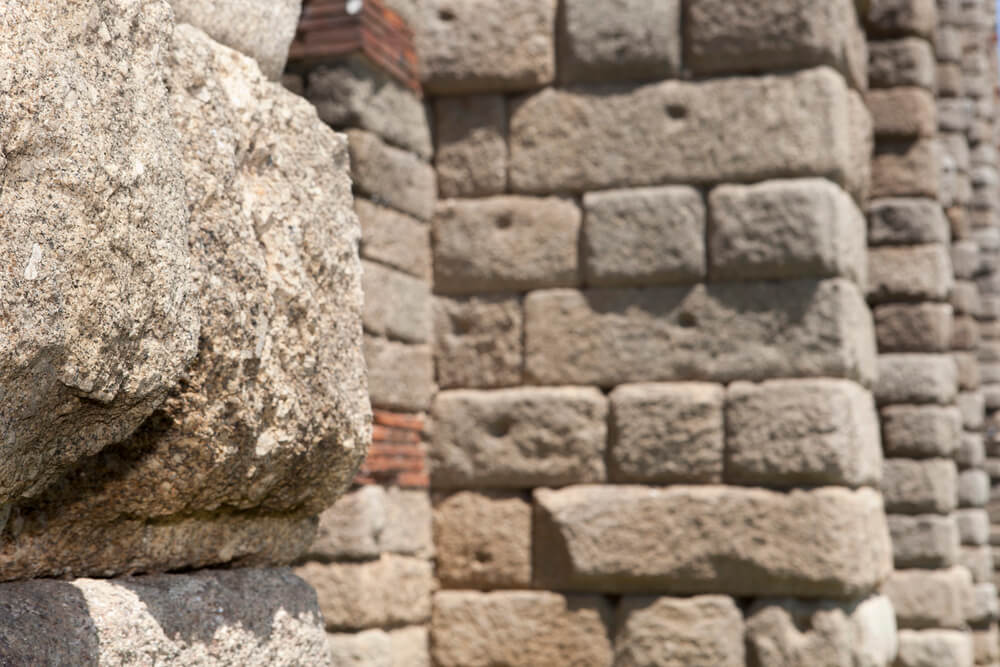
The dome of the Pantheon in Rome, completed in the second century, is still the largest unreinforced concrete dome in the world, at roughly 142 feet across. Roman harbors made with a volcanic ash mix have survived centuries of seawater that destroys modern concrete. A 2023 study suggested that small lime chunks in the mix allowed cracks to heal themselves, but scientists are still working out exactly how the Romans achieved such consistent results.
Damascus Steel
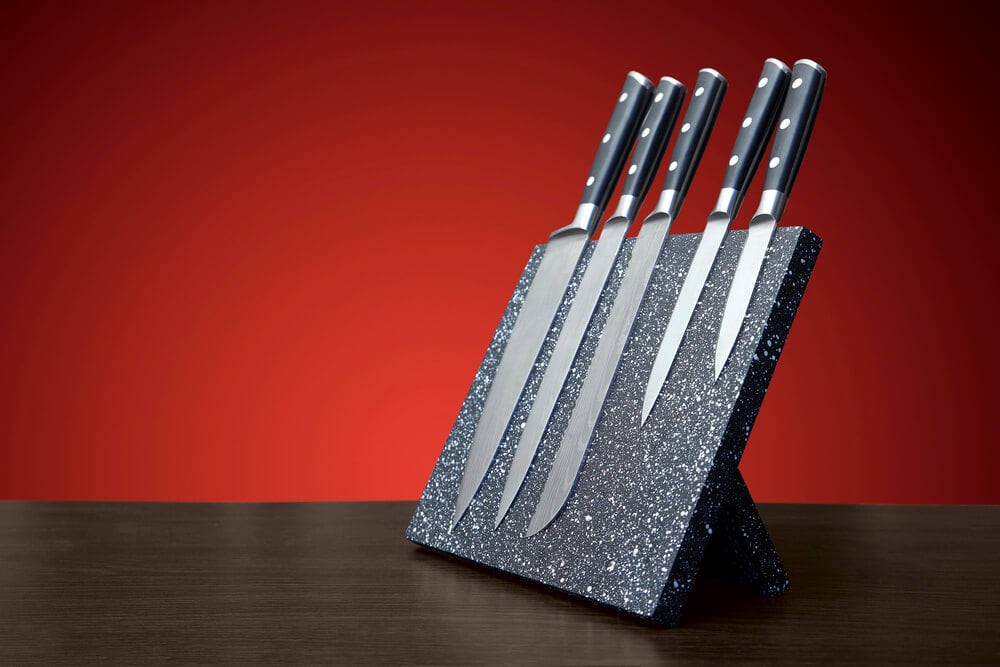
Blades forged from wootz steel in the Middle East were prized for their flowing patterns, sharpness, and strength. The technique faded by the 18th century, and European smiths struggled for centuries to reproduce it. A 2006 study by German researchers reported carbon nanotubes inside a Damascus saber, though how ancient smiths produced such structures is still debated.
Greek Fire
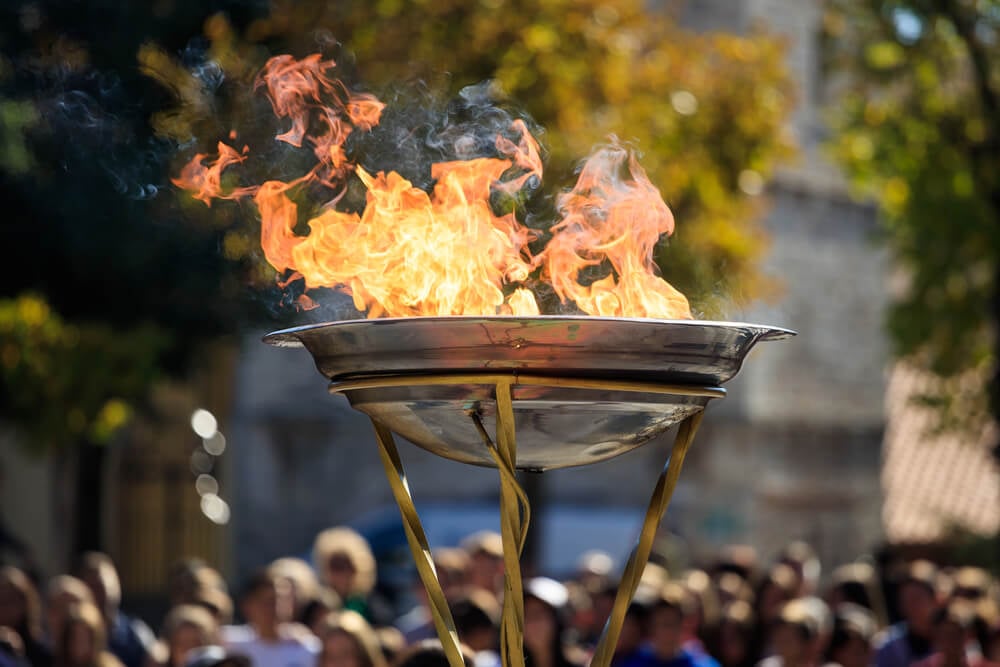
Byzantine forces used a liquid incendiary weapon that burned on water, spraying it from siphons at enemy ships beginning in the 7th century. It helped defend Constantinople against Arab fleets. The recipe was a closely guarded state secret and was eventually lost, and historians have suggested petroleum, resin, and quicklime as ingredients without ever settling on an answer.
The Lycurgus Cup
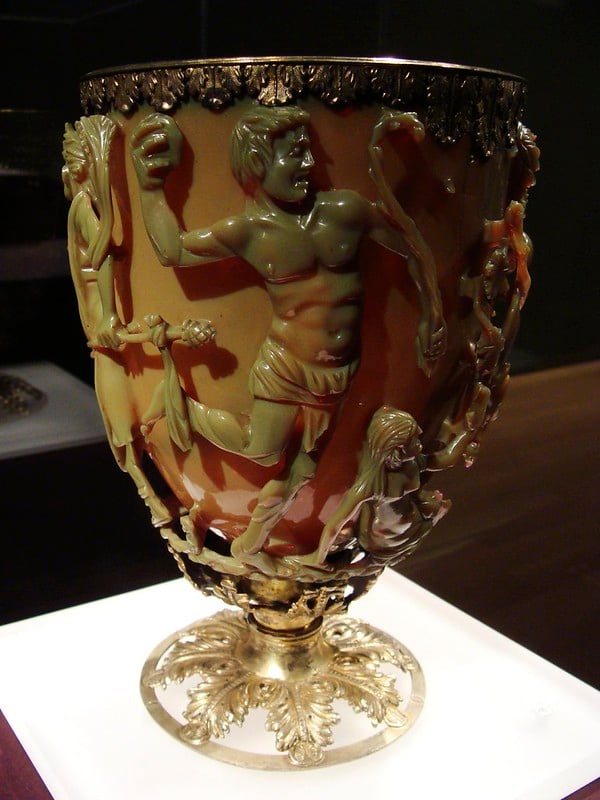
This Roman glass cup from the fourth century looks jade green in ordinary light and glows a vivid red when lit from behind. Analysis at the British Museum found tiny particles of gold and silver in the glass. Scientists know the particles cause the color change, but how Roman glassmakers controlled them so precisely remains unclear.
The Baghdad Battery
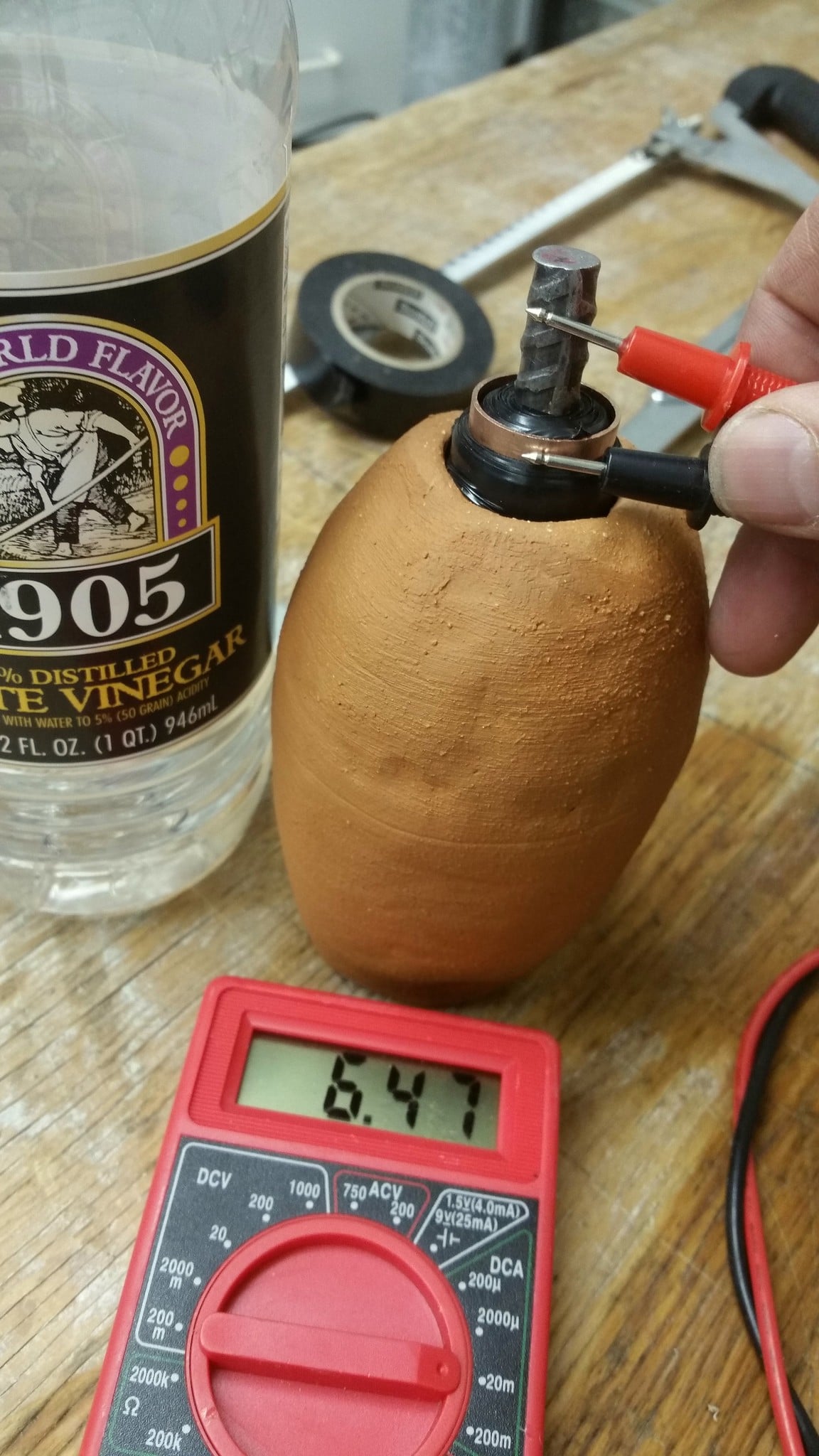
In the 1930s, archaeologists found a clay jar near Baghdad containing a copper cylinder and an iron rod, roughly 2,000 years old. A German curator proposed that it was an ancient electric cell, and replicas filled with acidic liquid do produce a small current. Many experts think the jars were used to store scrolls instead, and the debate has never been settled.
Ulfberht Swords
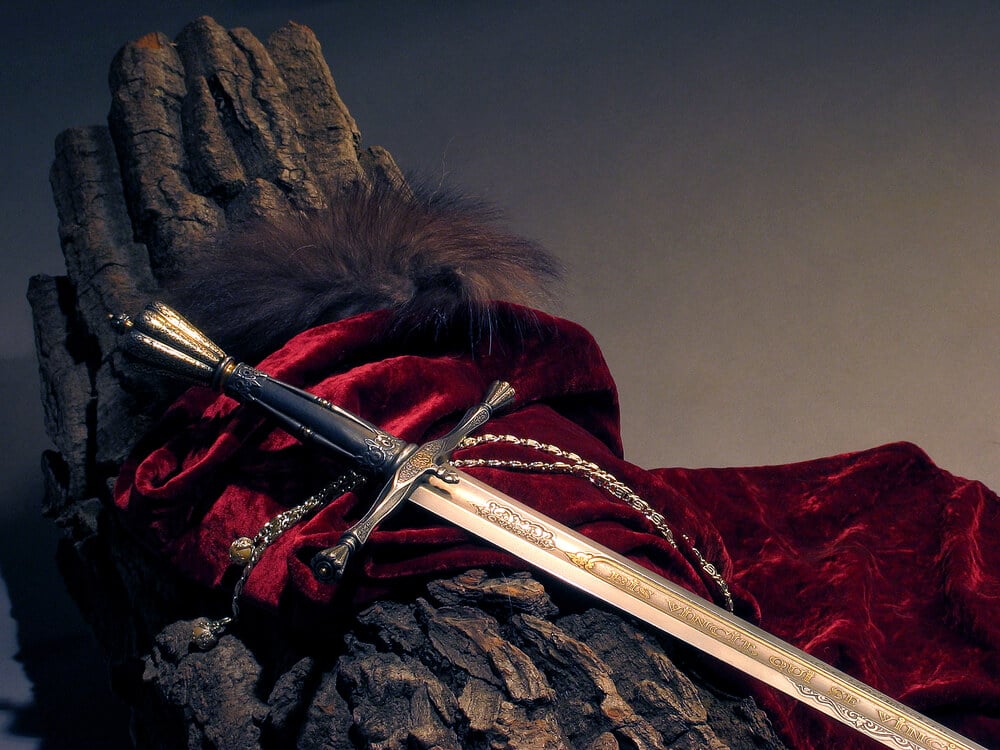
Around 170 Viking-era swords carry the inscription Ulfberht on their blades, and many were made from steel that was far purer than most European steel of the period. The quality was so unusual that some researchers believe the metal came from crucible steel made in distant Central Asia. Why so many fakes carry the same name also remains a question.
The Iron Pillar of Delhi
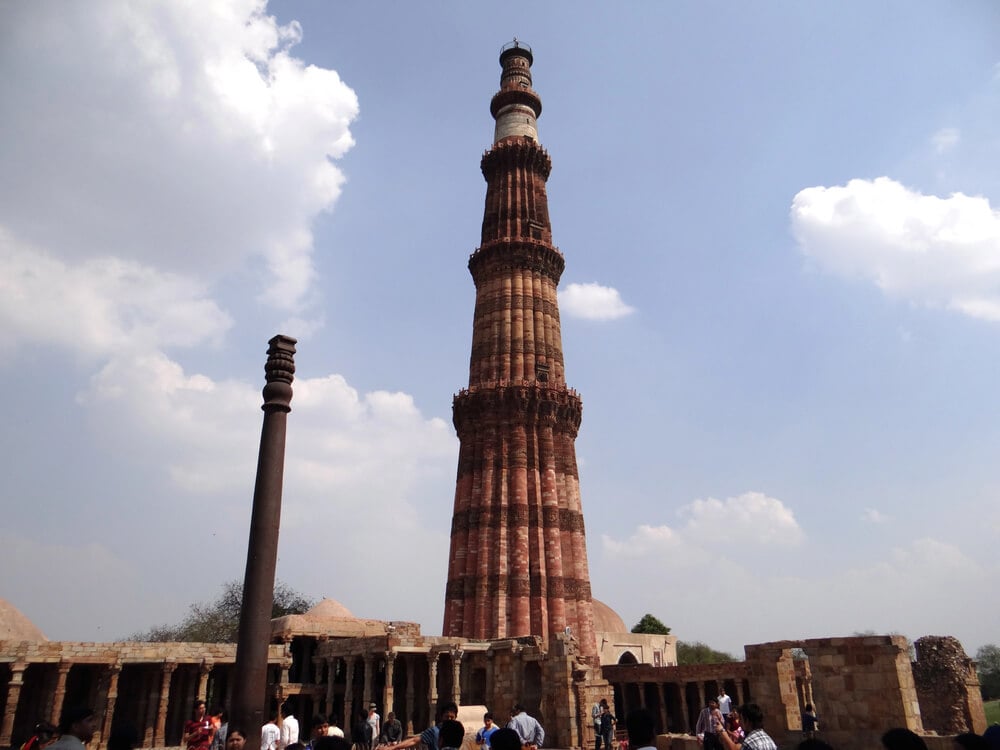
This 23-foot pillar has stood in the open air for about 1,600 years and shows remarkably little rust. Scientists credit a thin protective layer enriched in phosphorus, formed through the iron’s composition and the local climate. How the ancient smiths achieved this on such a huge scale is still studied.
The Nimrud Lens
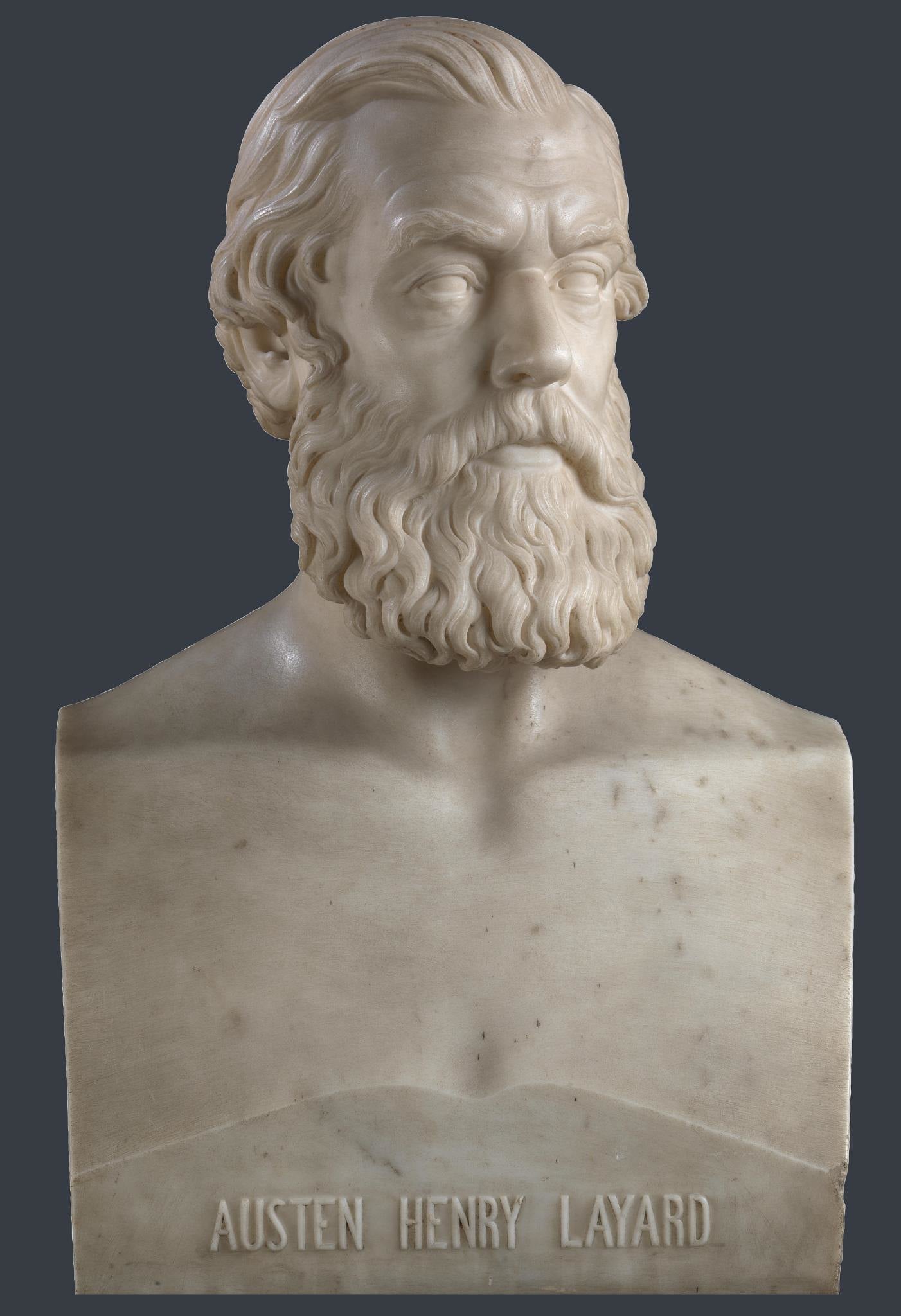
Austen Henry Layard unearthed a polished disk of rock crystal at the Assyrian site of Nimrud in 1850. It is about 3,000 years old, and it can focus light into a bright point. Some researchers think it was used as a magnifier or fire igniter, while others suggest it was a decorative inlay.
The Phaistos Disc
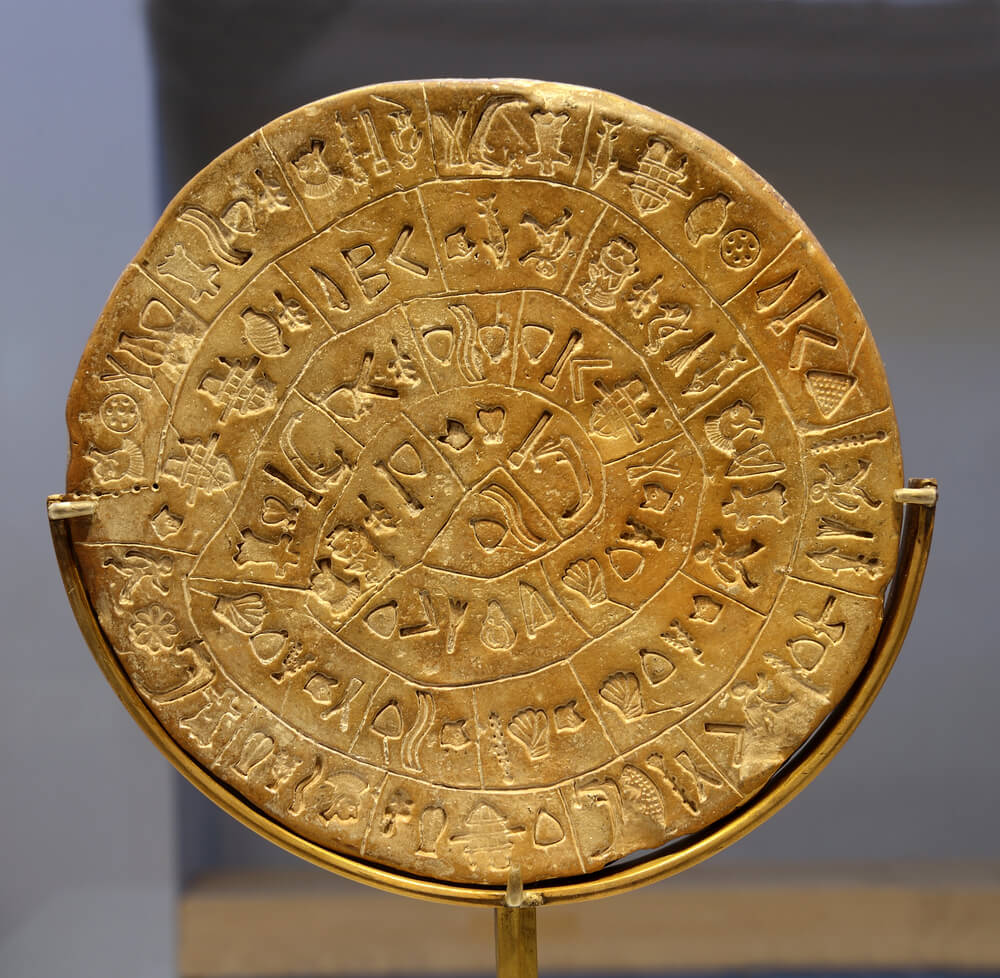
A clay disk discovered in 1908 at a Minoan palace in Crete carries 241 symbols stamped into spiraling lines. The symbols were pressed in with individual stamps, an early form of printing, and the writing has never been deciphered. Even the date of the disk, roughly 1700 BC, is still disputed.
The Saqqara Bird
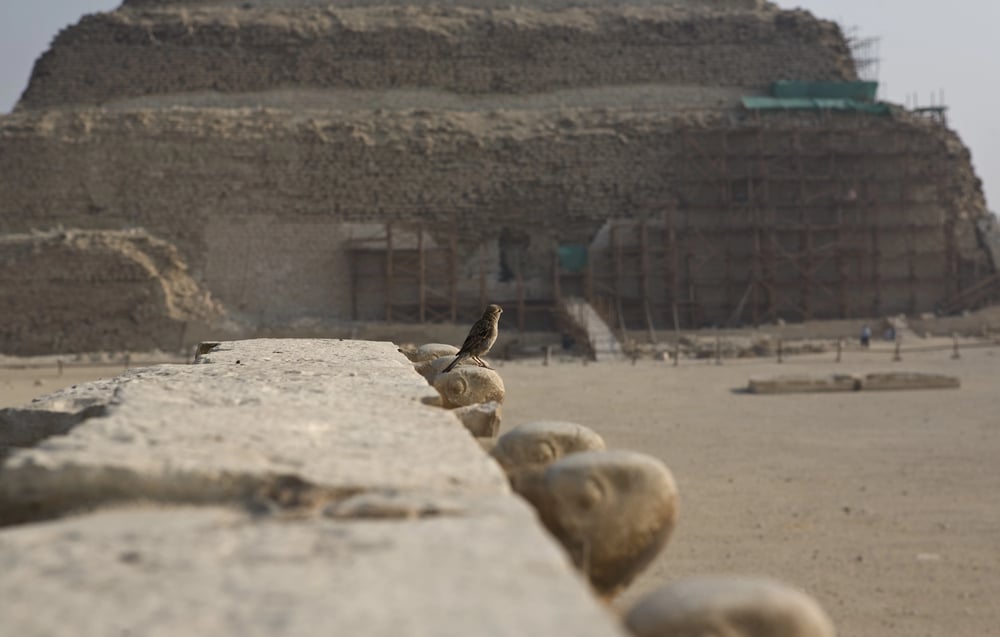
Excavators found a small wooden model of a bird in an Egyptian tomb at Saqqara in 1898, and it dates to around 200 BC. Its smooth wings and tail led some people to suggest it was a glider model. Most Egyptologists think it was a toy or a weather vane, but the question has never been conclusively answered.
Inca Stonework
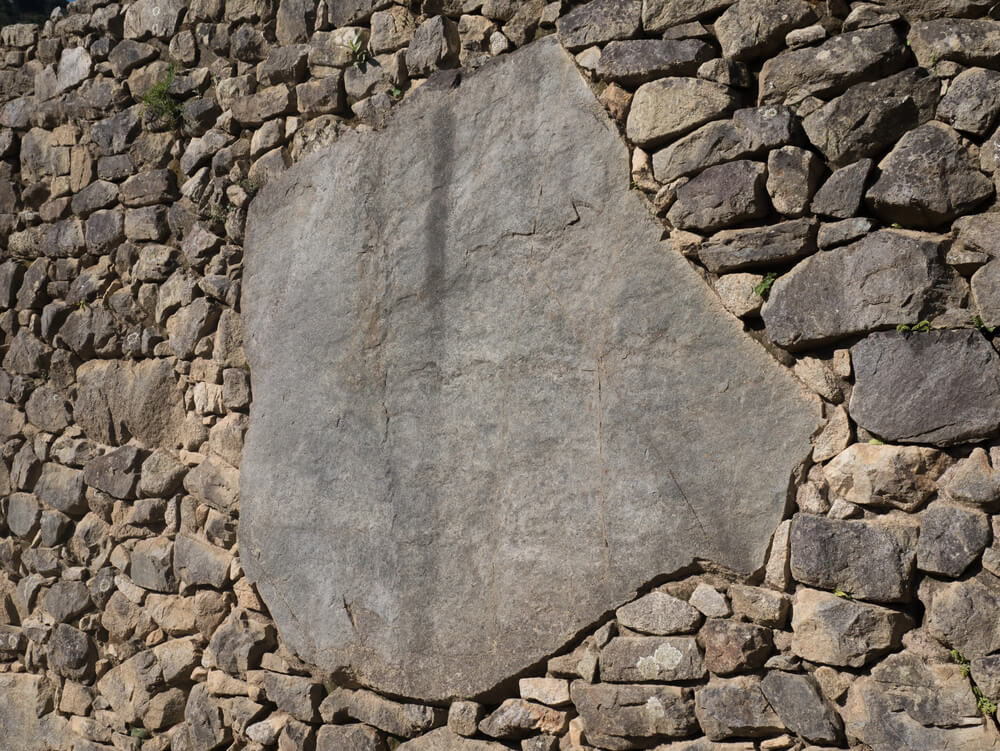
At Sacsayhuamán near Cusco, enormous stone blocks fit together so closely that a blade cannot slip between them. The walls have survived earthquakes in one of the most seismically active regions in the world. The Inca did not use mortar or iron tools, and archaeologists are still debating exactly how they shaped and moved the largest stones.
Maya Blue
Maya artists made a brilliant blue pigment from indigo and a type of clay called palygorskite, and it survives on murals and objects more than 1,000 years old. The pigment resists acids, solvents, and time. Modern chemists have studied its structure for decades, but they are still working out why the combination is so remarkably stable.
Zhang Heng’s Seismoscope
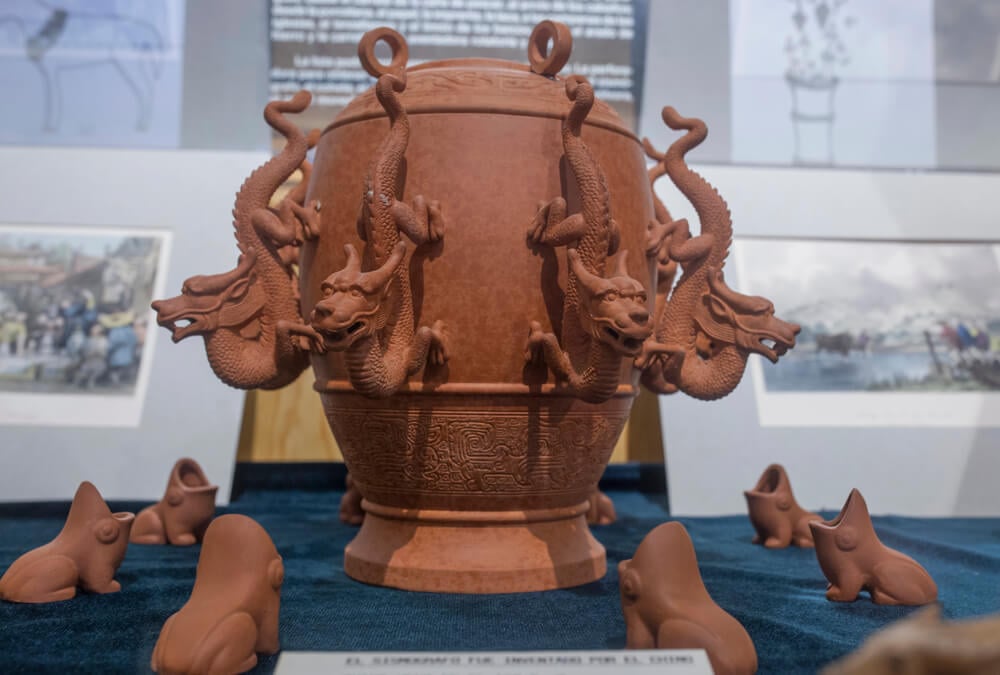
In 132 AD, the Chinese scientist Zhang Heng built a bronze vessel with dragon heads around the rim, each holding a bronze pellet that dropped into the mouth of a toad when an earthquake struck. The dropped pellet indicated the direction of the shaking. No original survives, and the internal mechanism has been reconstructed several different ways by modern researchers.
Knowledge That Outlasted Its Makers

Many of these objects share a pattern: the finished product survived while the recipe disappeared. Skills passed from teacher to apprentice can vanish within a generation when a workshop closes or a war scatters its craftsmen. What remains is an object that works, and a puzzle about how it came to exist.
The fascination is not really about lost superpowers. It is a reminder that clever people have always existed, and that careful observation can produce results that look like magic from far away. Each of these objects pushes modern researchers to test ideas that textbooks leave out.
More from Go2Tutors!

- 27 Silver Dollars and Half Dollars Worth Keeping
- 28 Restaurant Menu Items Nobody Orders Anymore
- 17 Places Built in Seemingly Impossible Spots
- 27 Vintage Rings Worth More Than They Look
- 25 Restricted Sites Tourists Can’t Enter
Like Go2Tutors’s content? Follow us on MSN.