Odd Things Colonial Americans Kept At Home
Walk through any Colonial American home in the 1600s or 1700s, and you’d find yourself surrounded by objects that would seem utterly bizarre by today’s standards. These weren’t people living primitive lives — they were practical, resourceful, and often surprisingly sophisticated.
But their daily necessities, household remedies, and survival tools reflected a world where nothing could be wasted, everything had multiple uses, and preparation for hardship was simply common sense. The items they kept close at hand tell stories of resilience, ingenuity, and a relationship with mortality that modern life has largely sanitized away.
Coffin Wood

Colonial families kept coffin lumber stored in their attics or barns. Pre-cut, measured, and ready for assembly.
Death wasn’t something that happened in hospitals with advance notice — it arrived suddenly, and winter ground made digging impossible for months. So the wood waited. Sometimes for years.
Human Teeth

Pulling teeth wasn’t always about decay (though that was common enough, considering the colonial relationship with sugar and dental hygiene, which is to say they had discovered sugar but not much else when it came to keeping teeth in decent condition). But here’s what’s stranger: families kept the extracted teeth, usually in small wooden boxes or cloth pouches, believing they could be ground into powder and mixed with various herbs to treat everything from headaches to childbirth complications.
And they weren’t entirely wrong — calcium phosphate does have some medicinal properties, even if the delivery method was unsettling. Some households kept teeth from multiple generations. Family heirlooms, in the strangest sense.
The idea wasn’t purely superstitious — colonial medicine operated on the principle that like cured like, so bone-derived treatments were considered particularly effective for bone-related ailments.
Chamber Pots Under The Dining Table
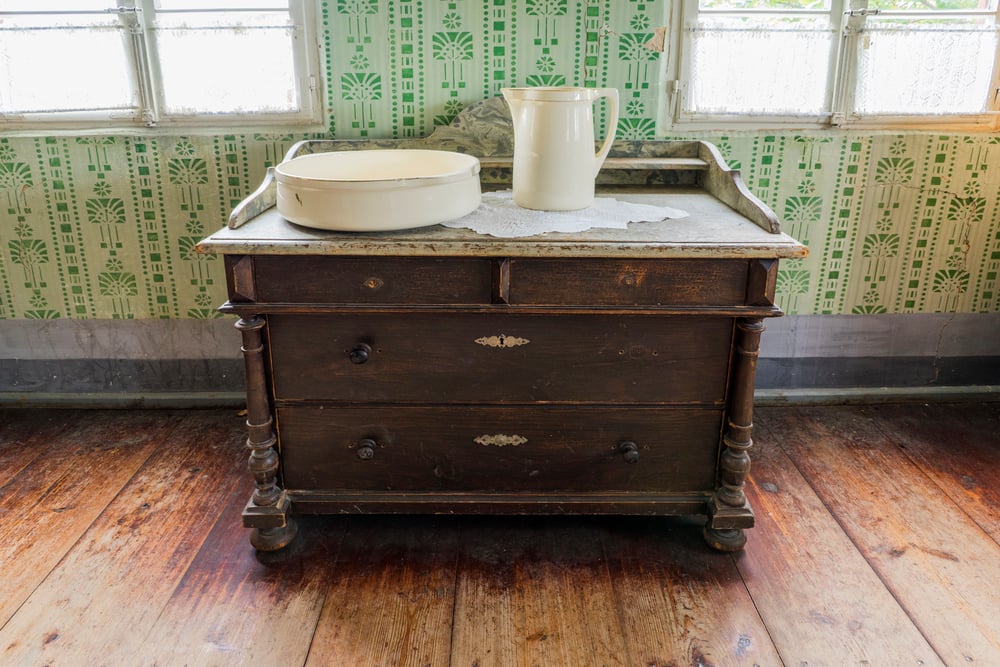
Winters were brutal. Outhouses were distant.
Chamber pots lived everywhere, including directly beneath the dining room table. Not hidden in bedrooms or closets — right there where everyone ate.
Covered with cloth, tucked between chair legs, and used as needed during long family meals when stepping outside meant genuine risk.
Spider Webs In Jars
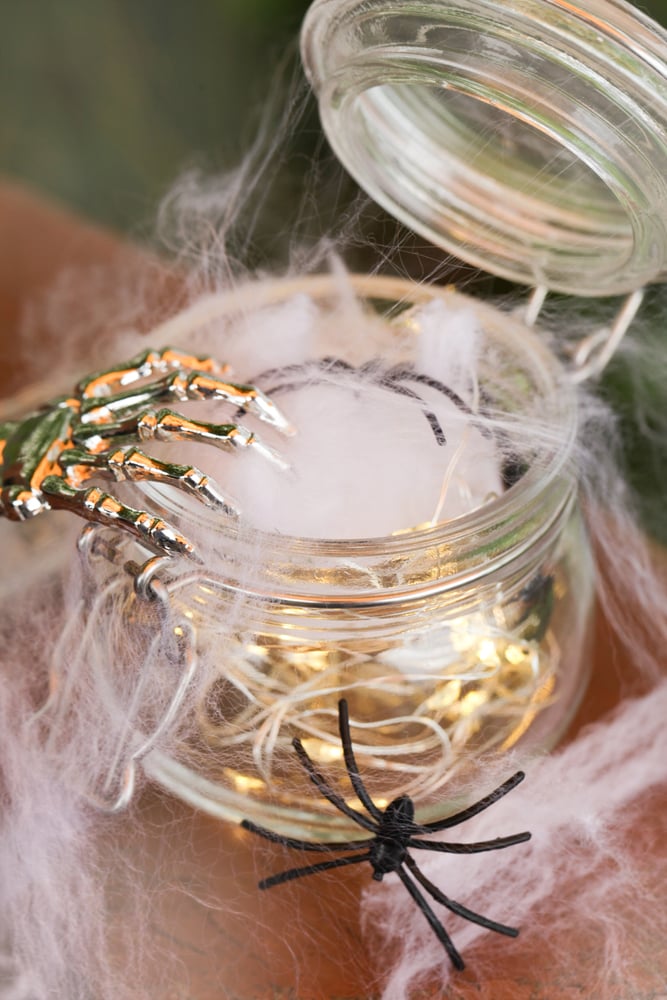
Before bandages, there were spider webs (and given that colonial medicine was still figuring out basic principles like “washing your hands before surgery might be beneficial,” spider webs were often more sterile than the alternatives available). Families collected them in glass containers, storing them like precious medical supplies — which, as it turns out, they essentially were.
The silk proteins in spider webs actually do promote blood clotting and can prevent infection better than most other natural materials colonial families had access to. So children were sent hunting through barns and cellars, carefully harvesting webs with wooden spoons and storing them for the inevitable cuts, scrapes, and more serious wounds that came with colonial life.
But here’s what makes it particularly fascinating: different families had preferences for different types of spider webs, believing that orb weavers produced superior healing silk compared to house spiders, and some even claimed that webs harvested during certain moon phases were more effective. The medical effectiveness was real — the ritual around it was purely colonial.
Urine

There’s no delicate way to address this, so here’s the plain truth: colonial families saved urine. Not out of some primitive misunderstanding, but because it worked.
Fresh urine is sterile and contains ammonia — perfect for cleaning wounds, whitening teeth, and laundering clothes. They stored it in ceramic crocks, aged it in wooden barrels, and used it medicinally both internally and externally.
Gross by modern standards, but often more effective than anything else they had available. Which is saying something, considering how limited their options were.
Birthing Stools

These weren’t furniture in the traditional sense — they were medical equipment that doubled as emergency seating. Horseshoe-shaped wooden stools with cutout centers, designed specifically for childbirth but kept in main living areas because they served other practical purposes: chamber pot seats for the elderly, low stools for children, and emergency seating when other furniture was unavailable.
What’s remarkable about birthing stools is how they represent colonial pragmatism at its finest. Nothing existed for just one purpose.
These stools were often beautifully crafted, passed down through generations, and treated with the kind of reverence that modern families might reserve for antique dining sets. Birth and death weren’t hidden away in hospitals — they happened at home, surrounded by family, with tools that everyone recognized and understood.
Mousetraps Made From Human Hair

Forget the classic spring-loaded traps you know. Colonial families braided human hair into intricate snares, creating nearly invisible traps that mice couldn’t detect until it was too late.
Hair was saved from every family member. Long hair, short hair, gray hair — it all went into a collection bag.
The braided traps were reset repeatedly and lasted for years. And they worked better than wood or metal alternatives.
Rags Sorted By Cleanliness Level

Colonial households maintained elaborate rag classification systems (and when you realize that new fabric was expensive enough that most families owned perhaps three or four complete sets of clothing total, the obsessive care with which every scrap of cloth was preserved starts making perfect sense). Clean rags for food preparation lived in one basket.
Moderately dirty rags for general cleaning occupied another. Filthy rags reserved for the worst jobs were stored separately, often in the cellar or barn.
Nothing was ever thrown away — rags were washed, dried, repaired, and downgraded through the cleanliness hierarchy until they literally disintegrated. And even then, the threads were often saved for kindling or mixed with clay to strengthen pottery.
But the real sophistication was in the classification system itself: most families had five or six categories of rags, each with specific uses, and everyone in the household knew which basket to reach for depending on the task at hand.
Powdered Bark In Multiple Varieties
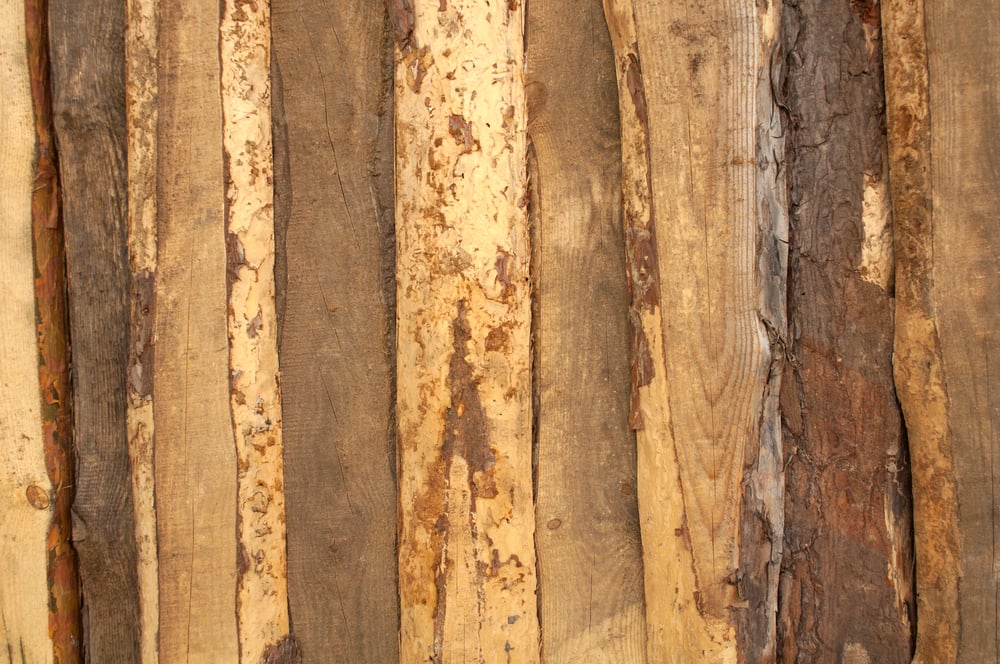
Willow bark for pain. Cherry bark for coughs.
Oak bark for infections. Birch bark for stomach problems.
Colonial families kept extensive collections of powdered tree bark, each type stored in labeled containers and prepared according to specific family recipes passed down through generations.
This wasn’t folk medicine — it was legitimate pharmacology. Willow bark contains salicin, the precursor to aspirin.
Cherry bark has genuine cough suppressant properties. These families were essentially running household pharmacies, and they were often more effective than anything a trained physician could provide.
Collections Of Saved String
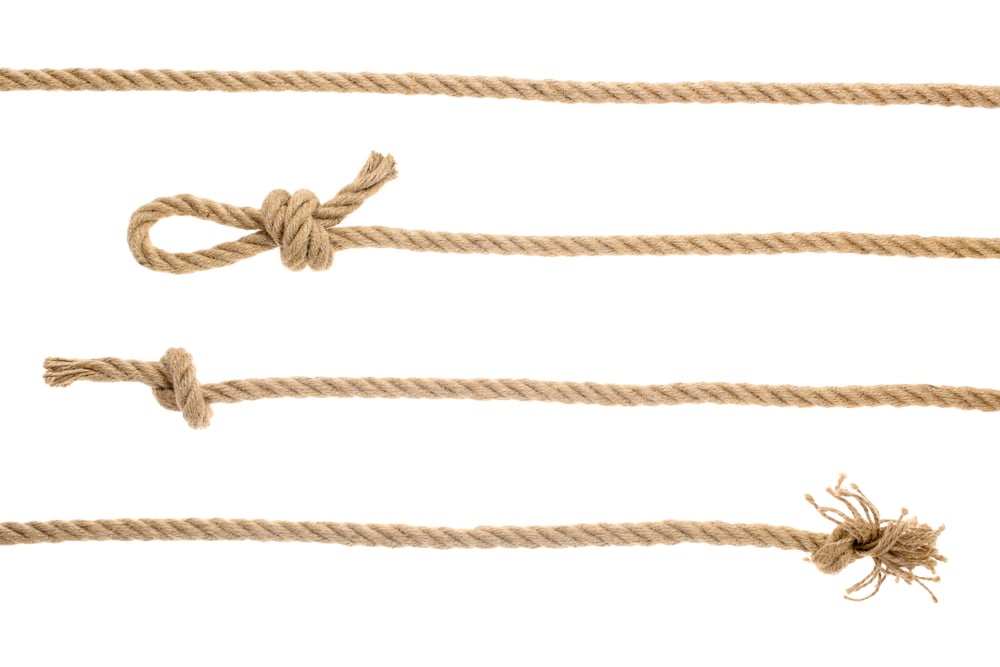
Every piece of string, twine, or rope that entered a colonial household was saved, untangled, and stored by length and thickness. Coiled in baskets, sorted by material, and guarded like treasure.
Modern people throw away string without thinking. Colonial families spent winter evenings untangling knots from string that was barely six inches long, because string was expensive and useful and you never knew when you’d need exactly that length for exactly that purpose.
Dead Animals In Various States Of Preservation

Not just meat — whole animals hung in root cellars, preserved in salt, or dried in attics. Rabbits, squirrels, birds, and fish were kept as both food and raw materials.
Bones became tools. Fur became clothing.
Sinew became thread. Nothing was wasted, and everything had to last through winters when fresh hunting was impossible.
So colonial homes often resembled a combination butcher shop, tannery, and craft store.
Moldy Bread In Special Containers
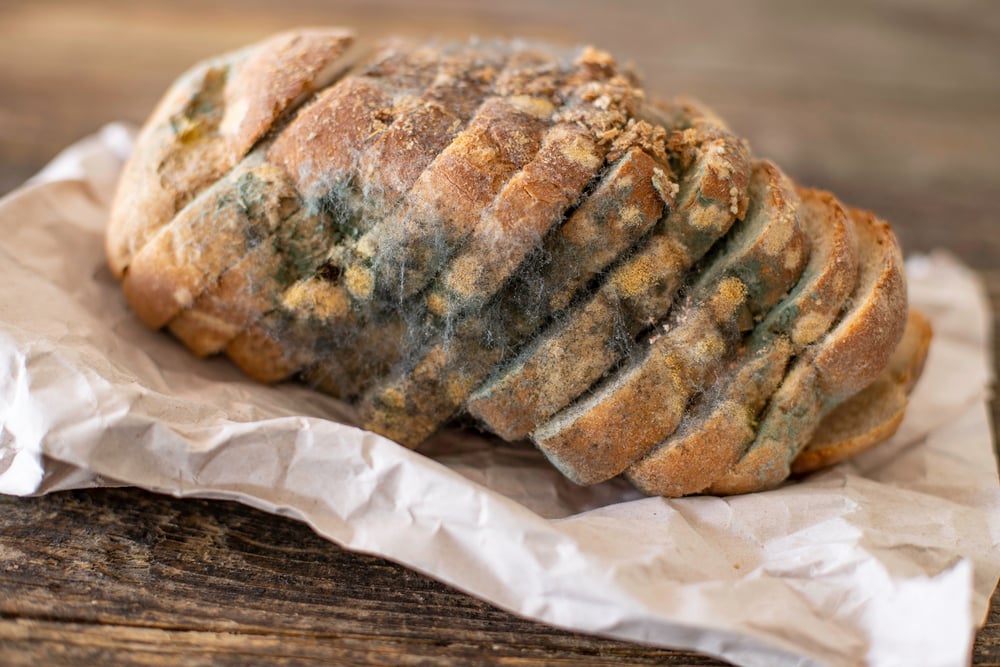
Long before penicillin was discovered, colonial families noticed that certain types of moldy bread could treat infections. They cultivated specific molds in covered containers, maintaining them like sourdough starters.
The bread was applied directly to wounds or boiled into teas for internal use.
It didn’t always work, but it worked often enough that families considered moldy bread a medical necessity rather than waste to be thrown away.
Personal Remedies That Would Horrify Modern Medicine

Ground eggshells mixed with vinegar for calcium deficiency. Cig leaves soaked in whiskey for pain relief.
Honey mixed with crushed insects for various ailments. These weren’t desperate measures — they were standard household medicine, prepared according to recipes that had been tested through generations of use.
Some of these remedies were genuinely effective. Others were harmless but useless.
A few were probably dangerous. But colonial families didn’t have alternatives, and they couldn’t afford to dismiss anything that might work when the nearest doctor was days away and might not know any more than they did anyway.
The Necessity Of Strangeness
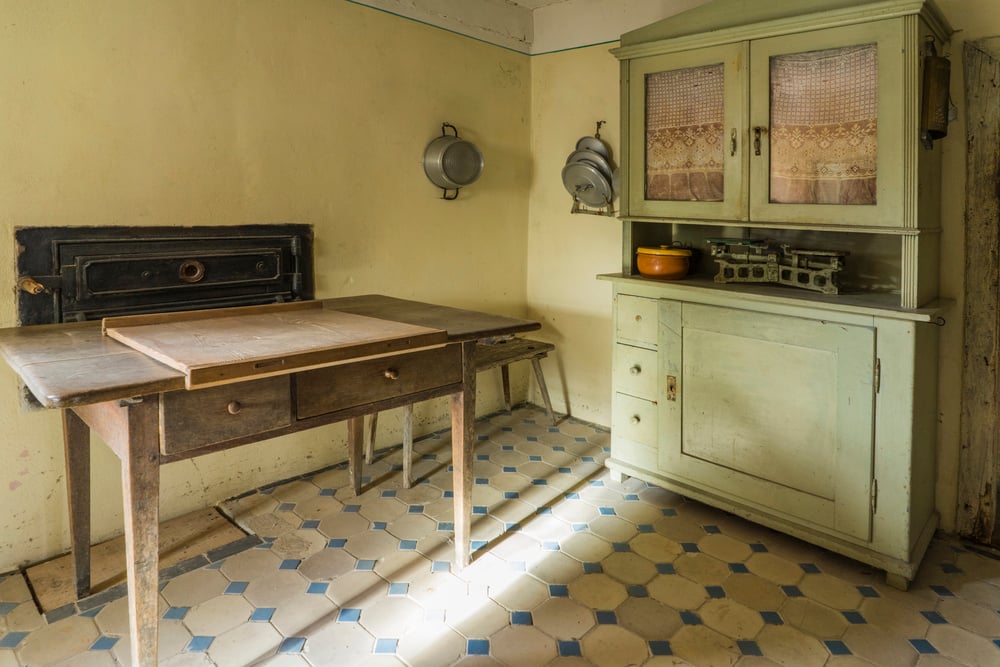
What strikes you most about these colonial household items isn’t how primitive they seem, but how practical they were. These families lived in a world where waste meant death, where self-sufficiency wasn’t a lifestyle choice but a survival requirement, and where the line between medicine and magic was blurry because both were necessary.
They kept strange things because strange times required strange solutions. And perhaps what’s most remarkable is how many of their odd household remedies actually worked — not despite being strange, but because necessity forced them to pay attention to what actually helped, regardless of how it looked or felt or smelled.
More from Go2Tutors!

- The Romanov Crown Jewels and Their Tragic Fate
- 13 Historical Mysteries That Science Still Can’t Solve
- Famous Hoaxes That Fooled the World for Years
- 15 Child Stars with Tragic Adult Lives
- 16 Famous Jewelry Pieces in History
Like Go2Tutors’s content? Follow us on MSN.