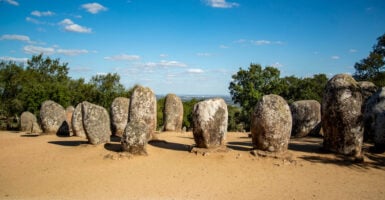
14 Ancient Stone Circles and Megalithic Sites That Put Stonehenge in Context
Stonehenge gets most of the attention, but it was never the first place where ancient people arranged stones in deliberate patterns. Long before its famous stones were raised, communities across Europe, Africa and the Near East were already building monumental structures from rock.
These 14 sites show that the tradition of building with stone stretches back thousands of years before Stonehenge’s famous stone circle was completed around 2500 BC. Some of these monuments are much older, while others belong to the same broad period of prehistoric monument building.
Göbekli Tepe, Turkey
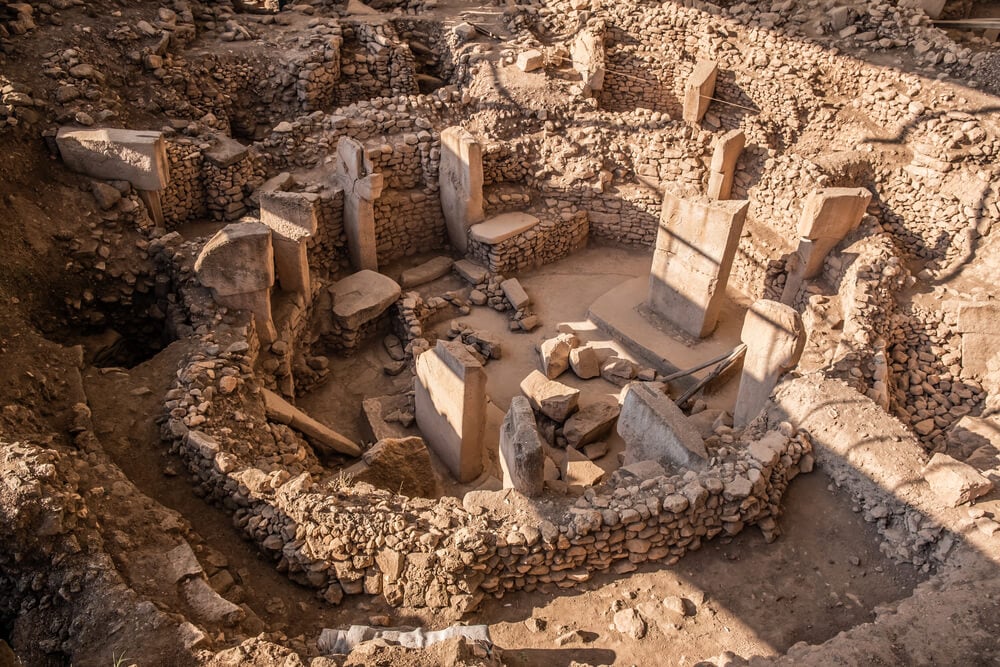
Hunter-gatherers carved and erected massive T-shaped pillars in circular and oval enclosures at Göbekli Tepe between approximately 9600 and 8200 BC, long before farming became widespread in the region. Some pillars rise about 18 feet and are decorated with foxes, boars, snakes and other animals. Its discovery challenged the assumption that monumental architecture necessarily followed the development of agriculture.
Karahan Tepe, Turkey
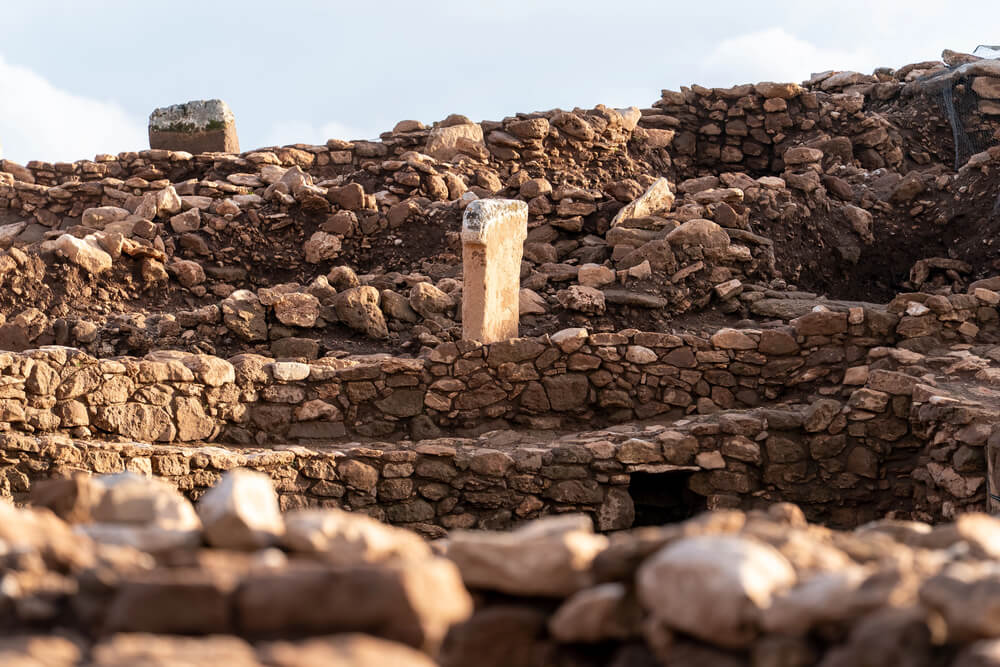
Located in the same region as Göbekli Tepe, Karahan Tepe contains T-shaped pillars, carved human heads and other sculptural features associated with early Neolithic communities. The site belongs to the broader Taş Tepeler archaeological landscape, whose monumental structures date back roughly 11,000 years. Its discoveries add to the evidence that hunter-gatherer communities were capable of organizing ambitious building projects long before Stonehenge.
Nabta Playa, Egypt
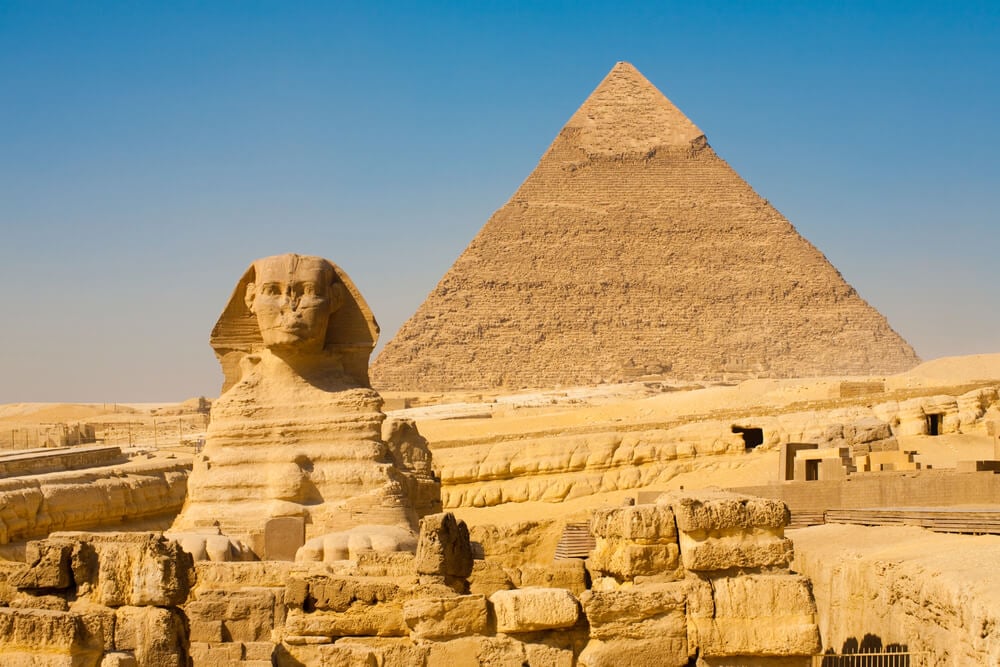
In the Nubian Desert of southern Egypt, a small circle of standing stones sits among other megalithic features that researchers date to roughly 7,000 years ago. Some scholars argue that the stones were aligned with the summer solstice sunrise, which would make the circle an early example of possible astronomical planning. Nomadic herders who gathered around seasonal water sources are believed to have built the monument. Its exact purpose remains uncertain, and claims that it functioned as a sophisticated calendar are debated.
Almendres Cromlech, Portugal
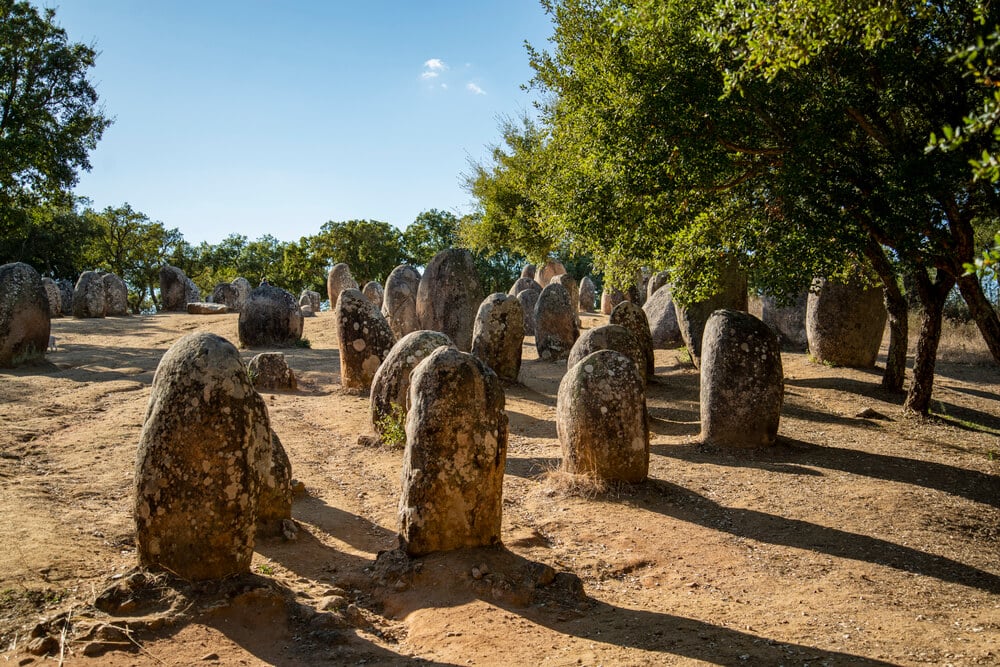
Near Évora, Portugal, nearly 100 granite menhirs form an oval arrangement on a hillside, making Almendres Cromlech one of the largest megalithic complexes on the Iberian Peninsula. Parts of the monument date back more than 6,000 years, and several stones carry carved symbols. The layout changed over time, suggesting that generations of people returned to the site and added to or rearranged its features.
Er Lannic, Brittany
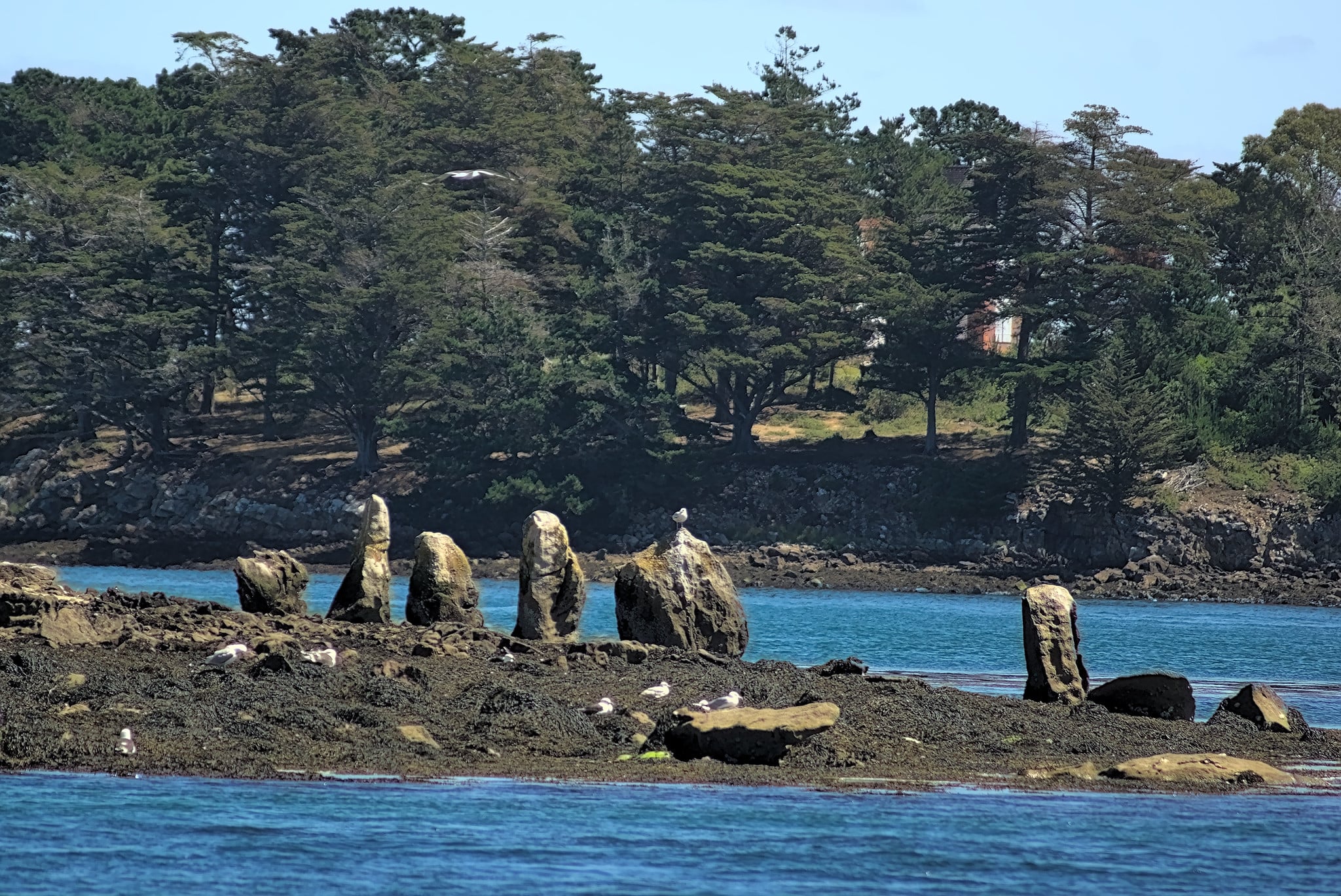
Two adjoining stone circles stand on a small island in the Gulf of Morbihan, and one is partly underwater at high tide. Rising sea levels have submerged portions of the monument since Neolithic builders erected the stones. The partly submerged circle offers a striking reminder of how dramatically coastlines can change over thousands of years. Access to the island is restricted, so visitors generally view the site from the surrounding waters or nearby shore.
Le Ménec, Carnac, France
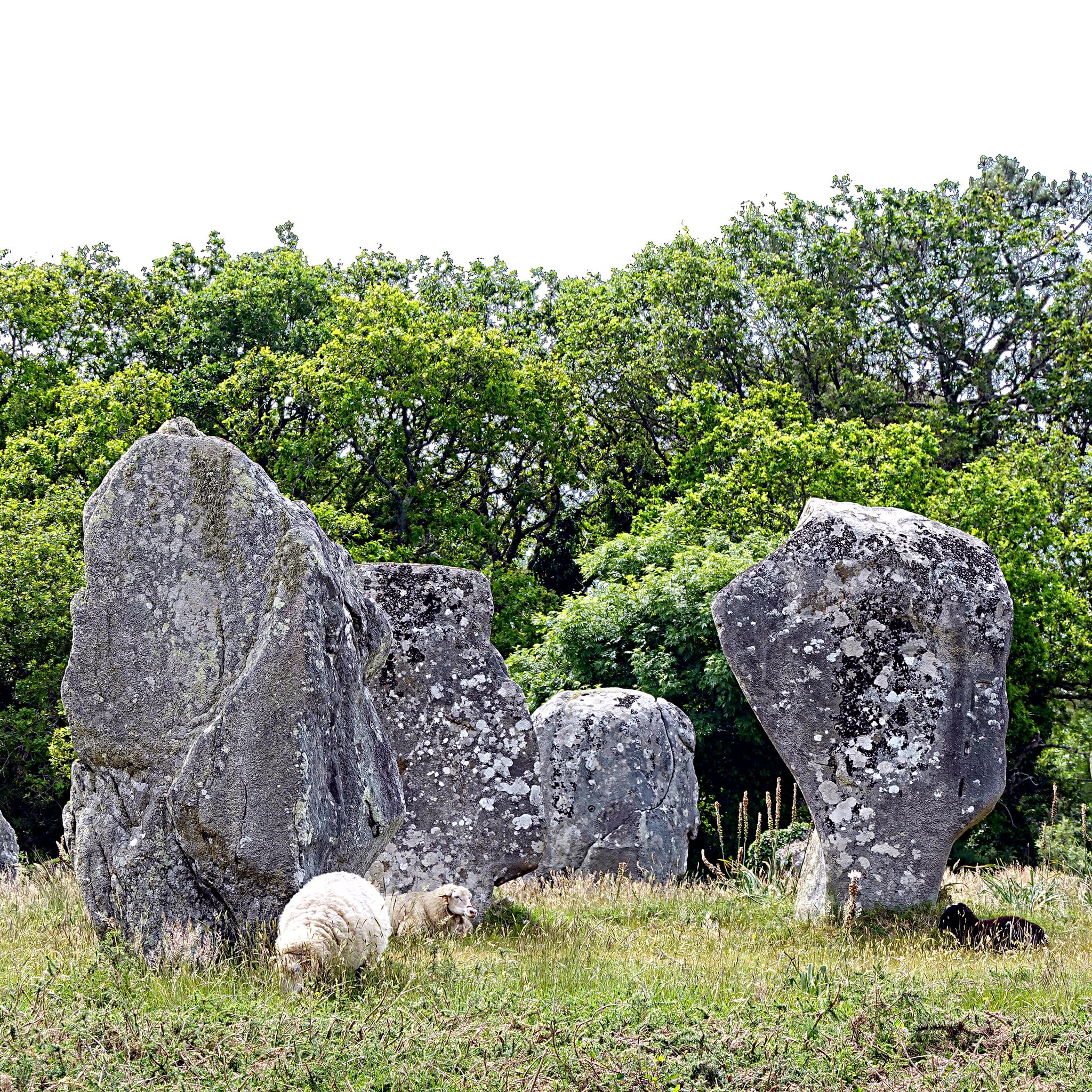
The Carnac region of Brittany holds thousands of standing stones arranged in long rows, erected during the Neolithic period, beginning around 4500 BC. At Le Ménec, the rows lead toward a roughly circular arrangement of stones. Nobody knows for certain why the builders arranged so many boulders so carefully, although ritual, ceremonial and social purposes have all been considered.
Newgrange, Ireland
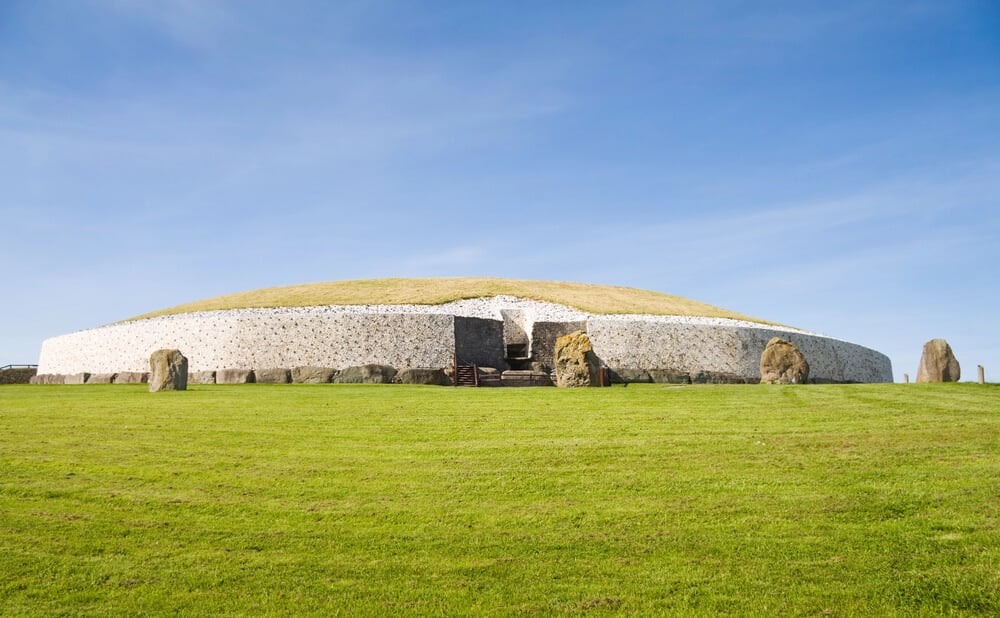
Newgrange is a passage tomb in the Boyne Valley, surrounded by 97 large kerbstones, and it was built around 3200 BC. Each winter solstice, sunlight enters through a specially designed opening above the entrance and illuminates the inner chamber for about 17 minutes under favorable conditions. The monument is older than Stonehenge’s famous stone circle and the Great Pyramid of Giza. Its careful construction and solar alignment demonstrate the sophisticated planning skills of Neolithic communities.
The Stones of Stenness, Scotland
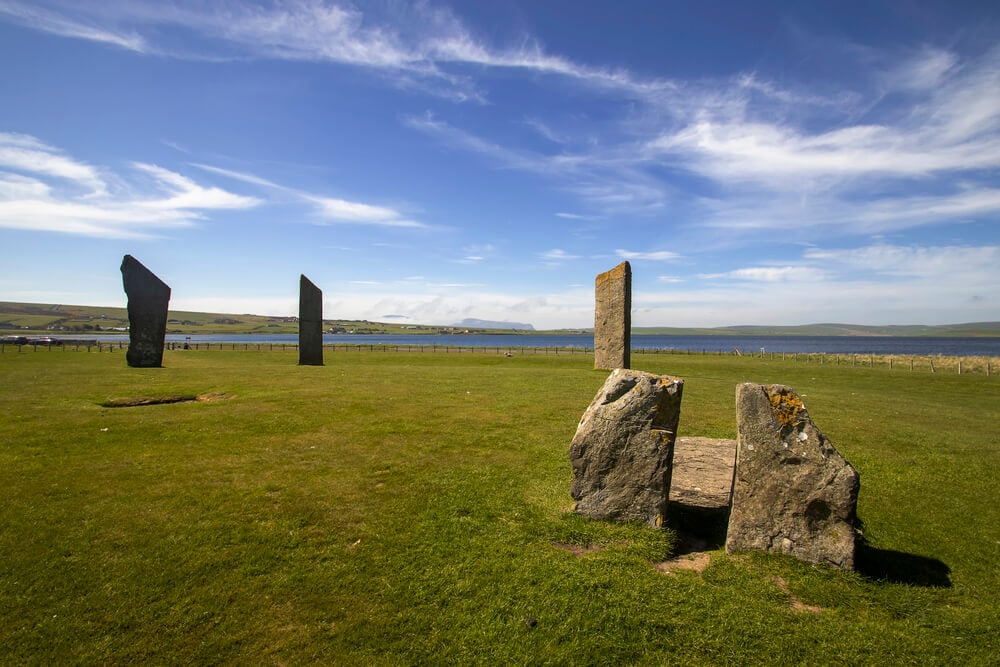
On Orkney, the Stones of Stenness date to approximately 3100–2900 BC and consist of thin, sharp-edged slabs that originally stood up to about 19 feet tall. The circle once held 12 stones, four of which remain standing today. It forms part of the Heart of Neolithic Orkney, a group of prehistoric sites recognized by UNESCO. The monument may be among the earliest surviving stone circles in Britain, although its exact purpose remains uncertain.
Castlerigg Stone Circle, England
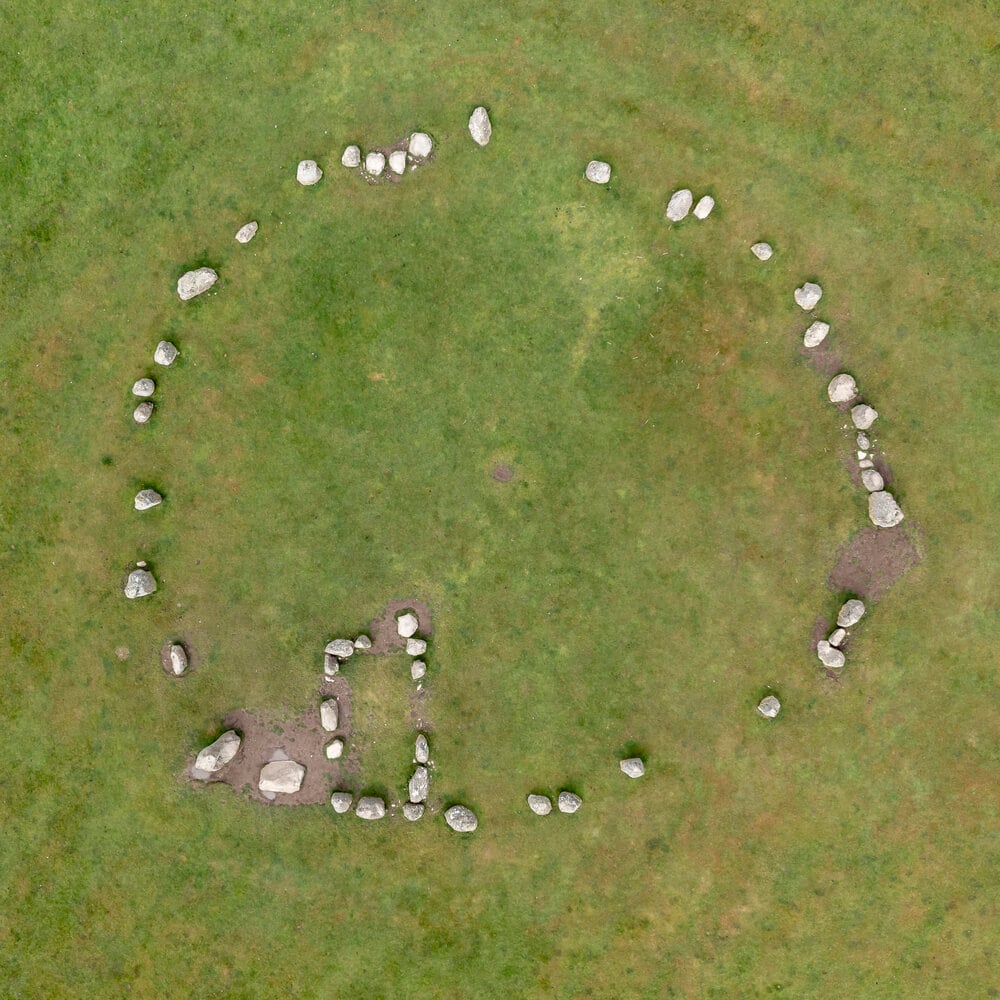
Castlerigg, near Keswick in the Lake District, consists of 38 stones arranged in a ring about 107 feet across, with a small rectangular arrangement of stones inside. It dates to roughly 3000 BC, placing it among Britain’s early prehistoric monuments. Its setting within a bowl of surrounding mountains has made it one of the most photographed prehistoric sites in Britain. Its precise construction date is uncertain, and it belongs to the same broad period as the earliest stages of Stonehenge.
Long Meg and Her Daughters, England
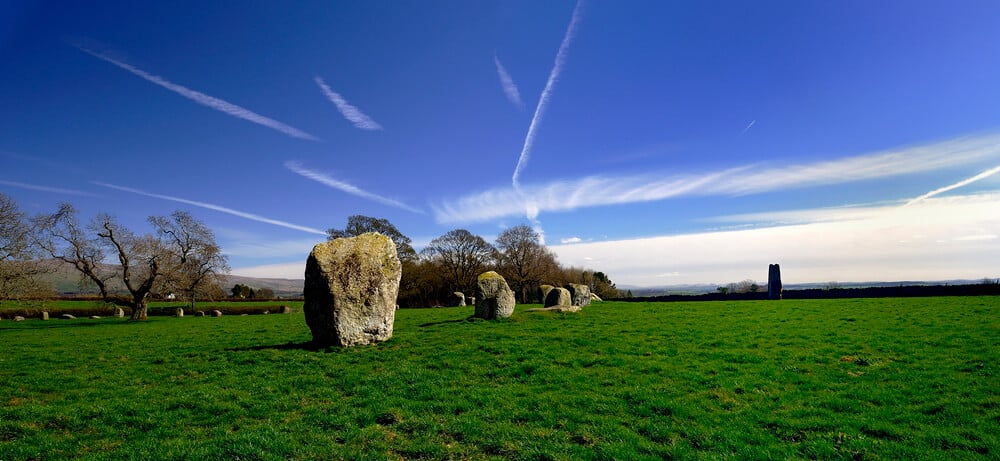
In Cumbria, a ring of stones surrounds an open field, while a tall red sandstone pillar called Long Meg stands apart from the circle. The outlier is about 12 feet tall and bears carvings that include spirals and concentric rings. The monument is generally dated to the late Neolithic or early Bronze Age, though its precise age and construction sequence remain uncertain.
Calanais Standing Stones, Scotland
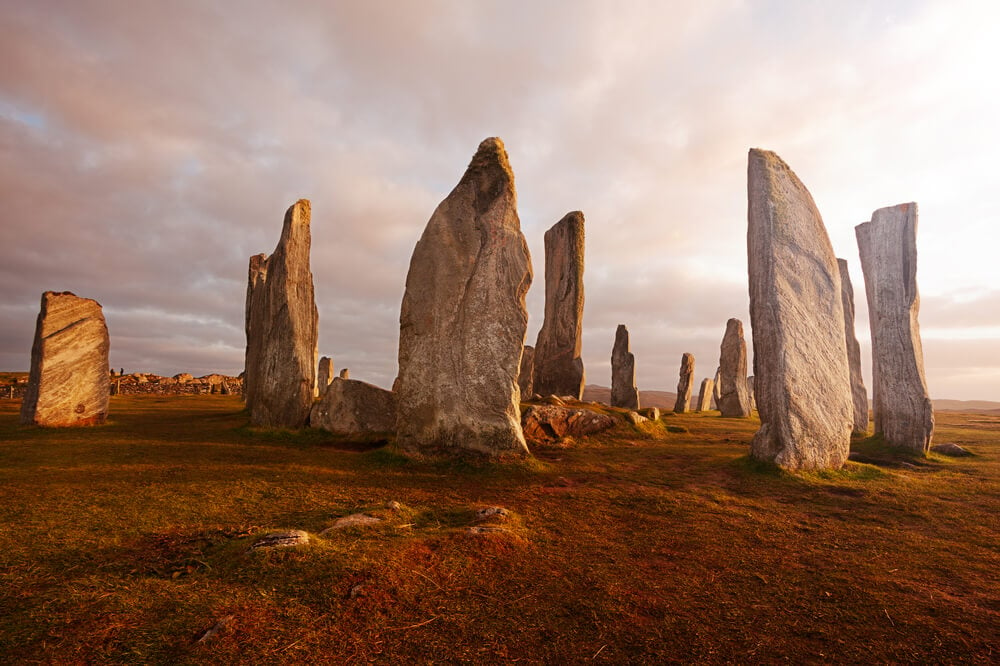
On the Isle of Lewis, the Calanais Standing Stones were erected between approximately 2900 and 2600 BC in a cross-shaped arrangement with a central circle and lines extending outward. A tall central stone rises about 15 feet. The site predates the main stone circle at Stonehenge, which was erected around 2500 BC. Ritual activity at Calanais may have continued for many centuries after its construction.
Machrie Moor, Scotland
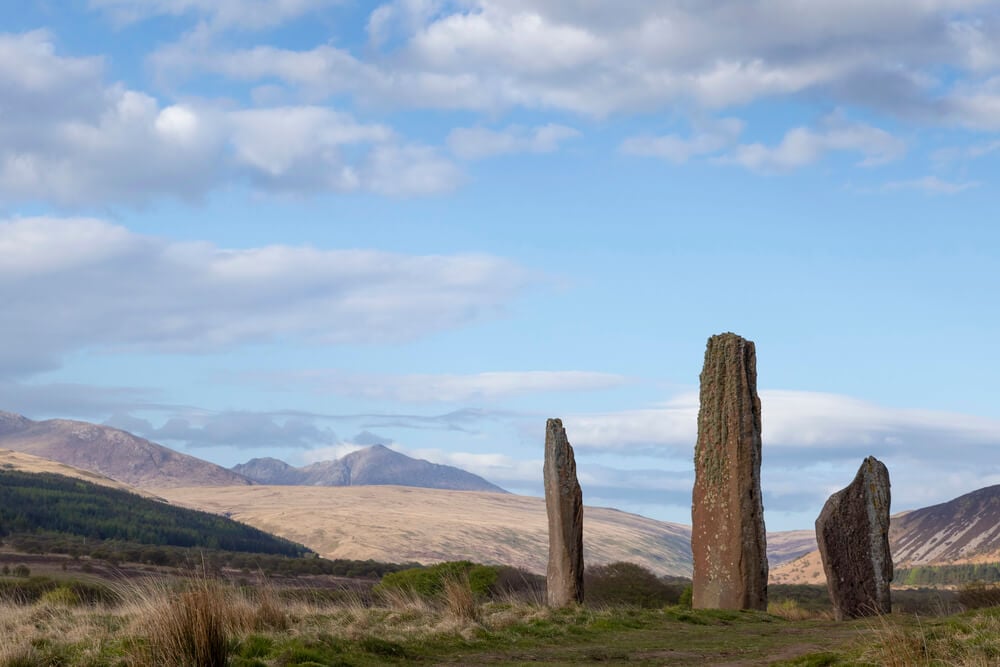
The Isle of Arran holds a cluster of stone circles at Machrie Moor, within a wider prehistoric landscape that includes standing stones, burial cairns and other structures. The area saw human activity as early as around 3500 BC, but the surviving stone circles were built later, around 2000 BC. Some feature enormous red sandstone slabs, while others use granite. The landscape was used for ceremonial activities and burials over an extended period, making it a record of changing practices rather than a single building project.
Avebury, England
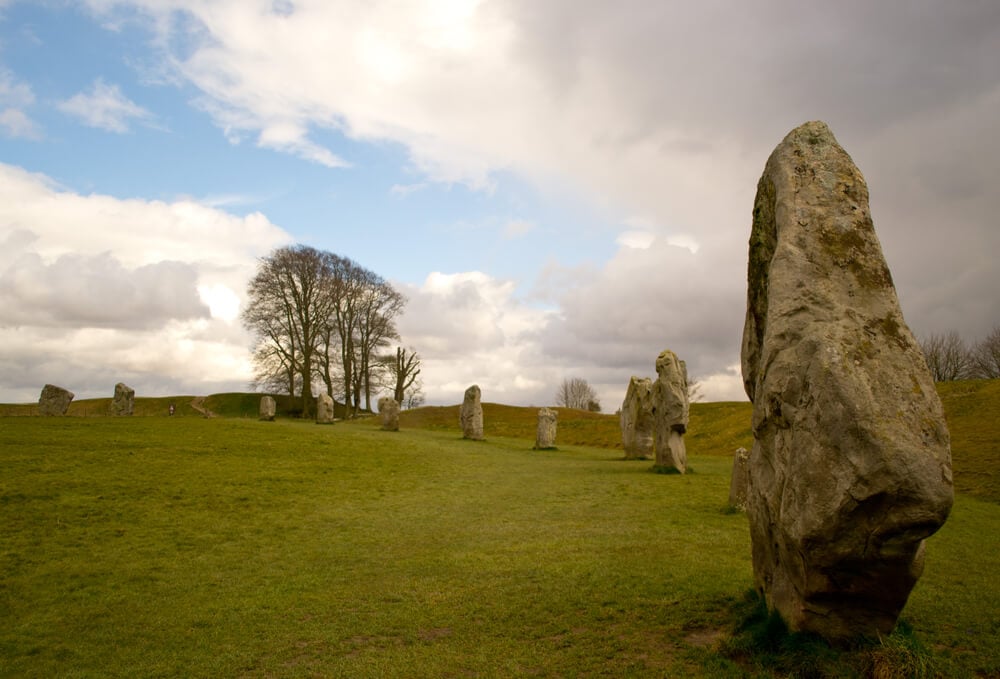
Avebury, in Wiltshire, was built and altered over several centuries beginning around 2850 BC. It is the largest stone circle in Britain, with an outer ring more than 1,000 feet across. A village now sits partly inside the monument, complete with houses and a pub. Many of the stones were broken up or buried in the Middle Ages, but numerous enormous stones survive. Avebury’s development overlapped with the early history of Stonehenge, illustrating how several monumental sites flourished during the same prehistoric period.
Rujm el-Hiri, Golan Heights
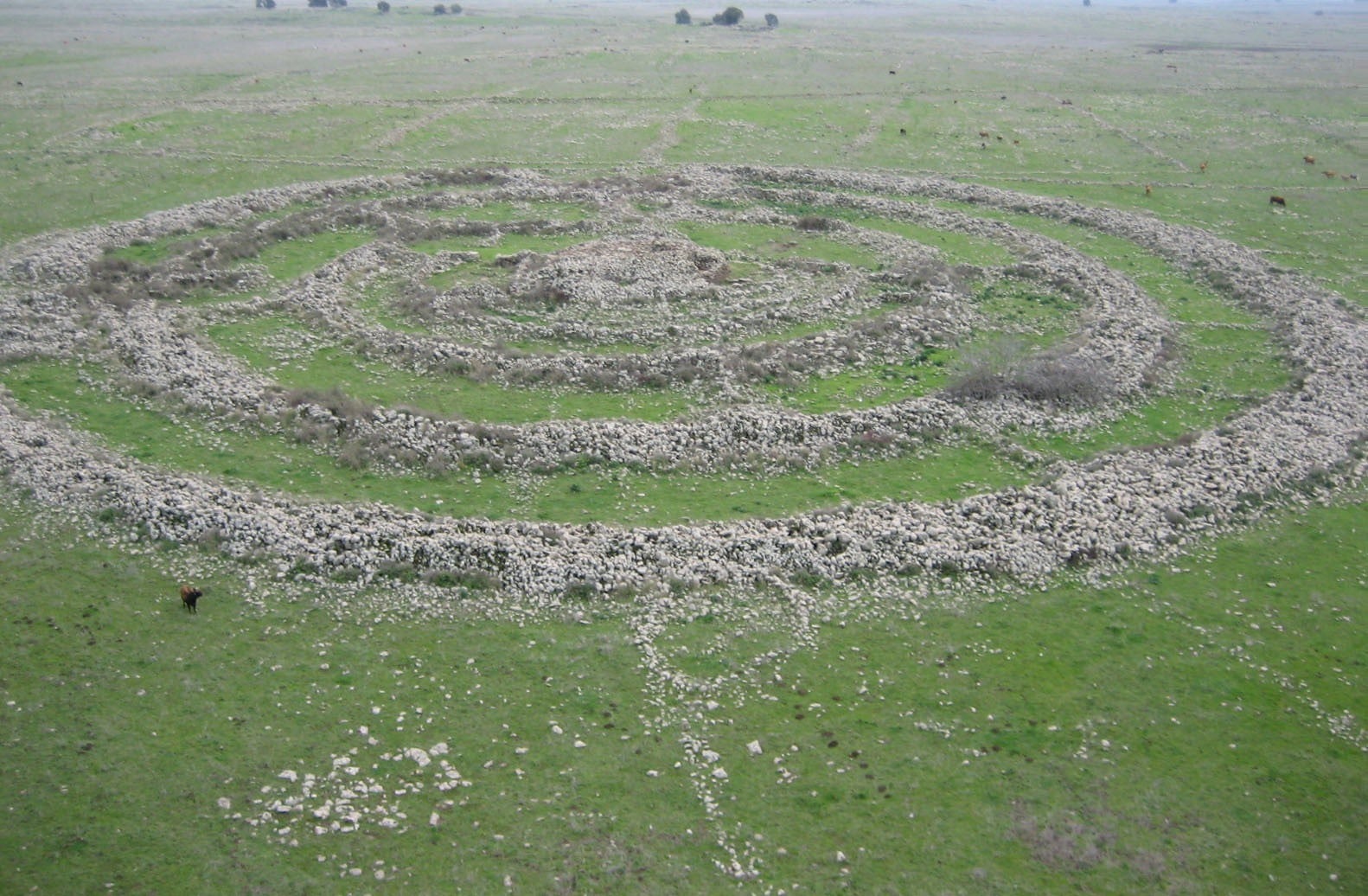
Rujm el-Hiri is a monument made up of concentric rings of basalt rock, generally dated to the third millennium BC. Its Arabic name is often translated as “stone heap of the wild cat,” while the Hebrew name, Gilgal Refaim, means “wheel of the spirits.” Some researchers believe the structure had astronomical or ceremonial functions, but its original purpose remains uncertain. Its enormous scale and circular design show that prehistoric communities in the region also invested considerable effort in monumental stone construction.
Why Ancient Stone Circles Keep Surprising Us
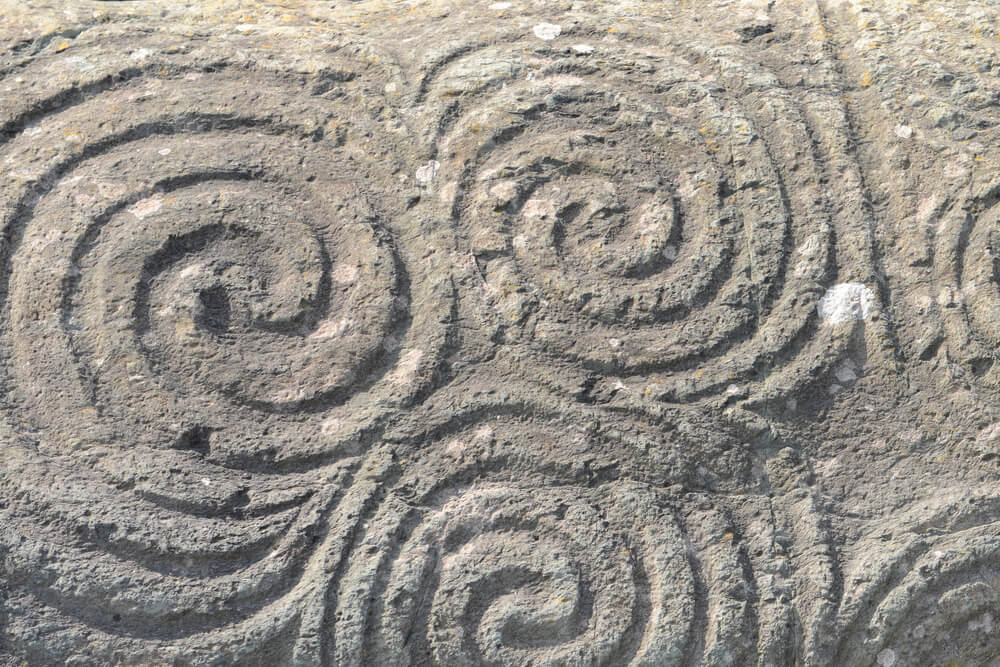
The sites on this list show that building with stone was not a single invention that spread from one famous place. Communities in Turkey, Egypt, Portugal, France and Britain developed their own monumental traditions over thousands of years. Some structures may have been aligned with the sun or seasonal events, while others likely served broader ceremonial, social or funerary purposes.
Stonehenge is better understood as part of this long tradition than as the beginning of it. Its builders inherited a world in which people had already been raising stones, shaping sacred landscapes and gathering around monumental structures for generations. Visiting these older sites can feel like reading the earlier chapters of a story that most people know only from the middle.
More from Go2Tutors!

- 27 Silver Dollars and Half Dollars Worth Keeping
- 28 Restaurant Menu Items Nobody Orders Anymore
- 17 Places Built in Seemingly Impossible Spots
- 27 Vintage Rings Worth More Than They Look
- 25 Restricted Sites Tourists Can’t Enter
Like Go2Tutors’s content? Follow us on MSN.