13 Vintage Cartoon Watches Worth Checking for Makers
A cartoon face on a dial can raise the price of a watch, but the name printed near the bottom of that dial often tells the more important story. Disney’s watch license passed through several companies over the decades, and each one left its own signature on the dial, the case back, and the movement.
Condition shapes the value of every piece below, since an original crystal, an unrestored dial, and a working movement can separate a prized find from a parts watch. Checking the maker first narrows the era in seconds.
Ingersoll-Waterbury Mickey Mouse, 1933
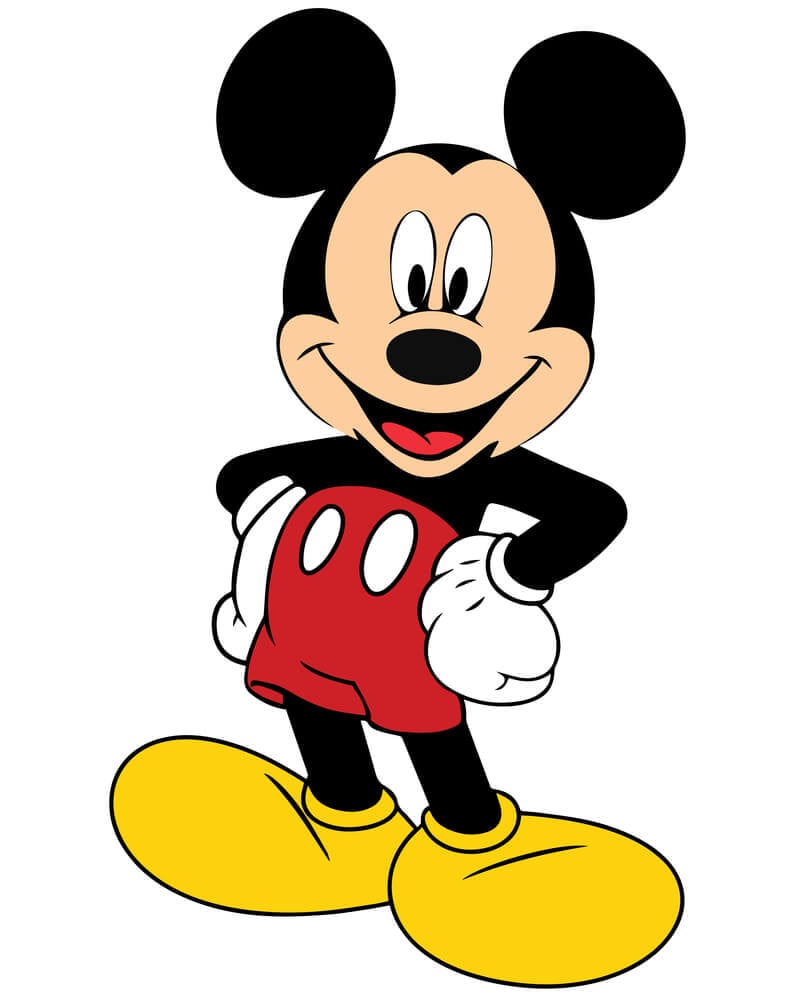
Ingersoll-Waterbury introduced the first Mickey Mouse wristwatch at the Century of Progress exposition in Chicago in 1933, with a patent application filed on May 22 of that year. Kay Kamen handled the licensing, and more than 2.5 million watches reportedly sold in about two years, a remarkable total during the Depression. The company later became US Time and is now known as Timex, so the Ingersoll name on a dial marks the beginning of the entire category. A clean, unrestored dial matters more than almost anything else on these early watches.
Ingersoll Donald Duck Wristwatch, Mid-1930s

Donald Duck debuted in 1934, and Ingersoll gave him a wristwatch of his own within the same decade, following the commercial pattern set by Mickey. Collectors compare the dial layout and the Ingersoll name against known Mickey models from the same years to confirm that a piece is original. These watches were sold as toys and worn hard, so examples with sharp printing and intact hands are the exception.
US Time Character Watches, 1947
Ingersoll’s successor, US Time, held the Disney license until 1971 and issued a 1947 run of character watches featuring Bambi, Donald Duck, Pluto, and others. The US Time name on the dial or case back places a watch in the postwar years rather than the 1930s. Original character straps are much harder to find than the watches themselves, and a complete watch-and-strap set earns a premium when the condition is strong.
Helbros Mickey, Minnie, and Goofy, 1972
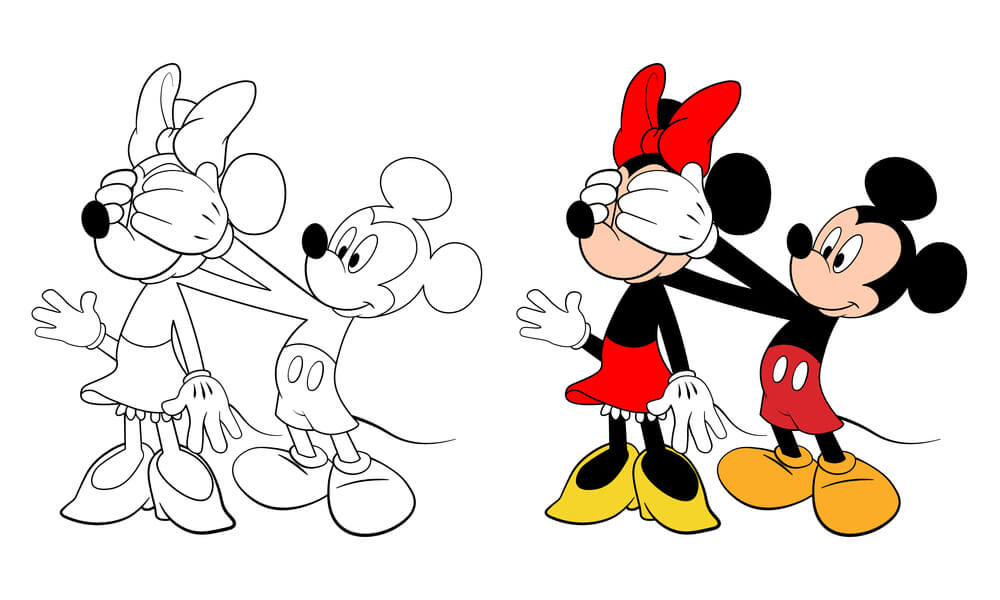
Elgin National Industries took over the Disney watch license in 1971 and 1972, and its Helbros division produced a 1972 line with Mickey, Minnie, and Goofy dials. The 17-jewel movements are a notable detail, since many character watches were built to modest mechanical standards. A Helbros name on the dial marks a brief transition between the long US Time era and the Bradley years.
Bradley Jogger Mickey
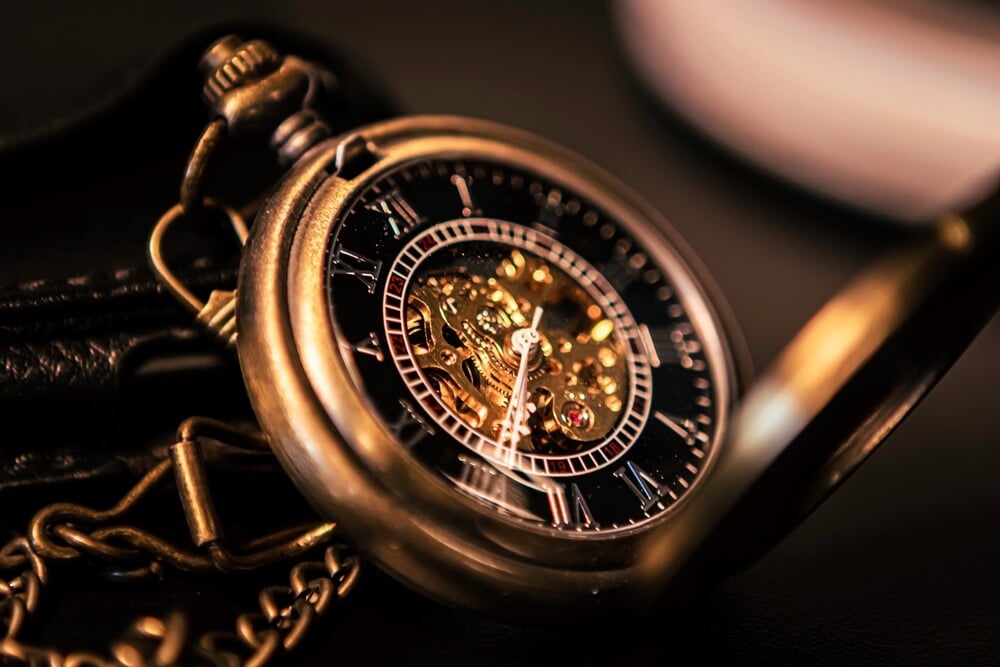
Bradley Time made Disney watches from 1972 to about 1985, and its jogging Mickey is one of the models collectors seek from that run. Because Bradley issued so many designs, the case back and dial text are the quickest way to confirm that a watch is original rather than a later assembly of mismatched parts. Faded printing and replaced crystals are the problems to look for first.
Bradley Soccer Mickey

The Bradley soccer design uses a moving foot to mark the seconds, which gives the dial constant motion. A seconds action that still runs adds clear value over one that has stopped, so it is worth watching the dial for a full minute before buying. Chipped print near the moving element is a common reason a good-looking example sells for less.
Bradley Nodding Minnie
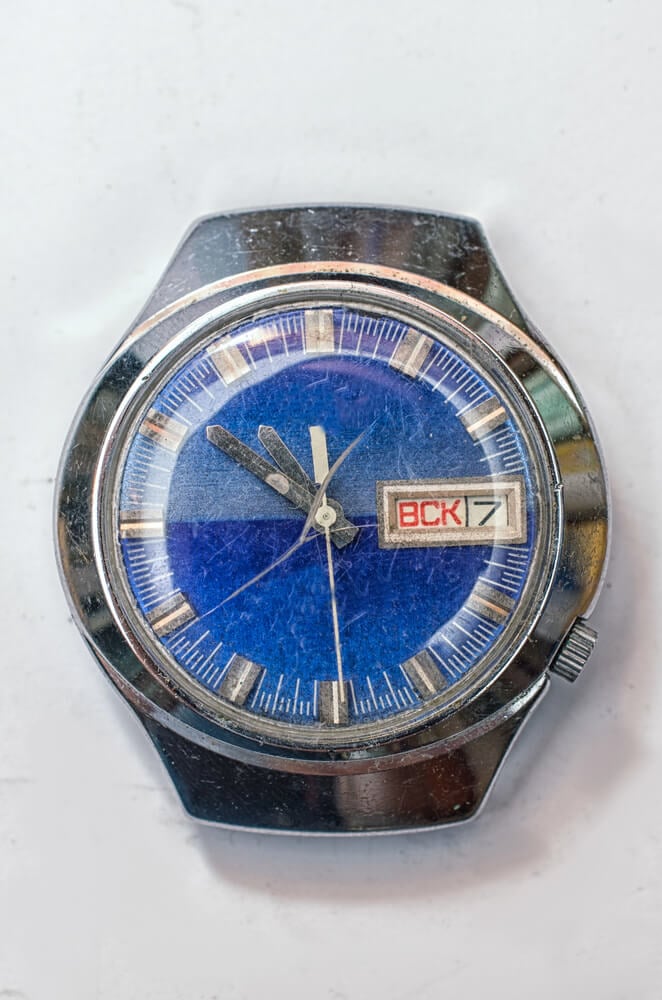
The nodding Minnie model gives the character a moving head, turning the dial into a small animation. Minnie was one of the best-known characters of the era, so the design sits comfortably beside the Mickey models in a Bradley collection. As with other novelty movements, a working mechanism and an unmarked face count for more than the case finish.
Bradley Goofy Hockey
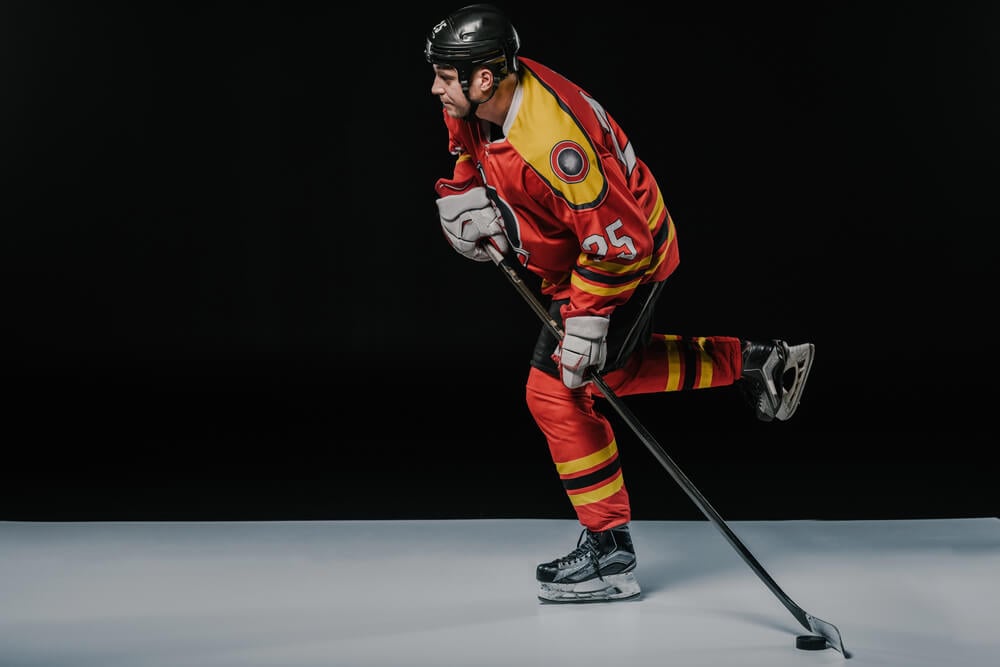
Bradley’s Goofy hockey watch places the character on the ice in a sports scene, a fitting theme for a character who starred in a long series of sports-themed cartoon shorts. It shows that the Bradley line reached beyond Mickey and Minnie to the wider Disney cast. Check the scene art for scratches and flaking, since printed figures wear faster than plain numerals.
Bradley Jump-Hour Mickey, 1978
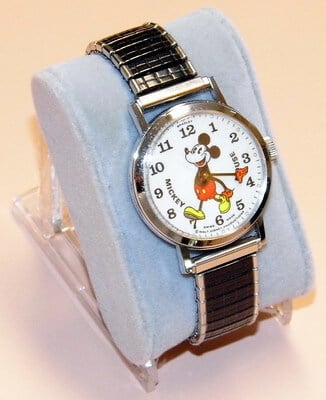
In 1978, Bradley released a jump-hour Mickey, a design in which the hour appears as a number that jumps into place rather than being pointed to by a hand. The mechanism was unusual for a licensed watch, which makes the model stand out among the line’s more conventional dials. A window that is clean and a number that advances crisply are the two checks that matter most.
Bradley Members Watch, About 1975
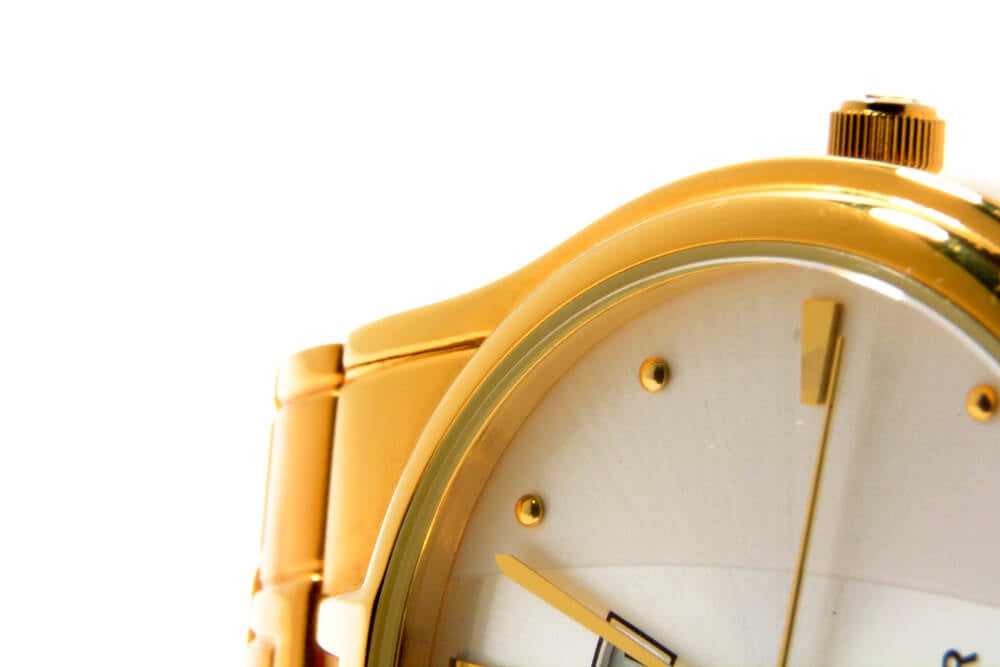
A Bradley members watch dates to about 1975 and sits in the middle of the company’s Disney production. Mid-decade pieces like this one are easy to overlook beside the earlier Ingersoll watches, yet they carry the same maker markings that make dating simple. Collectors rely on the dial print and the case-back text to separate genuine examples from later reassemblies.
Bradley EPCOT, 1982
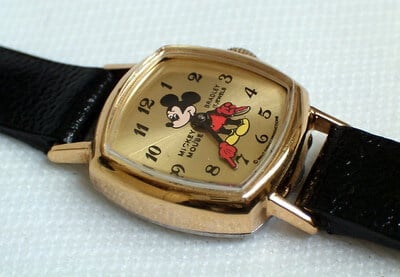
Bradley’s 1982 EPCOT watch marked the opening of EPCOT Center at Walt Disney World in October of that year, and it used a quartz movement from the Swiss maker Ronda. Quartz power makes this model more practical to wear than the earlier mechanical pieces, and it usually needs only a new battery. The event tie-in gives it a firm date, which helps when pricing a watch in a collection.
Lorus Disney Watches, 1987

Lorus, a subsidiary of Seiko, took over the Disney watch license in 1987, ending the Bradley era. Lorus quartz watches are dependable runners, so the condition questions shift from the movement to the dial, the crystal, and the original strap. The Lorus name on a dial places a watch late in the vintage window, after the mechanical novelty watches had faded.
Gsell Bugs Bunny, 1970s and 1980s

R. Gsell and Company produced a Bugs Bunny watch for Warner Bros. in the 1970s and 1980s, a reminder that not every cartoon watch carries a Disney license. The Gsell name is the key identifier, and it separates the licensed watch from the many unmarked look-alikes sold over the years. A complete watch with an undamaged dial is the version worth paying for.
The Name Under the Cartoon
Across these watches, the maker’s name tells more than the character on the dial. The Disney license moved from Ingersoll to US Time, then to Elgin National Industries and its Helbros division, then to Bradley, and finally to Lorus, so each name works as a rough date stamp. A Warner Bros. watch from Gsell shows that the same logic applies outside Disney.
Before buying, check the dial text, the case back, and the crystal, in that order. A redialed or polished watch can look bright and still be worth a fraction of an untouched example, because condition remains the deciding factor. A few minutes spent reading small print is the cheapest research a collector can do.
More from Go2Tutors!

- 27 Silver Dollars and Half Dollars Worth Keeping
- 28 Restaurant Menu Items Nobody Orders Anymore
- 17 Places Built in Seemingly Impossible Spots
- 27 Vintage Rings Worth More Than They Look
- 25 Restricted Sites Tourists Can’t Enter
Like Go2Tutors’s content? Follow us on MSN.