14 Bank Robberies Pulled Off In Broad Daylight
Despite the fact that bank robberies are typically committed at night, some of the most intrepid criminals in history have chosen to do so when the sun is shining and the streets are crowded. These criminals frequently had dozens of witnesses watching them as they walked boldly through front doors during peak business hours. What should have been impossible heists became legendary tales of criminal boldness due to their bold timing.
The psychology of daylight robberies is intriguing; some robbers liked the rush of maximum risk, while others thought they could blend in with the crowd. These 14 bank robberies shocked communities by taking place in plain sight.
Willie Sutton’s Gentleman Thief Act

Willie Sutton made bank robbery look like performance art by conducting his heists with extraordinary politeness during busy afternoon hours. He’d dress in expensive suits, tip his hat to ladies, and even apologize to tellers as he took their money. Sutton once spent weeks posing as a window washer to study a bank’s layout, cleaning the same windows every day until employees stopped noticing him entirely.
The Great Northfield Raid

— Photo by wolterke
Jesse James and his gang rode into Northfield, Minnesota on September 7, 1876, expecting an easy afternoon score at the First National Bank. Instead, they found themselves in a deadly street fight when the townspeople fought back with hunting rifles and shotguns. Only Frank and Jesse James escaped the carnage that left most of their gang dead or captured in broad daylight.
John Dillinger’s Theatrical Escapes

John Dillinger turned bank robbery into a public spectacle, often robbing institutions during the lunch rush when maximum crowds could witness his showmanship. He’d leap over teller counters with athletic grace and reportedly once told a customer, ‘We’re not here for your money, just the bank’s.’ His ability to charm witnesses during daylight heists made him a folk hero despite his criminal activities.
Bonnie and Clyde’s Small-Town Sprees

Bonnie Parker and Clyde Barrow preferred hitting rural banks during mid-afternoon when local law enforcement was typically relaxed and unprepared. They’d roll into dusty Texas towns in stolen cars, hit the bank fast, and disappear down back roads they’d scouted during previous daylight reconnaissance trips. Their largest single-day haul came from robbing three banks in four hours across East Texas.
The Stopwatch Gang’s Military Precision

This Canadian crew earned their nickname by timing every daylight heist down to the exact second, treating bank robbery like a military operation. They’d enter during peak customer hours with one member stationed at the door calling out time markers: ‘One minute down, ninety seconds to go!’ Their precision allowed them to complete over 140 robberies across North America without firing a single shot.
The North Hollywood Armored Assault

Larry Phillips Jr. and Emil Matasareanu transformed a quiet Bank of America branch into a war zone on February 28, 1997, during the morning rush. Wearing full body armor and carrying automatic weapons, they engaged police in a 44-minute firefight broadcast live on television. The incident forced police departments nationwide to upgrade their firepower after officers had to borrow rifles from a nearby gun shop.
Patty Hearst’s Hibernia Bank Conversion

Newspaper heiress Patty Hearst shocked America when security cameras captured her robbing San Francisco’s Hibernia Bank in broad daylight on April 15, 1974. Wielding a carbine rifle alongside her Symbionese Liberation Army captors, she transformed from kidnap victim to active participant. The grainy footage of the socialite-turned-revolutionary became one of the most analyzed crime photos in history.
The Newton Brothers’ Business Model

The four Newton brothers from Texas approached bank robbery like running a legitimate business, conducting detailed market research during normal banking hours. They’d spend days in towns studying customer patterns, payroll schedules, and security routines before striking during peak cash periods. Between 1919 and 1924, they successfully robbed an estimated 200 banks using this methodical approach.
Butch Cassidy’s Dynamite Innovation

Butch Cassidy and the Wild Bunch revolutionized daylight bank robbery by introducing dynamite to blow safes during busy periods. They’d often time explosions to coincide with nearby construction or mining operations, masking the sound until they were long gone. Their most audacious heist occurred in Winnemucca, Nevada, where they walked away with $32,000 from the First National Bank while townspeople thought they heard blasting from local mines.
The Dalton Gang’s Double Disaster

The Dalton brothers attempted the ultimate daylight heist by robbing two banks simultaneously in Coffeyville, Kansas, on October 5, 1892. Their plan to hit both the First National and Condon Banks at the same time seemed brilliant until local citizens recognized the disguised outlaws. The resulting gunfight on Main Street ended with most of the gang dead and the town’s street littered with broken glass and empty cartridges.
The Brink’s Preparation Masters

While their famous 1950 Boston heist happened after hours, the Brink’s gang spent nearly two years conducting daylight surveillance of their target. They rented legitimate office space across the street and posed as businessmen, studying guard routines and money movement patterns during normal business hours. This extensive daytime research enabled them to steal $2.7 million in what was then America’s largest heist.
The Symbionese Liberation Army’s Media Strategy

The SLA deliberately chose afternoon hours for their bank robberies to guarantee prime-time television coverage of their political message. They understood that daylight heists would dominate evening news broadcasts, turning each robbery into a propaganda opportunity. Their calculated timing transformed criminal acts into revolutionary theater, though the performance came with deadly serious consequences.
Pretty Boy Floyd’s Depression-Era Popularity

During the Great Depression, Charles Arthur “Pretty Boy” Floyd rose to fame as a bank robber when desperate clients were waiting in line for loans they would never get. During his heists, he would frequently destroy mortgage documents, causing witnesses to cheer as their debts vanished in flames. For communities devastated by bank foreclosures, Floyd’s daylight robberies felt like acts of economic justice.
Machine Gun Kelly’s Intimidation Tactics

George “Machine Gun” Kelly gained his terrifying reputation by robbing banks during the day and demonstrating the power of his weapon by firing warning shots into the ceilings. In order to establish a reputation that frequently led to future victims giving up without a fight, he favored afternoon heists when the greatest number of witnesses could inform others of his firepower. Kelly knew that when there were few escape routes in broad daylight, psychological warfare worked better than physical violence.
The End of an Era
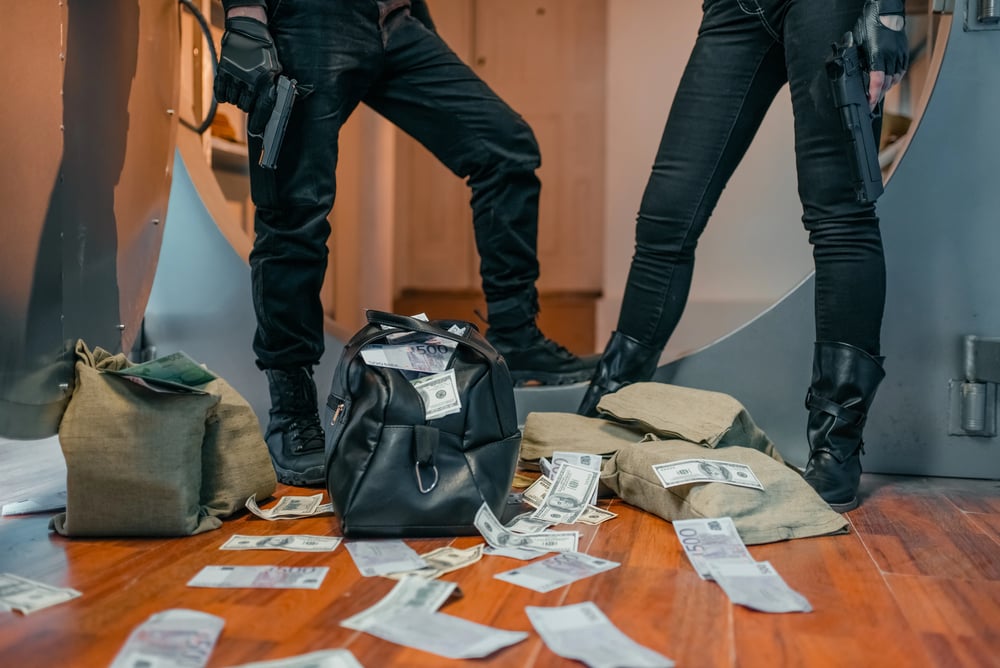
A period of American history when bank robbers behaved more like frontier outlaws than contemporary criminals is reflected in these daylight desperados. Over time, more advanced security technology, quicker police response times, and better communication systems made such heinous thefts all but impossible, forcing crime into the shadows where it belongs. However, these tales persist because they depict a period in which criminal boldness could overcome institutional authority, albeit momentarily and typically at a high cost to the offenders.
More from Go2Tutors!

- 16 Historical Figures Who Were Nothing Like You Think
- 12 Things Sold in the 80s That Are Now Illegal
- 15 VHS Tapes That Could Be Worth Thousands
- 17 Historical “What Ifs” That Would Have Changed Everything
- 18 TV Shows That Vanished Without a Finale
Like Go2Tutors’s content? Follow us on MSN.