Stadium Designs That Revolutionized Sports Venues
Stadiums are more than just places to watch a game—they’re symbols of culture, technology, and spectacle. A single design shift can change how fans experience sport, how cities see themselves, and even how billions watch from afar.
Below are stadiums that didn’t simply host matches but redefined what a sports venue could be.
Colosseum

Rome’s Colosseum set the standard nearly two thousand years ago. With tiered seating, underground chambers, and a retractable awning system, it offered features modern arenas would later borrow.
Crowds of 50,000 once gathered here for gladiatorial contests, a reminder that sports architecture has always been tied to drama and mass entertainment.
Astrodome

Dubbed the “Eighth Wonder of the World,” Houston’s Astrodome was the first fully domed stadium. Opened in 1965, it shielded fans from sweltering Texas heat and introduced artificial turf when grass refused to grow inside.
The result was both practical and futuristic—a glimpse of sport under a controlled climate.
Like Go2Tutors’s content? Follow us on MSN.
Allianz Arena

Munich’s Allianz Arena is instantly recognisable. Its inflated plastic panels glow in different colours, letting the stadium transform depending on who’s playing.
At night, it looks almost alive, a glowing presence visible from miles away. And inside, the steep stands create an intimacy rare in large venues.
Bird’s Nest
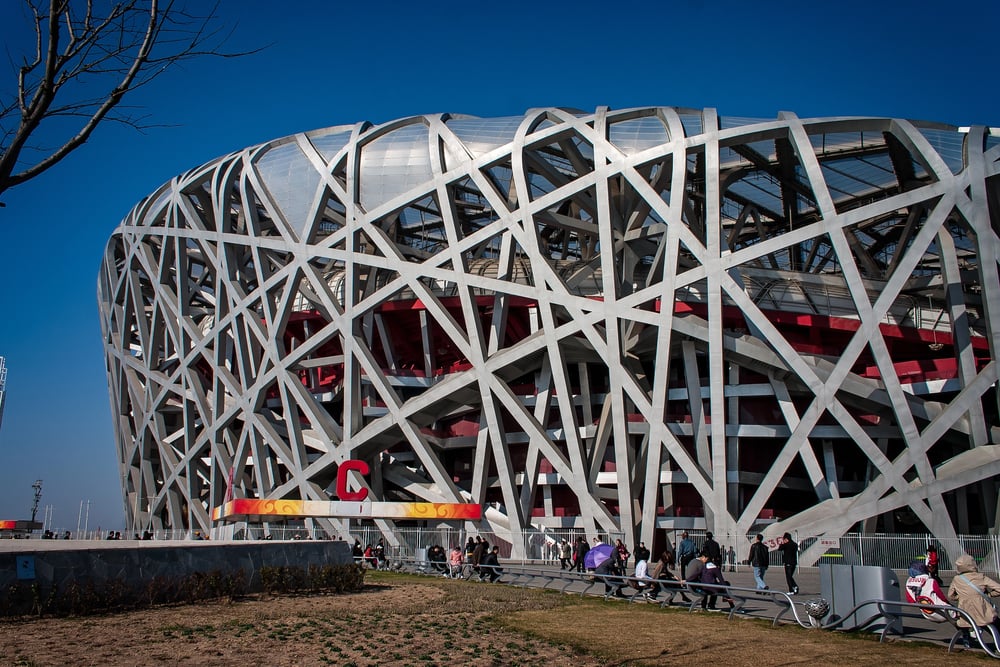
Built for the 2008 Beijing Olympics, the National Stadium—better known as the Bird’s Nest—used steel beams woven into an intricate lattice. It became a symbol not only of the Games but of modern China’s architectural ambition.
Still, the sheer size and maintenance costs proved challenging. A wonder, though one with a heavy bill.
Wembley Stadium

The old Wembley was iconic, but the rebuilt version, opened in 2007, introduced the massive arch that now defines London’s skyline. The arch spans 1,033 feet and supports much of the roof’s weight, eliminating the need for pillars that once blocked views.
For fans, the difference was clear—sightlines improved, atmosphere preserved.
Like Go2Tutors’s content? Follow us on MSN.
FNB Stadium

— Photo by Vividrange
South Africa’s FNB Stadium, nicknamed Soccer City, was redesigned for the 2010 FIFA World Cup. Inspired by traditional African pottery, its exterior glows with earthy tones by day and flickers like fire at night.
Inside, the bowl-like design ensured a wall of sound, amplifying the tournament’s unforgettable energy.
MetLife Stadium

In New Jersey, MetLife Stadium became the first in the U.S. built to house two NFL teams equally. Its exterior lighting can shift colours depending on whether the Giants or Jets are playing.
The design solved a tricky problem—how to give two teams the same home without either losing identity.
Tokyo Dome
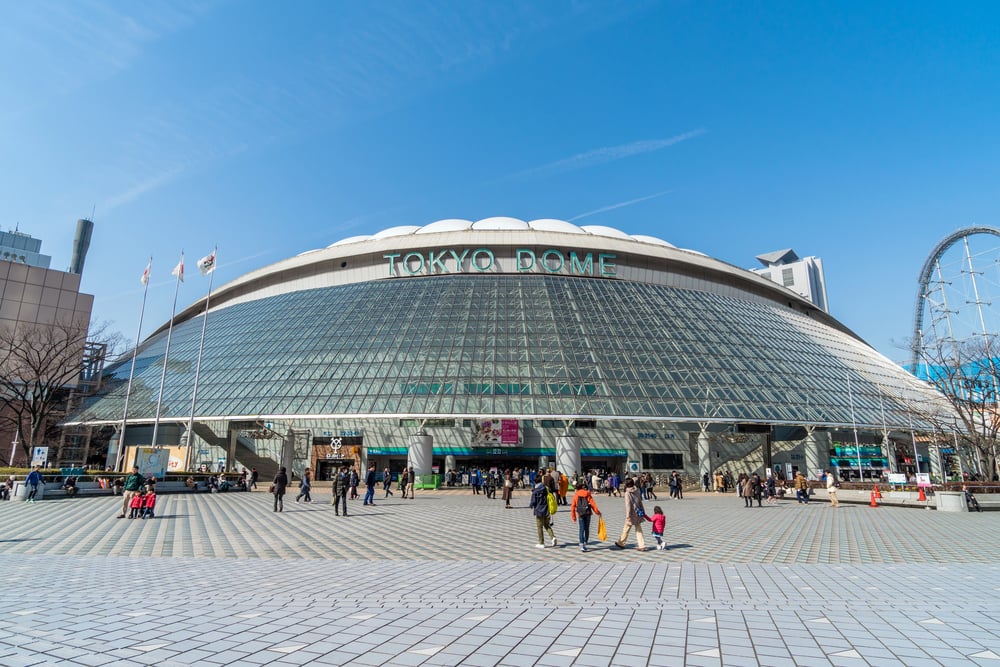
Japan’s Tokyo Dome, opened in 1988, pioneered the use of air-supported roofing. The giant white canopy is held up by internal air pressure, giving the stadium a bubble-like appearance.
The design keeps the venue light and airy, even while protecting fans from rain. The nickname “Big Egg” stuck, and it still feels futuristic today.
Like Go2Tutors’s content? Follow us on MSN.
AT&T Stadium

Opened in 2009, Dallas’s AT&T Stadium pushed the limits of size and technology. Its retractable roof covers a field big enough for football and concerts alike, while the giant centre-hung video board once held the title of the world’s largest.
For some fans, it was hard not to watch the screen instead of the action.
Maracanã

Rio de Janeiro’s Maracanã once held nearly 200,000 spectators, making it the largest stadium on Earth. The sweeping bowl design turned matches into communal spectacles, where sound rolled across the stands like waves.
Though renovations have reduced capacity, its history—including hosting two FIFA World Cup finals—remains unmatched.
Beyond the arena

Stadiums shape more than games. They frame how communities gather, how nations present themselves, and how fans remember moments of triumph or heartbreak.
Each revolutionary design carries more than steel and concrete—it carries identity.
More from Go2Tutors!

- 16 Historical Figures Who Were Nothing Like You Think
- 12 Things Sold in the 80s That Are Now Illegal
- 15 VHS Tapes That Could Be Worth Thousands
- 17 Historical “What Ifs” That Would Have Changed Everything
- 18 TV Shows That Vanished Without a Finale
Like Go2Tutors’s content? Follow us on MSN.