14 Books Banned in American Schools
School book bans have surged and receded in cycles throughout American history, often reflecting the anxieties of a given decade more than the content of the books themselves. The following titles have each faced formal removal from school libraries or curricula somewhere in the United States, frequently for very different reasons.
To Kill a Mockingbird by Harper Lee
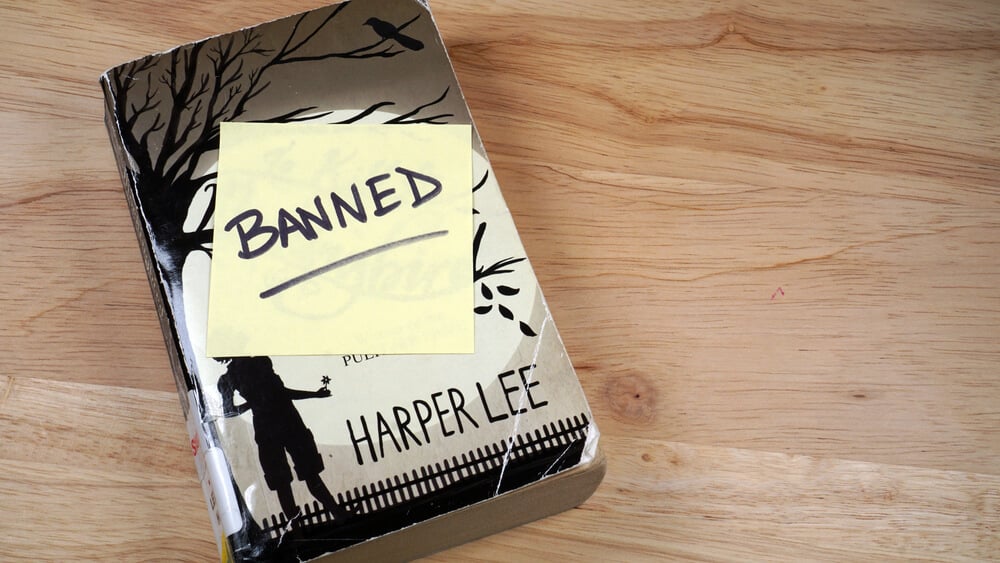
Harper Lee’s 1960 novel has faced repeated challenges since its publication, including a notable 1966 removal in Hanover County, Virginia, where a school board member called it “immoral literature,” and more recent challenges citing its use of racial slurs within the narrative. It remains one of the most frequently challenged classics in American public school history despite being a staple of English curricula nationwide.
The Adventures of Huckleberry Finn by Mark Twain
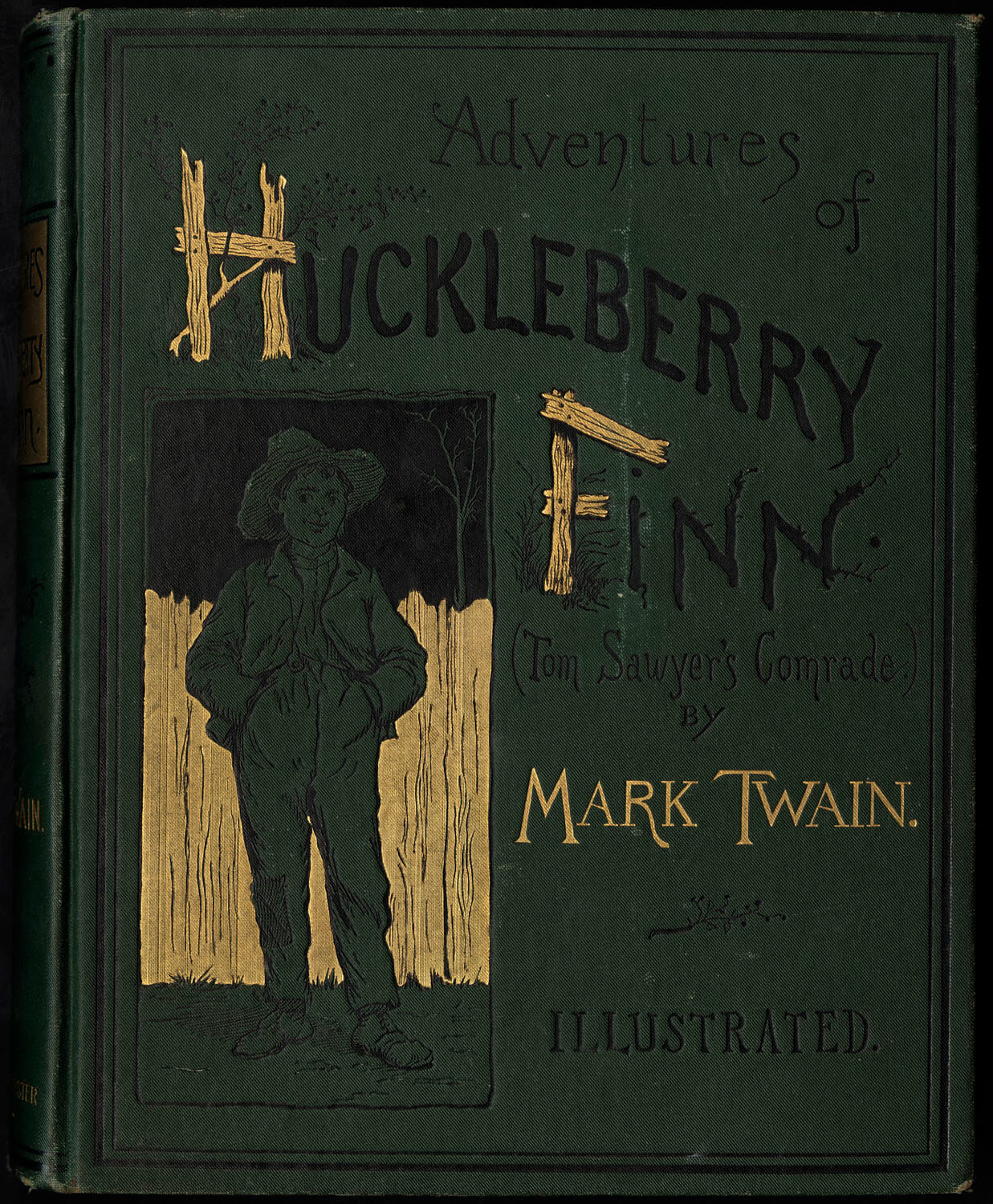
Twain’s 1884 novel was banned from the Concord, Massachusetts public library within a year of publication for being deemed unsuitable reading, and has faced ongoing challenges in the 20th and 21st centuries over its repeated use of racial slurs in dialogue. The novel’s satirical intent, aimed at exposing the racism of its antebellum setting, has not prevented it from remaining one of the most challenged books in American schools for over a century.
The Catcher in the Rye by J.D. Salinger
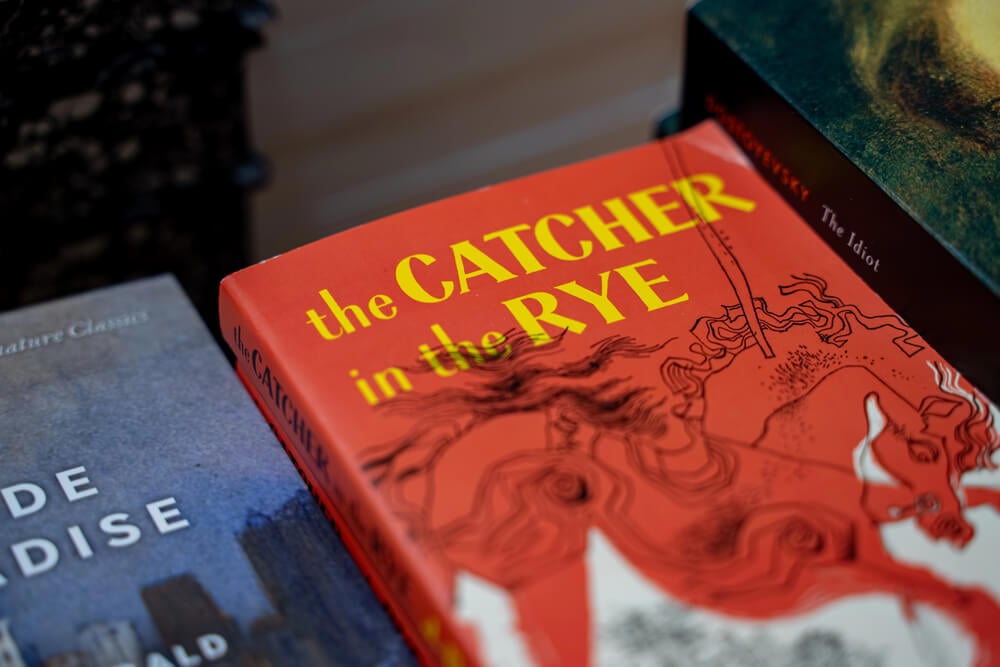
Salinger’s 1951 novel has been challenged in American schools since at least the 1960s over its profanity, mature content, and depiction of teenage rebellion, and was reportedly the most censored book in American high schools and libraries between 1961 and 1982 according to the American Library Association. Its narrator Holden Caulfield’s alienated voice has made it both a curriculum staple and one of the most consistently challenged novels in the country.
Slaughterhouse-Five by Kurt Vonnegut
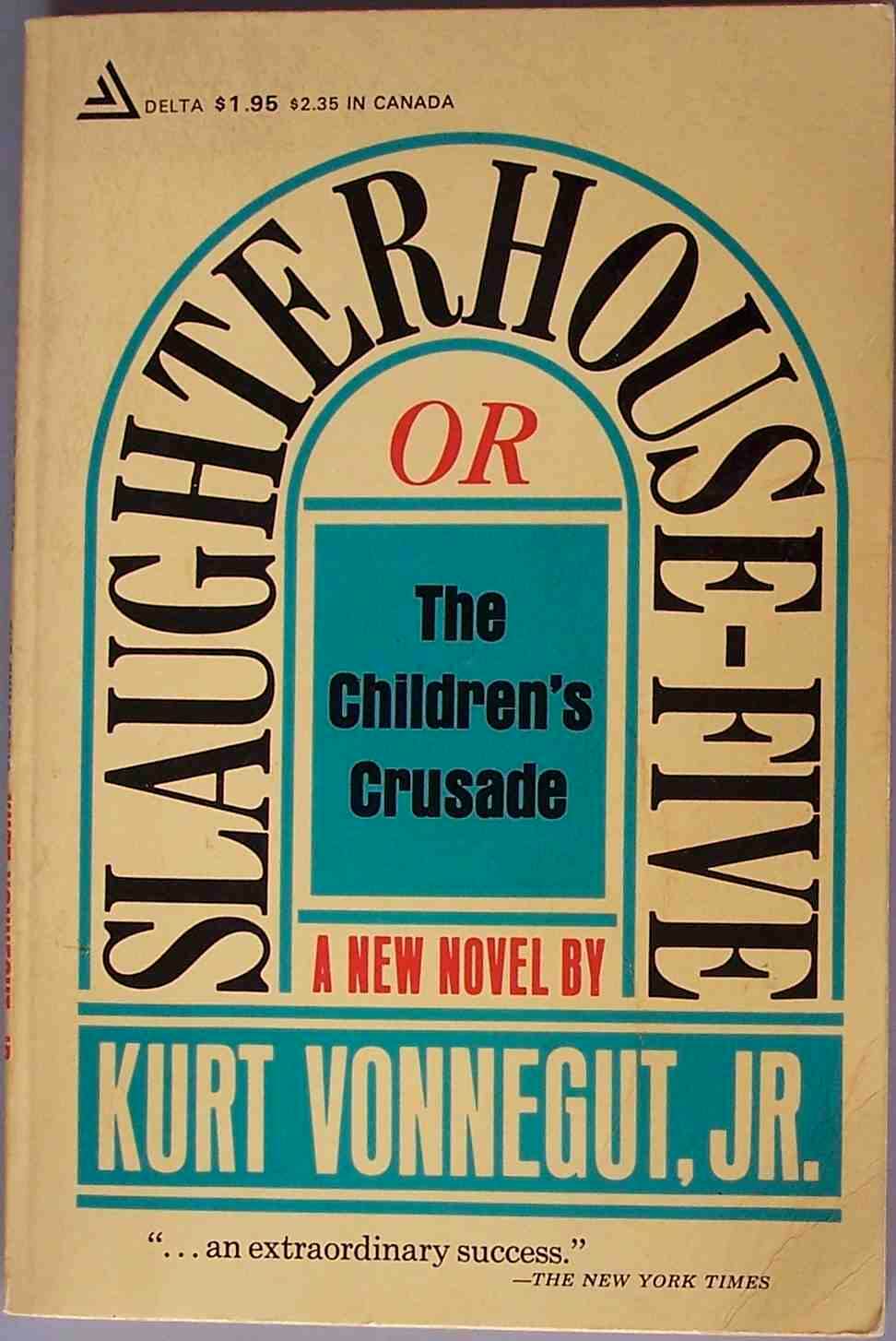
Vonnegut’s 1969 anti-war novel was famously burned in a furnace by a school custodian in Drake, North Dakota in 1973 after the school board banned it, an incident Vonnegut wrote about directly in a public letter to the board. The novel continues to face challenges over its language and its unflinching depiction of the World War II firebombing of Dresden.
The Bluest Eye by Toni Morrison
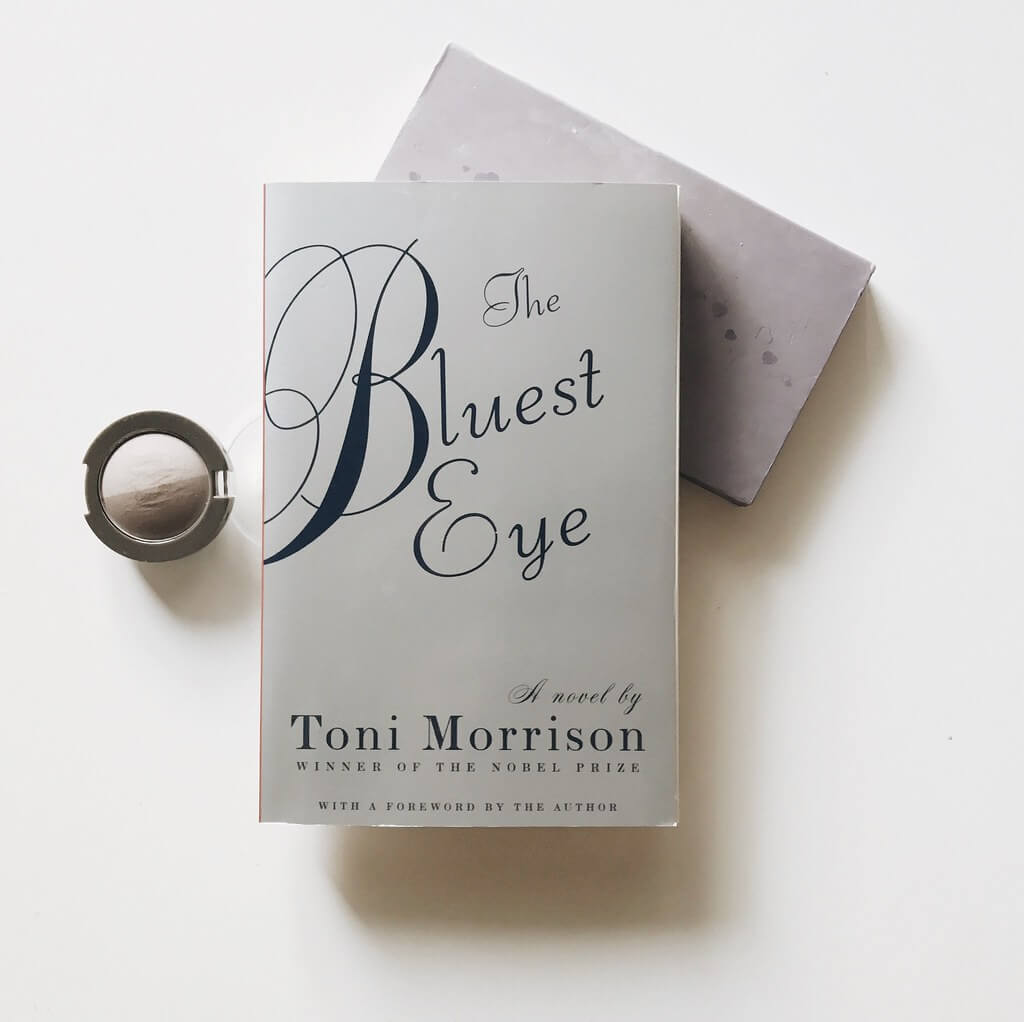
Morrison’s 1970 debut novel, which addresses childhood trauma and racism through the story of a young Black girl, has become one of the most frequently banned books in recent American school challenges, according to American Library Association tracking data. Morrison, who won the Nobel Prize in Literature in 1993, has had multiple works challenged in school districts across the country in the years following her death in 2019.
Fahrenheit 451 by Ray Bradbury
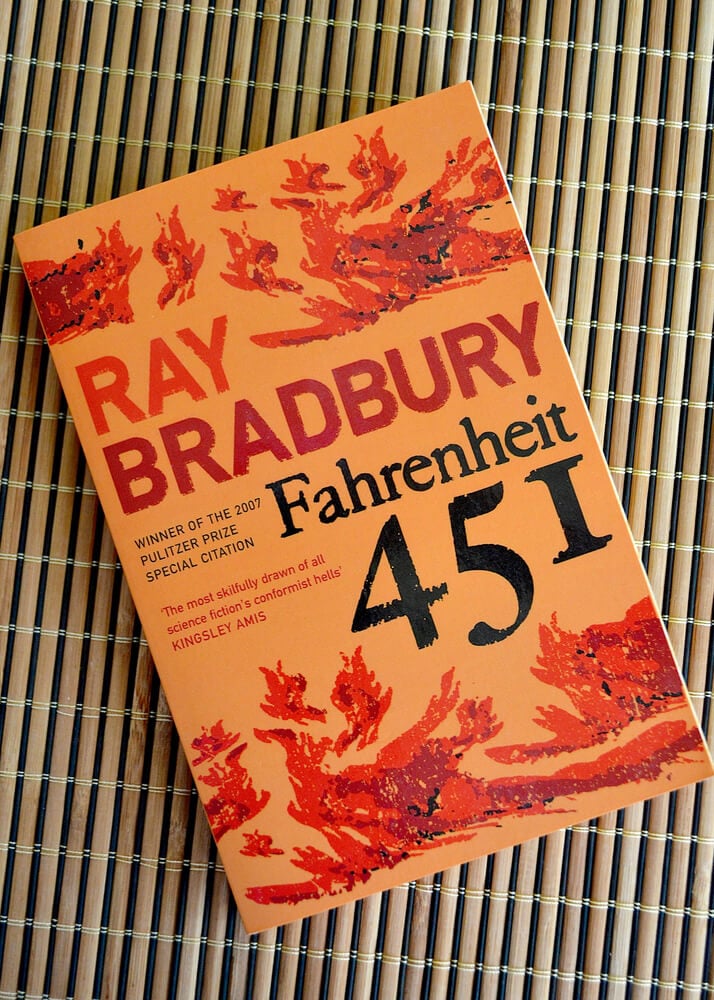
Bradbury’s 1953 novel about a future society that burns books has faced the ironic distinction of being censored itself, including a 1967 Ballantine Books edition that quietly removed profanity and specific passages without informing Bradbury, who discovered the changes years later. The novel remains widely taught while simultaneously appearing on numerous school challenge lists over its themes and language.
Beloved by Toni Morrison
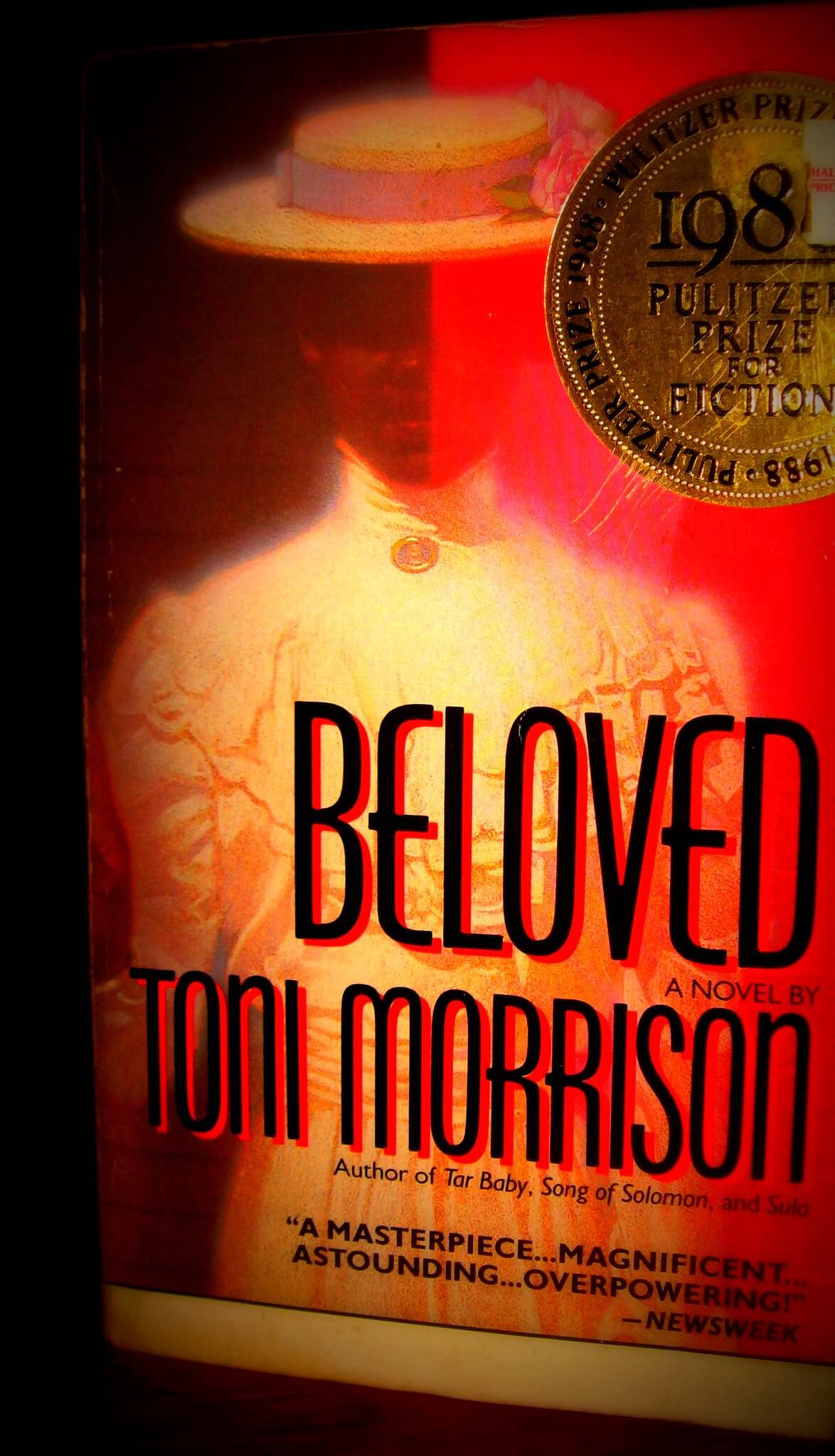
Morrison’s 1987 Pulitzer Prize-winning novel, based on the true story of Margaret Garner, an enslaved woman who killed her own child rather than see her returned to slavery, has faced school board challenges over its graphic depictions of slavery’s violence and its mature content. The novel became a flashpoint in Virginia’s 2021 gubernatorial election after a parent’s objection to it was featured in a campaign advertisement.
The Diary of a Young Girl by Anne Frank
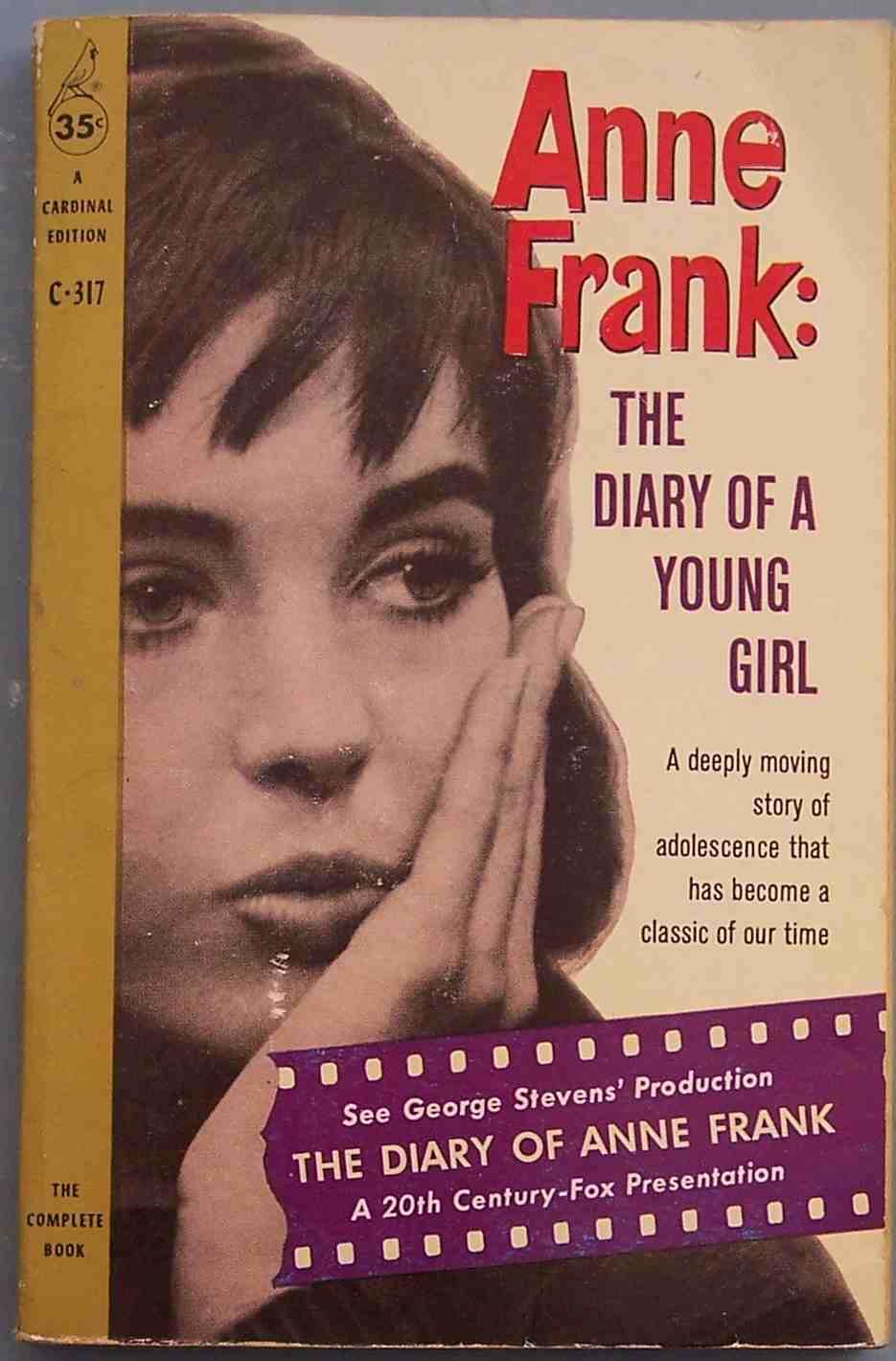
Anne Frank’s diary, first published in 1947 and documenting her family’s two years hiding from Nazi persecution in Amsterdam before her death in a concentration camp in 1945, has faced challenges in some American school districts over passages describing her emerging awareness of her own body during adolescence. A 2010 Virginia school district specifically challenged an unabridged edition restoring passages the original 1947 publication had omitted.
Of Mice and Men by John Steinbeck

Steinbeck’s 1937 novella has consistently appeared on American Library Association banned and challenged book lists for decades, cited for profanity, racial slurs reflecting its 1930s setting, and its portrayal of violence. Despite the challenges, it remains widely assigned in American high school English classes as a core text on the Great Depression era.
The Handmaid’s Tale by Margaret Atwood
Atwood’s 1985 dystopian novel has faced school challenges over its mature content and themes of religious extremism, with some districts specifically objecting to its portrayal of a theocratic government controlling women’s reproductive rights. The novel’s challenges have notably increased since its 2017 television adaptation brought renewed cultural attention to the source material.
Maus by Art Spiegelman
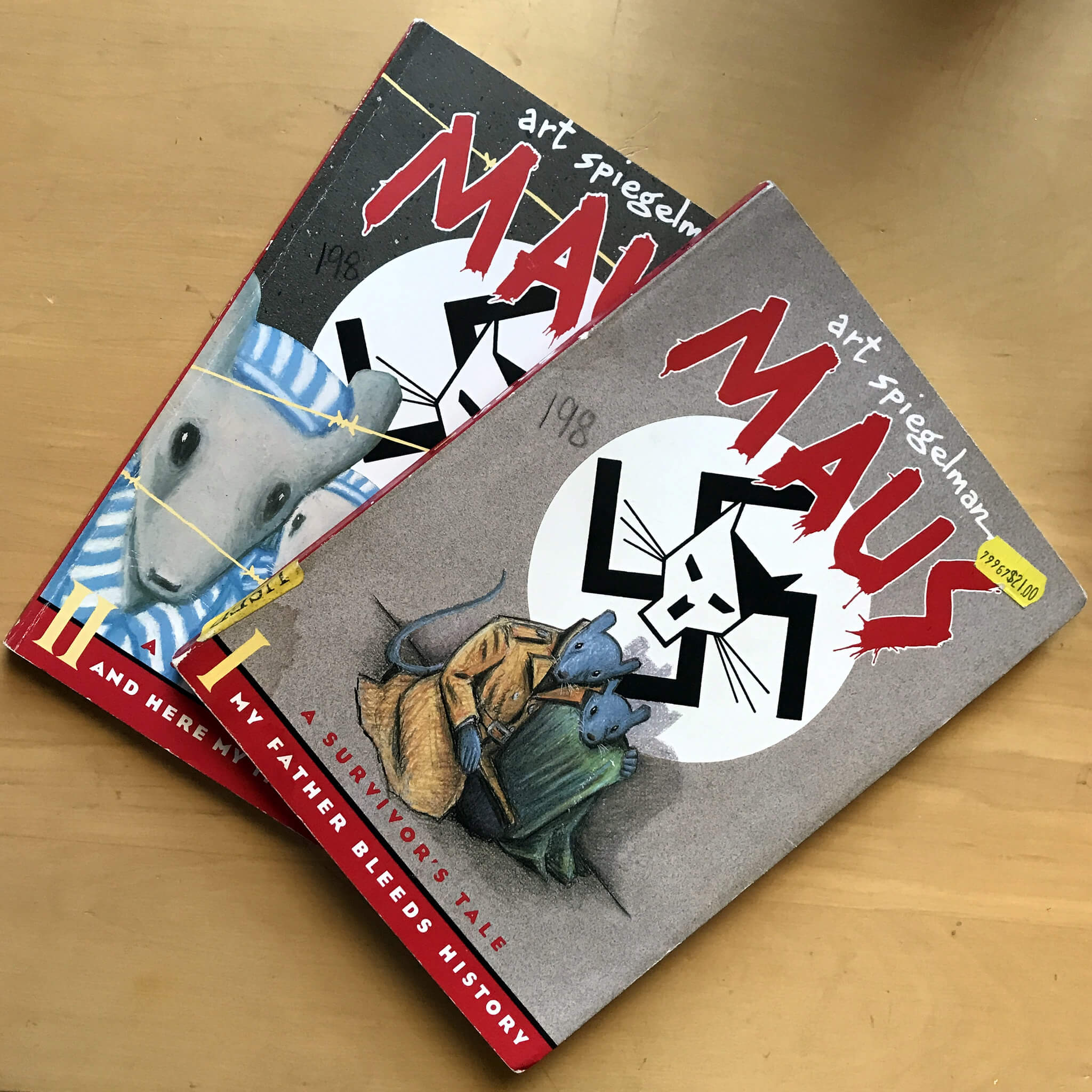
Spiegelman’s Pulitzer Prize-winning graphic novel about his father’s experience surviving the Holocaust, published in two volumes in 1986 and 1991, was removed from an eighth-grade curriculum by Tennessee’s McMinn County School Board in January 2022, citing profanity and imagery from the book. The removal drew significant national media attention and reportedly boosted the book’s sales considerably in the weeks that followed.
Gender Queer by Maia Kobabe
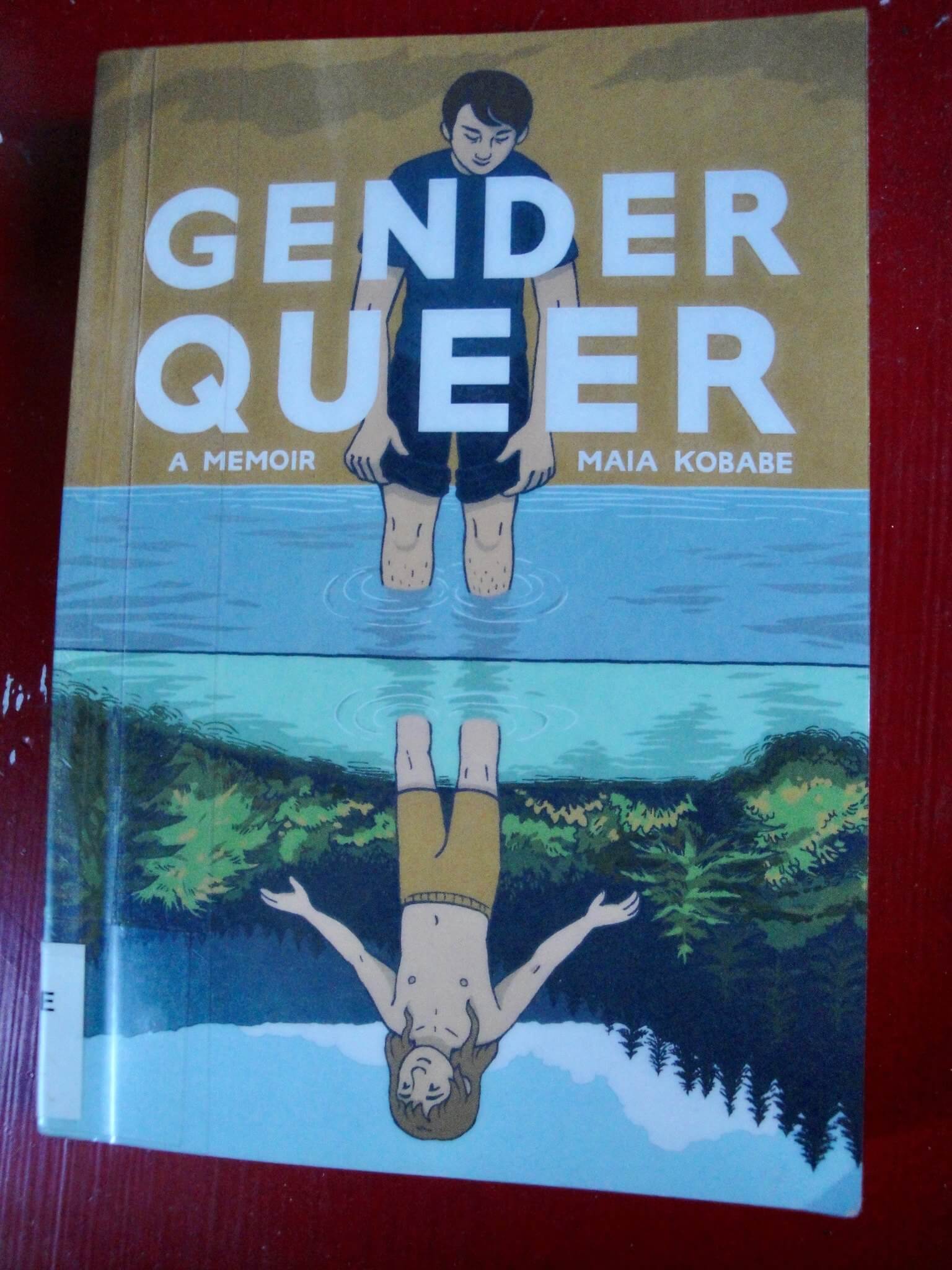
Kobabe’s 2019 graphic memoir about the author’s own gender identity has become one of the most challenged books in American school libraries in the years since its publication, according to American Library Association data tracking challenges since 2021. It has faced removal efforts in school districts across dozens of states, frequently cited by challengers specifically for its illustrated content.
Speak by Laurie Halse Anderson
Anderson’s 1999 young adult novel, which addresses a teenage assault survivor’s experience, has faced school challenges since its publication, including a notable 2010 op-ed from a Missouri state representative comparing the book to pornography. Anderson has spoken publicly about receiving letters from student survivors who credit the novel with helping them come forward about their own experiences.
Persepolis by Marjane Satrapi
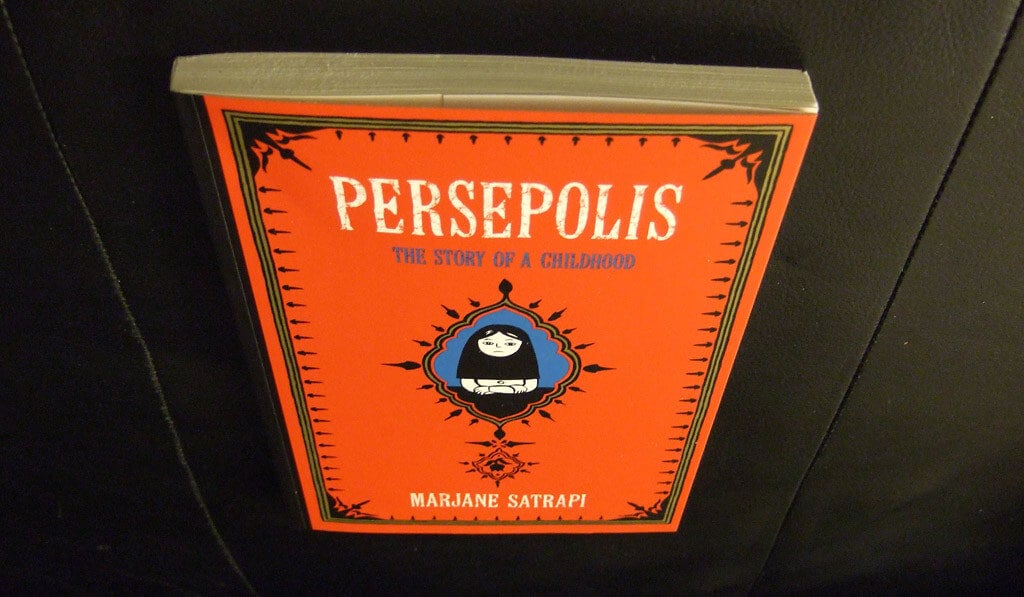
Satrapi’s 2000 graphic memoir about growing up during the Iranian Revolution was removed from Chicago Public Schools’ seventh-grade curriculum in 2013 after district officials cited a graphic scene depicting violence, a decision the district later partially reversed following public backlash from students and free speech advocates. The book remains a fixture of world literature and graphic novel curricula elsewhere in the country.
The Pattern Behind the Objections
Book bans rarely target obscure titles; they overwhelmingly target books that succeeded precisely because they addressed something uncomfortable directly, whether that discomfort involves race, trauma, violence, or institutional failure. The challenge itself often becomes part of the book’s cultural footprint, occasionally increasing its readership rather than suppressing it.
What connects these fourteen books across nearly a century of challenges is not a shared political position but a shared refusal to look away from difficult material. Every generation seems to relitigate which discomforts belong in a classroom, and the same titles keep resurfacing on both sides of that argument, banned in one decade and required reading in the next.
More from Go2Tutors!

- The Romanov Crown Jewels and Their Tragic Fate
- 13 Historical Mysteries That Science Still Can’t Solve
- Famous Hoaxes That Fooled the World for Years
- 15 Child Stars with Tragic Adult Lives
- 16 Famous Jewelry Pieces in History
Like Go2Tutors’s content? Follow us on MSN.



