Most Memorable Olympic Opening Ceremonies Ranked
The Olympic opening ceremony is more than just the start of a sporting event. It’s a massive stage where nations show off their culture, creativity, and vision to billions of viewers worldwide.
Some ceremonies fade into the background, but others stick with people for decades because they delivered something truly special. Let’s walk through the opening ceremonies that left the strongest mark on Olympic history.
Beijing 2008
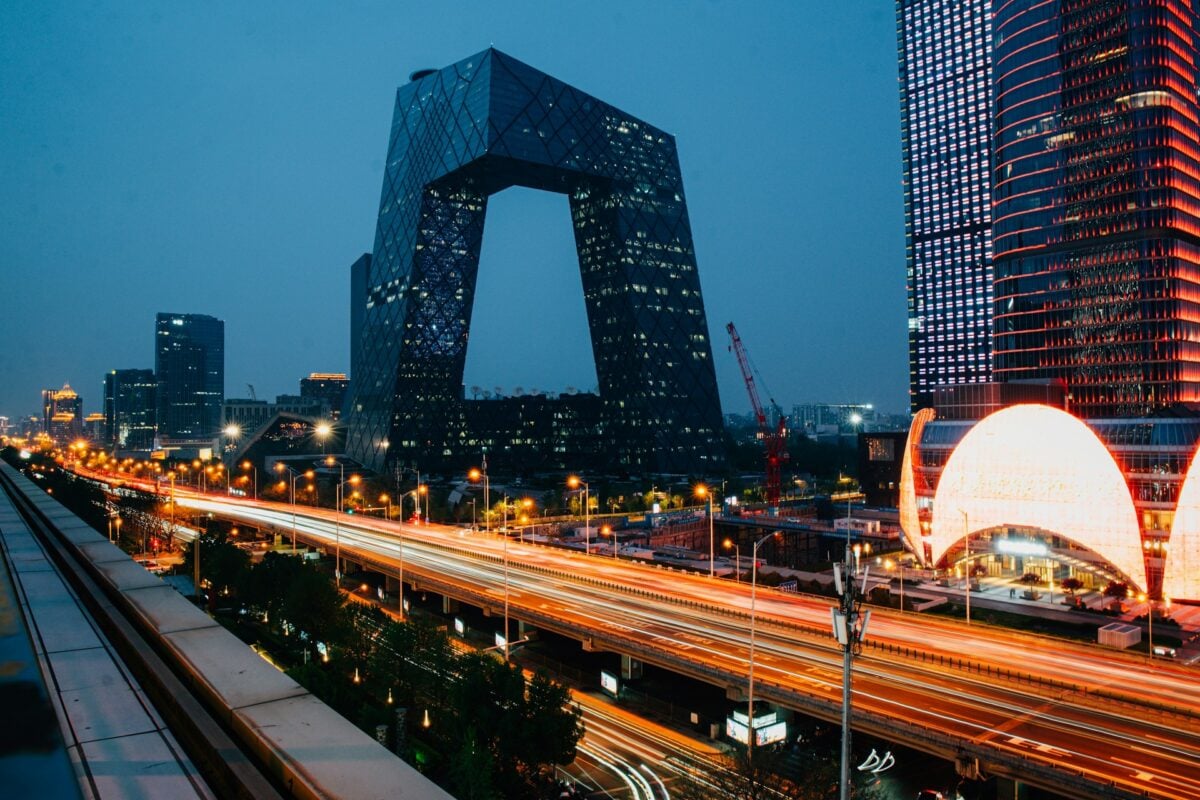
China pulled out all the stops for this one. The ceremony featured over 15,000 performers moving in perfect sync, creating images and patterns that seemed almost impossible to coordinate.
Director Zhang Yimou orchestrated a display that included 2,008 drummers beating in unison, massive LED screens forming the floor of the stadium, and acrobats defying gravity. The precision was stunning, with every performer hitting their mark exactly on time.
When the stadium lit up with fireworks that spelled out footprints marching toward the venue, viewers around the world realized they were watching something that set a new standard. The ceremony cost around $100 million and showed what happens when a country treats the Olympics as a chance to announce itself on the global stage.
London 2012
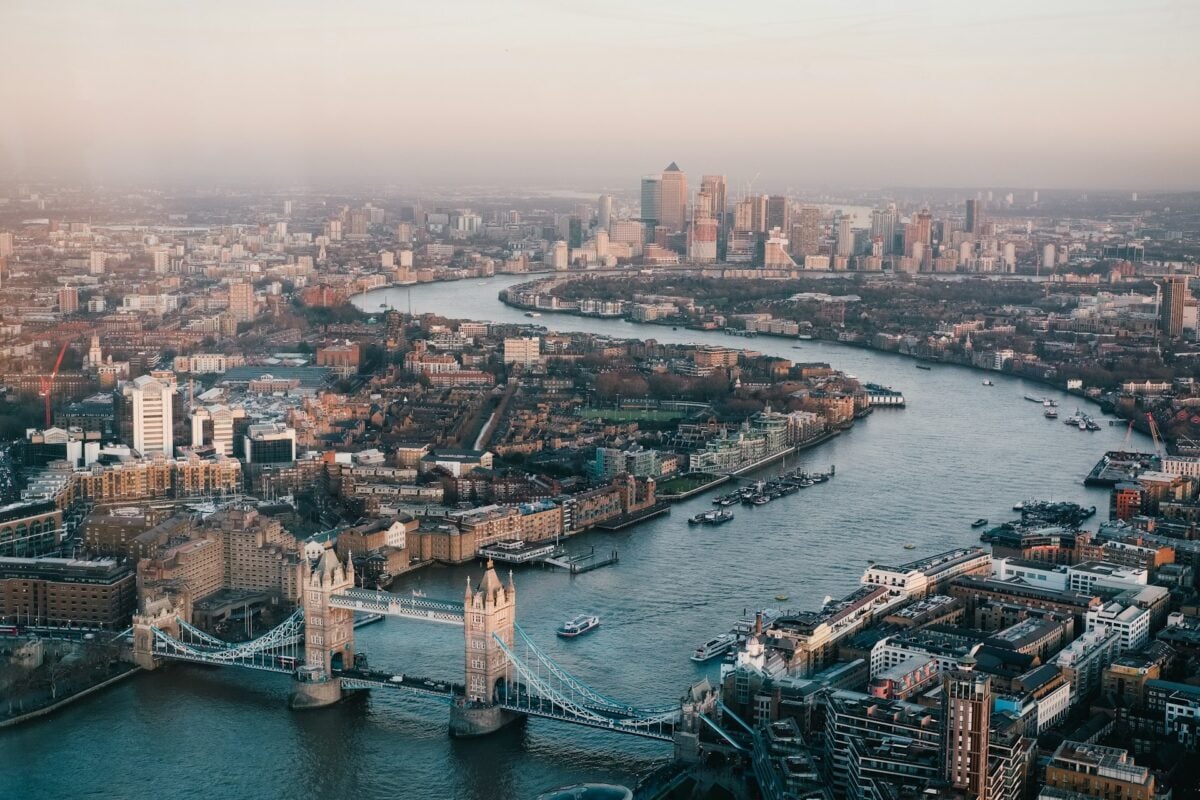
Britain decided to throw a party that celebrated its quirky side instead of trying to intimidate anyone. The ceremony opened with green countryside, complete with real farm animals and cricket players, then transformed into a tribute to the Industrial Revolution with chimneys rising from the ground.
Director Danny Boyle packed in references to the National Health Service, children’s literature, and British pop culture. The Queen appeared in a James Bond sketch that ended with a stunt double parachuting into the stadium.
Mr. Bean showed up. The whole thing felt like Britain was comfortable enough to laugh at itself while still showing pride in its contributions to the world.
It proved that an opening ceremony could be spectacular without being serious.
Like Go2Tutors’s content? Follow us on MSN.
Barcelona 1992
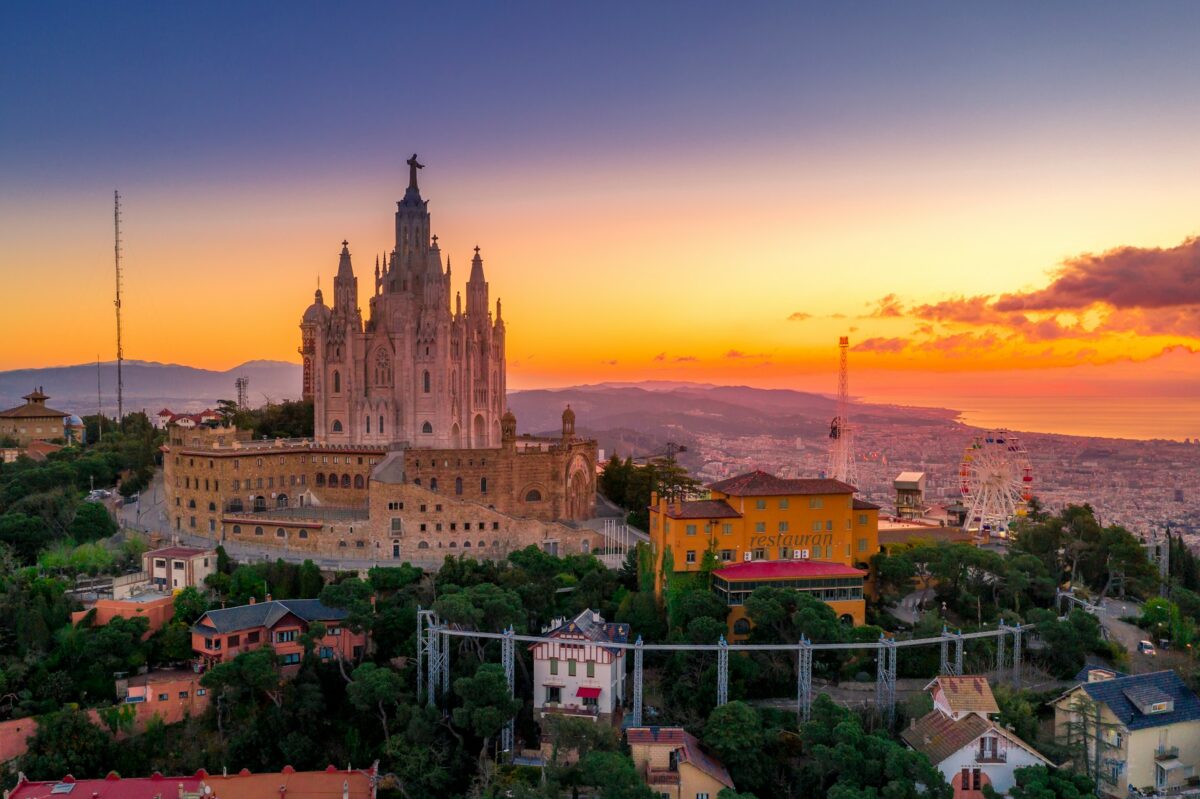
Spain brought the Olympics back to Europe with a ceremony that focused on Mediterranean beauty and artistic vision. The most talked-about moment came at the very end when Paralympic archer Antonio Rebollo shot a flaming arrow high into the night sky to light the Olympic cauldron.
The arrow arced perfectly through the darkness and appeared to land right in the center of the cauldron, igniting it in a burst of flame. The stadium held its breath during that shot.
The rest of the ceremony featured dancers representing Spain’s regional cultures, massive puppet figures, and opera performances that turned the stadium into an outdoor theater. Barcelona showed that elegance and emotion could create memories just as strong as overwhelming spectacle.
Sydney 2000
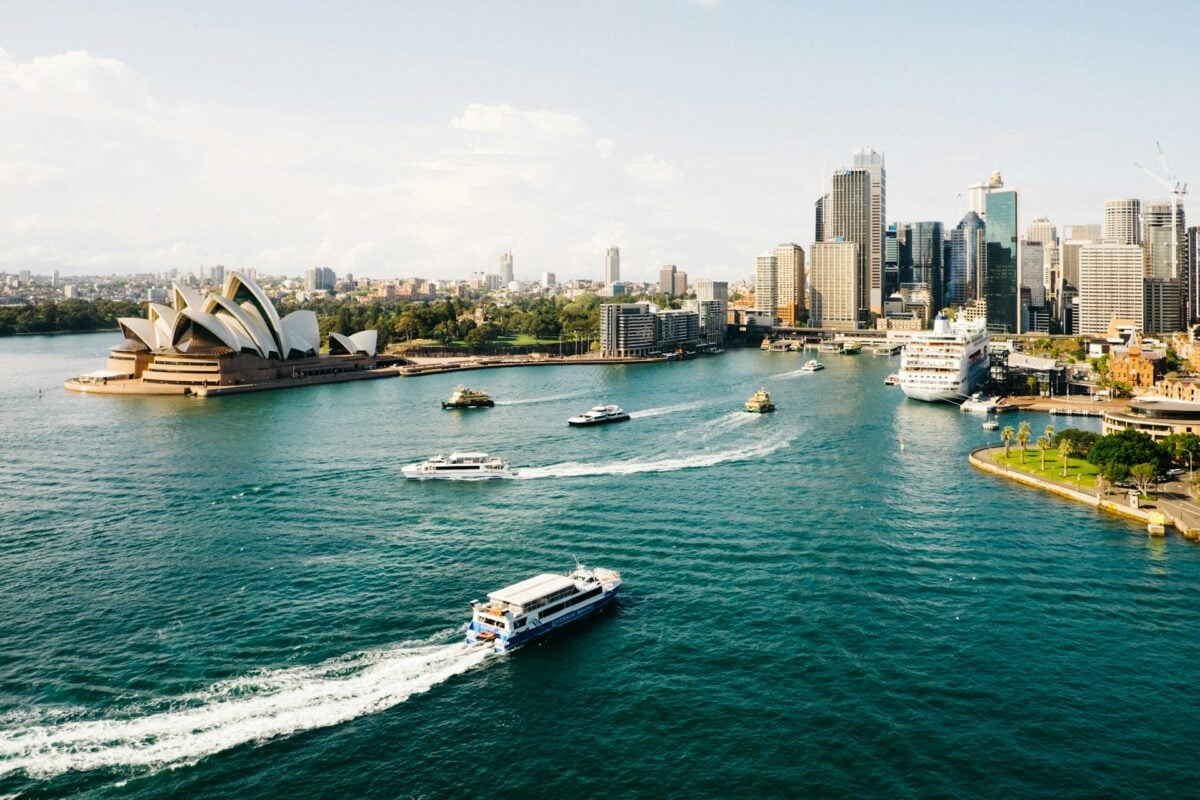
Australia welcomed the new millennium with a ceremony that mixed natural beauty with celebration. The show opened with a young girl dreaming about Australia’s landscape, then moved through the country’s relationship with water, fire, and the land itself.
Indigenous performers played a central role, with their traditions and stories woven throughout the ceremony. Cathy Freeman, an Indigenous Australian runner, was chosen to light the Olympic flame in a moment that carried deep meaning for the country’s ongoing conversations about reconciliation.
The ceremony also featured a giant flaming ring that malfunctioned slightly when the cauldron got stuck rising out of the water, but the moment added a human touch to the evening. Sydney balanced respect for ancient cultures with a forward-looking energy.
Athens 2004
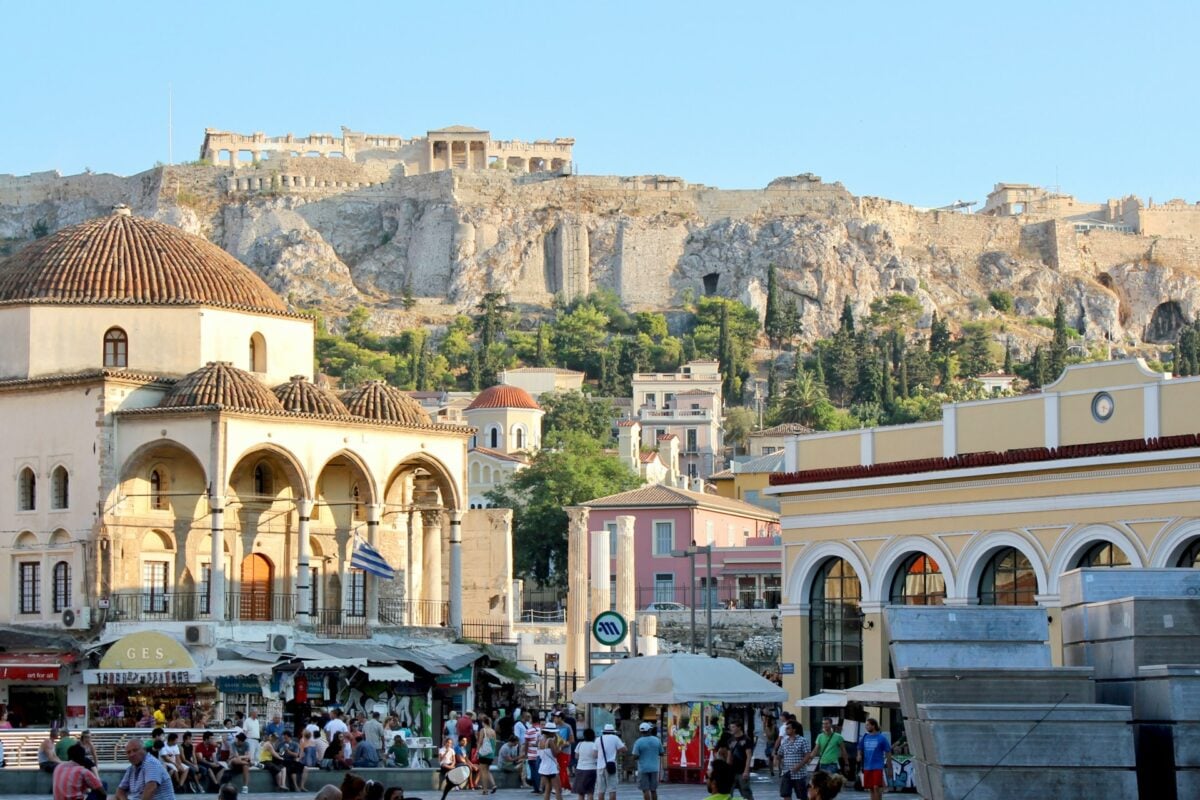
Bringing the Olympics back to where they started meant Greece had to connect ancient history with modern celebration. The ceremony took place in the stadium where the first modern Olympics happened in 1896, adding layers of meaning to every moment.
Giant sculptures represented different periods of Greek civilization, and the performance traced the journey from ancient Olympic athletes to today’s competitors. A drummer boy led athletes across a pool of water that covered part of the stadium floor.
The lighting of the cauldron involved the flame traveling up a tilted tower that represented a bow being drawn. Greece approached the ceremony with reverence for tradition while still creating visual moments that felt new and surprising.
Like Go2Tutors’s content? Follow us on MSN.
Atlanta 1996
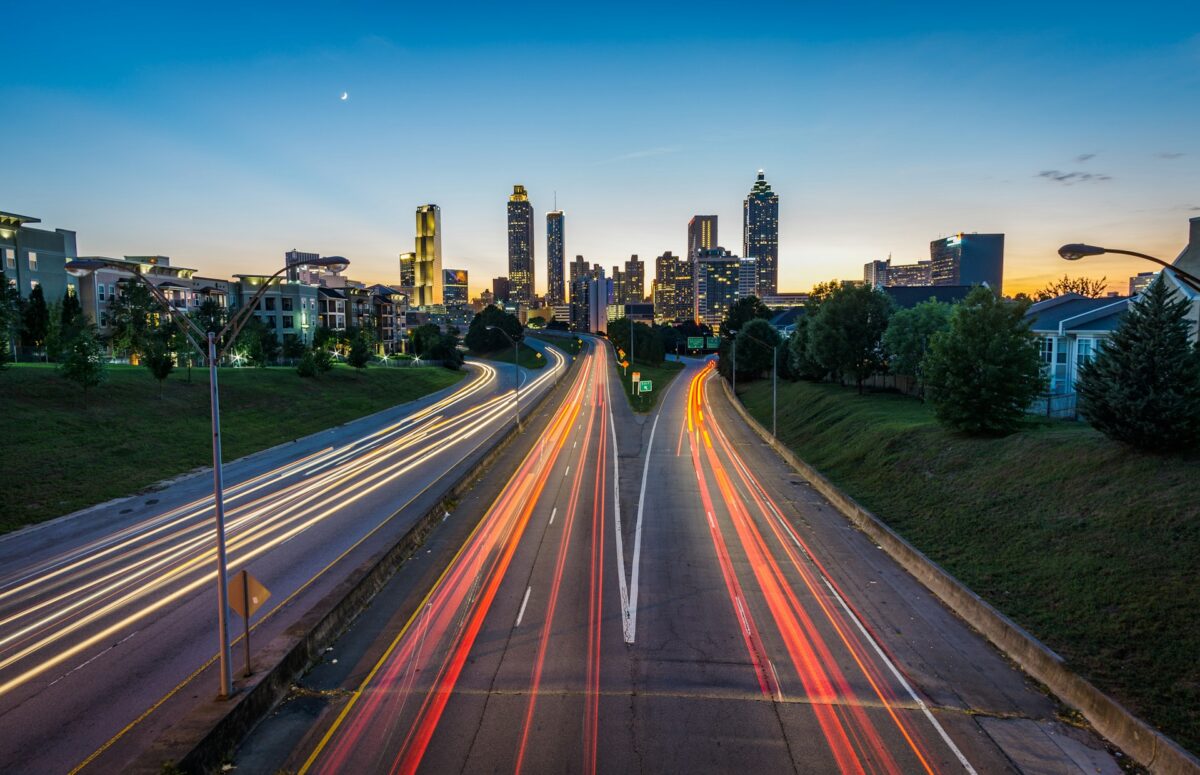
The centennial Olympics celebrated 100 years of the modern games with a ceremony full of Southern American style. Muhammad Ali appeared at the end to light the Olympic flame, his hands shaking from Parkinson’s disease as he held the torch.
That moment overshadowed almost everything else in the ceremony because it showed courage and vulnerability on the biggest stage. The rest of the event featured thousands of performers creating kaleidoscope patterns on the field, a tribute to civil rights, and plenty of references to Atlanta’s role as a cultural center of the American South.
The ceremony had some rough technical moments and tried to pack in too many ideas, but Ali’s appearance gave it a lasting emotional weight that covered over the messy parts.
Rio 2016
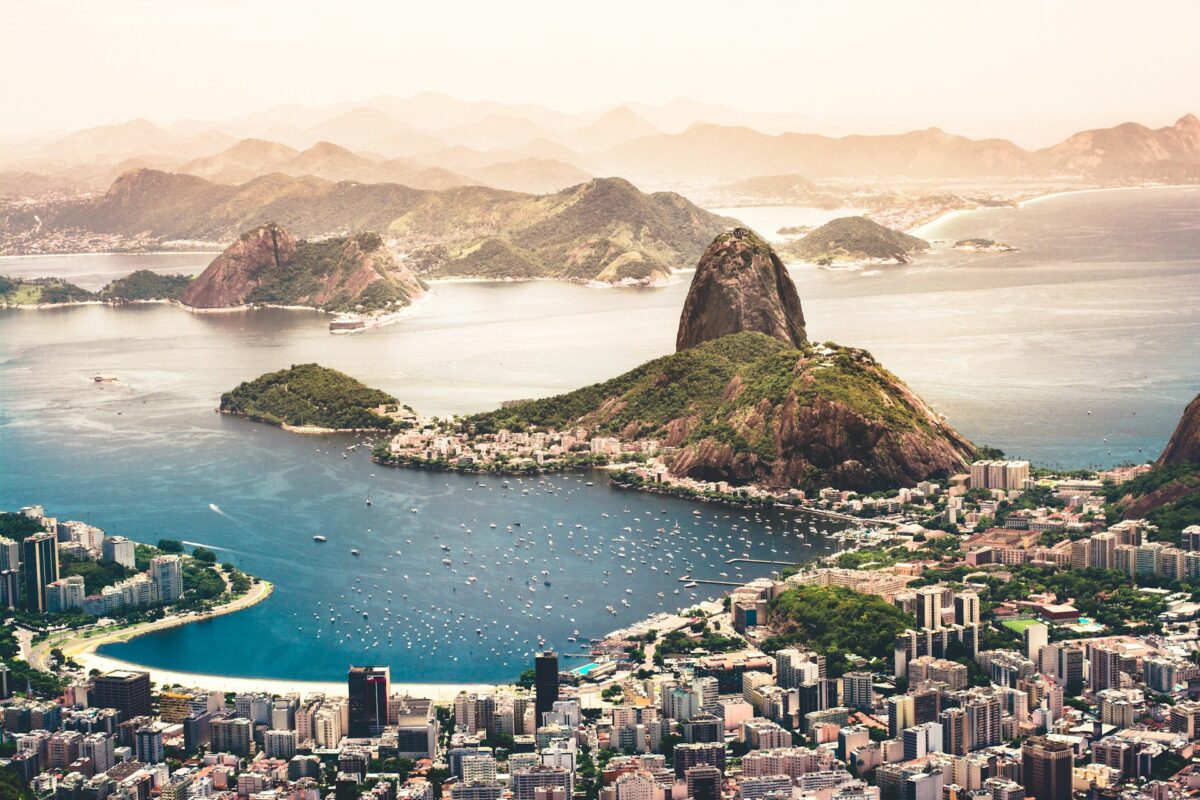
Brazil brought South American energy to the ceremony while also including urgent messages about the environment. The show featured supermodel Gisele Bundchen walking across the stadium floor as “The Girl from Ipanema” played, models representing different Brazilian communities walking in a celebration of diversity, and a segment showing how rising sea levels threatened the planet.
The environmental section felt bold because most ceremonies avoid potentially divisive topics. Projections turned the stadium floor into a living canvas showing forests, cities, and abstract patterns.
The ceremony also acknowledged budget cuts from Brazil’s economic struggles, which meant fewer performers and simpler effects than originally planned. Despite the limitations, Rio created a ceremony that felt warm and relevant to current global conversations.
Los Angeles 1984
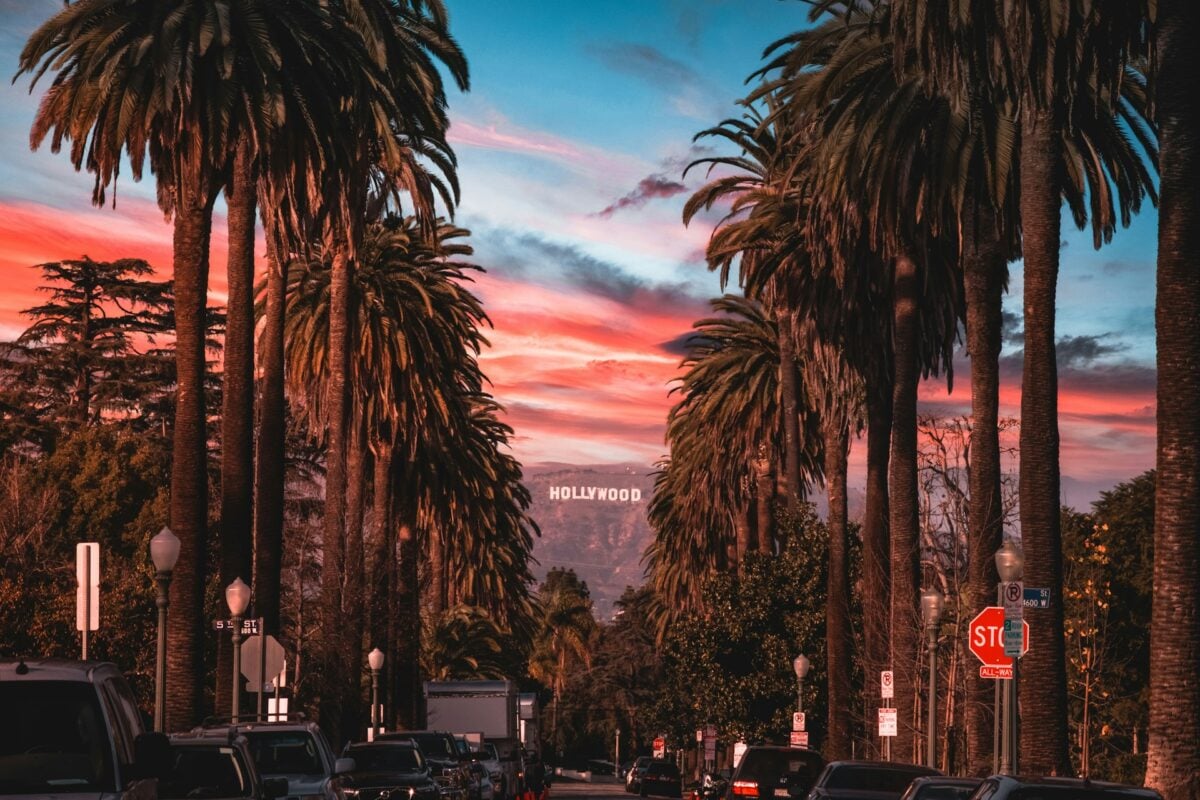
The 1984 ceremony changed how the Olympics handled spectacle by bringing in Hollywood production techniques. The opening featured 84 grand pianos played simultaneously, jetpack man flying into the stadium, and thousands of performers creating a living American flag.
Everything was choreographed with the kind of precision usually saved for major entertainment productions rather than sporting events. Director David Wolper approached the ceremony like a television show designed for maximum visual impact on screens around the world.
The ceremony set a template that future hosts would follow by focusing on moments that would photograph and film well. It also started the trend toward bigger budgets and more elaborate productions that define opening ceremonies today.
Like Go2Tutors’s content? Follow us on MSN.
Tokyo 2021
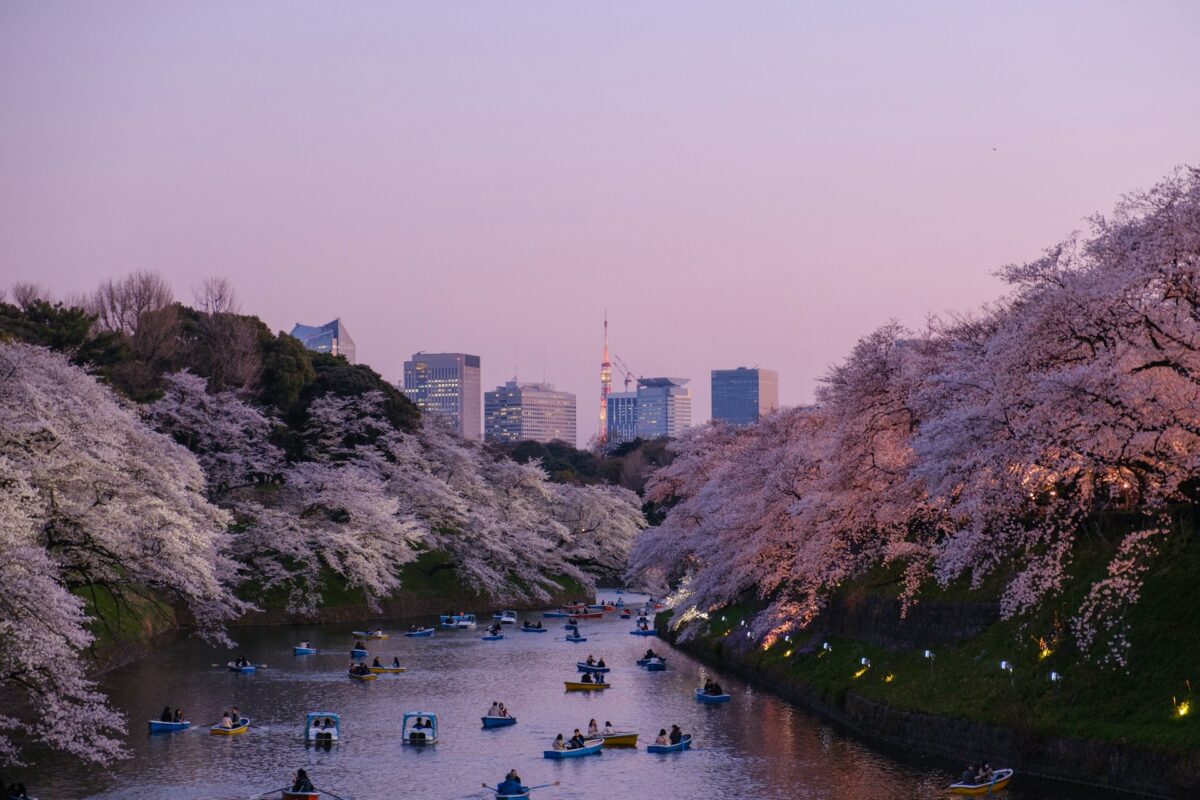
Japan’s ceremony happened in the strange circumstances of a pandemic-delayed Olympics with no crowds in the stadium. The show featured drones forming the Olympic logo over the stadium, a tribute to healthcare workers fighting the pandemic, and performances that connected traditional Japanese arts to modern technology.
Pianist Hiromi Uehara played original compositions, and athletes walked into an empty stadium that should have been roaring with applause. The ceremony’s most powerful aspect was what it represented rather than what it showed.
Holding the Olympics at all during a global health crisis was controversial, and the ceremony had to acknowledge that tension. The emptiness in the stadium created an eerie atmosphere that will forever link these games to that unique moment in history.
Seoul 1988
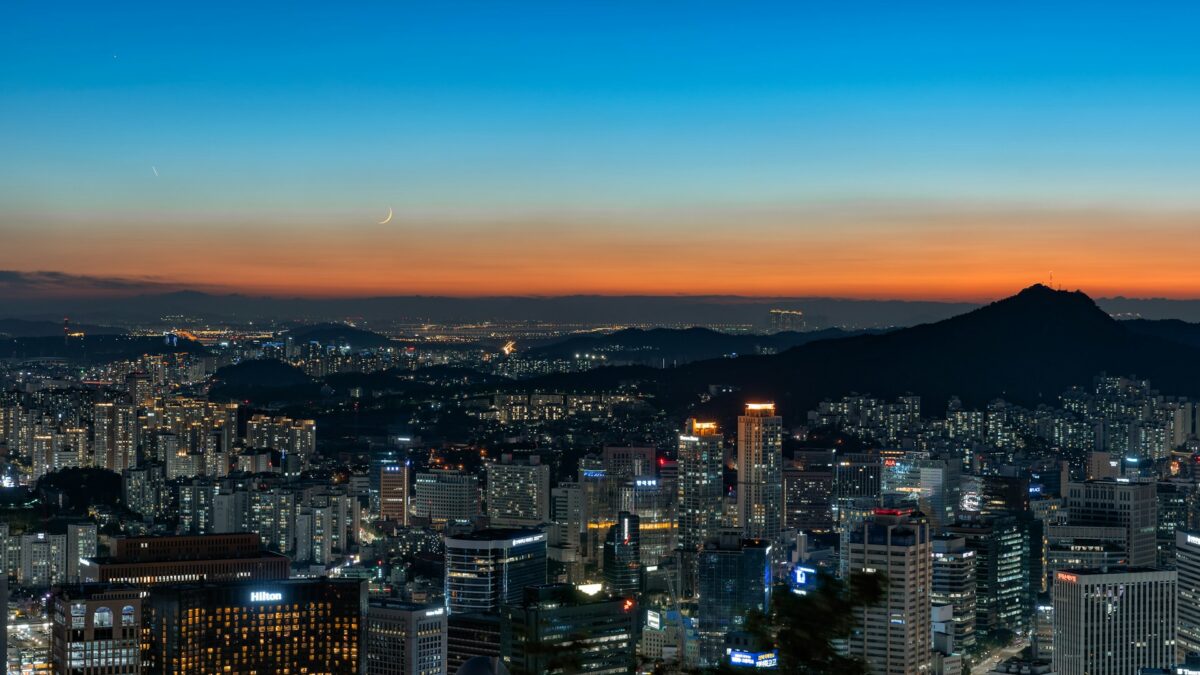
South Korea introduced itself to much of the world with a ceremony that mixed Korean tradition with messages of peace. The show included thousands of taekwondo practitioners demonstrating the martial art, traditional Korean drums creating thunderous rhythms, and parachutists landing in the stadium.
One of the most memorable images was 76 inflatable white figures representing peace and bouncing across the stadium floor while performers in colorful costumes danced around them. The ceremony came at a time when South Korea was rapidly developing economically and wanted to show it belonged among developed nations.
The Games also carried political weight because North Korea boycotted the event, and Cold War tensions still ran high. Seoul used the ceremony to present a modern, peaceful image to balance against those conflicts.
Moscow 1980
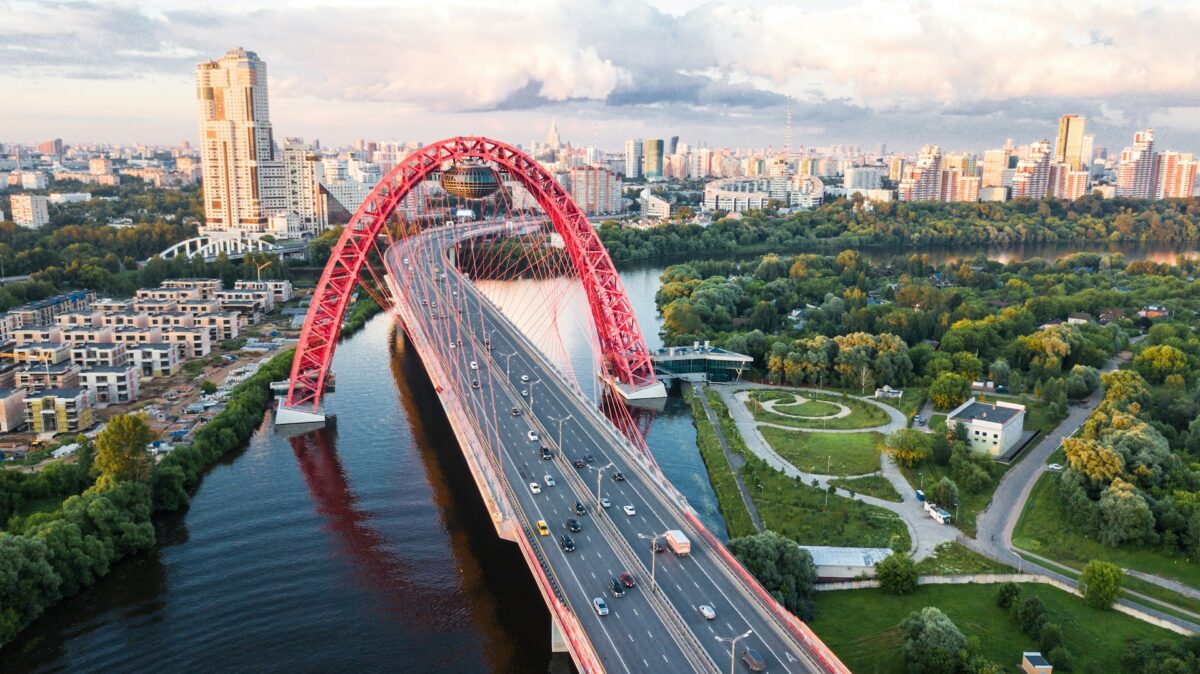
The Soviet Union’s ceremony took place under the shadow of a Western boycott protesting the Soviet invasion of Afghanistan. Misha the bear became the mascot that people remember most, appearing throughout the ceremony and then floating away on balloons during the closing ceremony in an image that brought tears to many viewers.
The opening featured perfectly synchronized Soviet-style mass performances with thousands of athletes and dancers creating geometric patterns. Everything emphasized collective achievement over individual stars.
Western coverage of the ceremony was limited because of the boycott, which meant fewer people saw it than attended other Olympics, but the visual approach influenced how other countries thought about coordinating large groups of performers. The ceremony represented Soviet power and organization at a moment when that power was starting to crack.
Like Go2Tutors’s content? Follow us on MSN.
Nagano 1998
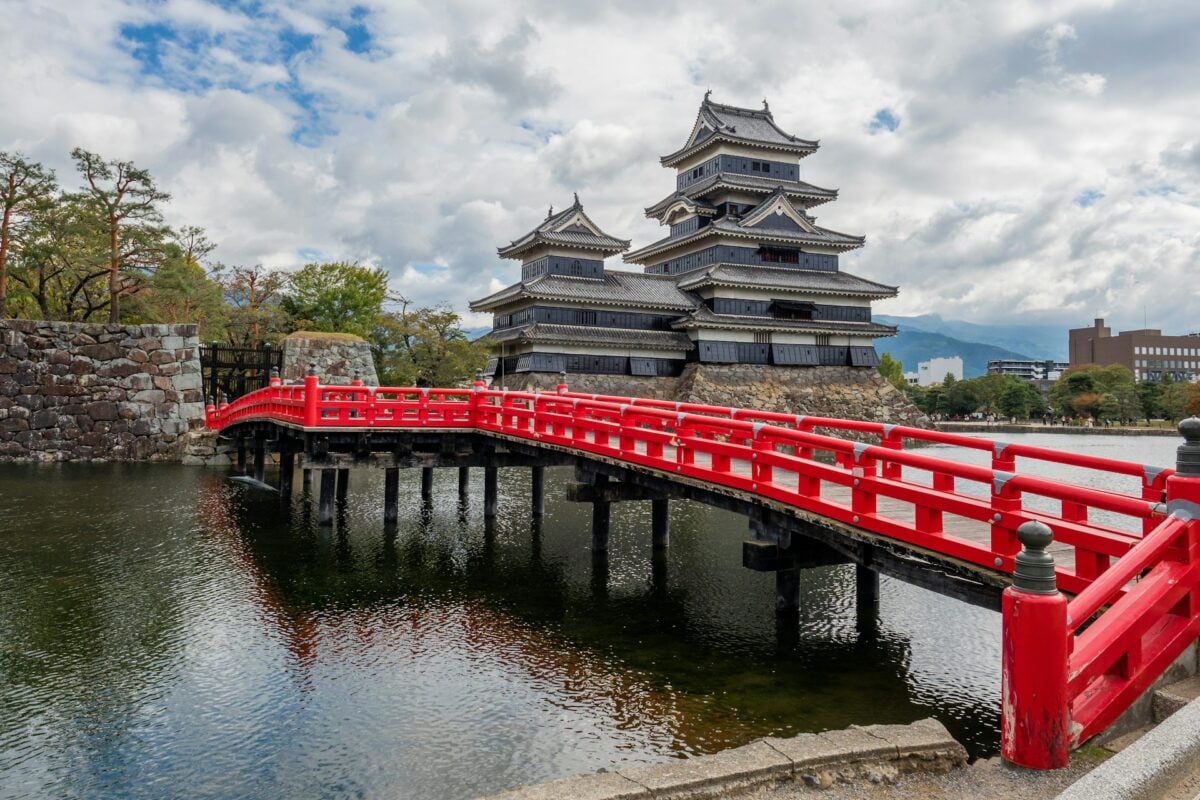
The Winter Olympics in Japan featured a ceremony that emphasized harmony between humans and nature. Sumo wrestlers performed a ring blessing ceremony, traditional Japanese drummers provided the soundtrack, and Seiji Ozawa conducted Beethoven’s “Ode to Joy” with performers connected via satellite from five continents.
The ceremony used projections and lighting to transform the stadium into different environments representing Japanese seasons and landscapes. When the Olympic flame arrived, eight previous Olympic athletes from different countries carried it together, emphasizing international cooperation.
Nagano presented a quieter, more contemplative vision than the increasingly spectacular summer games were delivering, which fit the winter setting and Japanese aesthetic preferences.
Munich 1972
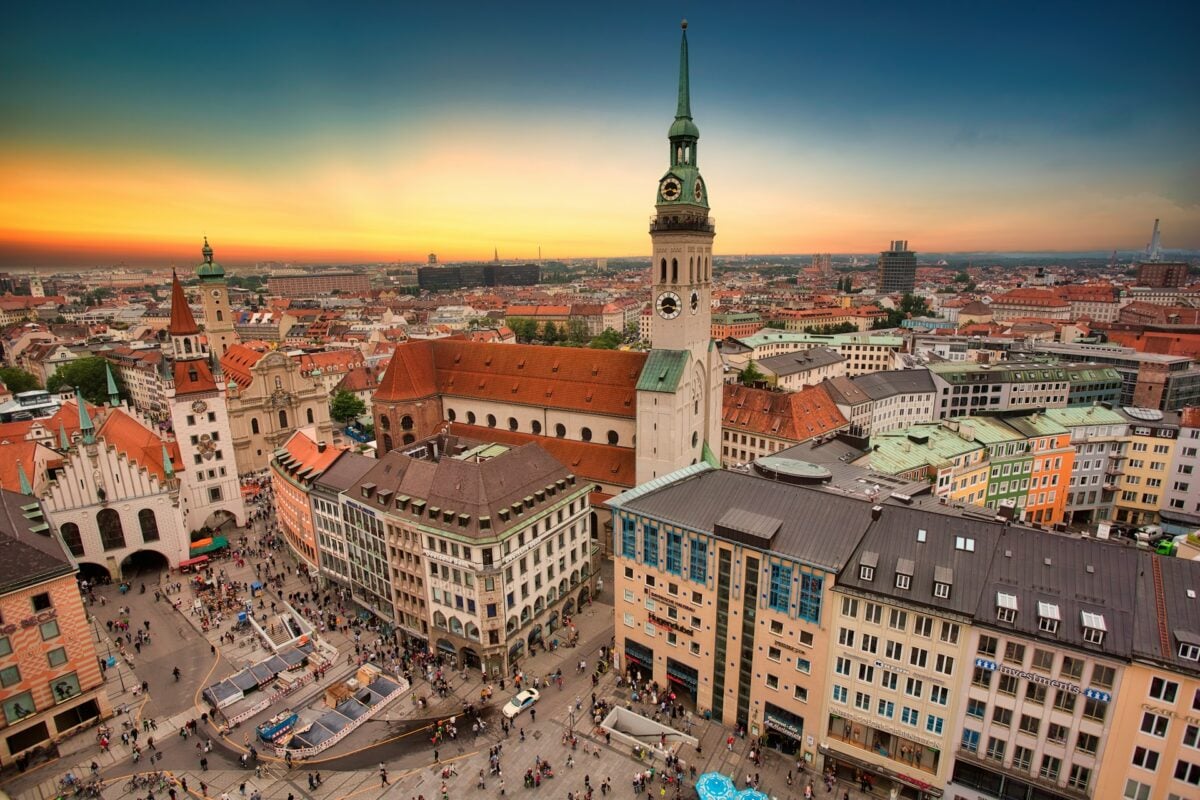
Germany faced the challenge of hosting the Olympics just 36 years after the Nazi regime used the 1936 Games for propaganda. The 1972 ceremony deliberately avoided military precision and instead went for a casual, friendly atmosphere.
The show featured bright colors, rainbow designs, and an approach that emphasized openness rather than power. Organizers wanted to present a new Germany that had learned from history.
The ceremony itself has been overshadowed by the tragic terrorist attack that happened during the Games, but the opening event accomplished its goal of showing a transformed nation. The contrast between the hopeful ceremony and the violence that followed made the entire Olympics a pivotal moment in both sporting and world history.
Montreal 1976
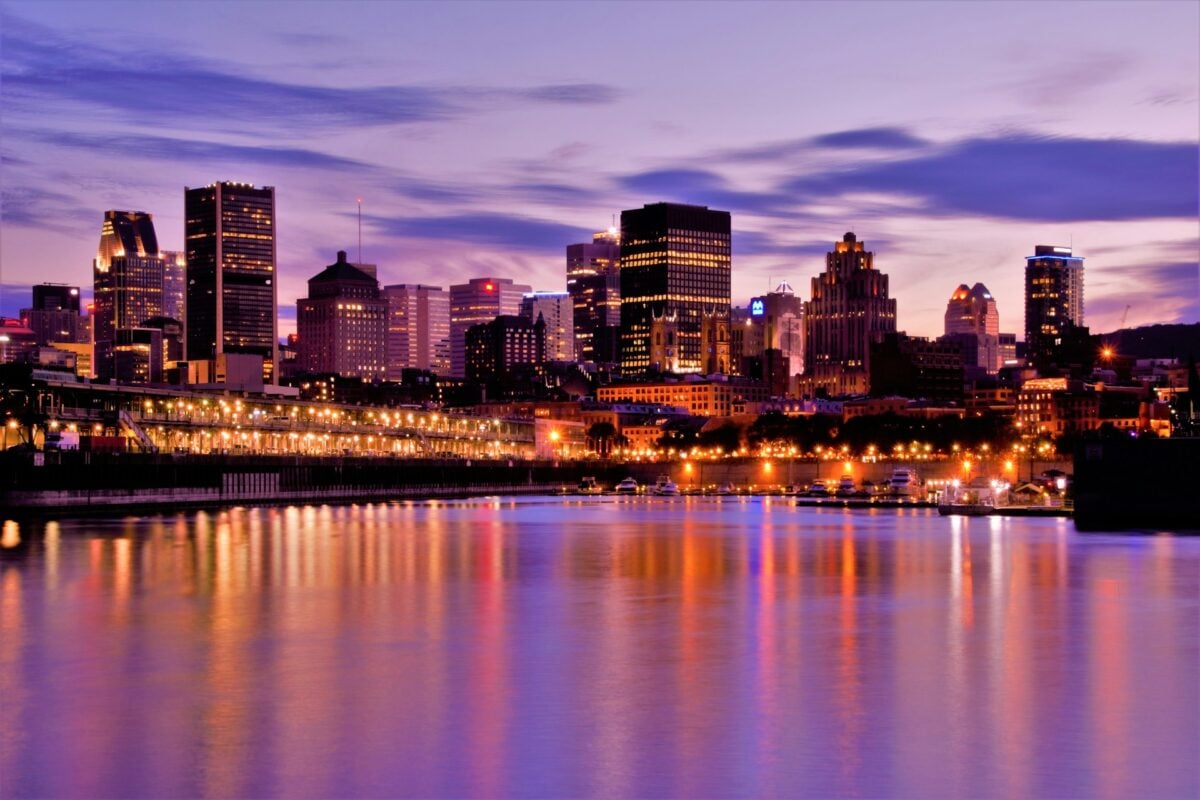
Canada’s ceremony focused on the country’s bilingual nature and its position as a meeting point between European and North American cultures. The show included massive mechanical constructions, dancers representing different Canadian regions, and performances in both English and French.
Queen Elizabeth II officially opened the Games, connecting Canada’s Commonwealth ties to the Olympic movement. The ceremony tried to balance pride in Canadian identity with the reality that the country was still defining what that identity meant.
Montreal’s Olympics ended up being remembered more for the massive debt the city took on than for the ceremony itself, but the opening event successfully presented Canada as a modern, confident nation ready to host the world.
Like Go2Tutors’s content? Follow us on MSN.
Salt Lake City 2002
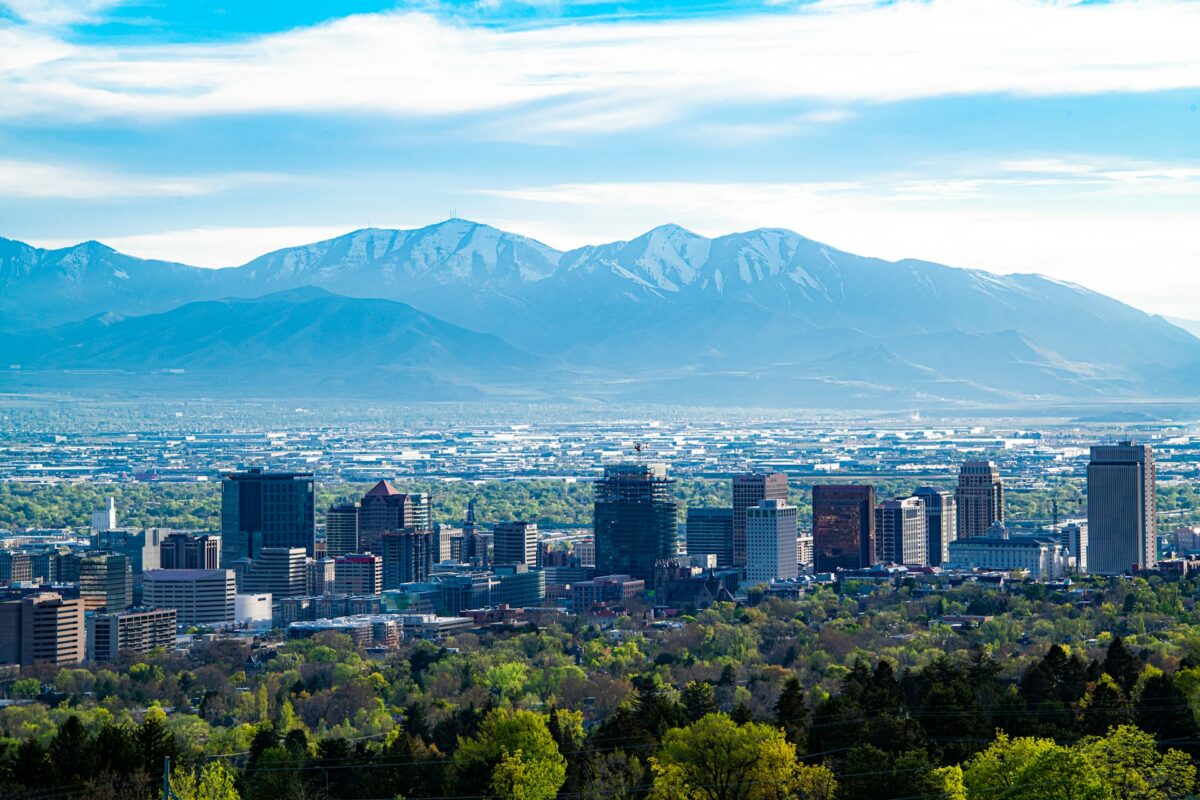
The Winter Olympics came to Utah less than five months after the September 11 attacks, which gave the ceremony an emotional weight beyond typical Olympic celebrations. The tattered flag that flew at the World Trade Center site was carried into the stadium, creating one of the most powerful moments in Olympic history.
Athletes from around the world observed the tribute quietly. The ceremony also featured performances celebrating the American West, including country music and references to Utah’s pioneer history.
The opening balanced grief and remembrance with the Olympic spirit of moving forward. It showed how major sporting events can help communities and nations process difficult moments by bringing people together around something positive.
Where we stand now

Opening ceremonies have grown from simple welcoming events to productions that cost hundreds of millions of dollars and take years to plan. Countries now see them as crucial opportunities to shape how the world views them, which adds pressure but also pushes creativity.
The ceremonies that stick in memory usually achieve a balance between showing off and staying genuine, between spectacle and meaning. As the world becomes more connected through technology, the challenge for future hosts will be finding ways to surprise audiences who have already seen everything.
The best ceremonies manage to feel both universal and specific to their location, speaking to everyone while still showing something unique about the host country.
More from Go2Tutors!

- 16 Historical Figures Who Were Nothing Like You Think
- 12 Things Sold in the 80s That Are Now Illegal
- 15 VHS Tapes That Could Be Worth Thousands
- 17 Historical “What Ifs” That Would Have Changed Everything
- 18 TV Shows That Vanished Without a Finale
Like Go2Tutors’s content? Follow us on MSN.



