14 Classic Video Games That Made No Sense (But We Played Them Anyway)
The golden age of video games brought us countless hours of entertainment, despite many titles having premises that would never survive a modern pitch meeting. From plumbers smashing bricks with their heads to hedgehogs collecting gold rings, these games asked us to suspend disbelief to ridiculous levels. Yet we gladly complied, pouring quarters into arcade machines and wearing out controller buttons without questioning the bizarre worlds we were navigating.
Here is a list of 14 classic video games with truly absurd premises that somehow became beloved classics despite their utter lack of logical coherence.
Q*bert

A small orange creature with a tubular nose jumps around on a pyramid of cubes, changing its colors while avoiding snakes and purple creatures that reset its progress. Qbert couldn’t speak actual words—only emit cartoon-style symbols when frustrated.
The entire premise made absolutely zero sense, yet this arcade hit was so addictive that it spawned merchandise, a Saturday morning cartoon, and multiple revivals. Players never questioned why changing cube colors was so important or what motivated Qbert’s enemies.
Bubble Bobble
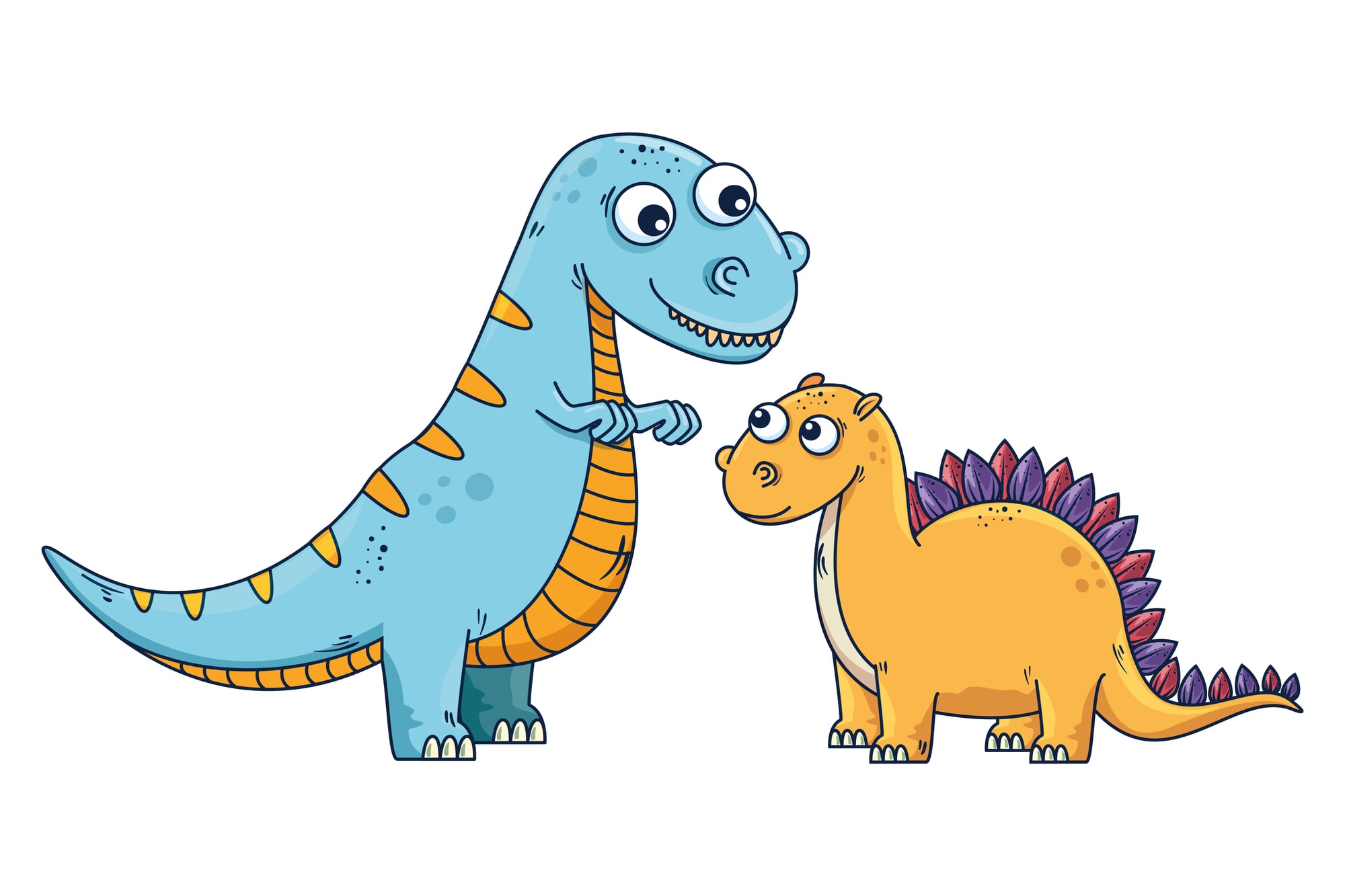
Two dinosaurs stuck in bubble-blowing shape had to catch foes inside bubbles and then pop them to gather candy and fruit. Even by 1980s criteria, Bubble Bobble’s concept was utterly absurd.
For mostly inexplicable reasons, the adorable dinosaurs Bub and Bob battled over stages of progressively challenging bubble-based warfare. Though odd, the game’s cooperative play and appealing music helped it to become an arcade mainstay.
Like Go2Tutors’s content? Follow us on MSN.
Burger Time

A chef is chasing angry walking hot dogs, eggs, and pickles as he sprints across a labyrinthine system of platforms. The only way he could defend himself was to step on the burger components and knock them into the dishes underneath.
Burger Time never clarified why assembling a burger required such a complex procedure or why food ingredients became sentient foes. Players, however, welcomed the gastronomic mayhem and made this odd kitchen simulator into an arcade classic that defied reason.
Toe Jam & Earl
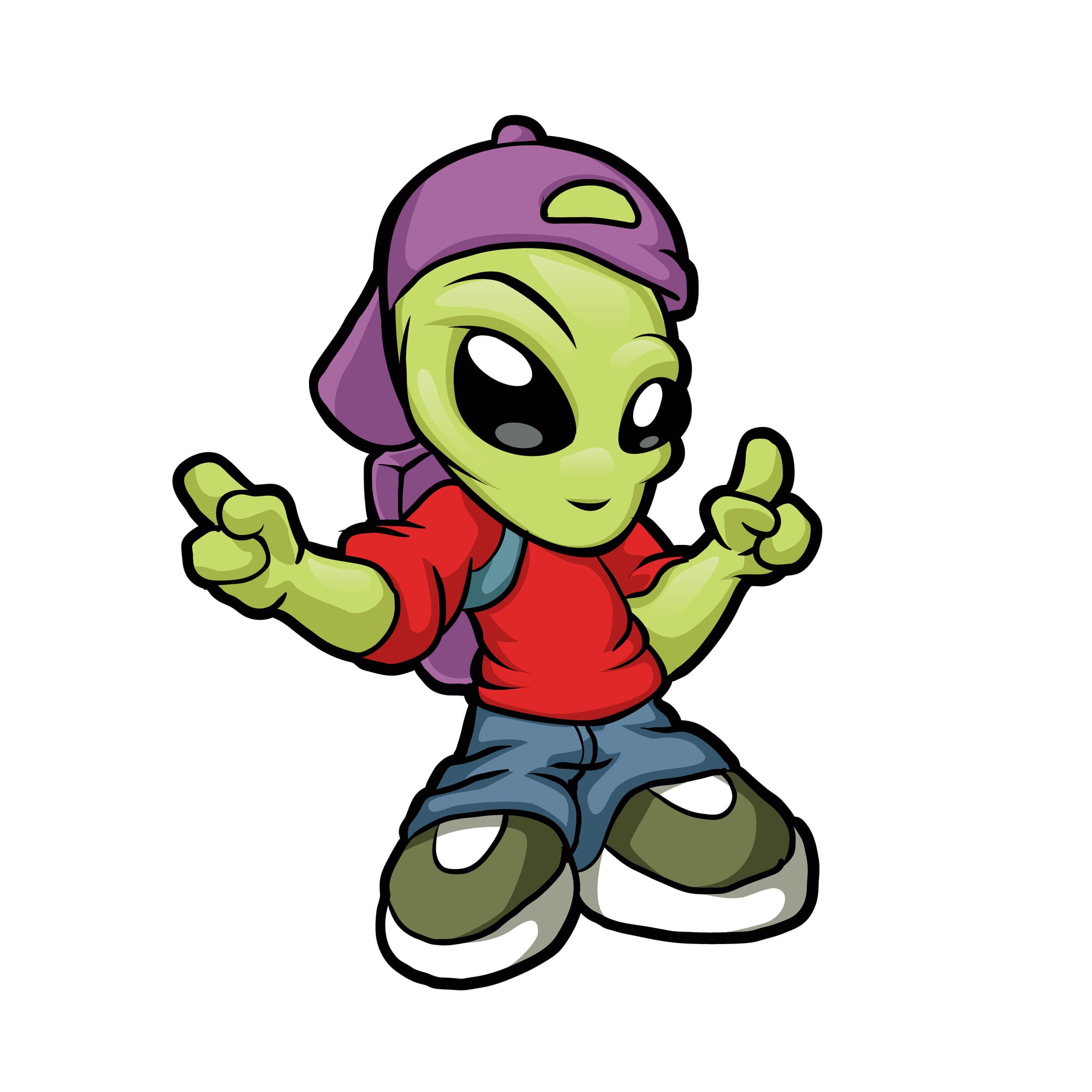
Two alien rappers crash-land on Earth and must find pieces of their spaceship while avoiding “crazy Earthlings” like dentists with giant drills and housewives with rolling pins. Toe Jam & Earl mixed hip-hop culture with alien exploration in ways that made absolutely no sense.
The randomized levels, strange power-ups (including tomatoes to throw at enemies), and funk-inspired soundtrack somehow created a coherent experience from utterly incoherent parts, establishing it as a cult classic on the Sega Genesis.
Earthworm Jim

A regular earthworm finds a super-powered space suit, develops a personality, and battles villains including a crow with a human head and an evil queen named “Queen Slug-for-a-Butt.” Earthworm Jim embraced absurdity at every turn, with levels featuring cow launches, underwater adventures without water physics, and trips through hellish landscapes.
The game succeeded through brilliant animation, tight controls, and a wacky sense of humor that acknowledged how little sense anything made.
Like Go2Tutors’s content? Follow us on MSN.
Altered Beast

A Greek warrior is resurrected from his grave by Zeus and told to rescue Athena by transforming into various beasts after collecting spirit orbs from two-headed wolves. Altered Beast featured the immortal phrase “Rise from your grave!” but never adequately explained why Zeus couldn’t handle the rescue himself rather than recruiting a dead guy.
The transformation mechanic into werewolves, dragons, and bears made for entertaining gameplay even as the plot remained thoroughly puzzling.
Dig Dug

A little man in a white suit digs tunnels underground and inflates enemies until they explode. Dig Dug never bothered explaining who this character was, why he was tunneling, or the physics behind his air pump weapon.
The game’s enemies—dragons and weird round creatures called Pookas—would chase the protagonist through the tunnels or transform into ghosts to pass through dirt. Players accepted all of these nonsensical elements while pumping quarters into machines worldwide.
Kid Chameleon

A teenager enters a virtual reality arcade game and must defeat the villain by wearing different masks that transform him into various characters like a samurai, a tank, or a flying eyeball. Kid Chameleon featured over sprawling, maze-like levels with no map system, forcing players to wander through diamond-shaped crystals and teleporters with little guidance.
The game never explained the logic behind the masks or why the virtual world had become dangerous, yet its challenging gameplay kept Sega Genesis owners hooked for hours.
Like Go2Tutors’s content? Follow us on MSN.
Dynamite Headdy
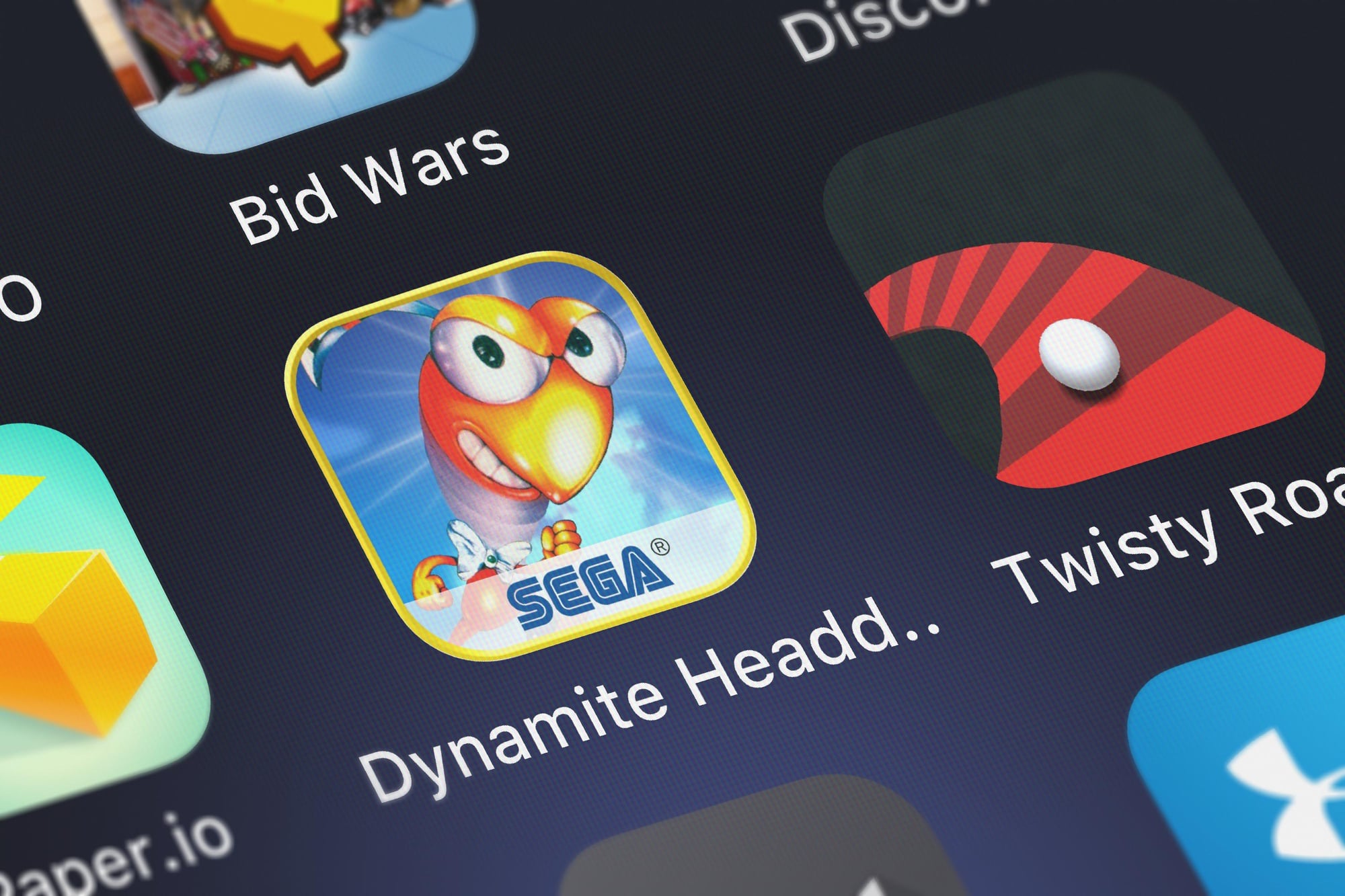
A puppet with a detachable, throwable head fights through a theatrical world to defeat an evil puppet king. Dynamite Headdy featured one of gaming’s strangest protagonists who attacked by literally throwing his head at enemies.
The game’s theater/puppet show setting included boss battles against other puppets, sentient cats, and various inanimate objects. Despite its confusing premise and surreal visuals, the game’s creative level design and unique mechanics made it a cult favorite on the Sega Genesis.
Zombies Ate My Neighbors
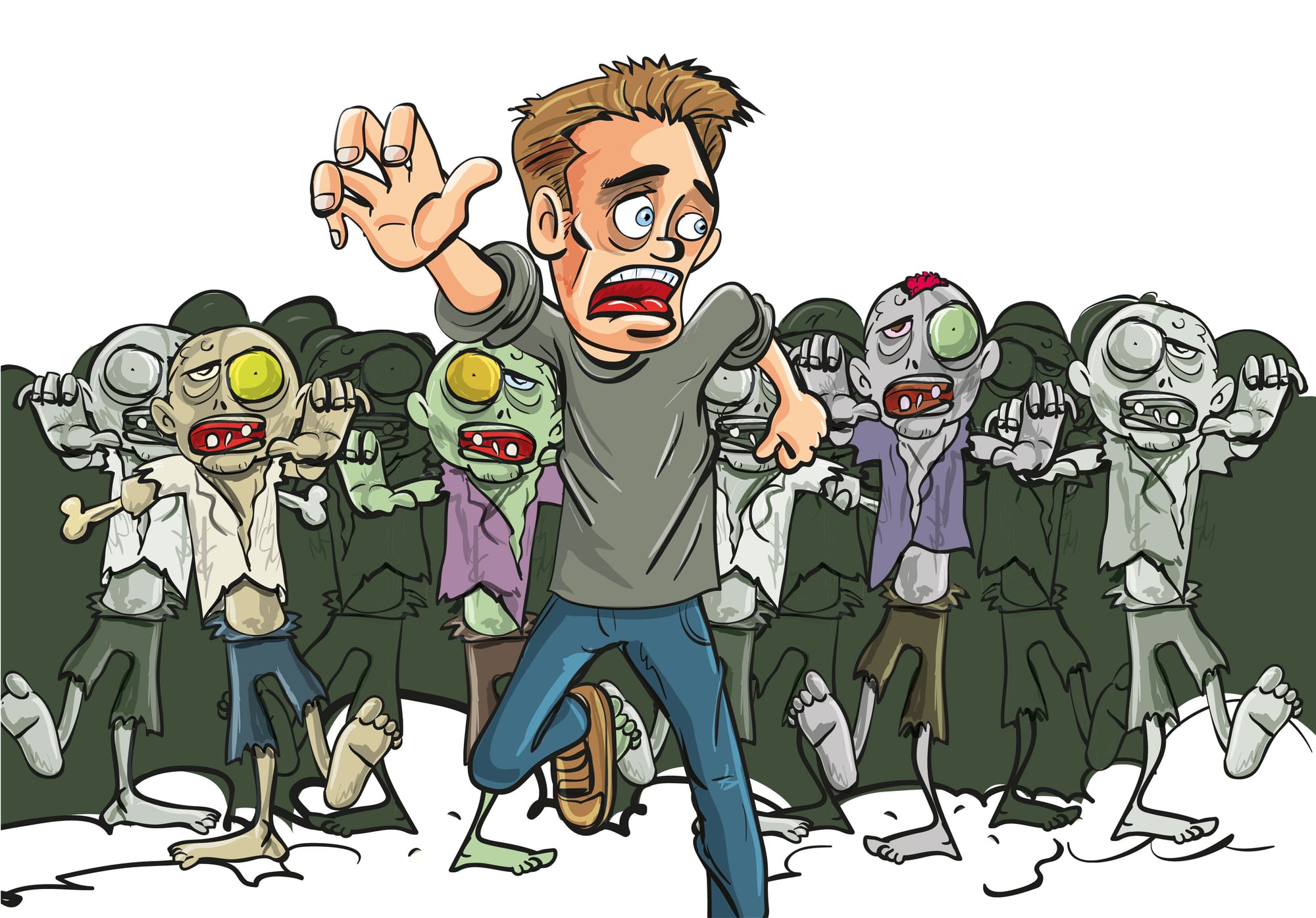
Two teenagers arm themselves with water guns, weed whackers, and soda can grenades to rescue their neighbors from classic movie monsters. Zombies Ate My Neighbors combined every horror movie trope into a suburban setting without explaining why aliens, mummies, giant babies, and chainsaw-wielding maniacs were all attacking simultaneously.
The cooperative gameplay and humorous tone made this bizarre monster mash-up work despite its complete lack of narrative coherence.
Ecco the Dolphin

A bottlenose dolphin uses sonar powers and time travel to battle aliens who have stolen his pod. Ecco the Dolphin combined underwater exploration with science fiction elements that grew increasingly strange as the game progressed.
Instead, players who expected a peaceful nature simulation found themselves navigating a dolphin through alien spacecraft and prehistoric oceans. The stark contrast between the serene swimming mechanics and the outlandish plot created one of gaming’s most beautifully confusing experiences.
Like Go2Tutors’s content? Follow us on MSN.
Donkey Kong

A giant ape kidnaps a woman and a mustachioed carpenter must climb construction sites while avoiding barrels to rescue her. Donkey Kong never explained why the ape was upset, why he chose construction sites for confrontations, or how the carpenter could survive falling several stories when missing a jump.
Despite these logical gaps, the game pioneered the platform genre and introduced characters that would become Nintendo’s biggest stars, even though the premise remained nonsensical.
Gunstar Heroes

Two color-coded heroes shoot their way through diverse environments using combinable weapons to stop an evil empire from awakening a gem-powered destruction machine. Gunstar Heroes featured robot gambling dens, mind-controlled family members, and a board game level inside a flying fortress.
The fast-paced action and smooth animation distracted players from questioning why heroes could survive falling thousands of feet or why enemies exploded into diamonds when defeated.
Chu Chu Rocket

Players place arrows on a grid to guide mice into rockets while avoiding cats. Chu Chu Rocket originated on the Sega Dreamcast as a puzzle game with one of gaming’s most abstract premises.
The mice moved in straight lines until hitting obstacles or arrows that would change their direction. Meanwhile, cats followed the same rules but would eat the mice upon contact. No explanation was given for this mouse evacuation scenario, yet the frantic multiplayer mode created intense competition among friends.
Like Go2Tutors’s content? Follow us on MSN.
When Absurdity Becomes Artistry

Looking back at these classics reminds us that video games don’t need logical premises to create meaningful experiences. These titles succeeded precisely because they embraced their absurdity rather than explaining it away.
Their strange worlds provided unique playgrounds where fun gameplay trumped narrative coherence. Modern games often strive for realism and detailed lore, but these classics prove that sometimes the most memorable gaming experiences come from premises that make absolutely no sense at all.
More from Go2Tutors!

- 18 Unexpectedly Valuable Collectibles You Might Have Lying Around
- 20 Little-Known Historical Battles That Had Huge Consequences
- 20 Historical Artifacts That Scientists Can’t Explain
- 15 Inventions That Were Immediately Banned After Being Created
- 20 Actors Who Were Almost Cast in Iconic Roles
Like Go2Tutors’s content? Follow us on MSN.