14 Corporate Whistleblowers Who Changed Industries
Corporate whistleblowers occupy a unique place in business history—they’re the insiders who chose conscience over career, often at tremendous personal cost. These individuals witnessed wrongdoing within their organizations and made the difficult decision to speak up, knowing they’d likely face retaliation, lawsuits, and professional exile.
Their courage has exposed everything from environmental disasters to financial fraud, forcing entire industries to change how they operate. The impact of these brave individuals extends far beyond their immediate revelations.
Here is a list of 14 corporate whistleblowers whose actions fundamentally transformed their industries and continue to influence corporate accountability today.
Karen Silkwood
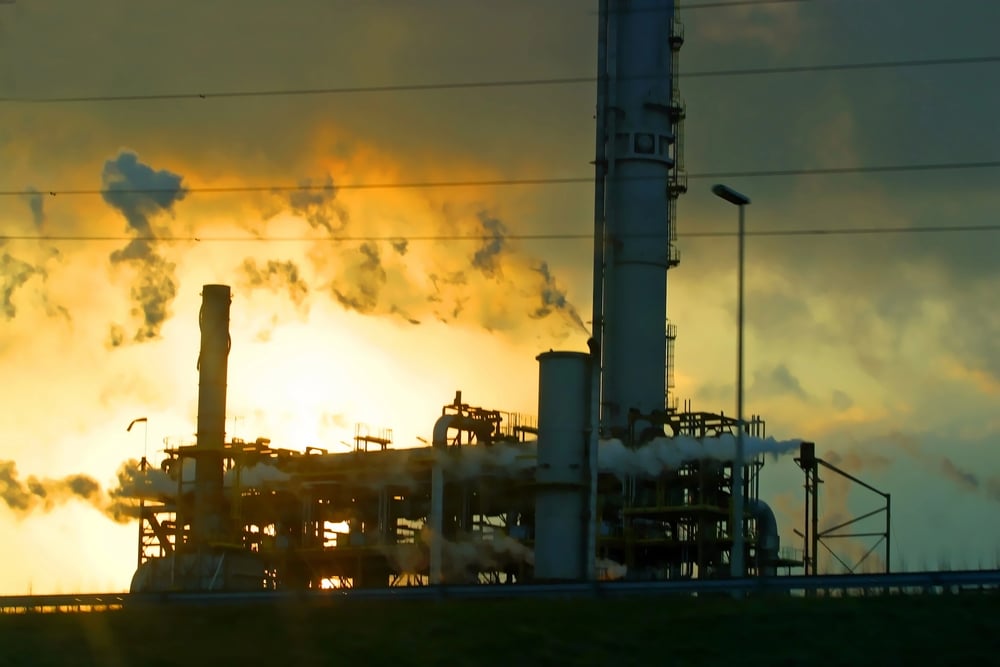
Karen Silkwood worked as a plutonium plant worker at Kerr-McGee’s facility in Oklahoma during the 1970s. She discovered that the company was cutting corners on safety measures—exposing workers to dangerous levels of radiation without proper protection.
Though Silkwood began documenting these violations and sharing her findings with union officials and reporters, she faced constant intimidation from her employer. Her mysterious death in 1974, while traveling to meet with a journalist, sparked national outrage.
The case led to stronger nuclear safety regulations and highlighted the need for better protection of workers in hazardous industries. Silkwood’s story became a symbol of the risks whistleblowers face—and the importance of their role in protecting public safety.
Frank Serpico
Frank Serpico was a New York City police officer who exposed widespread corruption within the NYPD during the late 1960s and early 1970s. He witnessed fellow officers taking bribes, participating in illegal activities, and covering up crimes, yet his attempts to report these issues through proper channels were ignored or dismissed.
Serpico eventually took his evidence to journalists—testifying before the Knapp Commission, a panel investigating police corruption. His revelations led to significant reforms in police departments across the country.
These included better oversight mechanisms and ethics training, though Serpico paid a heavy price for his honesty. He was shot in the face during a drug bust that many believe was a setup, and he faced years of ostracism from fellow officers.
Like Go2Tutors’s content? Follow us on MSN.
Cheryl Eckard
Cheryl Eckard worked as a quality assurance manager at GlaxoSmithKline’s manufacturing plant in Puerto Rico, where she discovered serious contamination issues. The facility was producing popular medications like Paxil and Avandia under unsanitary conditions—with cross-contamination between different drugs and bacterial contamination in the production areas.
When Eckard reported these problems to management, she was ignored and eventually fired. She filed a whistleblower lawsuit under the False Claims Act.
This led to one of the largest pharmaceutical settlements in history, with GlaxoSmithKline paying $750 million in fines. Eckard received $96 million as her share of the settlement—one of the largest whistleblower awards ever given.
Bradley Birkenfeld
Bradley Birkenfeld was a banker at UBS who exposed the largest tax evasion scheme in U.S. history. He revealed that UBS was helping wealthy Americans hide billions of dollars in secret Swiss bank accounts to avoid paying taxes.
The scheme involved elaborate methods to conceal the accounts—including using Swiss bank cards that could access American ATMs and holding client meetings in international locations to avoid detection. His revelations led to UBS paying $780 million in fines.
The bank also agreed to turn over account information for thousands of American clients. Birkenfeld received a $104 million whistleblower award from the IRS—the largest such payment in the agency’s history.
Cynthia Cooper
Cynthia Cooper was the vice president of internal audit at WorldCom when she discovered the massive accounting fraud that would become one of the largest corporate scandals in American history. She uncovered that the company had been inflating its profits by $3.8 billion through improper accounting practices—essentially cooking the books to hide the company’s poor financial performance.
Cooper and her team worked secretly at night to investigate the fraud, knowing that exposing it would likely destroy the company. Her investigation led to WorldCom’s collapse.
Criminal charges followed against several top executives, including CEO Bernard Ebbers, who was sentenced to 25 years in prison. The scandal contributed to the passage of the Sarbanes-Oxley Act, which strengthened corporate governance requirements.
Like Go2Tutors’s content? Follow us on MSN.
Sherron Watkins
Sherron Watkins was a vice president at Enron who wrote a letter to CEO Kenneth Lay warning about the company’s questionable accounting practices. She had discovered that Enron was using special purpose entities to hide debt—creating a house of cards that was bound to collapse.
When her concerns were dismissed, she began cooperating with congressional investigators and testified publicly about the fraud. The Enron scandal became synonymous with corporate greed, leading to the company’s bankruptcy.
This wiped out thousands of jobs and retirement savings. Watkins’ testimony helped lawmakers understand the scope of the fraud—contributing to major reforms in corporate accountability.
Daniel Ellsberg
Daniel Ellsberg was a military analyst who worked on a classified study of U.S. involvement in Vietnam—later known as the Pentagon Papers. The study revealed that multiple presidential administrations had systematically lied to the public about the progress and prospects of the Vietnam War.
Ellsberg decided that the American people had a right to know the truth—leaking the documents to The New York Times in 1971. The publication of the Pentagon Papers sparked a national debate about government transparency.
Although Ellsberg faced espionage charges that were eventually dropped due to government misconduct, his actions helped turn public opinion against the war. His case demonstrated how whistleblowing could serve the broader public interest—even when it involves classified information.
Chelsea Manning
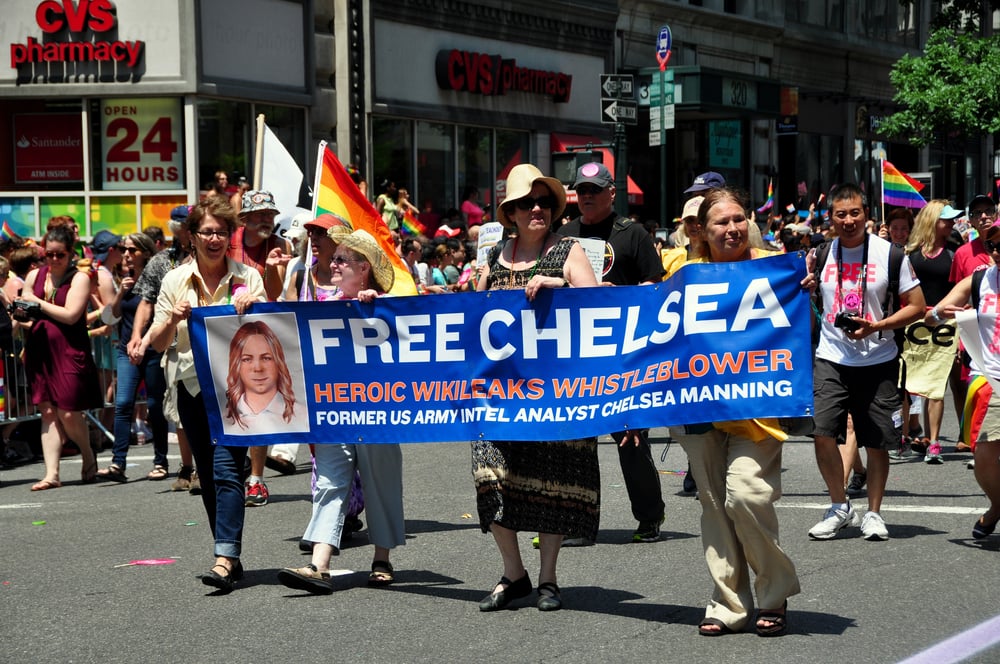
Chelsea Manning was a U.S. Army intelligence analyst who leaked classified military documents to WikiLeaks in 2010—including the ‘Collateral Murder’ video showing a U.S. helicopter attack that killed civilians in Iraq. The leaked documents revealed information about military operations in Iraq and Afghanistan, diplomatic communications, and other classified materials.
Manning stated that she released the information because she believed the public had a right to know about government actions taken in their name. The leaks sparked international debates about military transparency, government accountability, and the treatment of civilians in war zones.
Manning was convicted of multiple charges under the Espionage Act and sentenced to 35 years in prison, though her sentence was later commuted by President Obama.
Like Go2Tutors’s content? Follow us on MSN.
Edward Snowden
Edward Snowden was a contractor for the National Security Agency who leaked classified documents in 2013 revealing the extent of government surveillance programs. The documents showed that the NSA was collecting vast amounts of data on American citizens and people around the world—often without warrants or their knowledge.
Snowden believed that these programs violated constitutional rights and that the public deserved to know about them. His revelations sparked a global debate about privacy, government surveillance, and the balance between national security and civil liberties.
The leaks led to significant reforms in surveillance practices and increased oversight of intelligence agencies. Snowden fled to Russia to avoid prosecution and remains there today—unable to return to the U.S. where he faces charges under the Espionage Act.
Karen Kwiatkowski
Karen Kwiatkowski was a U.S. Air Force lieutenant colonel who worked in the Pentagon’s Office of Special Plans before the Iraq War. She witnessed firsthand how intelligence was being manipulated to support the Bush administration’s case for invading Iraq.
Kwiatkowski observed that dissenting views were suppressed while intelligence was being cherry-picked to fit predetermined policy decisions. After retiring from the Air Force, she began writing about what she had observed, becoming one of the first insiders to challenge the official narrative about weapons of mass destruction in Iraq.
Her accounts provided crucial insight into how intelligence was politicized in the lead-up to the war. Kwiatkowski’s revelations contributed to growing skepticism about the justifications for the Iraq War.
Thomas Drake
Thomas Drake was a senior executive at the National Security Agency who tried to report waste, fraud, and constitutional violations within the agency through proper channels. He was particularly concerned about a program called ‘Trailblazer,’ which he believed was ineffective and violated privacy rights.
When his internal complaints were ignored, he eventually provided information to journalists about NSA programs and their constitutional implications. Drake faced prosecution under the Espionage Act yet eventually pled guilty to a misdemeanor charge of exceeding authorized computer access.
His case demonstrated the risks faced by national security whistleblowers and the challenges of reporting wrongdoing within classified programs. Drake’s story highlighted the need for better protection for intelligence community whistleblowers.
Like Go2Tutors’s content? Follow us on MSN.
John Kiriakou
John Kiriakou was a CIA officer who became the first former agency employee to publicly acknowledge that the U.S. government was using waterboarding and other enhanced interrogation techniques on terrorism suspects. He initially defended these practices in media interviews but later became a critic, arguing that they constituted torture and were morally wrong.
Kiriakou’s revelations helped bring public attention to the CIA’s detention and interrogation program. He was eventually prosecuted for allegedly revealing the names of covert CIA officers and served time in federal prison.
Kiriakou’s case highlighted the complex legal and ethical issues surrounding intelligence operations and the treatment of terrorism suspects. His story became part of the broader debate about accountability for enhanced interrogation techniques used after 9/11.
Reality Winner
Reality Winner was an intelligence contractor who leaked a classified NSA document to The Intercept in 2017. The document detailed Russian attempts to hack into U.S. election systems before the 2016 presidential election.
Winner believed the public had a right to know about these attempts to interfere with American democracy. She was quickly identified as the source of the leak and prosecuted under the Espionage Act, receiving the longest sentence ever imposed on a federal defendant for providing classified information to the media.
Winner’s case raised questions about the government’s aggressive prosecution of leakers and the public’s right to information about election security. Her story became part of ongoing debates about foreign interference in American elections.
Frances Haugen

Frances Haugen was a data scientist at Facebook who collected internal documents showing that the company knew its products were causing harm yet prioritized profits over public safety. The documents revealed that Facebook was aware its algorithms promoted divisive content, that Instagram was harmful to teenagers’ mental health, and that the company wasn’t doing enough to combat misinformation and hate speech.
Haugen testified before Congress and released the documents to journalists, sparking what became known as the ‘Facebook Papers’ investigation. Her revelations led to increased scrutiny of social media companies and calls for stronger regulation of tech platforms.
Haugen’s testimony helped lawmakers better understand how social media algorithms work and their potential negative effects on society. Her case represents a new generation of tech whistleblowers who are challenging the power and practices of major technology companies.
Like Go2Tutors’s content? Follow us on MSN.
The Digital Age of Corporate Accountability

The stories of these 14 whistleblowers span decades and industries, from nuclear power to social media, yet they share common themes of courage, sacrifice, and the pursuit of truth. Their revelations have led to billions in fines, new regulations, and fundamental changes in how corporations operate.
While some paid heavy personal prices for their decisions, their actions have undoubtedly made workplaces safer, markets more honest, and institutions more accountable. Today’s whistleblowers face new challenges in an era of digital surveillance and global corporations, though they also have new tools and protections that didn’t exist for earlier generations.
The continuing evolution of whistleblower laws and the growing recognition of their importance suggest that these brave individuals will continue to play a crucial role in keeping powerful institutions honest. Their legacy reminds us that sometimes the most important changes come not from the top down, but from individuals with the courage to speak truth to power.
More from Go2Tutors!

- 16 Restaurant Chains That Went Too Fast
- 12 Things Sold in the 80s That Are Now Illegal
- 15 Strange Things People Have Tried to Ban (And Failed)
- 16 Collectibles People Tossed Out Too Soon
- 17 Myths from Your Childhood That Were Actually Based on Real Things
Like Go2Tutors’s content? Follow us on MSN.



