14 Defense Systems That Failed When They Were Needed Most
Throughout history, nations have invested enormous resources in creating impenetrable defense systems, convinced that their engineering marvels would protect them from any threat. These fortifications, walls, and military installations were designed to be the ultimate deterrent—unbreachable barriers that would keep enemies at bay for generations. Yet time and again, these supposedly invincible defenses crumbled when put to the test, often in spectacular and costly fashion.
From ancient fortifications to modern missile defense networks, the pattern remains remarkably consistent. Here is a list of 14 defense systems that spectacularly failed when their nations needed them most.
The Maginot Line

France’s Maginot Line stands as perhaps the most famous example of misplaced defensive confidence in modern history. Built between 1930 and 1936, this elaborate system of fortifications stretched along France’s eastern border with Germany, featuring underground bunkers, artillery positions, and living quarters for thousands of troops.
The French military believed it would force any German invasion to take a predictable route through Belgium, where they could be stopped. When Germany invaded in 1940, they simply went around the Maginot Line through the Ardennes Forest, a route the French had deemed impassable for tanks.
The Germans bypassed the entire system in just four days, making the billions of francs spent on construction utterly worthless. The Maginot Line’s defenders found themselves surrounded and cut off, forced to surrender without ever engaging the main German advance.
The Great Wall of China
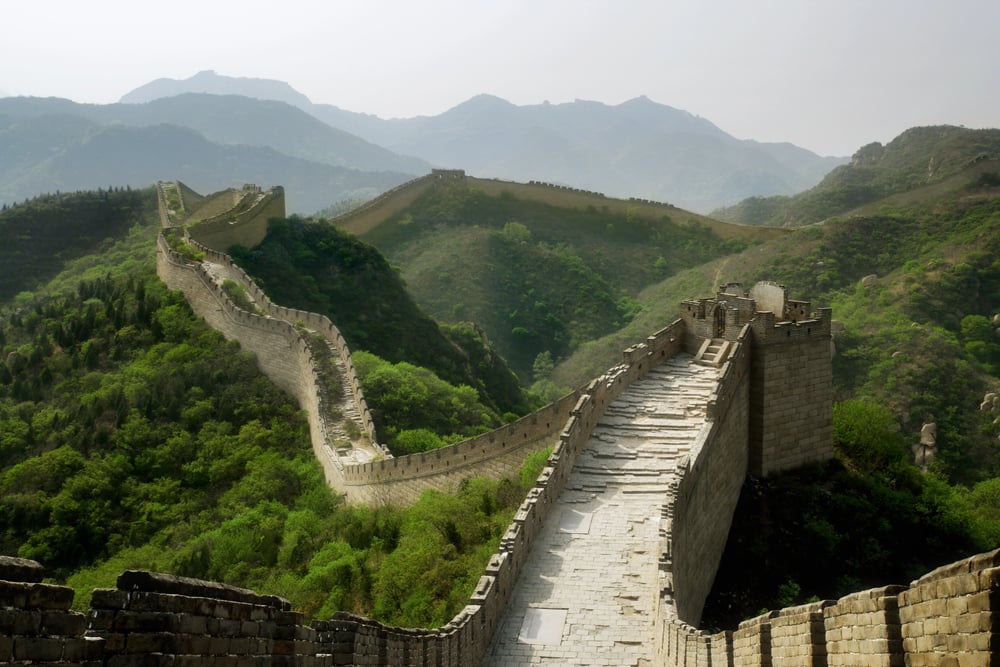
China’s Great Wall, while an impressive feat of engineering, failed repeatedly throughout Chinese history to serve its primary purpose of keeping northern invaders out. The wall, built and rebuilt over centuries, was meant to be an impenetrable barrier against Mongol and other nomadic invasions.
Despite its massive scale and the millions of workers who died building it, the wall proved surprisingly ineffective against determined attackers. The Mongols under Genghis Khan bypassed sections of the wall entirely, often bribing guards or finding undefended gaps.
Later, the Manchus conquered China in 1644 despite the wall’s existence, establishing the Qing Dynasty. The wall’s failure stemmed from its fundamental flaw: it was only as strong as the people manning it, and corruption, insufficient troops, and poor maintenance made it more of a symbolic barrier than a practical one.
Like Go2Tutors’s content? Follow us on MSN.
Pearl Harbor’s Defenses
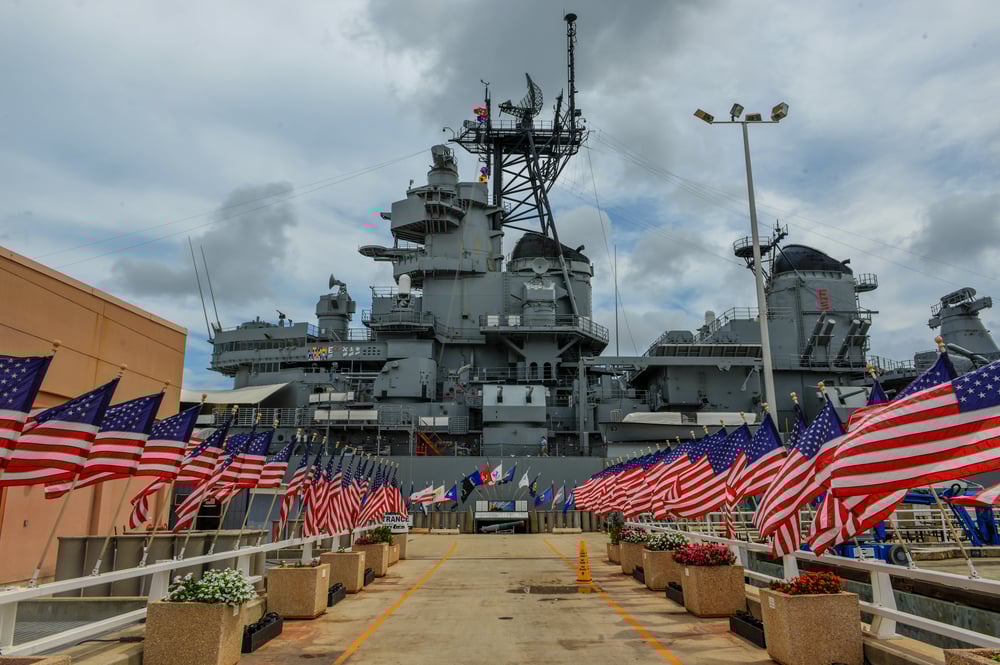
The United States military considered Pearl Harbor virtually impregnable, protected by its distance from Japan, radar systems, and substantial naval and air defenses. Military planners believed the shallow harbor made torpedo attacks impossible, while the base’s location 4,000 miles from Japan seemed to put it beyond the range of any sustained assault.
The Pacific Fleet felt secure in what they viewed as America’s most protected naval installation. On December 7, 1941, Japanese forces proved these assumptions catastrophically wrong.
Using specially modified torpedoes that could operate in shallow water and launching from aircraft carriers positioned much closer than anticipated, the Japanese destroyed much of the Pacific Fleet in less than two hours. The radar systems that detected the incoming planes were dismissed as false alarms, and the defensive preparations that should have been in place were relaxed due to overconfidence.
The Siegfried Line
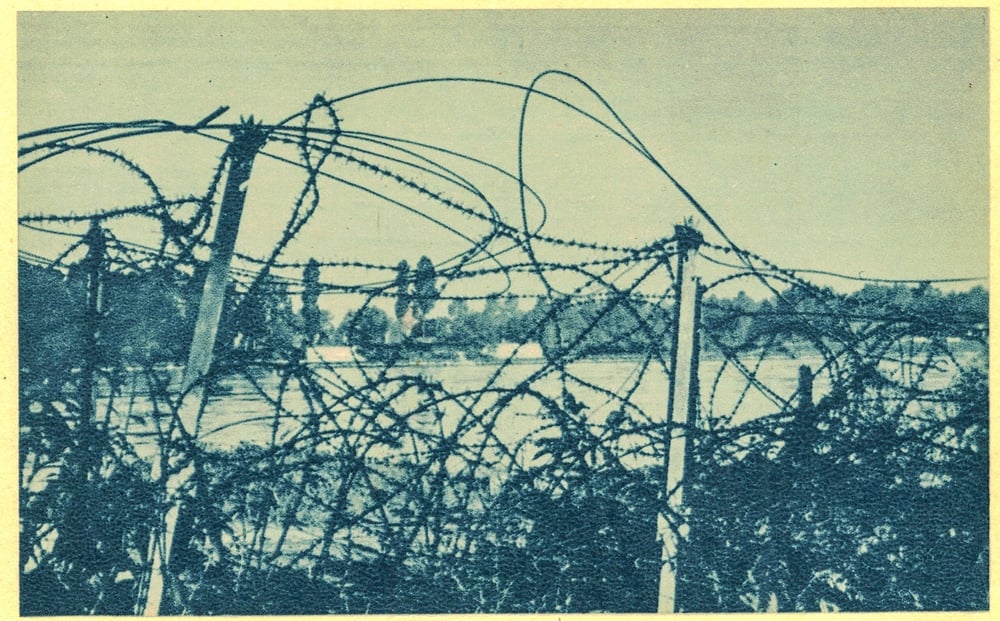
Germany’s Siegfried Line, officially called the West Wall, was constructed in the 1930s as a defensive barrier against French invasion. This system of bunkers, tank traps, and fortified positions stretched over 400 miles along Germany’s western border, designed to complement the Maginot Line by creating a defensive stalemate.
German military leaders believed it would make their western front virtually impregnable while they focused on eastern expansion. When Allied forces approached the Siegfried Line in 1944, they found it far less formidable than expected.
Many of the fortifications had been stripped of equipment and personnel earlier in the war, and the remaining defenses were poorly maintained. American and British forces breached the line at multiple points within weeks, finding that concrete and steel were no match for determined infantry supported by overwhelming air power and artillery.
The Atlantic Wall
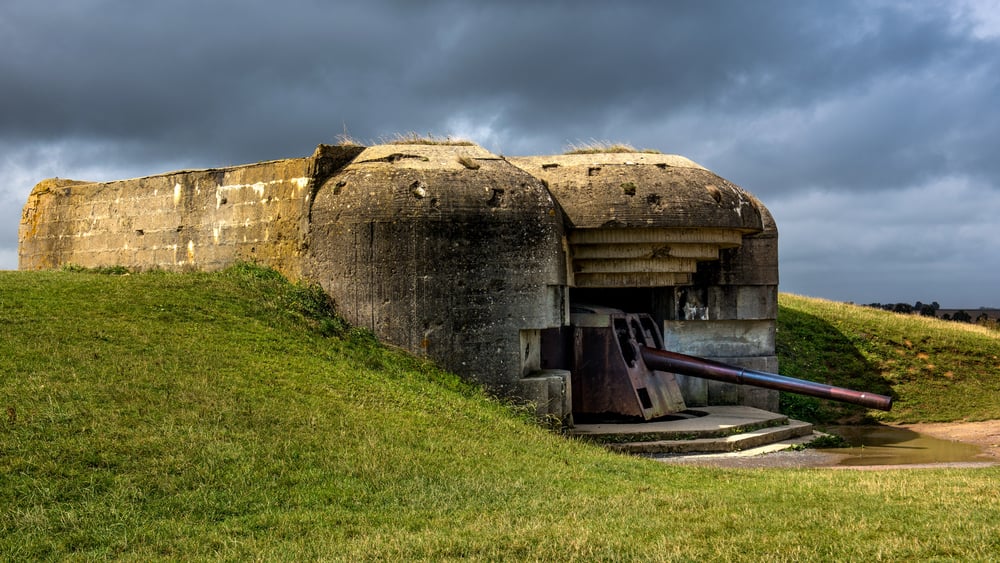
Hitler’s Atlantic Wall was perhaps the most ambitious coastal defense project in history, stretching from Norway to the Spanish border with over 6,000 fortified positions. Built primarily using forced labor, this system of bunkers, gun emplacements, and obstacles was designed to make any Allied invasion of occupied Europe impossible.
German propaganda claimed it was an impenetrable fortress that would throw any invasion force back into the sea. The D-Day landings on June 6, 1944, shattered this illusion in a single day.
Allied forces overcame the Atlantic Wall’s defenses through superior planning, overwhelming numbers, and innovative tactics like floating harbors and specialized assault vehicles. The wall’s fixed positions became death traps for their defenders once Allied forces gained footholds on the beaches.
Within 24 hours, the supposedly impregnable barrier had been breached at multiple points, never to be restored.
Like Go2Tutors’s content? Follow us on MSN.
The Iron Curtain Border Fortifications

The Soviet Union and its Eastern European allies created an elaborate system of border fortifications during the Cold War, featuring barbed wire, minefields, guard towers, and shoot-to-kill orders. This ‘Iron Curtain’ was designed to prevent both military invasion and civilian escape, with East German border guards particularly notorious for their strict enforcement.
The system was considered so effective that Western intelligence agencies believed it would remain in place indefinitely. The Berlin Wall and associated border fortifications collapsed not through military assault but through political upheaval in 1989.
When East German authorities announced relaxed travel restrictions, thousands of citizens rushed to border crossings, overwhelming the guards who had no clear orders on how to respond. The physical barriers that had divided Europe for decades were torn down by celebrating crowds within hours, proving that even the most heavily fortified borders cannot withstand popular uprising.
The Fortress of Singapore
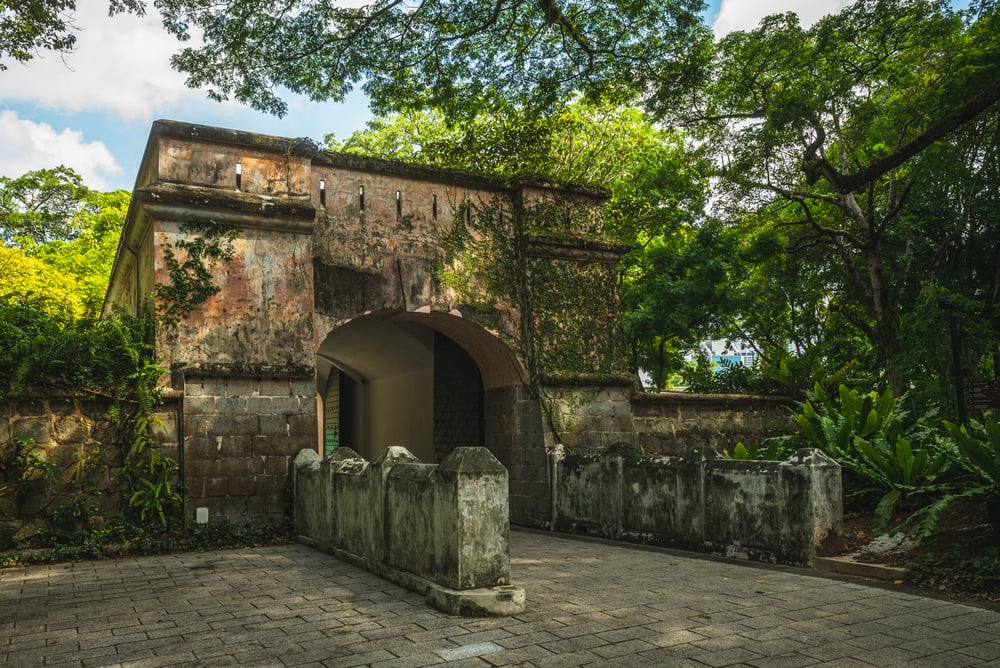
British military planners considered Singapore the ‘Gibraltar of the East,’ a supposedly impregnable fortress that would anchor their defense of Southeast Asia. The island’s naval base was protected by massive artillery pieces, coastal defenses, and what the British believed was an impassable jungle to the north.
Military leaders were so confident in Singapore’s defenses that they assured the public it could withstand any assault. Japanese forces captured Singapore in February 1942 by doing exactly what the British thought impossible—attacking through the jungle from the north.
The fortress’s famous big guns faced out to sea and couldn’t be turned around to face the land assault. Within a week, the ‘impregnable’ fortress had fallen, and 130,000 British and Commonwealth troops became prisoners of war in what Winston Churchill called the worst disaster in British military history.
The Vauban Fortifications

Sébastien Le Prestre de Vauban revolutionized military engineering in the 17th century, designing a system of star-shaped fortifications that dominated European warfare for over a century. These geometric marvels featured angled walls, overlapping fields of fire, and sophisticated defensive positions that made traditional siege warfare extremely costly.
Every major European power adopted Vauban’s designs, considering them the pinnacle of defensive architecture. The rise of improved artillery in the 18th and 19th centuries gradually made Vauban’s fortifications obsolete.
Napoleon’s mobile artillery could breach walls that had once taken months to reduce, and rifled cannons could strike defensive positions from previously safe distances. The fortifications that had once been impregnable became expensive monuments to outdated military thinking, abandoned as armies embraced mobility over static defense.
Like Go2Tutors’s content? Follow us on MSN.
The Dardanelles Fortifications

The Ottoman Empire’s fortifications at the Dardanelles strait were considered among the strongest in the world, designed to prevent any naval force from reaching Constantinople. These ancient waterways had been fortified for centuries, with modern artillery positions and naval mines added to create what Turkish commanders believed was an impregnable barrier.
The narrow strait seemed perfectly suited for defensive warfare, allowing concentrated fire on any attacking fleet. The Gallipoli campaign of 1915 initially seemed to prove the fortifications’ effectiveness, as Allied naval attacks failed to force the strait.
However, the subsequent land campaign revealed the defenses’ critical weakness—they were designed to stop ships, not infantry. Once Allied forces established footholds on the Gallipoli Peninsula, the coastal fortifications became vulnerable to attack from behind, though the campaign ultimately failed due to other factors.
The Motte and Bailey Castles

Medieval motte and bailey castles represented the cutting edge of defensive technology for centuries, featuring raised earthworks topped by wooden or stone keeps surrounded by protective walls. These fortifications dominated European warfare from the 10th to 12th centuries, providing local lords with seemingly impregnable bases from which to control their territories.
The height advantage and multiple defensive layers made them extremely difficult to capture using contemporary siege techniques. The development of more powerful siege engines and, later, gunpowder weapons gradually made these castles obsolete.
Trebuchets could hurl massive stones that shattered wooden palisades, while early cannons could breach stone walls that had once been impenetrable. The castles’ elevated positions, once their greatest strength, became vulnerabilities as they became easy targets for increasingly accurate artillery.
The Patriot Missile System

America’s Patriot missile system was hailed as a revolutionary defense against ballistic missiles, designed to intercept incoming warheads with pinpoint accuracy. During the 1991 Gulf War, the system was credited with numerous successful intercepts of Iraqi Scud missiles, leading to widespread confidence in missile defense technology.
Military officials claimed a near-perfect success rate, suggesting that the age of effective ballistic missile defense had finally arrived. Post-war analysis revealed that the Patriot system’s performance was far less impressive than initially claimed.
Most intercepts were actually near-misses that failed to destroy the incoming warheads, and some ‘successful’ intercepts were actually missiles exploding harmlessly in the sky. The system’s software had critical flaws that caused it to lose track of targets after extended operation, and its effectiveness against modern ballistic missiles remains questionable.
Like Go2Tutors’s content? Follow us on MSN.
The Kamikaze Defense Strategy

Japan’s kamikaze attacks during World War II represented a desperate defensive strategy designed to make the cost of invading Japan prohibitively high for Allied forces. Military leaders believed that waves of attacks would sink enough Allied ships to force a negotiated peace, turning Japan’s remaining aircraft and pilots into guided missiles.
The strategy was seen as Japan’s last hope for avoiding total defeat and occupation. While kamikaze attacks inflicted significant casualties on Allied forces, they ultimately failed to change the war’s outcome.
The attacks depleted Japan’s remaining experienced pilots and aircraft without achieving their strategic objectives, and Allied forces developed effective countermeasures including improved anti-aircraft defenses and combat air patrols. The atomic bombings of Hiroshima and Nagasaki ended the war before the kamikaze strategy could be tested against an actual invasion.
The Maginot Line Sea Extension

France extended their Maginot Line concept to coastal defenses, creating elaborate fortifications along their Atlantic and Mediterranean coasts during the 1930s. These installations featured large-caliber guns in reinforced concrete emplacements, designed to prevent enemy landings and protect French ports from naval attack.
Military planners believed these coastal fortifications would complement the land-based Maginot Line to create a comprehensive defensive system. When Germany invaded France in 1940, the coastal fortifications proved as irrelevant as their land-based counterparts.
The German invasion came through Belgium and the Ardennes, completely bypassing the coastal defenses and rendering them useless. Many of these expensive installations surrendered without firing a shot, their guns pointed uselessly out to sea while German forces approached from behind.
The Iron Dome’s Limitations
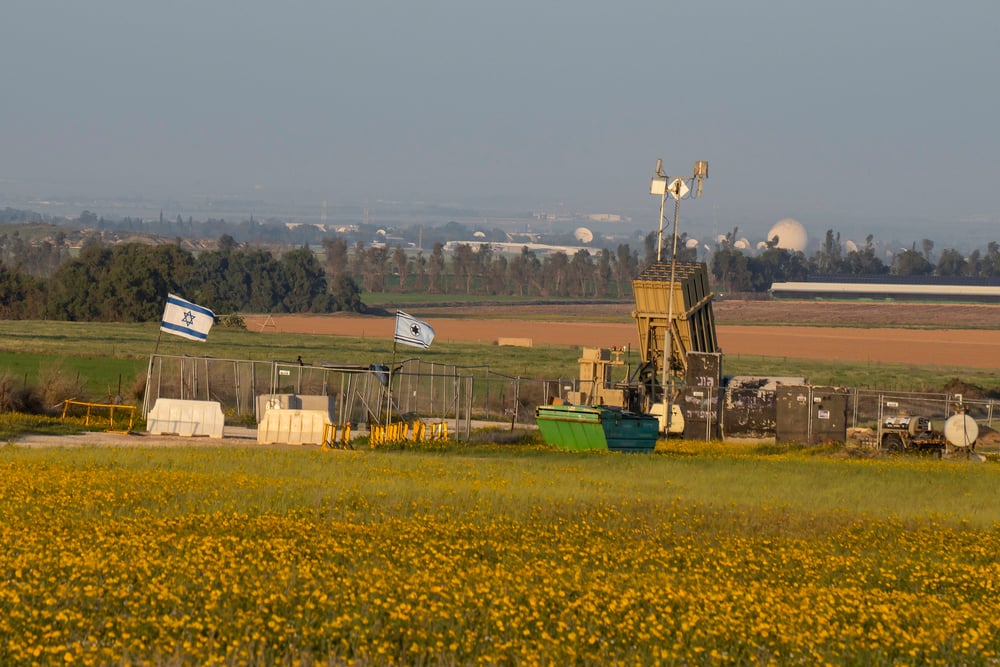
Israel’s Iron Dome system represents one of the most advanced missile defense technologies ever deployed, designed to intercept short-range rockets and artillery shells with remarkable precision. The system has achieved impressive success rates against various threats, leading to widespread international interest in similar defensive technologies.
Military analysts have praised its effectiveness in protecting civilian populations from rocket attacks. However, the Iron Dome’s limitations became apparent during large-scale attacks that could overwhelm the system’s capacity.
The high cost of interceptor missiles compared to the simple rockets they destroy creates an unfavorable economic equation, and the system struggles against more sophisticated threats like cruise missiles or simultaneous mass attacks. Recent conflicts have shown that even the most advanced defense systems have finite capabilities that determined attackers can exploit.
Like Go2Tutors’s content? Follow us on MSN.
When Walls Cannot Hold

The history of defensive failures reveals a fundamental truth about military strategy: static defenses ultimately cannot overcome determined attackers with superior resources, tactics, or technology. Each of these systems failed not because they were poorly designed, but because their creators fundamentally misunderstood the nature of warfare.
The greatest fortifications become obsolete when enemies find ways to go around, over, or through them using methods their builders never anticipated.
More from Go2Tutors!

- 16 Historical Figures Who Were Nothing Like You Think
- 12 Things Sold in the 80s That Are Now Illegal
- 15 VHS Tapes That Could Be Worth Thousands
- 17 Historical “What Ifs” That Would Have Changed Everything
- 18 TV Shows That Vanished Without a Finale
Like Go2Tutors’s content? Follow us on MSN.