Historic Candy Shops Still Using Original Recipes
Walking into certain candy shops feels like stepping through a time portal.
The smell of melted chocolate and boiling sugar hangs in the air, copper pots gleam under vintage lighting, and the recipes being stirred haven’t changed in over a century.
These aren’t museum recreations or themed tourist traps.
They’re working businesses that have refused to modernize their methods, even when it would be easier and cheaper to do so.
Here’s what makes these sweet survivors so special.
Shane Confectionery
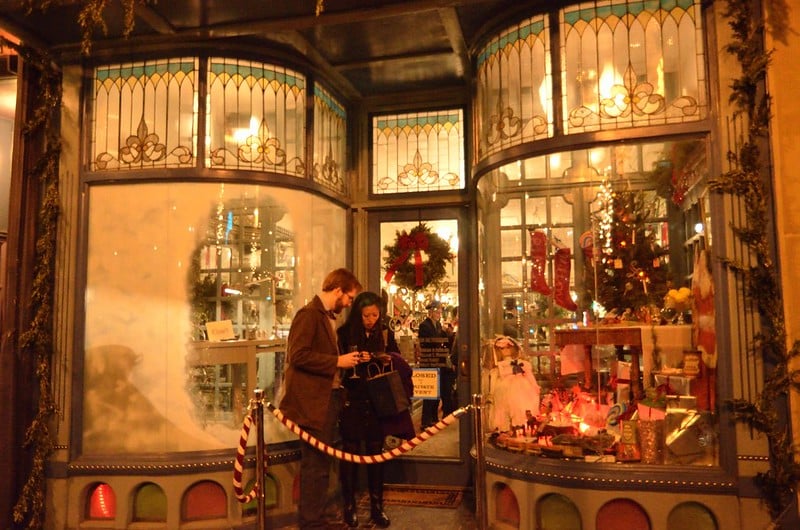
Philadelphia’s Shane Confectionery opened in 1863 and still operates as America’s oldest continuously running candy store.
The shop sits at 110 Market Street, where it has weathered wars, economic crashes, and countless changes in ownership while maintaining its original character.
Old recipe papers line the same shelves where customers buy candies today, and the shop uses classical techniques on machines that have operated for decades.
Walking in feels like entering the 1800s, from the marble counters salvaged from other antique shops to the wooden fixtures dating back to that era.
Shane’s signature treats include caramels, chocolate-covered pretzels, and buttercream covered in milk chocolate.
The Berley brothers bought the business in recent years and kept everything authentic, even hiring a professional candy maker to learn the old techniques before making their first batch.
Ye Olde Pepper Candy Companie
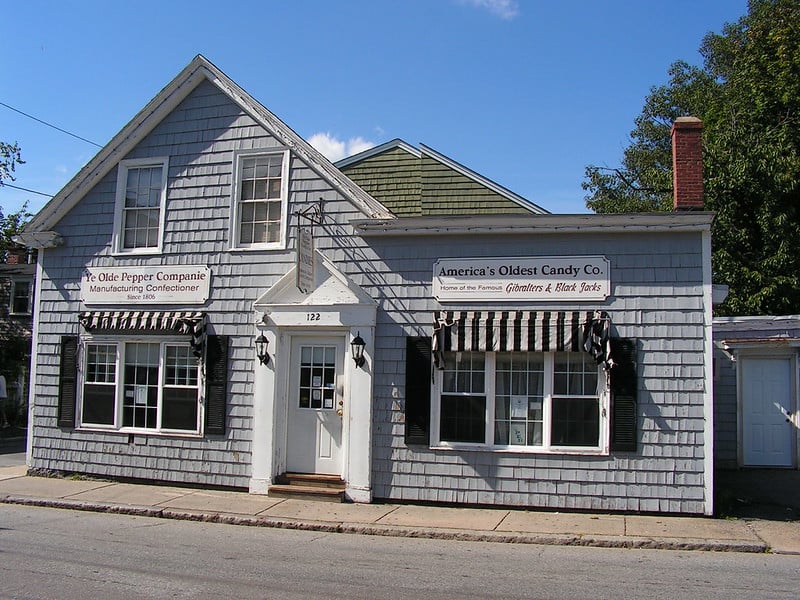
This Salem, Massachusetts shop claims the title of ‘America’s oldest candy company,’ tracing its roots back to 1806 when an Englishwoman named Mary Spencer arrived in the United States after being shipwrecked.
Spencer started selling Gibraltars, a hard sugar candy that became the company’s signature product.
Bob Burkinshaw, the current co-owner, runs the business with his daughter Jackie Russell as third and fourth generation candy makers, and some of their equipment dates back to the 1800s.
The kitchen sits right next to the storefront, so the sugary smell draws customers in as they walk by.
Burkinshaw learned the craft at age 10 and now passes recipes to his son-in-law the same way his father and grandfather taught him, including the secret behind those original lemon drops and Gibraltars made exactly as Mary Spencer did over two centuries ago.
He admits there are easier ways to make candy, but maintaining the company’s history is what keeps them going.
Schimpff’s Confectionery
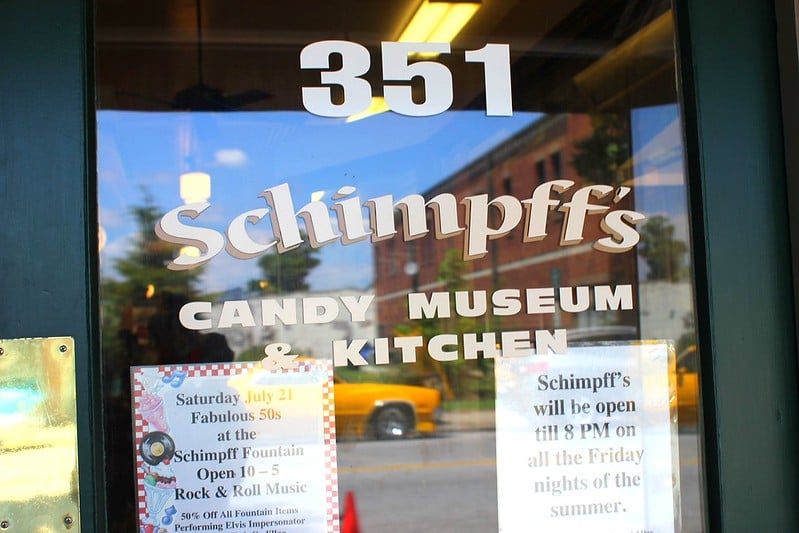
Gustav Schimpff Sr. and Jr. opened this Jeffersonville, Indiana shop on April 11, 1891, and the Schimpff family had been making candy in the Louisville area since the 1850s.
The business nearly closed in 1989 when owner Catherine Schimpff died, but her nephew Warren and his wife Jill moved from California to save it.
They restored the shop to its 1891 appearance, rehabbing the pressed tin ceiling, refurbishing the vintage soda fountain, and adding period-appropriate lighting.
Red Hots have been a staple since opening day, and the hard fish candies and Modjeskas are regional recipes still made by hand.
The Modjeskas got their name from a Polish actress who performed in Louisville during the 1880s.
These marshmallows hand-dipped in caramel remain one of the shop’s best sellers.
The Schimpffs later purchased and rehabbed the adjacent building to create a demonstration area and candy museum displaying thousands of pieces of memorabilia.
Martinsville Candy Kitchen

Greek immigrant Jimmy Zapapas established this Indiana confectionery in 1919, and the shop is known for candy canes still made from his recipes and hand-crafted using his original wall hook, copper kettle, marble table, wood paddles, and Vulcan gas stove.
John and Pam Badger bought the business in 2004 to keep this Main Street anchor operating.
The candy canes come in varieties including fruity, clove, cappuccino, and butterscotch, with peppermint and cinnamon dominating sales during November and December.
Customers who time their visit right can watch the entire process as candy makers pour and shape the canes by hand.
The equipment might be nearly a century old, but it still produces the same quality candy that made the shop famous decades ago.
True Treats Historic Candy
Susan Benjamin founded this Harpers Ferry, West Virginia shop in 2009 after dedicating her career to researching the history of candy in America as a candy historian and author.
Much of their candy is based on historically researched recipes from the 1500s to the present, and each treat comes with information about how it was used in that period.
The shop isn’t just selling candy—it’s teaching visitors about how these sweets played roles in medicine, celebrations, and daily life throughout different eras.
They sell peanut brittle made from an actual recipe by George Washington Carver, the famous scientist who found 300 uses for peanuts.
The shop also stocks botanicals and teas, showing how the line between medicine and confection used to blur.
Walking through feels like a timeline of American taste, with candies from colonial times sitting next to modern classics.
Economy Candy
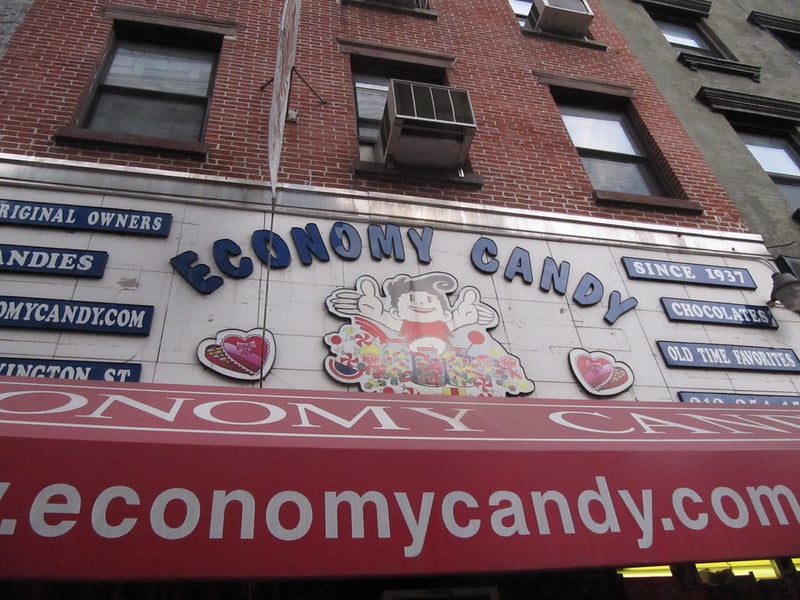
Originally located on the corner of Rivington and Essex in New York City, this expansive candy store began as a shoe store before transitioning to sweets.
The business has operated since 1937, serving generation after generation of customers looking for both nostalgic favorites and hard-to-find treats.
The shop carries everything from Ring Pops to more unusual items, maintaining connections to candy traditions that have faded elsewhere.
The walls are stacked floor to ceiling with jars, boxes, and bins of sweets, creating a visual feast before customers even taste anything.
Many New Yorkers remember visiting as children and now bring their own kids to experience the same overwhelming abundance of choices.
Chutter’s
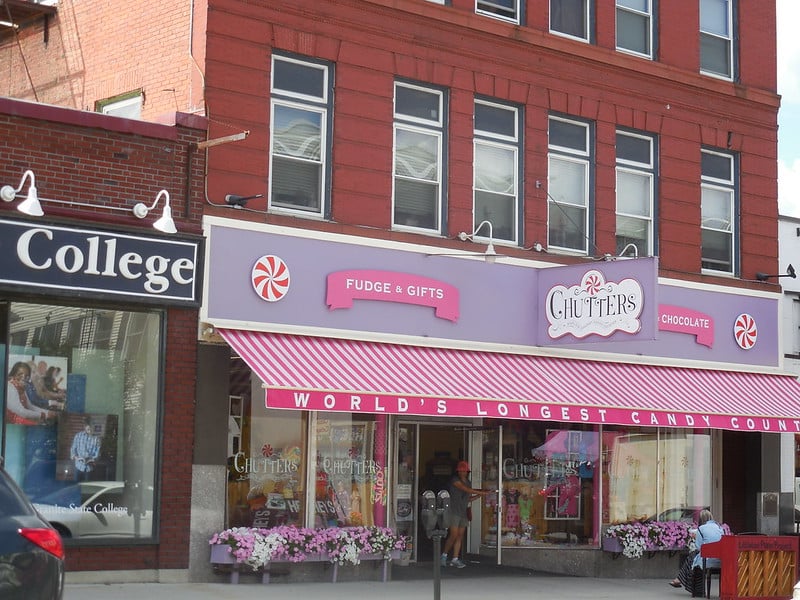
This Littleton, New Hampshire shop still bears the name of its original owner, Frederick George Chutter, who was a preacher turned candy salesman, and the shop has been a presence in the town since the 1800s.
The store is beloved partly because of its 112-foot candy counter, the biggest in the country.
Chutter’s fudge has developed a particularly strong following over the decades.
The massive counter creates an almost overwhelming number of choices, with jars and containers stretching further than most people can see in one glance.
The shop has become as much a destination as the White Mountains surrounding the town, drawing visitors who want to experience what candy shopping looked like over a century ago.
What keeps them authentic

These shops could modernize tomorrow.
They could buy industrial equipment, switch to cheaper ingredients, or franchise their names across shopping malls.
The profits would likely increase, at least in the short term.
But something would be lost in that transformation, and the owners know it.
Shane Confectionery’s manager of historical outreach programs notes that demand is lower than it was at the turn of the century, and these days people aren’t looking for super sweet experiences but rather complex flavors like salted caramel.
The shop survived because it never went the mass production route like Hershey, instead staying rooted in the community and sticking to its original purpose of making hand-crafted, intricately detailed, and creatively flavored candy.
The family connection
Most of these shops share a common thread—they’ve stayed in the same families for generations.
That continuity matters more than outsiders might expect.
Recipes aren’t just written down in these places.
They learn by watching, by helping stir a pot at age eight, by gradually understanding how the candy should look and feel at each stage.
The History Channel’s ‘Modern Marvels’ and other programs have featured shops like Schimpff’s, highlighting how the candy-making process remains unchanged.
Parents teach children who teach grandchildren, creating an unbroken chain of knowledge that machines can’t replicate.
When these businesses nearly fail, family members often swoop in to save them, sometimes moving across the country to keep the legacy alive.
The equipment tells stories
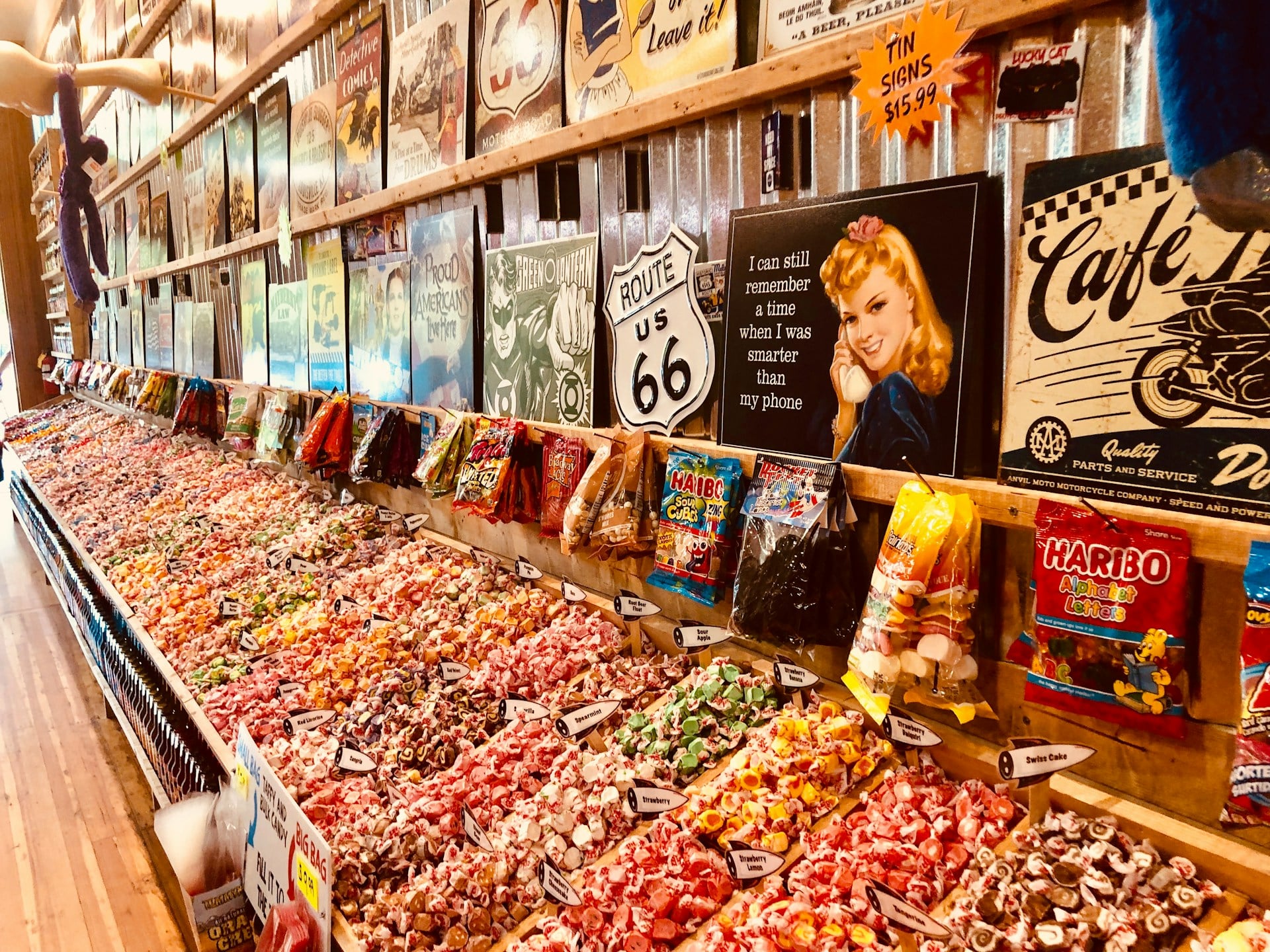
Walking through these shops, you’ll notice the machinery looks ancient because it is.
Copper kettles show decades of heat discoloration.
Marble tables have divots worn smooth by countless batches of pulled candy.
Wooden paddles fit hands perfectly after a century of use.
This equipment wasn’t chosen for aesthetic reasons—it was state-of-the-art when installed, and it still works perfectly.
Modern equipment might be faster or more consistent, but it wouldn’t produce quite the same results.
The slight variations that come from hand-operated machines give each batch its own character, something customers notice even if they can’t quite articulate why.
Why tourists flock to them
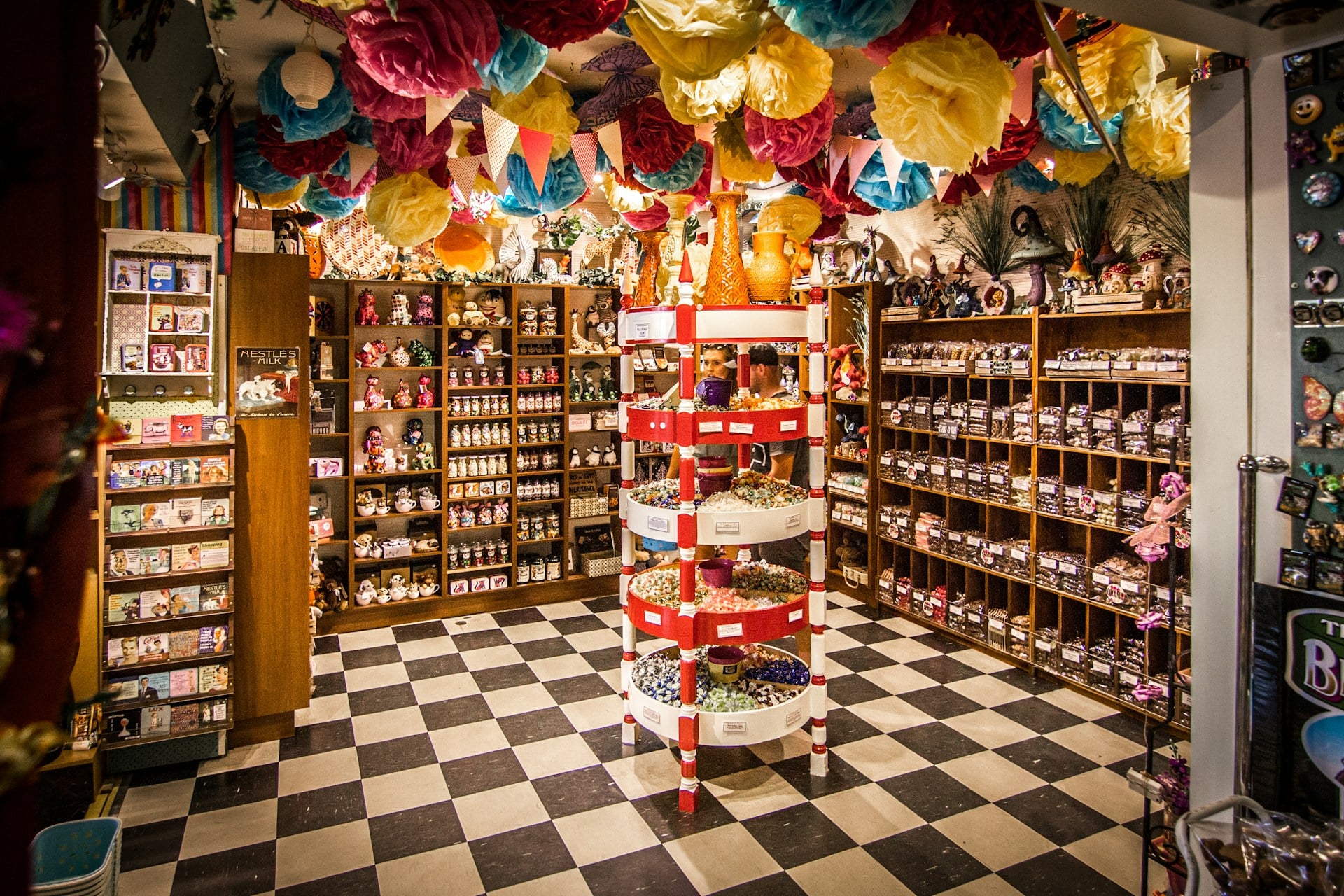
Customers come year after year chasing nostalgia, but also looking for gifts rooted in history, made with precision, care, and a little love.
These aren’t just candy shops—they’re living museums where you can actually eat the exhibits.
Tourists plan entire trips around visiting them, treating the experience as seriously as they would a famous restaurant or historic site.
The shops understand this appeal and lean into it, offering tours, demonstrations, and museums alongside their regular sales.
Watching candy being made the old-fashioned way mesmerizes people who’ve only ever seen factory production lines on television.
The role of community
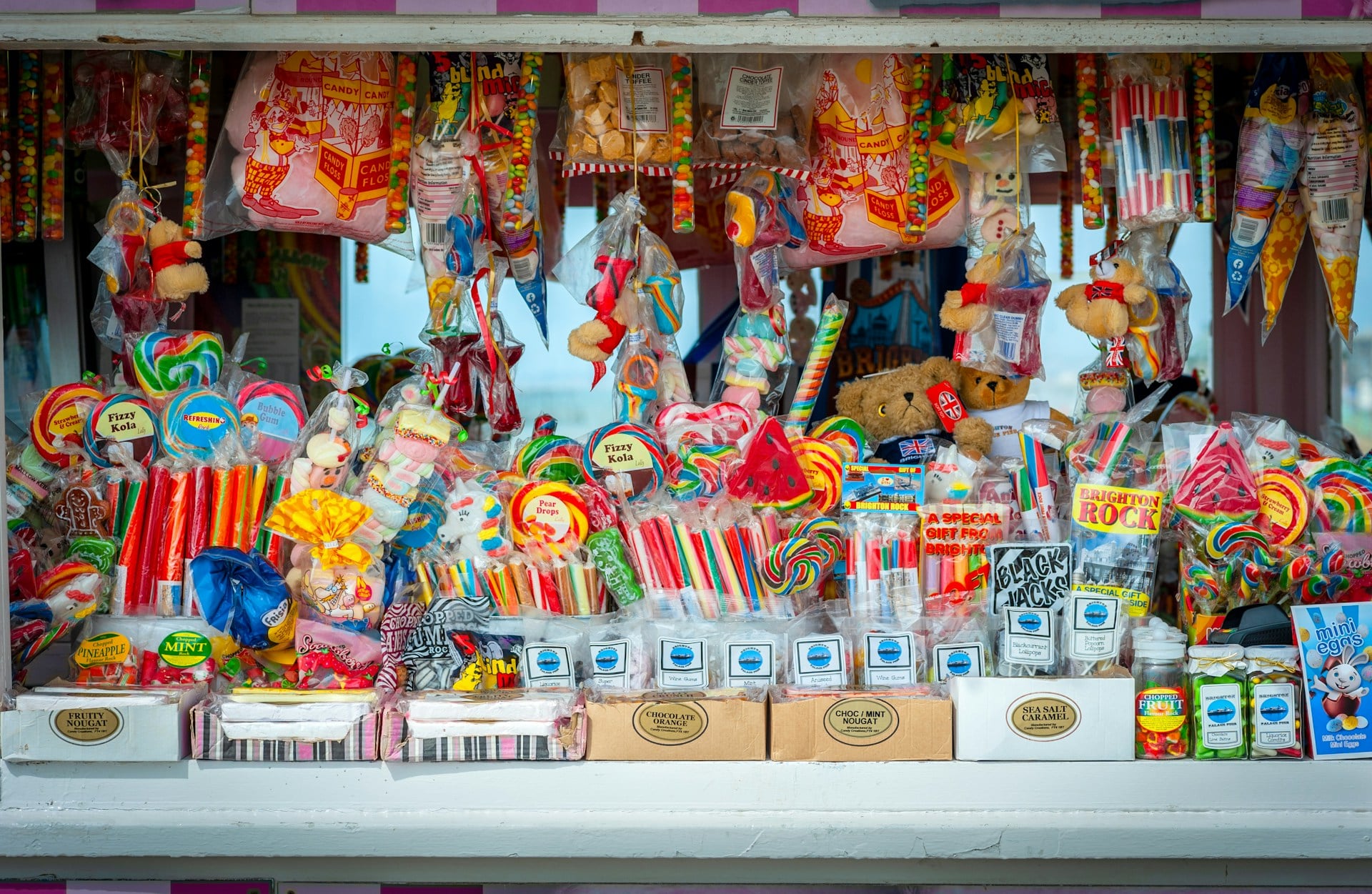
Warren Schimpff explains that his shop ‘has been such an integral part of downtown Jeffersonville, with people coming here all their lives,’ and they wanted to keep that family history and community history alive.
These shops anchor their neighborhoods in ways chain stores never could.
They’re meeting spots, landmarks, and sources of local pride.
When disasters strike, like Hurricane Katrina in New Orleans, these businesses become symbols of resilience.
Ron Kottemann continued selling his candy even during dark times after Katrina, and New Orleans residents found happiness and optimism in the sound of those clopping mule hooves and wagon bell.
The candy itself matters, but so does what the business represents—continuity, tradition, and the stubborn refusal to change just because change is easier.
The challenge of staying traditional
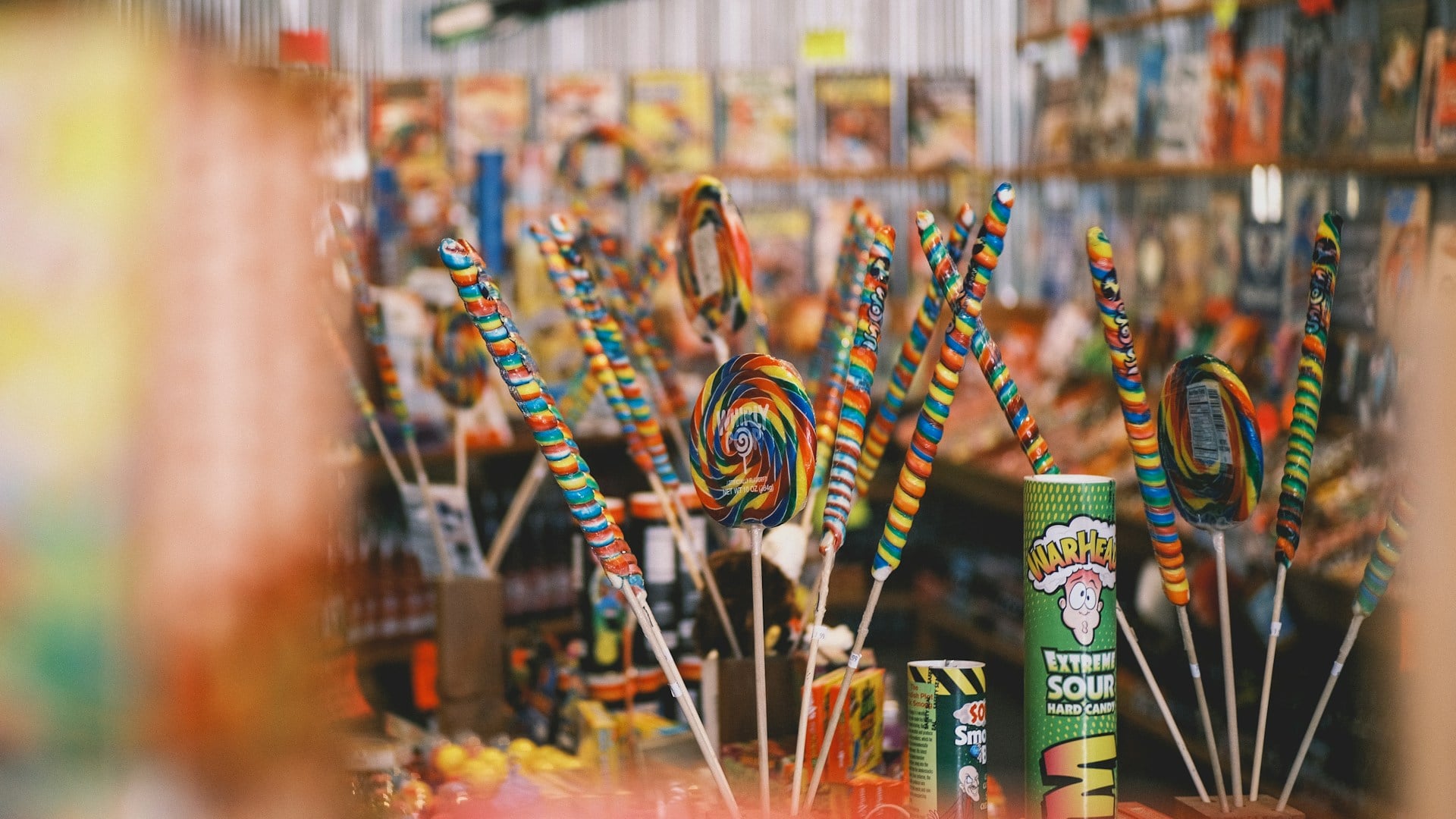
Running these shops isn’t romantic, despite how they might appear to customers.
The old equipment breaks down and finding replacement parts becomes a scavenger hunt through antique dealers and specialty suppliers.
The recipes demand ingredients that aren’t always available from modern suppliers.
Training new workers takes months or years instead of days.
Every batch requires attention and skill that machines could handle automatically.
The profit margins stay thin because hand-crafted candy simply can’t compete on price with factory production.
Yet the owners persist, understanding that what they’re preserving has value beyond the bottom line.
Teaching the next generation
Daniel Kottemann, who sometimes parks a second Roman Candy wagon at the Audubon Zoo, plans on taking over the business and ‘keeping everything as traditional as possible,’ continuing to make the candy by hand ‘just the way we’ve always done it.’
This commitment to passing down knowledge ensures these shops won’t disappear when current owners retire.
The next generation learns not just how to make candy, but why maintaining these traditions matters.
They understand they’re not just running businesses—they’re serving as custodians of cultural history.
That sense of responsibility drives them to preserve methods that would be easier to abandon.
Where tradition meets taste

These historic candy shops prove that old doesn’t mean obsolete.
Their recipes have survived because they produce exceptional candy, not just because of nostalgia.
The techniques might be labor-intensive and the equipment might be antique, but the results speak for themselves.
Customers can taste the difference between hand-pulled and machine-extruded versions, between chocolate tempered in copper kettles and chocolate processed in stainless steel vats.
The shops aren’t frozen in time—they’ve adapted to health regulations, added online ordering, and expanded their offerings—but they’ve done so without compromising the core elements that make them special.
In an era of increasing automation and standardization, these candy makers stand as reminders that some things are worth doing the hard way.
More from Go2Tutors!

- The Romanov Crown Jewels and Their Tragic Fate
- 13 Historical Mysteries That Science Still Can’t Solve
- Famous Hoaxes That Fooled the World for Years
- 15 Child Stars with Tragic Adult Lives
- 16 Famous Jewelry Pieces in History
Like Go2Tutors’s content? Follow us on MSN.