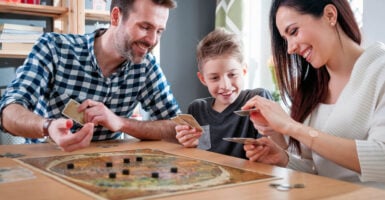
14 Dinner Table Rules That Now Seem Old-Fashioned
Family dinners once followed strict protocols that governed everything from posture to conversation topics. These elaborate etiquette rules shaped how generations ate together, turning meals into formal occasions where children learned proper behavior alongside their vegetables. What once seemed essential for civilized dining now strikes many families as unnecessarily rigid or even comical.
Modern families have traded many of these traditions for casual conversations over takeout containers and phones propped against water glasses. Here is a list of 14 dinner table rules that have largely disappeared from today’s dining rooms.
Wait for Everyone to Be Served
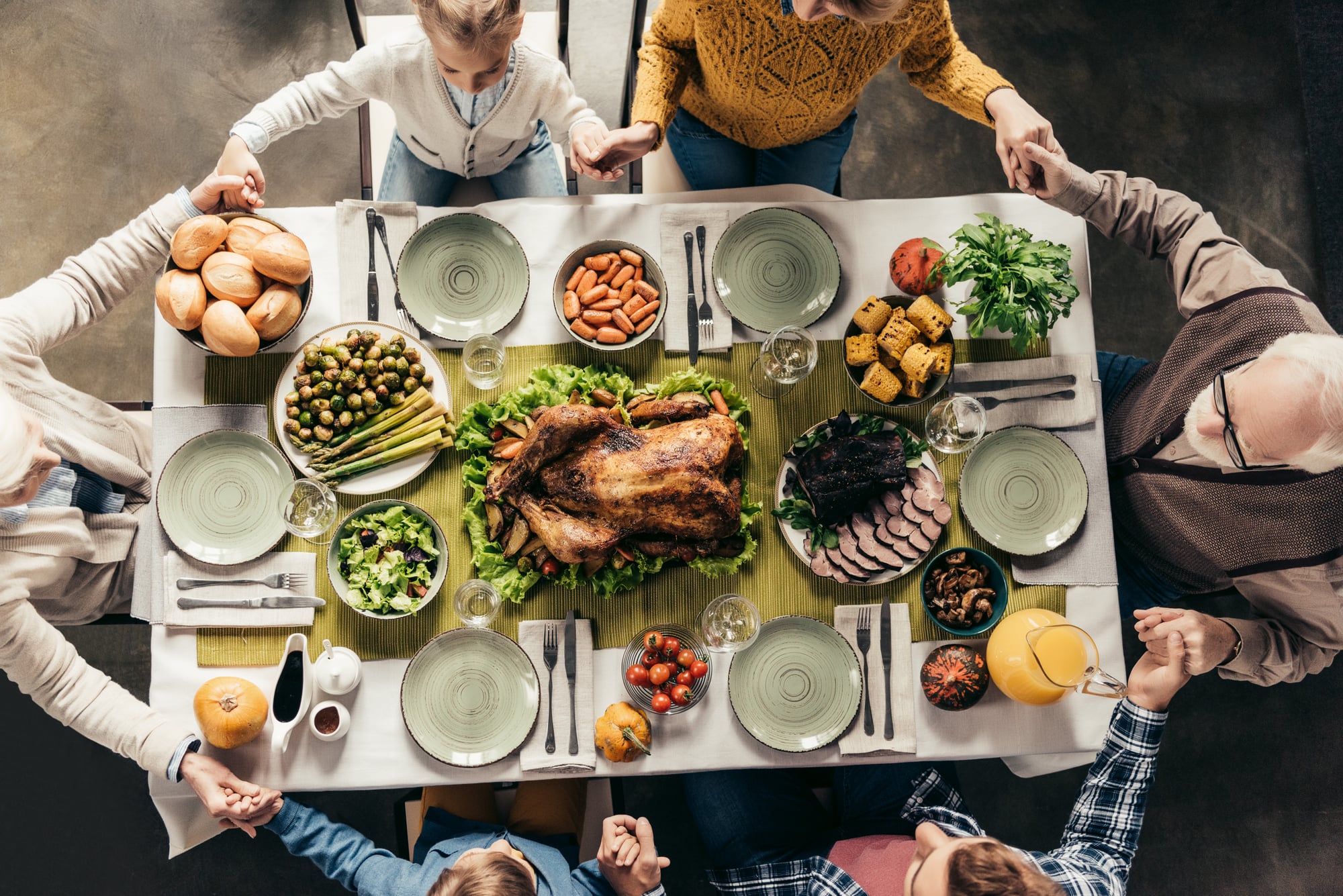
Families once insisted that nobody could take a single bite until every person at the table had food on their plate. This rule showed respect for the cook and ensured that everyone started together as a unified family unit.
Modern families often abandon this practice when dealing with different schedules, dietary restrictions, or simply hungry kids who can’t wait another minute.
Ask Permission to Leave the Table

Children had to formally request “May I be excused?” before leaving their seats, even after finishing their entire meal. Parents used this rule to teach respect for family time and ensure kids didn’t bolt the moment they swallowed their last bite.
Many families now let kids leave naturally when they’re done, especially since family dinner time has become more flexible and less ceremonial.
Keep Your Napkin on Your Lap
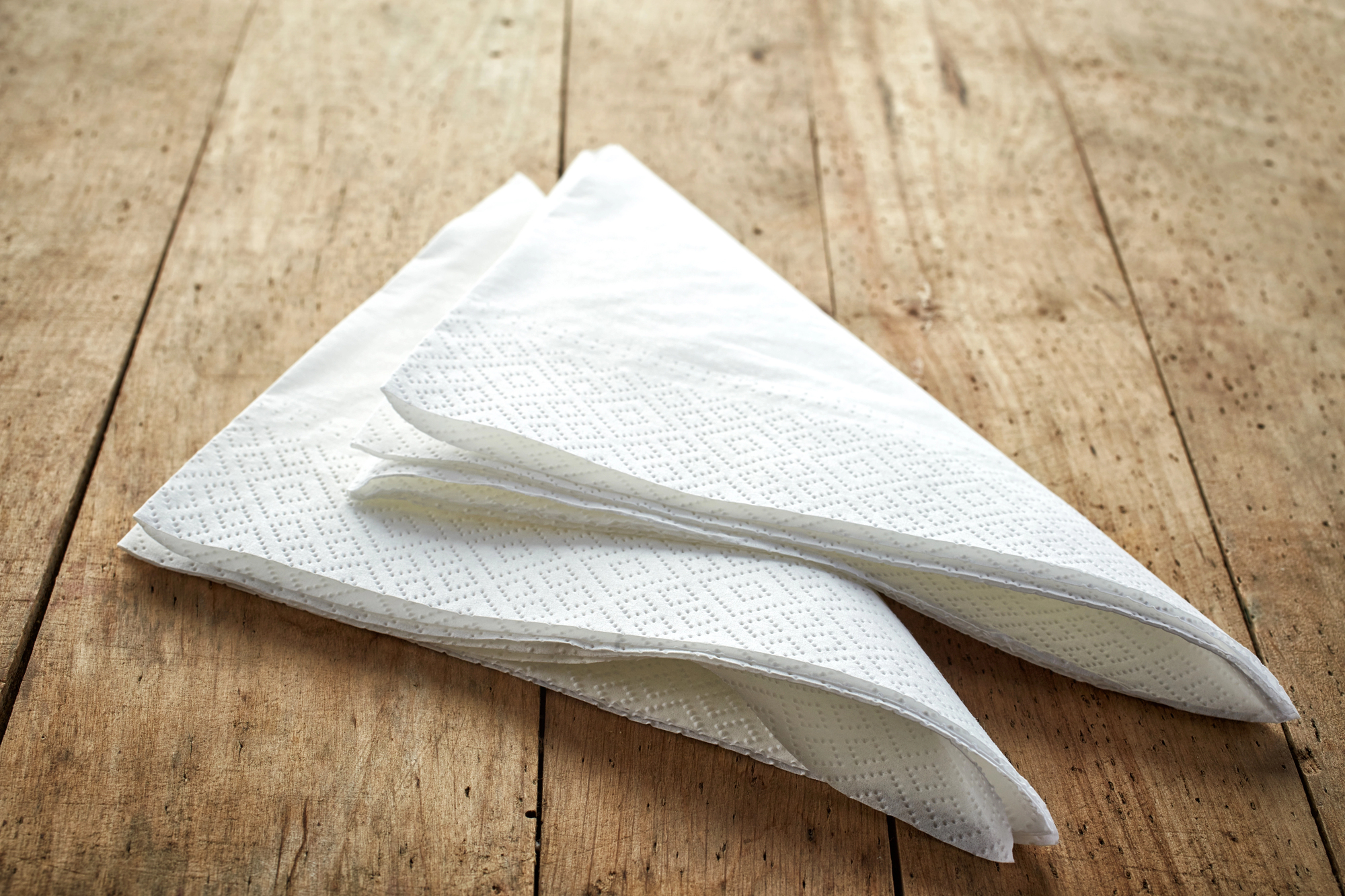
Proper napkin placement was non-negotiable, with children receiving constant reminders to unfold their napkins and place them correctly on their laps. The rule extended to folding the napkin neatly beside the plate when finished eating, never wadding it up or leaving it scattered.
Today’s families often use paper towels or let napkins land wherever they fall during the meal.
No Phones or Electronics

Before smartphones existed, this rule covered radios, televisions, and even comic books at the dinner table. Families viewed mealtime as sacred conversation time where outside distractions had no place.
Now many families eat while scrolling through phones, watching shows, or even video chatting with distant relatives, completely reversing this old-school priority.
Sit Up Straight
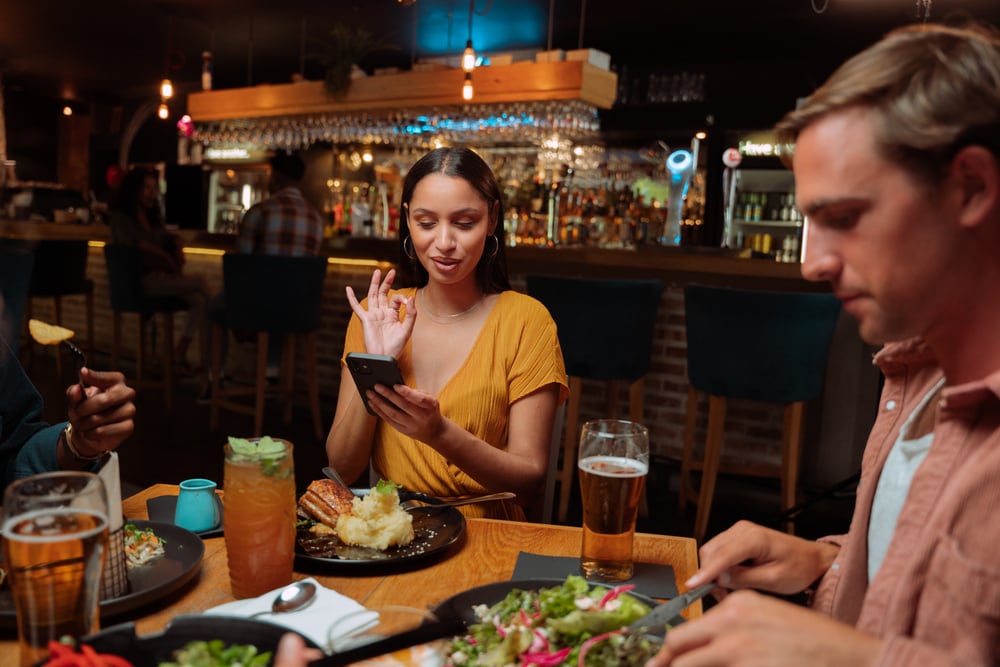
Perfect posture was mandatory, with children constantly reminded to keep their backs straight and feet flat on the floor. Parents believed that slouching showed disrespect for the meal and the family gathering.
Contemporary families care more about comfortable conversation than rigid spine alignment, often eating on couches or standing at kitchen counters.
Use Your Inside Voice

Children learned to speak quietly and calmly at dinner, with any excitement or loud laughter quickly hushed by watchful parents. This rule aimed to create a peaceful, dignified atmosphere where everyone could hear each other speak.
Modern families often embrace louder, more animated dinner conversations, viewing enthusiasm as a positive sign of family engagement.
No Discussing Money at the Table
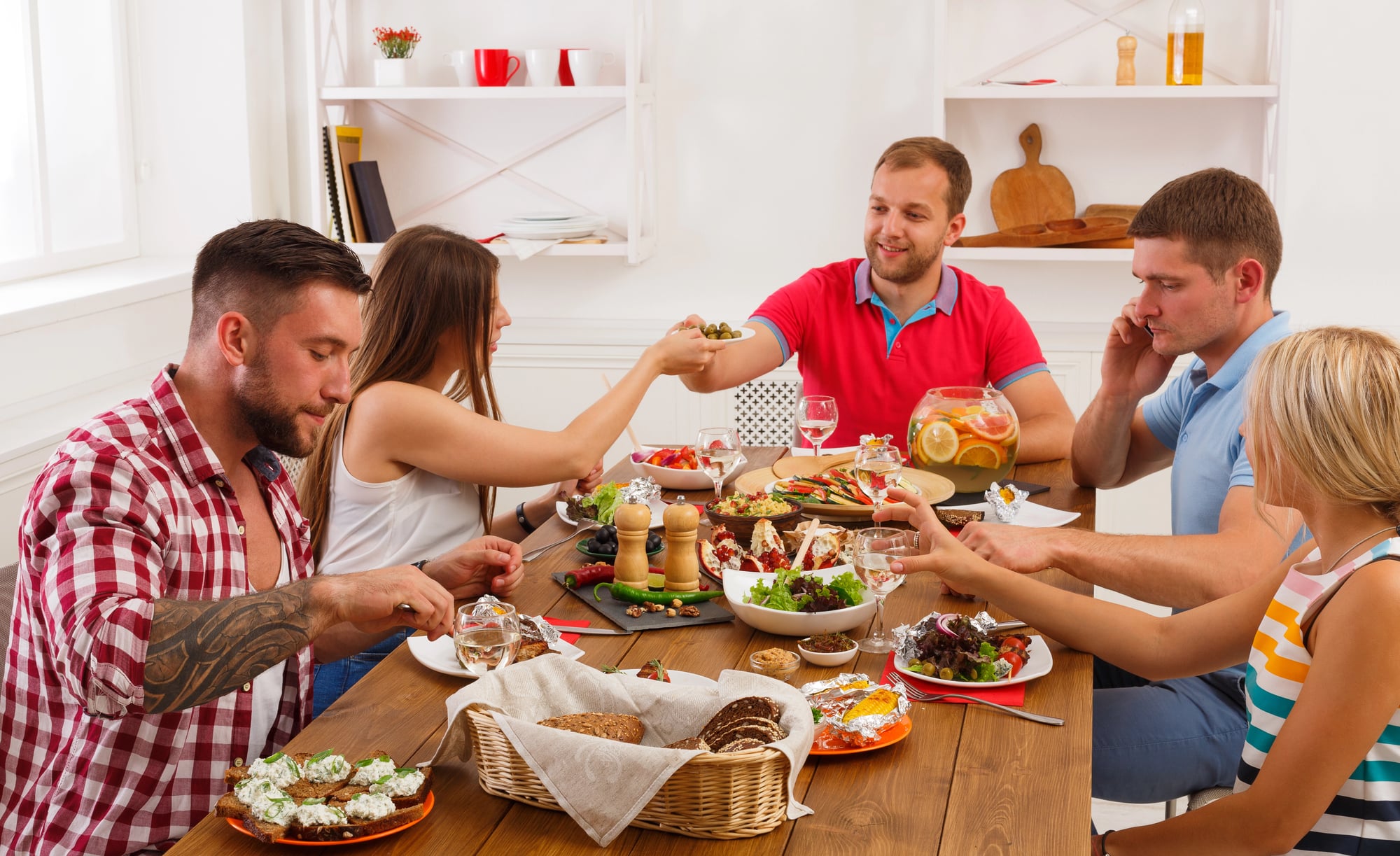
Financial topics were strictly forbidden during meals, considered too serious or inappropriate for family dining. Parents wanted to protect children from adult concerns and maintain dinner as a pleasant, worry-free zone.
Today’s families often use dinner time to discuss budgets, plan purchases, or teach kids about money management as part of ongoing financial education.
Finish Everything on Your Plate
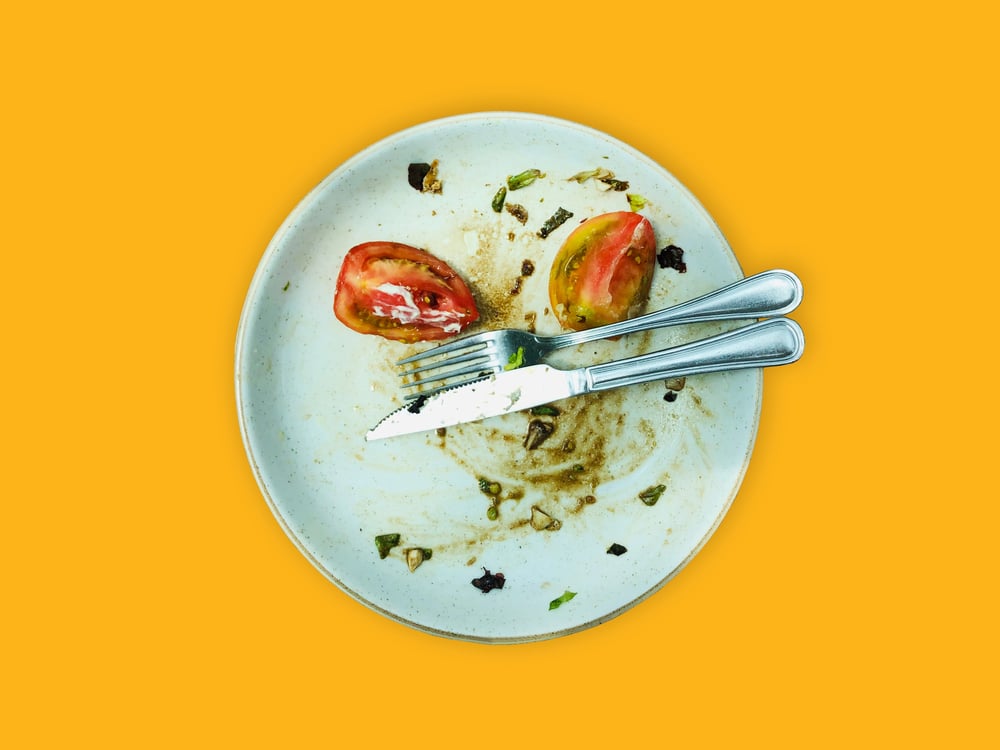
The “clean plate club” mentality dominated family dinners, with children expected to eat every morsel served to them. Parents enforced this rule to prevent food waste and ensure proper nutrition, often withholding dessert until plates were empty.
Modern understanding of healthy eating habits has largely abandoned this practice in favor of teaching kids to recognize their own hunger and fullness cues.
Say Grace Before Eating
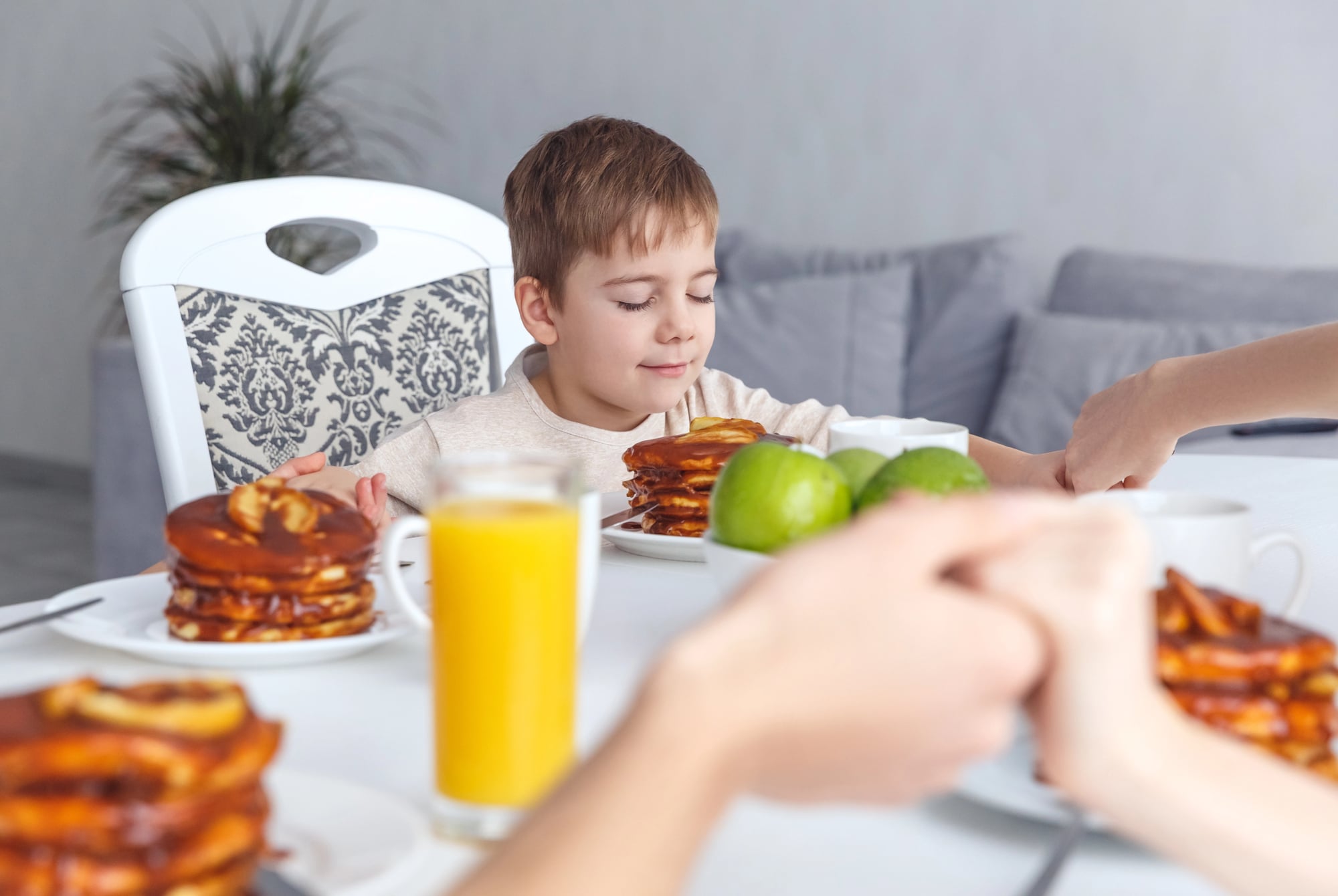
Religious or secular expressions of gratitude were mandatory before anyone could touch their food. Families would join hands, bow heads, and recite traditional prayers of thanks for the meal and their blessings.
While some families maintain this tradition, many others have dropped formal grace in favor of casual expressions of appreciation or no pre-meal ritual at all.
Use Proper Utensils for Each Food
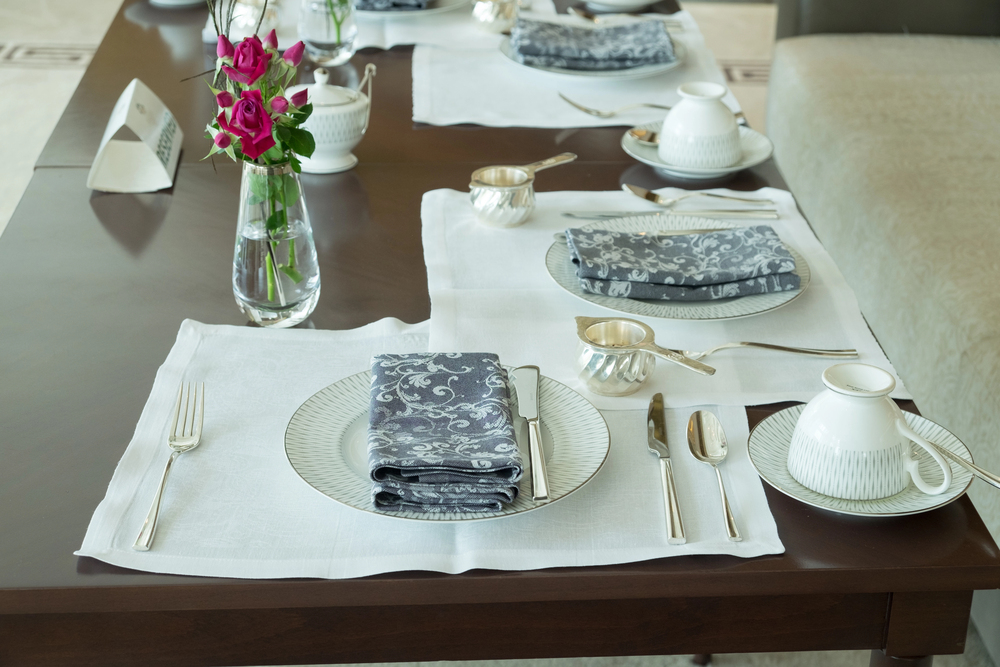
Elaborate place settings included specific forks, knives, and spoons for different courses, with children learning which utensil to use when. Parents taught the progression from outside utensils inward with each course, along with proper cutting and eating techniques.
Most families now use basic utensil sets and care more about getting food eaten than following formal dining protocols.
No Reading at the Table

Books, newspapers, and magazines were banned from dinner tables to encourage family conversation and proper focus on the meal. Parents viewed reading during meals as antisocial behavior that prevented meaningful family interaction.
Contemporary families often read together during meals, share interesting articles, or use tablets for educational content while eating.
Children Speak When Spoken To
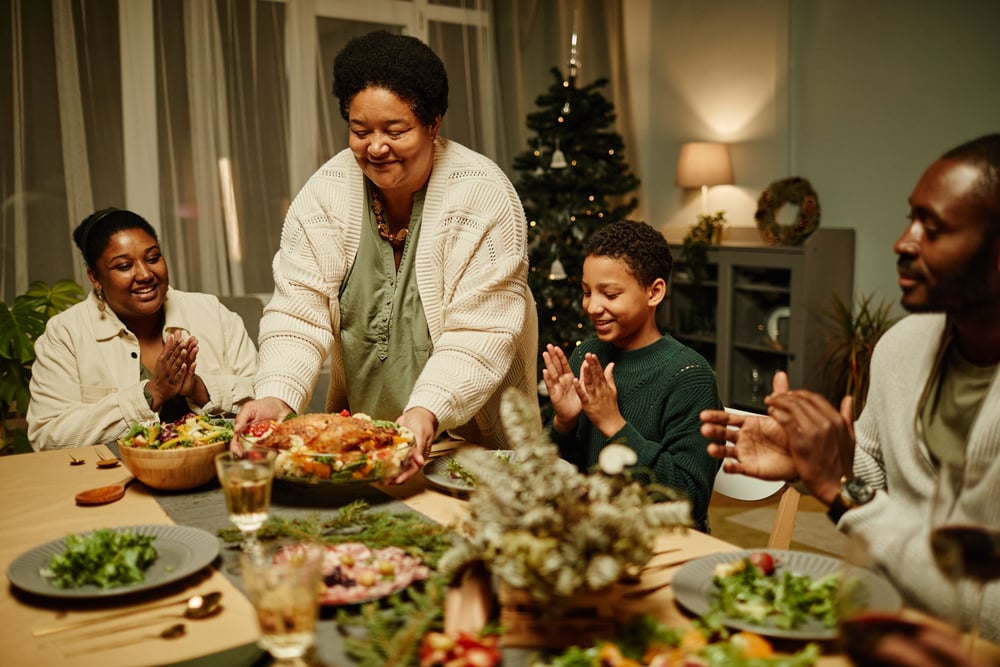
Kids were expected to remain quiet unless directly addressed by an adult, maintaining their role as respectful listeners rather than active conversation participants. This rule emphasized adult authority and taught children to value listening over speaking.
Modern families typically encourage children to share stories, ask questions, and participate fully in dinner conversations as equal family members.
Keep Hands Visible on the Table
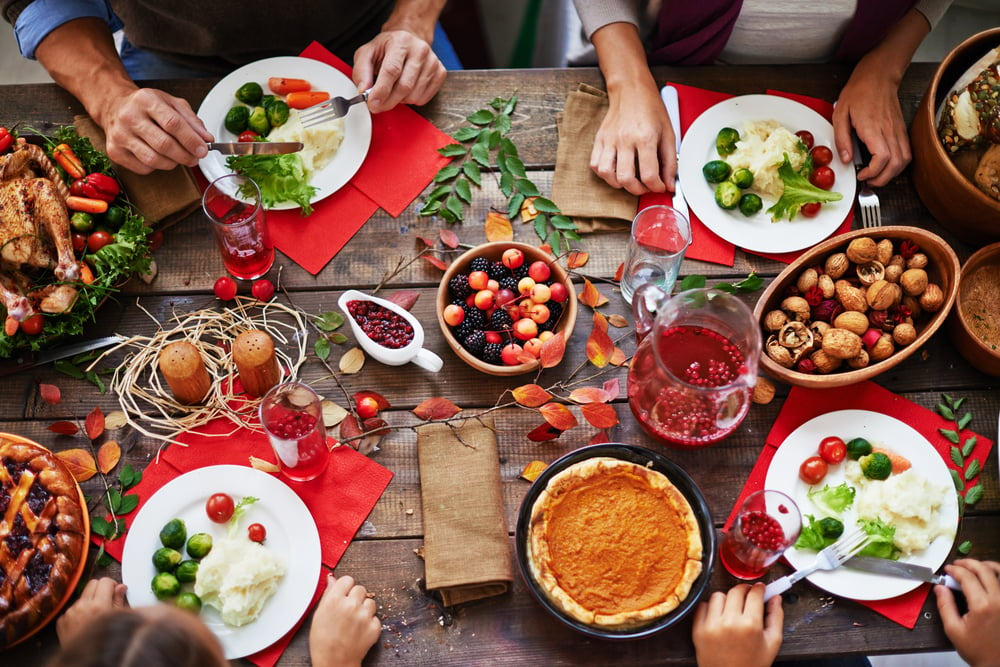
Children learned to rest their hands on the table edge rather than hiding them in their laps, a rule borrowed from formal etiquette traditions. This practice supposedly demonstrated that diners weren’t hiding anything and maintained proper posture.
Few families enforce this rule today, focusing instead on comfortable positioning that allows for natural eating and conversation.
No Getting Up During the Meal

Once seated, family members were expected to remain in their chairs until everyone finished eating completely. Parents used this rule to maintain order and ensure focused family time without constant interruptions.
Modern families adapt to real life with bathroom breaks, second helpings, and helping younger siblings as needed throughout the meal.
When Tradition Meets Reality
These forgotten rules reflect a time when family dinners served as formal training grounds for social behavior and respect. While many of these practices seem unnecessarily strict today, they created structured family time that many households now struggle to maintain amid busy schedules and competing priorities.
The challenge for modern families lies in finding the right balance between meaningful connection and practical flexibility. Perhaps the most important rule that still applies is simply showing up and sharing time together, regardless of where your elbows happen to rest.
More from Go2Tutors!

- The Romanov Crown Jewels and Their Tragic Fate
- 13 Historical Mysteries That Science Still Can’t Solve
- Famous Hoaxes That Fooled the World for Years
- 15 Child Stars with Tragic Adult Lives
- 16 Famous Jewelry Pieces in History
Like Go2Tutors’s content? Follow us on MSN.