23 Snack Bar Items From the ’70s That Nobody Sells Anymore
School snack bars and concession stands of the 1970s operated with remarkable freedom regarding ingredient disclosure and nutritional concern. Treats were sold without warning labels, ingredient lists, or nutritional information.
Sugary snacks occupied prominence without context about sugar consumption or dental health. The combinations that seemed normal in that era—deep-fried dough with chocolate sauce, candy that stained lips bizarre colors, processed cheese in unnaturally convenient formats—now seem shocking.
Yet children consumed these items happily and regularly without apparent universal cavity rates or obesity crises that would later grip American childhood. Many of these items disappeared not through formal bans but through simple discontinuation.
Manufacturers no longer produced them, snack bars stopped ordering them, and the items vanished from collective memory. Some represented genuinely unique combinations that wouldn’t survive modern food safety scrutiny.
Others simply went out of fashion as palates changed and convenience-oriented products replaced more elaborate snack bar offerings.
Fried Dough with Cinnamon and Sugar
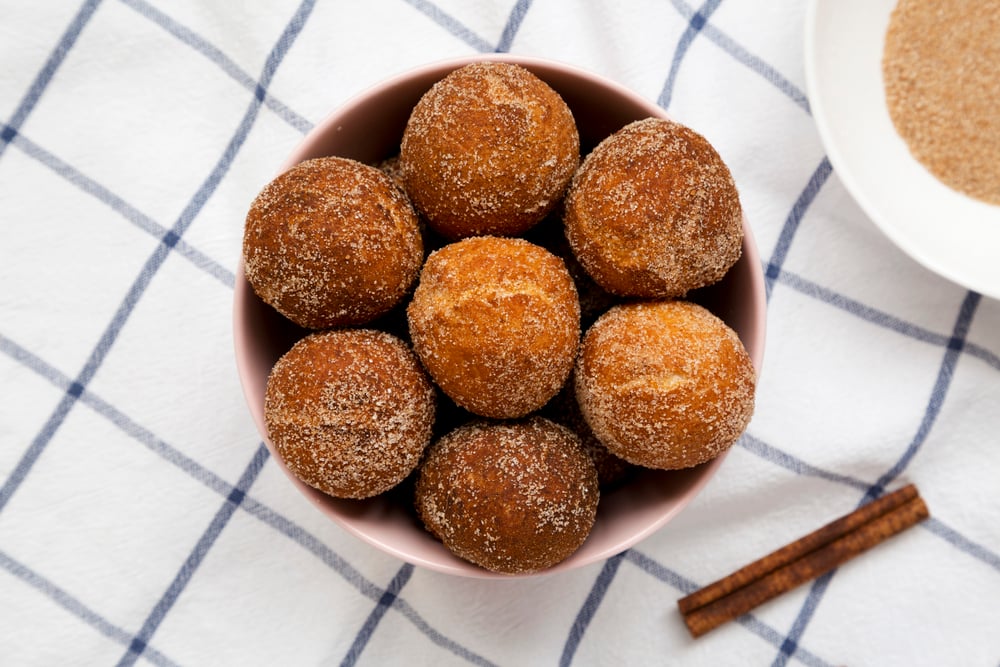
Fried dough orbs rolled in cinnamon and sugar were sold warm at school snack bars, offered straight from a warming case into paper bags. The item involved deep-frying loose dough without breading, creating an oil-soaked confection that would seem excessive by modern standards.
Choco-Dip Cones
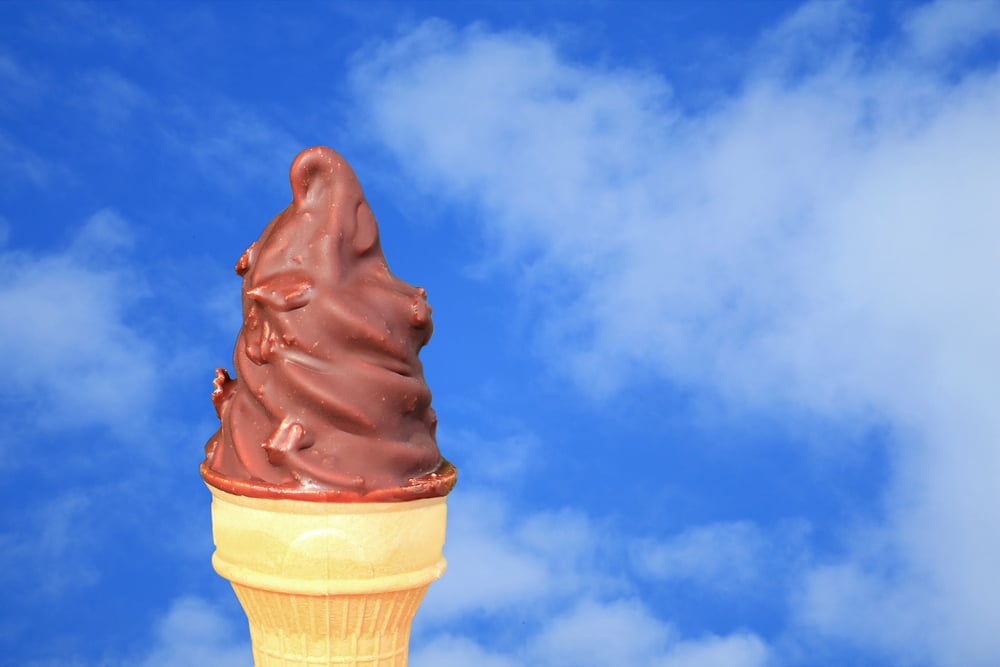
Soft-serve ice cream cones dipped in hardening chocolate coating were common snack bar offerings. The chocolate shell would harden on contact with cold ice cream, creating a combination that stained hands and clothing conspicuously.
Sno-Caps with Syrup
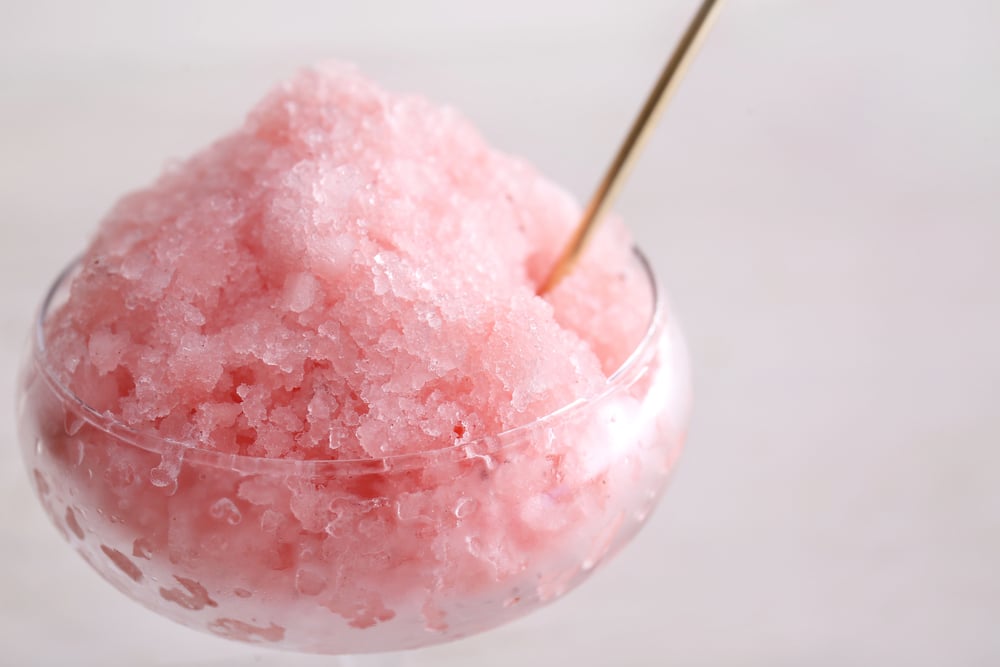
Crushed ice with fruit-flavored syrup poured over top, served in cups with wooden spoons. The syrup melted through the ice, creating drinks that were essentially colored sugar water served cold.
Nachos with Bright Orange Cheese
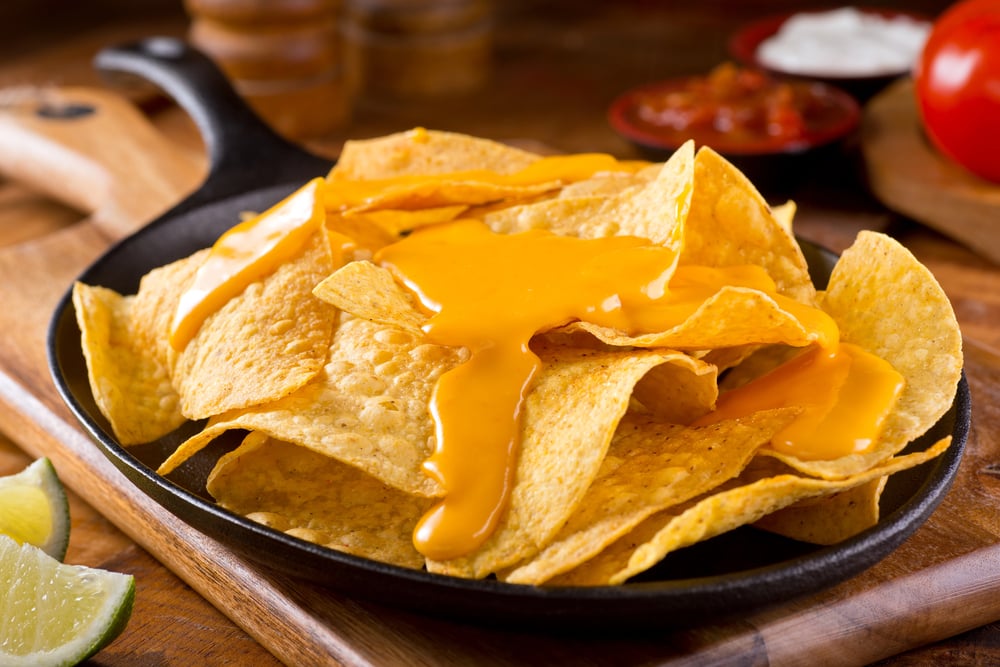
Tortilla chips covered in processed cheese sauce that came from metal pumps, creating an unnatural orange coating that stained permanently. The cheese sauce’s chemical composition bore minimal relationship to actual cheese.
Corn Dogs
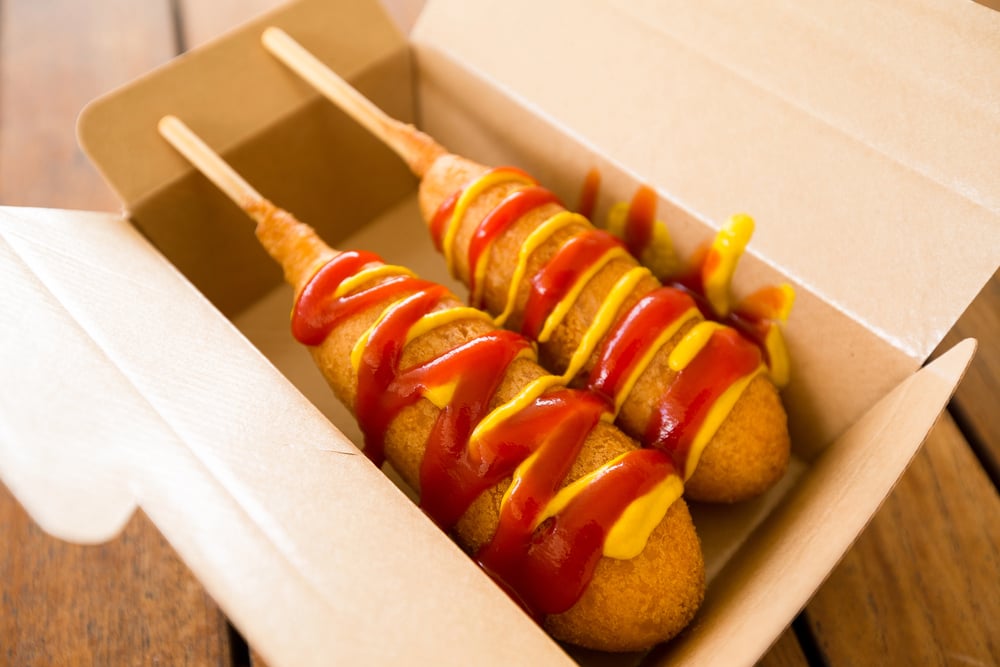
Corn-battered hot dogs on sticks, deep-fried and served as convenient handheld items. The breading absorbed grease dramatically and the items remained warm throughout a snack bar transaction.
Pepperoni Pizza Bread
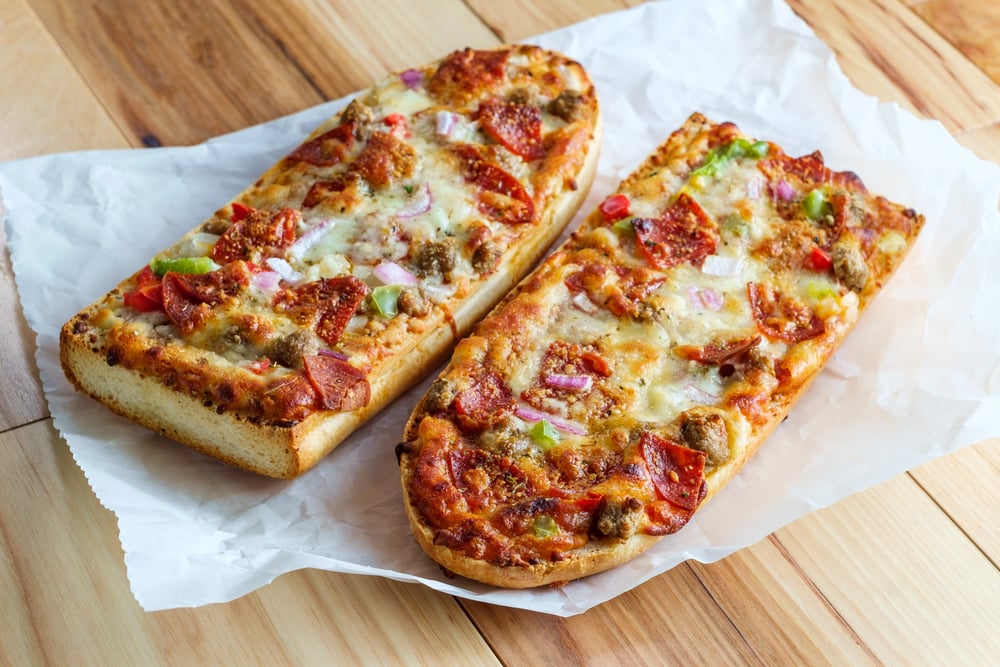
Pre-cut pizza bread with pepperoni and cheese, deep-fried and served piping hot. The grease saturation made handling challenging and stained paper napkins through.
Cinnamon Rolls
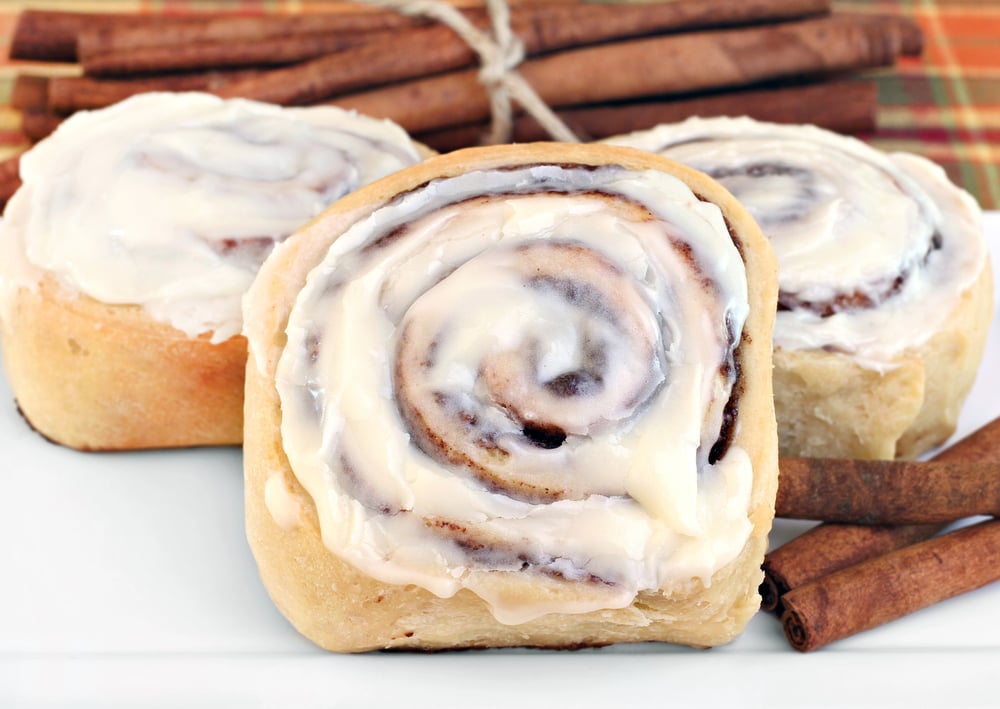
Spiral cinnamon rolls with white icing glaze, soft enough to fall apart and sticky enough to adhere to hands and clothing. The sugar density seemed intentional, with cinnamon and white sugar dominating the flavor profile.
Soft Pretzels with Mustard
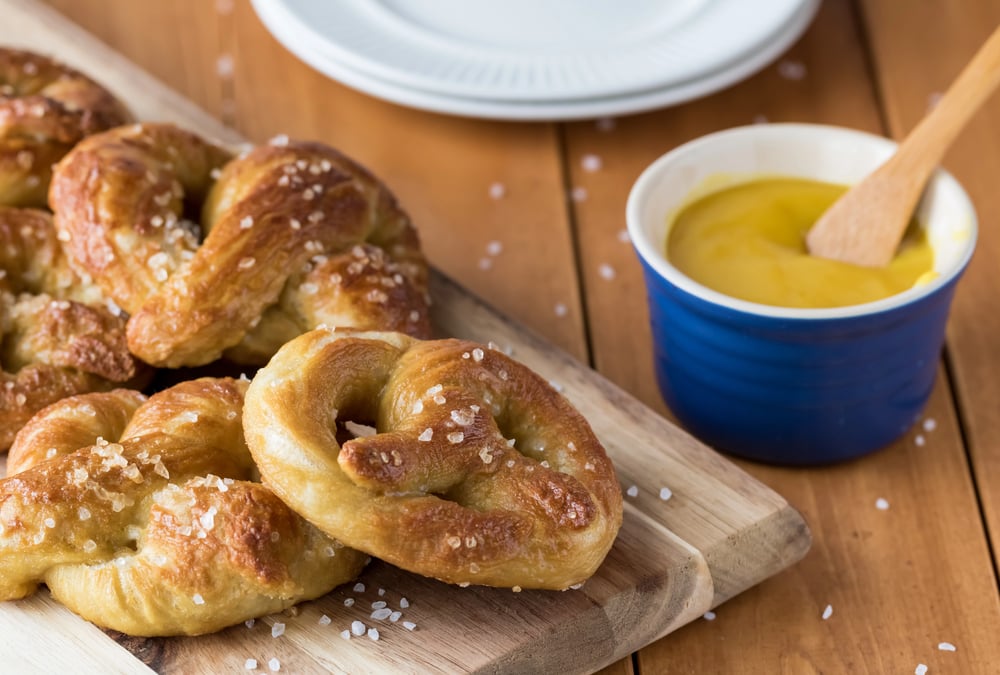
Warm pretzels served with packets of bright yellow mustard for dipping. The soft dough texture and salt coverage created a completely different product than modern pretzel snacks.
Hot Cheese Bread
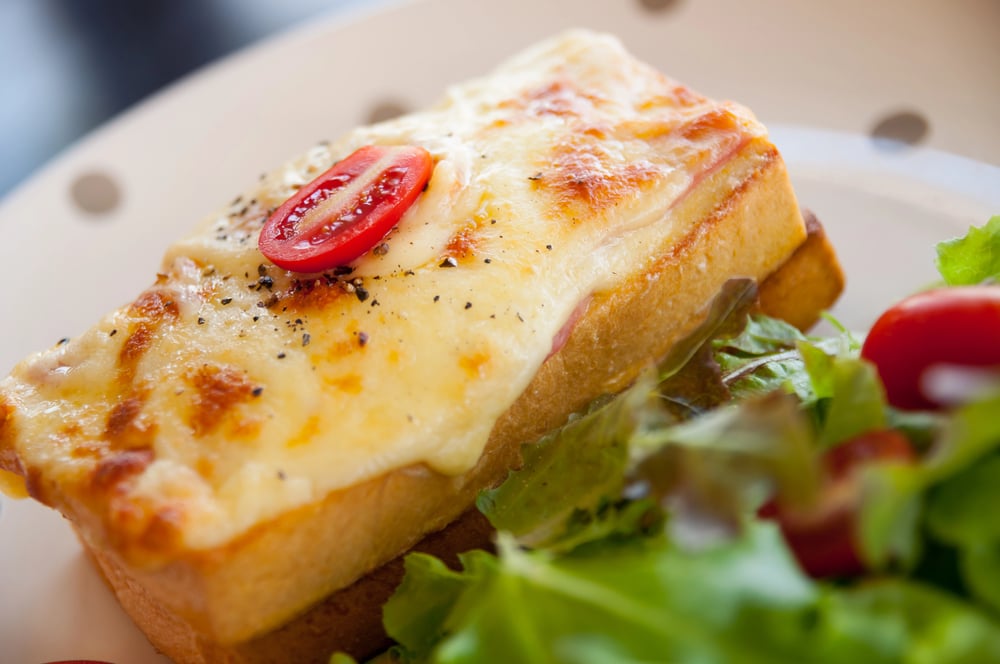
Sliced bread covered with melted cheese and Italian seasoning, deep-fried or toasted. The cheese would drip when broken apart and stain permanently if allowed to contact clothing.
Churros
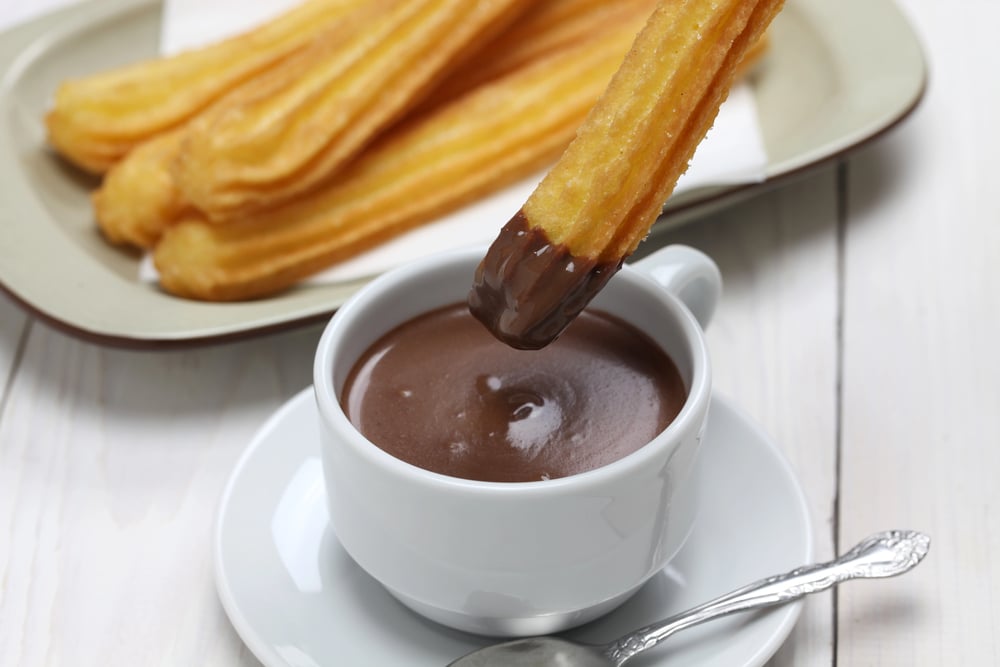
Deep-fried pastry tubes often dipped in chocolate or cinnamon sugar, sold warm from warming cases. The items combined extreme greasiness with sugar coating in ways that seemed designed to maximize mess.
Frito Pie with Chili
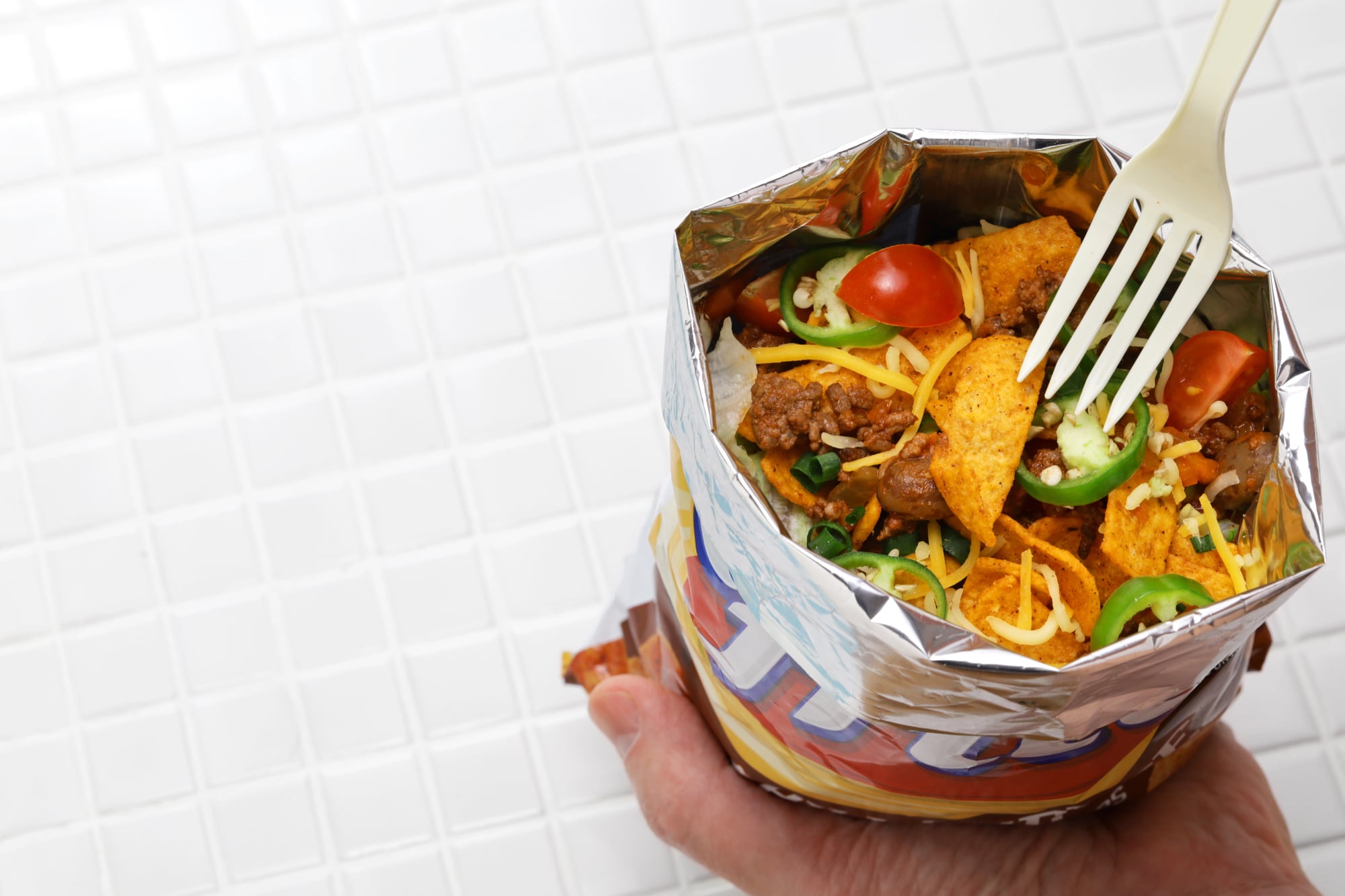
Bags of Fritos chips topped with hot chili and cheese, served in the bag with plastic spoons. The combination created a convenience factor that made cleanup impossible.
Pigs in a Blanket
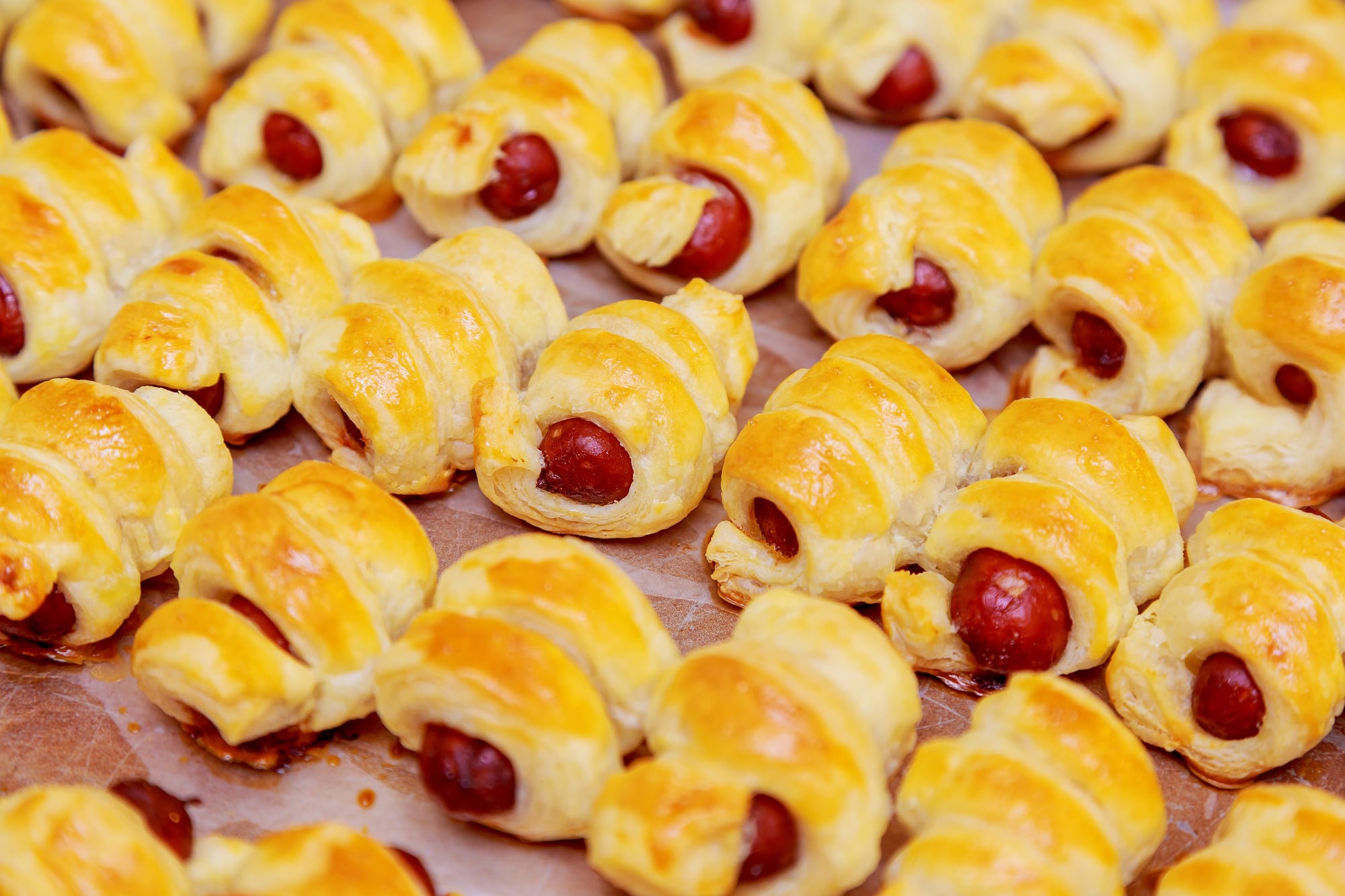
Cocktail sausages wrapped in crescent roll dough, served warm with mustard. The items were small enough to eat quickly but greasy enough to stain paper containers.
Fried Okra
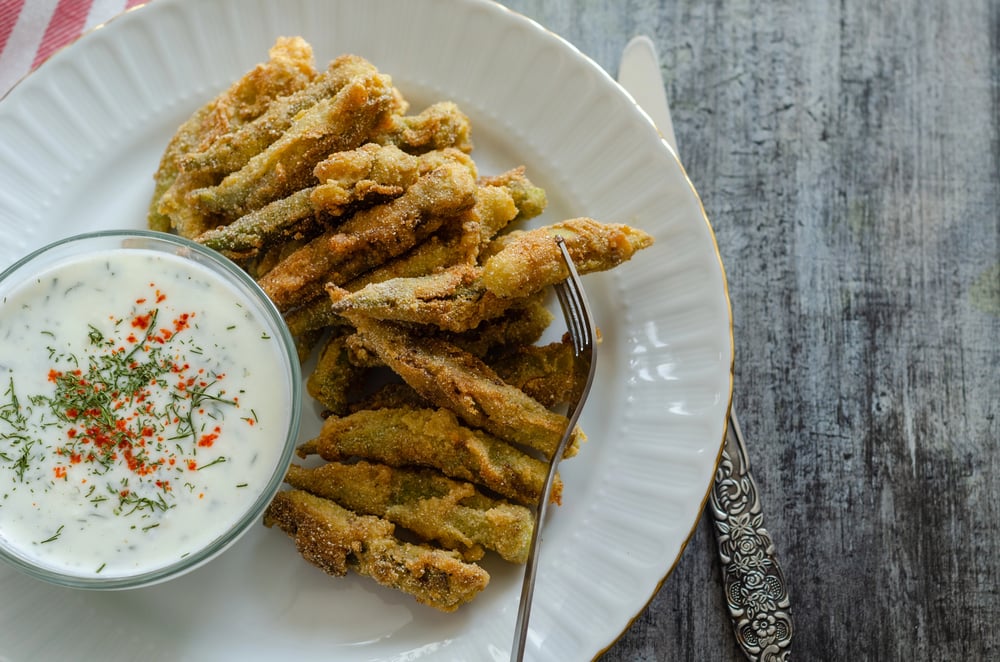
Deep-fried okra pieces served warm with a sauce for dipping. The vegetable texture after frying created something barely recognizable as okra.
Funnel Cake
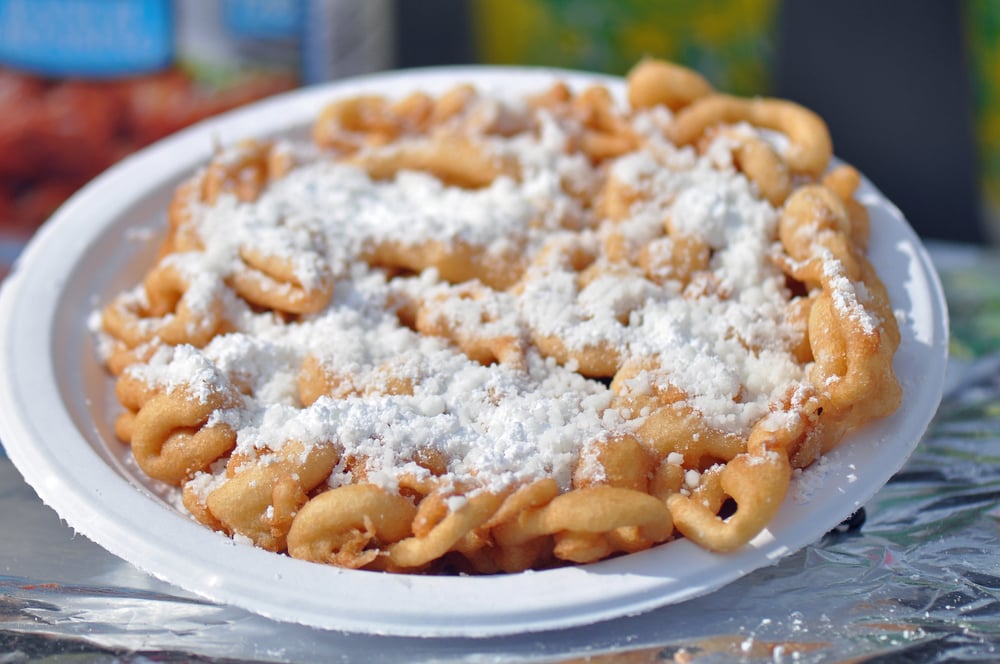
Deep-fried batter poured in spiral patterns onto hot oil, creating a cake-like object that absorbed grease dramatically. The items were typically topped with powdered sugar or chocolate, creating a combination that seemed designed to maximize consumption experience.
Corn Dogs Batter-Dipped
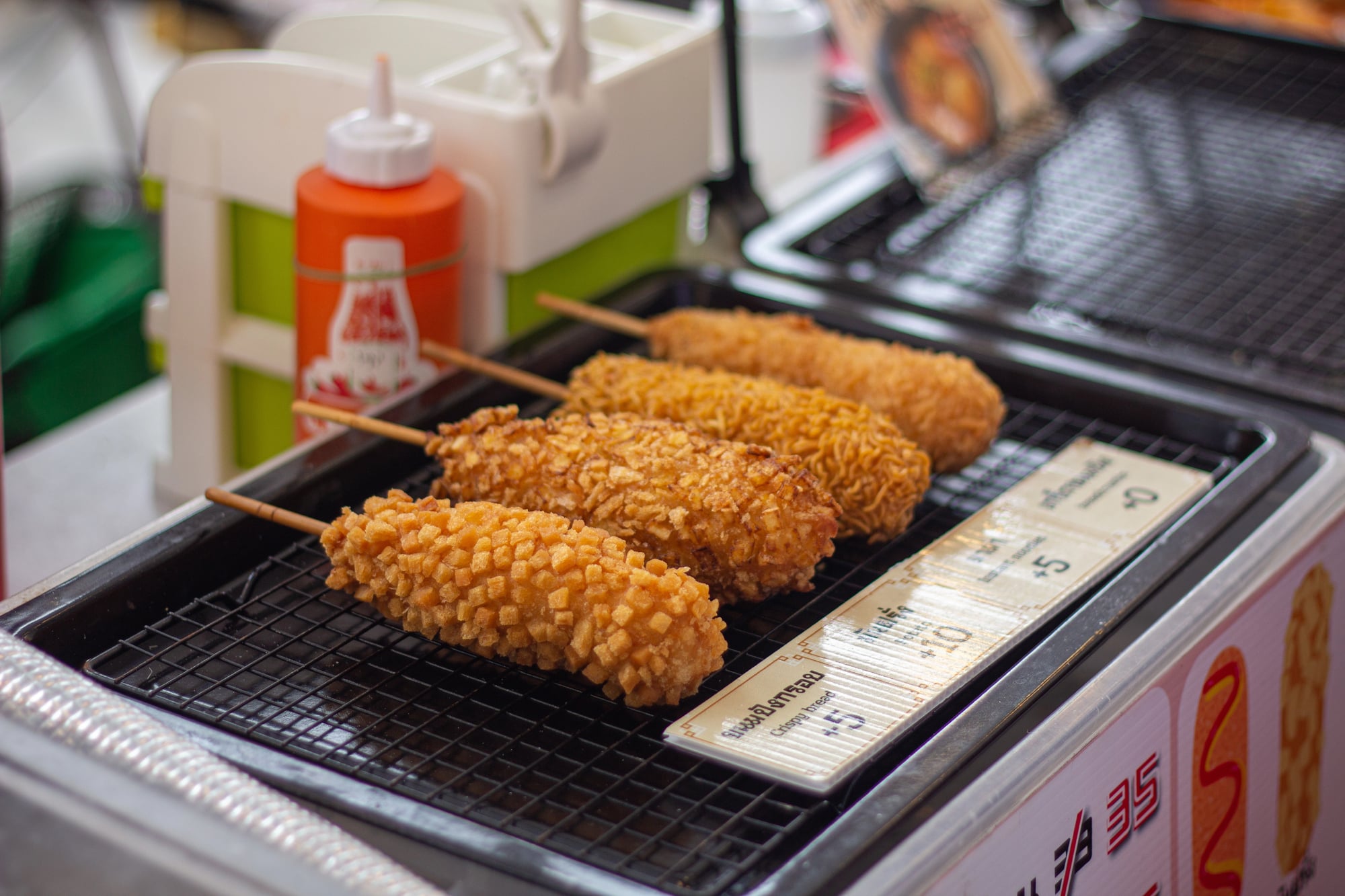
Variations on corn dogs involved double-dipping or excessively thick battering that created items where breading often exceeded the hot dog completely.
Deep-Fried Pickles
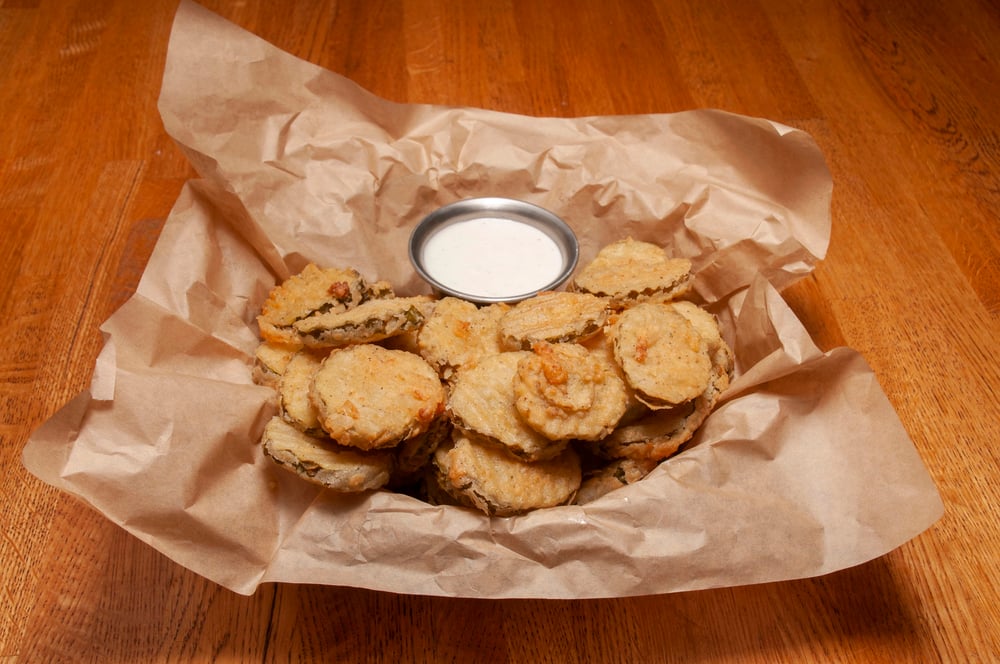
Dill pickle spears coated in breading and deep-fried, served with ranch dip. The combination of pickle brine and frying oil created an unusual flavor profile.
Elephant Ears
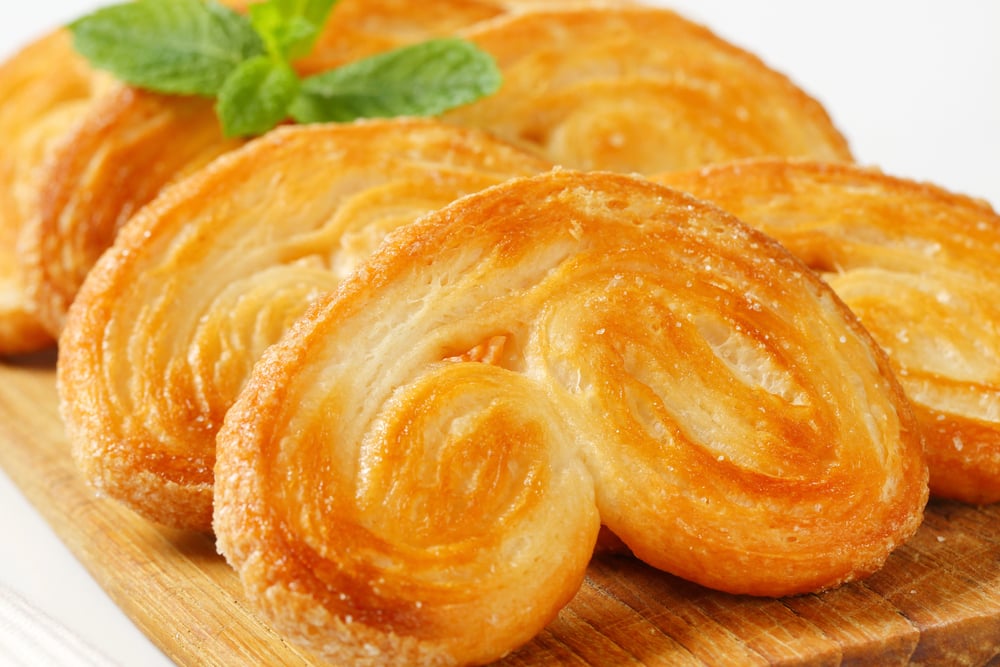
Fried pastry dough pressed into large, thin sheets and dusted with cinnamon sugar. The pastries were enormous and extremely greasy despite their thin construction.
Curly Fries with Cheese Sauce
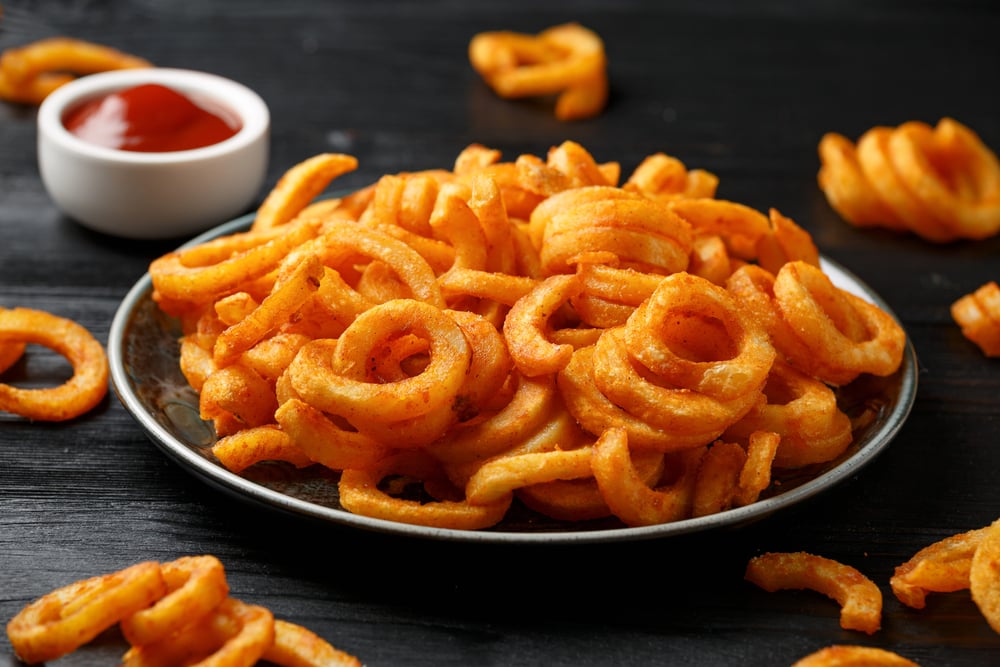
Spiral-cut deep-fried potato served with the same cheese sauce used for nachos. The combination stained completely and the cheese cooled into an inedible glue once hardened.
Onion Rings
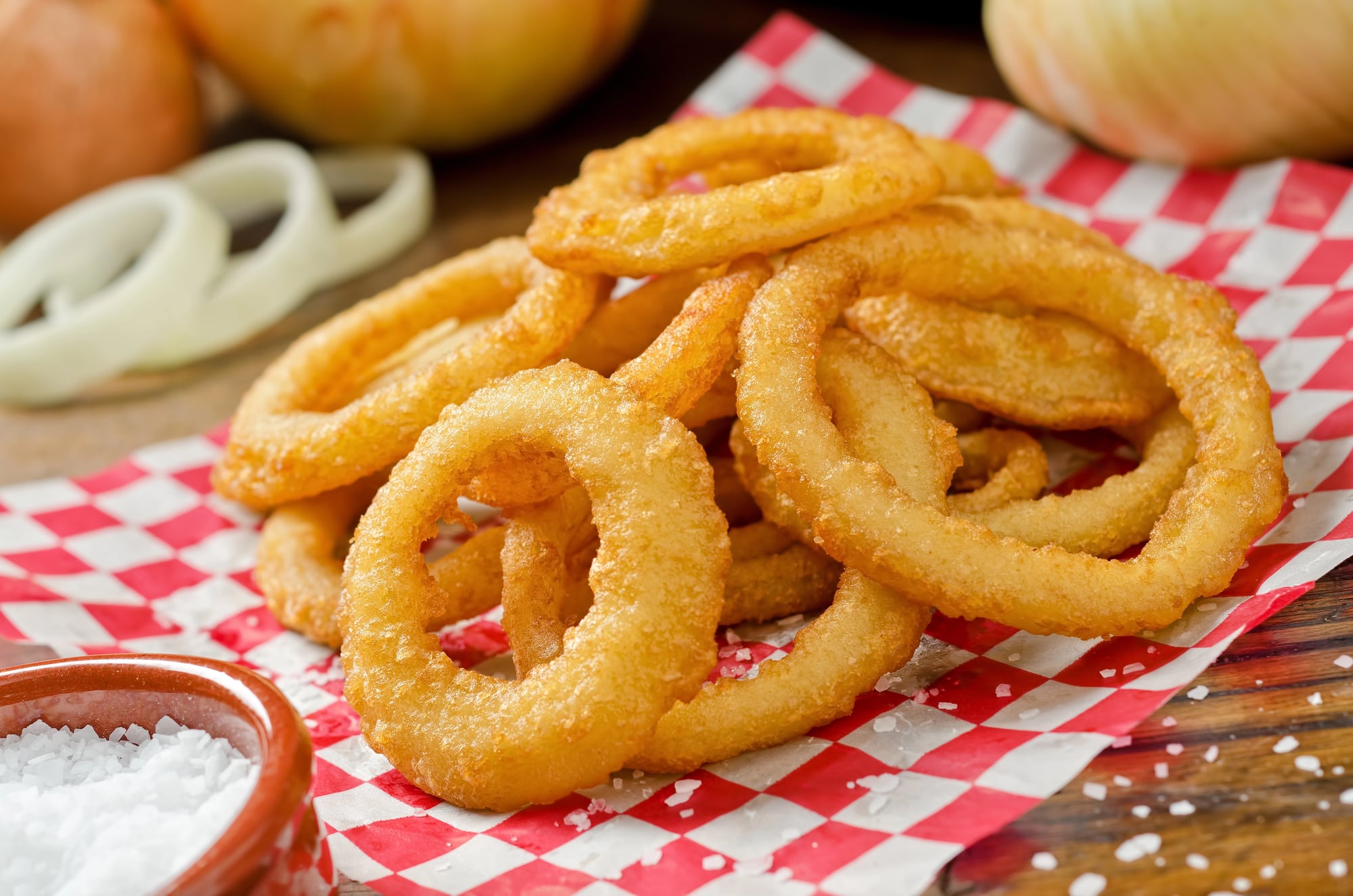
Battered and deep-fried onion rings with no concern for portion size or grease absorption. The rings would drip grease through bags and containers.
Turkey Legs
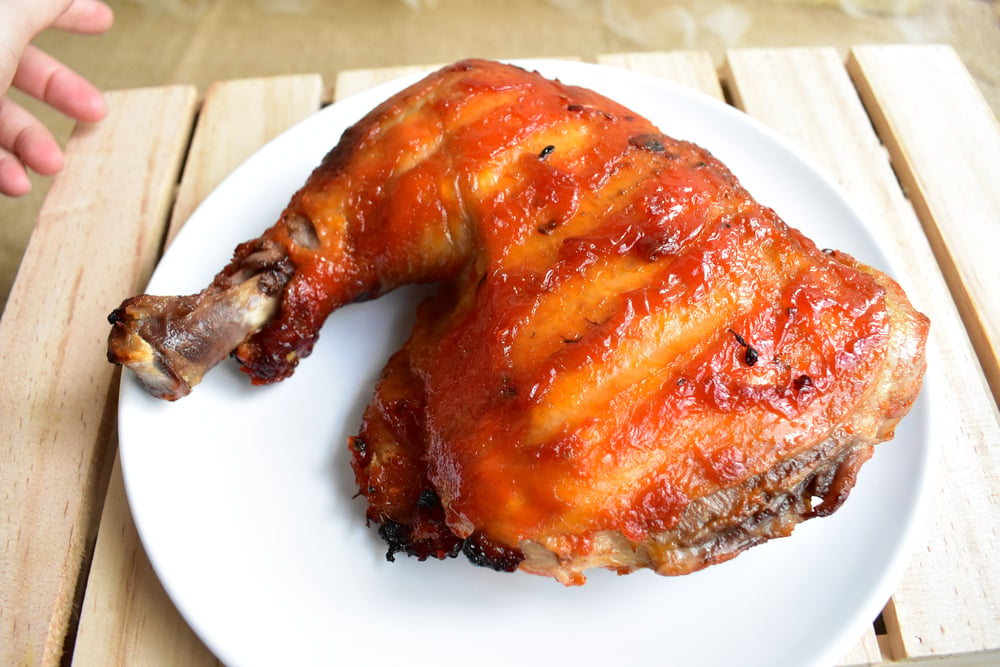
Enormous turkey legs deep-fried and served as novelty items, creating a convenient handheld food item that seemed to belong at fairs more than school snack bars.
Waffle Fries with Cheese
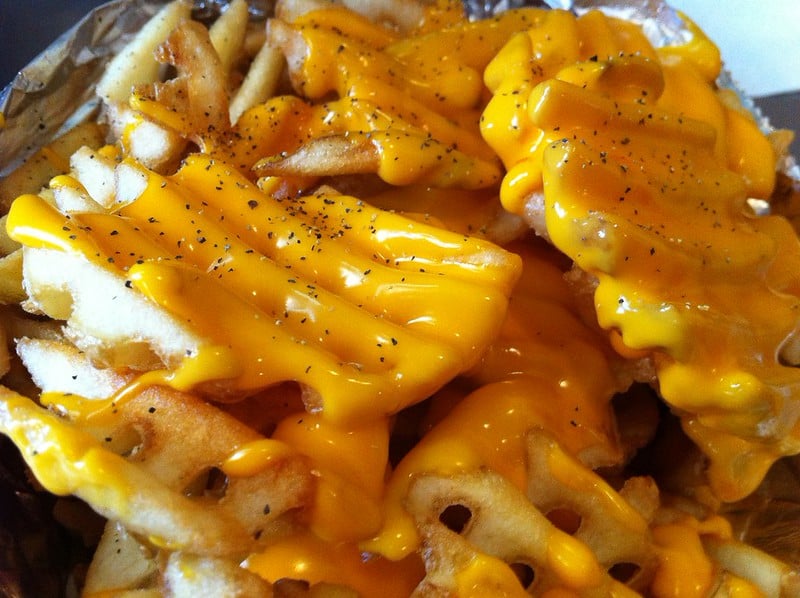
Thick-cut waffle fries stacked in containers and covered with melted cheese sauce. The fries would cool into a solid mass if not consumed quickly.
Soft Serve with Mix-Ins
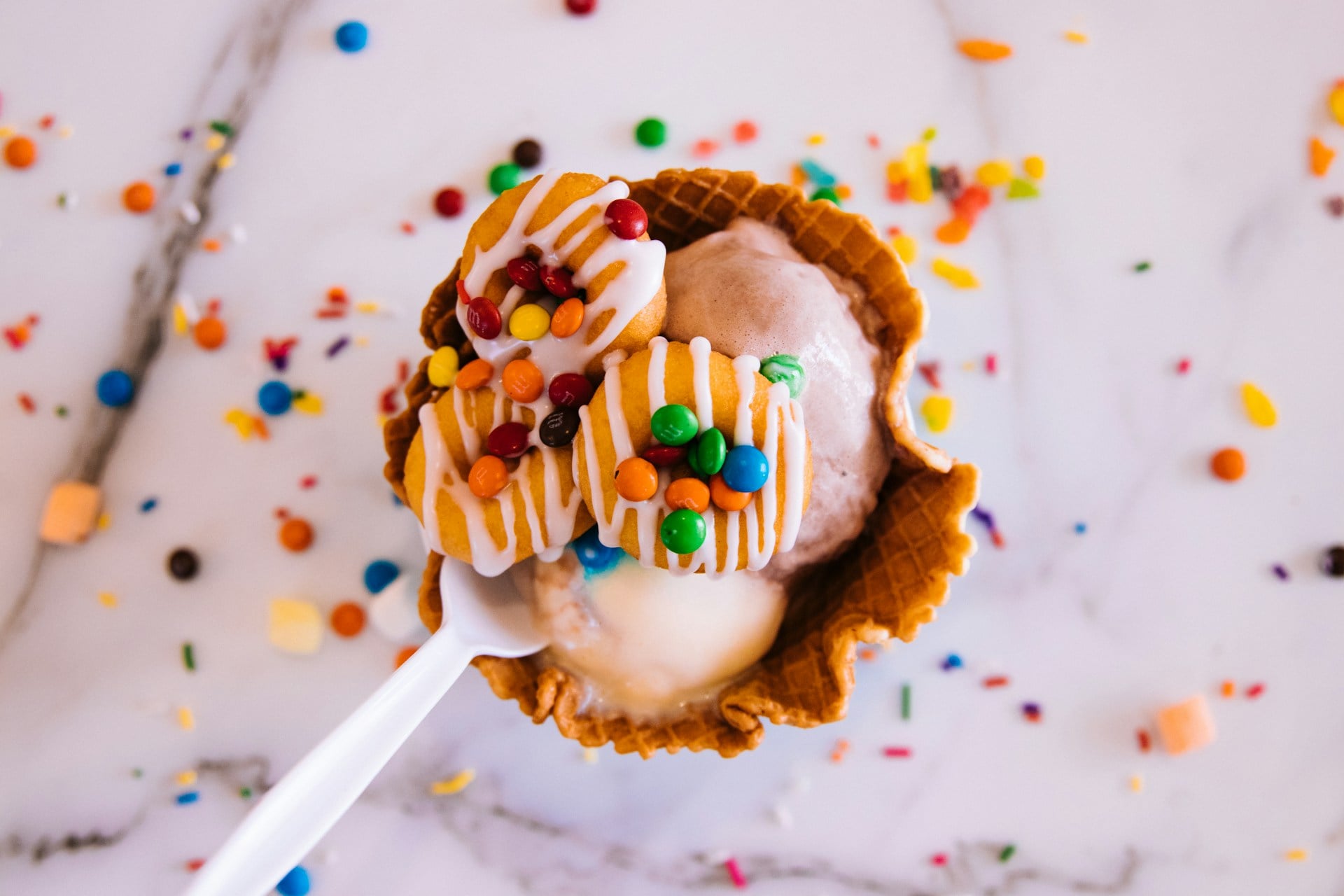
Soft-serve ice cream with clients adding toppings directly into the cone, creating combinations of candy, cookie crumbles, and syrup mixed through cold ice cream.
Fried Zucchini
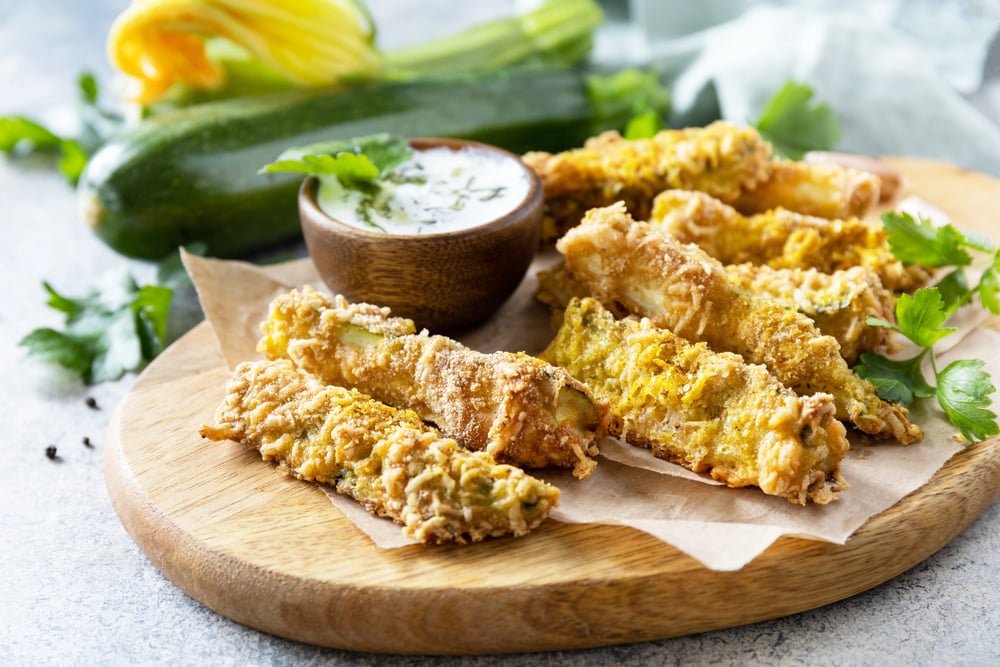
Breaded and deep-fried zucchini slices, marketed as somewhat healthy because they involved vegetables. The preparation method negated any nutritional benefit from the vegetable.
The Excess Principle
1970s snack bars operated under an assumption that maximizing taste through grease, sugar, and salt was desirable and uncontroversial. The items combined convenience with indulgence in ways that modern snack culture treats as controversial.
These items disappeared not through formal prohibition but through simple obsolescence as food culture and concern about childhood nutrition transformed what seemed normal to later generations.
More from Go2Tutors!

- The Romanov Crown Jewels and Their Tragic Fate
- 13 Historical Mysteries That Science Still Can’t Solve
- Famous Hoaxes That Fooled the World for Years
- 15 Child Stars with Tragic Adult Lives
- 16 Famous Jewelry Pieces in History
Like Go2Tutors’s content? Follow us on MSN.



