16 Foods That Powered Science Experiments
Throughout history, scientists have turned to their kitchens as much as their laboratories. From Newton’s apple to modern molecular gastronomy, food has served as both inspiration and instrument for groundbreaking discoveries.
Here are sixteen foods that became the unlikely heroes of scientific advancement, each one proving that innovation often begins with the most ordinary ingredients.
Honey
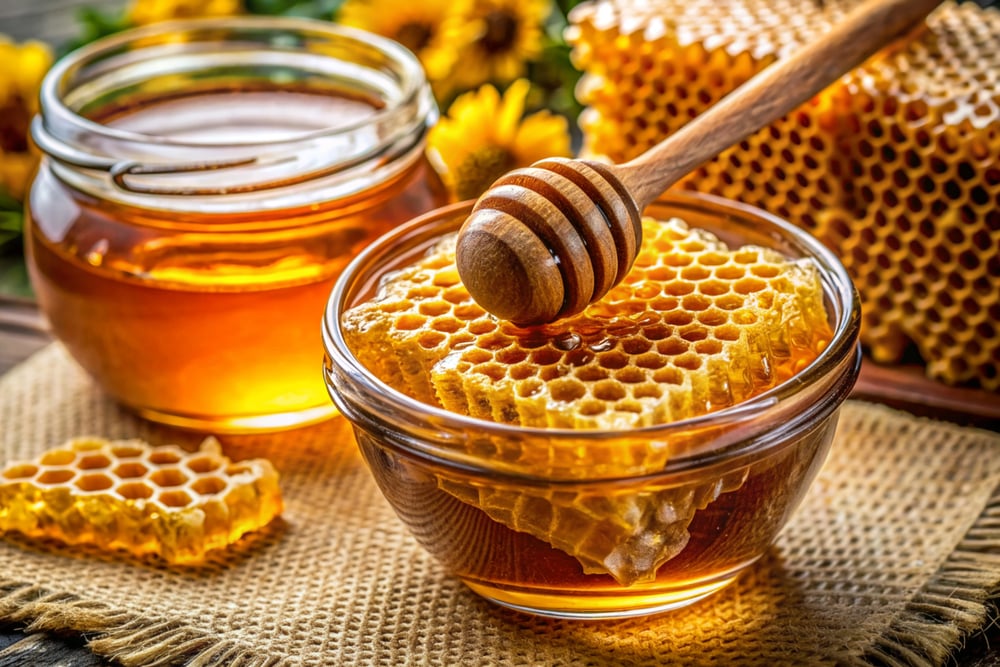
Ancient Egyptians knew honey never spoiled, but they didn’t know why. Centuries later, scientists discovered honey’s natural antimicrobial properties stem from its low water content and hydrogen peroxide production.
This led to modern wound treatments and food preservation techniques.
Bread

Moldy bread launched the antibiotic revolution. Alexander Fleming’s famous penicillin discovery began with contaminated laboratory cultures, but bakers had unknowingly been observing similar mold behavior for millennia.
The earthy smell of fresh bread still triggers memories in research labs worldwide.
Potatoes
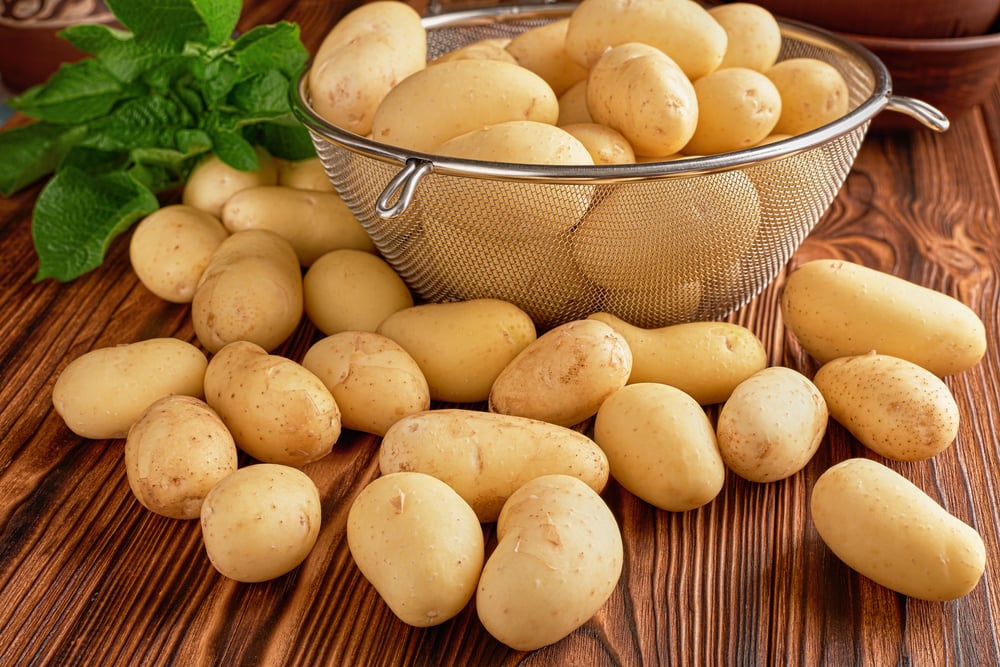
These humble tubers sparked the first major studies in plant genetics. And not just any potatoes—the Irish varieties that failed so catastrophically in the 1840s taught scientists about monoculture risks and genetic diversity.
Wine

Fermentation fascinated Louis Pasteur, leading him to develop pasteurization and disprove spontaneous generation theory. Wine provided the perfect controlled environment for studying microorganisms.
Plus, research funding was easier to secure when the end product was enjoyable.
Apples
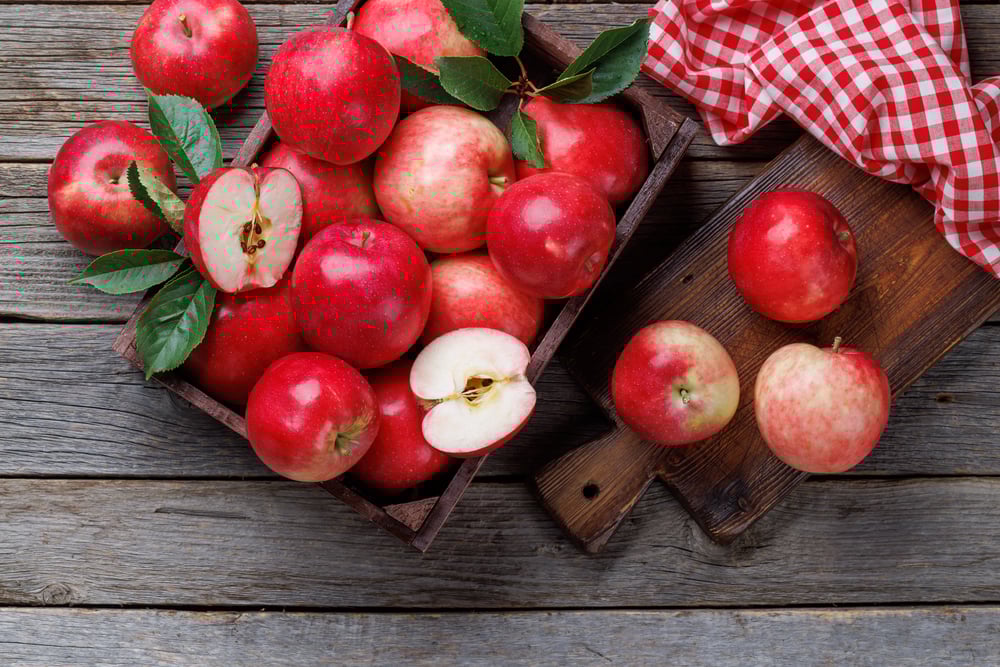
Beyond Newton’s alleged inspiration, apples drove early nutrition science. Their varying sugar content and storage properties made them ideal subjects for studying: • Enzyme activity • Cellular respiration • Food preservation methods • Vitamin C degradation
Eggs
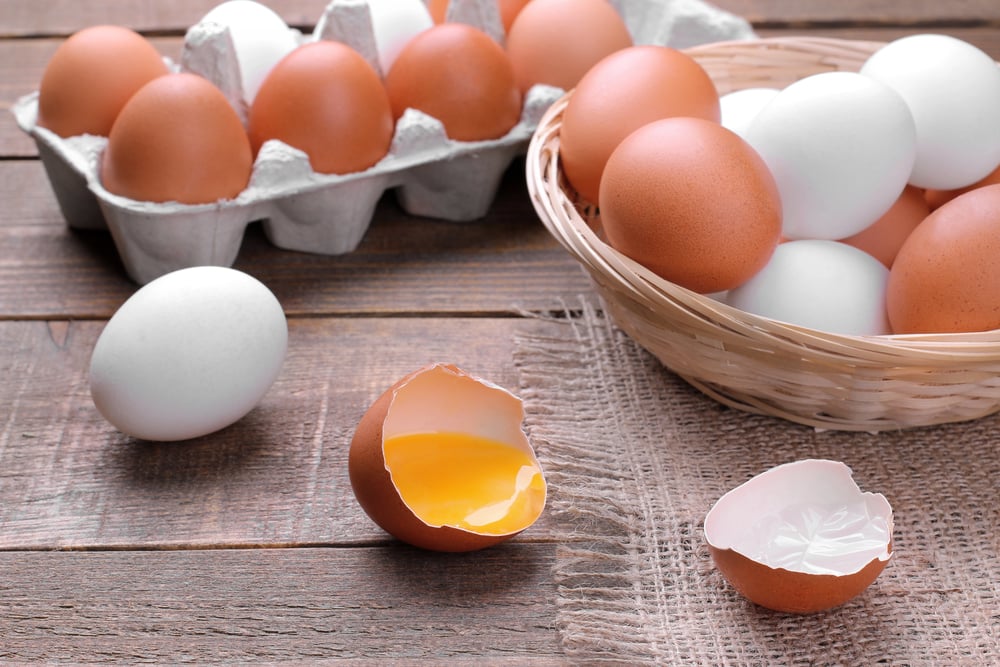
Egg whites became the foundation of protein chemistry research. Scientists could easily separate different protein types and study their structures under various conditions.
The perfect natural laboratory, complete with its own protective packaging.
Milk
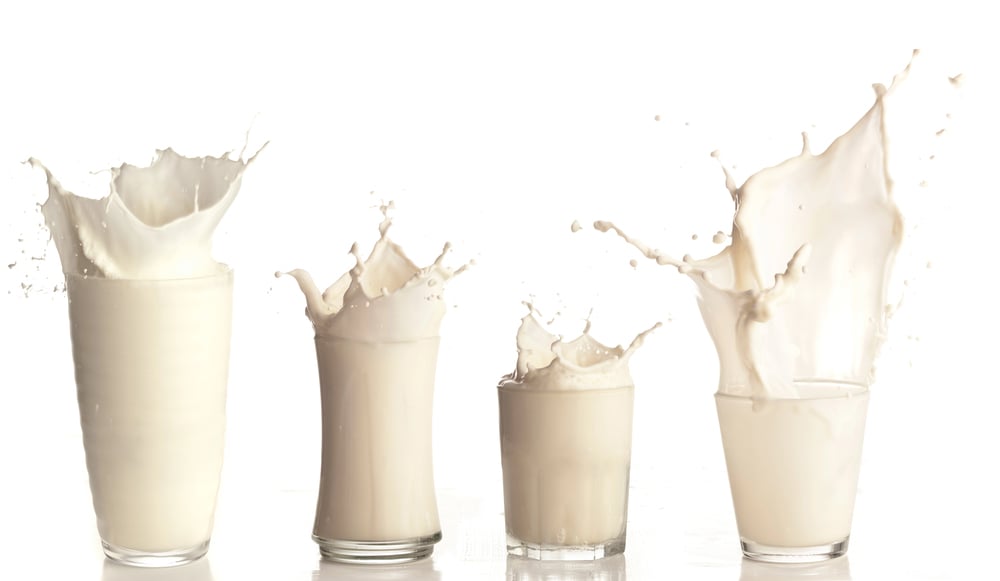
Pasteur’s milk studies revolutionized food safety. Still, it was Marie Curie who used milk to demonstrate radioactivity’s effects on living tissue—though those particular experiments weren’t exactly appetizing.
Corn
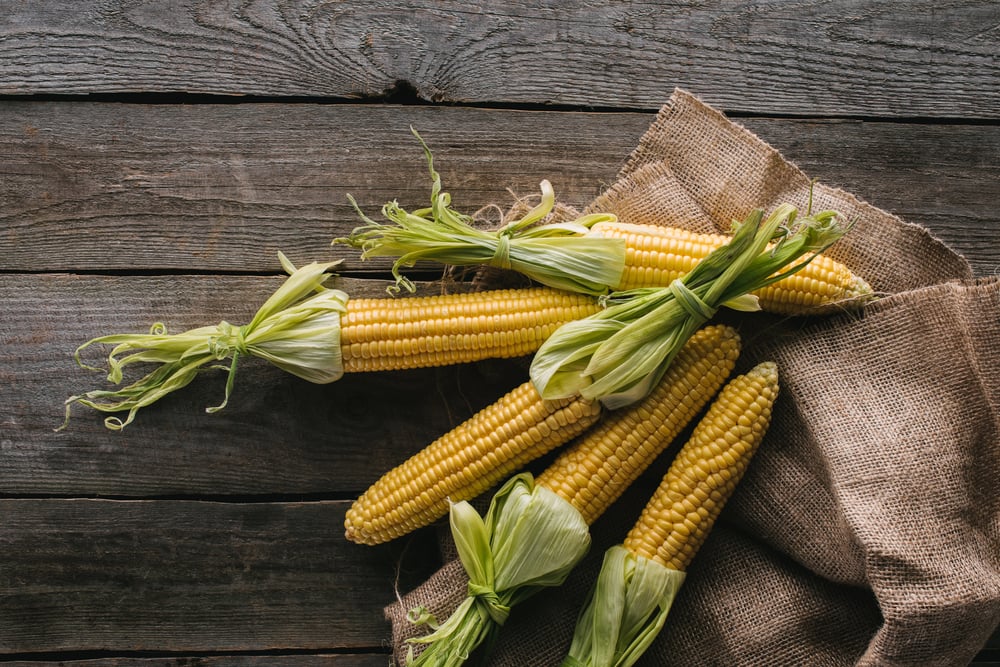
Hybrid corn development created modern agricultural genetics. Researchers spent decades cross-breeding varieties to understand inheritance patterns.
This work laid the groundwork for all modern crop improvements.
Rice
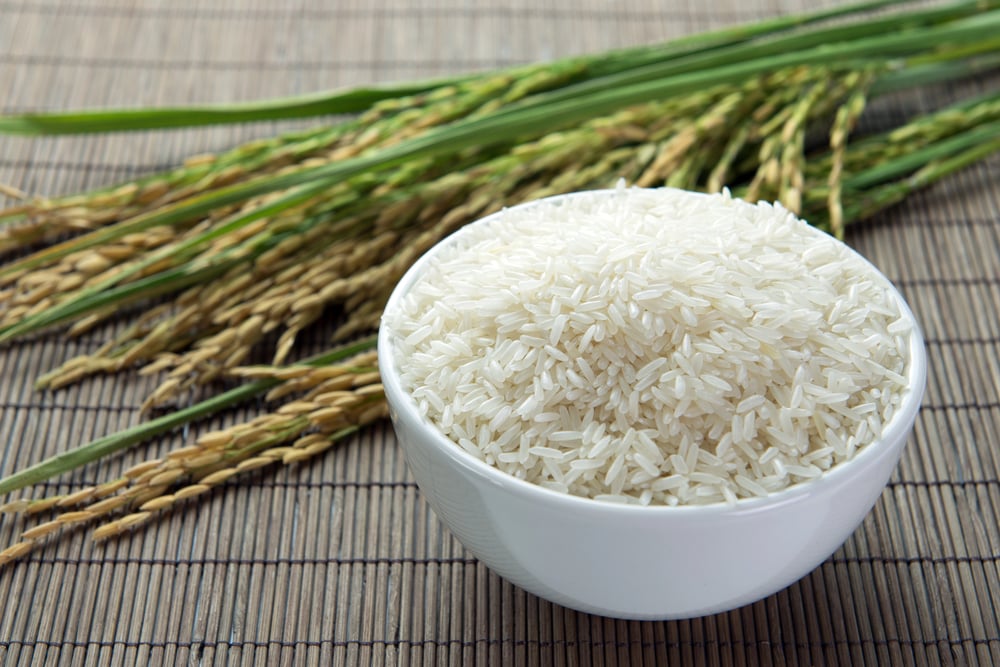
Asian rice cultivation inspired early studies in plant genetics and selective breeding. But rice also powered nutrition research when scientists discovered the link between white rice consumption and beriberi disease.
Simple observations. Revolutionary implications.
Chocolate
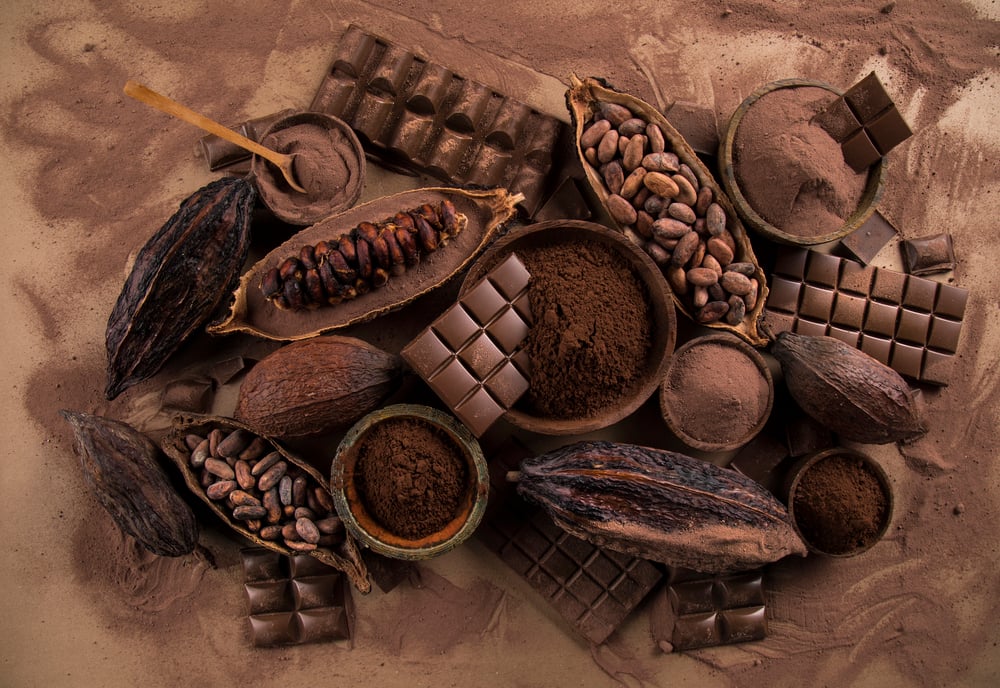
Cocoa beans drove early research into stimulants and their effects on human physiology. Scientists studying caffeine and theobromine had willing test subjects—themselves. Not the worst assignment.
Coffee
DepositPhotos
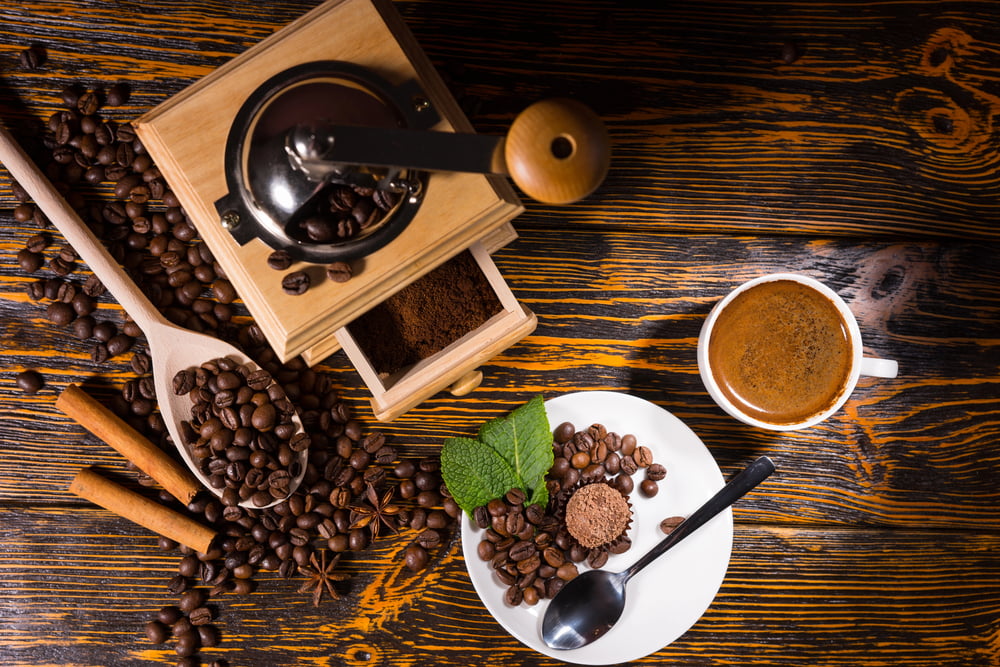
Coffee’s caffeine made it a natural subject for stimulant research. Scientists mapped how caffeine affects the nervous system, sleep patterns, and cognitive function.
The irony wasn’t lost on researchers pulling all-nighters to study a substance that keeps people awake.
Yogurt
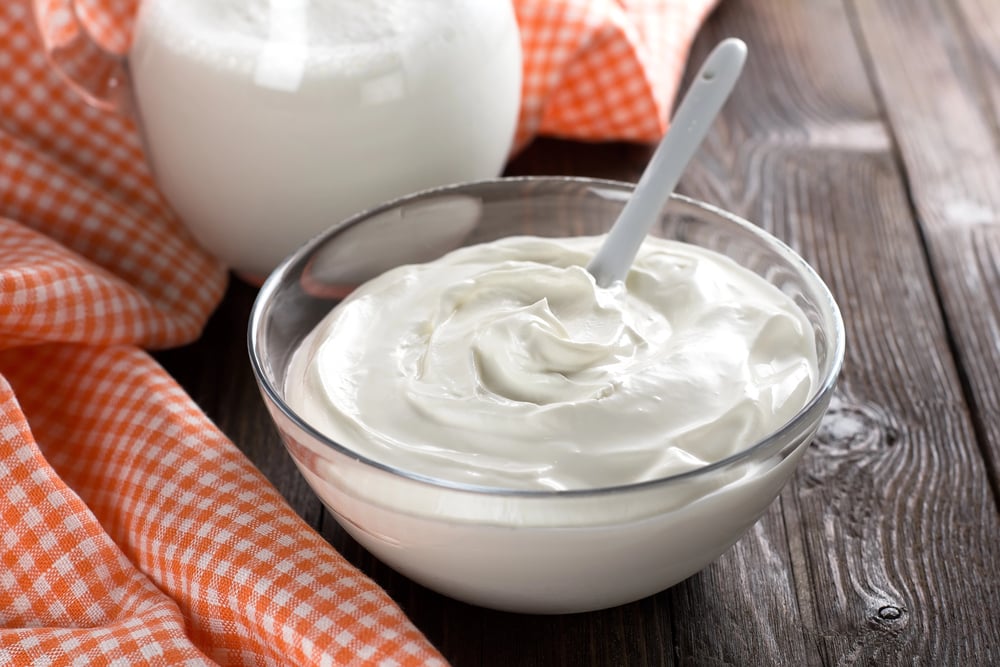
Fermented dairy products led Élie Metchnikoff to discover beneficial bacteria and develop early immunology theories. His work with Bulgarian yogurt cultures earned him a Nobel Prize and launched probiotics research.
Cheese
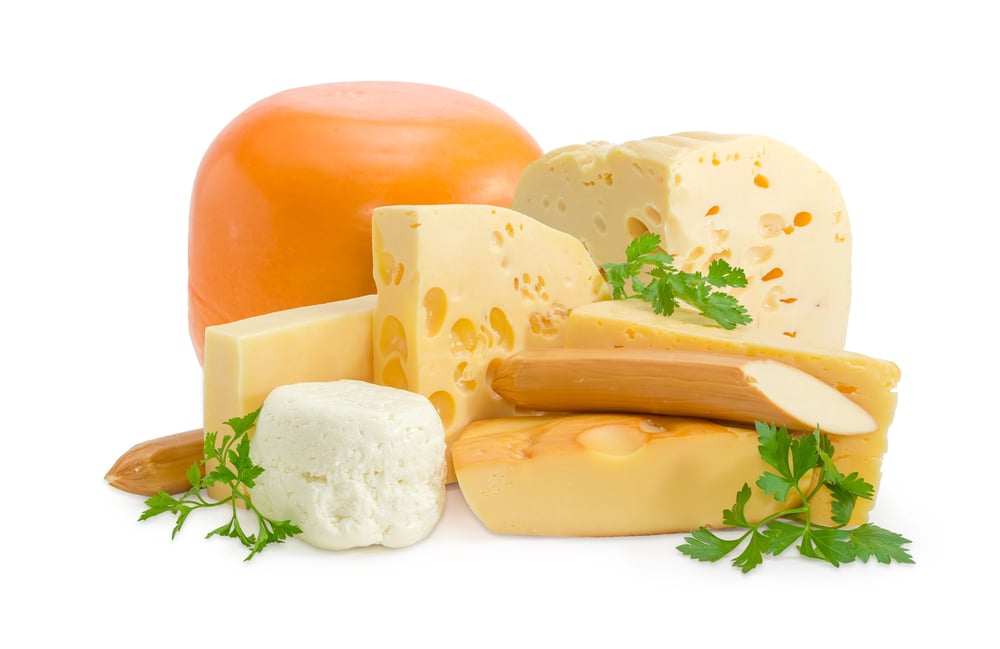
Cheese-making accidents produced some of science’s most important microbiology discoveries. Different bacterial cultures created distinct flavors, teaching scientists about controlled fermentation processes.
Happy accidents taste better than planned ones.
Tomatoes
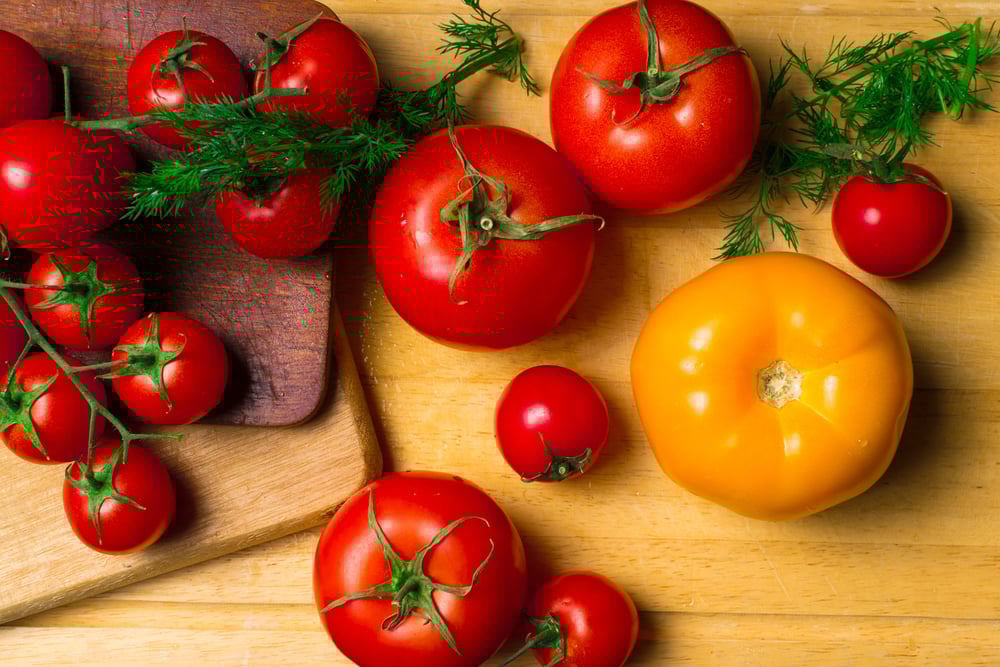
These controversial “fruits” (or vegetables, depending on your stance) became central to early nutrition studies. And they proved crucial in understanding how cooking affects nutrient availability—lycopene becomes more bioavailable when tomatoes are heated.
Cabbage
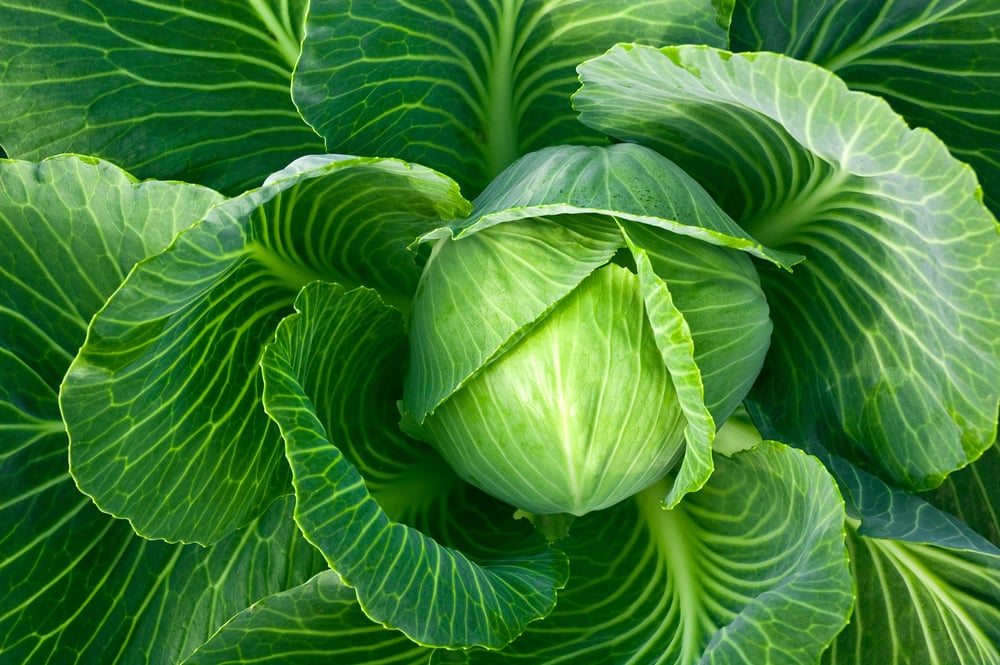
Sauerkraut saved sailors from scurvy long before anyone understood vitamin C. Captain Cook’s voyages used fermented cabbage to prevent the disease, providing early evidence for nutritional deficiency disorders.
Beans
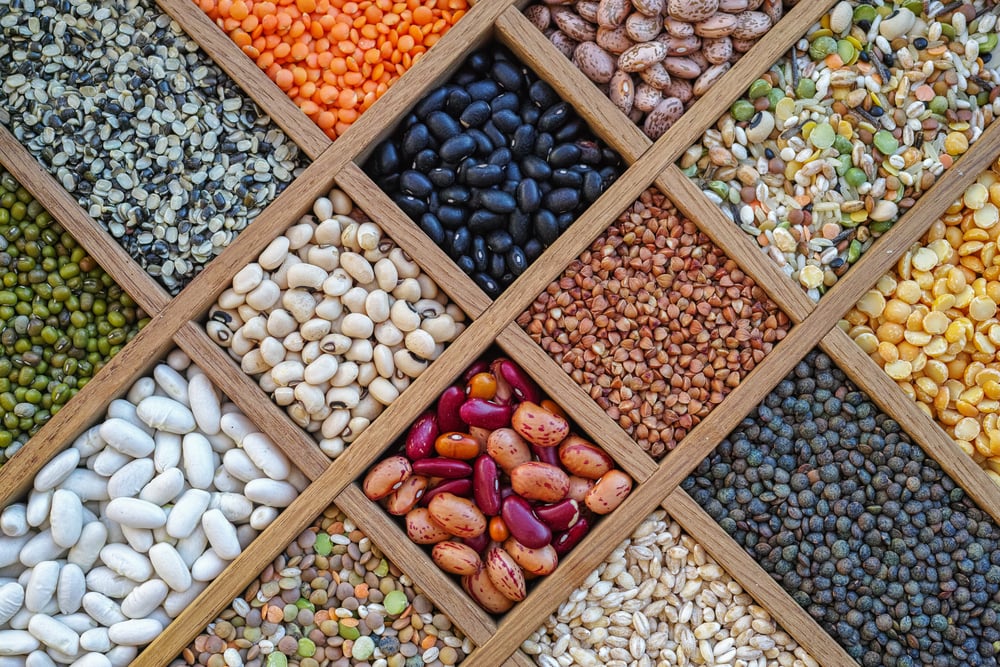
Mendel’s pea plant experiments actually began with beans. His systematic approach to studying inheritance patterns revolutionized biology. Those garden plots contained the secrets of genetic codes.
The Recipe for Discovery
Science often finds its most profound truths in the simplest places. These sixteen foods remind us that breakthrough discoveries don’t always require exotic materials or expensive equipment—sometimes they just need curiosity and a willingness to look more closely at what’s already on our plates.
More from Go2Tutors!

- The Romanov Crown Jewels and Their Tragic Fate
- 13 Historical Mysteries That Science Still Can’t Solve
- Famous Hoaxes That Fooled the World for Years
- 15 Child Stars with Tragic Adult Lives
- 16 Famous Jewelry Pieces in History
Like Go2Tutors’s content? Follow us on MSN.