14 Everyday Risks That Are Statistically More Likely Than What We Actually Fear
Human psychology operates in fascinating ways when it comes to risk assessment. We often fear dramatic, headline-grabbing events while casually accepting everyday dangers that pose far greater statistical threats to our wellbeing.
This disconnect between perceived and actual risk influences our decisions, sometimes leading us to make choices that aren’t in our best interest. Here is a list of 14 everyday risks that statistically pose greater dangers than many common fears that keep us up at night.
Driving Without a Seatbelt

The simple act of clicking your seatbelt takes seconds, yet many Americans still drive without this basic protection. Your odds of dying in a car crash when unbuckled are nearly 30 times higher than when wearing a seatbelt.
This everyday risk dwarfs the lifetime odds of a plane crash (about 1 in 11,000), yet many people who fear flying think nothing of skipping the seatbelt on quick trips to the store.
Taking Pain Medication Regularly

Over-the-counter pain relievers seem harmless enough when you’re reaching for them to handle a headache or sore back. Long-term regular use of common NSAIDs increases your risk of heart attack by up to 50% and damages your kidneys and liver over time.
Despite these documented risks, many people pop these pills daily while worrying about far less likely health threats they’ve seen in viral social media posts.
Texting While Walking

That urgent text message seems important enough to check while crossing the street, but the numbers tell a different story. Pedestrian injuries related to mobile phone distraction have increased by over 400% in the past decade, with thousands of emergency room visits annually.
The risk of injury while walking and texting is substantially higher than encountering the stranger dangers many urbanites fear when out for a stroll.
Skipping Regular Health Screenings

Procrastinating on that annual checkup might not feel risky at the moment, but the statistics paint a sobering picture. Early detection through routine screenings improves cancer survival rates by 70-90% for many common types.
The risk of dying from undetected, treatable conditions far exceeds exotic diseases that capture public imagination and fear, yet appointment avoidance remains common.
Living a Sedentary Lifestyle

That comfortable couch and desk job might seem safe, but inactivity represents one of modern life’s greatest health threats. Physical inactivity contributes to roughly 1 in 10 premature deaths worldwide, approximately the same death toll as from all forms of cancer combined.
Many people worry about gym injuries or outdoor exercise dangers while overlooking the far greater risk of doing nothing at all.
Taking Hot Showers in Old Buildings

The comforting steam from your morning shower could be carrying an invisible risk if you live in an older building. Legionnaires’ disease, caused by bacteria that thrive in warm water systems, affects thousands of Americans yearly with a 10% fatality rate.
This everyday exposure poses a greater statistical danger than many environmental toxins that receive far more attention and worry.
Storing Cleaning Products Improperly

Those under-sink cabinets filled with cleaning supplies create daily proximity to toxic chemicals in many American homes. Household chemical exposures result in over 300,000 emergency calls to poison centers annually, with children under six most affected.
The statistical likelihood of harm from improper chemical storage far exceeds the shark attacks and exotic animal bites that capture our imagination and fear.
Taking Unnecessary Antibiotics

Requesting antibiotics for viral infections like the common cold may seem like prudent healthcare, but this everyday practice carries significant risk. Antibiotic overuse contributes to resistant infections that kill over 35,000 Americans annually, more than twice the number of annual homicides.
Many people worry about catching exotic diseases while unknowingly contributing to a much more likely threat through routine medication choices.
Using Space Heaters Incorrectly
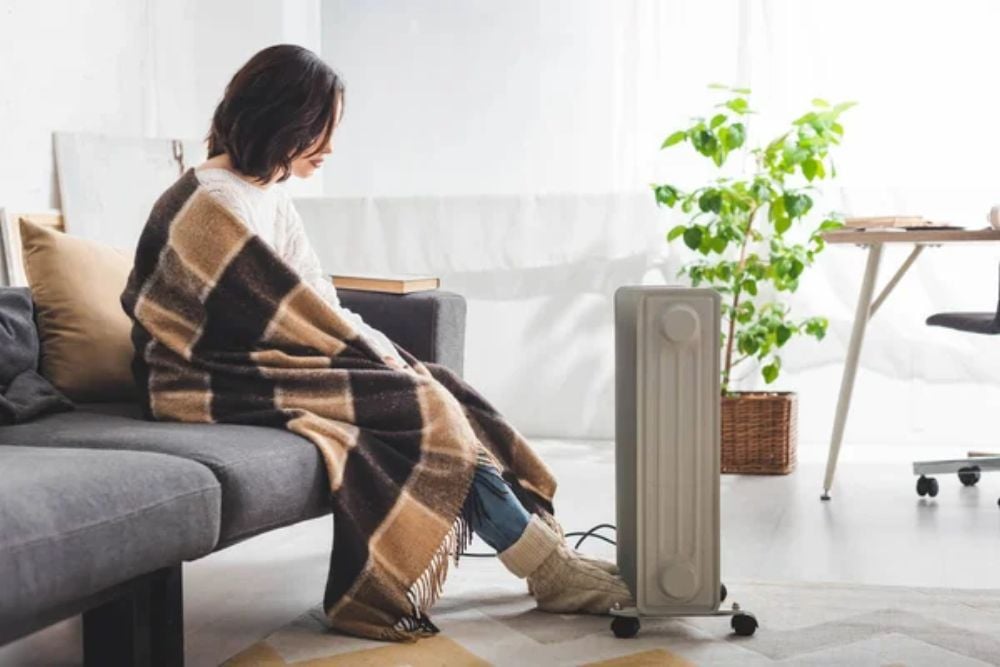
That cozy space heater keeping your feet warm represents a common household danger hiding in plain sight. Space heaters cause over 25,000 house fires and 300 deaths annually in the US, making them one of the deadliest appliances in American homes.
The statistical risk from these everyday warming devices far exceeds home invasion crimes that drive security system sales in many neighborhoods.
Skipping Breakfast Regularly

The morning rush that leads to skipping breakfast seems harmless, but research suggests otherwise. Regular breakfast skippers have a 27% higher risk of heart disease and disturbed metabolic patterns that increase diabetes risk.
Many people worry about food additives and GMOs while ignoring meal timing patterns that pose demonstrably higher statistical risks to long-term health.
Drinking Sugary Beverages Daily

That daily soda habit delivers an appealing taste but sobering health statistics. Regular consumption of sugar-sweetened beverages increases diabetes risk by 26% and cardiovascular disease by 20%.
These everyday drinks pose a greater statistical threat than many environmental pollutants that trigger public concern, yet remain fixtures in many refrigerators and lunch orders.
Using Ladders Improperly

The humble household ladder hiding in your garage or closet deserves more respect as a potential hazard. Ladder-related accidents send over 500,000 Americans to emergency rooms annually, more than power tools and lawn mowers combined.
Many homeowners worry about exotic home dangers while casually misusing one of the most statistically dangerous items they own.
Taking Unnecessary Supplements

Those vitamin bottles lining your medicine cabinet might seem like health insurance, but many carry hidden risks. Supplement use without medical need or guidance contributes to thousands of emergency room visits yearly, with liver damage being an especially concerning outcome.
The statistical danger from casual supplement consumption often exceeds the nutritional deficiencies these products purport to address.
Leaving Food Out Too Long
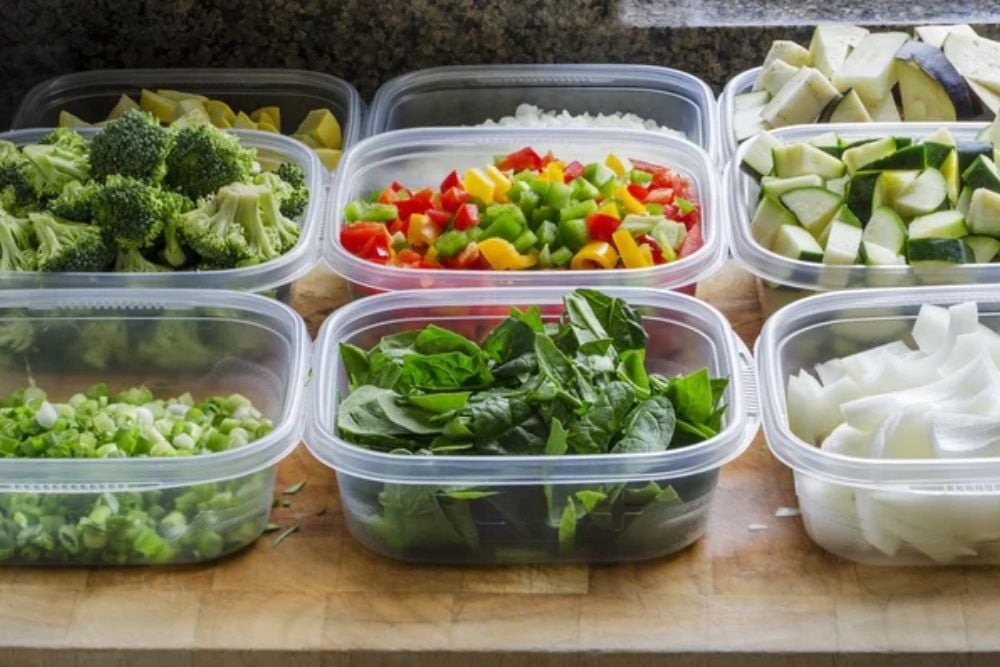
The convenience of room-temperature buffets and leisurely meals masks a common food safety risk few consider seriously. Foodborne illnesses affect 48 million Americans annually, about 1 in 6 people, making improper food storage a greater statistical threat than many headline-grabbing diseases.
Many home cooks worry about pesticide residues while ignoring temperature danger zones that pose far more immediate risks.
Moving Beyond Fear to Rational Risk Assessment

Our perception of danger often gets hijacked by dramatic scenarios and media coverage that bears little relationship to statistical reality. Everyday actions, from driving habits to household routines, typically present greater actual risks than the exotic dangers that capture our imagination and concern.
By aligning our precautions more closely with statistical reality, we can focus our protective efforts where they’ll make the most difference in keeping ourselves and our loved ones truly safe.
More from Go2Tutors!

- The Romanov Crown Jewels and Their Tragic Fate
- 13 Historical Mysteries That Science Still Can’t Solve
- Famous Hoaxes That Fooled the World for Years
- 15 Child Stars with Tragic Adult Lives
- 16 Famous Jewelry Pieces in History
Like Go2Tutors’s content? Follow us on