Banned Books Turned Into Movies
Some of the most celebrated films in cinema history began as books that someone, somewhere, desperately wanted to keep off library shelves. These stories — deemed too dangerous, too explicit, or too challenging for public consumption — found new life on the big screen, reaching audiences their censors never imagined possible.
The irony runs thick: ban a book, and you might just guarantee its immortality in Hollywood.
To Kill a Mockingbird
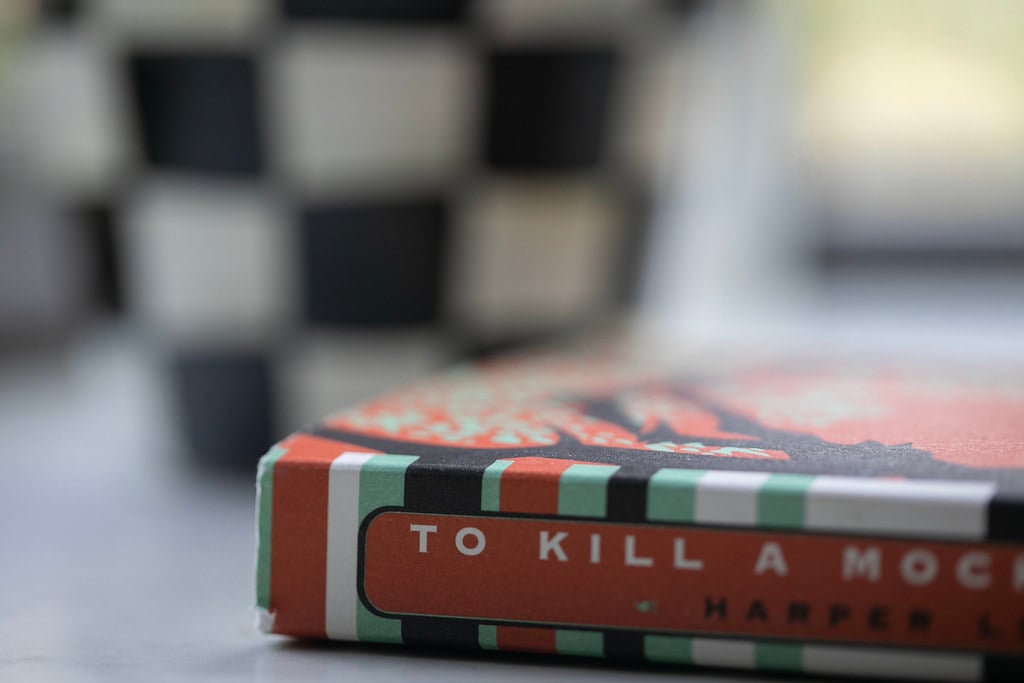
The 1962 film starring Gregory Peck remains a masterpiece. Harper Lee’s novel faced challenges for its frank discussion of rape accusations and racial slurs.
The movie softened none of the book’s moral complexity. Peck’s Atticus Finch became the gold standard for fictional lawyers, even as later generations questioned his white savior narrative.
One Flew Over the Cuckoo’s Nest
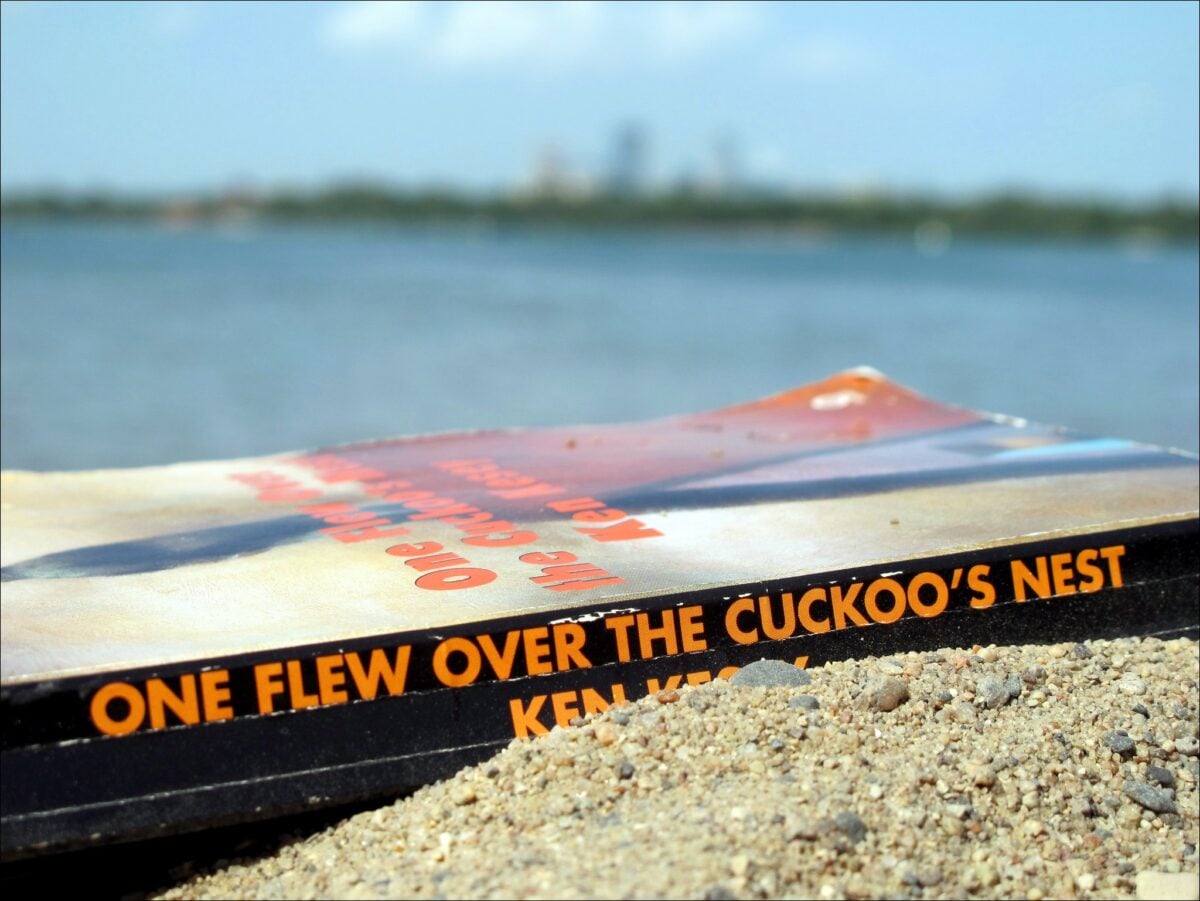
Ken Kesey’s psychiatric ward rebellion story was too raw for many school boards, who found its anti-authority message and frank treatment of mental illness disturbing (not to mention the novel’s unflinching portrayal of institutional abuse and its rather vivid depiction of electroshock therapy sessions). The 1975 film adaptation, however, swept the major Academy Awards — Best Picture, Best Director, Best Actor, Best Actress, and Best Screenplay — making it only the second film in history to achieve this clean sweep.
And yet the book continues to appear on banned lists, which says something about the staying power of moral panic. So Hollywood embraced what classrooms rejected.
The Color Purple
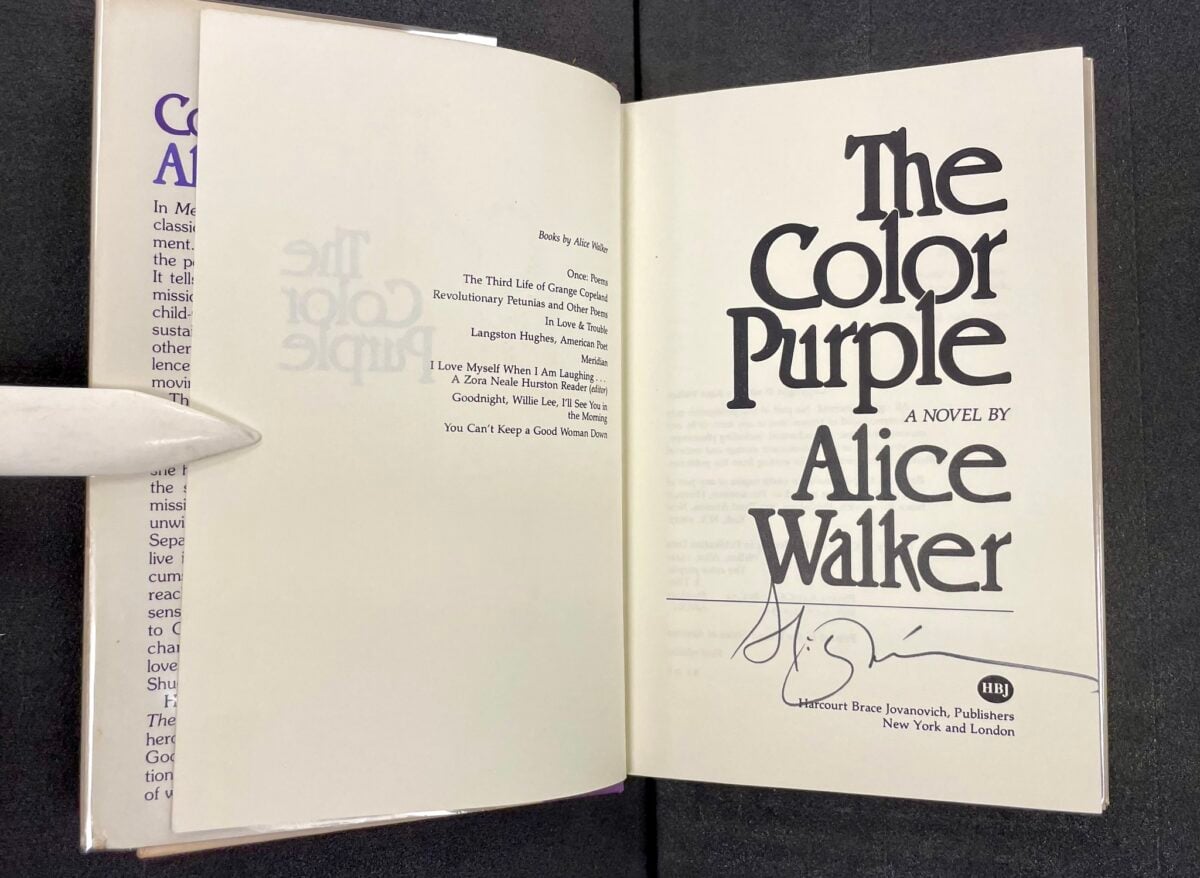
Alice Walker’s novel about domestic violence and survival drew fire for its portrayal of Black men and explicit content. Steven Spielberg’s 1985 adaptation sparked controversy of its own.
The film earned eleven Oscar nominations but won none. Critics argued it perpetuated harmful stereotypes while supporters praised its unflinching honesty.
The Handmaid’s Tale
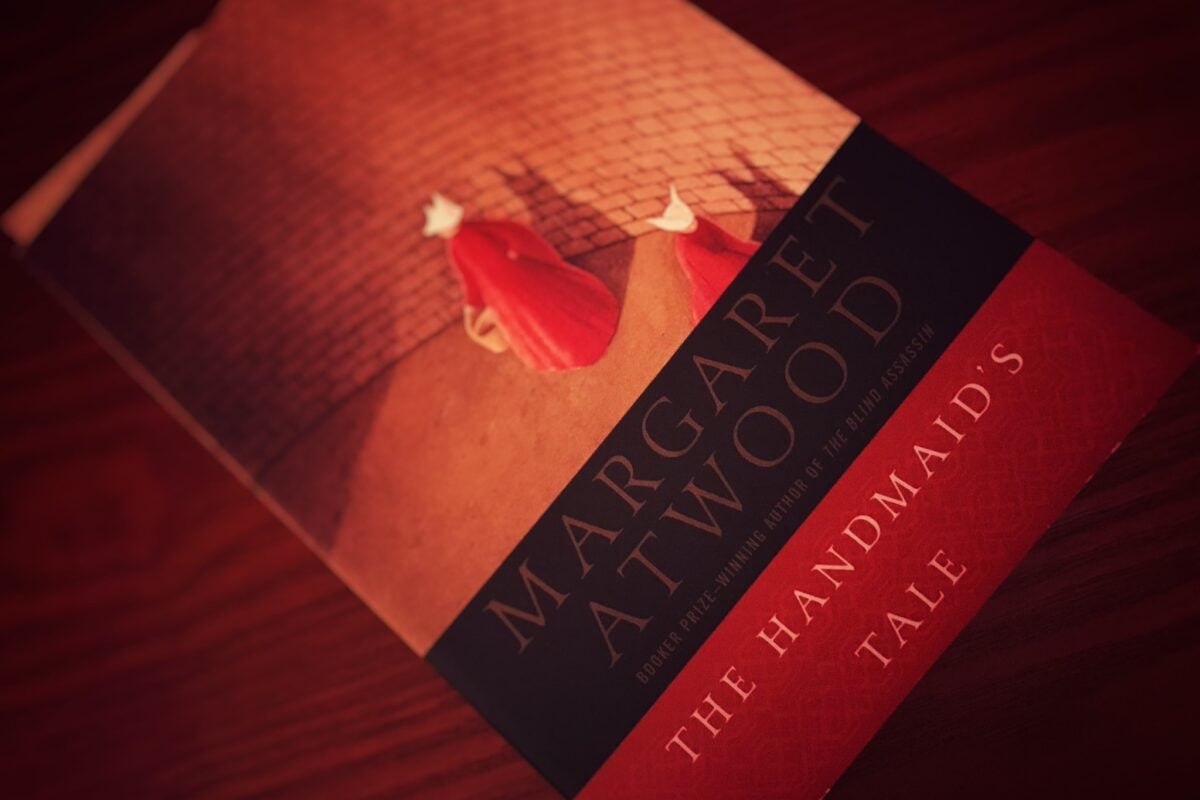
There’s something unsettling about watching a society crumble in slow motion, and Margaret Atwood understood this when she wrote about Gilead — a theocratic state where women exist as property, their bodies leased out for reproduction to the highest bidder. The 1990 film adaptation, starring Natasha Richardson, captured the suffocating atmosphere of Atwood’s dystopia, though it softened some of the novel’s sharper edges.
Book challenges typically cite the story’s critique of religious fundamentalism and its graphic depictions of oppression. But perhaps what really disturbs censors is how plausible it all feels.
Fahrenheit 451
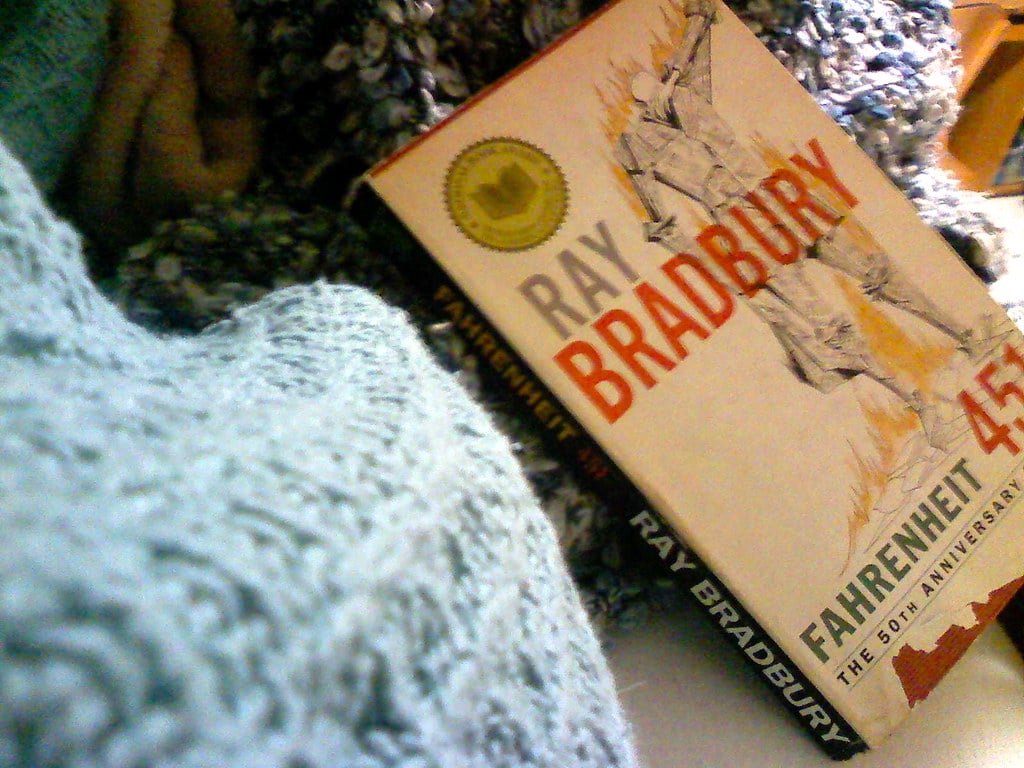
Ray Bradbury’s firefighters burn books instead of putting out fires. The irony of banning a book about banning books wasn’t lost on anyone.
The 1966 François Truffaut film captured the eerie calm of a society that chose entertainment over enlightenment. Multiple adaptations followed, each finding new relevance in its era.
Slaughterhouse-Five
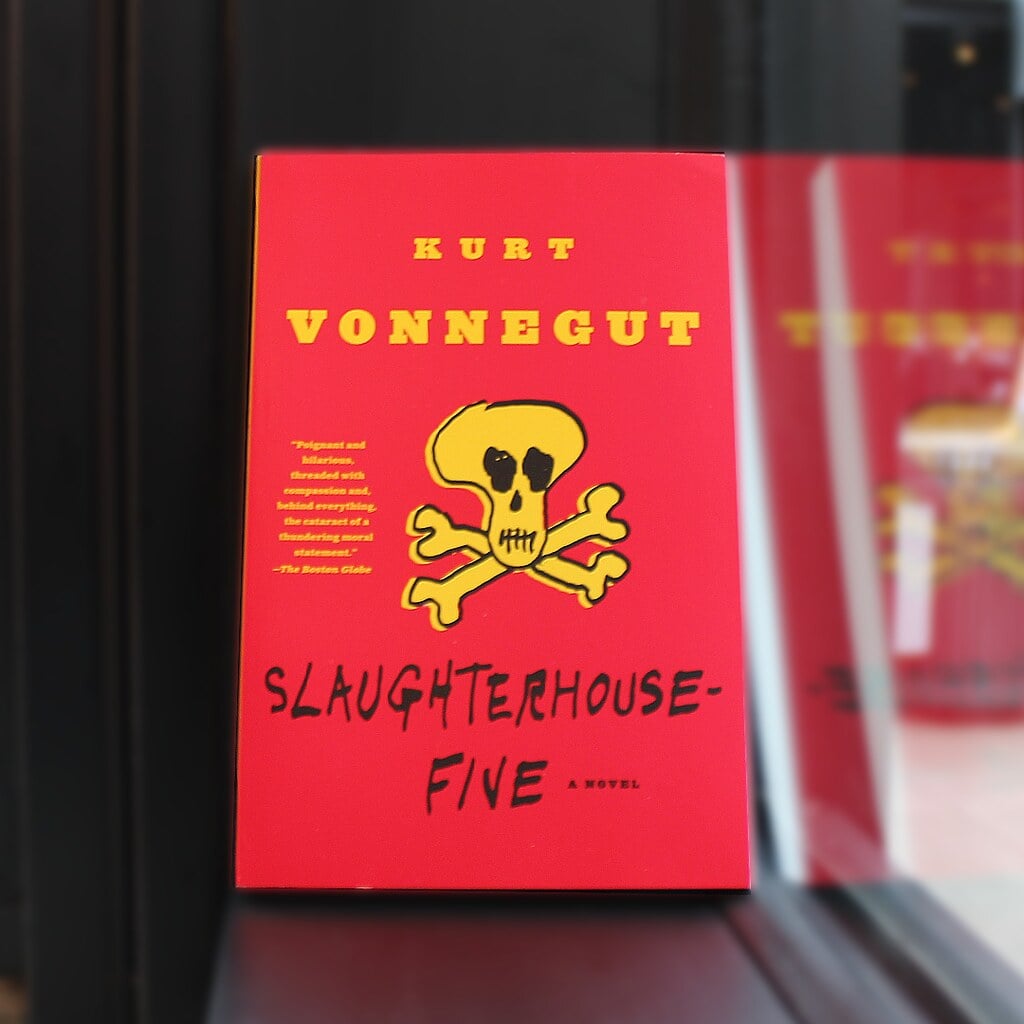
Kurt Vonnegut’s anti-war novel featuring time travel and alien abduction was too weird for some, too honest about war for others, and too profane for school boards nationwide (the novel contains over 100 instances of profanity, which apparently bothered people more than its descriptions of the Dresden bombing). The 1972 film adaptation struggled to capture Vonnegut’s unique voice — how do you translate “So it goes” into visual language without it feeling forced? Director George Roy Hill tried, but the book’s dark humor and philosophical weight proved difficult to condense into two hours.
But the film succeeded in one crucial way: it made viewers uncomfortable with war, just as Vonnegut intended. And the book keeps getting challenged, which means it keeps getting read.
The Chocolate War
Robert Cormier understood something adults prefer to forget: teenagers can be ruthlessly cruel, and institutional power often enables that cruelty rather than stopping it. His novel about a student who refuses to participate in a school chocolate sale seems innocuous enough on the surface, but underneath lies a meditation on conformity, bullying, and the price of standing alone.
The 1988 film adaptation captured the claustrophobic atmosphere of Trinity School, where refusing to sell chocolates becomes an act of rebellion with devastating consequences. Book challengers typically cite the novel’s dark ending and its unflattering portrayal of Catholic education, but the real discomfort comes from recognition — every reader remembers being either J. Renault or one of his tormentors.
American Psycho
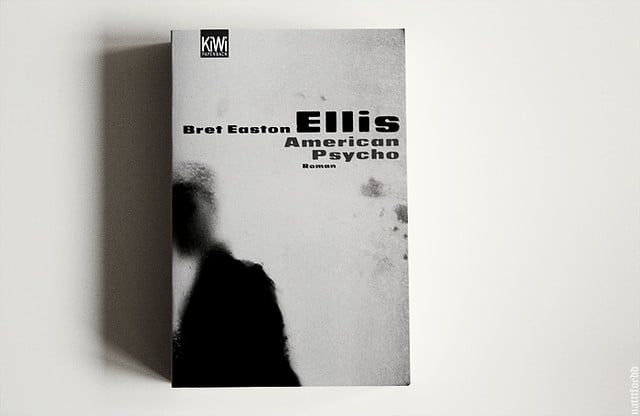
Bret Easton Ellis wrote a novel so disturbing that several publishers rejected it before Vintage Books took the risk, and even then, the book faced widespread bans and protests for its graphic depictions of violence. The 2000 film starring Christian Bale transformed the source material into something approaching dark comedy — still deeply unsettling, but with enough satirical distance to make it palatable for mainstream audiences.
Director Mary Harron understood that showing less could suggest more, and Bale’s performance turned Patrick Bateman into an icon of 1980s excess. The book remains one of the most frequently challenged titles in libraries, yet the film has achieved cult status.
Somehow moving the story from page to screen made its critique of consumer culture more acceptable, even though the message remained unchanged.
The Perks of Being a Wallflower
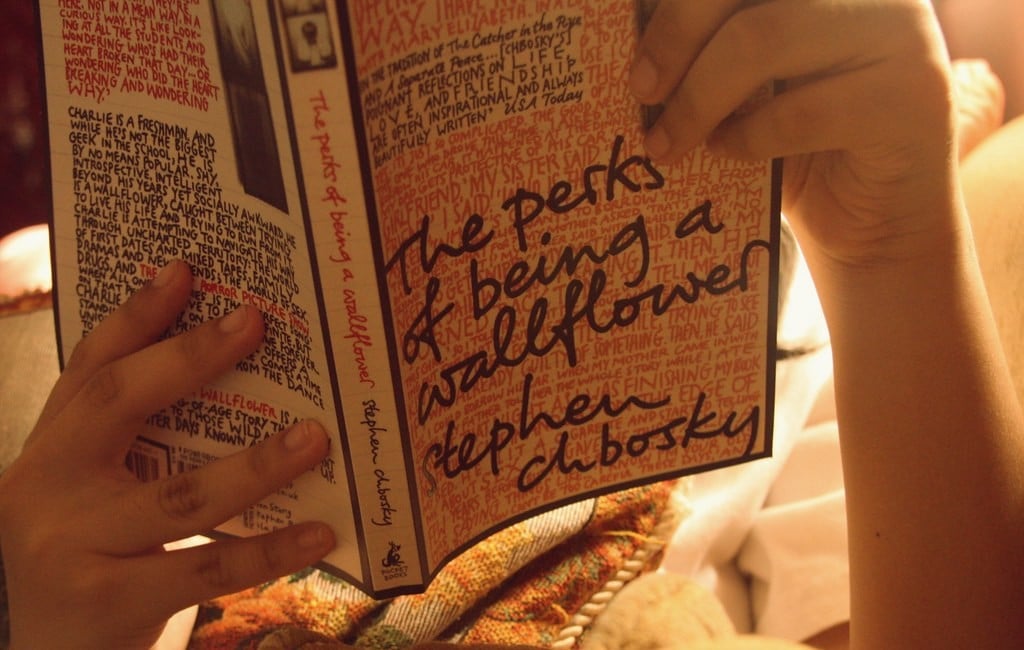
Stephen Chbosky’s coming-of-age novel tackles depression, abuse, and identity with uncommon honesty. School districts nationwide have challenged it for frank discussions of mental health and adolescent struggles.
The 2012 film, directed by Chbosky himself, maintained the book’s emotional authenticity while earning critical praise and box office success.
Bridge to Terabithia
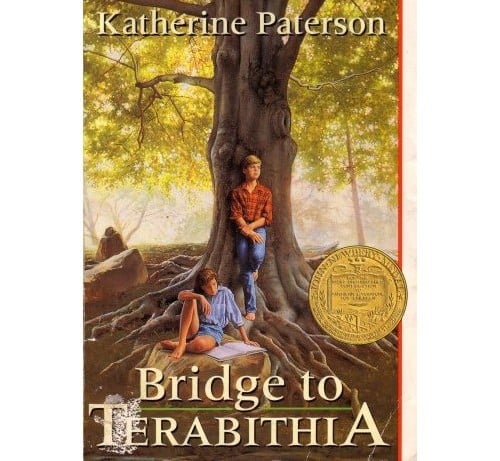
Katherine Paterson’s children’s novel about friendship and loss has faced challenges for its treatment of death and religion. The story doesn’t sugar-coat grief or offer easy answers about faith.
Both the 1985 and 2007 film adaptations preserved the book’s emotional impact. Critics felt it was too heavy for young audiences.
Where the Crawdads Sing
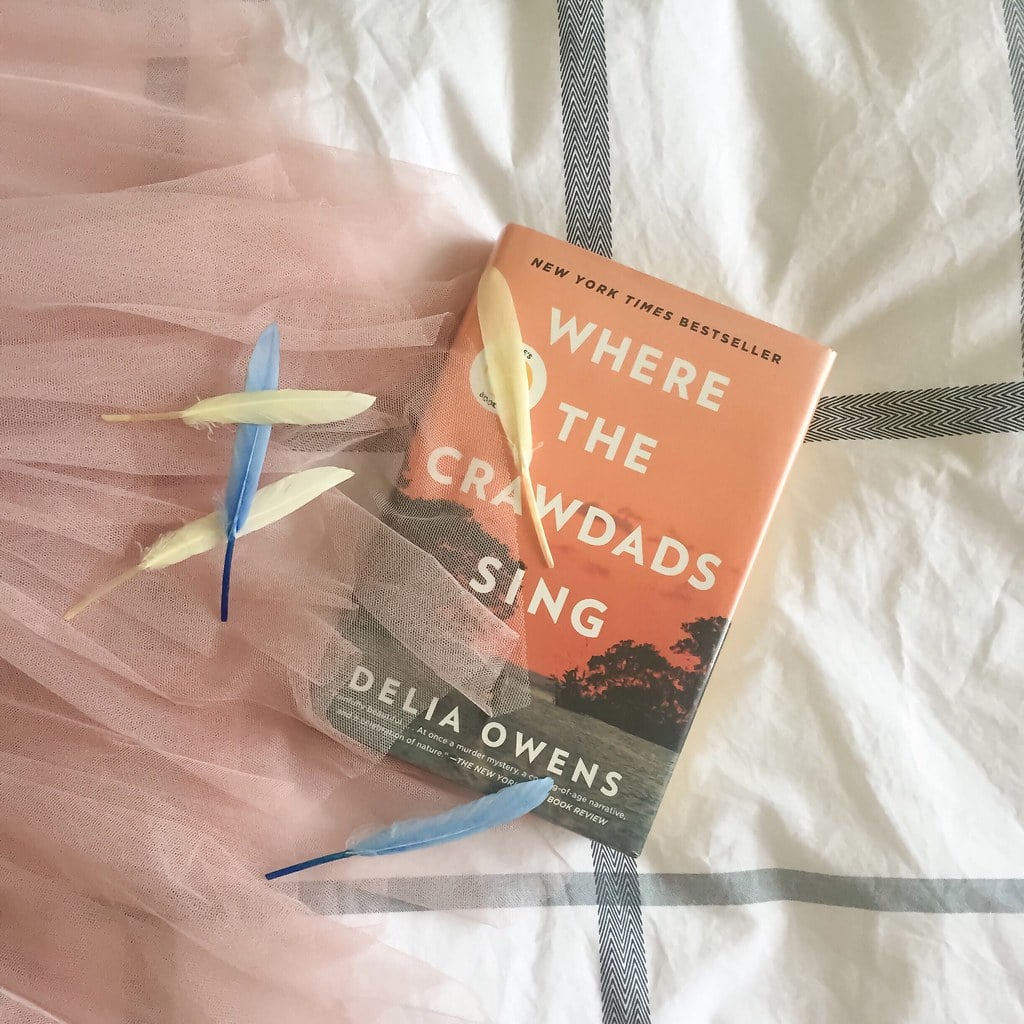
Delia Owens crafted a mystery wrapped in a coming-of-age story, set in the marshlands of North Carolina where Kya Clark grows up isolated from society. The novel faced challenges for its mature themes and graphic content, though its popularity proved unstoppable.
The 2022 film adaptation starring Daisy Edgar-Jones brought the marsh to vivid life while maintaining the book’s central mystery about whether Kya murdered local golden boy Chase Andrews. Both versions explore themes of abandonment, survival, and the ways society treats its outcasts.
The movie softened some of the book’s rougher edges but preserved its core message about resilience and belonging.
The Hate U Give
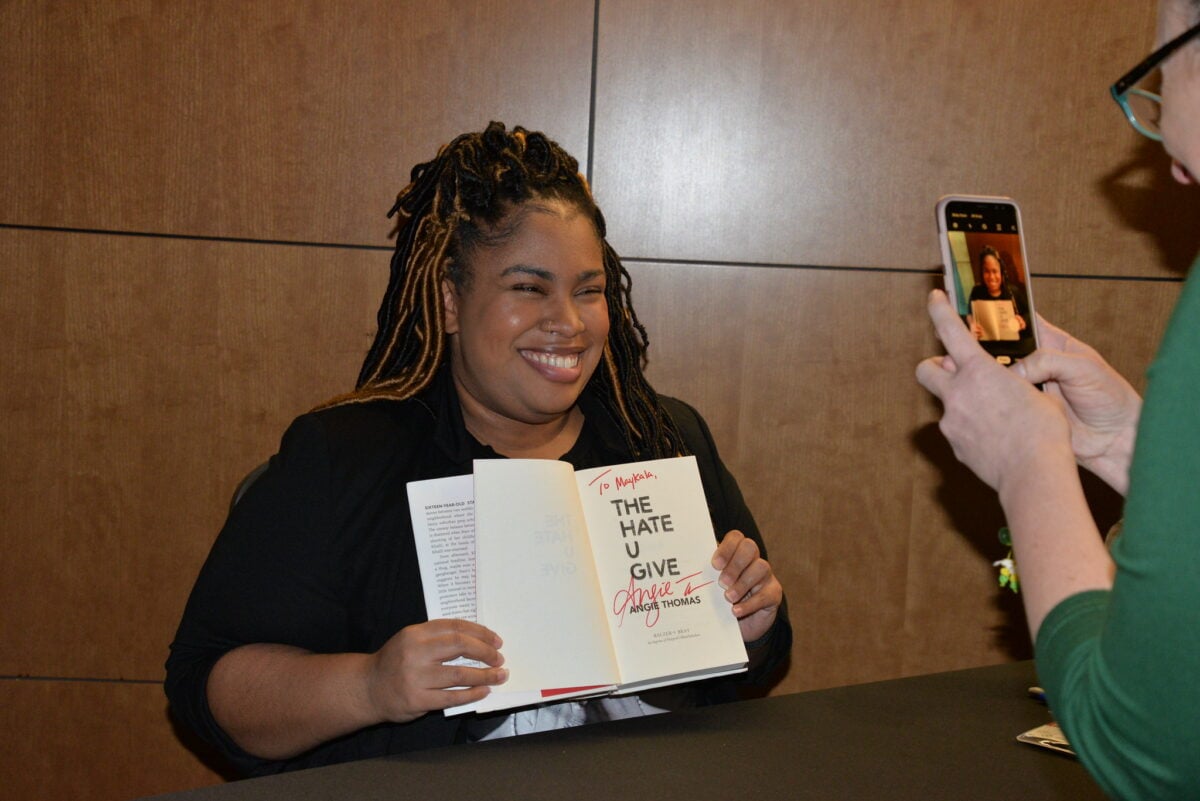
Angie Thomas wrote a novel that doesn’t apologize for its anger or soften its message about police violence and systemic racism, and book challengers have responded predictably — complaining about its language, its politics, and its unflinching portrayal of communities they’d rather not think about. The 2018 film adaptation starring Amandla Stenberg brought Starr Carter’s story to mainstream audiences who might never have encountered it in book form.
But here’s what’s remarkable: both versions refuse to make white audiences comfortable, and both insist that code-switching between worlds is exhausting rather than empowering. So the story survives, in classrooms and theaters, despite every attempt to silence it.
Looking Back at Literature’s Second Acts

Books that survive bans don’t just endure — they evolve. Their film adaptations serve as cultural translators, carrying controversial stories into living rooms and multiplexes where censors hold less sway.
These movies prove that the stories people try hardest to suppress often turn out to be the ones audiences need most. The camera doesn’t make these narratives safer, just more accessible. And accessibility, as any censor will tell you, is the most dangerous thing of all.
More from Go2Tutors!

- The Romanov Crown Jewels and Their Tragic Fate
- 13 Historical Mysteries That Science Still Can’t Solve
- Famous Hoaxes That Fooled the World for Years
- 15 Child Stars with Tragic Adult Lives
- 16 Famous Jewelry Pieces in History
Like Go2Tutors’s content? Follow us on MSN.