Music Genres Born from Unlikely Cultural Blends
Music has always traveled better than passports suggest. When cultures collide—through trade routes, migration, colonization, or just plain curiosity—something unexpected happens in the sonic space between them.
The accordion shows up in Colombian villages. American soul records make their way to Nigerian studios. French ballads get reborn in Louisiana swamps. These aren’t stories of cultural appropriation or dilution.
They’re stories of musicians hearing something foreign and thinking, “What if we tried that with our thing?” The results rarely follow any logical pattern. They just work.
Reggae – African Rhythms Meet Jamaican Soul
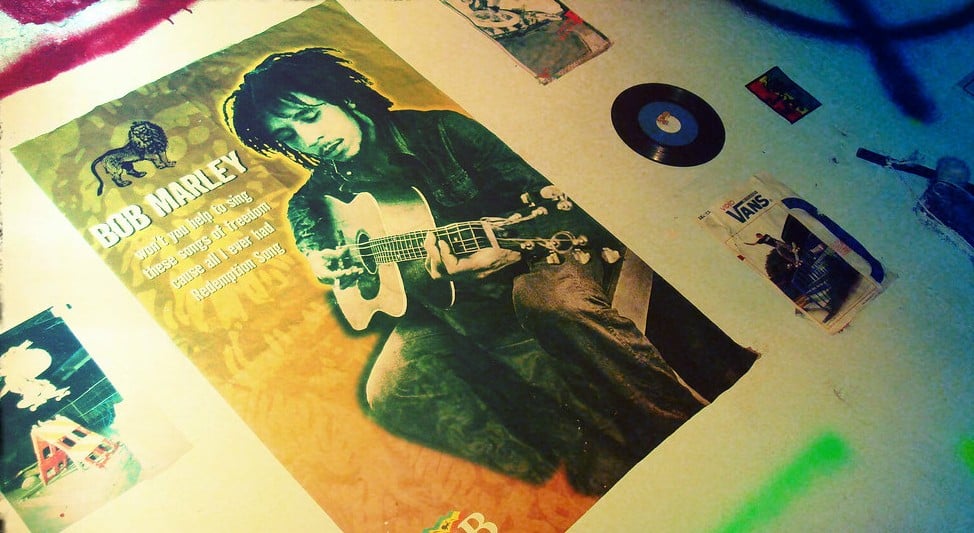
Jamaica took the rhythms its enslaved ancestors brought from West Africa and mixed them with American R&B radio broadcasts. The island’s musicians heard Fats Domino and Louis Jordan coming through on their radios in the 1950s, but something got lost in the signal.
Or gained, depending on how you look at it. The offbeat emphasis that defines reggae—that characteristic “one drop” rhythm—came from Jamaican drummers interpreting what they heard through their own musical vocabulary.
Add in the influence of Rastafarian drumming traditions, and you get a sound that belongs entirely to Kingston, even though its parents came from continents away. Bob Marley didn’t invent reggae, but he showed the world how a genre born from cultural collision could speak to universal struggles.
The music spread because it carried weight beyond its origins.
Bossa Nova – When Jazz Found the Beach
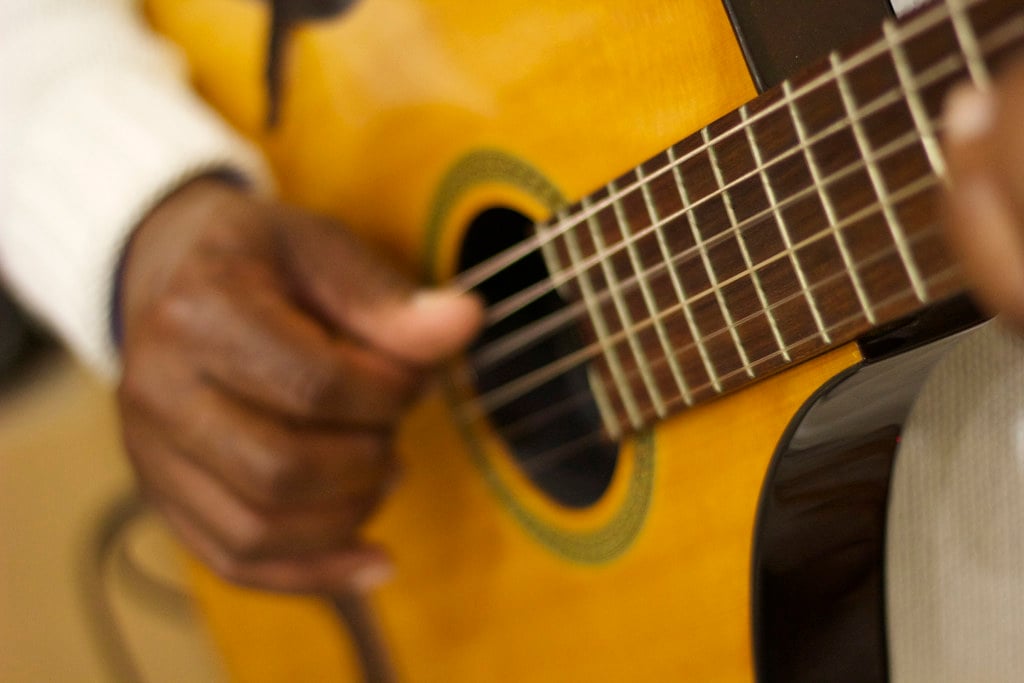
Brazilian musicians in the late 1950s got their hands on cool jazz records from California. They heard Chet Baker and Dave Brubeck and decided to play it their way—on nylon-string guitars, with samba rhythms slowed down to a whisper.
João Gilberto changed music by playing softer. His guitar technique created a percussive, intimate sound that matched the relaxed sophistication Brazil wanted to project.
Tom Jobim wrote melodies that felt both complex and effortless, like good architecture. The genre became synonymous with beach culture and leisure, but it took serious musical chops to make it sound that easy. Jazz musicians recognized it immediately.
Stan Getz heard it and knew he needed to record with these Brazilians. “The Girl from Ipanema” became one of the most recorded songs in history because it captured something people didn’t know they were looking for.
Cumbia – Colombia’s Accordion Surprise
German and Austrian merchants brought accordions to Colombia’s Caribbean coast in the 19th century. Indigenous and African-descended Colombians picked up these European squeeze-boxes and used them to play music that had nothing to do with polkas or waltzes.
The accordion became the lead instrument in cumbia, layered over indigenous gaita flutes and African-derived percussion. The result sounds nothing like Bavaria.
It sounds like coastal Colombia—hot, rhythmic, and built for dancing until dawn. Cumbia spread throughout Latin America, morphing into dozens of regional variants.
Mexican cumbia added electronic keyboards. Argentine cumbia went pop.
Peruvian cumbia plugged in electric guitars and created chicha. The accordion that started it all became optional, but the groove remained.
Cajun Music – France Meets Louisiana Swamps

French-speaking Acadians got expelled from Canada in the 1750s and ended up in Louisiana’s bayou country. They brought their folk songs with them, but Louisiana had other ideas about how music should sound.
The fiddle came from France. The accordion came from German immigrants.
The rhythm came from Creole musicians of African descent. The lyrics stayed in French, but the music absorbed everything around it—blues, country, zydeco, and swamp pop.
Cajun music exists in a linguistic and cultural space that America almost forgot. It survived because people kept playing it at kitchen parties and dance halls.
When outsiders discovered it, they found something that sounded both ancient and alive.
Afrobeat – James Brown Goes to Lagos
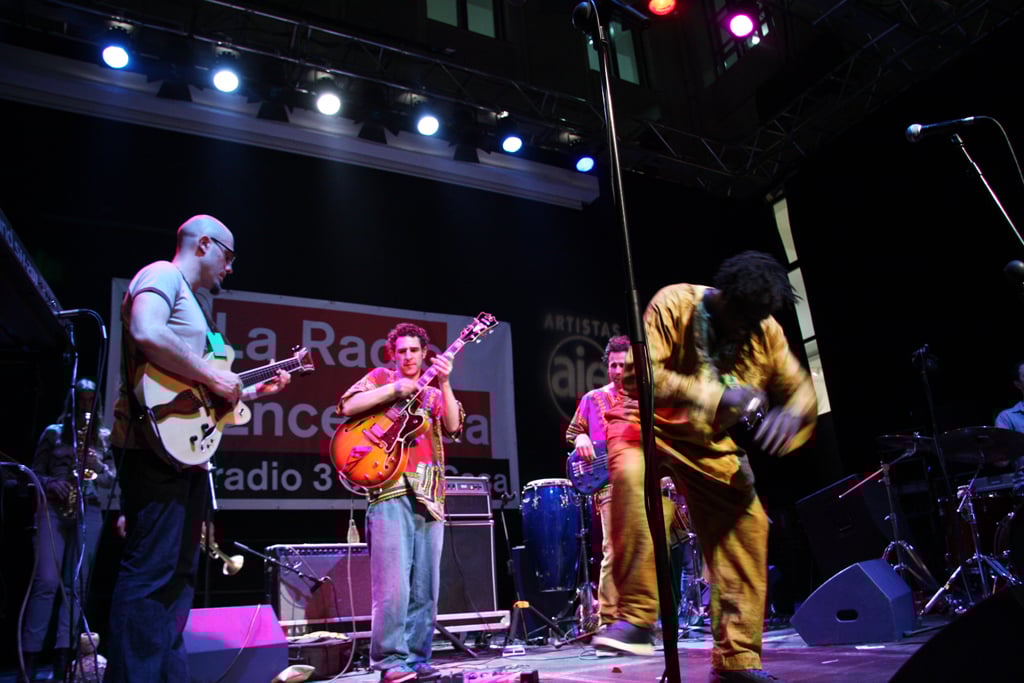
Fela Kuti studied music in London but found his sound after hearing James Brown. He took American funk’s rhythmic foundation and stretched it out over traditional Yoruba percussion patterns.
Songs that might run three minutes in Memphis or Detroit lasted twenty minutes or more in Lagos. Afrobeat wasn’t fusion in the polite sense. Fela used it as a weapon—against corruption, against military dictatorships, against postcolonial oppression.
The music hit as hard as his lyrics. American funk gave him the groove, but West African polyrhythms gave him the power.
His band Africa 70 (and later Egypt 80) became a machine for this new sound. Multiple percussionists locked into interlocking patterns.
Horns shouted call-and-response phrases. Fela’s Pidgin English lyrics and Tony Allen’s drumming created a blueprint that hip-hop producers would mine for decades.
K-Pop – Seoul’s American Dream

South Korean entertainment companies studied American pop music like engineers reverse-engineering a product. They took R&B vocals, hip-hop production, electronic dance music, and visual aesthetics from across the globe and built something distinctly Korean.
The training system that produces K-pop stars looks more like professional athletics than traditional music industry development. Years of preparation, multiple language fluency, synchronized choreography, and constant content production.
The result often sounds American but operates on completely different principles. Groups like BTS broke through Western markets by understanding both Korean and American audience expectations.
They sang in Korean but adopted American social media strategies. They referenced Korean literature and Eastern philosophy while making music that sounded ready for American radio.
The blend works because it never pretends to be anything other than what it is.
Bhangra – Punjab Hits the Dance Floor

Punjabi folk music stayed in the villages and wedding celebrations for generations. Then young British Asians in the 1980s heard the dhol drum and tabla and thought, “What if we added a drum machine?”
Bhangra went from agricultural celebration music to club bangers in immigrant communities across Britain. DJs mixed traditional Punjabi vocals over house beats, drum and bass, and hip-hop.
The music became a way for young Punjabis to claim both their heritage and their British identity. The dhol—that massive double-headed barrel drum—became the genre’s signature sound.
You can dress it up with electronic production, but when that drum hits, you know exactly what you’re hearing. Bhangra’s energy spread beyond South Asian communities because that rhythm translates across cultural boundaries.
Tropicália – Brazil’s Psychedelic Revolution

Brazilian musicians in the late 1960s faced a cultural crossroads. Military dictatorship, American cultural imperialism, and arguments about musical purity created tension.
Caetano Veloso and Gilberto Gil responded by throwing everything into a blender. Tropicália mixed bossa nova with rock guitars, avant-garde poetry with carnival music, Beatles-style psychedelia with traditional Brazilian folk songs.
It was deliberately messy, politically charged, and musically adventurous. The military government hated it and eventually exiled its main figures.
The movement lasted only a few years, but it permanently changed Brazilian music. It proved that embracing foreign influences didn’t mean abandoning national identity.
Sometimes the most Brazilian thing you can do is refuse to play by anyone’s rules about what Brazilian music should be.
Flamenco Fusion – Gitano Meets the World
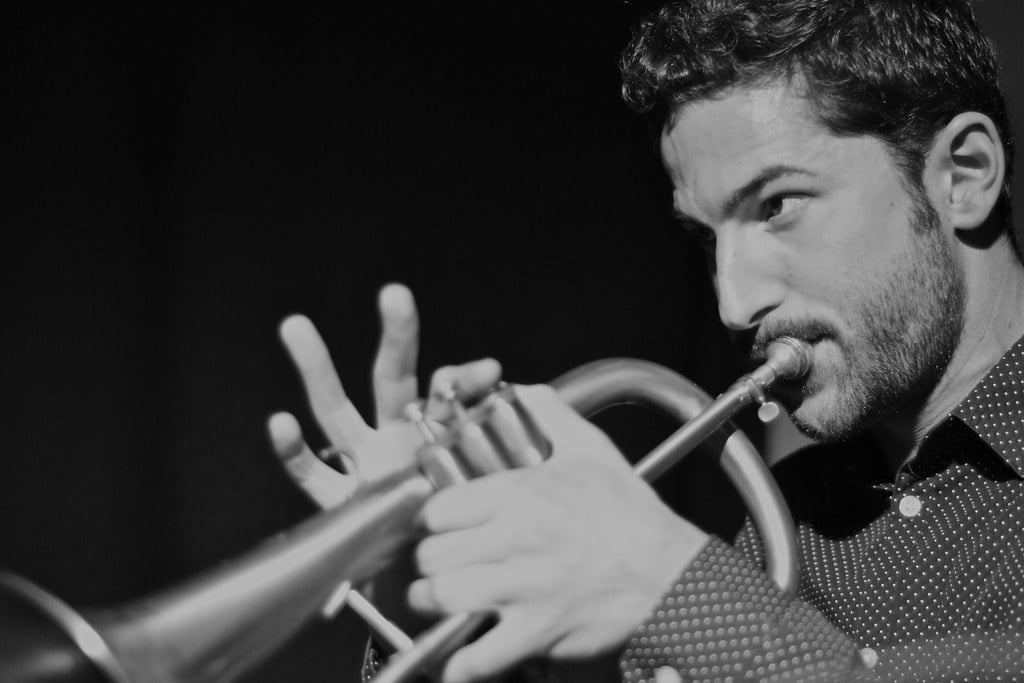
Flamenco spent centuries developing in Andalusia, Spain, primarily within Romani (Gitano) communities. The music synthesized Moorish, Jewish, and Castilian influences into something unique.
Then in the 1960s and 70s, flamenco artists started experimenting with jazz, Cuban music, and Indian classical music. Paco de Lucía played flamenco guitar with jazz sensibilities. His speed and technique pushed the instrument into new territory.
When he collaborated with jazz musicians like Al Di Meola and John McLaughlin, the cross-pollination went both directions. Jazz guitarists started learning flamenco techniques.
Flamenco players incorporated jazz harmonies. The purists complained every time someone plugged in or played with a drummer.
But flamenco has always absorbed outside influences. Modern fusion artists continue that tradition, adding electronic beats, hip-hop flows, and Arabic quarter tones to a genre that never actually stood still.
Chicano Rock – East LA’s Dual Identity

Mexican-American musicians in Los Angeles grew up with mariachi on one side and rock and roll on the other. They decided they didn’t have to choose. Ritchie Valens proved it in the 1950s when “La Bamba” became a rock hit. But the real flowering came in the 1960s and 70s with bands like Los Lobos, Tierra, and War.
East LA musicians played rock music with R&B horns, Latin percussion, and lyrics that switched between English and Spanish. They created a soundtrack for the Chicano civil rights movement—music that insisted on its right to exist in both worlds without apologizing for either.
The music reflected the complexity of Chicano identity. “Low Rider” by War became an anthem, but it blended Latin rhythms, funk grooves, and rock guitar into something that couldn’t be easily categorized. That was precisely the point.
Gypsy Jazz – Django’s Paris

Django Reinhardt lost the use of two fingers in a fire. Most guitarists would have given up. Instead, he developed a new technique and created an entirely new genre.
In 1930s Paris, Django heard American jazz records and decided to play that music on acoustic guitar with his Hot Club ensemble. Gypsy jazz (or “jazz manouche”) combined American swing with the music of French Romani people.
Django’s guitar playing featured rapid-fire runs, chromatic passages, and rhythmic comping that defined the sound. The violin, played by Stéphane Grappelli, added another melodic voice. No drums, just guitar rhythm and upright bass.
The music spread throughout Romani communities in Europe, creating a living tradition that continues today. Annual festivals in Django’s honor attract players from around the world, all keeping alive a genre born from one man hearing foreign music and making it his own.
Ska – Jamaica’s British Invasion
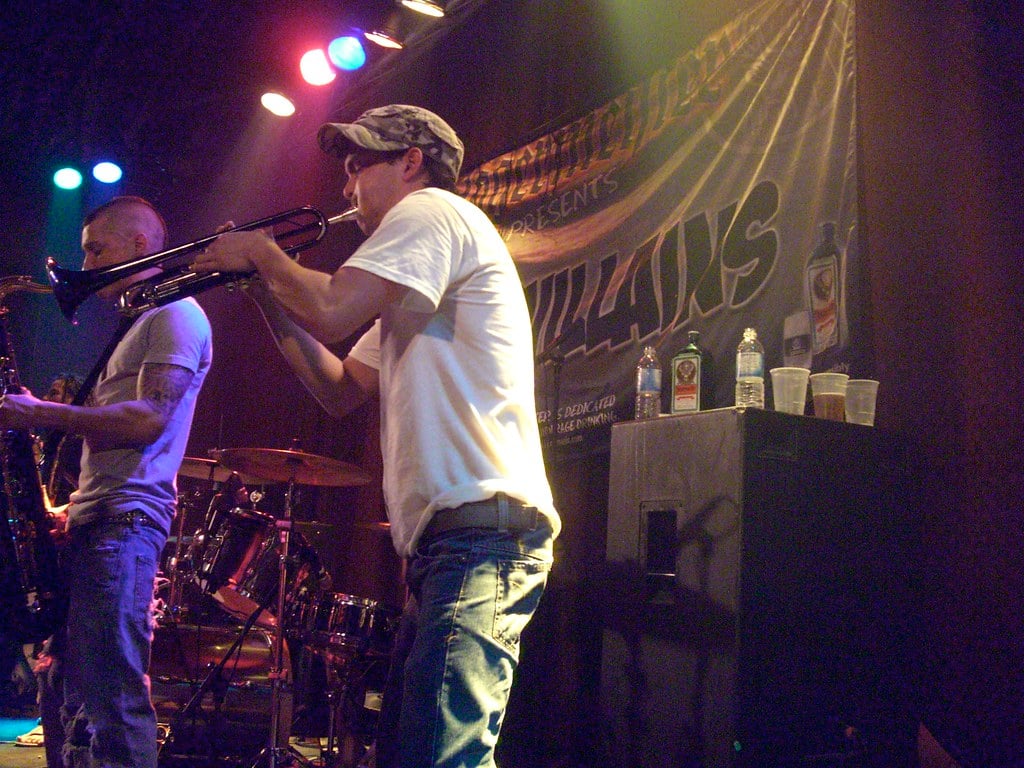
Before reggae, there was ska. Jamaican musicians in the early 1960s heard American R&B and Caribbean mento and created an uptempo, horn-driven sound with an offbeat guitar chop.
The rhythm walked the line between jump blues and Caribbean folk music. Then ska went to England.
Young British mods and skinheads adopted it in the late 1960s. When punk rock crashed in the late 1970s, British musicians revived ska and called it Two-Tone—bands like The Specials and The Selecter mixed punk energy with ska rhythms and used the music to talk about race relations and working-class struggle in Thatcher’s Britain.
American bands picked up on the British version and created a third wave in the 1990s—faster, punkier, and often less interested in political messaging. Ska bounced between continents and generations, changing each time but keeping that unmistakable upstroke.
Balkan Brass – Wedding Music on Steroids
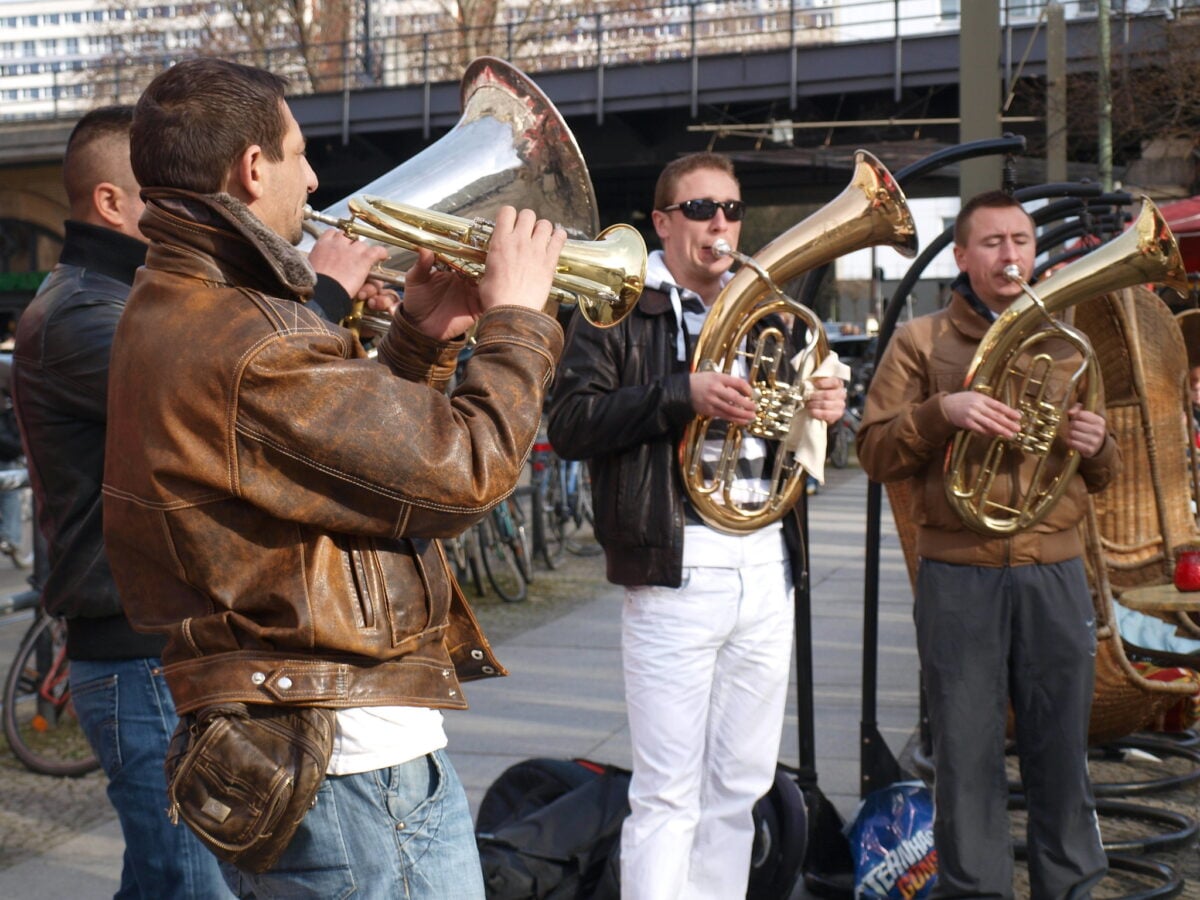
Ottoman military bands brought brass instruments to the Balkans centuries ago. By the 20th century, Serbian and Macedonian villages had transformed military marches into the wildest wedding music on earth.
Brass bands played folk melodies at breakneck speeds with the energy of punk rock and the complexity of jazz. The music stayed regional until filmmakers discovered it.
Emir Kusturica’s films featured Balkan brass prominently, introducing global audiences to this hyperkinetic sound. Bands like Boban Marković Orkestar toured internationally, bringing Romani brass traditions to festivals worldwide.
Western electronic musicians started sampling and remixing Balkan brass in the 2000s. DJ/rupture, Shantel, and others created “balkan beats”—mixing traditional brass with techno and house.
The genre proved that even the most locally rooted music can find new contexts without losing its essential character.
When the Dust Settles, the Music Remains

Cultural blending in music happens whether anyone plans for it or not. Musicians hear something that moves them and they try to recreate it with the tools they have.
Sometimes those tools come from completely different traditions. The accordion ends up in Colombian cumbia. The drum machine ends up in Punjabi bhangra. Jazz harmonies show up in flamenco.
These genres endure because they answered a need—not just musical, but cultural and social. They gave people ways to express identities that didn’t fit neatly into existing categories.
They proved that influence moves in multiple directions and that the most interesting art often comes from the spaces between established traditions. Listen to any of these genres and you’re hearing a conversation between cultures, sometimes spanning centuries and continents.
The conversation continues because music doesn’t respect borders. It just finds people willing to try something new with something old.
More from Go2Tutors!

- The Romanov Crown Jewels and Their Tragic Fate
- 13 Historical Mysteries That Science Still Can’t Solve
- Famous Hoaxes That Fooled the World for Years
- 15 Child Stars with Tragic Adult Lives
- 16 Famous Jewelry Pieces in History
Like Go2Tutors’s content? Follow us on MSN.