14 Forgotten MTV Shows That Defined an Era
MTV once dominated television with an eclectic blend of groundbreaking programming that extended well beyond music videos. From weird game shows to pioneering reality TV, the network produced content that shattered conventions while shaping pop culture in ways still felt today.
These shows embodied the rebellious spirit of their time — giving voice to a generation hungry for something radically different from traditional television fare. Here’s a list of 14 forgotten MTV shows that truly defined an era.
Remote Control
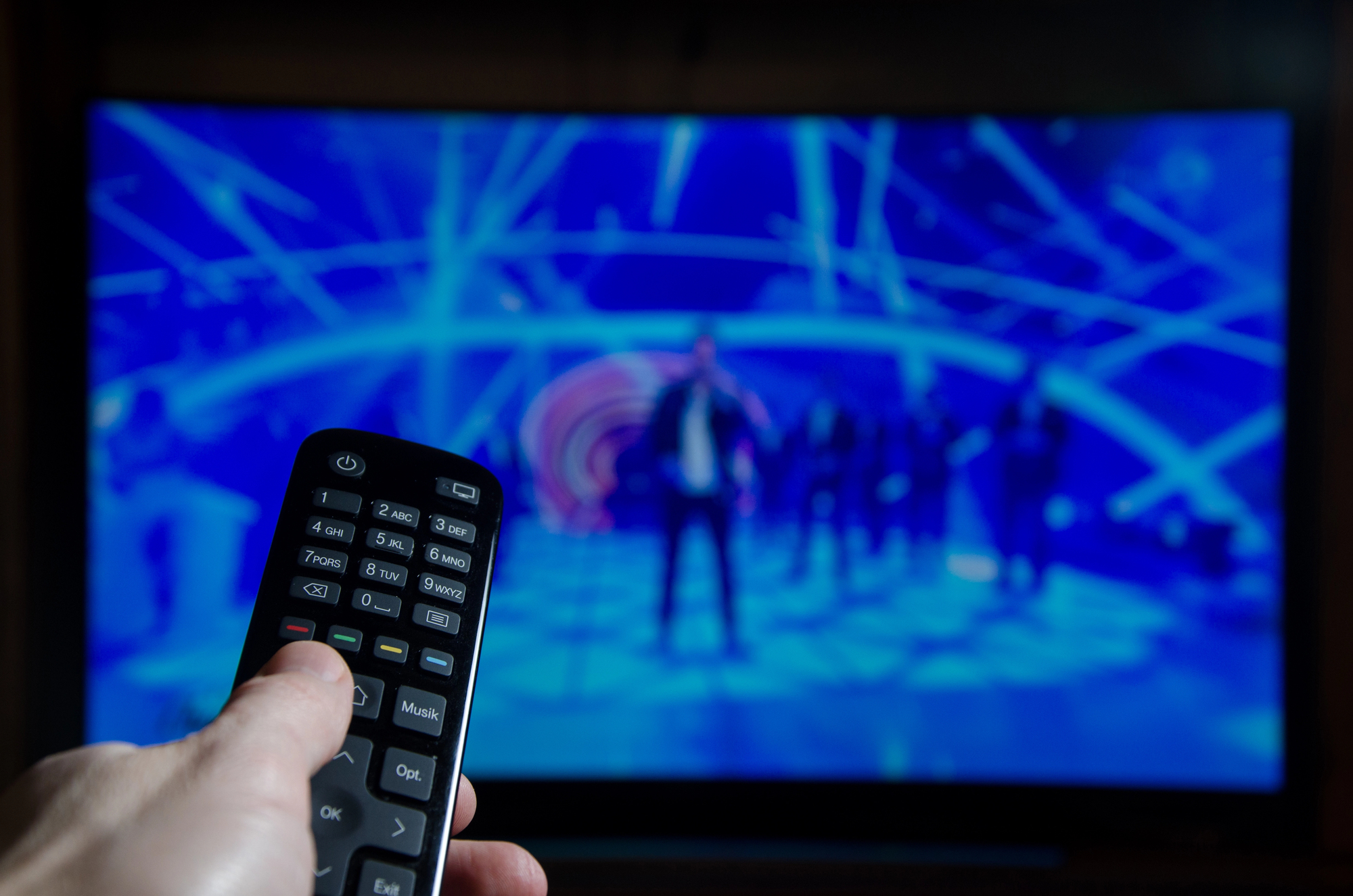
Remote Control transformed couch potato culture into competitive entertainment when it debuted in 1987. Contestants lounged in recliners answering trivia about TV shows, movies, and pop culture while host Ken Ober delivered his trademark rapid-fire commentary.
The show’s irreverent humor and unconventional setup made it an instant hit among teenagers and college students nationwide. Remote Control proved MTV could create original programming just as captivating as those music videos that built the network’s reputation.
Liquid Television
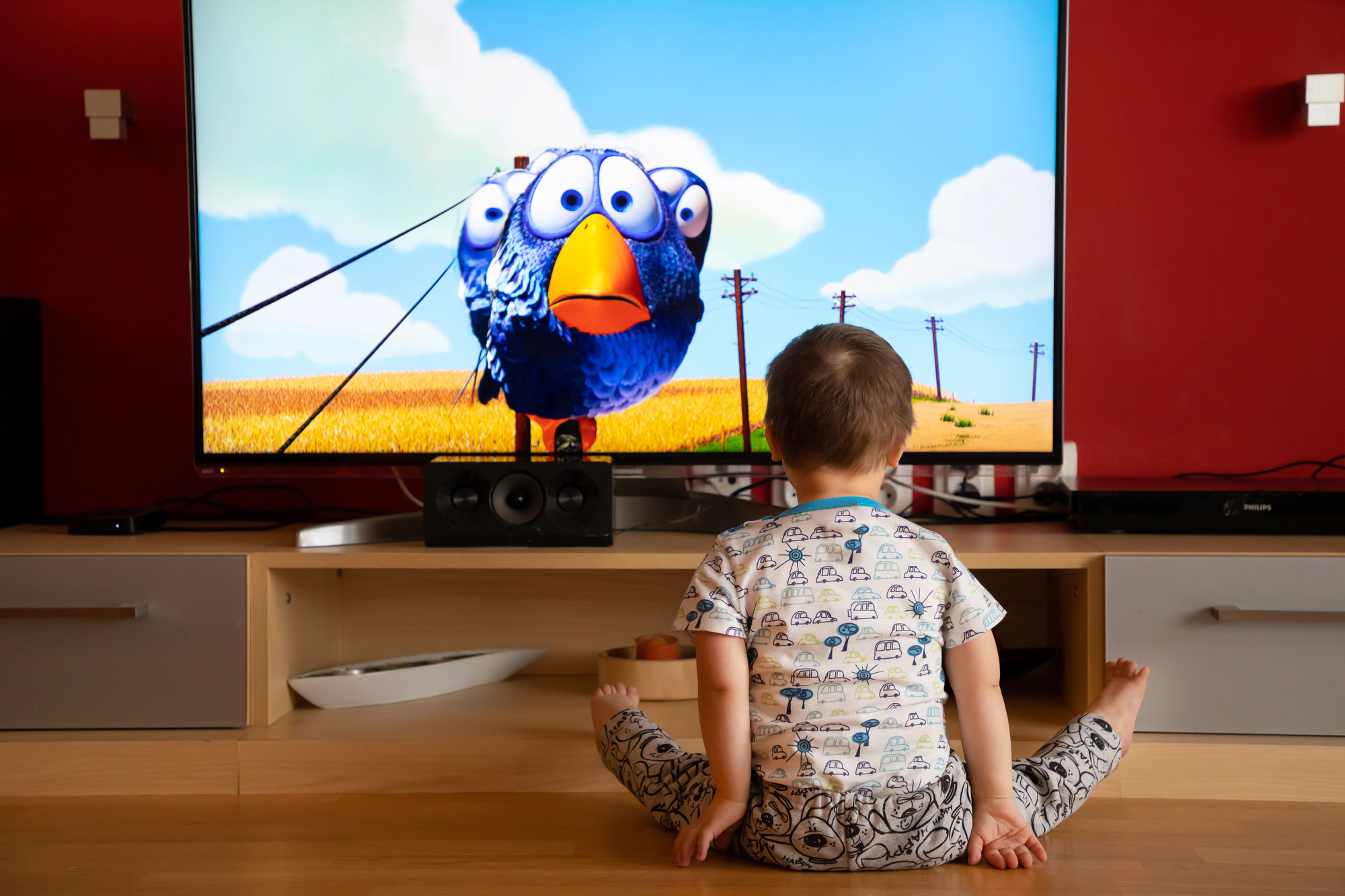
Liquid Television functioned as MTV’s experimental animation laboratory from 1991 to 1995 — introducing viewers to some of television’s most innovative cartoon content. This anthology series featured bizarre shorts like ‘Aeon Flux’ while launching several influential animators’ careers.
Many segments pushed artistic boundaries with surreal storylines and cutting-edge animation techniques that mainstream networks wouldn’t touch. The show demonstrated MTV’s willingness to take creative risks that others found too dangerous.
Like Go2Tutors’s content? Follow us on MSN.
Headbangers Ball
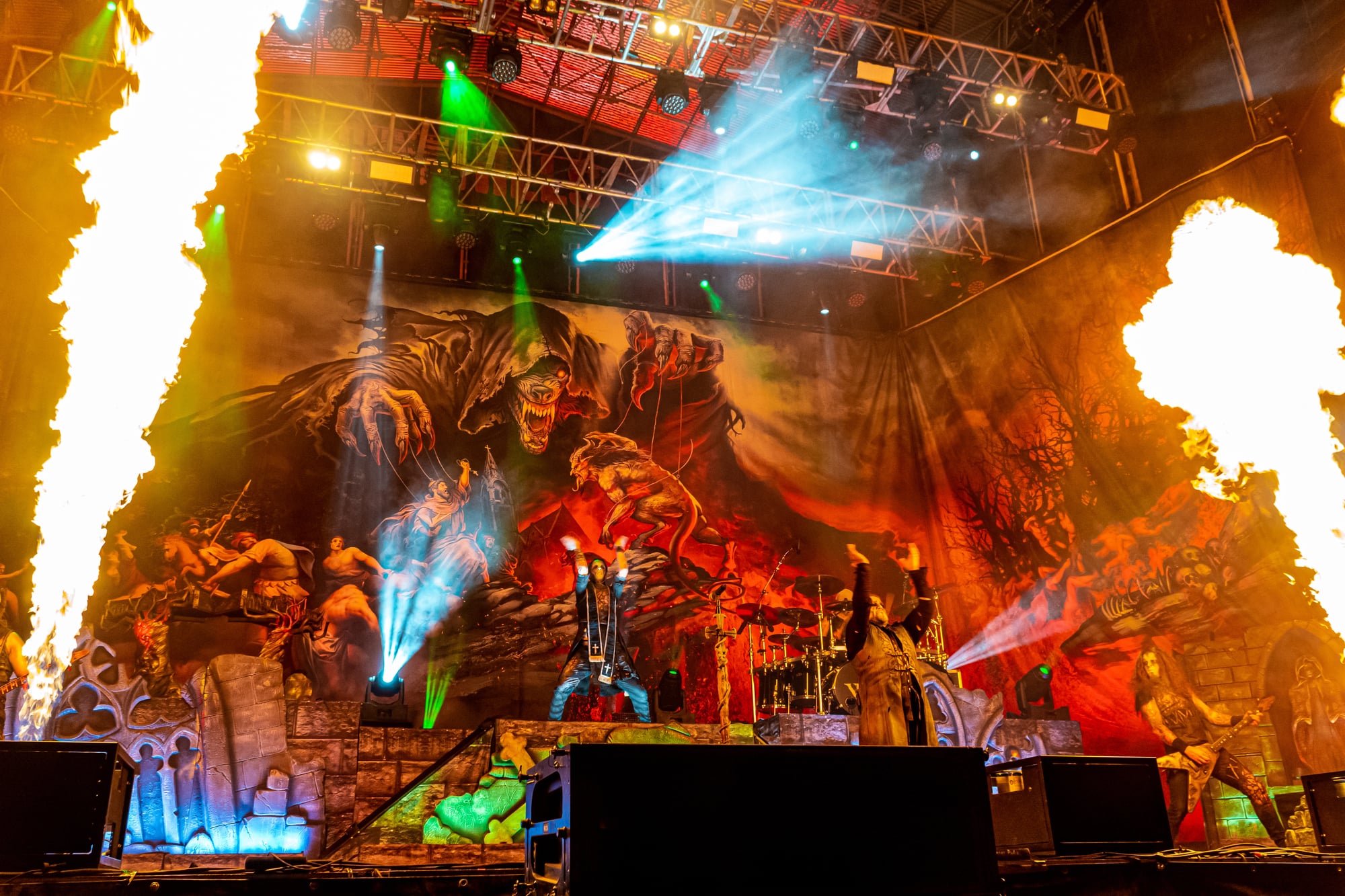
Headbangers Ball became heavy metal and hard rock’s ultimate destination every Saturday night from 1987 to 1995. Host Riki Rachtman introduced viewers to established metal acts alongside underground bands that rarely received mainstream attention.
The show’s three-hour format allowed comprehensive coverage of the metal scene — including interviews and concert footage that fans couldn’t find elsewhere. Headbangers Ball provided metal music with legitimate platform during an era when other networks mostly ignored the genre.
Yo! MTV Raps

Yo! MTV Raps revolutionized hip-hop’s mainstream presence when it launched in 1988 — bringing rap culture directly into suburban living rooms across America. Hosts Fab 5 Freddy, Doctor Dré, and Ed Lover became cultural ambassadors for a music genre many dismissed as a temporary fad.
The show featured exclusive interviews, live performances, and latest music videos from emerging rap artists who’d never appeared on television before. Yo! MTV Raps played a crucial role in hip-hop’s transformation from an underground movement to a dominant cultural force.
120 Minutes

120 Minutes provided an essential lifeline for alternative rock fans during the late 1980s and 1990s — showcasing artists who couldn’t break into mainstream rotation. This late-night program introduced American audiences to bands like Nirvana, Pearl Jam, and Radiohead before they achieved commercial success.
Host Matt Pinfield earned recognition for his encyclopedic music knowledge and genuine passion for discovering new talent that others overlooked. The program helped launch the alternative rock explosion that would dominate 1990s music.
Like Go2Tutors’s content? Follow us on MSN.
Beavis and Butt-Head
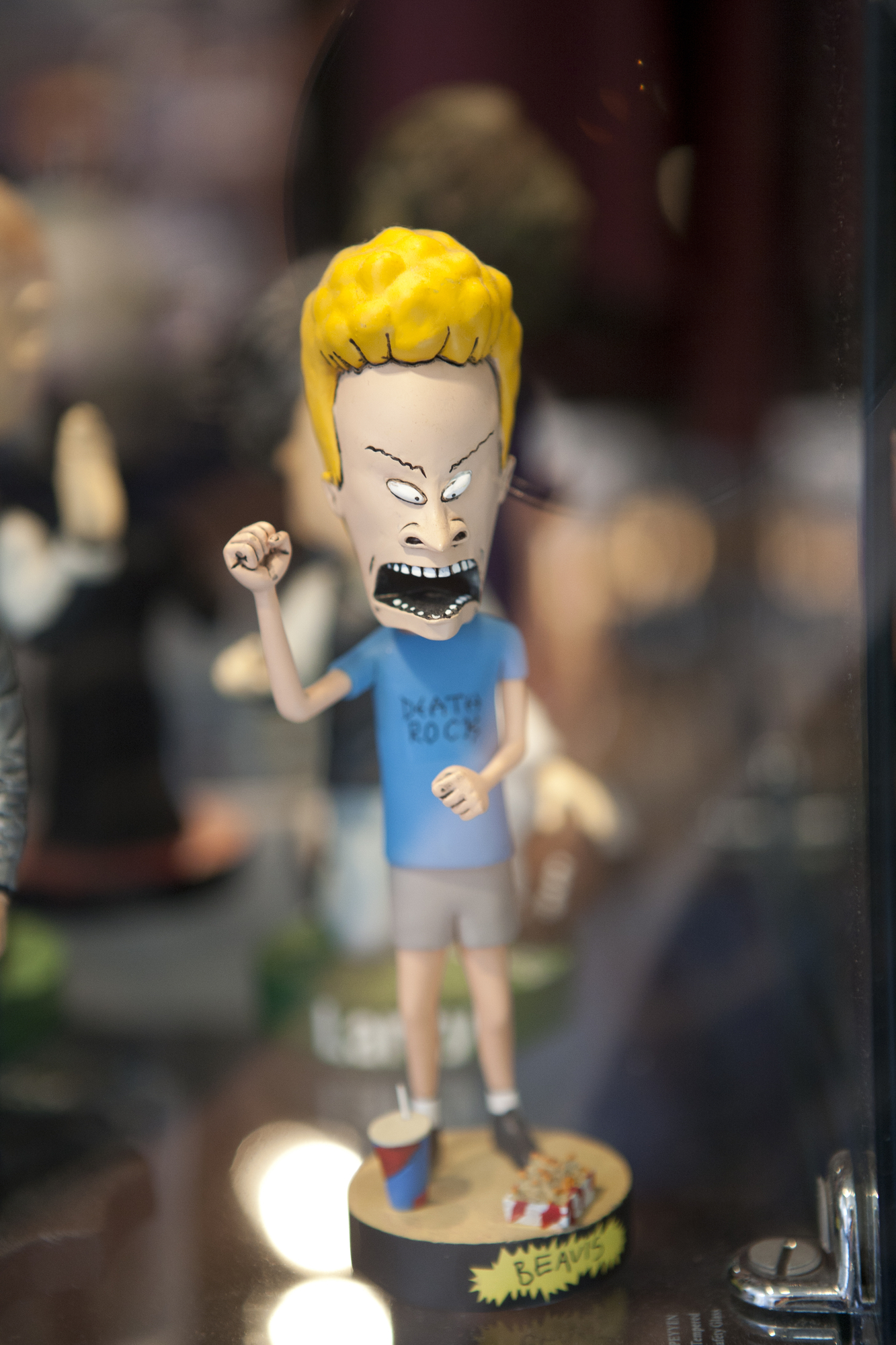
Beavis and Butt-Head captured teenage angst and stupidity in animated form — becoming MTV’s most controversial yet popular original series. Mike Judge’s crude animation style and the duo’s juvenile commentary on music videos struck a chord with disaffected youth everywhere.
The show sparked nationwide debates about television’s influence on children while simultaneously launching a multimedia franchise worth million. Despite heavy criticism, Beavis and Butt-Head perfectly embodied the slacker mentality that defined Generation X culture.
The Real World
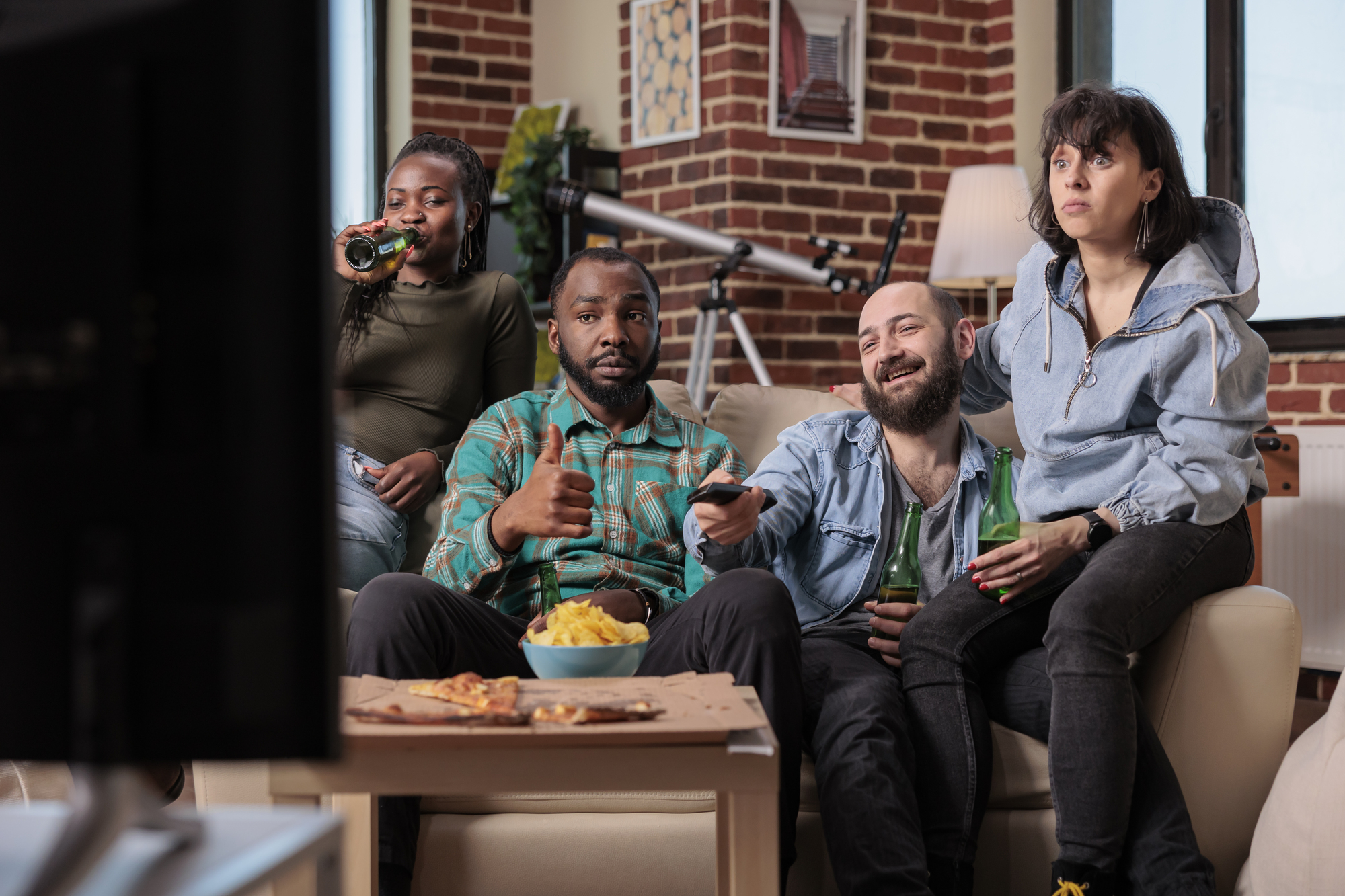
The Real World pioneered reality television when it premiered in 1992 — placing seven strangers in a house and filming their interactions around the clock. The show tackled serious social issues like racism, homosexuality, and mental health through young adult drama that felt authentic.
Each season introduced viewers to different cities and cultures while exploring universal themes of identity and belonging that resonated across demographics. The Real World’s influence on modern television can’t be overstated since it essentially created the reality TV blueprint networks still follow.
Singled Out
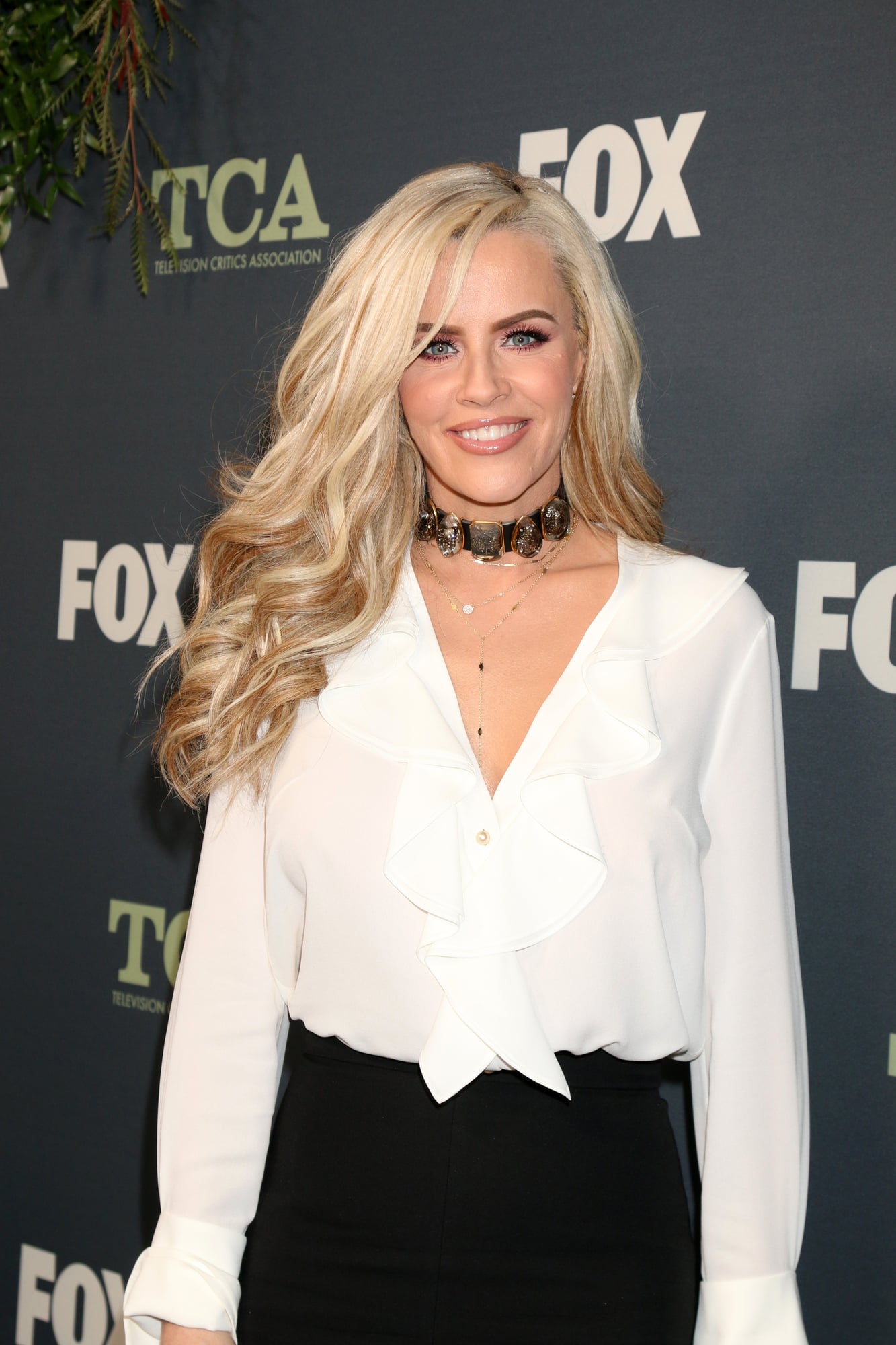
Singled Out turned dating into chaotic game show spectacle — featuring 50 potential dates competing for one person’s romantic attention. Hosts Chris Hardwick and Jenny McCarthy guided contestants through elimination rounds based on increasingly ridiculous criteria that made no logical sense.
The show’s breakneck pace and heavy innuendo pushed boundaries for daytime television during the mid-1990s when censorship was stricter. Singled Out reflected MTV’s remarkable ability to transform everyday experiences into genuinely entertaining television programming.
Like Go2Tutors’s content? Follow us on MSN.
Celebrity Deathmatch

Celebrity Deathmatch combined stop-motion animation with celebrity culture satire — featuring clay figures of famous people fighting to gruesome deaths. The show’s outrageous violence and dark humor attracted viewers who enjoyed watching celebrities receive comeuppance in absolutely ridiculous ways.
Host Johnny Gomez and referee Mills Lane provided professional wrestling-style commentary for each absurd matchup that defied logic. Celebrity Deathmatch reflected society’s complicated relationship with fame and celebrity worship during the late 1990s media explosion.
Total Request Live
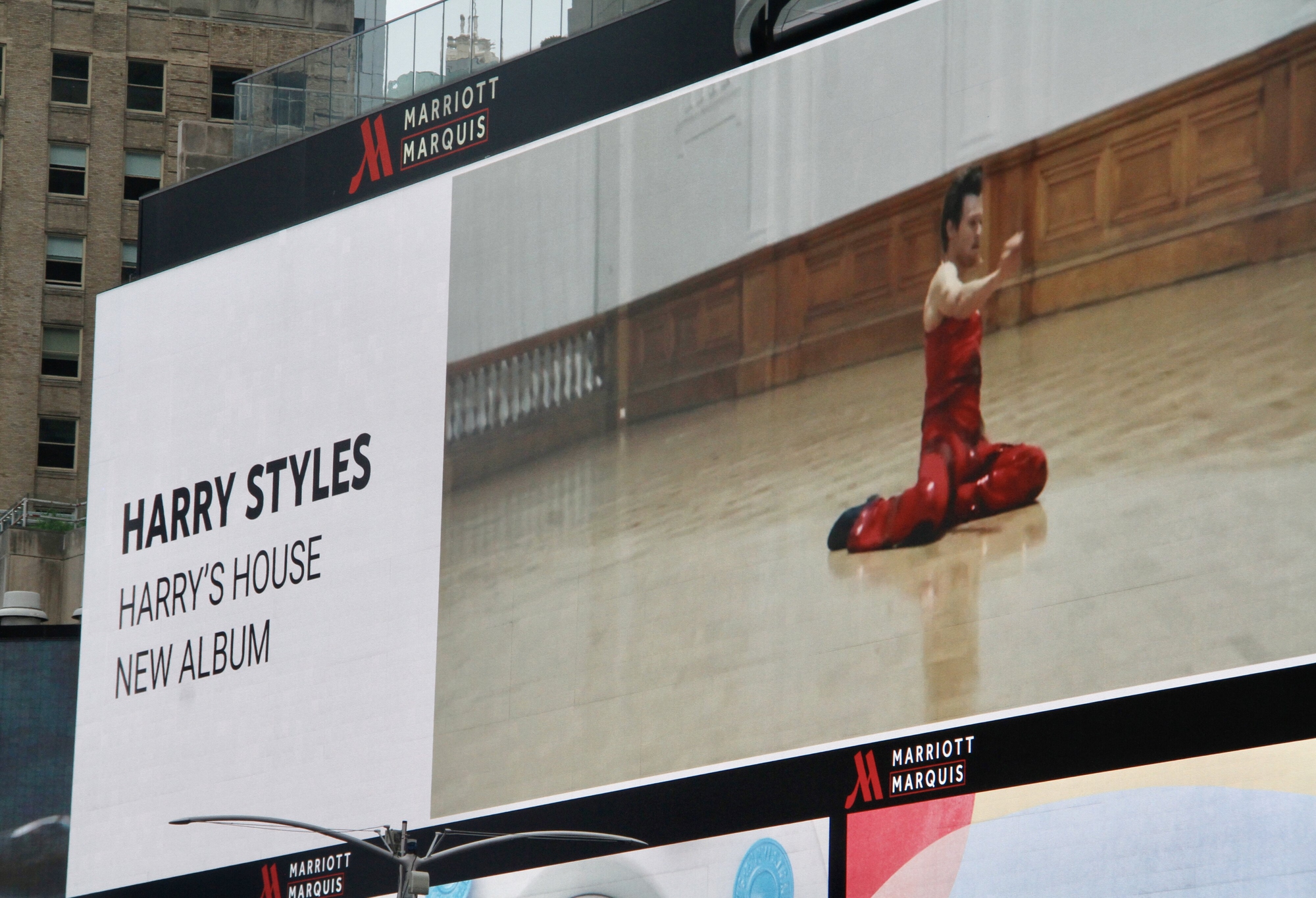
Total Request Live transformed MTV’s afternoon programming into appointment television, with host Carson Daly counting down the day’s most requested music videos. The show’s Times Square studio became a pilgrimage destination for teenagers hoping to catch glimpses of their favorite artists making appearances.
TRL’s influence on the music industry success was undeniable — artists would do absolutely anything to reach the coveted number one spot. The program essentially turned music video requests into a democratic process that gave young viewers unprecedented power over mainstream music trends.
Jackass
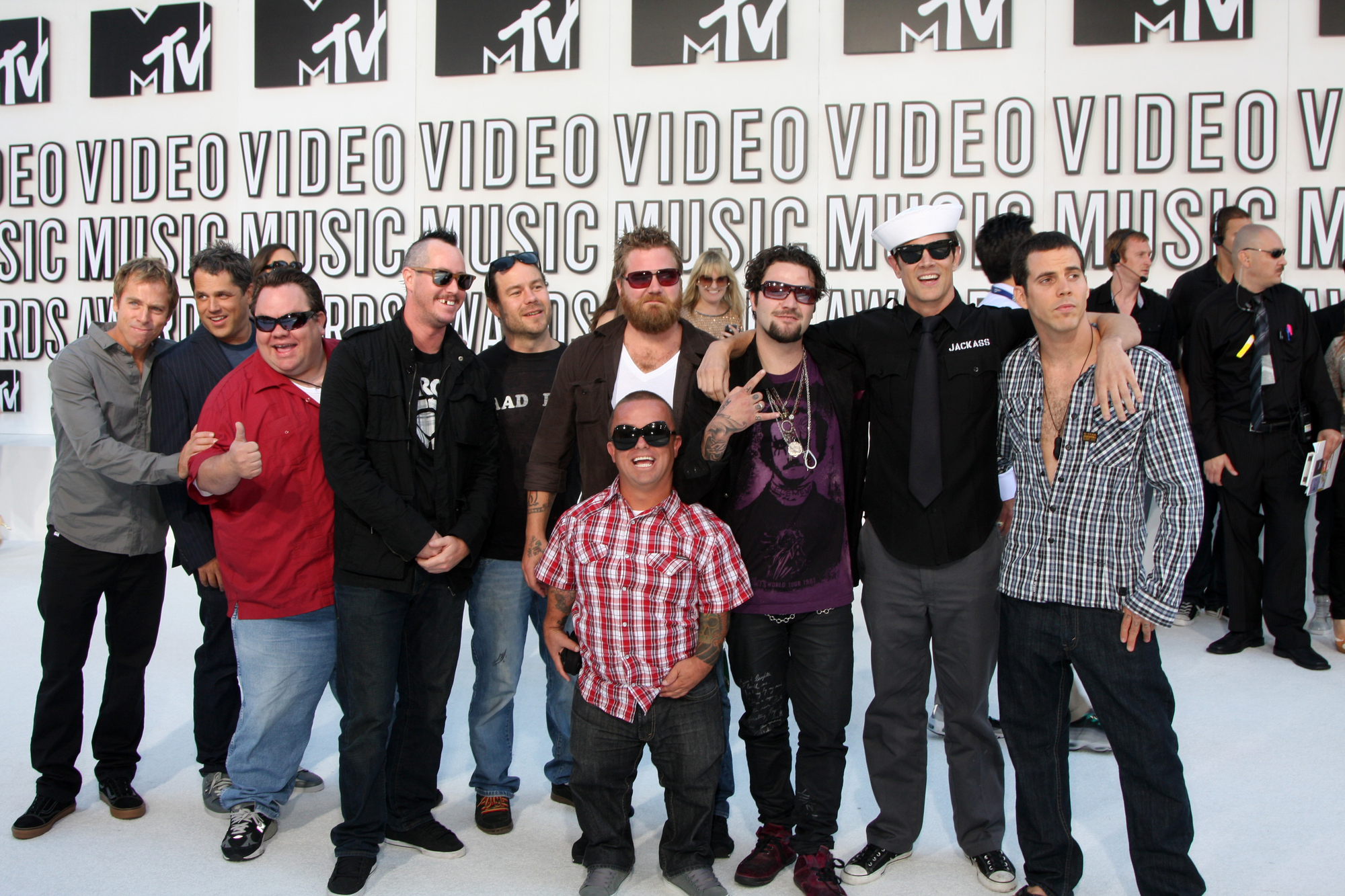
Jackass elevated stupid stunts and self-inflicted pain into an art form, launching countless imitators and emergency room visits nationwide. Johnny Knoxville and his crew performed increasingly dangerous pranks that horrified parents while delighting teenage audiences who couldn’t get enough.
The show’s disclaimer warnings became as famous as the stunts themselves, though they did little to prevent copycat behavior among viewers. Jackass represented MTV’s complete departure from music programming toward pure shock entertainment that prioritized spectacle over substance.
Like Go2Tutors’s content? Follow us on MSN.
Unplugged
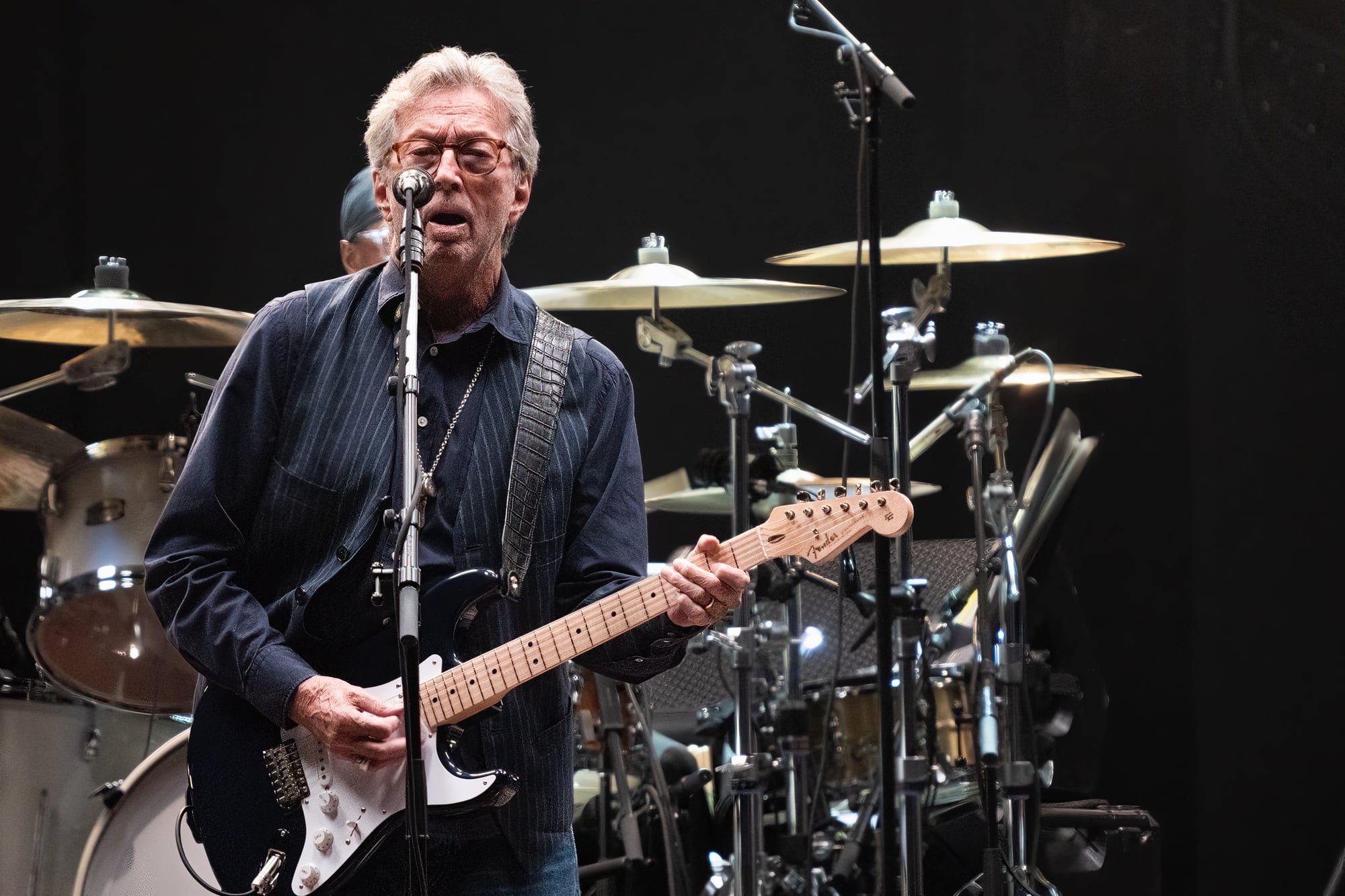
MTV Unplugged stripped popular artists down to their musical essence, forcing them to perform acoustic versions of their biggest hits without studio tricks. The intimate concert format revealed new dimensions of familiar songs while showcasing artists’ raw musical abilities that often got lost in production.
Legendary performances by Eric Clapton, Nirvana, and Alanis Morissette became cultural touchstones that frequently surpassed the original recordings in emotional impact. Unplugged proved that truly great songs could transcend any particular arrangement or production style when performed with genuine skill.
Pimp My Ride
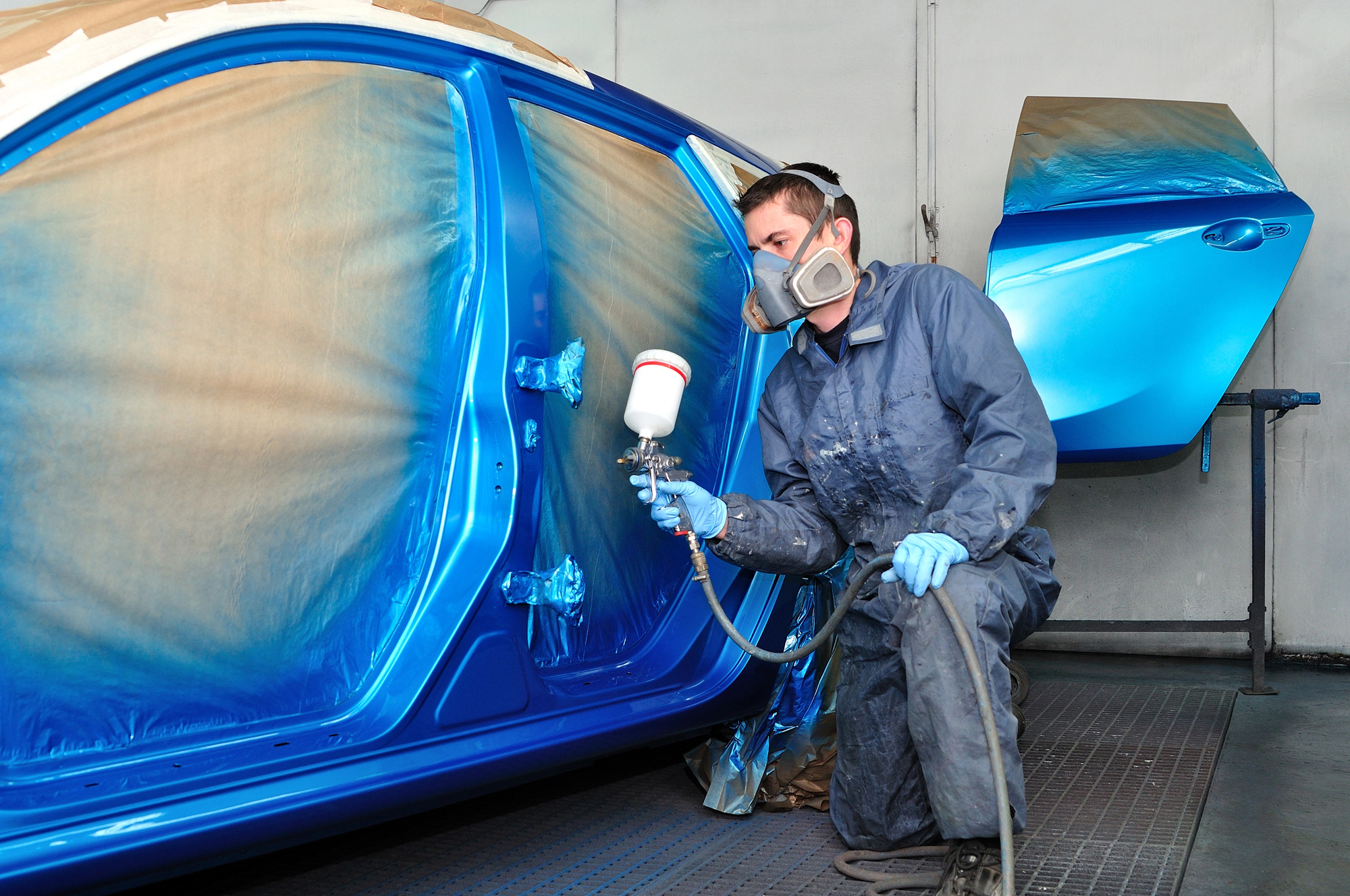
Pimp My Ride turned automotive customization into reality television gold, with host Xzibit surprising car owners with outrageous vehicle makeovers that defied logic. The show’s over-the-top modifications often prioritized pure entertainment value over practical functionality, resulting in cars with fish tanks, game consoles, and sound systems worth more than the vehicles themselves.
Each episode followed a predictable formula yet maintained viewer interest through sheer spectacle and Xzibit’s genuinely charismatic hosting style. Pimp My Ride perfectly reflected early 2000s excess culture and America’s enduring love affair with automotive personalization.
Cribs

MTV Cribs satisfied viewers’ insatiable curiosity about celebrity lifestyles by providing guided tours of famous people’s extravagant homes. The show’s deceptively simple format — celebrities showing off their houses — became addictive television that spawned countless memes and cultural references still used today.
Cribs revealed the often-absurd ways wealthy people spent their money while feeding audiences’ voyeuristic desires to peek behind celebrity facades. The program perfectly captured the materialistic aspects of early 2000s celebrity culture when conspicuous consumption reached ridiculous heights.
Like Go2Tutors’s content? Follow us on MSN.
When Music Television Became Cultural Television
These forgotten MTV shows represent far more than nostalgic entertainment — they documented America’s cultural evolution during television’s most experimental and boundary-pushing period. Each program reflected the network’s fearless approach to content creation, pushing limits that fundamentally shaped how we consume media today.
MTV’s willingness to embrace controversy, celebrate youth culture, and challenge traditional broadcasting norms created a blueprint for modern entertainment that networks still reference. Though the channel has moved dramatically from its original mission, these shows remain a powerful testament to a time when MTV truly understood its audience and wasn’t afraid to give them exactly what they craved.
More from Go2Tutors!

- 18 Unexpectedly Valuable Collectibles You Might Have Lying Around
- 20 Little-Known Historical Battles That Had Huge Consequences
- 20 Historical Artifacts That Scientists Can’t Explain
- 15 Inventions That Were Immediately Banned After Being Created
- 20 Actors Who Were Almost Cast in Iconic Roles
Like Go2Tutors’s content? Follow us on MSN.