14 Former Prisons That Became Luxury Hotels
Something’s undeniably captivating about spending the night where people were once kept behind bars. The stark contrast between past confinement and present comfort creates an atmosphere that’s both haunting and luxurious, though it’s probably the impressive architecture of these fortress-like structures that draws most visitors.
Here’s a list of 14 former prisons that have been transformed into luxury accommodations where guests can sleep surrounded by history.
Liberty Hotel, Boston

Boston’s Liberty Hotel transformed the former Charles Street Jail into one of the city’s most distinctive accommodations. This granite fortress confined inmates from 1851 to 1990 before its rebirth as a luxury hotel.
The original cruciform design remains — creating a dramatic central atrium that serves as the lobby. Cleverly named establishments like the ‘Alibi’ bar and ‘Clink’ restaurant playfully reference the building’s past, while guest rooms occupy former administrative offices rather than actual cells.
Malmaison Oxford

Oxford’s Malmaison operates within a Victorian prison that housed inmates from 1888 until 1996. The conversion preserved original features including cell doors and barred windows, integrating them into the boutique design.
Former cells now function as intimate guest quarters, complete with original stonework and atmospheric lighting that celebrates rather than conceals the building’s austere history.
Like Go2Tutors’s content? Follow us on MSN.
Hotel Katajanokka, Helsinki
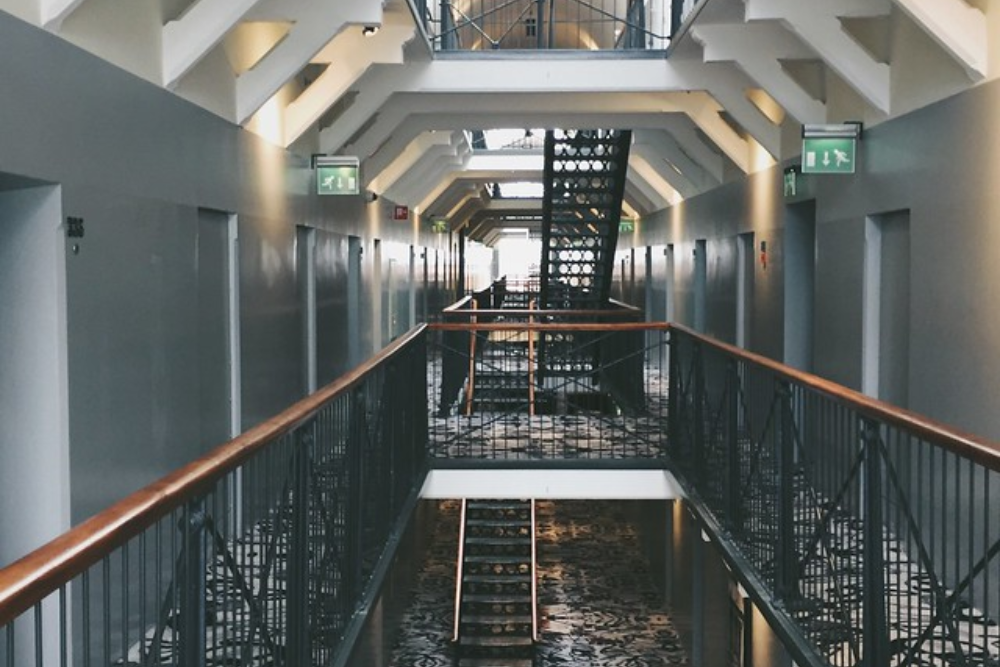
This Finnish hotel occupies a red-brick prison constructed in 1837 — operational until 2002. Original elements remain throughout the property, with cell doors repurposed as closet doors and barred windows framing harbor views.
The restaurant sits within the former prison chapel, creating an elegant dining experience beneath Gothic arches that once echoed with prayers and confessions.
Karosta Prison, Latvia

Located in Liepāja, this former military prison offers guests authentic experiences or comfortable accommodations. The facility served under both Tsarist Russian and Soviet regimes until 1997, housing military prisoners in harsh conditions.
Visitors can choose the full prison treatment — complete with uniforms and basic meals — or opt for renovated cells with modern amenities while still sleeping behind original bars.
Langholmen Hotel, Stockholm

Stockholm’s Langholmen Hotel sits on an island where prisoners were confined from 1724 to 1975. The conversion transformed cell blocks into guest rooms, many retaining original doors and narrow windows.
Guests dine in the former prison chapel while a museum section preserves cells exactly as they appeared during operational years — complete with period furnishings and personal effects.
Like Go2Tutors’s content? Follow us on MSN.
Het Arresthuis, Netherlands
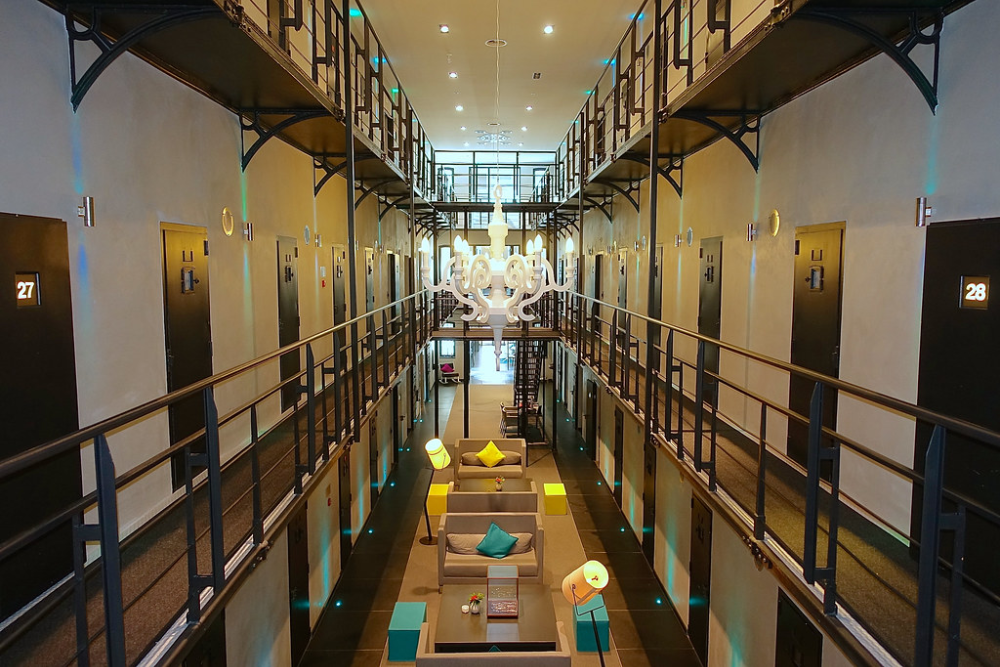
This design hotel in Roermond converted a 19th-century courthouse and prison into stylish accommodations. The building functioned as a prison until 2007, though the transformation maintained original architectural features.
Former cells now serve as guest rooms — their original doors and barred windows becoming unique design elements that add character rather than gloom.
Hostel Celica, Ljubljana
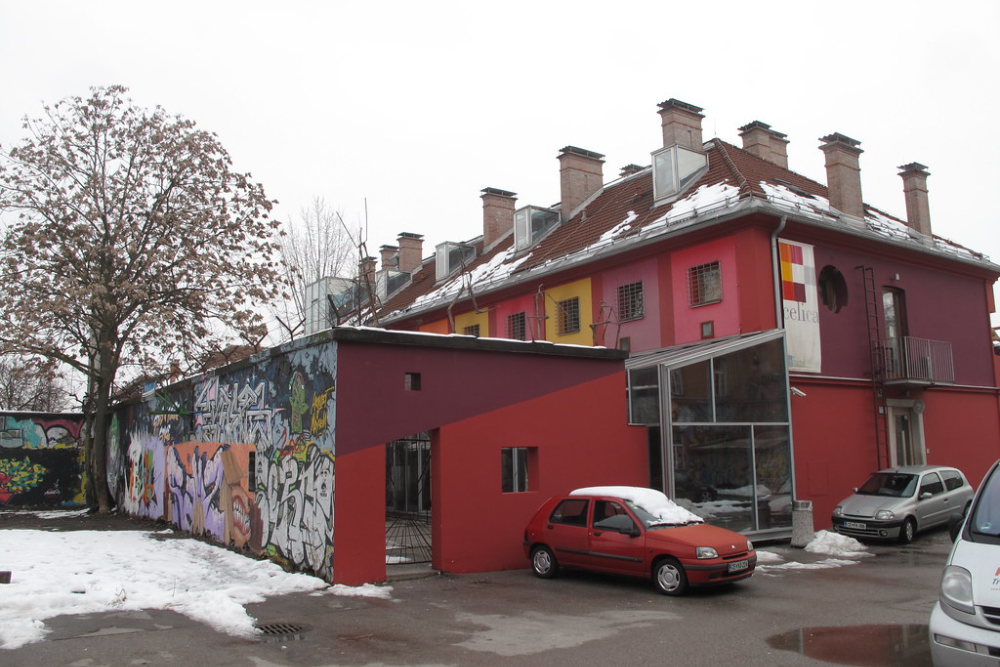
Ljubljana’s Hostel Celica occupies a former military prison abandoned after Slovenia’s 1991 independence. Twenty former cells were redesigned by different artists — creating a vibrant art installation within the accommodation.
The result transforms what was once a place of punishment into a colorful, creative space where guests sleep surrounded by original artwork and preserved architectural details.
Jailhouse Accommodation, New Zealand

Mount Eden’s boutique accommodation operates in an 1888 prison that ceased operations in 1968. The conversion preserved original features including cell doors and the exercise yard, though the intimate scale creates an exclusive atmosphere.
With just a handful of rooms, guests experience prison architecture on a personal level — far removed from the overcrowded conditions of its operational years.
Like Go2Tutors’s content? Follow us on MSN.
Four Points by Sheraton Catania

This Sicilian Sheraton occupies an 18th-century Bourbon prison that later served as a nicotine factory. The transformation maintains historic character throughout the property — from stone walls to arched walkways.
The central courtyard, once the prison yard, now functions as an elegant gathering space where guests can appreciate the building’s imposing architecture without its oppressive history.
Hostal Dos Reis Católicos, Spain

Santiago de Compostela’s parador began as a royal hospital in 1499 but served various functions including a brief stint as a prison. Now operating as a luxury hotel, it maintains its status as one of the world’s oldest continuously operating accommodations.
Multiple courtyards and Gothic details create an atmosphere of grandeur that transcends its varied institutional past.
AlcatraZ ER, Germany

Kaiserslautern’s AlcatraZ ER doesn’t occupy a real former prison but recreates the experience in a purpose-built facility. Guests sleep in cells complete with metal fixtures and sparse furnishings, while meals are served on metal trays in the restaurant.
The hotel provides the prison experience without historical weight, making it more themed adventure than genuine conversion.
Like Go2Tutors’s content? Follow us on MSN.
Old Melbourne Gaol, Australia

Melbourne’s Old Melbourne Gaol primarily operates as a museum but occasionally offers overnight accommodation experiences. The bluestone prison functioned from 1842 to 1929, housing notorious criminals including Ned Kelly.
Overnight stays provide authentic glimpses into 19th-century prison life, complete with original cell blocks and preserved execution sites that tell sobering stories of justice and punishment.
Jail Hill Inn, Vermont
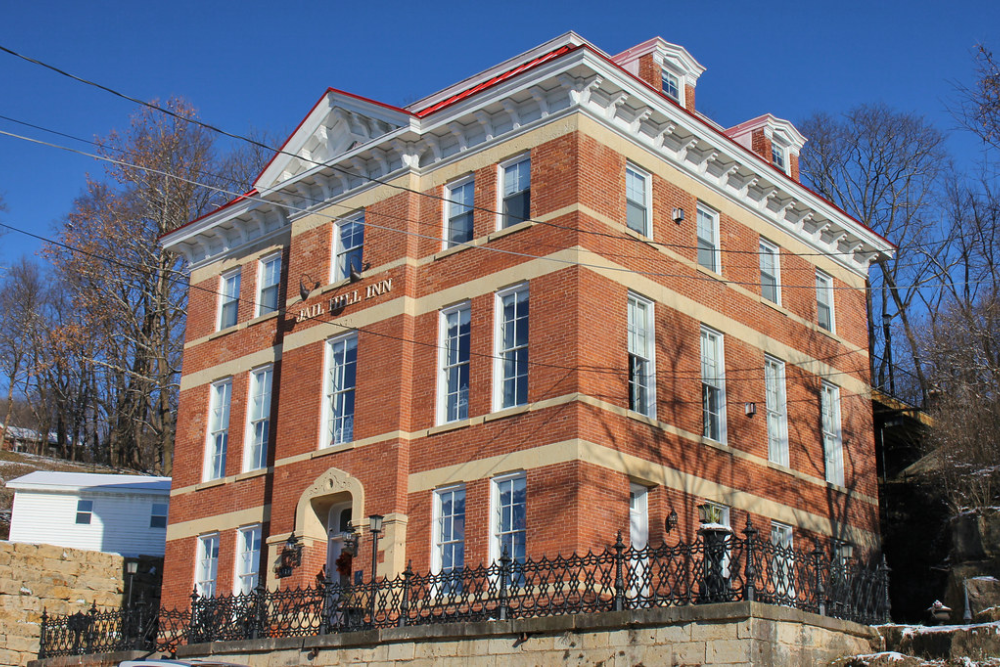
This Vermont inn occupies a Greek Revival building that served as Galway’s jail from 1890 to 1969. The conversion maintained institutional character while adding comfortable accommodations and modern amenities throughout the property.
Hilltop location provides stunning countryside views that contrast sharply with the confined perspectives prisoners once experienced from identical windows.
Posta Design Hotel, Finland

Lahti’s Posta Design Hotel transformed a former women’s prison that operated until the 1990s. The conversion preserved original elements including cell doors and barred windows while incorporating contemporary Scandinavian design principles.
The juxtaposition between harsh institutional past and current luxury creates a unique atmosphere that appeals to travelers seeking extraordinary experiences.
Like Go2Tutors’s content? Follow us on MSN.
From Confinement to Comfort

These remarkable transformations represent far more than simple adaptive reuse projects. They showcase society’s evolving perspectives on punishment and rehabilitation while ensuring architectural preservation of significant historical structures.
The new purpose breathes life into buildings that might otherwise face demolition, creating spaces where history and hospitality intersect in unexpected ways. For modern travelers, these converted prisons offer extraordinary opportunities to experience the past while enjoying contemporary luxuries, proving that even the most unlikely buildings can find new purpose in our changing world.
More from Go2Tutors!

- 16 Historical Figures Who Were Nothing Like You Think
- 12 Things Sold in the 80s That Are Now Illegal
- 15 VHS Tapes That Could Be Worth Thousands
- 17 Historical “What Ifs” That Would Have Changed Everything
- 18 TV Shows That Vanished Without a Finale
Like Go2Tutors’s content? Follow us on MSN.