14 Ghost Towns That Were Once Thriving Communities
America’s landscape is scattered with forgotten places where laughter once filled busy streets and dreams took root in hope and determination. These ghost towns tell stories of boom and bust — of communities that flourished with promise only to fade when fortune shifted elsewhere. From mining camps in the Wild West to industrial towns across the heartland, these abandoned settlements serve as reminders of how swiftly prosperity can vanish.
Each location was once home to families, businesses, and entire ways of life that have now become memories preserved in weathered buildings and empty lots. Here is a list of 14 ghost towns that were once thriving communities.
Bodie, California
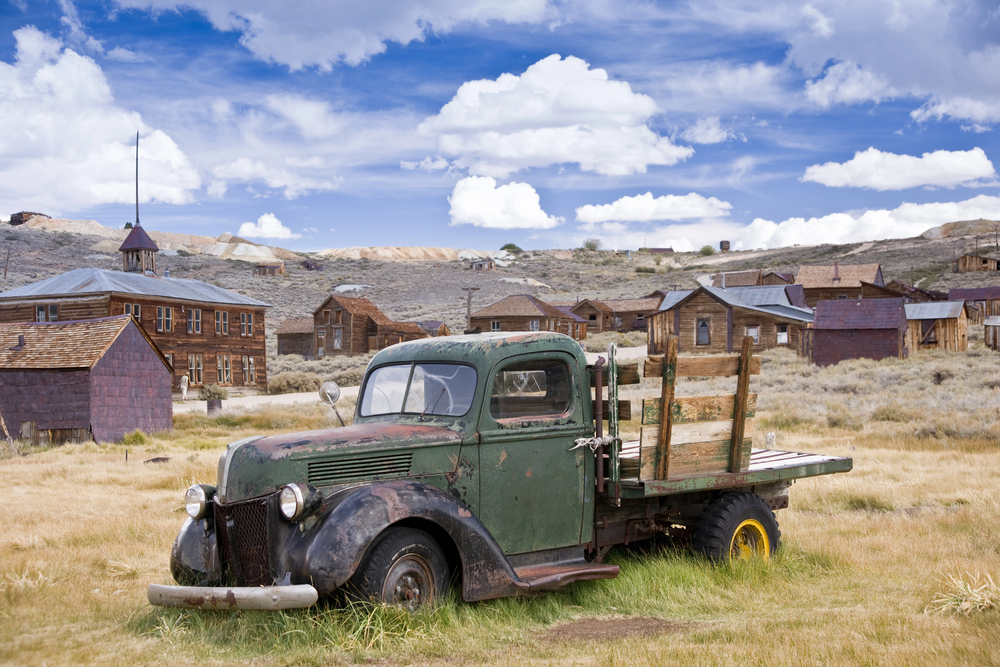
Bodie stands as one of the most famous ghost towns in the American West — frozen in time since its gold rush heyday. This remote settlement in the Sierra Nevada mountains once housed nearly 10,000 people during the 1870s and 1880s, complete with saloons, churches, and a red-light district that kept the town buzzing around the clock.
Today, visitors can wander through the preserved buildings and peer into windows that still contain furniture, bottles, and personal belongings left behind when residents departed for greener pastures.
Centralia, Pennsylvania

Unlike most ghost towns that died from economic collapse, Centralia was killed by fire that’s been burning underground since 1962. This once-thriving coal mining community was home to over 2,000 residents until a landfill fire spread to the coal seams beneath the town — creating a subterranean inferno that continues to burn today.
The government relocated most residents in the 1980s, leaving behind a landscape of cracked roads with steam rising from the ground and a handful of stubborn holdouts who refused to leave.
Like Go2Tutors’s content? Follow us on MSN.
Calico, California

Calico epitomizes the classic Western boomtown story, rising from nothing to house 3,500 people during the silver mining boom of the 1880s. The town had everything a frontier settlement needed: hotels, restaurants, general stores, and enough saloons to keep the miners happy after long days underground.
When silver prices crashed in the 1890s, Calico’s population dwindled to almost nothing, though today it operates as a tourist attraction where visitors can experience what life was like in the Old West.
Rhyolite, Nevada
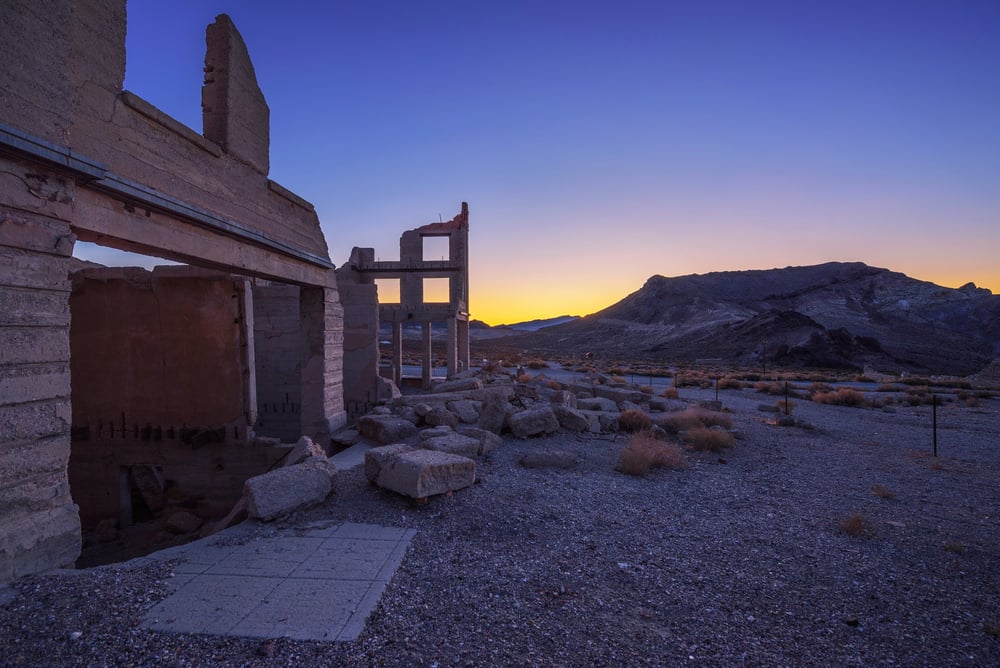
Rhyolite represents the ultimate example of Western optimism and overreach — built during a gold rush that lasted just a few short years. Founded in 1904, this Nevada town quickly grew to 5,000 residents and featured amenities that rivaled established cities, including electric lights, concrete sidewalks, and a stock exchange.
The gold ran out by 1910, yet within a decade, Rhyolite was virtually abandoned, leaving behind impressive ruins including a three-story bank building and a house made entirely of bottles.
Like Go2Tutors’s content? Follow us on MSN.
Kennecott, Alaska
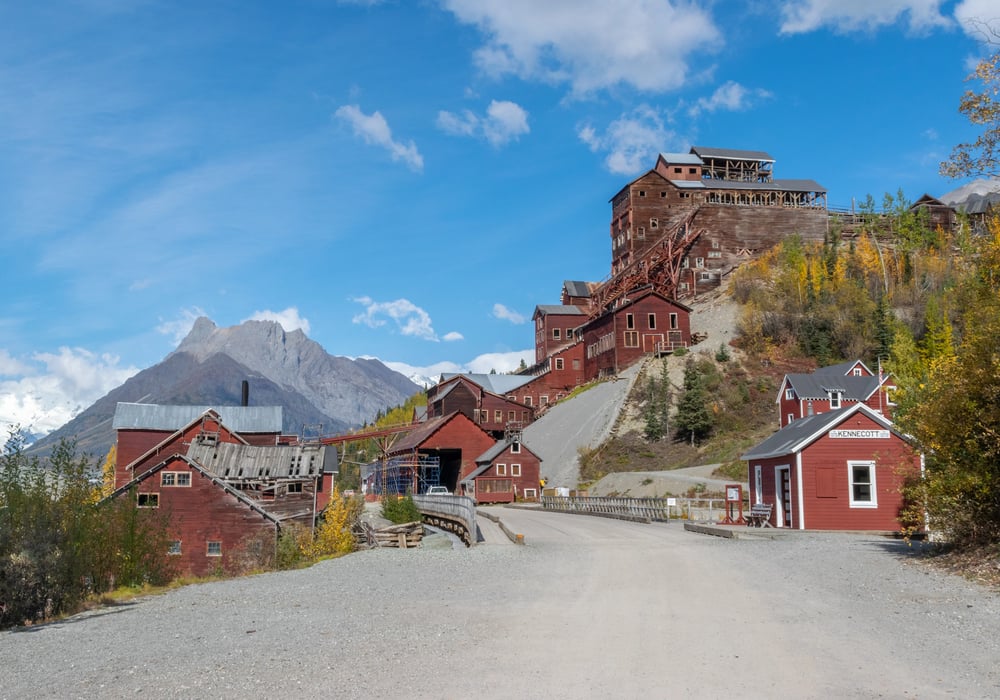
Kennecott was built around one of the richest copper deposits ever discovered — creating a company town that operated like a well-oiled machine in the Alaskan wilderness. The Kennecott Copper Corporation invested heavily in the remote location, building not just mining facilities but also a hospital, recreation hall, and comfortable housing for workers and their families.
When the copper ore was exhausted in 1938, the company shut down operations almost overnight, leaving behind a remarkably well-preserved town that’s now a National Historic Landmark.
Goldfield, Nevada

Goldfield once claimed the title of Nevada’s largest city, with over 20,000 residents during the gold boom of the early 1900s. The town had all the trappings of a major metropolitan area: newspapers, banks, hotels, and even its own stock exchange where mining claims were bought and sold daily.
After the gold played out and a series of labor disputes rocked the community, Goldfield’s population crashed to just a few hundred people — though some residents still call it home today.
Garnet, Montana

Garnet thrived as a gold mining town in the 1890s, when nearly 1,000 people lived in this remote Montana valley. The town featured the usual frontier amenities like saloons and general stores, yet it also had a school, hotel, and barbershop that served the mining families who made Garnet their home.
When the gold ran out around 1905, residents gradually moved away — leaving behind one of the best-preserved ghost towns in the American West.
Like Go2Tutors’s content? Follow us on MSN.
Terlingua, Texas

Terlingua was once the mercury capital of the United States, producing the liquid metal that was essential for various industrial processes. The town reached its peak in the early 1900s when over 2,000 people lived and worked in this remote corner of West Texas near the Mexican border.
When synthetic alternatives replaced mercury and the mines closed in the 1940s, Terlingua became a ghost town — though it’s experienced a small revival in recent decades as artists and retirees have moved in.
Thurmond, West Virginia

Thurmond was the busiest train station on the Chesapeake and Ohio Railway, handling more freight and passenger traffic than cities many times its size. This small West Virginia town served as a crucial transportation hub during the coal boom of the early 1900s — with trains arriving and departing around the clock.
When the coal industry declined and transportation patterns changed, Thurmond’s population dropped from several hundred to just a handful of residents who maintain the town’s historic buildings.
Cahaba, Alabama
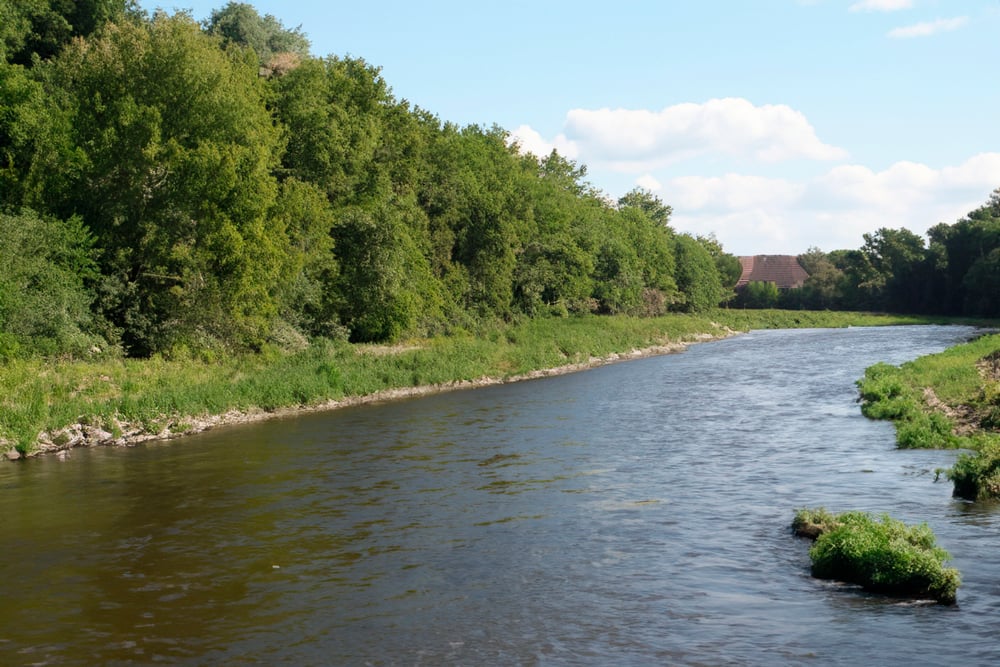
Cahaba holds the distinction of being Alabama’s first state capital, serving in that role from 1820 to 1826 before losing the honor to Tuscaloosa. The town was strategically located at the confluence of two rivers — making it an important trading center during the antebellum period.
Frequent flooding and the rise of nearby Selma gradually eroded Cahaba’s importance, and today only archaeological ruins and a few foundations mark where Alabama’s political life once centered.
Like Go2Tutors’s content? Follow us on MSN.
Ashcroft, Colorado
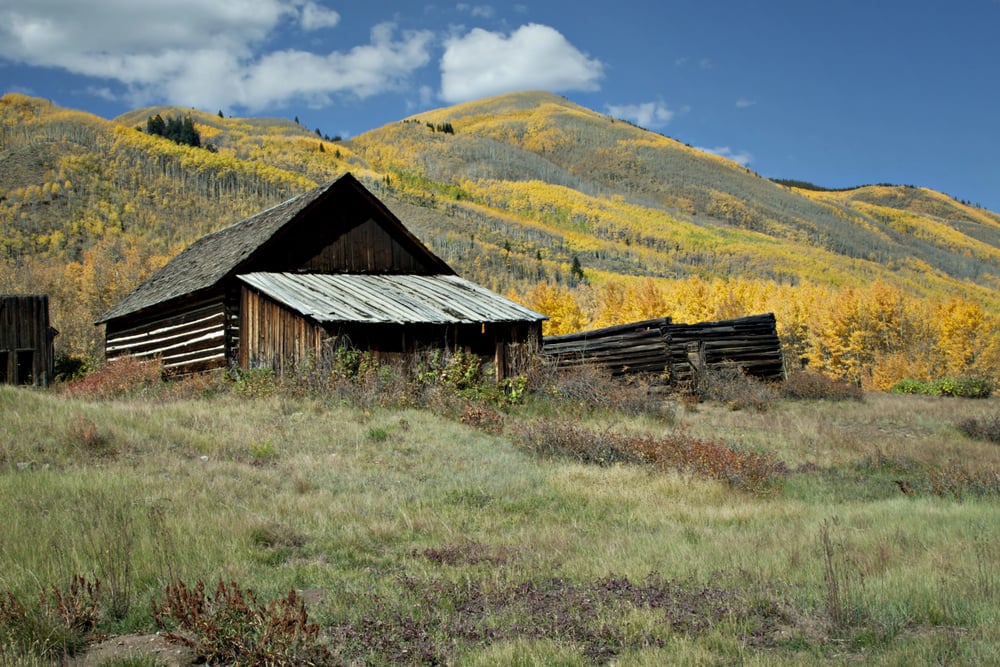
Ashcroft was a silver mining town that briefly challenged nearby Aspen for dominance in Colorado’s high country during the 1880s. The town grew rapidly to about 2,000 residents who enjoyed amenities like hotels, restaurants, and regular mail service delivered by pack train over treacherous mountain passes.
When the silver market collapsed in 1893, Ashcroft’s population disappeared almost overnight, leaving behind wooden buildings that still stand today thanks to the dry mountain climate.
Glenrio, Texas

Glenrio straddled the Texas-New Mexico border and served as a vital stop along the famous Route 66, offering travelers gas, food, and lodging during the highway’s golden age. The town’s economy revolved entirely around serving the steady stream of motorists who drove America’s most famous road between Chicago and Los Angeles.
When Interstate 40 bypassed Glenrio in the 1970s, the town lost its purpose and residents moved elsewhere, leaving behind abandoned motels and gas stations that once buzzed with activity.
Elkhorn, Montana

Elkhorn was built around silver mining in the 1870s and grew to house about 2,500 people in the mountains southwest of Helena. The town featured the typical frontier businesses along with a fraternal hall and schoolhouse that served the families who called Elkhorn home.
When the silver boom ended in the 1890s, residents gradually departed, yet unlike many ghost towns, Elkhorn’s buildings have been remarkably well-preserved by the dry mountain air.
Like Go2Tutors’s content? Follow us on MSN.
Rodney, Mississippi

Rodney was once Mississippi’s second-largest city and a major port on the Mississippi River, handling cotton and other goods during the antebellum period. The town’s strategic location made it a prosperous trading center with grand homes, churches, and businesses that rivaled much larger cities.
When the Mississippi River changed course in the 1870s, leaving Rodney high and dry two miles from the water, the town’s economy collapsed and residents moved to communities that still had river access.
Echoes from Empty Streets
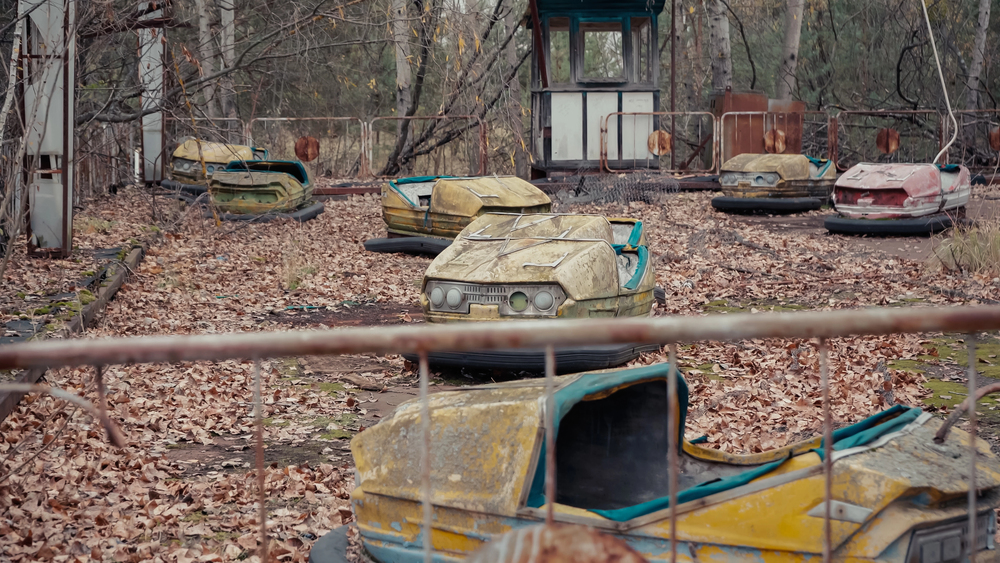
These abandoned communities represent more than just failed economic ventures; they’re snapshots of American ambition and the constant search for opportunity that has always defined the nation. Each ghost town tells a story of people who believed they were building something permanent, only to discover that prosperity can be as fleeting as the resources that created it.
While the residents have long since moved on, their legacy lives on in the weathered buildings and empty streets that remind us how quickly boom can turn to bust. Today, these forgotten places serve as outdoor museums where visitors can walk through history and imagine what life was like when these communities were alive with hope and possibility.
More from Go2Tutors!

- 16 Historical Figures Who Were Nothing Like You Think
- 12 Things Sold in the 80s That Are Now Illegal
- 15 VHS Tapes That Could Be Worth Thousands
- 17 Historical “What Ifs” That Would Have Changed Everything
- 18 TV Shows That Vanished Without a Finale
Like Go2Tutors’s content? Follow us on MSN.