14 Historical Photos of Giant Public Celebrations
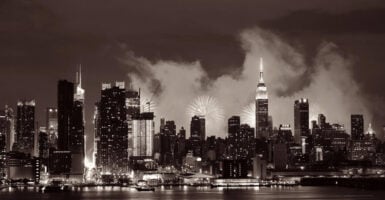
Few events in American cities rival a ticker-tape parade for sheer scale. Paper streams from office windows, crowds fill the streets, and a city briefly becomes a stage.
The celebrations below span nearly a century, from an impromptu shower of paper in 1886 to the lavish victory celebrations of 1945 and the era of astronauts and champions.
The Statue of Liberty Dedication
— Photo by canyalcin
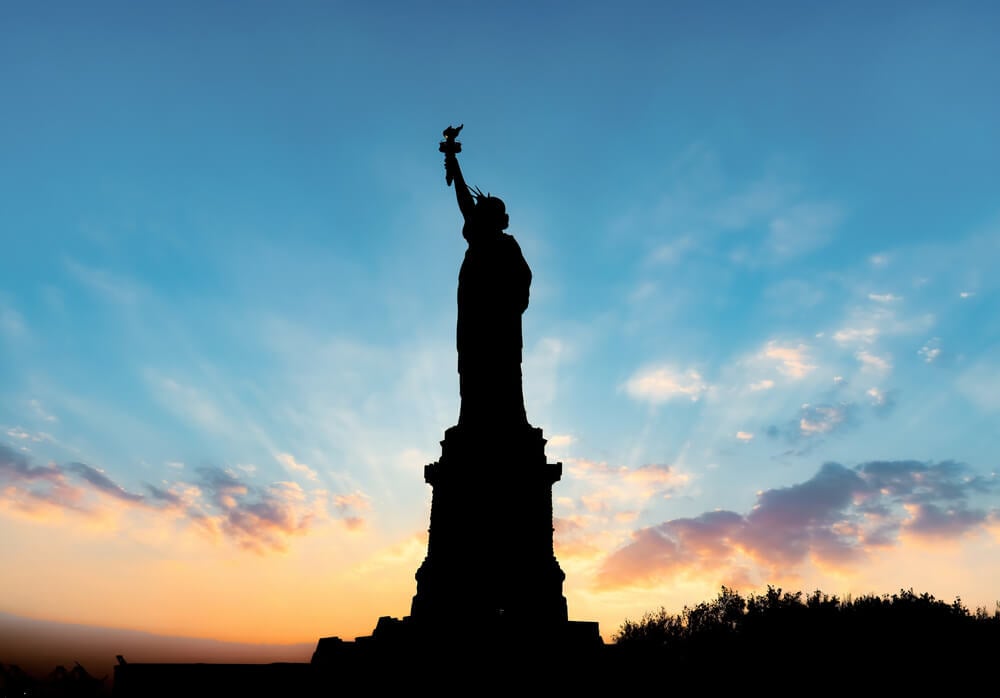
On October 28, 1886, about 300,000 people marched through New York City on the day the Statue of Liberty was dedicated, with President Grover Cleveland presiding. Office workers tossed scraps of paper from their windows, and ticker tape, the one-inch-wide ribbon first used in 1867 to record telegraphed stock quotes, joined the shower.
That impromptu gesture is commonly considered the first ticker-tape parade.
Washington’s Inauguration Centennial
— Photo by SK-M
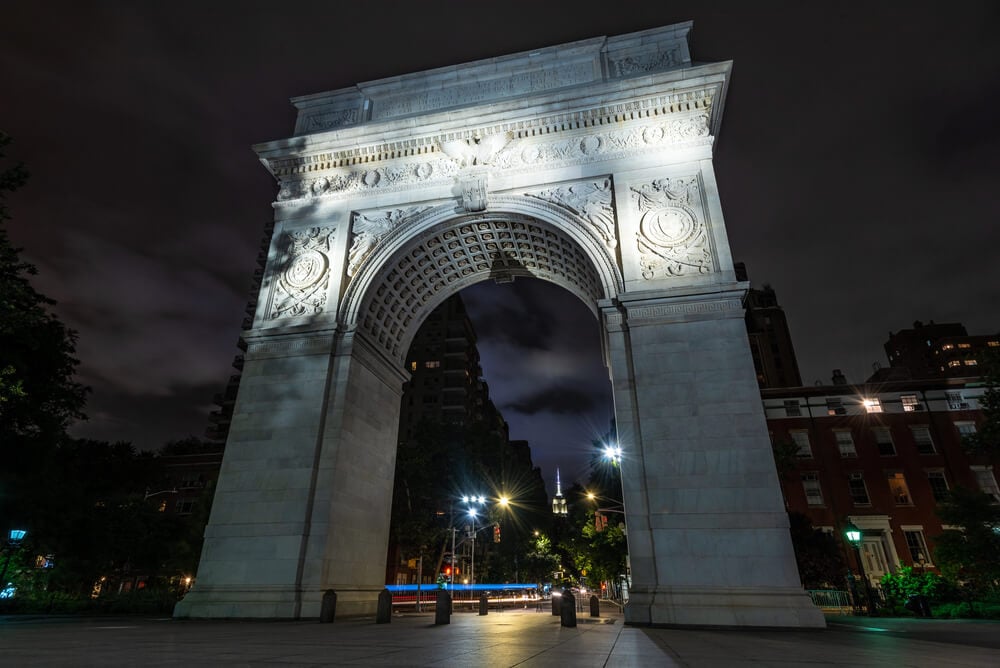
On April 29, 1889, New York marked the centennial of George Washington’s inauguration as first president with a parade up Broadway. The city had already staged parades for the Croton Aqueduct, the Erie Canal, and the Brooklyn Bridge.
Contemporary accounts of the earliest ticker-tape celebrations describe the cascade of scrap paper as a spontaneous gesture by spectators inspired by the festivities outside their windows.
Admiral Dewey’s Welcome
— Photo by bill.roque@yahoo.com
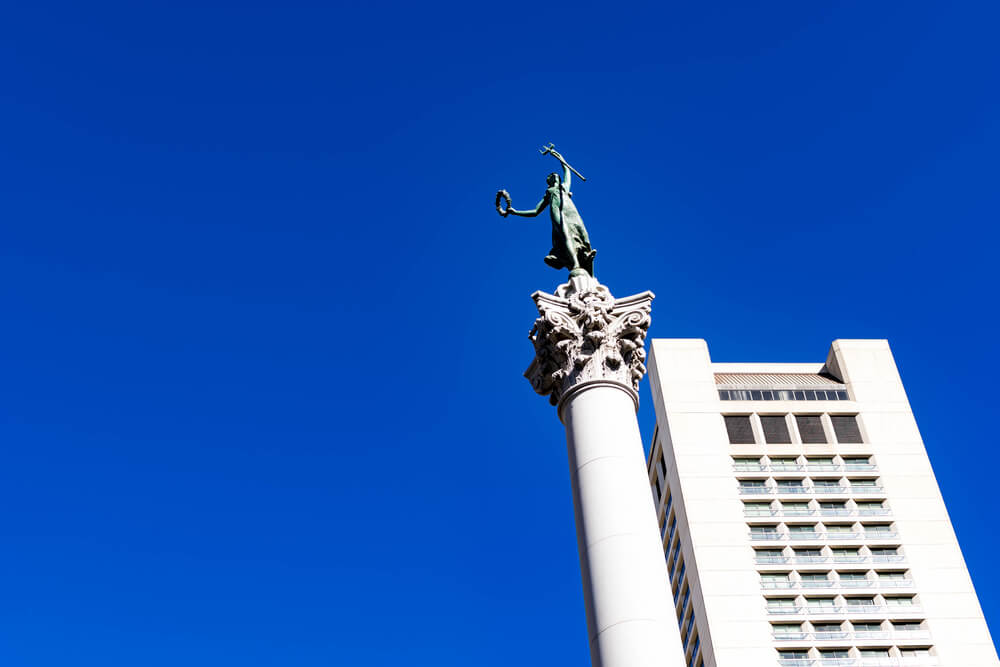
On September 30, 1899, about two million people turned out for Admiral George Dewey, hero of the Battle of Manila Bay, who became the first individual honored with a ticker-tape parade. A temporary monumental arch was built for him next to Madison Square Park.
Dewey’s reception set the scale for the individual homecomings that followed.
Theodore Roosevelt’s Safari Return
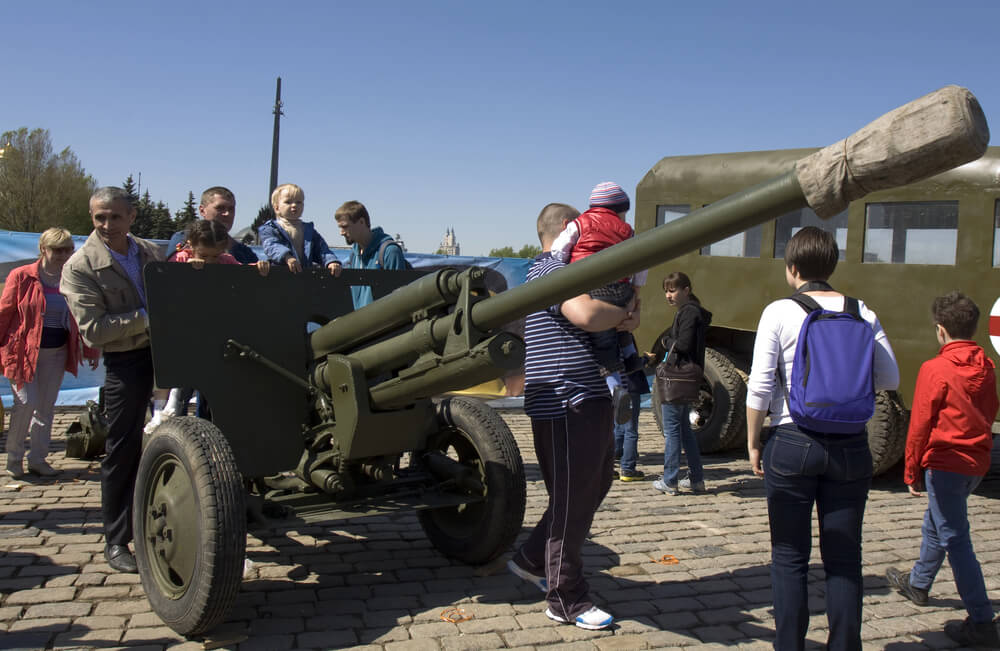
On June 18, 1910, former president Theodore Roosevelt received a ticker-tape parade on his return from an African safari. Not everyone welcomed the paper showers: a 1904 letter to the editor had urged the New York Times to speak out against what it called an evil practice, warning that horses spooked by falling ticker tape might plow into sidewalk crowds.
By 1945 such complaints had all but vanished.
The First Organized Parades
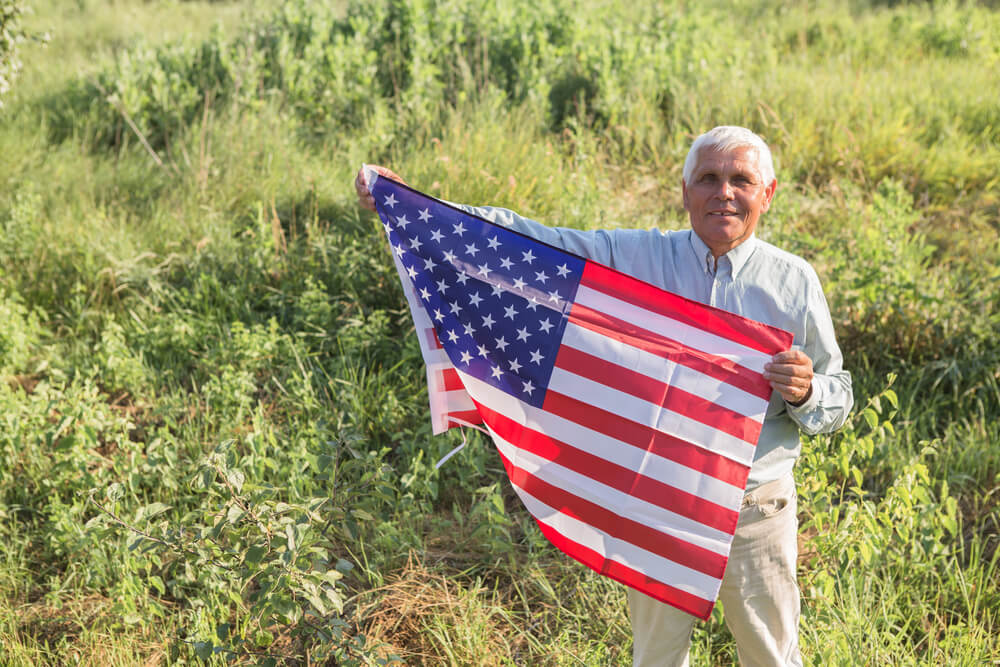
The first officially organized ticker-tape parades welcomed home the victorious soldiers of the First World War. From 1919 to the present day, the mayor of New York City has decided who receives one.
The paper shower, once spontaneous, had become a formal civic honor.
Albert Einstein in 1921
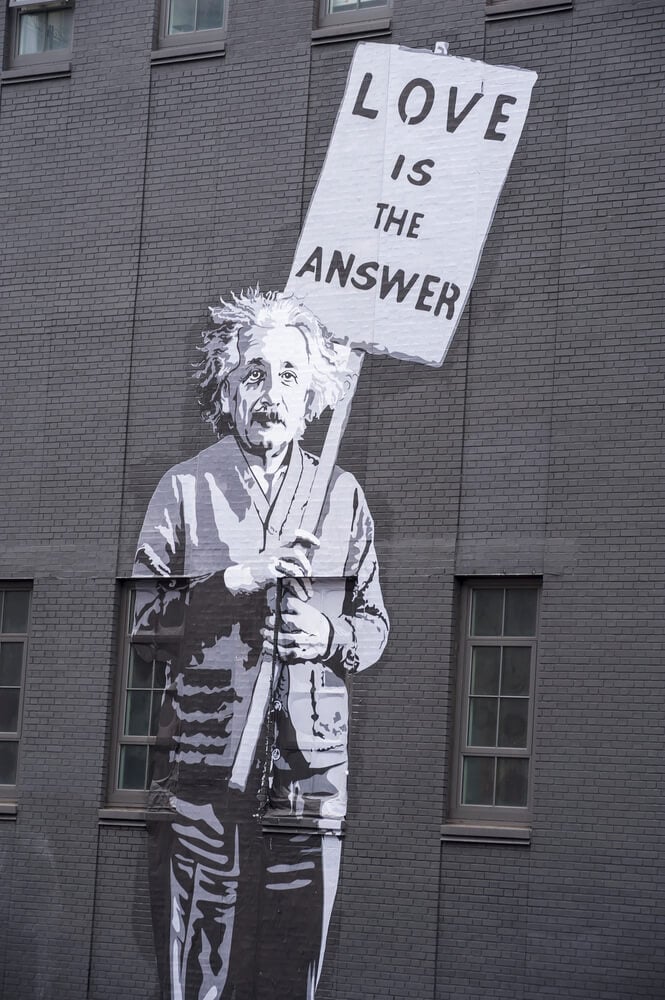
— Photo by Bokic Bojan
Albert Einstein received a ticker-tape parade in 1921 and remains the only scientist ever honored with one. Most of the early recipients were soldiers, explorers, or heads of state, which makes his parade stand out in the list.
The event put a physicist in a procession usually reserved for generals and statesmen.
The 1924 Olympic Team

In 1924 the U.S. Olympic team rode through Lower Manhattan beneath falling paper. During the 1920s the ticker-tape parade was seen as a modernization of the ancient ritual of strewing flowers before conquerors, and it became routine to hail visiting heads of state with a paper shower.
The Olympic parade extended that honor to athletes.
Lindbergh in 1927
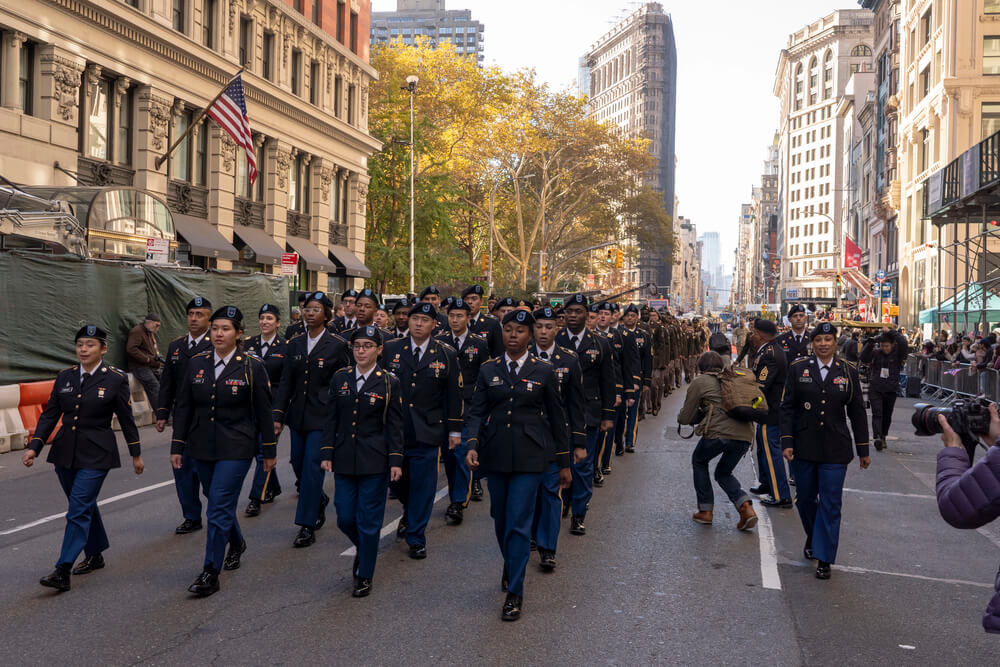
On June 13, 1927, New York welcomed Charles Lindbergh after his solo flight across the Atlantic. The New York Times estimated that four million people were in the crowd, and estimates of the paper collected range from about 1,800 tons to more than 3,000 tons.
The reception made the ticker-tape parade famous around the world.
The Double Parade of July 1927
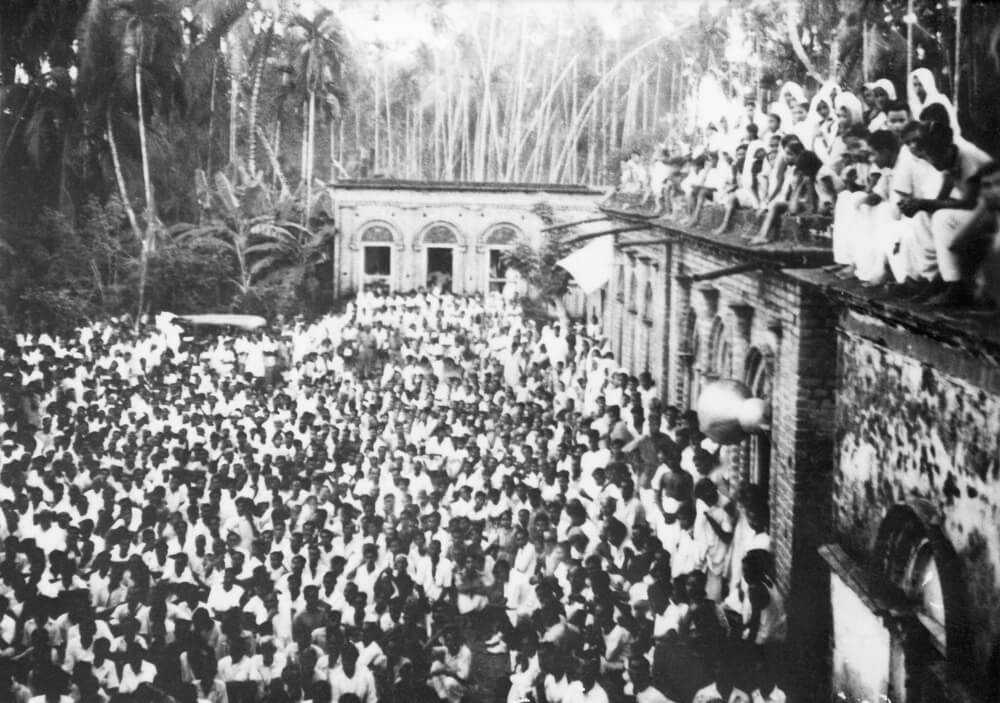
On July 18, 1927, the city held a double parade for two separate transatlantic flights, one by Richard Byrd with George Noville, Bernt Balchen, and Bert Acosta, and the other by Clarence Chamberlin and Charles Levine.
Aviation feats were arriving so quickly that one procession was not enough to honor them. The pair of flights shared the same Broadway route.
Eisenhower’s Victory Parade
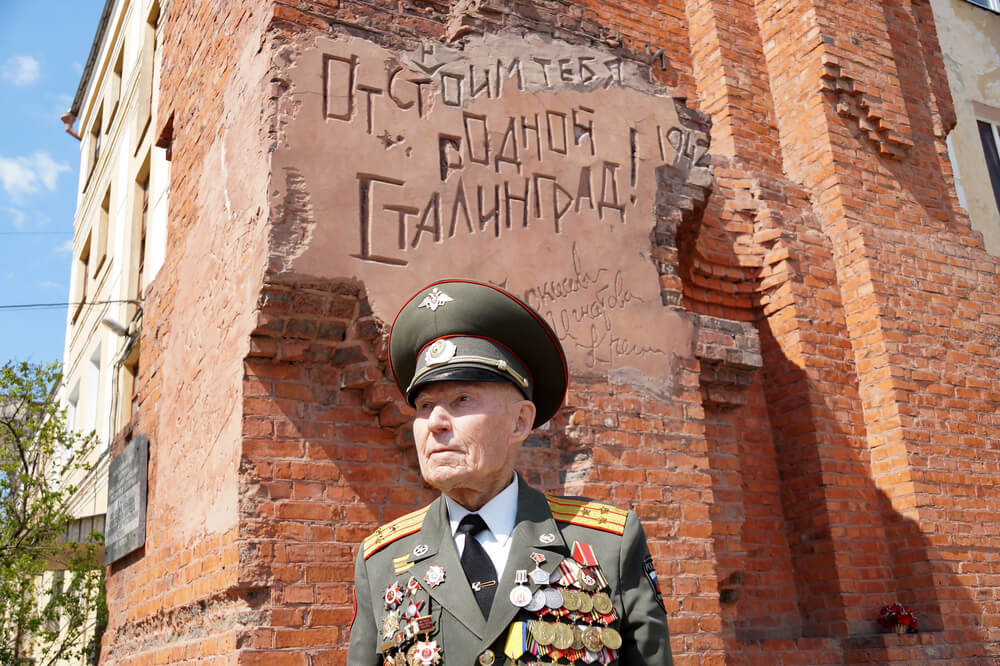
On June 19, 1945, General Dwight Eisenhower, commander of the Allied Expeditionary Forces, received a ticker-tape parade. It came during a summer of celebration as the world war neared its end.
Eisenhower’s welcome preceded the largest paper shower of all, which came less than two months later.
V-J Day
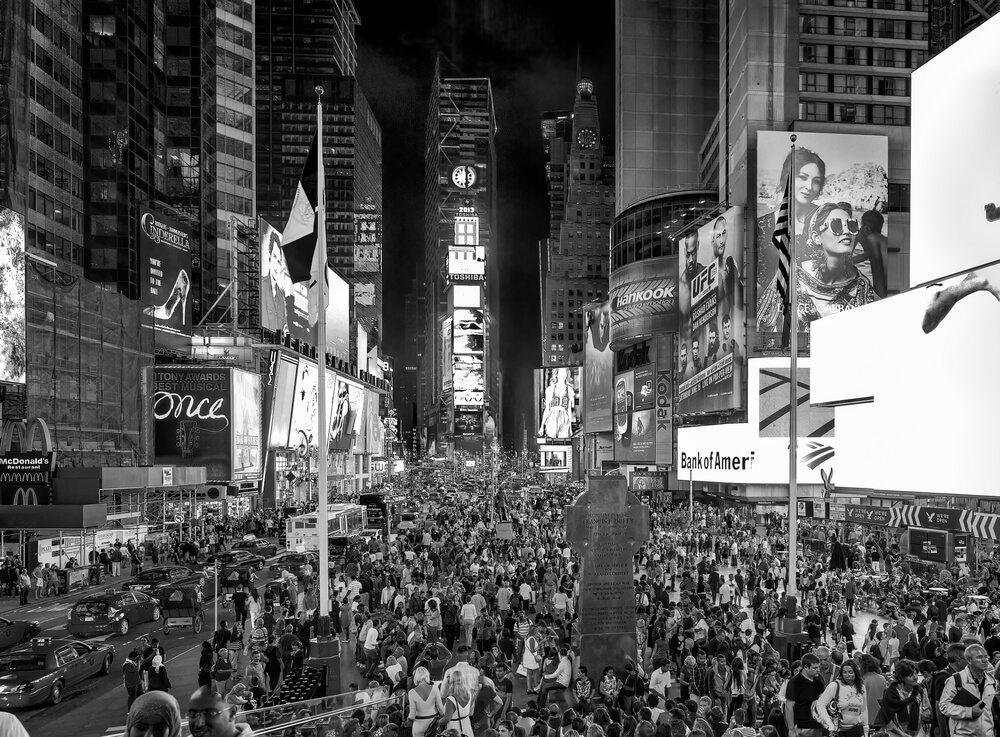
On August 14, 1945, New Yorkers celebrating the Allied victory over Japan filled the air with cloth, feathers, hat trimmings, paper, and confetti in the most lavish ticker-tape celebration in history. Revelers flung 5,438 tons of material onto the streets.
About 3,000 street sweepers worked through the night to clean up, only to see their effort undone when the merriment continued the next morning.
Kennedy on the Campaign Trail
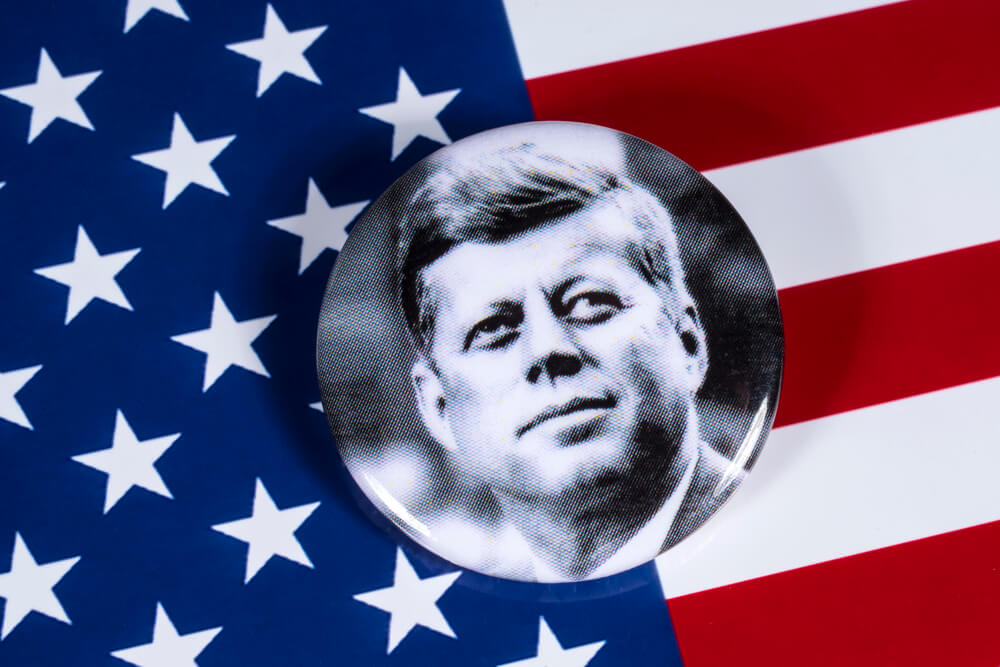
On October 19, 1960, presidential candidate John F. Kennedy rode in a car with his wife Jacqueline in a ticker-tape parade. By then ticker tape itself was close to obsolete, replaced during the 1960s as television and computers took over stock reporting.
The parade was a political rather than a homecoming event.
The 1962 Mets
On April 12, 1962, New York hosted a parade for the Mets one day after the team played its first official game in the National League. About 40,000 people showed up despite a snowy forecast.
The turnout was striking for a team that had barely begun playing.
Chicago Welcomes the Apollo 11 Astronauts
In 1969, Chicago held its own ticker-tape parade for the Apollo 11 astronauts, with shredded paper showering the procession between tall buildings. The ceremony showed that the New York tradition had spread to other cities.
By this point, real ticker tape was obsolete, and parades used paper cut with conventional shredders.
The Paper Still Falls
The ticker-tape parade grew from a spontaneous gesture into a civic ritual with its own route, rules, and traditions. The material changed from stock tickers to shredded office paper, but the idea of a city thanking someone in a rain of paper endured.
By 2008 a Giants parade left behind only 36.5 tons of paper, a fraction of the totals of 1927 or 1945. The smaller scale reflects changing habits, yet photographs of the earlier celebrations still capture crowds at their most exuberant.
More from Go2Tutors!

- 27 Silver Dollars and Half Dollars Worth Keeping
- 28 Restaurant Menu Items Nobody Orders Anymore
- 17 Places Built in Seemingly Impossible Spots
- 27 Vintage Rings Worth More Than They Look
- 25 Restricted Sites Tourists Can’t Enter
Like Go2Tutors’s content? Follow us on MSN.