14 Hollywood Movie Scenes Censors Cut in the ’30s
Before the Production Code Administration took hold in 1934, Hollywood policed itself loosely, and state boards in New York, Pennsylvania, Kansas, and Ohio did the real cutting with scissors. After 1934, the trimming moved upstream into scripts and final edits, but the scissors never went far.
The scenes below were shortened, softened, or pulled entirely. A few returned decades later, and a few are still missing.
Baby Face and the Philosopher the Censors Muffled
Barbara Stanwyck’s 1933 climb through a bank, one rung at a time, alarmed both New York censors and the Hays Office. Warner Bros. trimmed the cobbler’s lectures urging Lily to use her power, which leaned on the philosophy of Friedrich Nietzsche, and softened the ending toward redemption.
The pre-release version surfaced in an archive years later, giving modern viewers a rare side-by-side look at what was lost.
Freaks and the Revenge That Vanished
Tod Browning’s 1932 carnival drama ran roughly 90 minutes in early previews, and a rattled audience pushed MGM to slash it to about 64. The cuts gutted the climactic revenge on the strongman Hercules and added a gentler coda.
Britain banned the finished film for around three decades, and the removed footage is widely believed lost.
Frankenstein and the Little Girl by the Lake
Universal’s 1931 monster hit included a scene where the creature tosses a small girl named Maria into a lake, believing she will float like the flowers they have been playing with. Several state boards cut the moment, leaving the next scene, with her father carrying her body, baffling.
A line in which Henry Frankenstein compares himself to God was also trimmed. Both returned in restorations decades later.
King Kong and the Missing Spider Pit
RKO reissued the film in 1938 under the stricter Code and quietly dropped its roughest beats. Gone were Kong peeling away Ann Darrow’s dress, the giant ape chewing on a panicked New Yorker, and a woman dropped from a hotel window.
Most of that footage returned in a 1971 restoration, but the sequence in which sailors are devoured by giant spiders in a ravine has never been found.
Tarzan and His Mate and Jane’s Swim
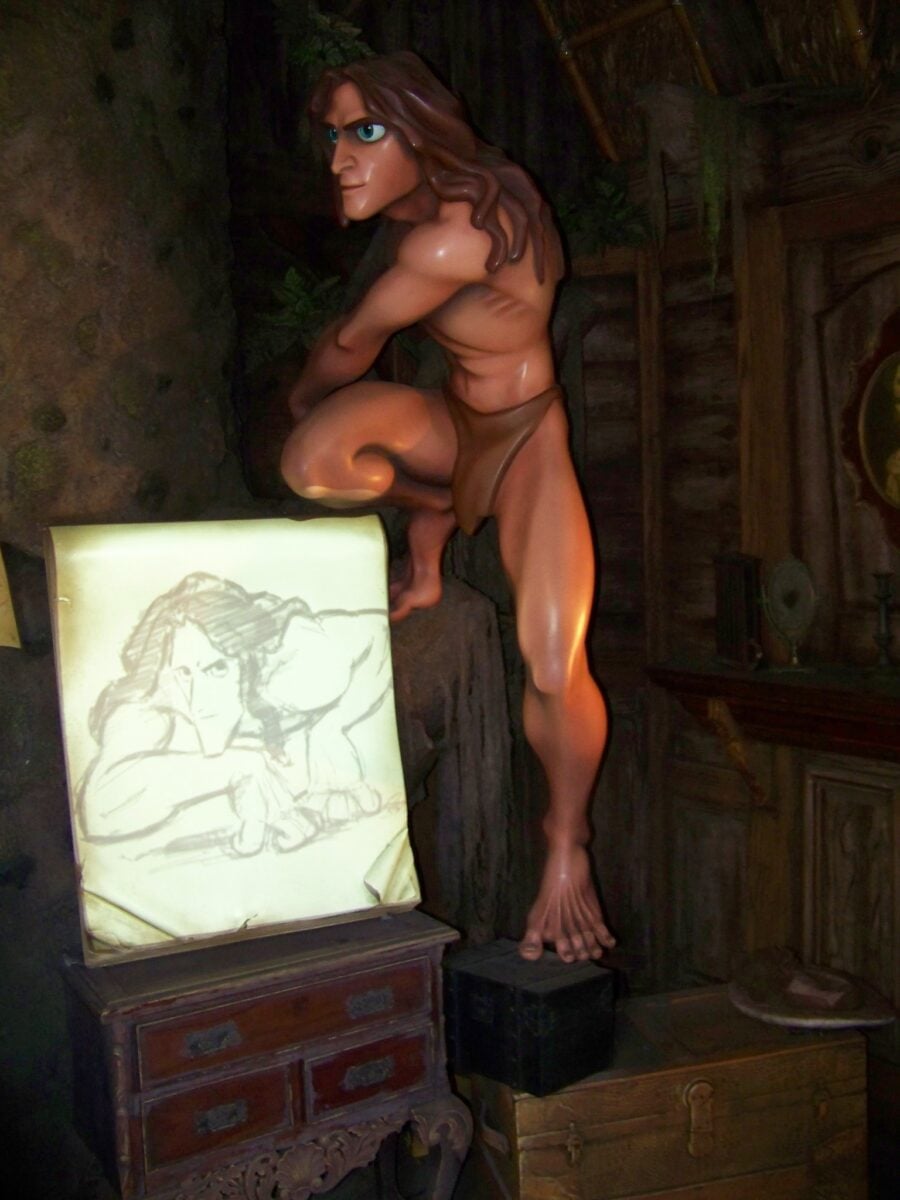
MGM’s 1934 sequel featured an underwater swimming sequence with Olympic swimmer Josephine McKim doubling for Maureen O’Sullivan. The Production Code office, newly under Joseph Breen, objected to how little the heroine appeared to be wearing, and the footage was cut.
It stayed out of the movie for decades, and Jane’s jungle wardrobe grew noticeably more modest in the sequels.
Scarface and the Ending Hughes Had to Add
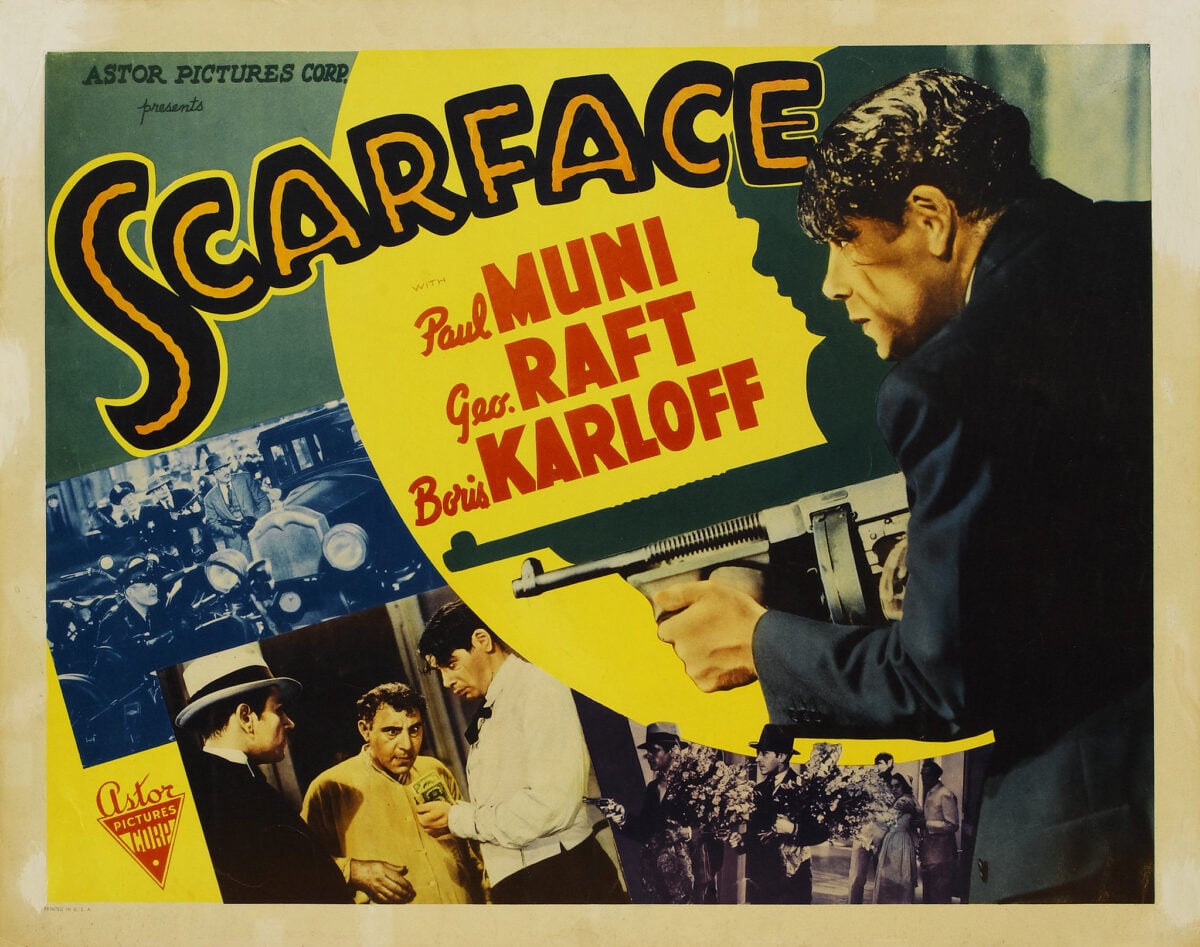
Howard Hughes’s 1932 gangster picture clashed with the Hays Office over its glamorous treatment of crime. Hughes added the subtitle The Shame of a Nation and inserted scenes of angry citizens and officials denouncing gangsters.
He also filmed an alternate ending, shot with a stand-in, in which Tony Camonte is tried and hanged, an ending some censor boards demanded.
Island of Lost Souls and the House of Pain
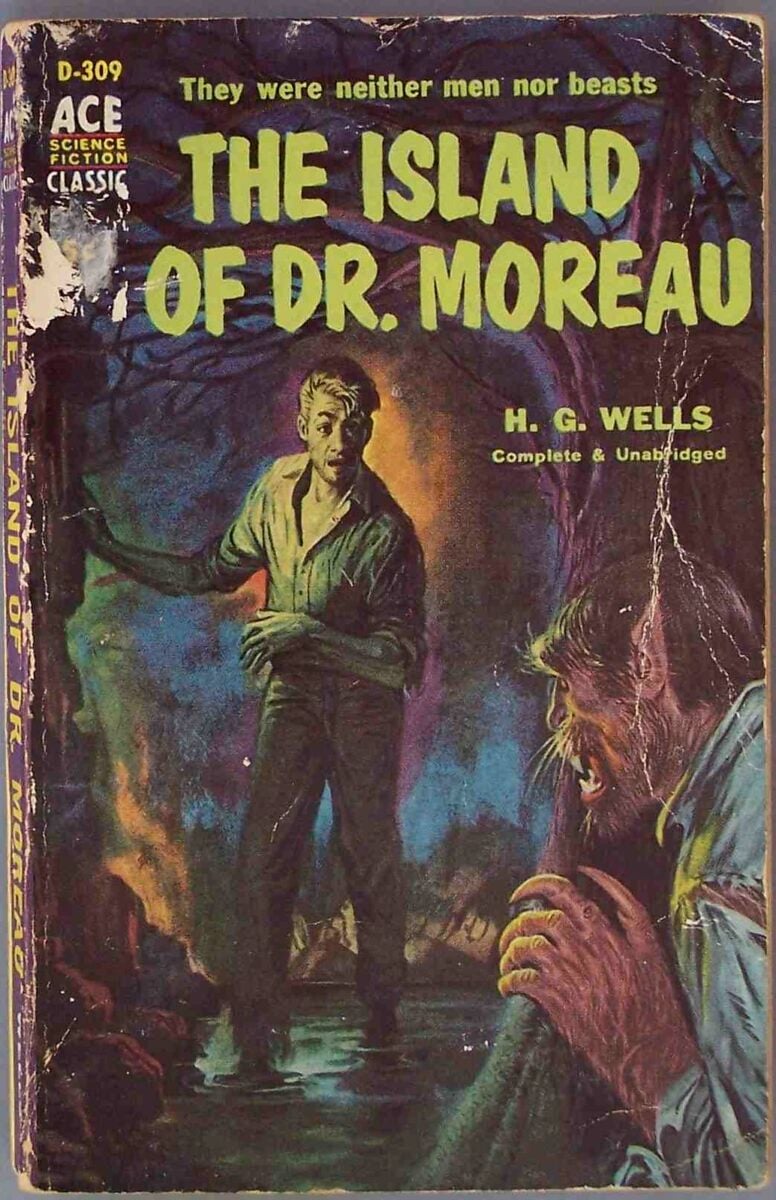
Paramount’s 1932 adaptation of the H. G. Wells novel starred Charles Laughton as Dr. Moreau, who reshapes animals into near-humans in a laboratory known as the House of Pain. Censor boards objected to the vivisection scenes and the cross-species horror of the Panther Woman, a role won by Kathleen Burke in a nationwide publicity contest.
Britain banned the film until 1958.
Dr. Jekyll and Mr. Hyde and the Dangling Leg
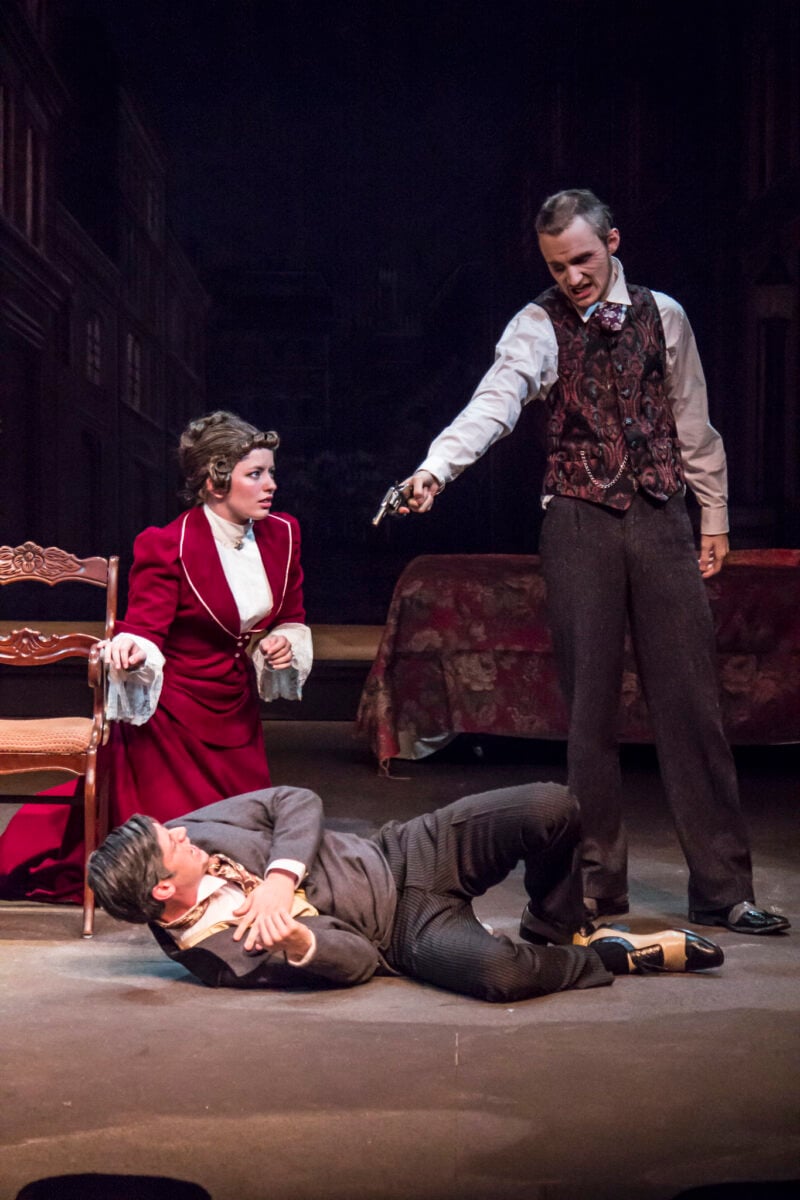
Rouben Mamoulian’s 1931 version featured Miriam Hopkins as Ivy Pearson, who tempts Dr. Jekyll by swinging a bare leg in front of him. When the film returned to theaters after the Code took hold, that scene was among those cut, trimming several minutes from the running time.
The full version was restored for later home releases.
Red-Headed Woman and the Wicked Ending
MGM’s 1932 Jean Harlow comedy about a social climber who wrecks marriages drew pressure from the Hays Office before it was even shot. Producer Irving Thalberg stood firm against punishing the heroine in the finale, which shows her riding off in a Paris limousine with a new rich companion.
Censor boards in several places demanded cuts, and the film became one of the cases cited when the studios moved toward tougher enforcement.
Bride of Frankenstein and the Shrinking Body Count
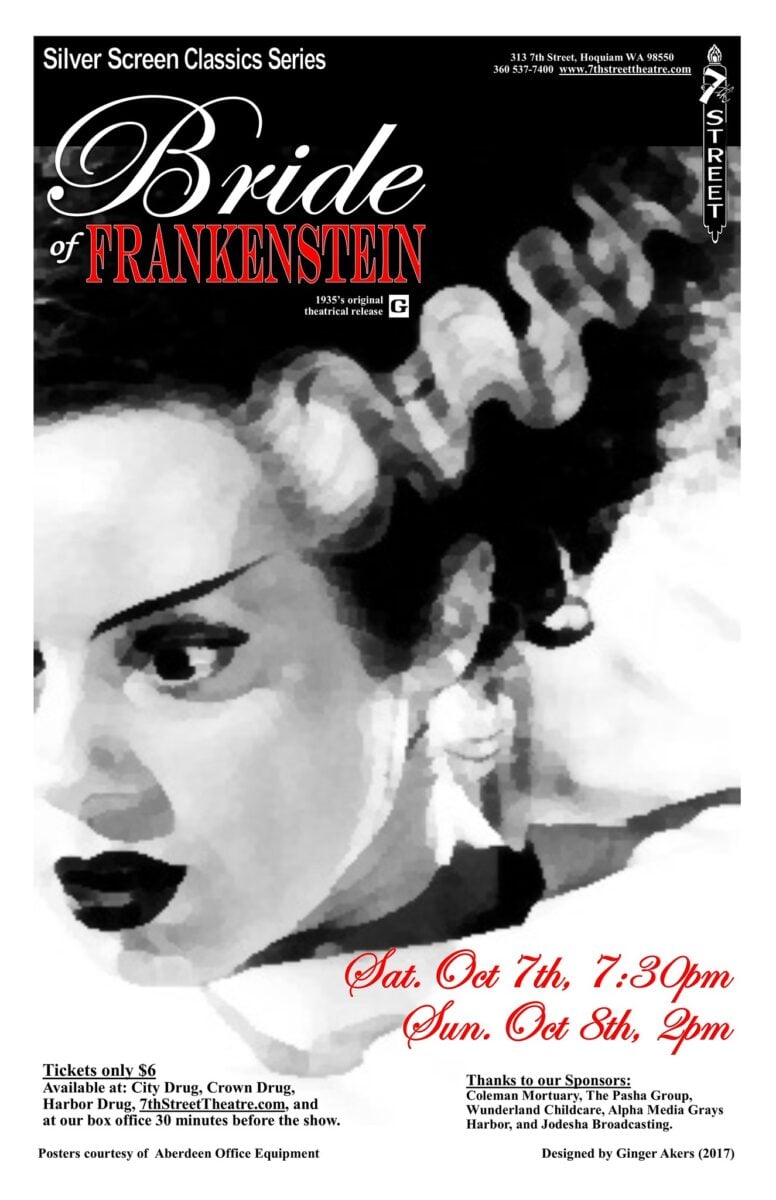
Universal’s 1935 sequel arrived with Breen’s office watching closely. Several of the Monster’s killings were trimmed, and imagery that compared the creator’s work with divine creation was reduced.
Local boards in the United States and overseas demanded additional snips, so audiences in different cities saw slightly different versions of the same film.
The Mask of Fu Manchu and the Line Nobody Wanted
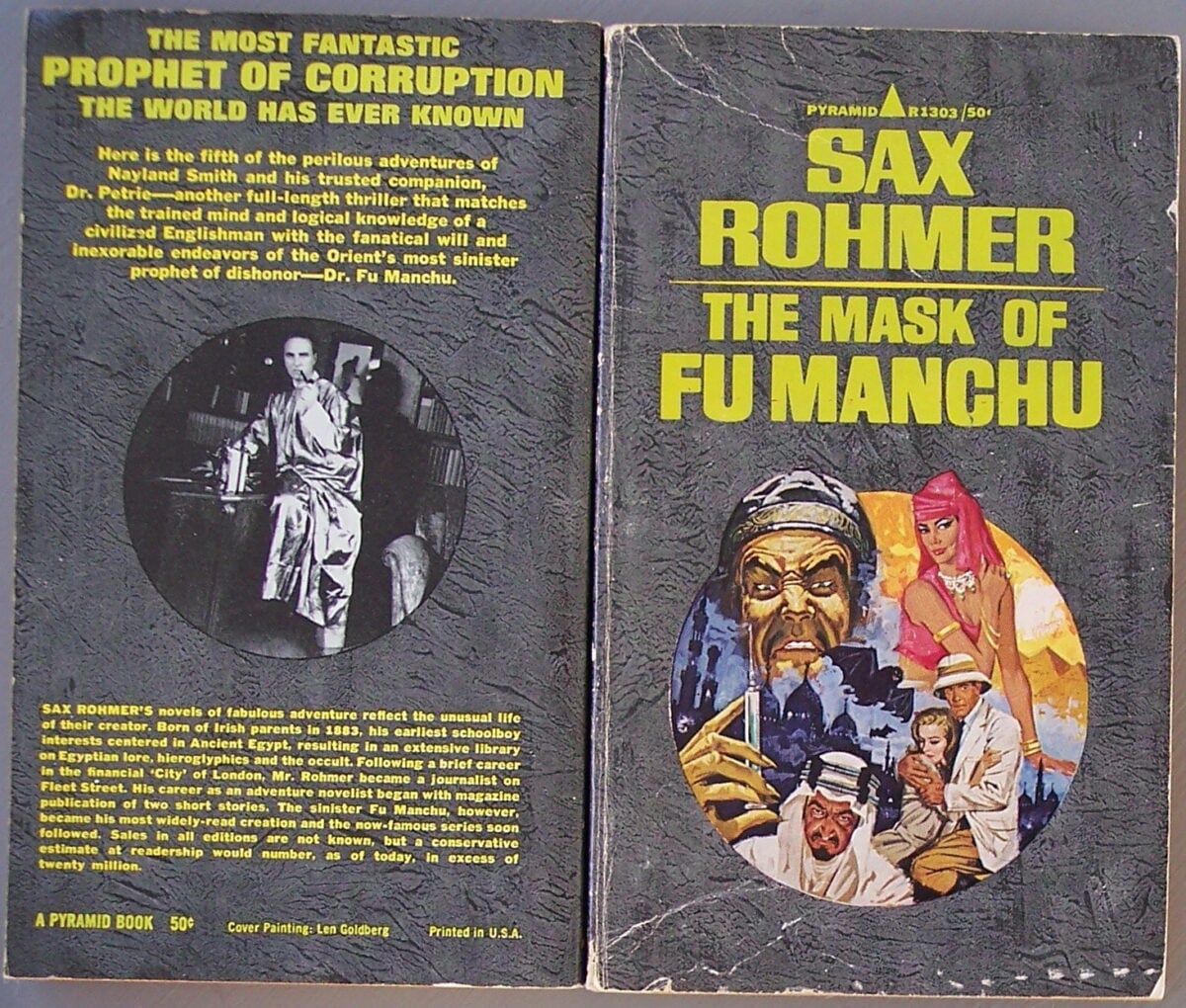
MGM’s 1932 thriller starred Boris Karloff as the title villain, who rouses his followers with the line Kill the white man and take his women. Protests, including objections from Chinese diplomats, led to cuts, and trimmed torture scenes joined the cleanup.
The movie has circulated in uneven versions ever since.
Dracula’s Daughter and the Model Named Lili
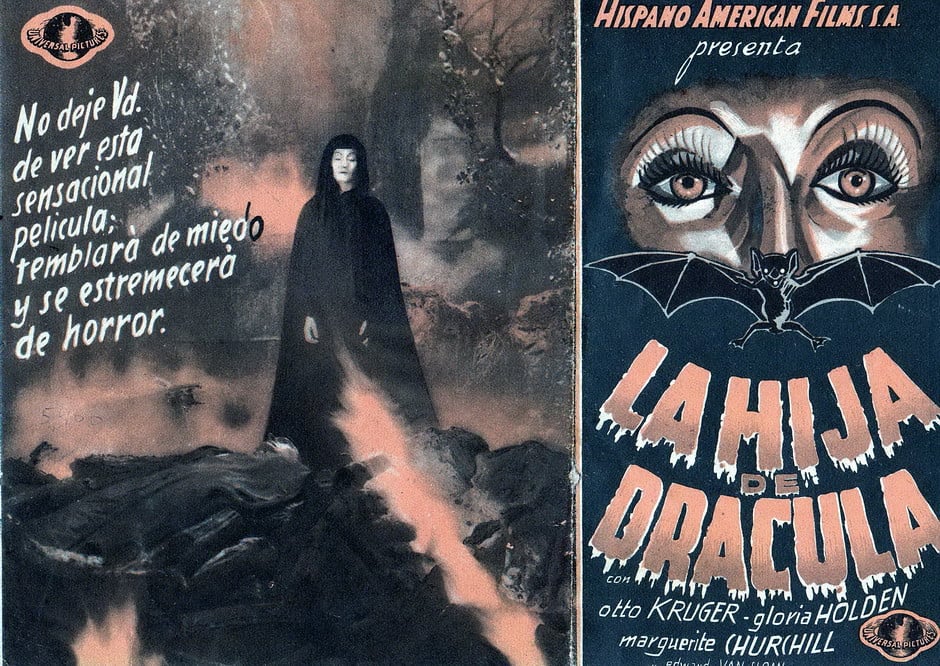
Universal’s 1936 sequel centered on Countess Marya Zaleska, who hires a young model named Lili to pose for her. Breen’s office warned the studio about the nature of that encounter, and the sequence was softened and trimmed.
Even so, the scene retained enough tension to make the film a favorite in later discussions of coded storytelling.
Klondike Annie and the Missionary Problem
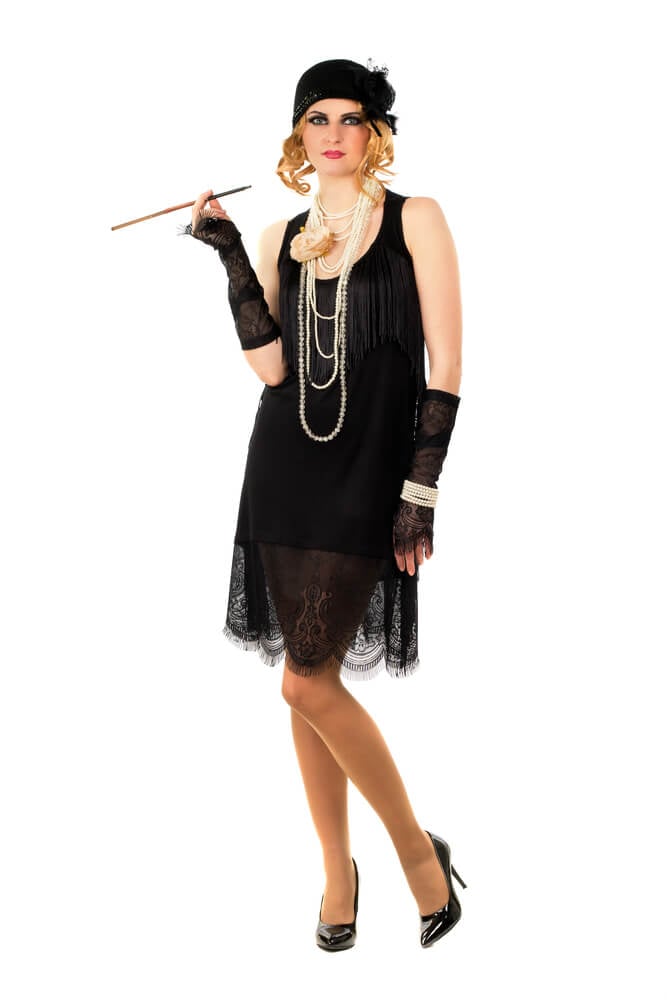
Mae West’s 1936 comedy had her playing a dance hall singer who hides from the law by posing as a mission worker. Breen’s office demanded rewrites and cuts to the religious plot, and newspapers in the Hearst chain attacked the picture.
The result was a toned-down film with a very thin layer of respectability.
The Story of Temple Drake and the Novel It Barely Resembled
Paramount’s 1933 adaptation of William Faulkner’s Sanctuary was already reworked to calm Hays Office nerves, with the novel’s most shocking events implied and the title changed. The picture still caused an uproar, and after the Code took hold it was kept out of circulation for years.
It remained a hard film to see for most of the century.
What the Scissors Left Behind

The cuts of the 1930s did more than shorten running times. They taught studios which ideas could be said out loud and which had to be hinted at, a habit that shaped Hollywood storytelling for decades.
In many cases, the hints turned out to be more interesting than the originals. The restored versions that surfaced later show how much is missing from the versions that played for generations of audiences.
A few reels have never been found, and the gaps are reminders that censorship leaves its own kind of ruin. For fans of classic cinema, the hunt for these scenes remains part of the history.
More from Go2Tutors!

- 27 Silver Dollars and Half Dollars Worth Keeping
- 28 Restaurant Menu Items Nobody Orders Anymore
- 17 Places Built in Seemingly Impossible Spots
- 27 Vintage Rings Worth More Than They Look
- 25 Restricted Sites Tourists Can’t Enter
Like Go2Tutors’s content? Follow us on MSN.