Minerals That Are Deadly to Touch
Nature creates beauty in surprising places. Some of the most stunning minerals on Earth come with a dangerous catch—they can poison you through your skin.
You don’t need to eat these stones or breathe their dust. Just holding them bare-handed can start a chain of events that ends badly.
Museum displays and mineral collections often showcase these specimens behind glass for good reason. The vivid colors and crystal formations attract collectors, but the chemistry lurking inside makes them far more dangerous than they look.
Cinnabar’s Mercury Problem

The deep red crystals of cinnabar look like rubies at first glance. Ancient civilizations ground this mineral into vermilion pigment for paintings and cosmetics.
What they didn’t fully understand was the mercury sulfide composition that made it so toxic.
Your skin absorbs mercury from prolonged contact with cinnabar. The metal accumulates in your organs over time, causing kidney damage and neurological problems.
Even brief handling can leave trace amounts on your hands that you later ingest when you eat.
Cinnabar deposits still exist in places like California’s New Almaden mines. Collectors prize well-formed crystals, but smart ones wear gloves and wash thoroughly after handling specimens.
Chalcanthite Dissolves Into Danger

This bright blue copper sulfate mineral looks harmless. The crystals form naturally near copper mines, creating stunning formations that seem to glow.
But chalcanthite is water-soluble, which makes it particularly dangerous.
Touch a specimen and the moisture on your skin starts dissolving the mineral immediately. Copper sulfate enters your body through absorption.
Symptoms of copper poisoning include nausea, vomiting, and damage to your liver and kidneys. Children are especially vulnerable because their smaller body size means lower doses cause serious harm.
The mineral also tastes slightly sweet, which has led to accidental poisoning when people handle it and then eat without washing their hands first. Museums often display artificial chalcanthite grown in labs rather than natural specimens because the real thing degrades so quickly in humid conditions.
Arsenopyrite’s Triple Threat

Silver-white arsenopyrite crystals contain arsenic, iron, and sulfur. The mineral forms well-defined shapes that appeal to collectors, but handling it releases arsenic compounds that penetrate your skin.
Arsenic poisoning happens gradually with repeated exposure. Your body accumulates the toxic element faster than it can eliminate it.
Early symptoms include headaches and confusion. Continued exposure leads to organ failure, skin lesions, and various cancers.
Mining operations that extract arsenopyrite wear protective equipment for good reason. Even the dust from breaking these crystals open carries enough arsenic to cause problems.
Strike arsenopyrite with a hammer and you release a garlic smell—that’s arsenic vapor entering the air.
Hutchinsonite Combines the Worst Elements

Some minerals contain one dangerous element. Hutchinsonite contains three: arsenic, lead, and thallium.
The red to brown crystals form rarely, which makes them valuable to collectors who should absolutely never handle them.
Thallium is particularly nasty. Known as “the poisoner’s poison,” it has no taste or smell and causes symptoms that mimic other illnesses.
Skin contact allows thallium to enter your bloodstream, where it attacks your nervous system and internal organs.
Lead and arsenic add their own toxic effects to the mix. Your body has trouble processing any of these elements, but together they create a compound that’s far more dangerous than the sum of its parts.
Even looking at this mineral through a microscope requires precautions because tiny fragments can stick to your skin.
Orpiment’s Golden Deception

The rich yellow and orange colors of orpiment made it a prized pigment for centuries. Artists used it despite knowing about its dangers.
The arsenic sulfide composition gives the mineral its brilliant hues and its deadly properties.
Orpiment flakes easily, creating fine particles that coat your hands during handling. These particles dissolve slowly on your skin, releasing arsenic compounds into your body.
The mineral also reacts with moisture to produce arsenic trioxide, one of the most toxic arsenic compounds.
Historical paintings that used orpiment pigment are now considered hazardous materials. Restoration work on these pieces requires protective gear because even centuries-old pigment still contains active arsenic that can be absorbed through skin contact.
Torbernite’s Radioactive Glow

Green torbernite crystals look like something from a science fiction movie. The mineral contains uranium and emits radiation constantly.
Some specimens glow faintly in the dark, adding to their otherworldly appearance.
The radiation itself isn’t the only problem with touching torbernite. The mineral also releases radon gas as uranium decays.
Your skin can absorb uranium compounds from direct contact, but breathing radon while handling the specimen adds another layer of danger.
Uranium concentrates in your bones and kidneys after absorption. Long-term exposure increases cancer risk and can cause kidney damage.
Even brief contact with torbernite leaves radioactive traces on your hands that contaminate everything you touch afterward.
Asbestos Minerals Shred From Within

Several minerals fall under the asbestos category, including chrysotile, crocidolite, and amosite. These fibrous minerals break into microscopic needles that penetrate skin on contact.
The fibers are too small to see but sharp enough to work their way through your skin barrier. Once inside your body, they cause inflammation and scarring.
Your immune system can’t break down or eliminate asbestos fibers, so they remain in your tissues permanently.
Skin contact poses less risk than inhalation, but it’s still dangerous. The fibers embedded in your skin can migrate to other parts of your body over time.
They also contaminate your clothing and surroundings, creating ongoing exposure for you and anyone nearby.
Stibnite’s Antimony Content

Black stibnite forms blade-like crystals that catch light beautifully. The antimony sulfide mineral appears metallic and seems solid, but it flakes easily when handled.
Those flakes carry antimony that your skin readily absorbs.
Antimony poisoning resembles arsenic poisoning in many ways. You experience nausea, vomiting, and muscle pain.
Your liver and heart take the worst damage from prolonged exposure. Small doses over time prove just as harmful as a single large dose.
China produces most of the world’s antimony from stibnite ore. Workers in these mines follow strict safety protocols because they’ve learned the hard way what happens when you treat the mineral carelessly.
Even washing your hands after contact doesn’t guarantee you’ve removed all the contamination.
Realgar’s Ruby Appearance
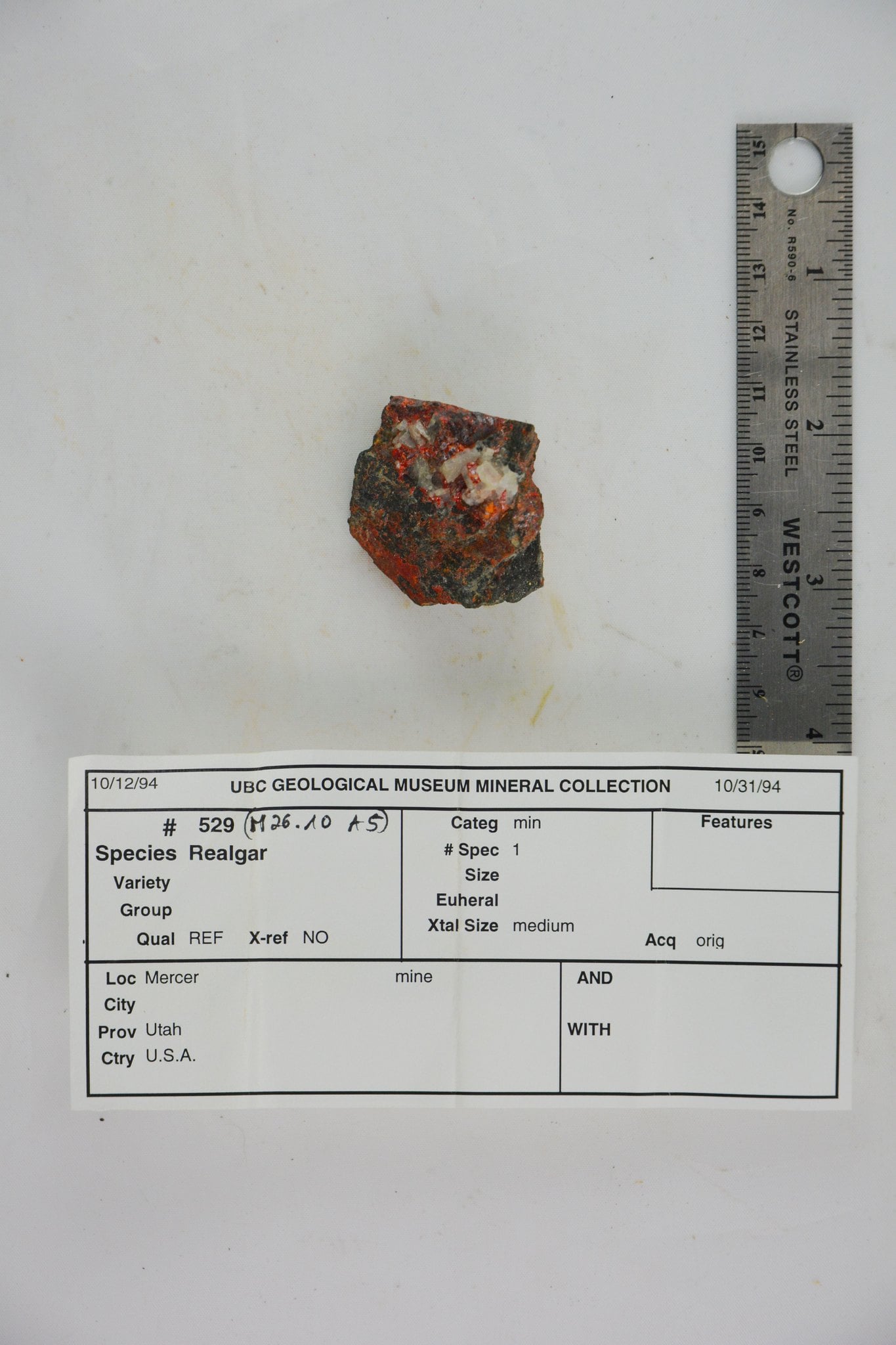
Bright red realgar looks stunning in mineral collections. The arsenic sulfide crystals form in volcanic environments, creating specimens that seem to glow with internal fire.
That beauty comes with serious danger.
Realgar breaks down when exposed to light, transforming into a yellow powder called pararealgar. This degradation process releases arsenic dust that’s even more dangerous than the original mineral.
Your skin absorbs this powder easily, and the particles are small enough to inhale without noticing.
Museums keep realgar specimens in dark storage to slow the degradation process. Even with these precautions, older specimens often show signs of breaking down.
Collectors who ignore this fact end up with arsenic-contaminated display cases and potentially poisoned hands.
Crocoite’s Lead Warning

Orange to red crocoite crystals grow in stunning formations. The lead chromate mineral displays some of the best crystal shapes in the mineral world.
Both components—lead and chromium—pose serious health risks through skin contact.
Lead accumulates in your body over time, affecting your brain, kidneys, and blood. Chromium in its hexavalent form causes skin irritation and ulcers at contact points.
Together, they create a mineral that looks beautiful but delivers a toxic one-two punch.
Children and pregnant women face the highest risks from lead exposure. Even small amounts can cause developmental problems and organ damage.
Crocoite specimens belong behind glass, not in your hands.
Coloradoite’s Mercury Telluride Mix

Black coloradoite crystals are rare and highly sought after by collectors. The mercury telluride composition makes each specimen potentially deadly.
Both mercury and tellurium are toxic, and this mineral delivers them in a form your skin absorbs readily.
Tellurium poisoning gives you a distinctive garlic breath odor as your body tries to eliminate the element. Mercury affects your nervous system and kidneys.
The combination creates symptoms that can confuse diagnosis because they overlap with other conditions.
The mineral’s rarity means most people will never encounter it. But collectors who do find specimens need to handle them with extreme care.
Even photographing coloradoite requires washing your hands afterward if you’ve adjusted the specimen for better angles.
Galena’s Lead Legacy
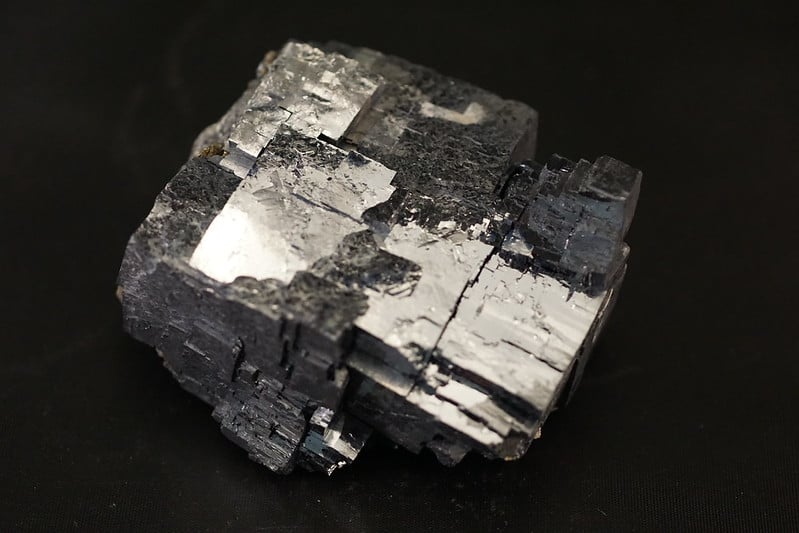
Shiny cubic galena crystals look like metallic building blocks. This lead sulfide mineral has been mined for thousands of years, and it’s still one of the primary sources of lead today.
That long history doesn’t make it any safer to touch.
Lead leaches from galena slowly, coating your hands with a film you can’t see or feel. The mineral also produces lead dust when you handle it, especially if the surface has oxidized over time.
This dust transfers to everything you touch and gets tracked through your living spaces.
Ancient Romans used galena in cosmetics and medicines, unknowingly poisoning themselves. Modern science has revealed exactly why that was a terrible idea.
Yet people still handle galena specimens without gloves, repeating history’s mistakes on a smaller scale.
When Beauty Turns Dangerous

Shiny crystals sometimes hide a dark truth beneath their flawless shapes. Bright hues?
Often a warning sign from elements deep within Earth’s crust. Beauty forms through reactions that also produce danger.
A display case works well for keeping distance while still enjoying their look. Slipping on gloves helps if handling ever becomes unavoidable.
Pretty to see, sure – but never assume it’s harmless just because it catches your eye.
Curiosity lives best when paired with care. These objects sit waiting for eyes, not fingers.
Healing happens after a fall or scrape on pavement. It cannot fix what slips past the surface – mercury, poison, radiation – drifting into blood and bone.
Staring at that glittering rock collection? Pause long enough to scan the small print near each piece.
Someone once got sick – maybe even hurt – so now those caution notes sit there, quiet and firm.
Every word carved into plastic or paper came after a mistake made bare by rash handling of something beautiful but dangerous.
More from Go2Tutors!

- The Romanov Crown Jewels and Their Tragic Fate
- 13 Historical Mysteries That Science Still Can’t Solve
- Famous Hoaxes That Fooled the World for Years
- 15 Child Stars with Tragic Adult Lives
- 16 Famous Jewelry Pieces in History
Like Go2Tutors’s content? Follow us on MSN.