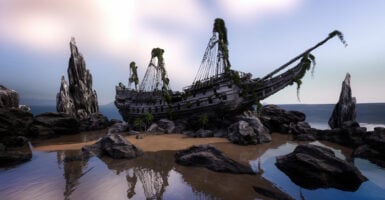
Forbidden Islands Outsiders Can’t Enter
Some islands aren’t meant for tourists. Across the world, certain places remain completely off-limits to outsiders, protected by strict laws, dangerous conditions, or the wishes of the people who live there.
These aren’t just vacation spots with high entry fees or complicated visa requirements. They’re locations where stepping foot could land someone in serious legal trouble, put lives at risk, or violate sacred traditions that have existed for centuries.
Let’s look at the islands that have kept the modern world at arm’s length.
North Sentinel Island

The Sentinelese people have made their position crystal clear: stay away. This small island in the Andaman chain belongs to one of the last uncontacted tribes on Earth, and they’ve violently rejected every attempt at outside contact for thousands of years.
Indian law now prohibits anyone from coming within three miles of the shore. A young American missionary learned this the hard way in 2018 when he illegally visited the island and was killed by the tribe defending their home.
The Indian government didn’t even attempt to recover his body because doing so would require violating the protection zone and potentially exposing the islanders to diseases that could wipe them out.
Surtsey

Iceland’s youngest island appeared out of nowhere during a volcanic eruption in 1963, and scientists immediately recognized its value as a natural laboratory. Only a handful of researchers with special permits can visit because Surtsey offers something incredibly rare: a chance to study how life colonizes brand new land without human interference.
Every visitor must scrub their boots and gear to avoid introducing foreign seeds or organisms. The island has been growing its own ecosystem from scratch, with birds, plants, and insects arriving naturally over the decades.
Breaking the visitation rules can result in hefty fines and a permanent ban from Icelandic research sites.
Poveglia

This small island near Venice carries one of the darkest histories in Europe. Venetian authorities used Poveglia as a quarantine station during plague outbreaks, and later it housed a mental hospital with a reputation for cruel treatments.
Local legends claim the soil contains the ashes of over 160,000 plague victims, though historians debate the actual number. The Italian government has kept the island closed to the public for decades, and even fishermen avoid getting too close.
A few brave souls have snuck onto the island over the years, but they face prosecution and steep fines if caught.
Heard Island

Australia’s most remote territory sits nearly 2,500 miles from the mainland in the freezing Southern Ocean. Getting there requires a week-long boat journey through some of the roughest seas on the planet, and even then, landing is only possible during brief weather windows.
The island features an active volcano called Big Ben, which last erupted in 2016, and its glaciers are melting at an alarming rate. Scientists occasionally visit to study climate change and the island’s unique wildlife, but tourists are banned completely.
The Australian government considers the place too dangerous and environmentally sensitive for casual visitors.
Niihau

Hawaii’s ‘Forbidden Island’ has been privately owned by the same family since 1864, and they’ve maintained strict rules about who can visit. Only native Hawaiian residents, family members, invited guests, and US Navy personnel can step foot on Niihau’s shores.
The Robinson family purchased the island for $10,000 in gold and promised to preserve native Hawaiian culture and language. Today, around 170 people live there without modern conveniences like the internet or paved roads, speaking Hawaiian as their primary language.
The policy has helped keep traditional ways of life intact, but it also means one of Hawaii’s most beautiful islands remains hidden from the world.
Ilha da Queimada Grande

Brazil’s Snake Island earned its terrifying nickname honestly. Scientists estimate that between one and five golden lancehead vipers live on every square meter of the island, making it one of the most densely populated snake habitats on Earth.
These pit vipers evolved in isolation and developed venom so potent it can kill a person within hours. The Brazilian navy has banned all civilian visits, though researchers can apply for special permission.
Local legends tell of a lighthouse keeper and his family who died when snakes entered their home, though the story’s truth remains unclear. The only people who regularly approach the island are biologists studying the endangered vipers from boats.
Lisianski Island
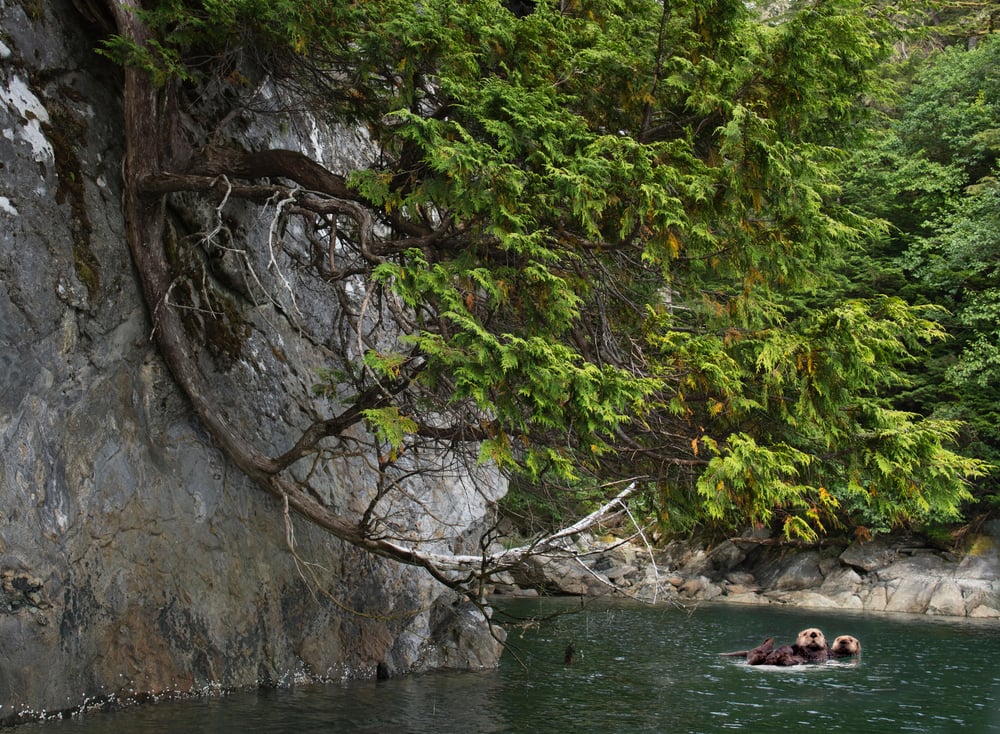
This tiny coral atoll in the Northwestern Hawaiian Islands chain sits inside the Papahānaumokuākea Marine National Monument, one of the largest protected areas on Earth. The US government prohibits public access to preserve the island’s importance for nesting seabirds, monk seals, and green sea turtles.
During World War II, the Coast Guard maintained a small station here, but nature has reclaimed most signs of human presence. The atoll barely rises above sea level, making it vulnerable to storms and rising oceans.
Scientists worry that climate change could erase Lisianski entirely within the next century, but for now, it remains a crucial sanctuary for endangered Pacific wildlife.
Gruinard Island
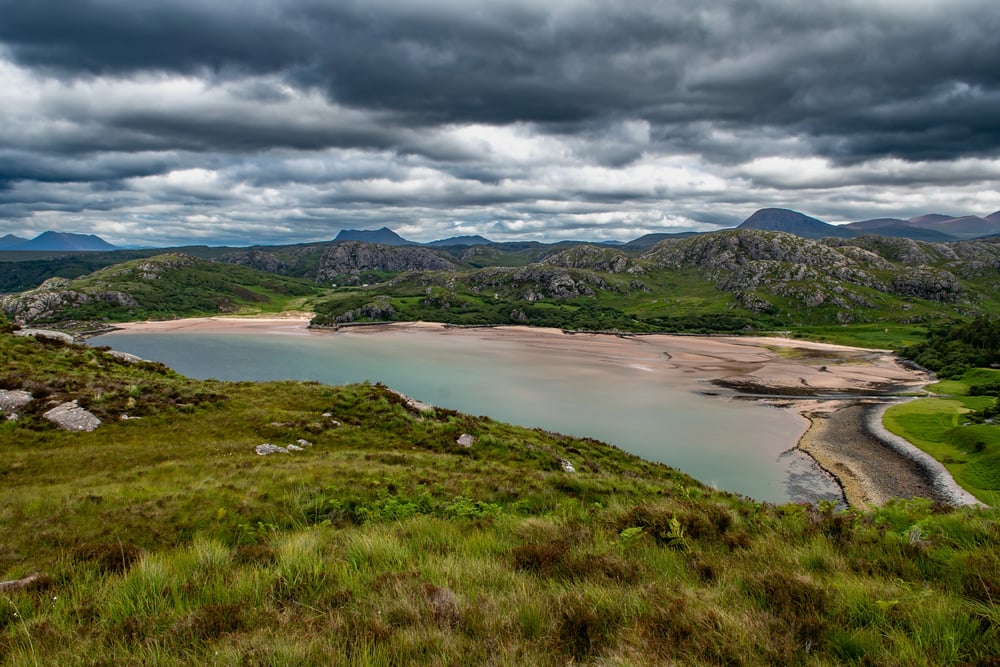
Scotland’s ‘Anthrax Island’ became a biological weapon testing site during World War II, and the contamination lasted for decades. British scientists released anthrax spores across the island in 1942 to study their potential as weapons, making the soil deadly to any living thing.
The government finally decontaminated Gruinard in the 1980s by removing topsoil and treating everything with formaldehyde mixed with seawater. While authorities declared the island safe in 1990, many people still view it with suspicion and fear.
Technically, visitors can go there now, but few dare to set foot on land that once housed one of the world’s most dangerous bioweapons experiments.
Farallon Islands
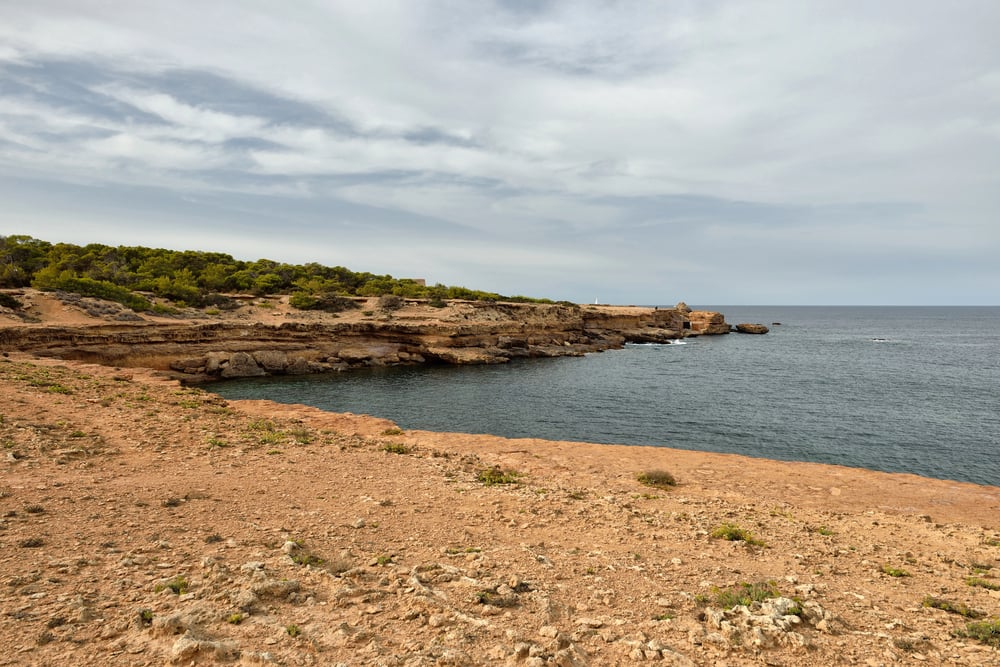
San Francisco can see these rocky outcrops on clear days, but getting close is illegal without special permits. The islands serve as a massive breeding ground for seabirds, seals, and great white sharks, making them critical to Pacific Ocean ecosystems.
Between 1946 and 1970, the US military dumped nearly 48,000 barrels of radioactive waste in the waters around the Farallons, creating an environmental nightmare. Scientists still don’t fully understand the long-term effects of this contamination.
The Coast Guard and the National Marine Sanctuaries Act keep boats and people away, protecting both the wildlife and humans from potential dangers.
Ramree Island

Myanmar’s Ramree Island isn’t technically forbidden, but its history and current situation make it practically inaccessible. During World War II, Japanese soldiers retreating through the island’s mangrove swamps encountered thousands of saltwater crocodiles, resulting in what some call the worst crocodile attack in recorded history.
The Guinness Book of World Records listed it as such, though modern historians question whether the story got exaggerated over time. Today, political instability in Myanmar and the island’s remote location keep visitors away just as effectively as any official ban.
The mangrove forests still house large populations of saltwater crocs, maintaining Ramree’s deadly reputation.
Diego Garcia
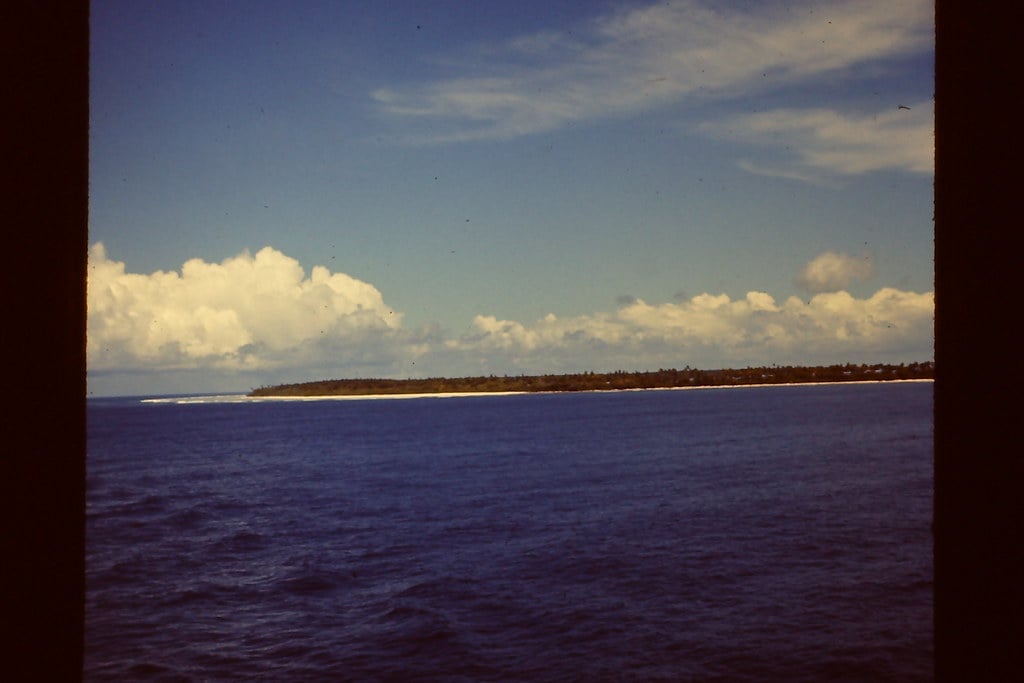
The largest island in the Chagos Archipelago hosts a major US military base and absolutely nothing else. Britain and America forcibly removed all native Chagossians between 1968 and 1973 to make way for the base, creating a humanitarian crisis that continues today.
The displaced islanders have fought for decades to return home, but both governments refuse to allow it. Only military personnel and authorized contractors can visit, and the base plays a significant role in US operations across the Indian Ocean.
The island’s strategic importance means it will likely remain off-limits to civilians for the foreseeable future, despite ongoing legal battles.
Palmyra Atoll

This remote Pacific atoll belongs to the US Fish and Wildlife Service and maintains some of the strictest visitor policies anywhere. The Nature Conservancy manages Palmyra as a research station, allowing only scientists with approved projects to stay.
The atoll survived World War II as a US military installation, and workers built a runway that still exists today, though nature has begun reclaiming it. Palmyra’s isolation has kept its coral reefs and marine life incredibly healthy compared to other Pacific islands.
The few researchers who work there describe it as stepping back in time to see what oceans looked like before human impact changed everything.
East Rennell

The southern part of Rennell Island in the Solomon Islands holds UNESCO World Heritage status, and access is tightly controlled by local communities. Lake Tegano, the largest lake in the Pacific islands, sits at the heart of East Rennell and contains unique species found nowhere else on Earth.
The Polynesian people who call this place home have maintained traditional customs and resource management practices for centuries. Visitors need explicit permission from village chiefs, and most outsiders never receive it.
Political tensions in the Solomon Islands and the island’s remote location add extra barriers to anyone hoping to visit this remarkable place.
Sentinel Island North

Not to be confused with North Sentinel Island, this smaller island in India’s Andaman chain also hosts an isolated tribe. The Indian government includes it in the same protection zone that covers several islands inhabited by indigenous groups.
Anthropologists know almost nothing about the people here because respect for their wishes means keeping a safe distance. Some experts believe these tribes descended from the first humans who migrated out of Africa tens of thousands of years ago.
Their genetic isolation makes them vulnerable to common diseases that most people shrug off easily, which is why contact could prove deadly for them.
Clipperton Island

France claims this uninhabited coral atoll about 670 miles off Mexico’s coast, but its isolation and history keep people away. Between 1906 and 1917, a small Mexican garrison lived there under increasingly nightmarish conditions that ended in murder and madness.
The island has no natural source of fresh water, and supplies from the mainland stopped coming during the Mexican Revolution. Today, Clipperton hosts millions of seabirds and serves as an important research site, but the French government rarely grants permission to visit.
The surrounding waters attract illegal fishing operations, making the area dangerous in new ways.
Bikini Atoll

Twenty-three times, the United States set off nuclear blasts on and near a ring of islands in the Marshall chain from 1946 to 1958 – life there never recovered. Though radiation counts are lower now, dirt tested across the land carries poisons well beyond what’s considered harmless.
A few who once lived there came back anyway, despite warnings; others stayed briefly just to keep watch. Still, American officials insist homegrown crops should not be eaten nor extended stays made.
What remains beneath the waves – a gaping pit left by explosions – attracts daring swimmers drawn to risk. Leaders nearby say it is unfit for real living today, even as curiosity brings more visitors each year.
Morgan Island

Home to roughly 3,500 rhesus monkeys, Morgan Island in South Carolina – often called Monkey Island – is off-limits to visitors by law. Back in 1979, these animals were relocated from a lab site in Puerto Rico.
Because they can harbor viruses transmissible to people, getting near them poses serious health threats. Oversight falls under the National Institute of Allergy and Infectious Diseases; scientists take some individuals now and then for experiments.
While boat travelers may slow down just to glimpse the creatures afar, stepping onto the land brings legal trouble. Danger lives quietly where curiosity meets restriction.
Here, lines on the map hold weight
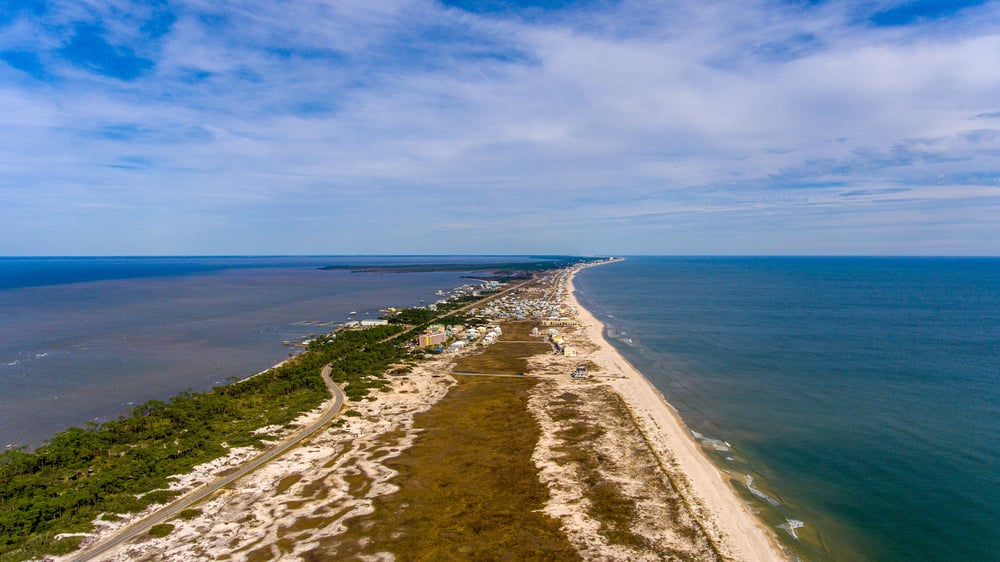
Out here, far from busy cities, some spots refuse to be part of our plans. Closed doors guard delicate life forms, tiny creatures that can’t survive crowds.
Respect shapes boundaries where native communities live undisturbed by strangers knocking at their door. Danger hides on others – hidden traps from old tests, venomous things under rocks, air you cannot breathe.
Even as screens link continents in seconds, silence holds strong in corners we decide not to enter. Isolation survives – not because we forget, but because we step back.
More from Go2Tutors!

- The Romanov Crown Jewels and Their Tragic Fate
- 13 Historical Mysteries That Science Still Can’t Solve
- Famous Hoaxes That Fooled the World for Years
- 15 Child Stars with Tragic Adult Lives
- 16 Famous Jewelry Pieces in History
Like Go2Tutors’s content? Follow us on MSN.