14 Languages Created Just for Movies and TV Shows
Hollywood has always been obsessed with creating believable worlds, and nothing makes a fictional universe feel more authentic than characters speaking their own language. From the guttural growls of Klingon warriors to the melodic tones of Elvish poetry, constructed languages have become an art form that bridges entertainment and linguistics.
These aren’t just random gibberish thrown together by writers in a rush. Professional linguists spend months, sometimes years, developing complete grammar systems, vocabularies, and cultural contexts for these languages. Here is a list of 14 languages that were born in writers’ rooms and sound stages, yet have developed lives of their own.
Klingon

The warrior race from Star Trek speaks what might be the most famous fictional language ever created. Linguist Marc Okrand developed Klingon in 1984 with intentionally harsh sounds that would feel alien to human ears.
The language features a backward word order compared to English, with the verb coming first, followed by the object, then the subject. Today, you can actually take college courses in Klingon, and there’s even a Klingon Language Institute with thousands of members worldwide.
Dothraki

Game of Thrones brought us the nomadic Dothraki people and their equally fierce language. David J. Peterson crafted this tongue with only a handful of words from George R.R. Martin’s books as his starting point, eventually expanding it to over 4,000 words.
The language draws inspiration from various real-world languages, including Arabic, Turkish, and Russian, giving it an authentic feel that perfectly matches the show’s gritty realism.
High Valyrian

The ancient language of dragons and nobility in Westeros sounds as elegant as it is deadly. Peterson also created High Valyrian, designing it to feel like Latin—a classical language that once ruled an empire but now exists mainly in formal settings and scholarly pursuits.
The grammar is notoriously complex, with four different noun genders and six grammatical cases, making Daenerys’s fluent delivery all the more impressive.
Elvish (Sindarin and Quenya)

J.R.R. Tolkien didn’t just write fantasy novels—he was a professional linguist who created multiple Elvish languages with the same rigor he’d apply to studying ancient tongues. Sindarin, the common Elvish language in Middle-earth, and Quenya, the more formal ceremonial language, both feature complete grammatical systems and extensive vocabularies.
Tolkien actually developed these languages before writing The Lord of the Rings, then built his entire fictional world around them.
Na’vi

James Cameron wanted the blue-skinned inhabitants of Pandora to have their own authentic way of communicating, so he hired linguist Paul Frommer to create Na’vi. The language includes sounds that don’t exist in English, like ejective consonants that require specific tongue positions to pronounce correctly.
Frommer built the grammar around a three-way case system and gave the language a flexible word order that allows speakers to emphasize different parts of their sentences.
Huttese
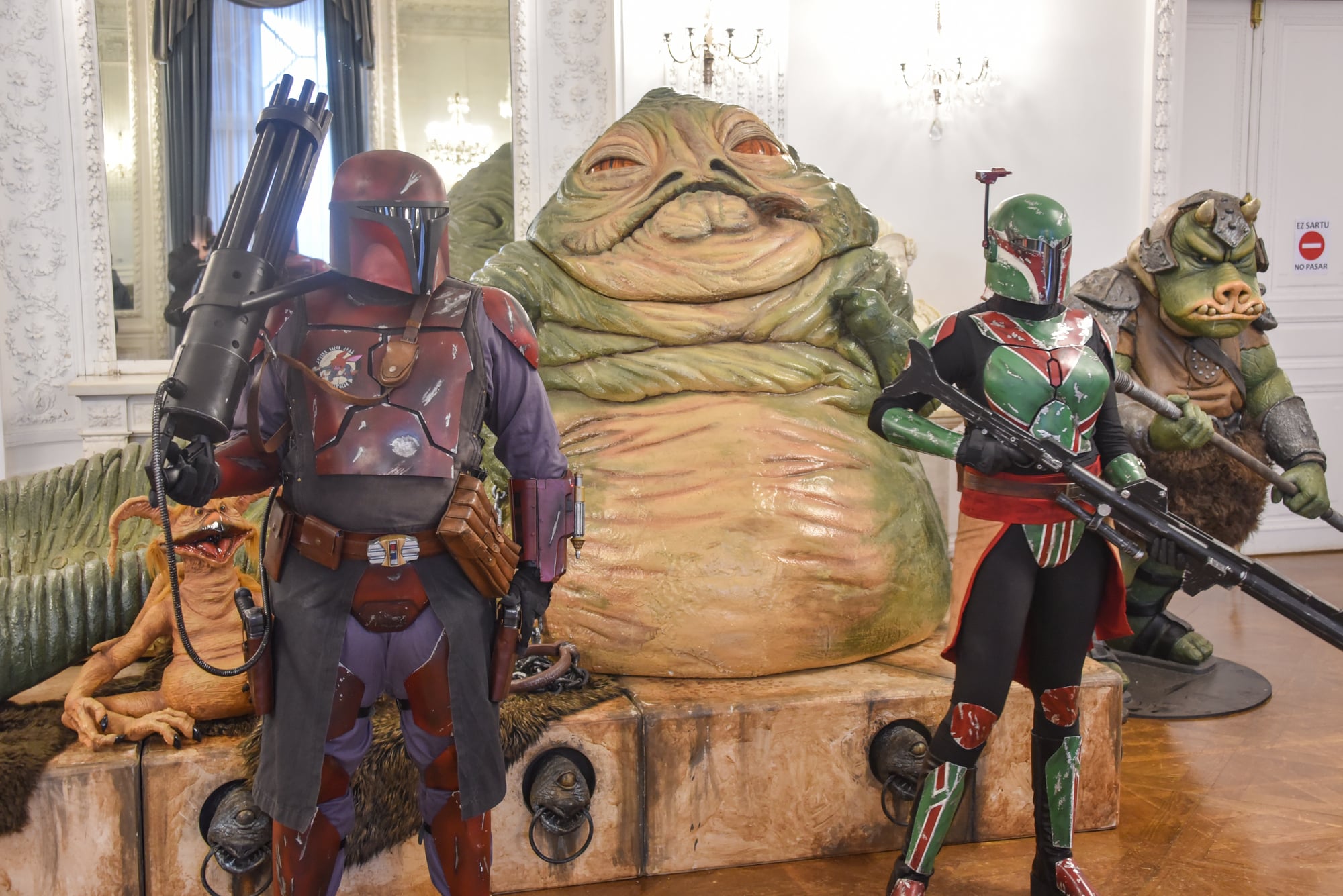
The crime lord Jabba and his underworld associates speak a language that sounds appropriately slimy and threatening. Ben Burtt, the sound designer for Star Wars, created Huttese by taking phrases from Quechua, a real language spoken in the Andes Mountains, and modifying them to sound more alien.
The result is a tongue that feels both familiar and foreign, perfectly matching the seedy cantina atmosphere of the Star Wars universe.
Kryptonian

Superman’s home planet had its own language, which has appeared in various forms across different Superman media over the decades. The most developed version comes from the TV series Smallville, where Dr. Christine Schreyer created a complete Kryptonian language system.
The language uses a unique writing system that looks appropriately alien while maintaining enough structure to be learnable by dedicated fans.
Atlantean

Disney’s Atlantis: The Lost Empire featured a completely constructed language that linguist Marc Okrand developed to sound ancient and mysterious. Atlantean borrows elements from various Indo-European languages, creating something that feels both familiar and lost to time.
The language includes a unique writing system that appears throughout the film, giving the lost civilization a sense of scholarly depth that matches the movie’s archaeological themes.
Goa’uld

The parasitic aliens from Stargate SG-1 speak a language that sounds appropriately menacing and ancient. The show’s creators based Goa’uld on ancient Egyptian, which makes perfect sense given the aliens’ pharaoh-like personas and their use of Egyptian mythology.
The language often appears in religious or ceremonial contexts, reinforcing the Goa’uld’s image as false gods who once ruled Earth.
Ancient

The ascended beings in the Stargate universe speak a language that’s both mystical and scientific. Ancient serves as the root language for much of the advanced technology in the series, with words and phrases appearing on control panels and in databases throughout the galaxy.
The language’s structure reflects the Ancient’s advanced understanding of science and their eventual transcendence to a higher plane of existence.
Fremen Chakobsa
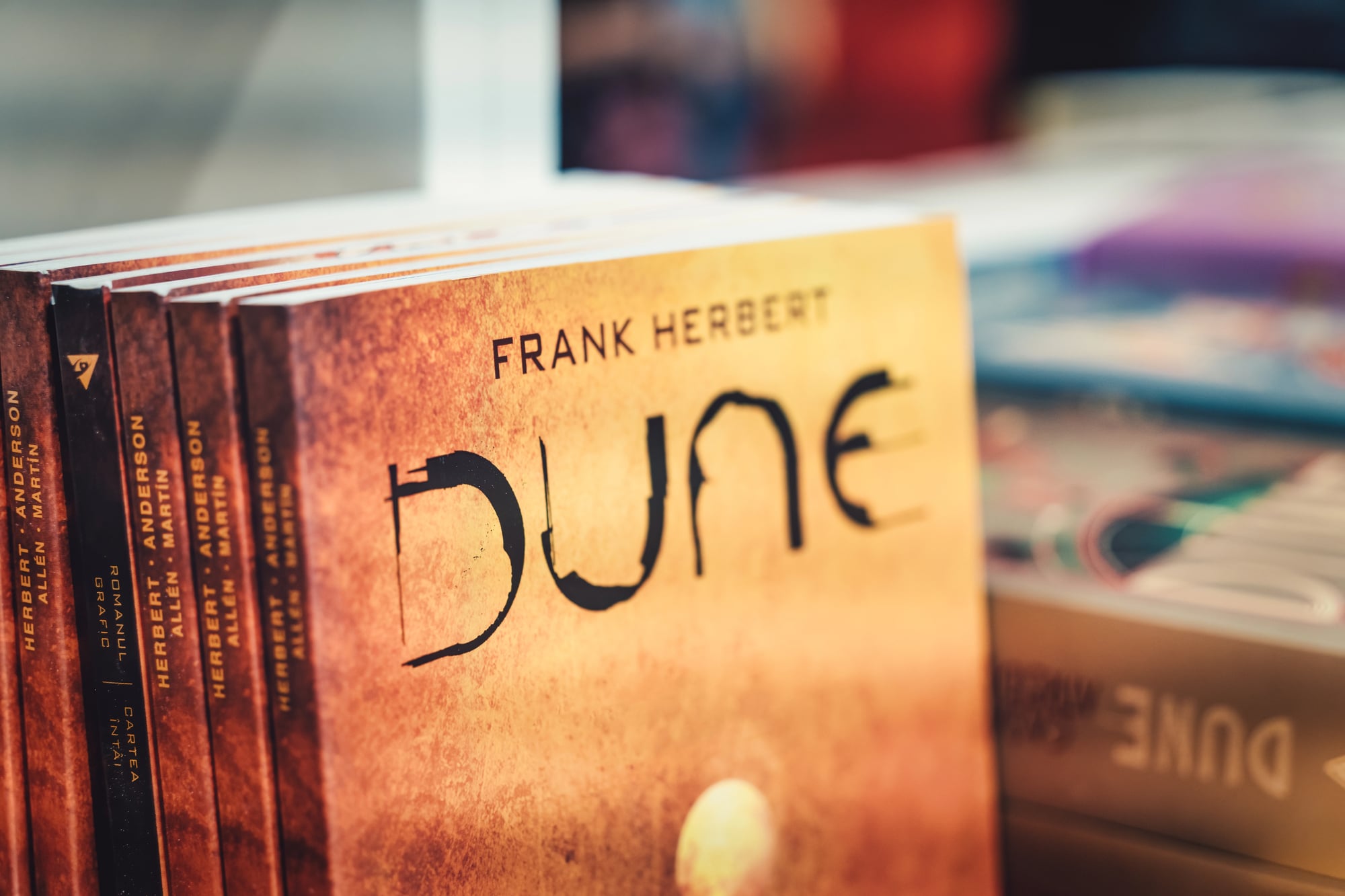
Frank Herbert’s Dune universe includes the desert-dwelling Fremen, who speak a language called Chakobsa that reflects their harsh environment and nomadic culture. The 2021 film adaptation expanded on Herbert’s original linguistic concepts, creating a more complete language system that sounds appropriately alien while maintaining the Arabic influences that Herbert originally incorporated.
The language’s rhythmic quality matches the Fremen’s connection to the desert planet Arrakis.
Ewokese

The teddy bear-like inhabitants of Endor in Return of the Jedi speak a language that sounds appropriately cute yet primitive. Ben Burtt created Ewokese by combining sounds from various languages, including Tibetan and Kalmyk Mongolian, giving the forest dwellers a speech pattern that feels both childlike and wise.
The language perfectly matches the Ewoks’ role as simple forest creatures who ultimately help defeat the technologically superior Empire.
Romulan

Star Trek’s secretive Romulan Empire speaks a language that reflects their connection to the logical Vulcans while maintaining their own cultural identity. Romulan shares some vocabulary with Vulcan, showing their common ancestry, but has evolved its own distinctive characteristics that match the Romulans’ more emotional and militaristic society.
The language’s structure helps establish the complex relationship between these two related species.
Belarussian

The dystopian future of The Hunger Games includes the Capitol’s distinctive way of speaking, which isn’t exactly a separate language but rather a heavily modified form of English with unique pronunciation and vocabulary. The Capitol citizens’ affected speech patterns help establish their disconnection from the harsh realities faced by the districts, using language as another tool of class distinction in Panem’s stratified society.
Beyond Fiction Into Reality
These constructed languages have grown far beyond their original entertainment purposes, becoming genuine cultural phenomena that connect fans across the globe. Language learning apps now offer Klingon and High Valyrian courses, while academic conferences regularly feature presentations on fictional linguistics.
The careful attention that creators put into developing these languages shows how much depth and authenticity matter in building believable fictional worlds. Whether you’re interested in linguistic artistry or just want to impress friends at the next comic convention, these languages prove that sometimes the most interesting conversations happen in tongues that never existed until someone imagined them into being.
More from Go2Tutors!

- The Romanov Crown Jewels and Their Tragic Fate
- 13 Historical Mysteries That Science Still Can’t Solve
- Famous Hoaxes That Fooled the World for Years
- 15 Child Stars with Tragic Adult Lives
- 16 Famous Jewelry Pieces in History
Like Go2Tutors’s content? Follow us on MSN.



