14 Largest Man-Made Buildings Globally
When we think about human achievement, few things are more impressive than our ability to create massive structures that reshape skylines and push the boundaries of engineering. These colossal buildings stand as testaments to human ingenuity, technological advancement, and architectural vision.
Here is a list of 14 of the largest artificial buildings in the world, each one a marvel of engineering and design that showcases humanity’s determination to build bigger and better.
Burj Khalifa

Standing tall at 2,722 feet (828 meters), the Burj Khalifa in Dubai remains the undisputed champion of skyscrapers since its completion in 2010. This architectural wonder features a bundled tube design inspired by the Hymenocallis flower, with Y-shaped floor plans that maximize views of the Persian Gulf.
The building houses everything from luxury apartments and corporate offices to the elegant Armani Hotel, making it not just the tallest building but a vertical city in its own right.
Shanghai Tower

Twisting dramatically toward the sky at 2,073 feet (632 meters), the Shanghai Tower creates a stunning visual effect with its curved façade. The building’s unique double-layer glass skin creates a thermal buffer zone that significantly reduces energy consumption, comparable to adding an insulating jacket to a massive structure.
Nine distinct vertical zones stacked upon each other contain everything from offices and retail spaces to a luxury hotel, effectively creating a self-contained community that serves over 16,000 people daily.
Like Go2Tutors’s content? Follow us on MSN.
Abraj Al-Bait Clock Tower

Rising prominently near the Grand Mosque in Mecca at 1,972 feet (601 meters), this building complex features the world’s largest clock face, visible from up to 16 miles away. The complex serves as accommodation for pilgrims visiting the holiest site in Islam, with a capacity for thousands of visitors.
Its distinctive Ottoman-inspired architecture makes it instantly recognizable on the skyline, while the clock itself contains nearly 2 million LED lights that illuminate the night sky.
Ping An Finance Center
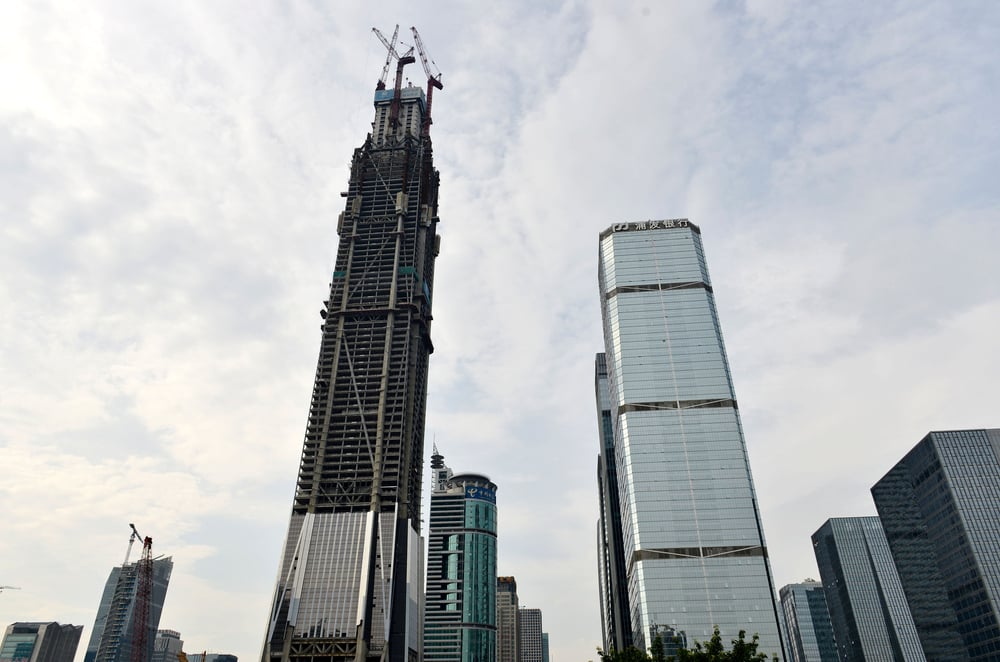
Reaching 1,965 feet (599 meters), this sleek glass and steel tower in Shenzhen serves as the headquarters for Ping An Insurance. The building’s streamlined form was specifically engineered to reduce wind loads, with a tapered shape and chamfered corners that work like the aerodynamics of a race car.
Over 33 double-decker elevators whisk passengers to their destinations at speeds approaching 22 mph, making the vertical journey almost as impressive as the structure itself.
Lotte World Tower

Seoul’s tallest building stands at 1,819 feet (555 meters) and features a slender design that tapers as it rises. The tower’s elegant silhouette was inspired by traditional Korean ceramics and calligraphy brushes, blending cultural heritage with modern engineering.
Its upper floors house the world’s highest glass-bottomed observation deck, offering brave visitors the chance to stand on transparent flooring over a thousand feet above the ground—a knee-weakening experience even for those without a fear of heights.
Like Go2Tutors’s content? Follow us on MSN.
One World Trade Center

Standing at a symbolic 1,776 feet (541 meters)—a reference to the year of American independence—this building in New York City represents renewal and resilience. Its perfect octagonal shape transitions from a square base to a square top, rotated 45 degrees, creating an impression that the building is composed of eight elongated triangles.
The tower’s surface reflects the changing sky throughout the day, sometimes appearing almost blue in clear weather and silver-white on cloudy days.
Guangzhou CTF Finance Centre

Rising to 1,739 feet (530 meters), this mixed-use skyscraper in Guangzhou features a distinctive curved façade that seems to ripple like fabric. The building’s multi-function design includes offices, a hotel, and apartments, with different sections having slightly different floor plans to accommodate these varied uses.
Its exterior features nearly 30,000 aluminum panels, each precisely positioned to create a flowing aesthetic while still functioning as an effective curtain wall system.
CITIC Tower

Also known as China Zun, this 1,731-foot (528-meter) Beijing landmark has a distinctive vase-like shape inspired by an ancient Chinese ceremonial vessel. The building widens at both the top and bottom, creating a silhouette unlike any other skyscraper.
This unique form isn’t just aesthetic—it provides greater stability at the base while creating larger, more premium floor spaces at the top levels where values are highest, essentially turning architectural necessity into financial advantage.
Like Go2Tutors’s content? Follow us on MSN.
Taipei 101

Standing at 1,667 feet (508 meters), this Taiwanese icon was the world’s tallest building from 2004 until the completion of Burj Khalifa. The structure references traditional Chinese pagodas with its stacked segments and incorporates the number eight (considered lucky in Chinese culture) throughout its design.
Most impressive is its massive 730-ton tuned mass damper—essentially a giant steel pendulum—that helps the building withstand typhoons and earthquakes, swinging to counteract building movement during high winds.
Shanghai World Financial Center

Reaching 1,614 feet (492 meters), this building is instantly recognizable for its trapezoid aperture at its peak, resembling a bottle opener. This opening isn’t just for show—it reduces wind pressure on the building by allowing air to pass through rather than push against a solid surface.
The skyscraper forms an elegant counterpoint to the neighboring Jin Mao Tower and Shanghai Tower, creating one of the world’s most dramatic skyline trios.
International Commerce Centre
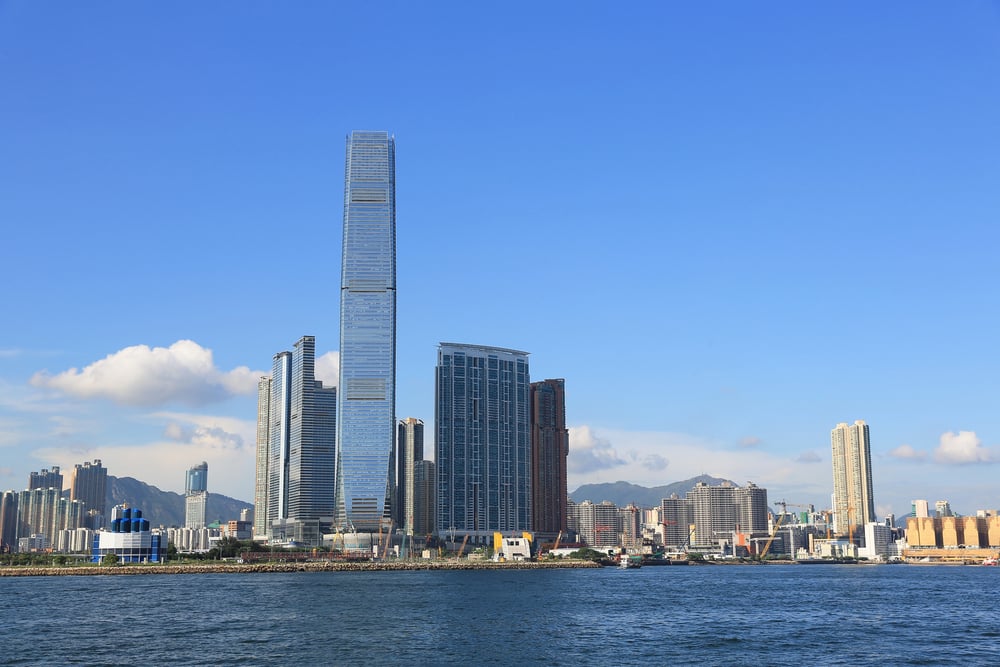
Rising to 1,588 feet (484 meters) above Hong Kong’s Victoria Harbor, this tower houses some of the most expensive commercial real estate in the world. The building’s square footprint expands slightly as it rises, giving it a subtle hourglass silhouette when viewed from certain angles.
Its crown contains a massive LED display system capable of turning the entire top of the building into a light show visible across much of Hong Kong’s famous harbor.
Like Go2Tutors’s content? Follow us on MSN.
Lakhta Center

Standing at 1,516 feet (462 meters), this St. Petersburg landmark features a distinctive twisted design that evokes the image of a flame, symbolic of the Gazprom energy company headquartered there. The building’s five-sided floor plan rotates subtly as it rises, creating the twisting effect while maximizing views of the Gulf of Finland.
In winter, its specially designed façade prevents ice formation and accumulation, a critical feature in Russia’s harsh northern climate.
Landmark 81
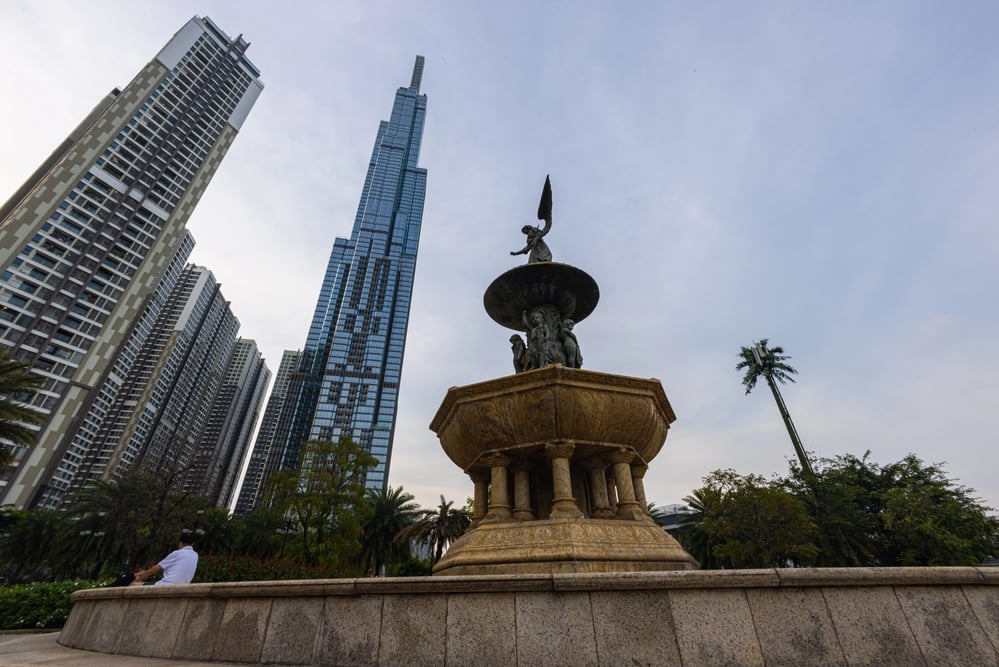
Vietnam’s tallest building reaches 1,513 feet (461 meters) and resembles a bundle of bamboo shoots reaching skyward. This symbolic design reflects traditional Vietnamese imagery while creating a thoroughly modern silhouette on Ho Chi Minh City’s developing skyline.
The tower contains a remarkable eleven separate sections, each with unique functions including retail, residential, hotel, and observation areas, essentially creating a vertical city that serves thousands of people daily.
Changsha IFS Tower T1
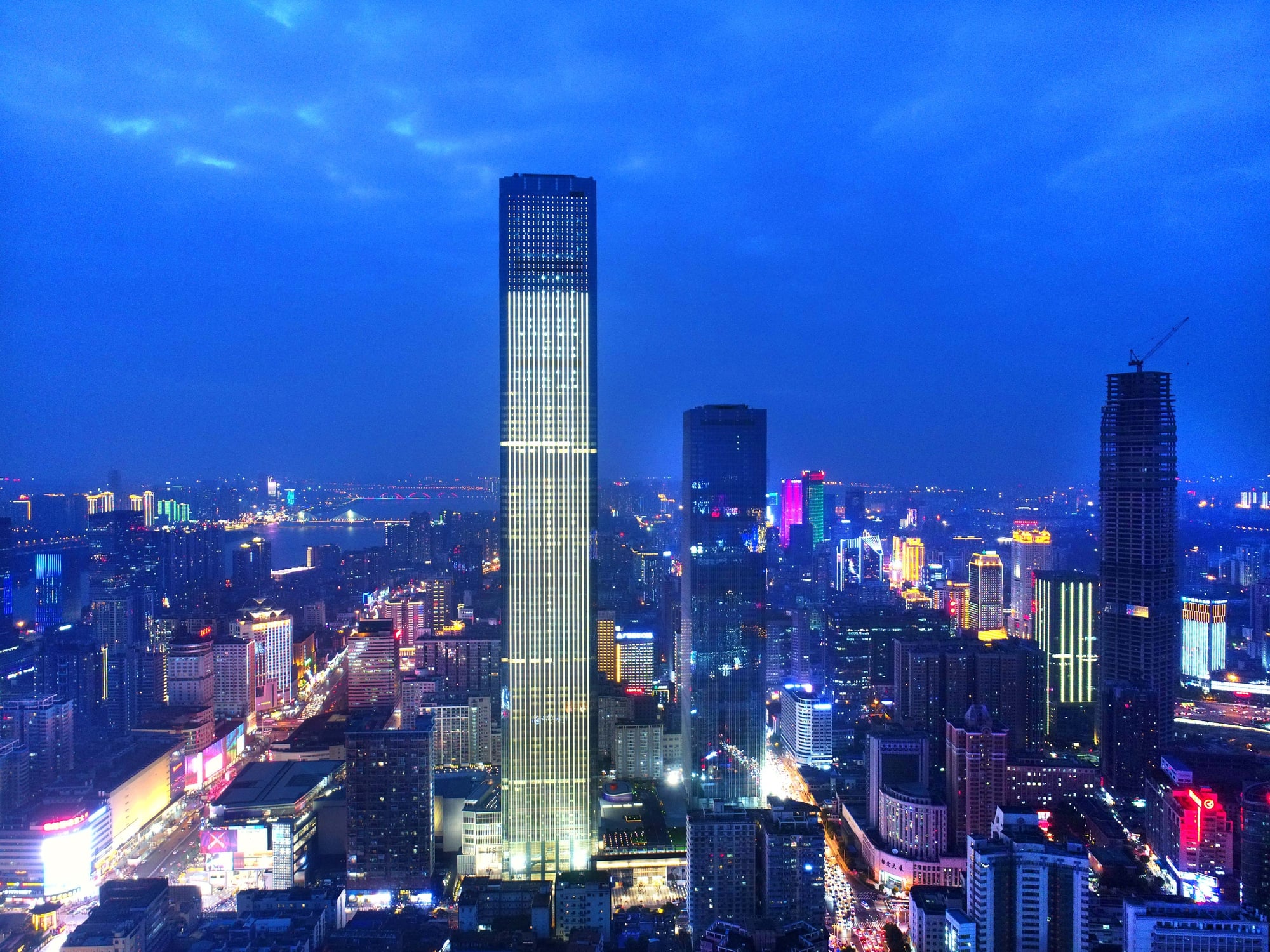
Soaring to 1,483 feet (452 meters), this elegant tower forms part of a massive mixed-use development in central China. The building’s sleek glass curtain wall features subtle horizontal banding that creates texture while emphasizing its impressive height.
Its upper floors house a luxury hotel with guest rooms that offer panoramic views extending dozens of miles across the Xiangjiang River and surrounding Hunan Province on clear days.
Like Go2Tutors’s content? Follow us on MSN.
The Enduring Legacy of Architectural Giants

These massive structures represent much more than just engineering achievements—they’ve become symbols of national pride, economic power, and cultural identity for their home cities. As urban populations continue growing worldwide, these vertical spaces increasingly serve as condensed cities within cities, housing thousands of residents, workers, and visitors daily.
The race to build ever higher continues unabated, with dozens of super-tall skyscrapers currently under construction across Asia and the Middle East, suggesting that many of today’s giants may eventually be surpassed by even more ambitious projects in the coming decades.
More from Go2Tutors!

- 18 Unexpectedly Valuable Collectibles You Might Have Lying Around
- 20 Little-Known Historical Battles That Had Huge Consequences
- 20 Historical Artifacts That Scientists Can’t Explain
- 15 Inventions That Were Immediately Banned After Being Created
- 20 Actors Who Were Almost Cast in Iconic Roles
Like Go2Tutors’s content? Follow us on MSN.