14 Letters Published Long After the Writer Died
Some of literature’s most revealing writing was never meant for readers at all. It was meant for one person, folded into an envelope, and in many cases explicitly marked as private.
Decades later, executors, scholars, and family members decided the world should see it anyway. The gap between when these letters were written and when they finally reached print says a lot about how estates, copyright terms, and personal wishes collide with public curiosity.
Some writers asked for silence and got it, for a while. Others never had a say at all.
Emily Dickinson
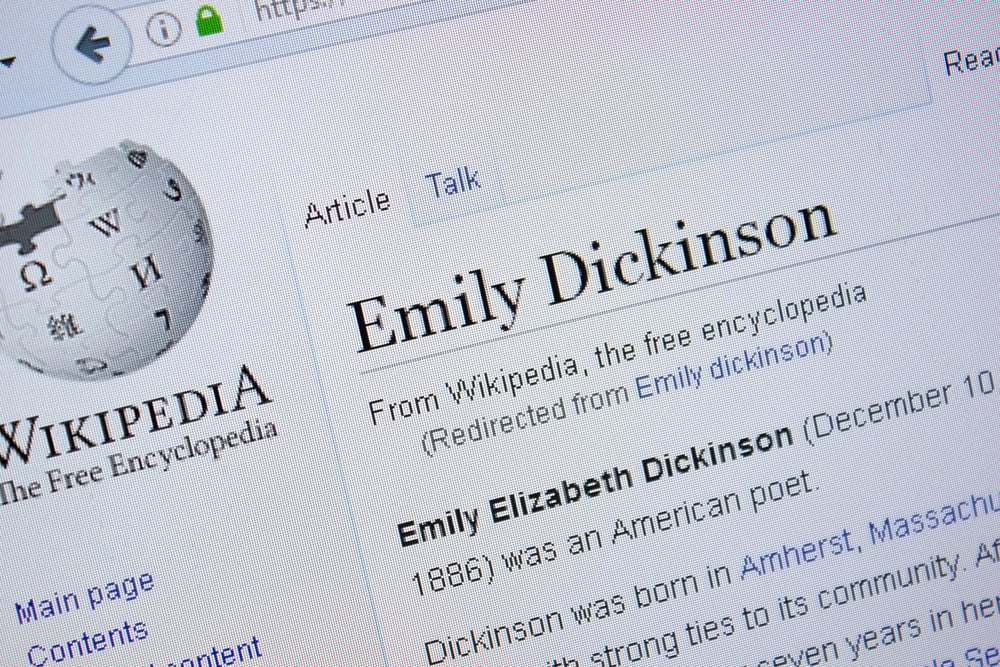
Dickinson wrote hundreds of letters during her reclusive life in Amherst, Massachusetts, many to a small circle of correspondents including her sister-in-law Susan Gilbert Dickinson. After her death in 1886, her family discovered a trove of nearly 1,800 poems along with extensive correspondence.
Mabel Loomis Todd began editing and publishing selections starting in 1890, just four years after Dickinson’s death, though more complete scholarly editions of the letters did not appear until well into the twentieth century.
Vincent van Gogh
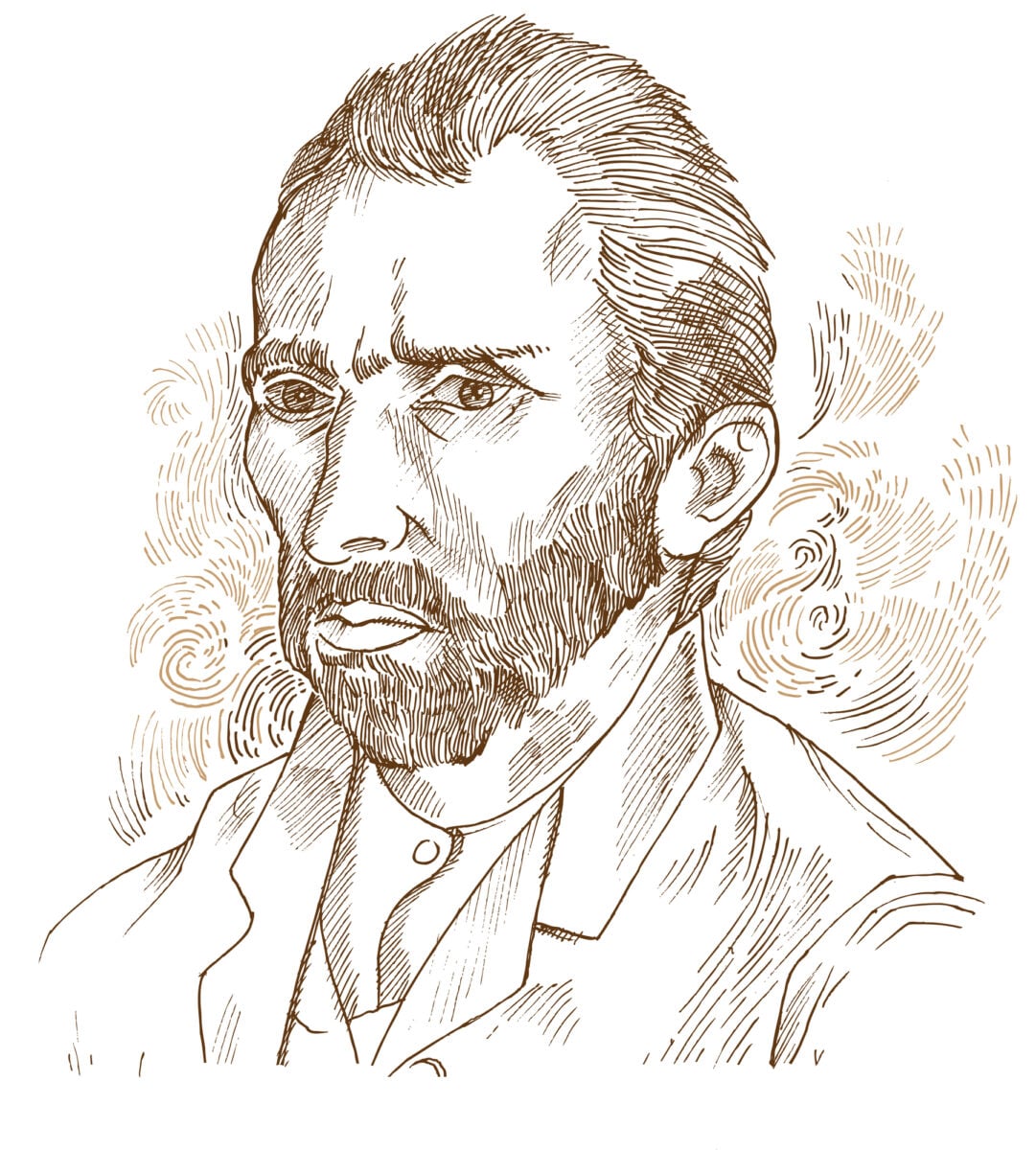
Van Gogh’s correspondence with his brother Theo, who financially supported him throughout his career, forms one of the richest surviving records of any artist’s inner life. The two exchanged hundreds of letters discussing technique, money, and mental health, but almost none of this was public during Van Gogh’s lifetime.
The first published collection did not appear until 1914, 24 years after his death in 1890, and a definitive scholarly edition of the complete correspondence was not finished until 2009.
Franz Kafka
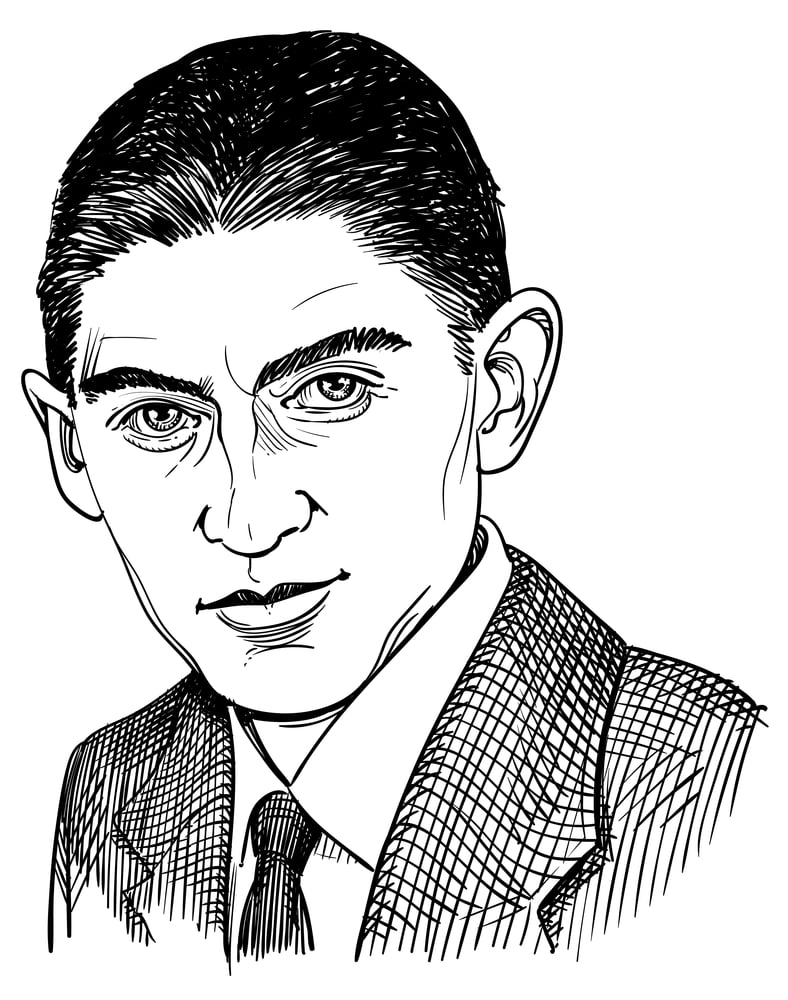
Before his death from tuberculosis in 1924, Kafka instructed his friend Max Brod to burn his unpublished manuscripts and letters. Brod ignored the request and instead spent years preparing Kafka’s writing for publication.
Kafka’s letters to Milena Jesenská, a lover and translator, were not published until 1952, 28 years after his death, revealing a far more anguished and intimate side of a writer then known mainly for his fiction.
John Keats
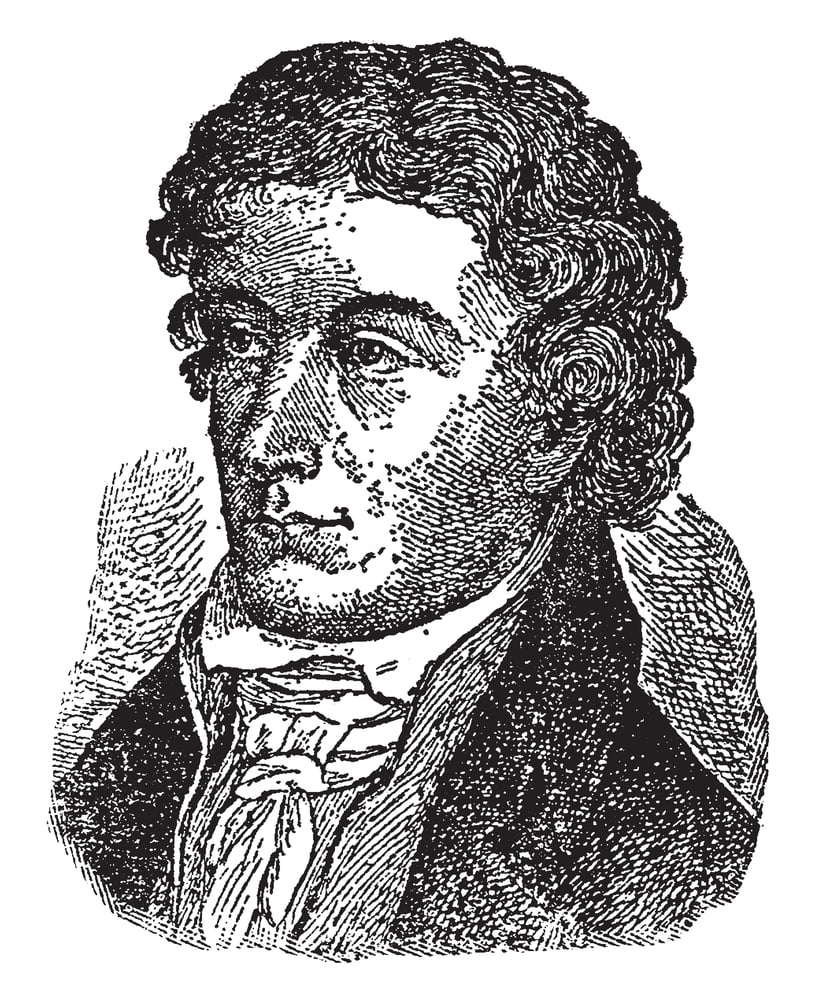
Keats’s love letters to Fanny Brawne, written during the final years of his short life as tuberculosis closed in, were intensely personal and were not intended for an audience. Brawne kept them for the rest of her life and apparently never showed them to her own children.
They were not published until 1878, 57 years after Keats died in 1821, and their raw emotional candor startled Victorian readers accustomed to a more restrained image of the poet.
Charlotte Brontë
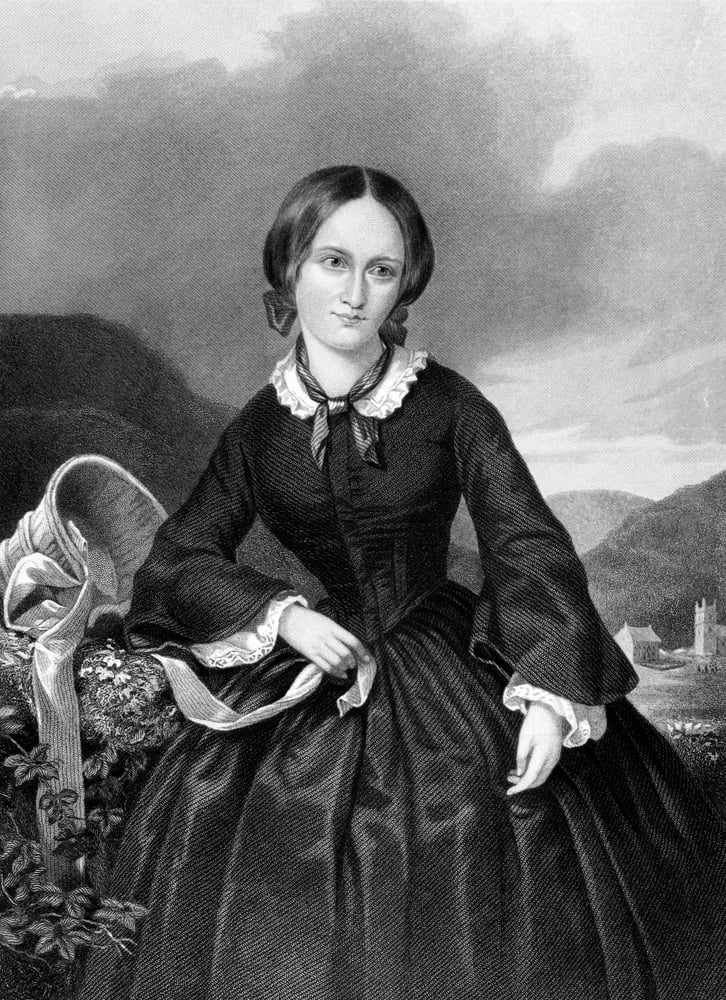
Brontë’s letters to Constantin Héger, a married Belgian schoolmaster she had studied under and developed an intense attachment to, were torn up by Héger at the time but rescued and pieced back together by his wife. The Héger family kept them private for decades before eventually donating them to the British Museum.
They were not published until 1913, 58 years after Brontë’s death in 1855, complicating the earlier, more decorous biographical portrait of her.
Mark Twain
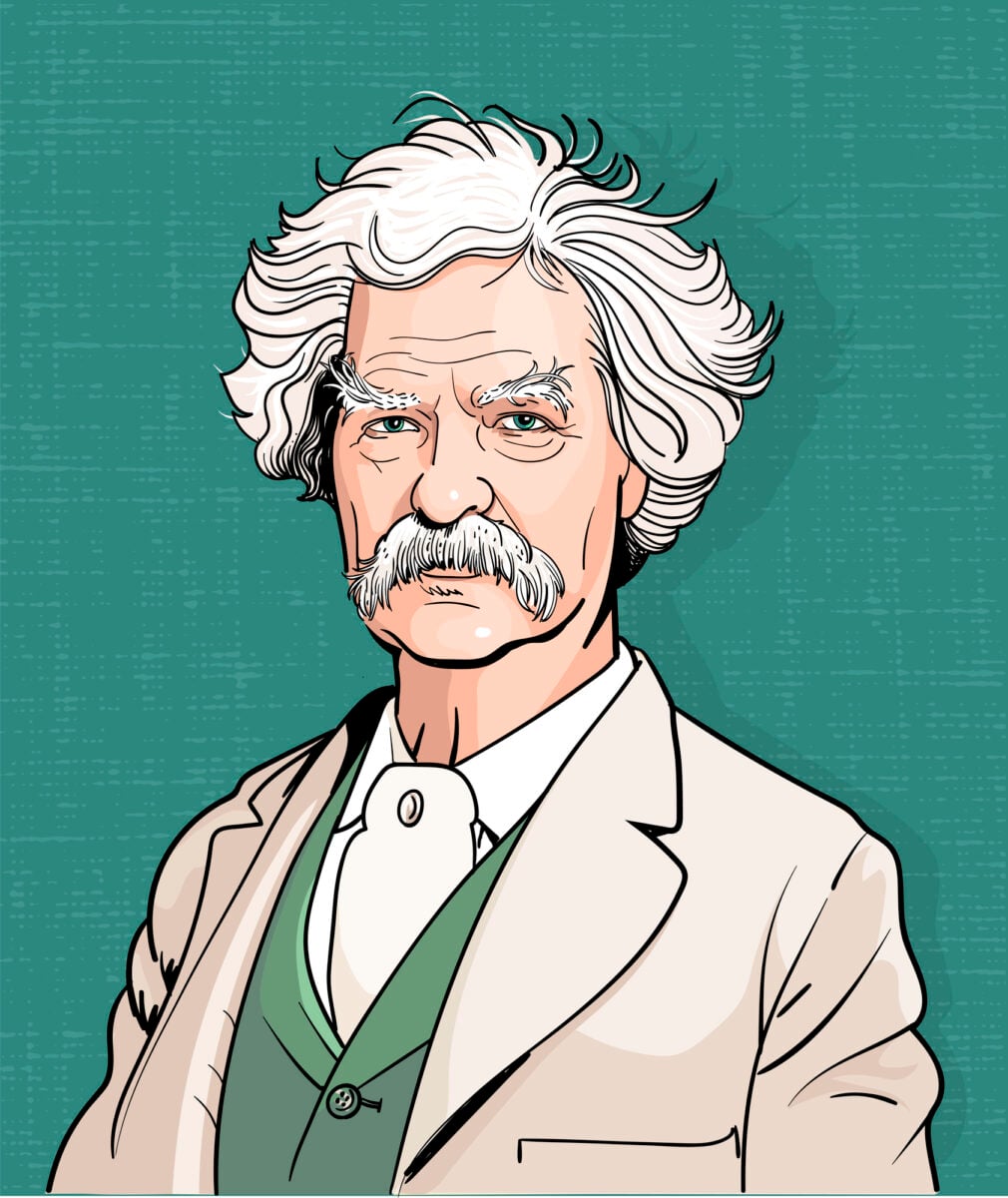
Twain dictated an enormous autobiography late in life and left explicit instructions that it should not be published in full until a century after his death, reasoning that only then could he speak with complete honesty about people who were still living. He died in 1910, and the first full volume of the Autobiography of Mark Twain, drawn substantially from his letters and dictated reminiscences, was not released until 2010, exactly on schedule a hundred years later.
Virginia Woolf
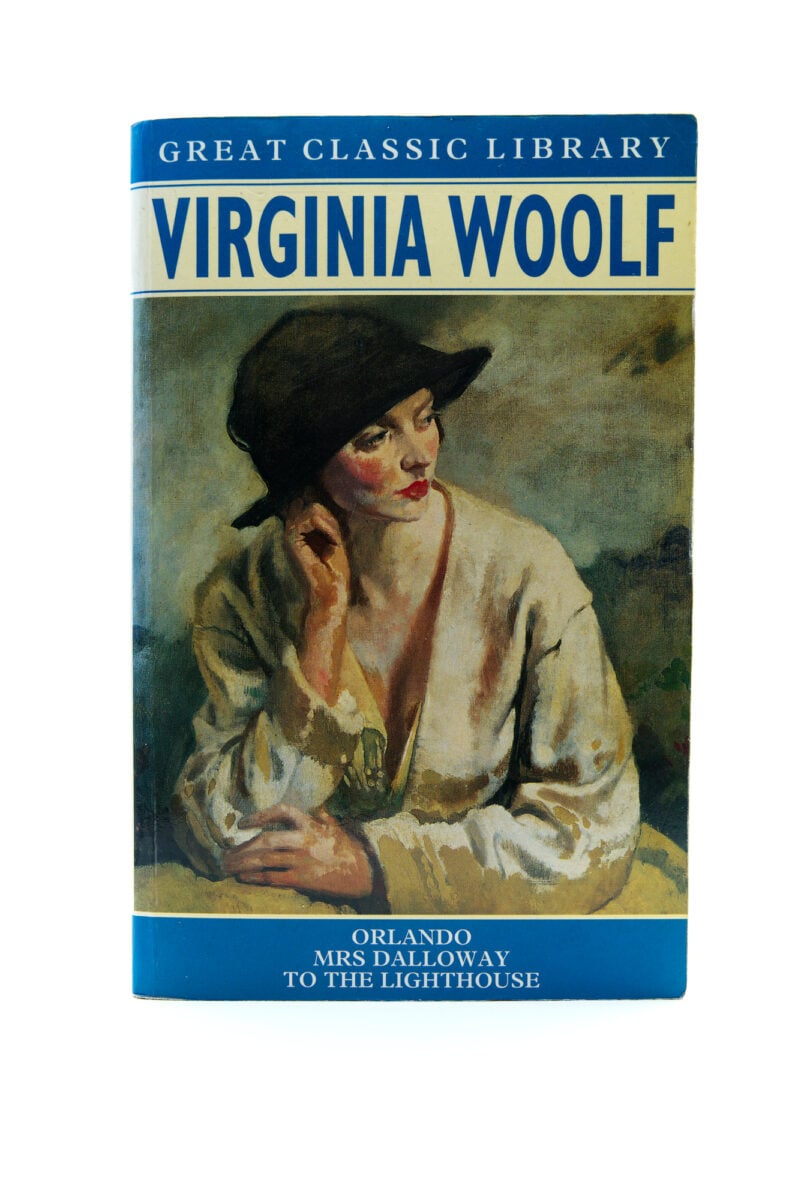
Woolf’s husband Leonard Woolf preserved her extensive diaries and correspondence after her death in 1941, but comprehensive scholarly editions of her letters did not begin appearing until the 1970s, more than three decades later. The six-volume collected letters, edited by Nigel Nicolson and Joanne Trautmann, were not completed until 1980, revealing details of her relationships and mental health that had been only partially known before.
Ernest Hemingway
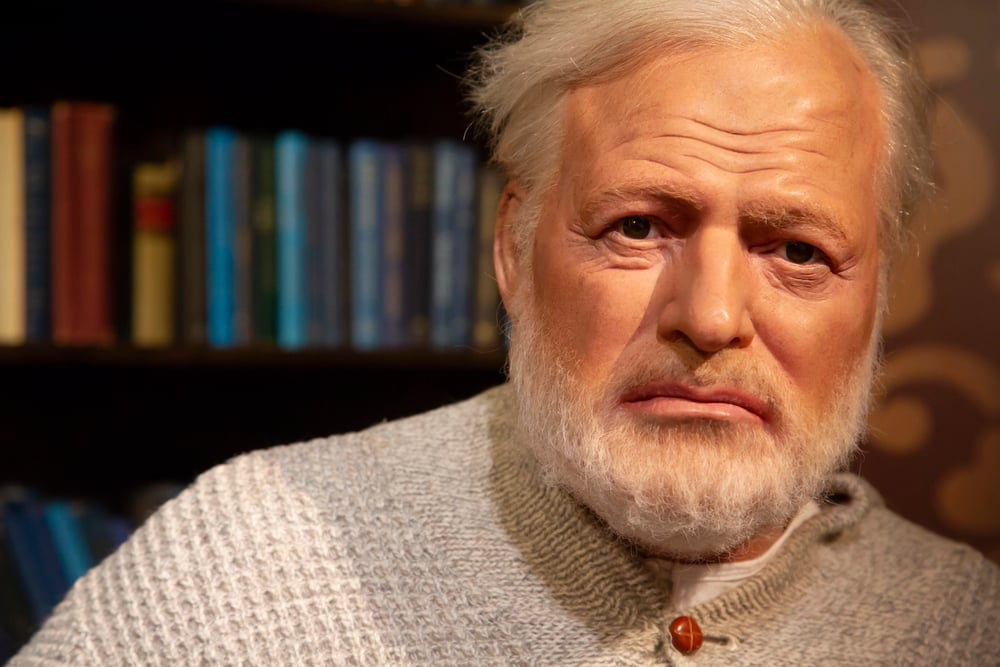
Hemingway left explicit written instructions in 1958 that none of his letters should ever be published. His widow and literary executor, Mary Hemingway, allowed a selective volume in 1981, two decades after his death in 1961, disregarding his wishes. A more comprehensive scholarly project to publish his complete surviving correspondence, running to an estimated 6,000 or more letters across multiple volumes, only began in earnest around 2011, fifty years after he died.
Sylvia Plath
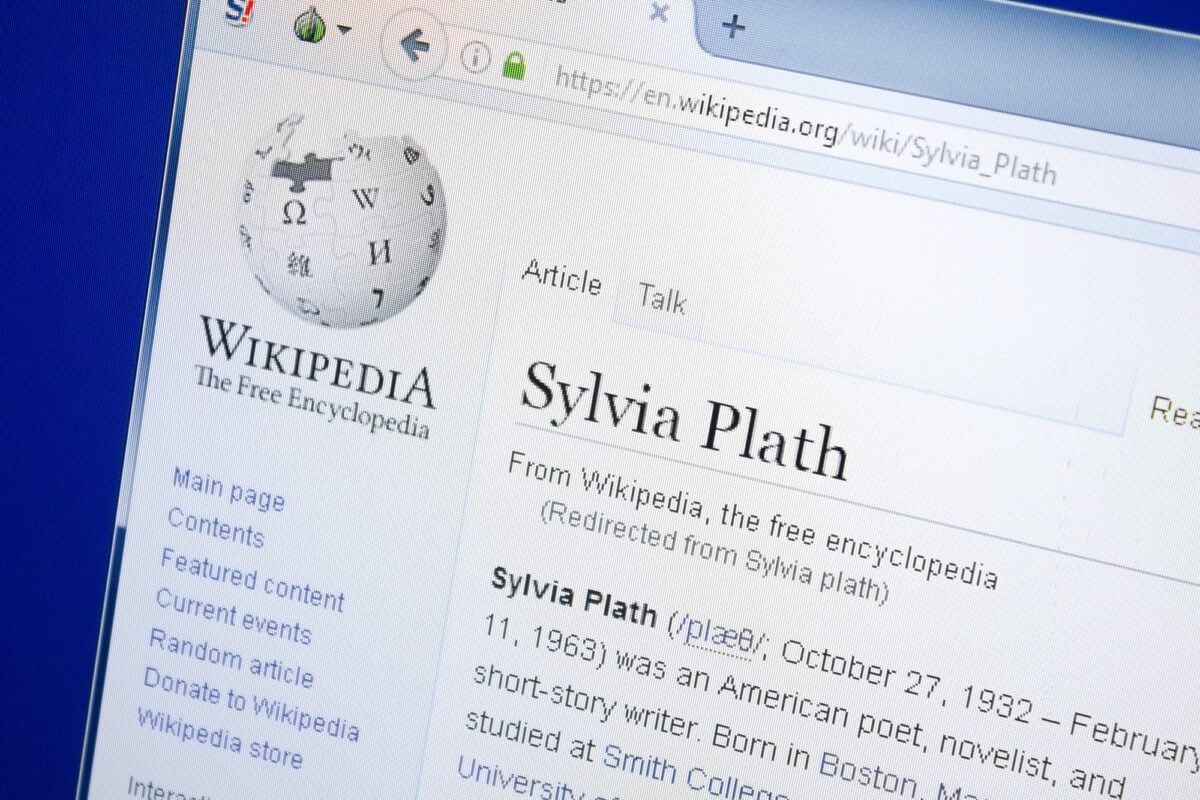
Plath’s letters, many written to her mother and to friends during her marriage to fellow poet Ted Hughes, remained scattered across archives and private collections for decades after her death in 1963. A newly discovered cache of letters to her former psychiatrist, describing incidents of domestic distress, surfaced only in 2017.
The first complete scholarly edition of her collected letters was published across two volumes in 2017 and 2018, more than fifty years after her death.
Willa Cather
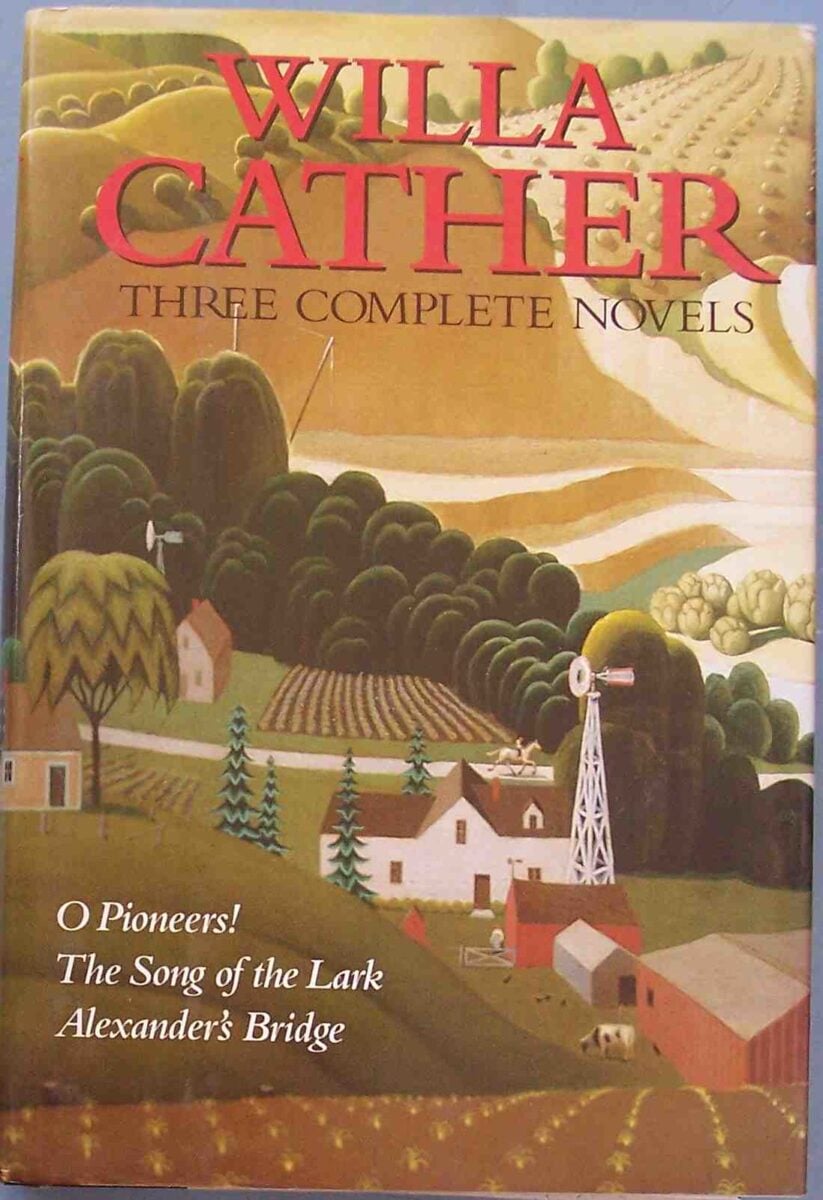
Photo by Dr Umm, via Flickr. Licensed under CC BY 2.0
Cather was fiercely protective of her privacy and stipulated in her will that her letters should never be published. Because the restriction was tied to the lifespans of specific family members rather than a fixed term, it did not fully expire until decades later.
The Selected Letters of Willa Cather finally appeared in 2013, 66 years after her death in 1947, revealing a far more personal voice than her carefully controlled public image had suggested.
Marcel Proust
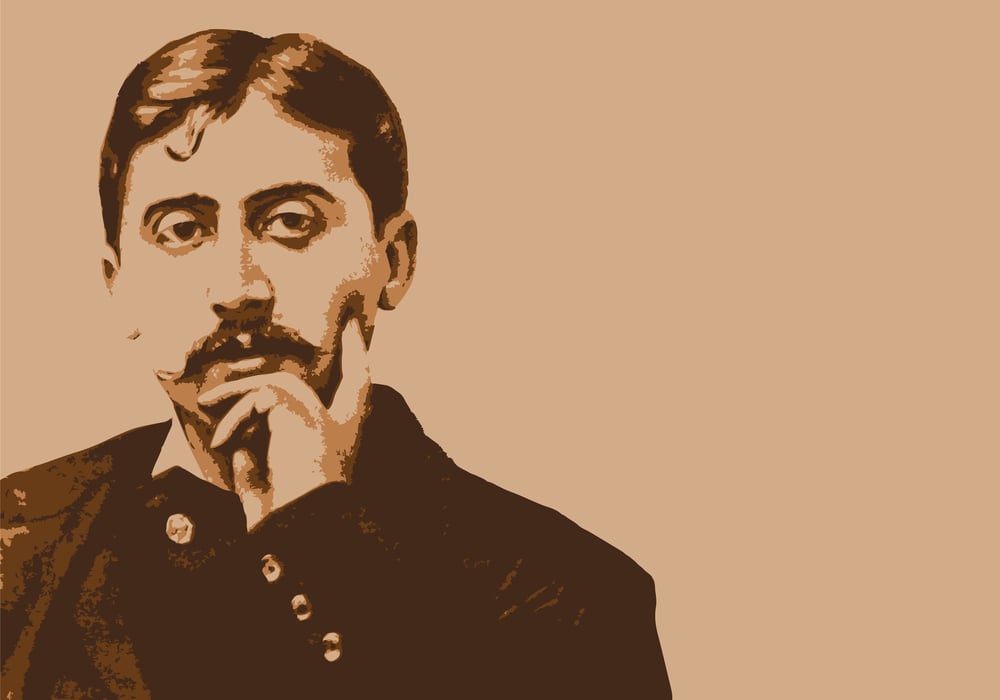
Proust was a prolific letter writer throughout his adult life, corresponding with a wide circle of friends, society figures, and fellow writers even as his health declined. Scholars began the enormous task of collecting and publishing his correspondence only gradually after his death in 1922, with major volumes continuing to appear across the twentieth century as previously unknown letters surfaced in private hands.
Some batches of his correspondence were not published in full until more than sixty years after he died.
Eudora Welty
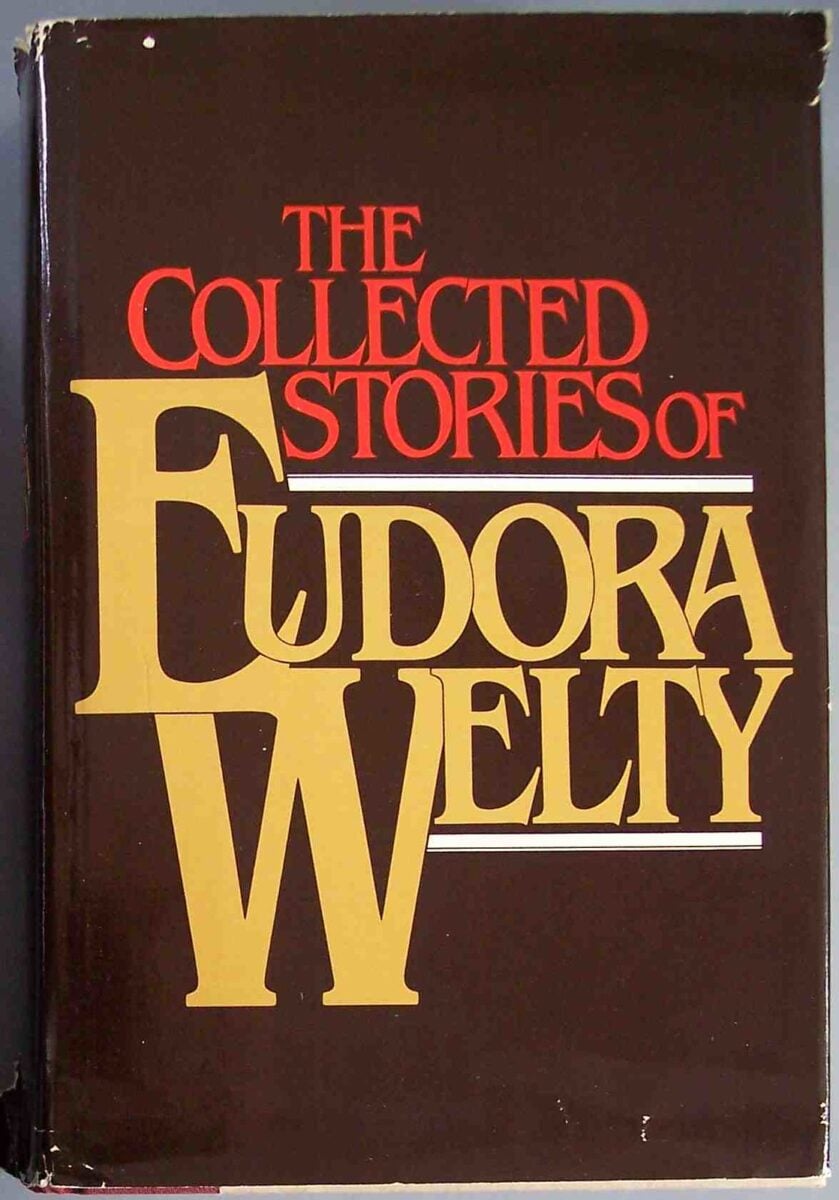
Welty, the Mississippi-born author of The Optimist’s Daughter, donated her papers to the Mississippi Department of Archives and History during her lifetime but sealed family correspondence for a fixed period. Her will specified that certain letters should remain private for 20 years following her death.
That embargo lifted in 2021, exactly two decades after she died in 2001, releasing correspondence including letters from her parents’ courtship.
Alan Rickman
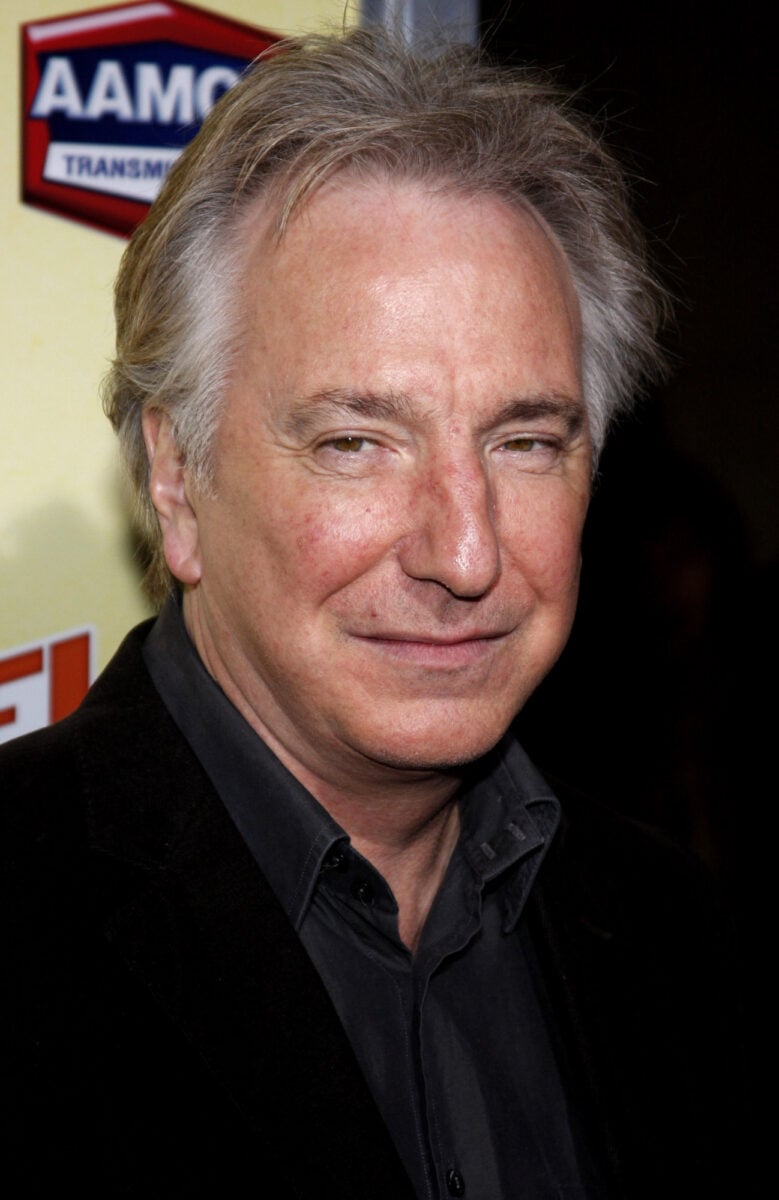
The actor kept detailed personal diaries for more than two decades, recording his daily life, opinions on colleagues, and reflections on his career. He died in 2016, and the diaries remained private until they were edited and published in 2022, six years later, becoming an unexpected bestseller.
Readers and critics debated whether publishing such candid, unfiltered material honored or betrayed his evident awareness that the diaries might one day be read.
Nelson Mandela
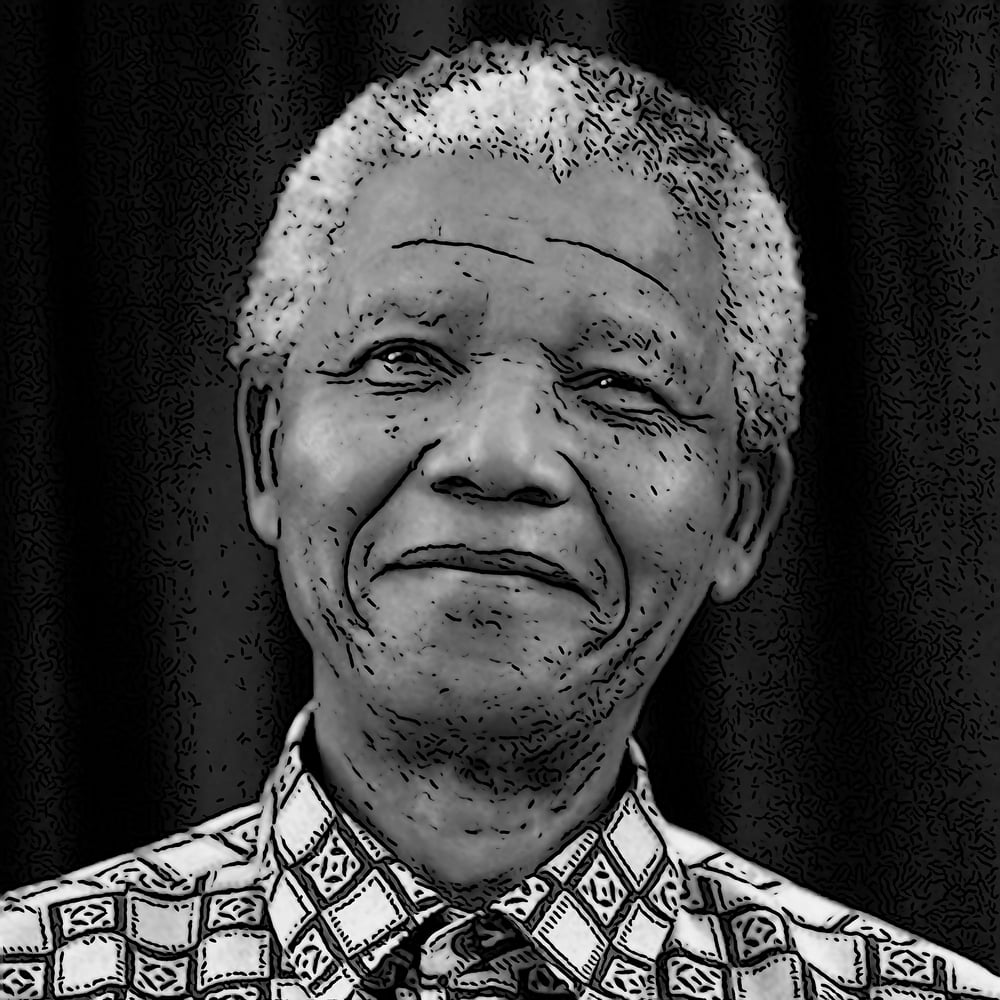
During his 27 years of imprisonment, Mandela wrote hundreds of letters to family, fellow activists, and government officials, many of which were heavily censored or never delivered by prison authorities at the time. A curated volume, The Prison Letters of Nelson Mandela, was not published until 2018, five years after his death in 2013, drawing on originals and carbon copies preserved in South African archives.
The Second Draft of a Life
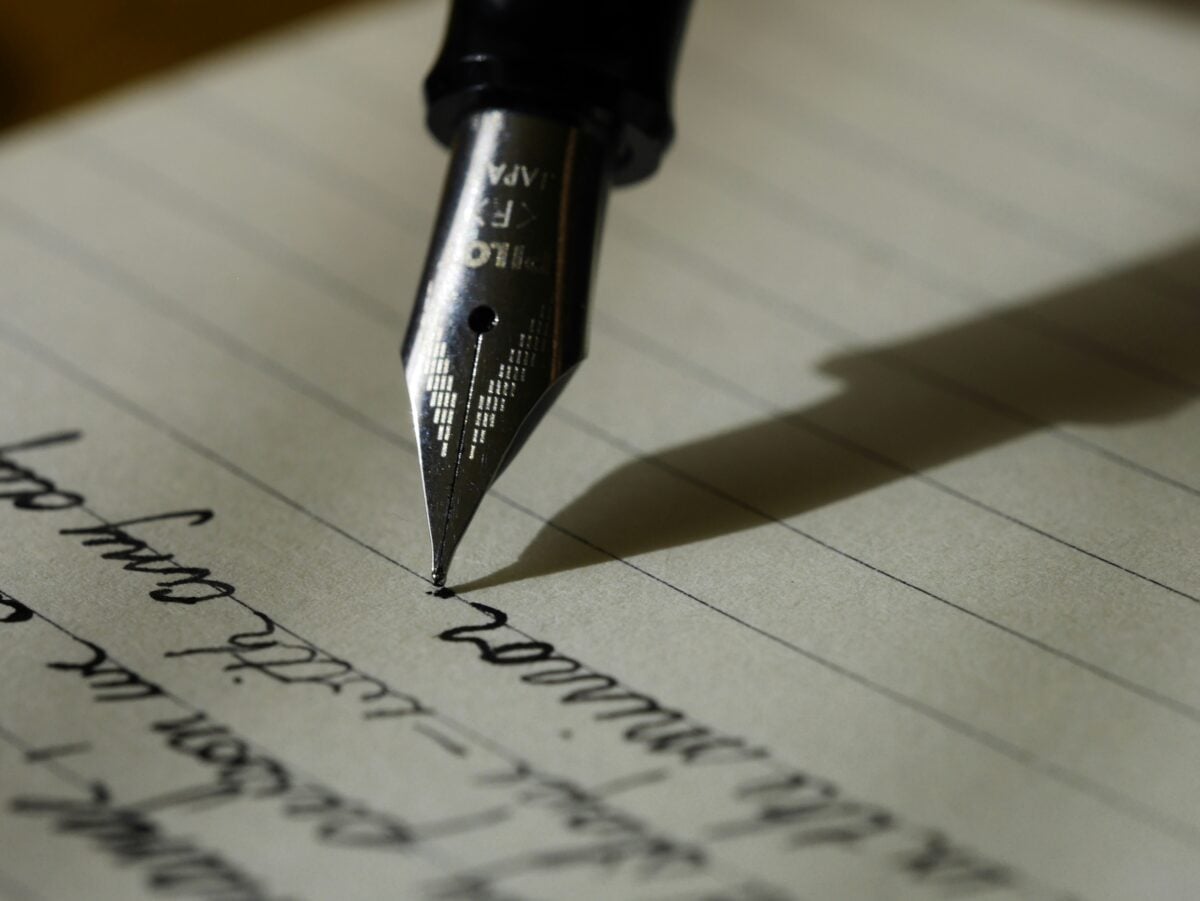
Letters have a strange power that finished books rarely match, because they were never written for an audience at all. A novel is a performance; a letter to a brother or a lover is closer to a private confession, which is exactly why so many of these writers tried to keep theirs from ever reaching print.
What eventually pries them loose is rarely a single decision. It is expiring copyright, a will’s fine print, a family member’s death, or simply an archivist’s persistence over many years.
By the time the letters surface, the writer is long past objecting, and readers get a version of them that no biography, however careful, could have reconstructed on its own.
More from Go2Tutors!

- The Romanov Crown Jewels and Their Tragic Fate
- 13 Historical Mysteries That Science Still Can’t Solve
- Famous Hoaxes That Fooled the World for Years
- 15 Child Stars with Tragic Adult Lives
- 16 Famous Jewelry Pieces in History
Like Go2Tutors’s content? Follow us on MSN.