Do All Countries Celebrate Halloween?
Most Americans grow up assuming Halloween is just something everyone does.
October rolls around, decorations go up, kids plan costumes, and neighborhoods prepare for trick-or-treaters like it’s a given.
It’s easy to forget that this whole ritual — the door-to-door candy collecting, the costume parties, the orange and black everything — is far from universal.
The reality is that Halloween, as Americans know it, barely registers in most of the world.
In many countries, it’s either completely unknown, actively avoided, or treated as a strange imported novelty that never quite took root.
The assumption that Halloween is a global event says more about American cultural dominance than it does about the holiday itself.
For a tradition so ingrained in the United States and parts of Canada, it’s surprisingly absent elsewhere, and in some places, the very idea of trick-or-treating would be considered unsafe, impractical, or just culturally out of place.
Here’s a look at where Halloween doesn’t happen, and why that might come as a surprise.
Europe: Where It Started, Yet Barely Exists

— Photo by bornin54
Given that Halloween’s origins are often traced back to Celtic festivals in Ireland and Scotland, it’s ironic that much of Europe doesn’t celebrate it in any meaningful way.
Ireland and the UK do acknowledge Halloween, though even there, it’s not the massive commercial event it is in America.
Some kids dress up and go trick-or-treating in certain neighborhoods, yet it’s far more subdued and less of a cultural expectation.
In parts of the UK, Guy Fawkes Night on November 5th actually overshadows Halloween, focusing on bonfires and fireworks instead of costumes and candy.
Move further into Europe, and Halloween becomes even more of a non-event. France, Germany, Spain, Italy — these countries generally don’t do Halloween.
Some urban areas have seen American-style parties pop up in recent years, mostly marketed toward young adults in bars and clubs, yet it’s treated as a novelty rather than a tradition.
Trick-or-treating is virtually nonexistent, partly because the infrastructure doesn’t support it.
European neighborhoods often lack the sprawling suburban layouts with single-family homes and sidewalks that make American trick-or-treating feasible.
Apartment buildings, gated complexes, and dense city centers don’t lend themselves to kids roaming door-to-door.
Latin America: Different Traditions, Different Priorities
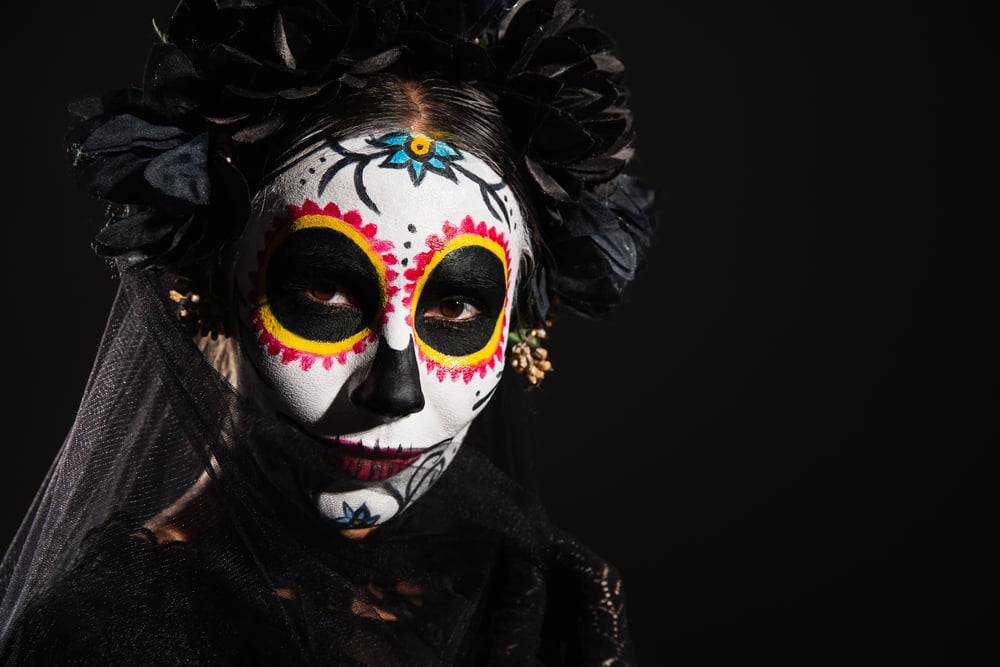
In many Latin American countries, the end of October and beginning of November is dedicated to Día de los Muertos (Day of the Dead) and All Saints’ Day, both of which carry deep cultural significance.
Mexico, in particular, treats Día de los Muertos as a major tradition involving family gatherings, altar-building, cemetery visits, and honoring deceased loved ones.
It’s a solemn yet celebratory occasion that has nothing to do with costumes, candy, or haunted houses.
While some Mexican cities with heavy tourist traffic — like Cancún or Mexico City — have started incorporating Halloween events, it’s largely a commercial import aimed at tourists and expats rather than a genuine local tradition.
The same pattern shows up in other Latin American countries.
Halloween might appear in shopping malls or international schools, yet it doesn’t resonate culturally the way it does in the United States.
For many families, the focus remains on religious observances and honoring ancestors, not on kids dressed as superheroes asking strangers for candy.
Like Go2Tutors’s content? Follow us on MSN.
Asia: Mostly Indifferent, Occasionally Commercial
— Photo by benzoix
Halloween is almost entirely absent across most of Asia.
In countries like China, India, Thailand, Vietnam, and Indonesia, the holiday simply doesn’t exist in any traditional sense.
There’s no cultural framework for it, no historical connection, and no widespread interest in adopting it.
Some international schools or expat communities might organize Halloween events, yet these are isolated bubbles rather than reflections of broader societal engagement.
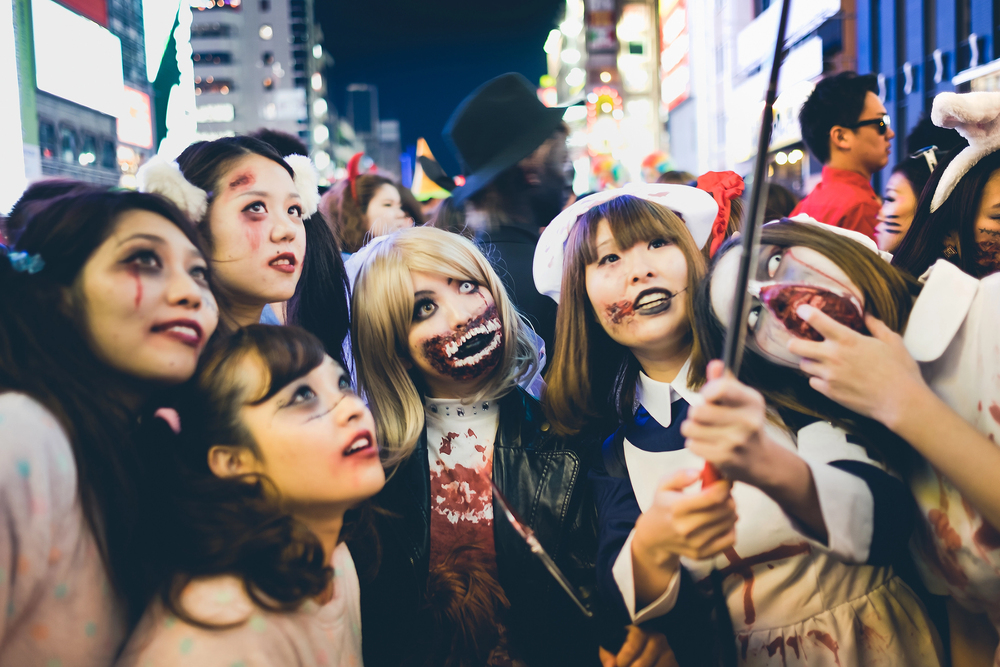
Japan and South Korea are exceptions, though even there, Halloween is more of a commercial novelty than a cultural tradition.
In Japan, Halloween has gained traction in urban areas like Tokyo, where costume parties and themed events draw crowds, particularly among young adults.
Yet it’s largely disconnected from the American version — there’s no trick-or-treating, no emphasis on children, and no real understanding of the holiday’s origins.
It’s treated more like a cosplay opportunity than anything else.
South Korea has followed a similar pattern, with Halloween-themed events in nightlife districts, though it remains a niche interest rather than a mainstream celebration.
The Middle East and Africa: Cultural and Religious Barriers

In much of the Middle East and Africa, Halloween is either unknown or actively discouraged.
Many Muslim-majority countries view Halloween as a Western, non-Islamic tradition with no place in their cultural or religious practices.
Countries like Saudi Arabia, Iran, and Egypt don’t celebrate Halloween, and in some cases, authorities have discouraged or banned Halloween-related activities, viewing them as conflicting with Islamic values.
Even in more secular or diverse countries in these regions, Halloween doesn’t gain traction.
The concept of trick-or-treating doesn’t align with local customs, and the commercial aspect of the holiday hasn’t been marketed heavily enough to create demand.
In parts of Africa, October doesn’t hold any particular seasonal significance, and there’s no cultural appetite for adopting a holiday that feels foreign and disconnected from local traditions.
Safety Concerns That Americans Don’t Consider
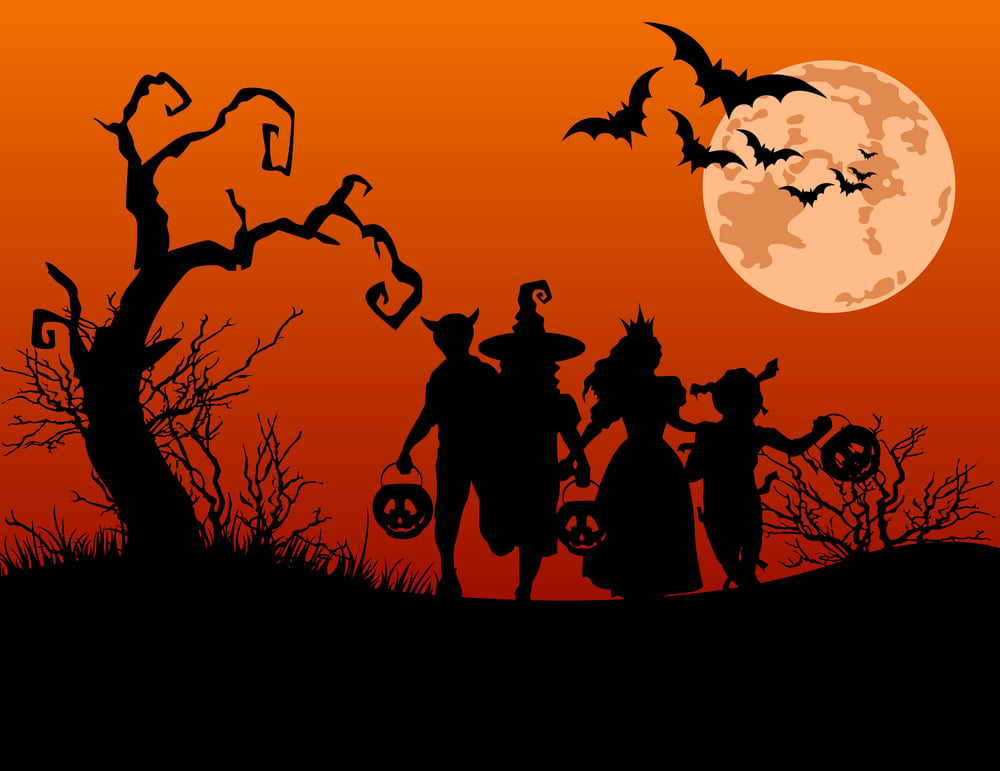
One reason Halloween doesn’t translate well to many countries is that the suburban American model of trick-or-treating requires a level of safety, infrastructure, and social trust that doesn’t exist everywhere.
In the United States, parents generally feel comfortable letting kids walk around neighborhoods at night, knocking on doors of people they may or may not know.
That assumption doesn’t hold in many parts of the world.
In countries with higher crime rates, less developed infrastructure, or different social norms around children’s independence, the idea of sending kids out after dark to collect candy from strangers would be considered reckless.
Gated communities, lack of sidewalks, poorly lit streets, and concerns about traffic or safety make trick-or-treating impractical or outright dangerous.
Even in wealthier nations, the cultural expectation that neighbors will participate and hand out candy simply doesn’t exist, making the whole exercise pointless.
Like Go2Tutors’s content? Follow us on MSN.
The Commercial Push That Mostly Failed

American companies have tried exporting Halloween to other countries with limited success. Retailers in Europe, Asia, and Latin America have attempted to capitalize on the holiday by stocking costumes, decorations, and candy, yet consumer interest remains lukewarm in most places.
Without the cultural foundation or childhood nostalgia that drives American spending, Halloween merchandise often sits on shelves, marked down after October 31st passes with little fanfare.
Some countries have adopted superficial elements — costume parties at bars, themed events at clubs, Halloween displays in international chain stores — yet these are shallow imitations rather than genuine cultural shifts.
The deeper traditions associated with American Halloween, like trick-or-treating, haunted houses, and family-oriented celebrations, haven’t transferred.
What remains is a watered-down, commercialized version that appeals to a narrow demographic, mostly young urbanites looking for an excuse to dress up and go out.
Why Americans Assume Everyone Celebrates
The assumption that Halloween is universal likely stems from its overwhelming presence in American media and culture.
Movies, TV shows, and advertising saturate October with Halloween content, creating the impression that the entire world must be doing the same thing.
American expats living abroad are often surprised to find that their new home countries don’t acknowledge Halloween, or that local populations find the whole concept strange and unnecessary.
This cultural myopia isn’t unique to Halloween — Americans tend to assume many of their holidays and traditions are more widespread than they actually are.
Yet Halloween is particularly striking because it’s so deeply embedded in American childhood and nostalgia.
The idea that other countries might not care about it, or might have their own autumn traditions that have nothing to do with costumes and candy, rarely gets discussed in a culture where Halloween generates billions in annual spending.
What Happens Instead

Many countries have their own autumn or harvest festivals that fulfill similar social functions without the Halloween branding.
Germany has Oktoberfest, focused on beer and Bavarian culture.
Various Asian countries celebrate the Mid-Autumn Festival, centered around moon-viewing and family gatherings.
Mexico and other Latin American nations observe Día de los Muertos with rituals that honor the dead in ways far more meaningful than plastic skeletons and fake cobwebs.
These traditions often predate Halloween and carry deeper cultural or religious significance.
They’re not commercial imports but organic expressions of local values and history.
The fact that they don’t involve trick-or-treating or mass consumption of candy doesn’t make them lesser — if anything, they’re more rooted and authentic than the heavily commercialized version of Halloween that dominates American culture.
Like Go2Tutors’s content? Follow us on MSN.
A Very American Assumption
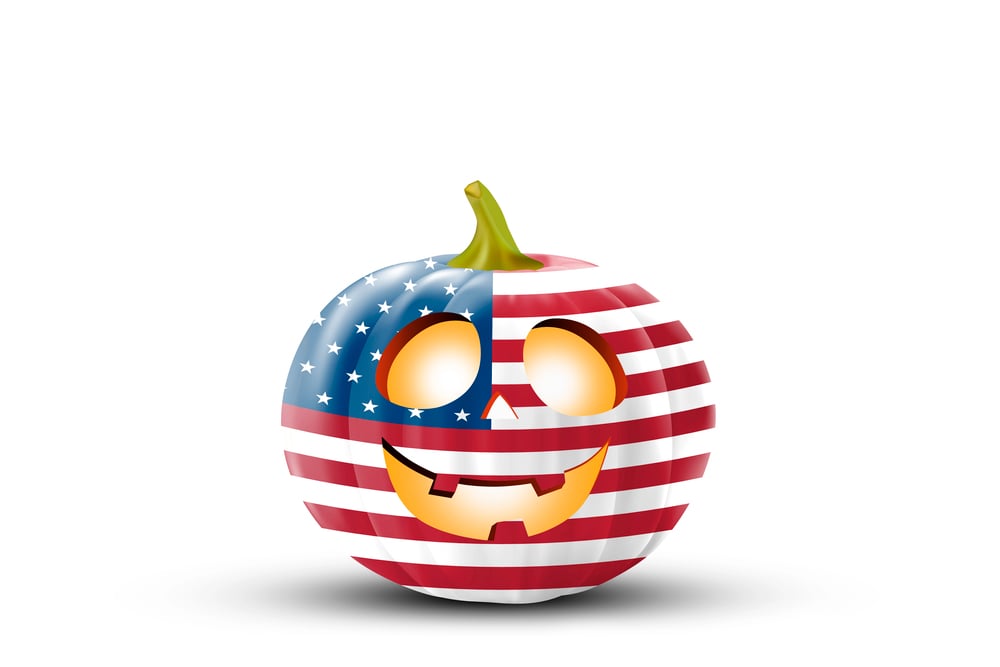
Halloween, as most Americans experience it, is a distinctly North American phenomenon.
It thrives in suburban environments with specific social structures, safety assumptions, and consumer habits that don’t exist in most of the world.
The expectation that kids can wander neighborhoods at night, that strangers will open their doors and hand out candy, and that entire communities will participate in a coordinated celebration is far from universal.
In most countries, Halloween is either ignored entirely, treated as a foreign curiosity, or adapted in ways that strip away the elements Americans consider essential.
The surprise isn’t that other countries don’t celebrate Halloween — it’s that Americans assume they do.
More from Go2Tutors!

- 16 Historical Figures Who Were Nothing Like You Think
- 12 Things Sold in the 80s That Are Now Illegal
- 15 VHS Tapes That Could Be Worth Thousands
- 17 Historical “What Ifs” That Would Have Changed Everything
- 18 TV Shows That Vanished Without a Finale
Like Go2Tutors’s content? Follow us on MSN.



