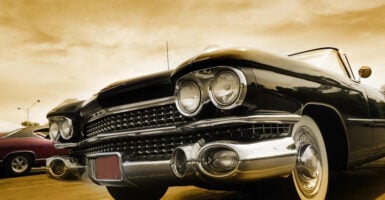
Vintage Cars That Changed American Roads
There’s something special about seeing an old car roll down the street. Maybe it’s the curves that modern designs just don’t have anymore, or the way chrome catches the sunlight.
These weren’t just machines people drove from point A to point B. They were statements, dreams on wheels, and symbols of what America was becoming during some of its most exciting decades.
Let’s look at the cars that didn’t just get people around but actually changed how Americans thought about driving, family life, and freedom itself.
Ford Model T
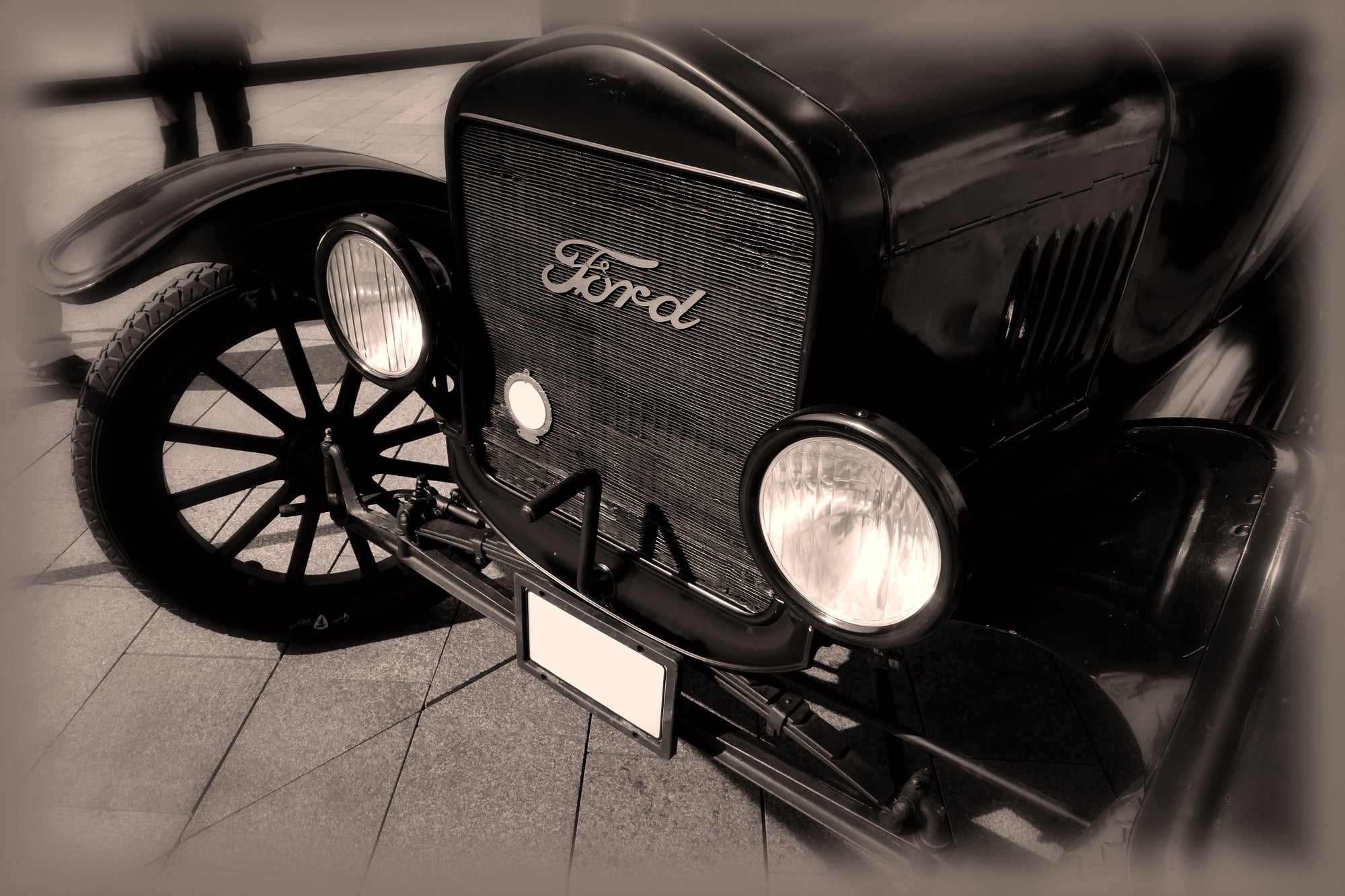
Henry Ford didn’t invent the automobile, but he made it something regular people could actually afford. Before the Model T showed up in 1908, cars were toys for wealthy folks who had money to burn.
Ford’s assembly line approach dropped the price from over $800 down to less than $300 by the 1920s. Suddenly, farmhands and factory workers could own their own transportation.
This little black car put America on wheels and gave people the freedom to live farther from where they worked.
Chevrolet Bel Air
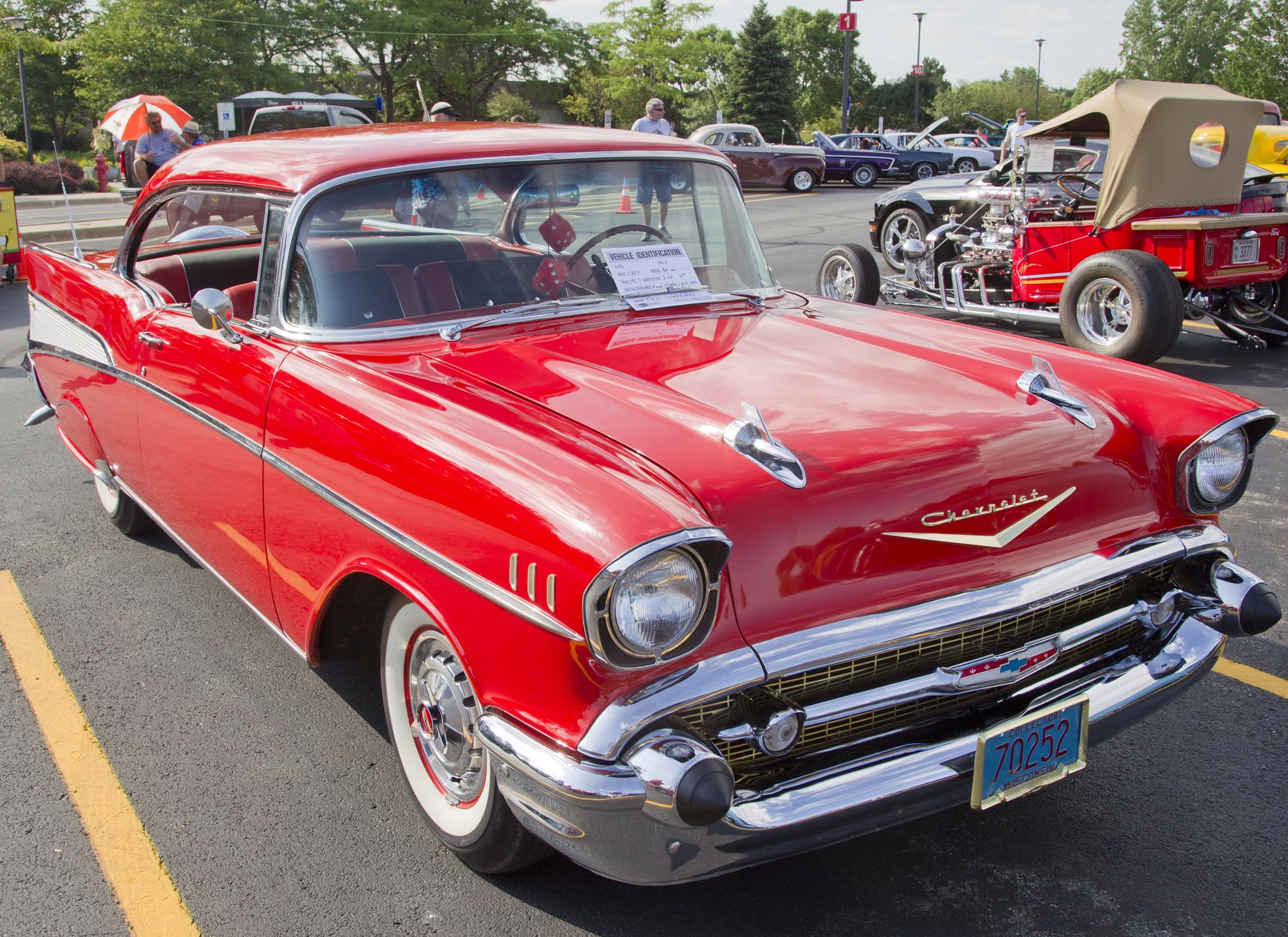
The Bel Air arrived in the 1950s when America was feeling pretty good about itself. Chrome trim covered nearly every surface, and those tail fins looked like something from a science fiction movie.
This wasn’t just transportation anymore; it was style, status, and optimism rolled into one shiny package. Families would cruise down newly built highways with the kids in the back seat, heading to drive-in movies or cross-country vacations that earlier generations could only dream about.
Ford Mustang
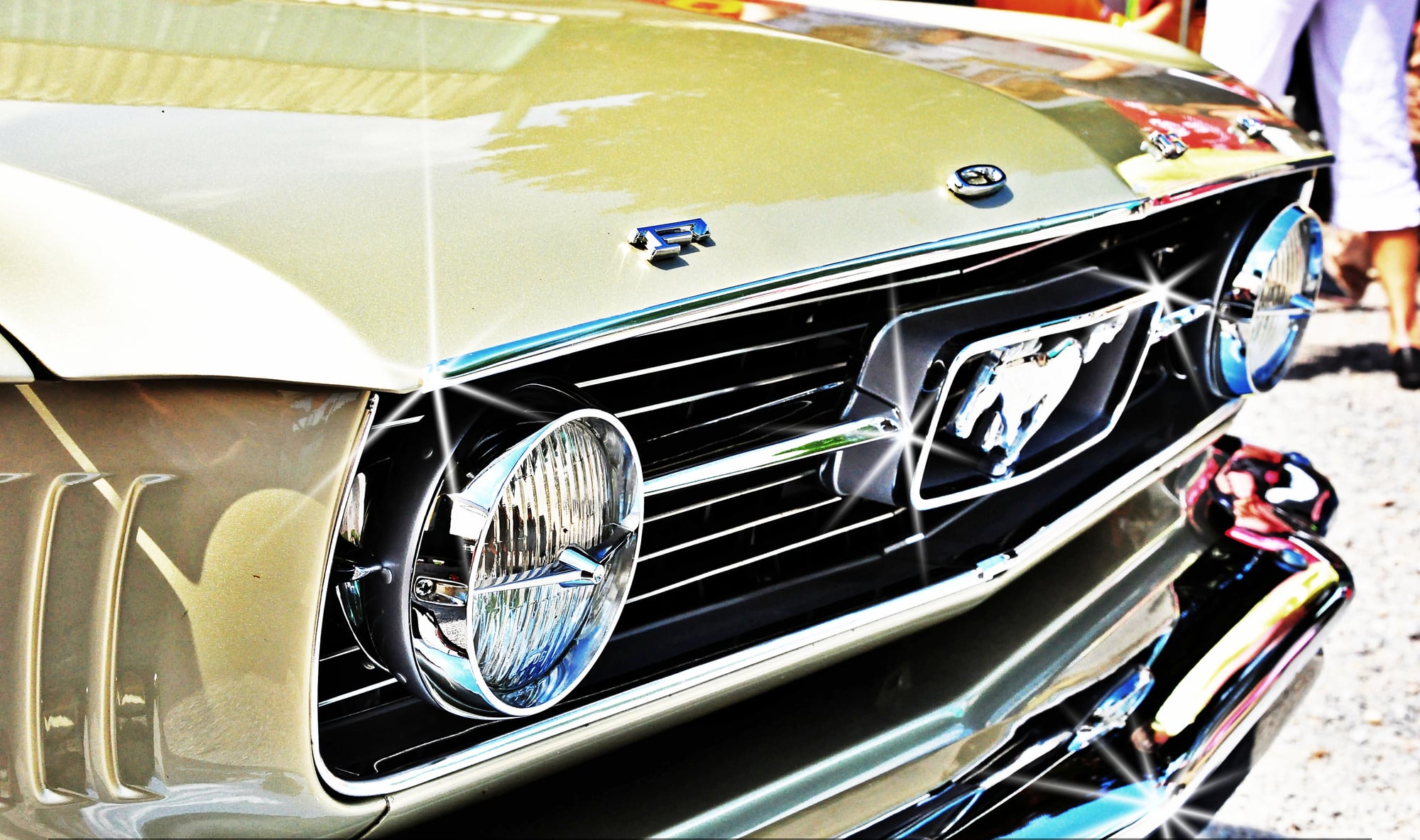
When Ford released the Mustang in 1964, they created something called a pony car, which was basically a sporty ride that didn’t cost as much as a house. Young people went absolutely crazy for it.
The long hood and short rear deck gave it an aggressive look that said you were going places, and you were going there fast. Within two years, Ford had sold over a million of them, proving that Americans wanted performance and style without needing a trust fund.
Volkswagen Beetle
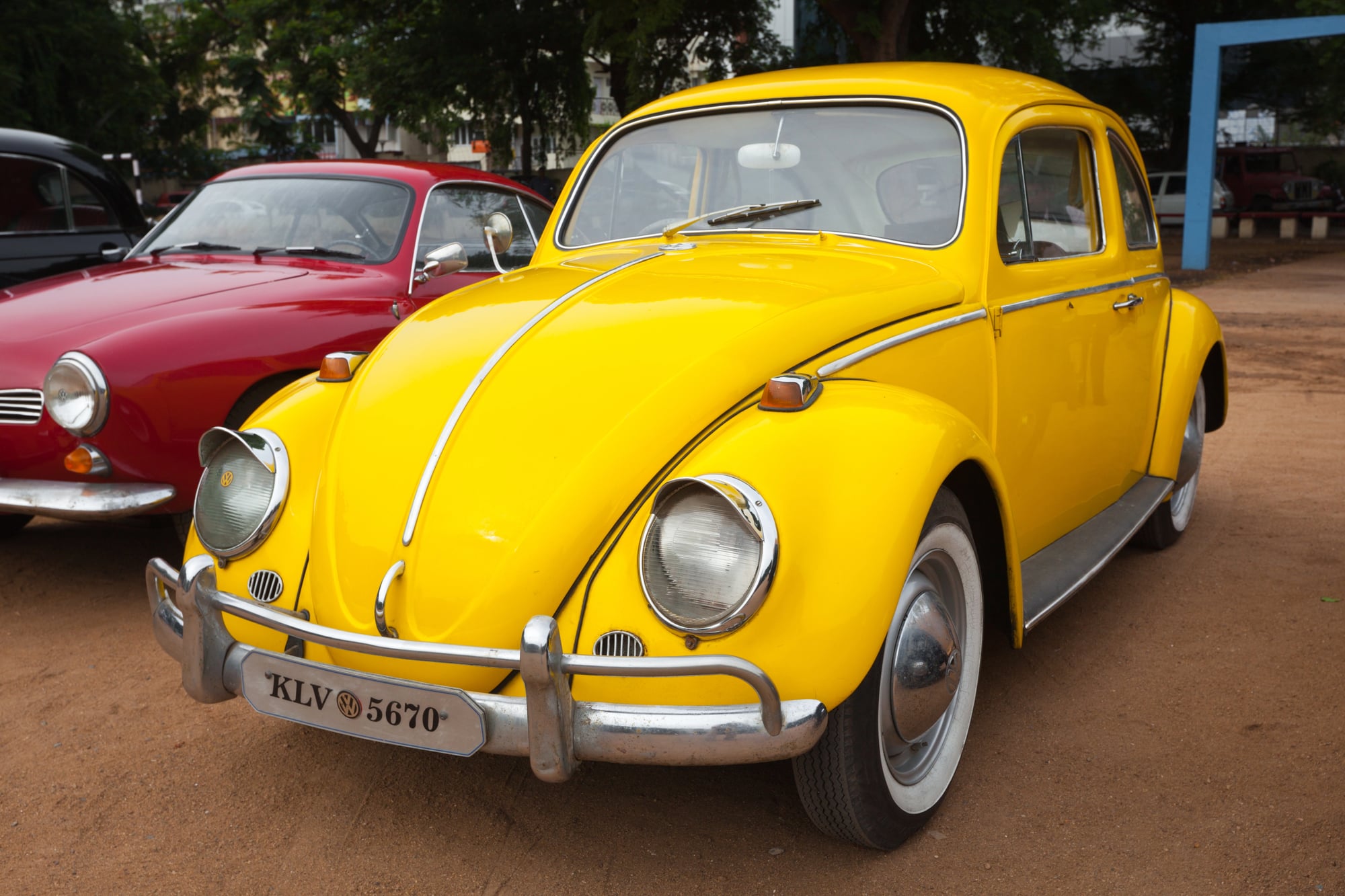
It seems weird that a German car would change American roads, but the Beetle did exactly that. This little rounded car was the opposite of everything Detroit was making in the 1960s.
No tail fins, no chrome, no pretense. It was small, efficient, and reliable, which appealed to people who thought American cars had gotten too big and too thirsty.
The Beetle proved that different could work, and it opened the door for other foreign manufacturers to take a real shot at the American market.
Chevrolet Corvette
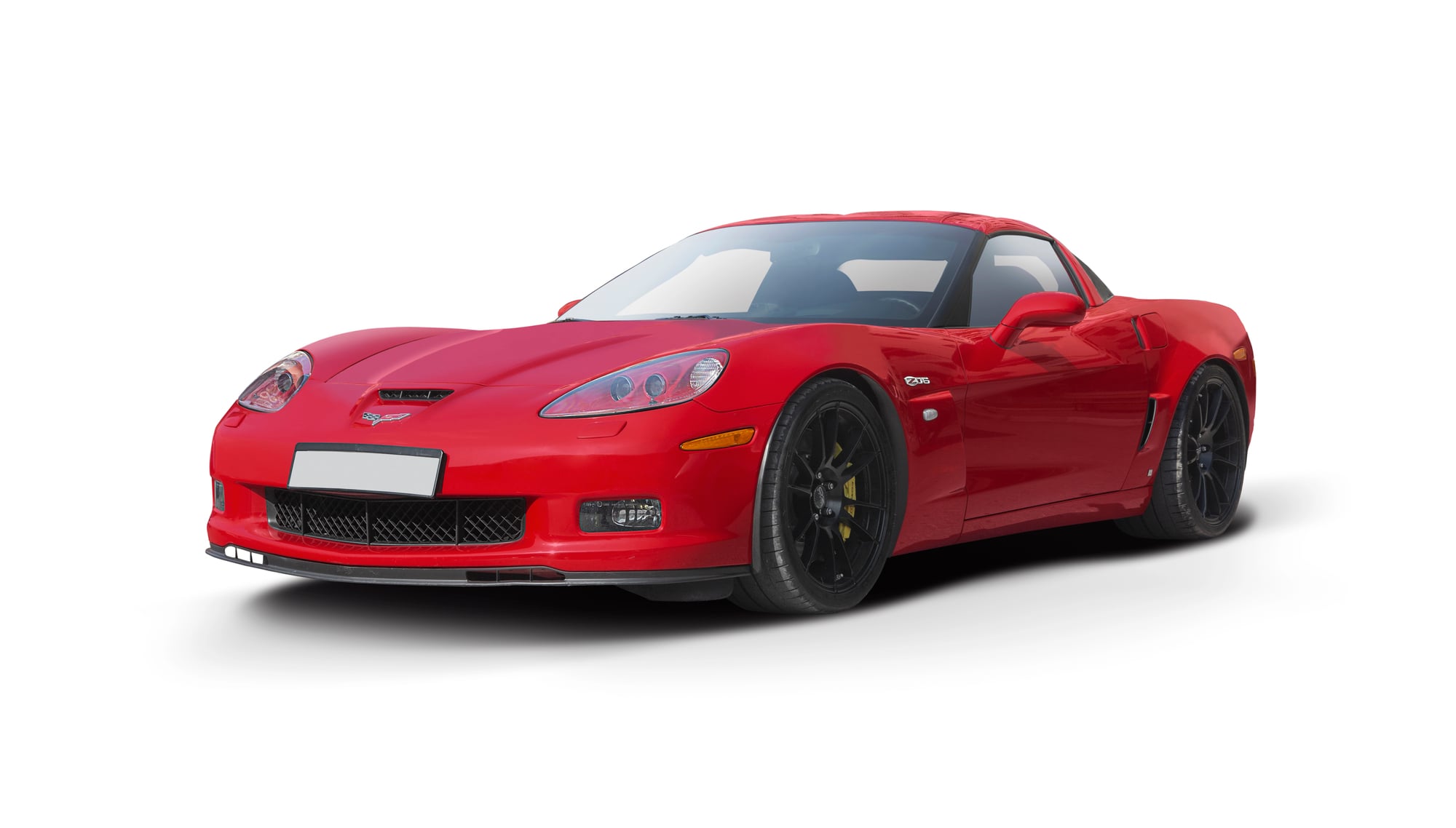
America finally got its own sports car in 1953 when the Corvette showed up with fiberglass body panels and a look that meant business. Europeans had been making fancy sports cars for years, but they cost a fortune and needed constant attention.
The Corvette gave Americans a homegrown option that could compete with anything from across the ocean. It became the dream car for people who wanted to feel the road and turn heads while doing it.
Cadillac Eldorado
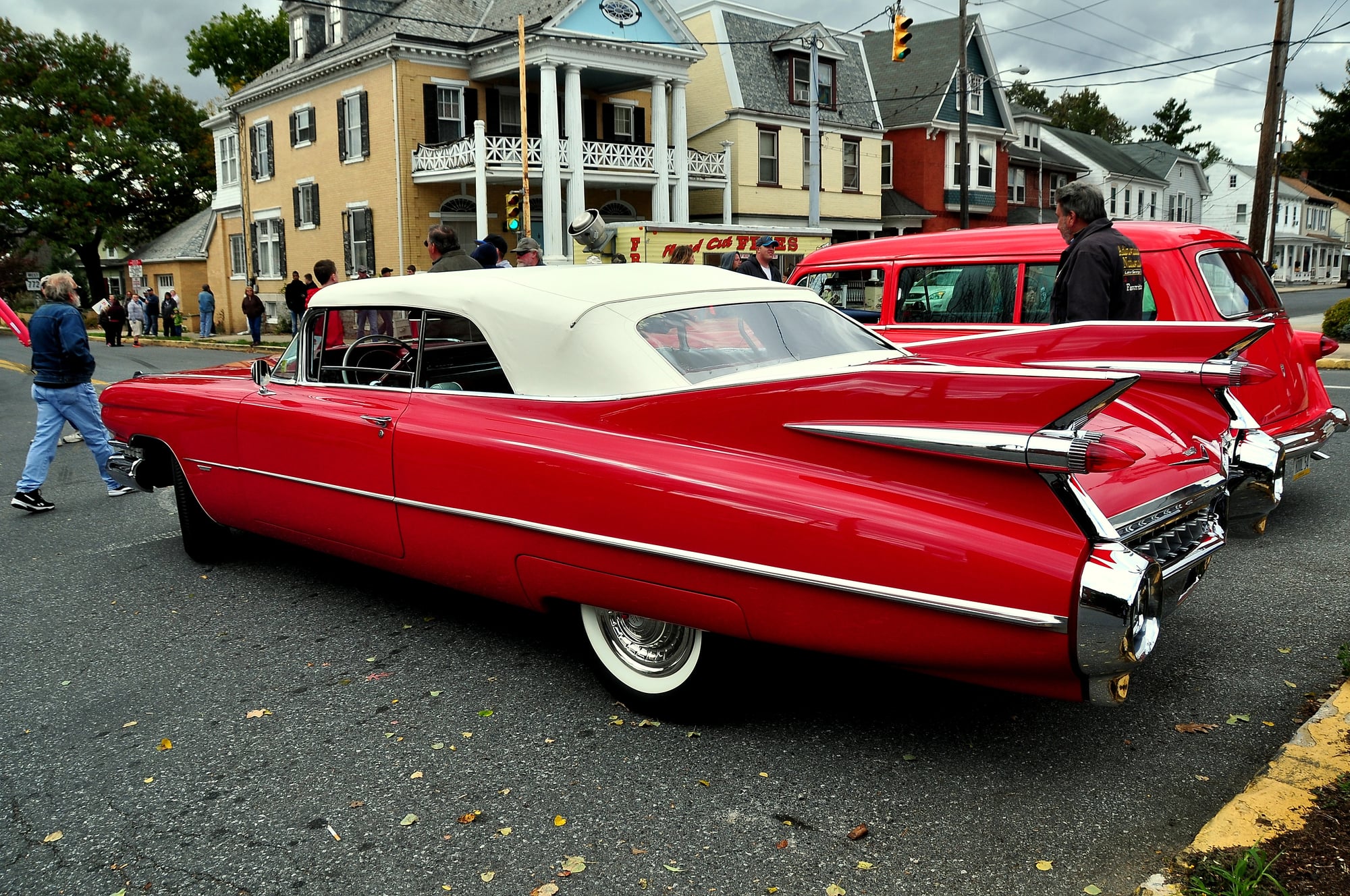
Cadillac took luxury to levels that seemed almost ridiculous with the Eldorado, especially the 1959 model with tail fins so big they needed their own zip code. This car screamed success louder than any business card ever could.
Doctors, lawyers, and successful business owners parked these in their driveways to show they’d made it. The Eldorado set the standard for what American luxury meant, and every other manufacturer spent decades trying to catch up.
Jeep Wrangler
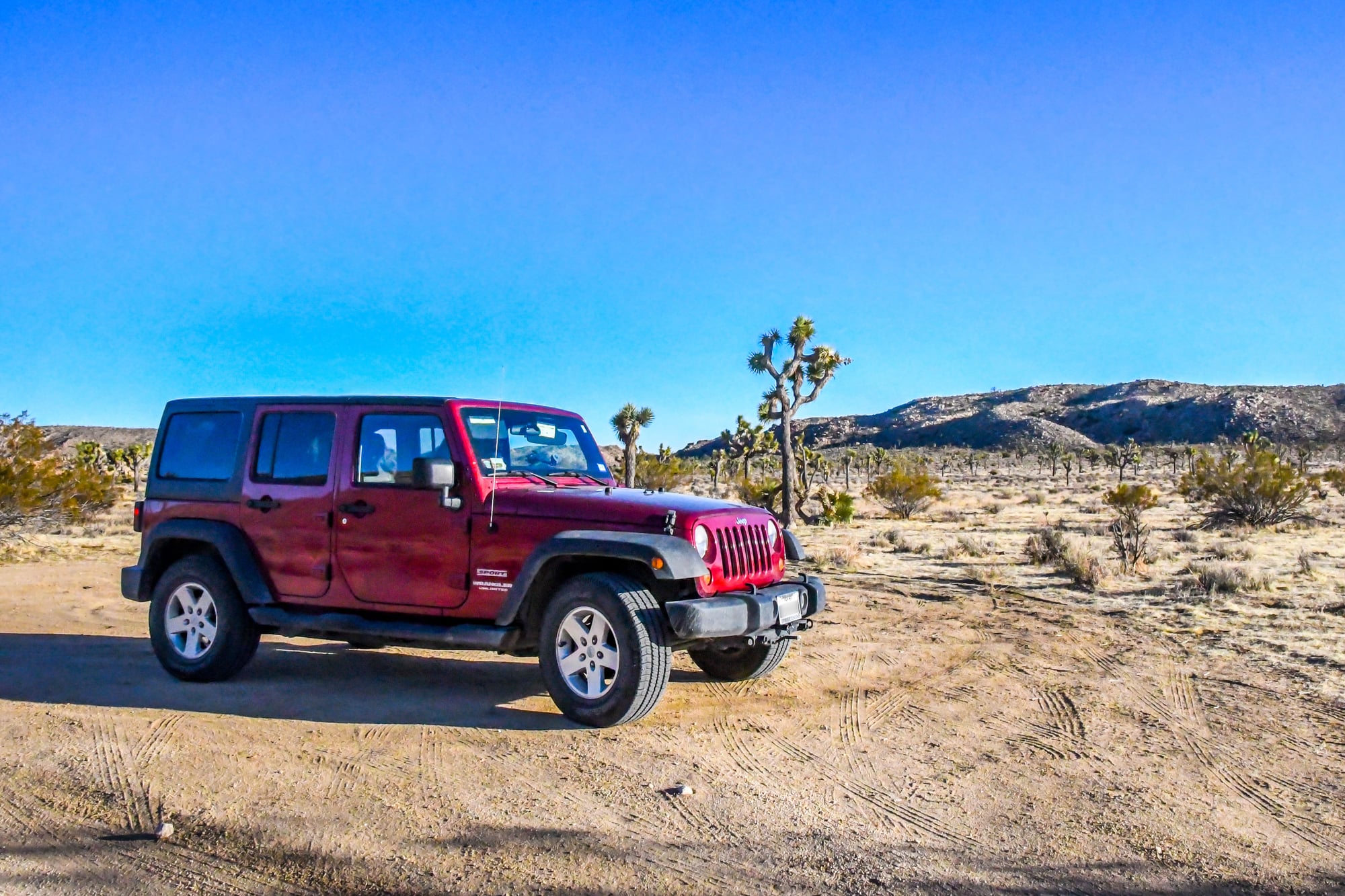
The civilian Jeep started as a military surplus after World War II, but it turned into something much bigger. Farmers used them, hunters drove them into the woods, and families took them to the beach.
The Wrangler name came later, but the basic idea stayed the same: a tough, simple vehicle that could go anywhere and do anything. It created the whole concept of the recreational off-road vehicle, which is now a massive part of American car culture.
Plymouth Road Runner
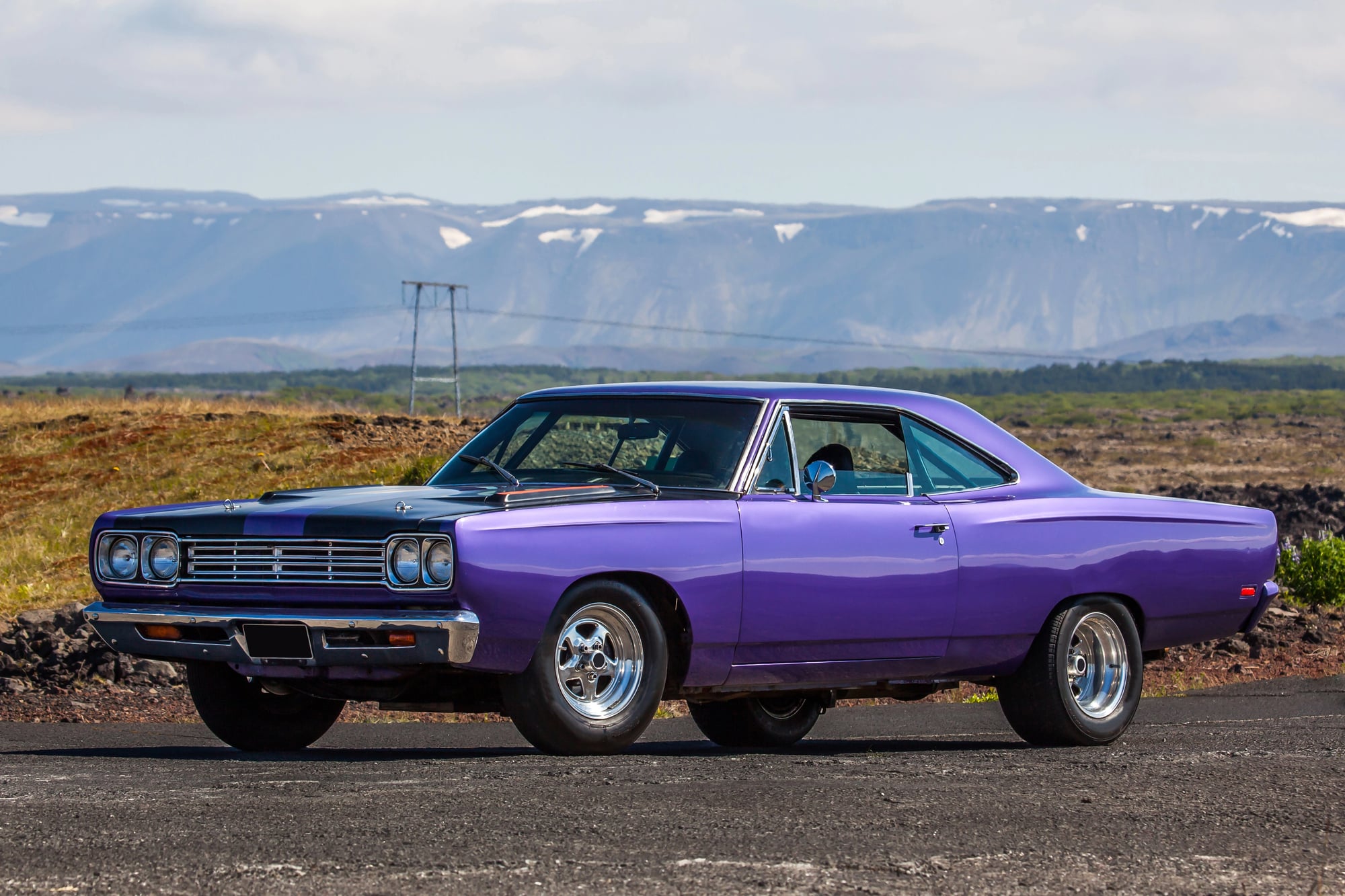
Plymouth took a different approach in 1968 by building a muscle car that didn’t cost an arm and a leg. While other manufacturers loaded their performance cars with luxury features that drove up the price, the Road Runner stripped things down to the basics.
Big engine, decent handling, and not much else. Young buyers who wanted speed but couldn’t afford a fully loaded muscle car finally had an option, and Plymouth sold them by the thousands.
Pontiac GTO
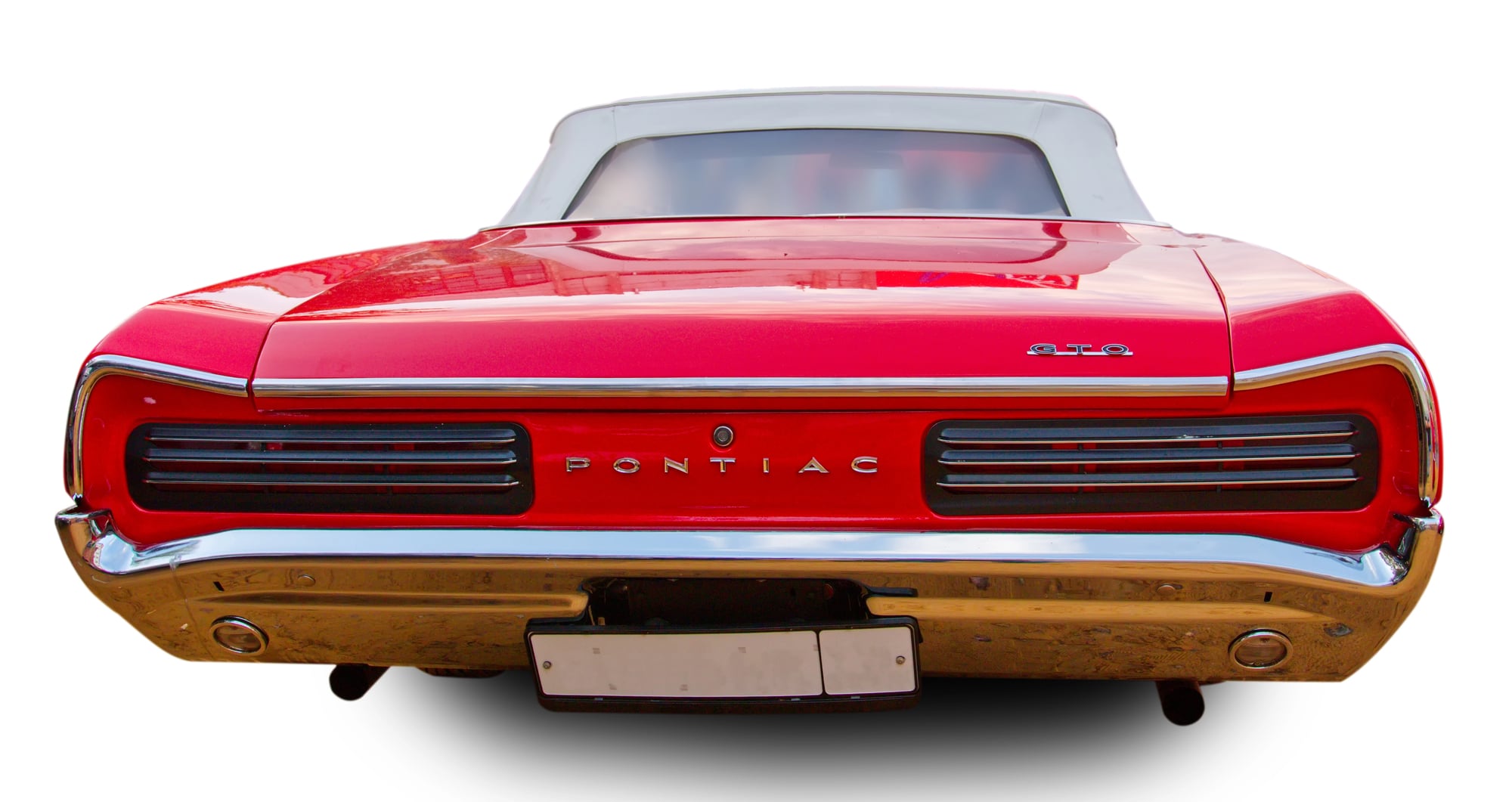
The GTO basically invented the muscle car category when it appeared in 1964. Pontiac’s engineers stuck a massive V8 engine into a mid-sized body, which gave buyers serious power without the bulk of a full-sized car.
Teenagers and young adults fell hard for the combination of speed and style. Other manufacturers rushed to copy the formula, and within a few years, nearly every brand had their own muscle car trying to capture what the GTO started.
Chrysler Town & Country
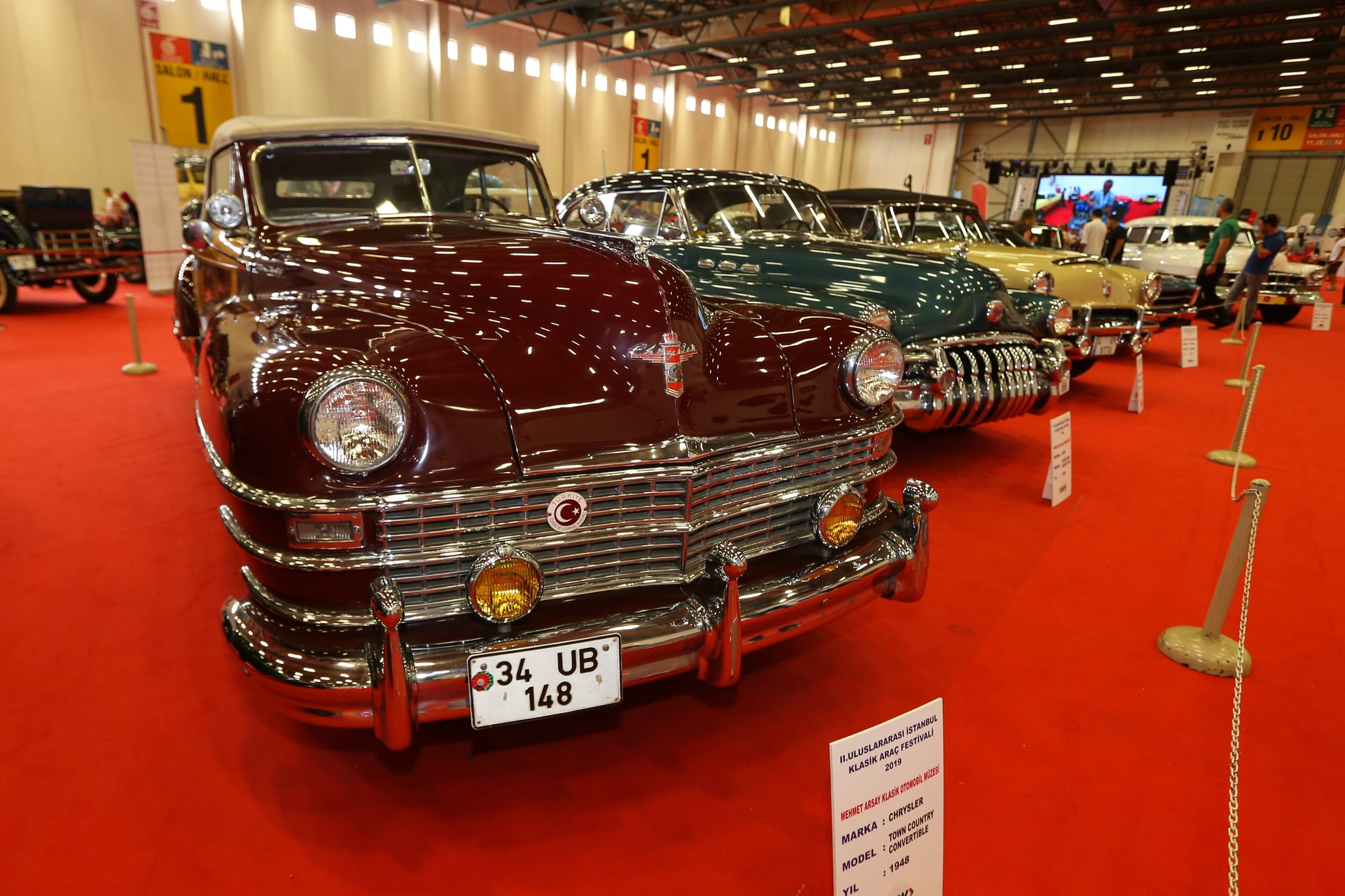
Station wagons had been around for a while, but Chrysler’s wood-paneled Town & Country became the symbol of suburban family life in the 1940s and 1950s. These long cars could fit the whole family plus luggage, sports equipment, and whatever else needed hauling.
The wood paneling was actually just for looks by the end, but it gave these family haulers a touch of class. Soccer moms didn’t exist yet, but their grandmothers were definitely driving these.
Dodge Charger
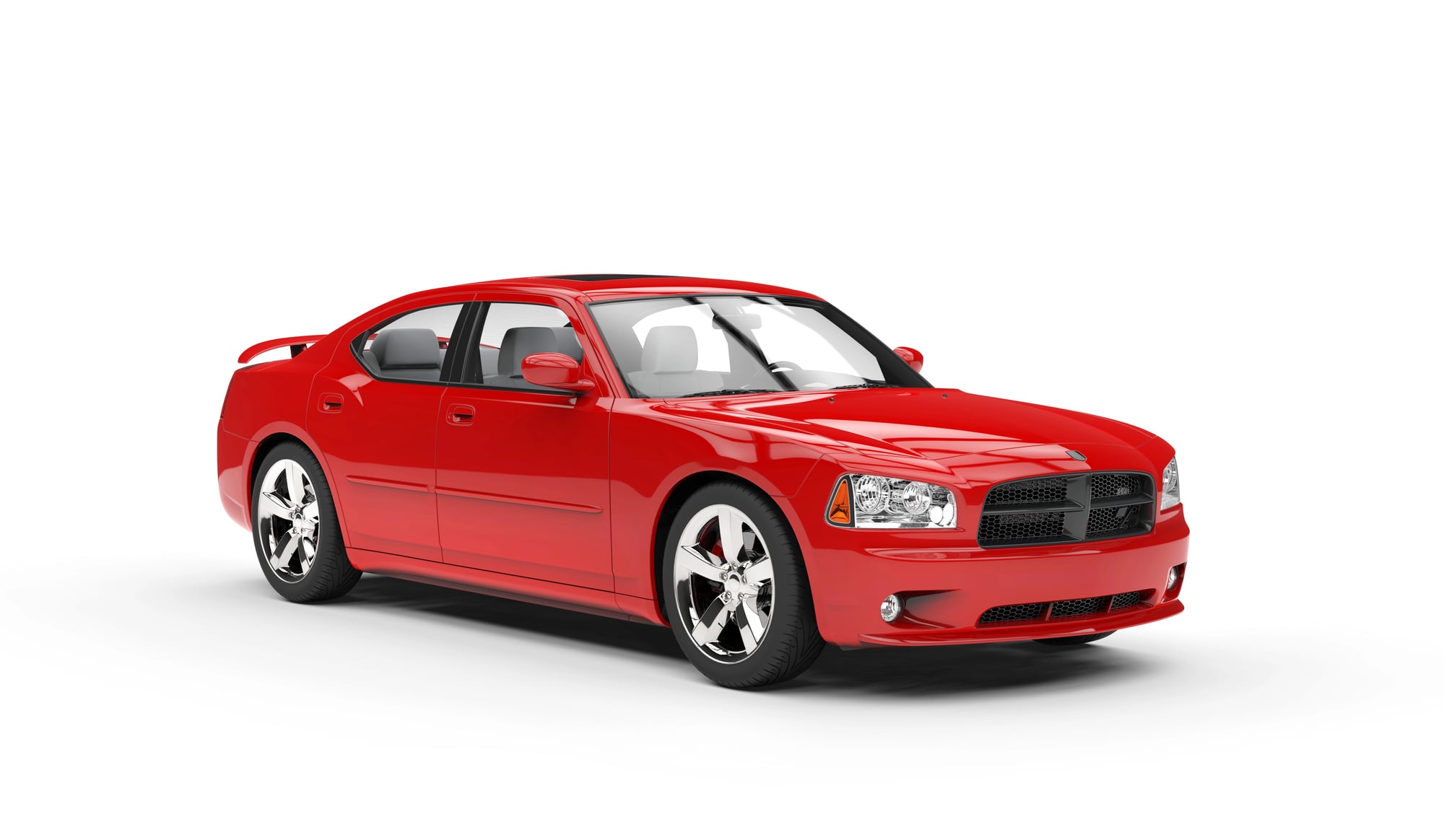
The Charger showed up in 1966 looking like nothing else on the road with its fastback design and hidden headlights. This was a muscle car that actually looked good, not just fast.
The later models became even more famous, especially after appearing in countless movies and TV shows. That aggressive stance and powerful engine made it the poster car for American muscle, and people still go crazy for them at classic car shows.
Ford Thunderbird
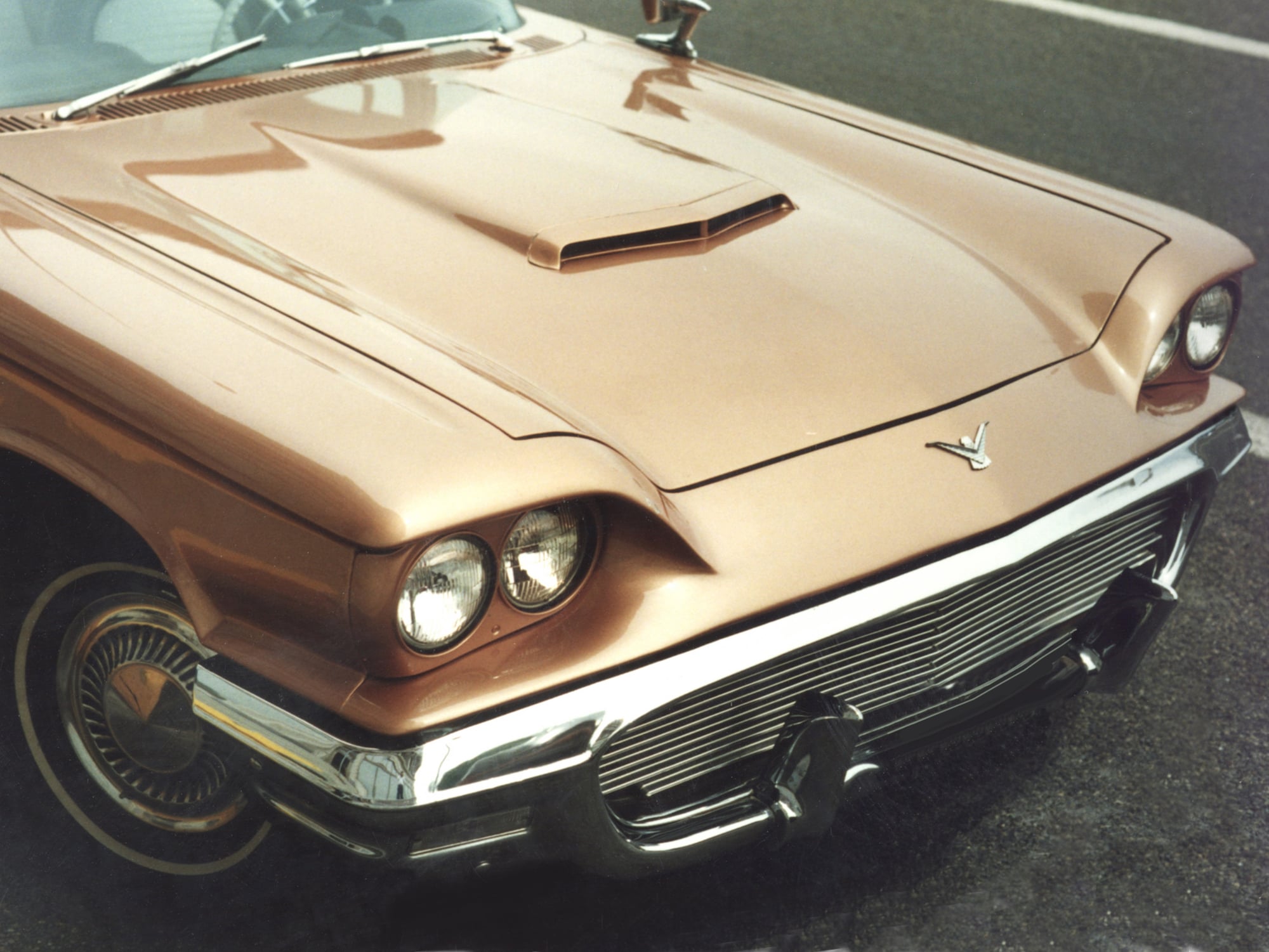
Ford created the personal luxury car category with the two-seat Thunderbird in 1955. This wasn’t a sports car trying to set lap records, and it wasn’t a family sedan.
It was something in between: a stylish cruiser for people who wanted comfort and looks without sacrificing performance completely. Later versions added back seats and became bigger, but that original concept of a personal luxury car influenced automotive design for decades.
Chevrolet Suburban

The Suburban has been around since the 1930s, but it really found its place as America’s roads improved and families spread out into the suburbs. This massive vehicle could haul an entire Little League team, tow a boat, and still have room for groceries.
It proved that Americans wanted space and capability, even if they rarely used all of it. The Suburban basically wrote the blueprint for every large SUV that came after it.
AMC Gremlin
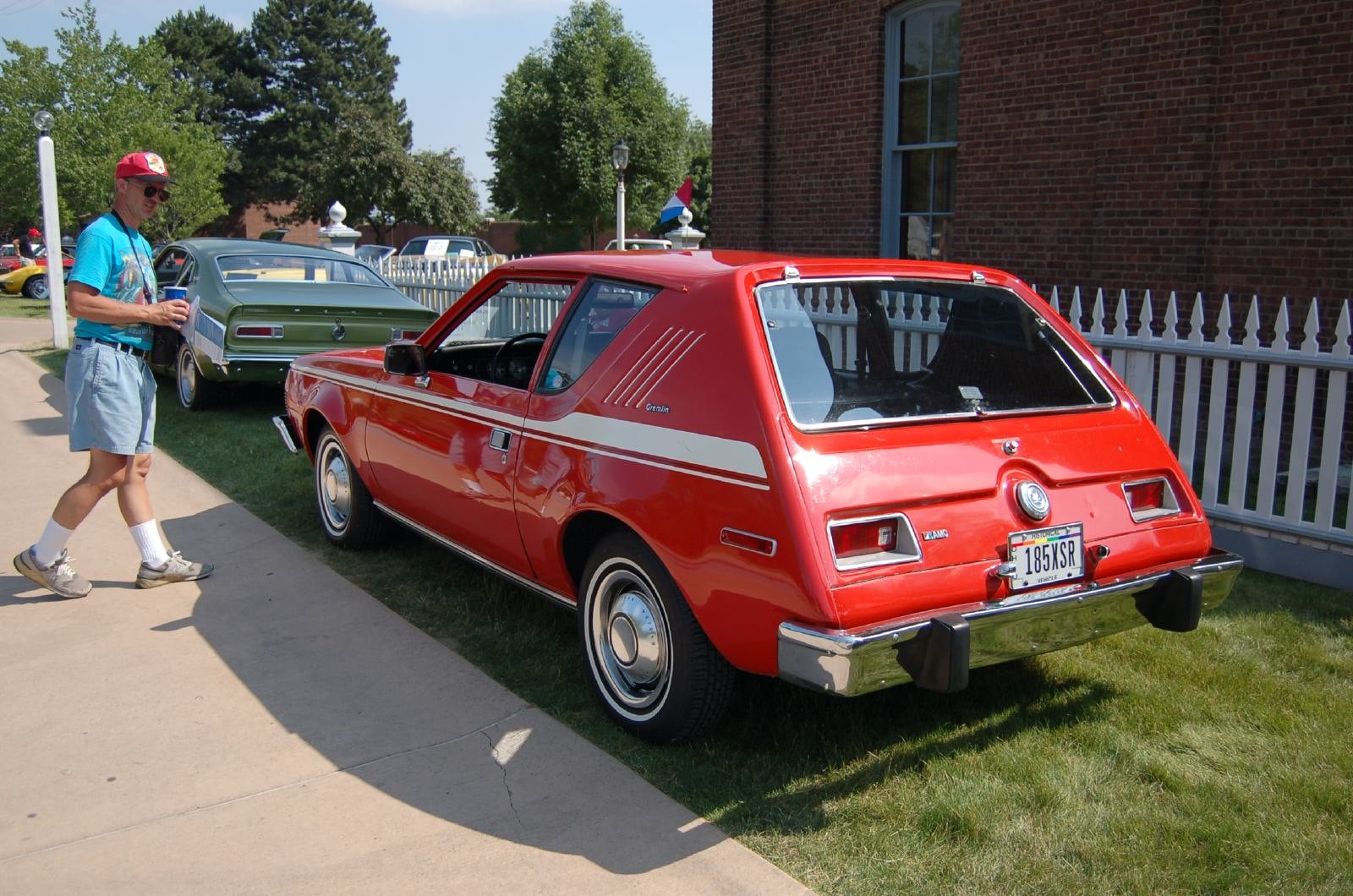
Not every influential car is beautiful, and the Gremlin proves that point perfectly. American Motors created this odd-looking compact in 1970 as a quick response to imported economy cars.
Its chopped-off rear end looked strange, but it was cheap and practical when gas prices started climbing. The Gremlin showed that American manufacturers could build smaller cars, even if they didn’t always do it gracefully.
It opened minds to the idea that bigger wasn’t always better.
Lincoln Continental
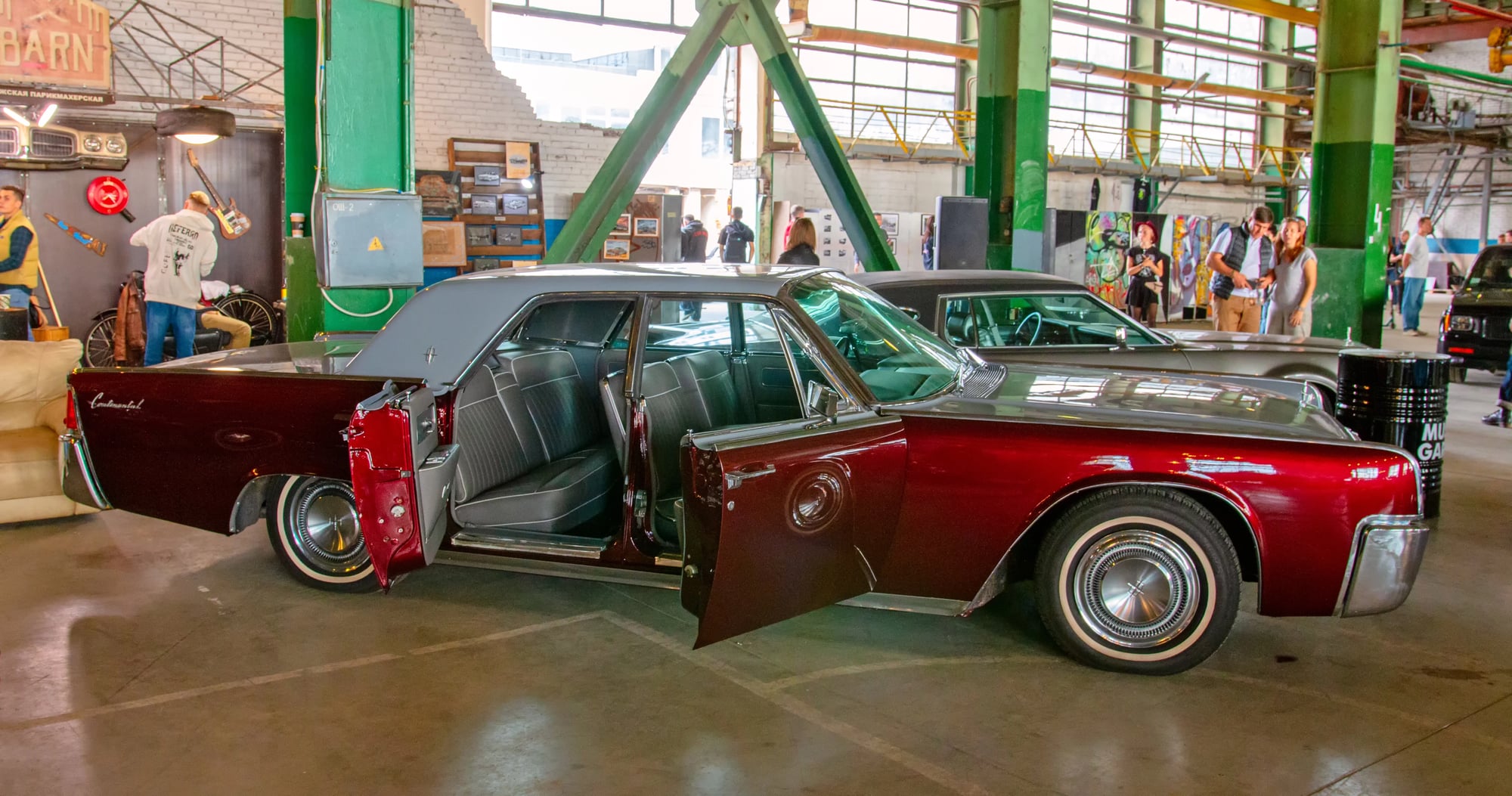
The Continental represented understated elegance in a way that flashier cars never could. The 1961 redesign, with its clean lines and rear-hinged back doors, became the definition of sophisticated luxury.
Presidents rode in them, business executives bought them, and they became symbols of success that didn’t need to scream for attention. The Continental proved that American luxury could be refined instead of over-the-top.
Chevrolet Camaro
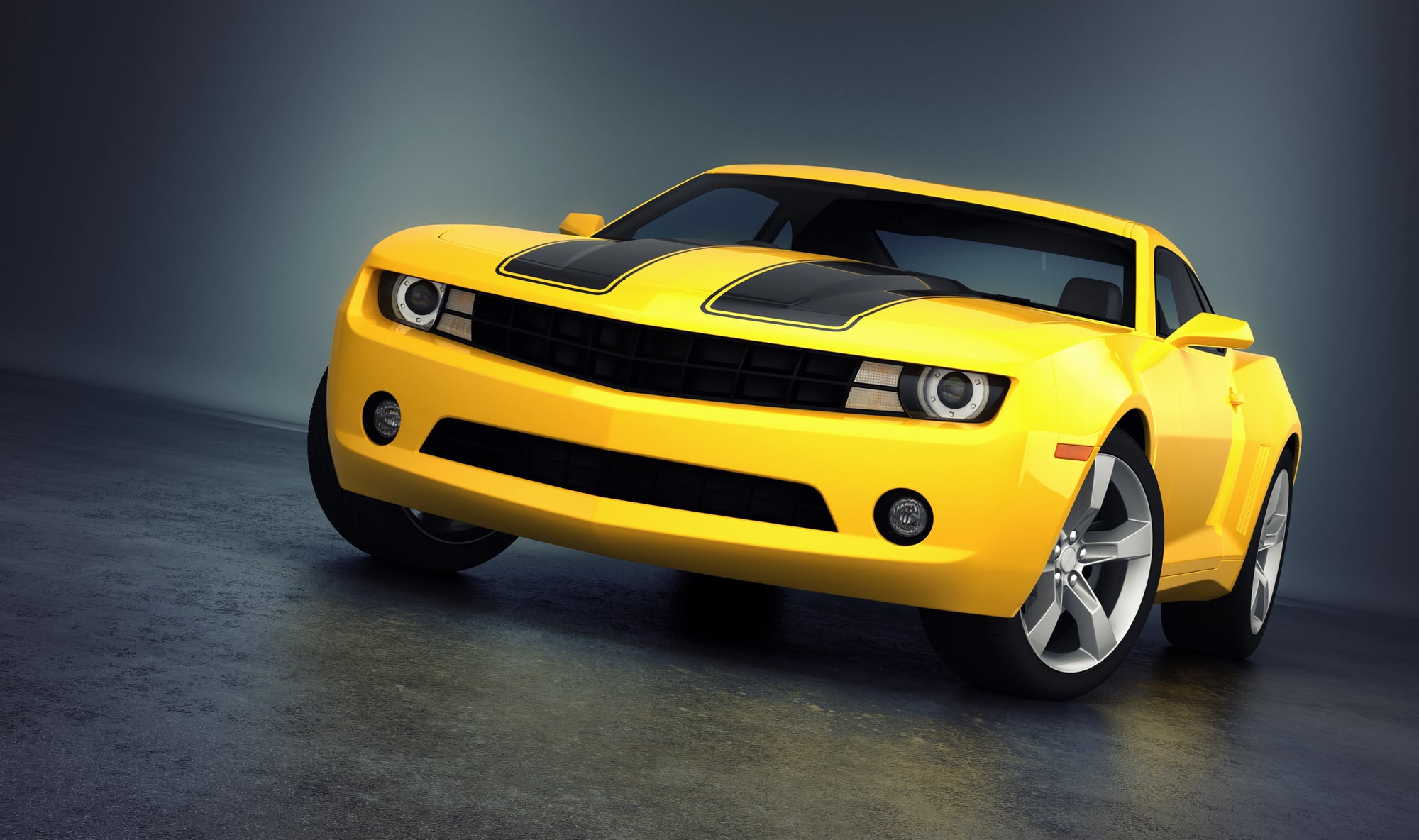
General Motors answered the Mustang with the Camaro in 1967, and the rivalry between these two has never stopped. The Camaro took the pony car concept and added its own aggressive styling and performance options.
Buyers could get everything from a basic six-cylinder model to fire-breathing V8s that could smoke the tires at will. This car gave Ford real competition and helped push both companies to keep improving their offerings.
Tucker 48
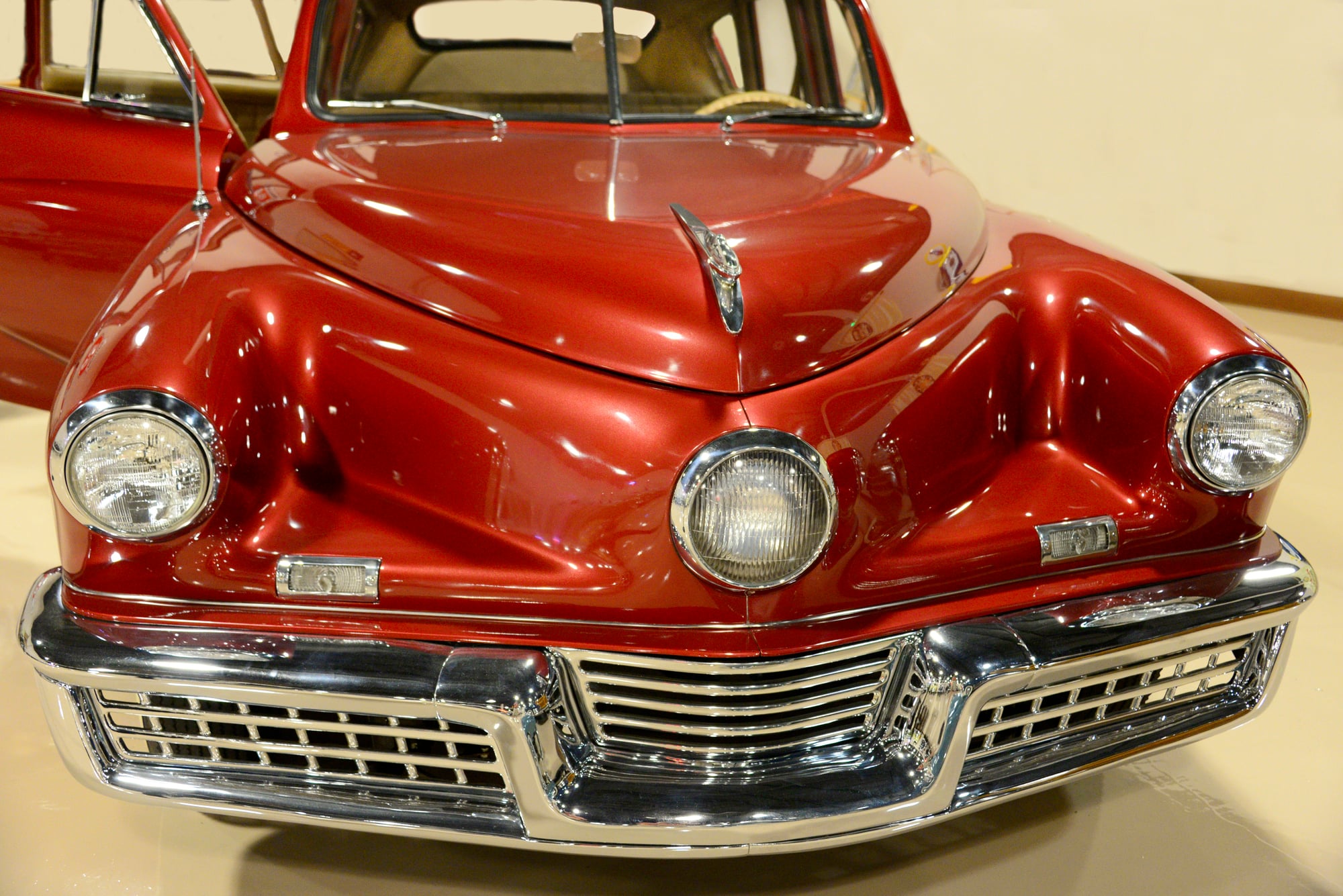
Only 51 Tucker 48s were ever built, but this car’s influence far exceeded its numbers. Preston Tucker tried to revolutionize the automobile industry in 1948 with innovations like a rear-mounted engine, disc brakes, and a third headlight that turned with the steering wheel.
The big manufacturers helped shut him down, but Tucker proved that new ideas could shake up an established industry. His car became a symbol of American innovation fighting against corporate power.
Oldsmobile Cutlass Supreme
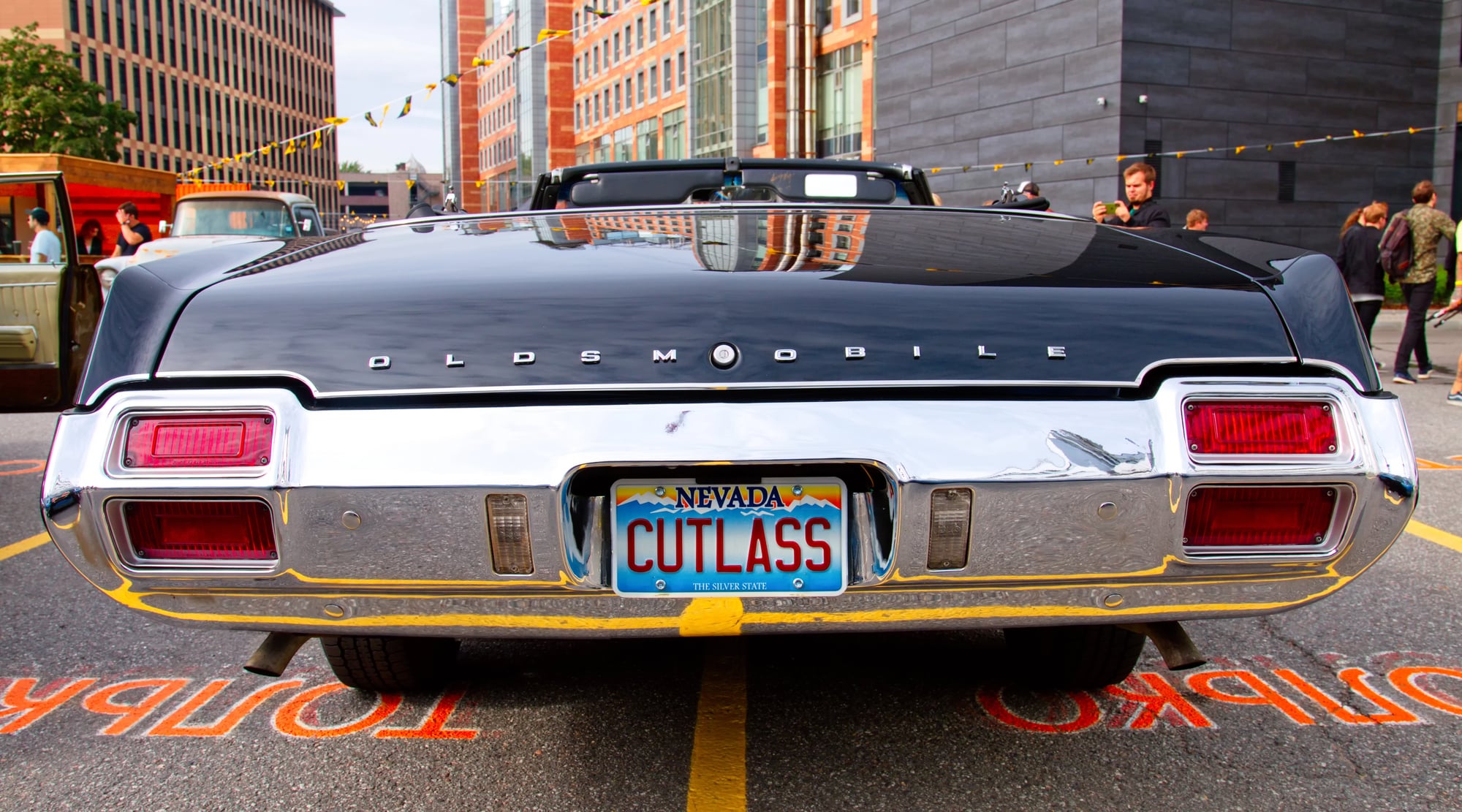
The Cutlass Supreme became the best-selling car in America during the 1970s by offering something for everyone. It looked good, rode comfortably, and came with enough options that buyers could customize it to their exact preferences.
This mid-sized car hit the sweet spot between the gas-guzzling land yachts of the 1960s and the tiny econoboxes coming from overseas. It proved that Americans still wanted American cars if they made sense.
Chrome and Memories
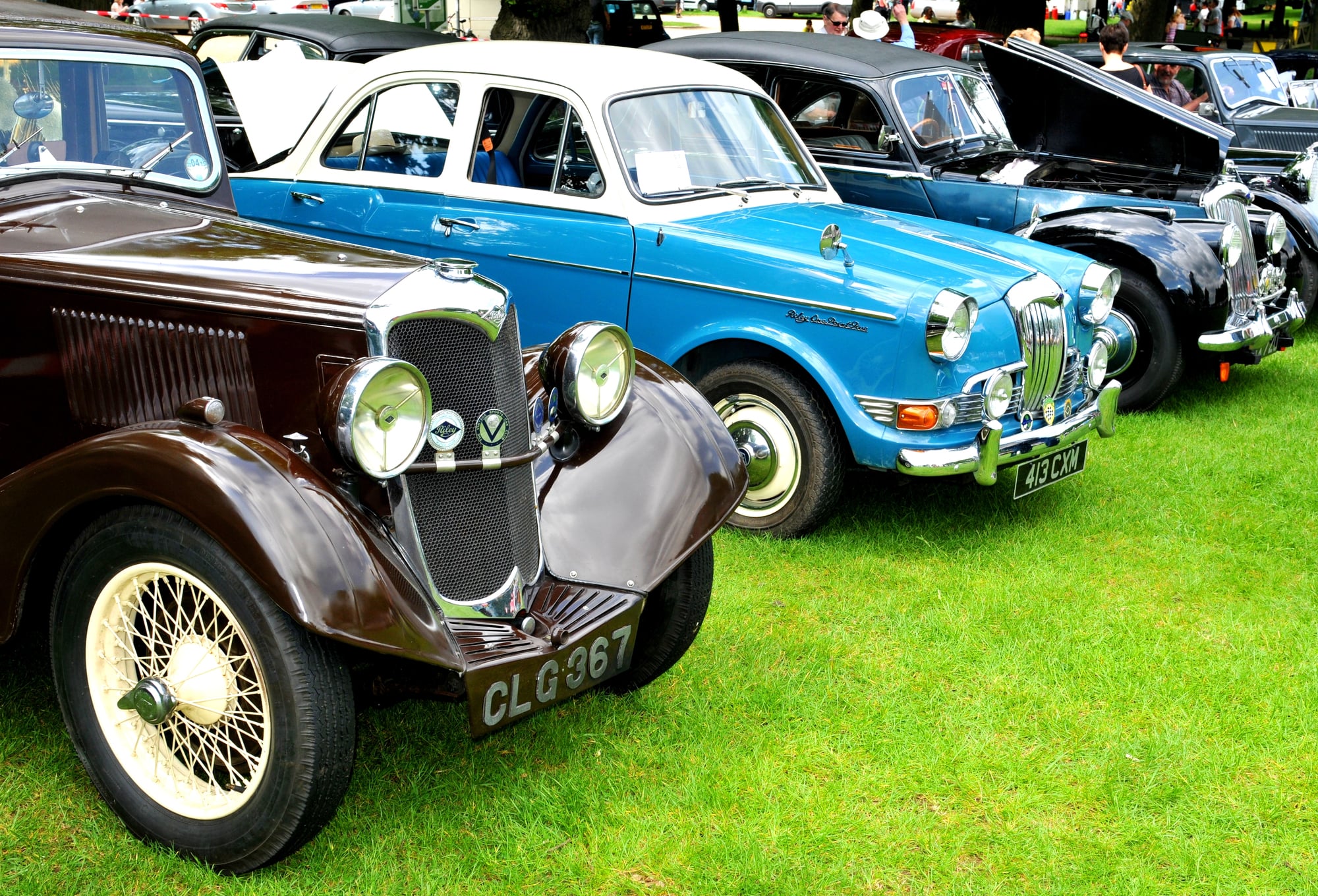
These cars didn’t just change how Americans got around; they changed what driving meant. They turned transportation into freedom, status symbols, and sometimes pure joy.
Walking through any classic car show today, you’ll see these machines polished to perfection, surrounded by people sharing stories about the ones their parents drove or the ones they wish they’d never sold. The roads have changed, the cars have changed, but that feeling of possibility these vintage machines created hasn’t gone anywhere.
More from Go2Tutors!

- The Romanov Crown Jewels and Their Tragic Fate
- 13 Historical Mysteries That Science Still Can’t Solve
- Famous Hoaxes That Fooled the World for Years
- 15 Child Stars with Tragic Adult Lives
- 16 Famous Jewelry Pieces in History
Like Go2Tutors’s content? Follow us on MSN.