World’s Rarest Coffees
Coffee lovers around the globe know the comfort of their daily cup, but most stick to what’s familiar and easy to find. However, hidden in remote corners of the world are beans so rare that only a handful of people ever get to taste them.
These coffees come with wild backstories, unusual production methods, and price tags that seem absolutely crazy until you hear how they’re made. So what makes these rare coffees worth the hype, and why do people shell out hundreds or thousands of dollars per pound? Let’s dig into the most exclusive brews you can find.
Kopi Luwak from Indonesia
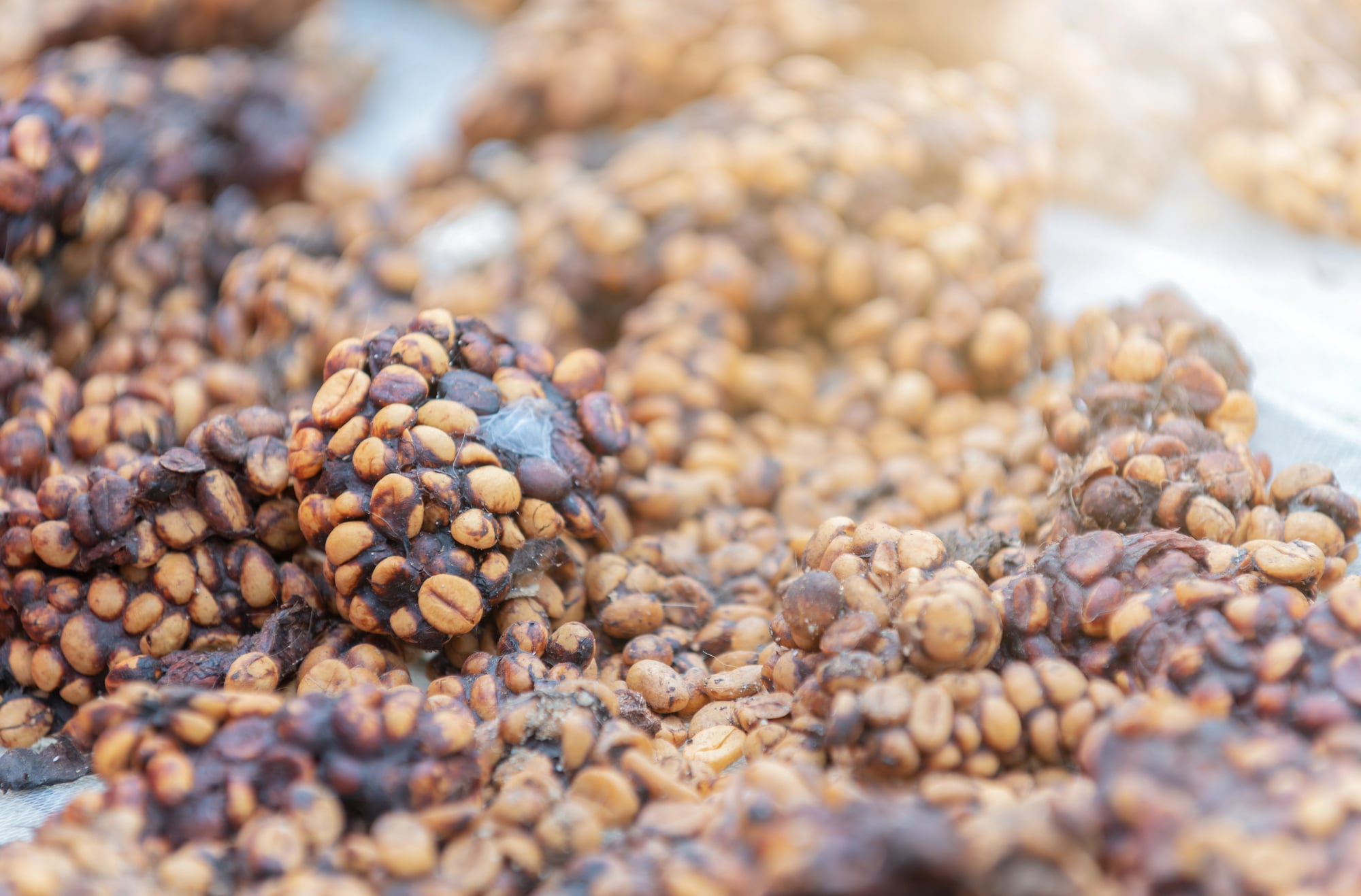
A small cat-like animal called the civet eats ripe coffee cherries in the Indonesian jungle, and that’s where this coffee’s strange journey begins. The civet’s digestive system breaks down the fruit but leaves the beans whole, and after they come out the other end, farmers collect, wash, and roast them.
People who’ve tried it say the coffee tastes smoother and less harsh than your typical brew. The whole process depends on wild civets picking which cherries they want to eat, so there’s no way to mass-produce it, and that’s exactly why it costs so much.
Black Ivory Coffee from Thailand
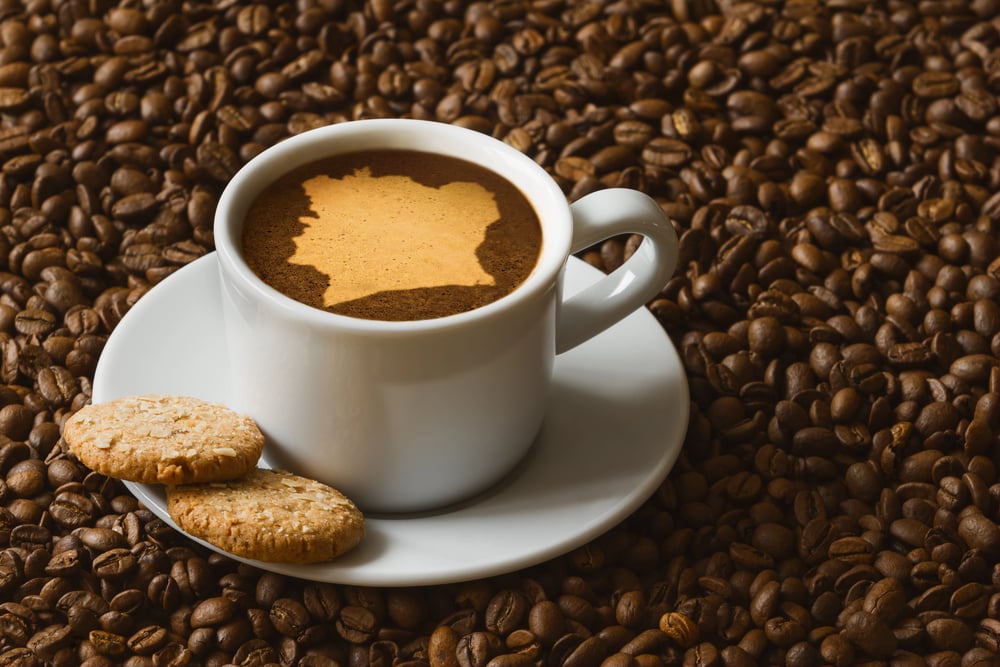
Elephants munching on coffee cherries might sound odd, but that’s exactly how this ultra-expensive coffee gets made. The beans spend about a day or two in the elephant’s digestive system alongside bananas, sugar cane, and whatever else they ate that day.
Some people swear this gives the coffee a smooth, unique taste you can’t get any other way. Only around 50 pounds get produced each year, and a single pound can run you over $1,000, which puts it firmly in the ‘once in a lifetime’ category for most people.
Jamaican Blue Mountain Coffee
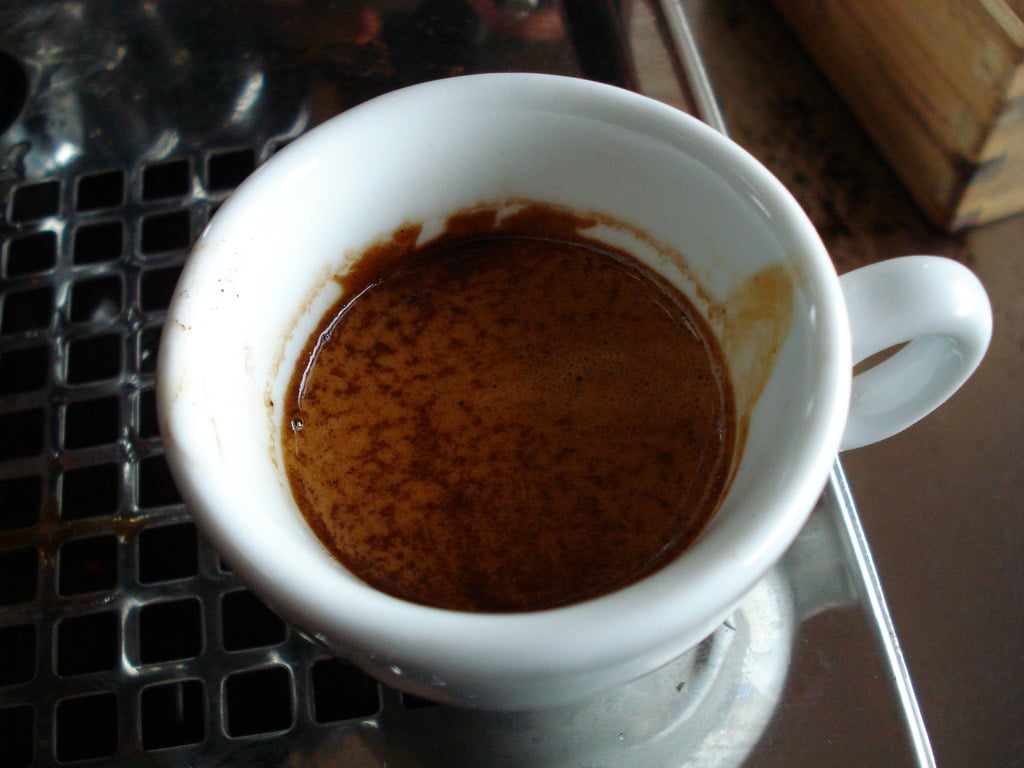
High up in Jamaica’s Blue Mountains, where peaks rise over 5,000 feet, coffee grows in conditions that simply don’t exist anywhere else on Earth. The combination of elevation, volcanic soil, and constant cloud cover creates beans with a mellow flavor that barely has any bitterness at all.
Japan snaps up about 80% of the entire harvest before anyone else gets a chance. Real Blue Mountain coffee comes with paperwork to prove where it came from, since plenty of fakes try to ride on the famous name.
Saint Helena Coffee
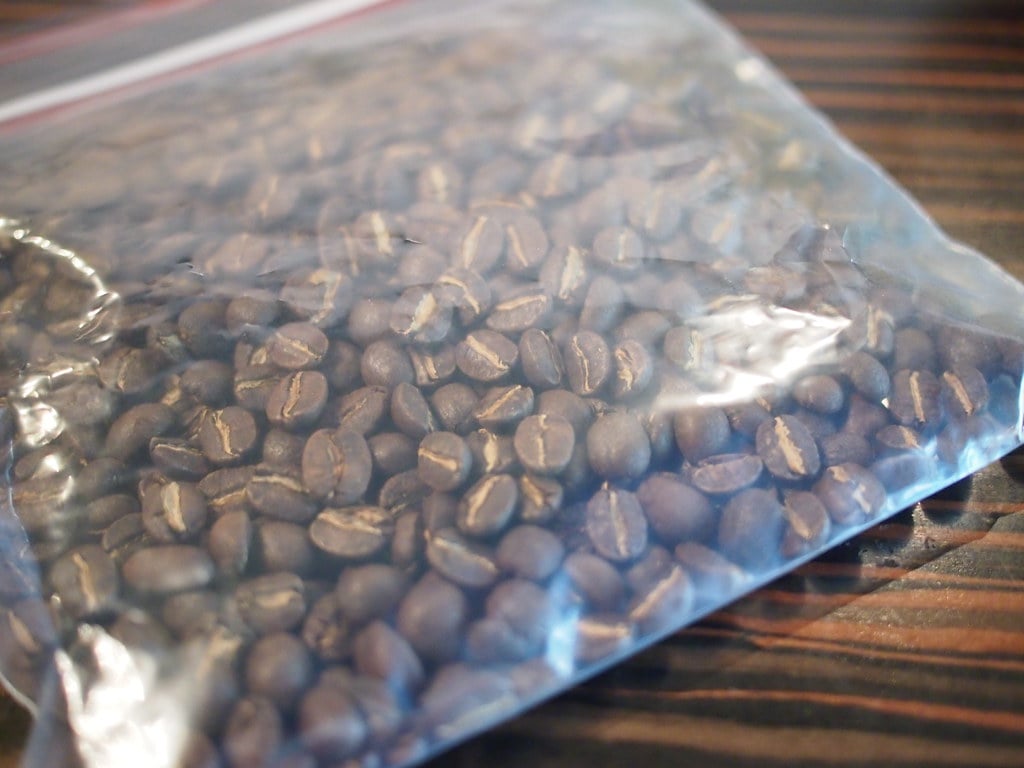
Napoleon supposedly sipped this coffee while stuck on Saint Helena, a tiny island in the middle of the South Atlantic Ocean. The island sits more than 1,200 miles from the nearest land mass, which makes getting anything on or off the island incredibly expensive.
Farmers there only produce about 10,000 pounds per year from their small plots. That isolation gives the beans flavors you won’t taste in coffee from anywhere else, and enthusiasts pay top dollar to try what might have been Napoleon’s favorite drink during his exile.
Hacienda La Esmeralda Geisha from Panama
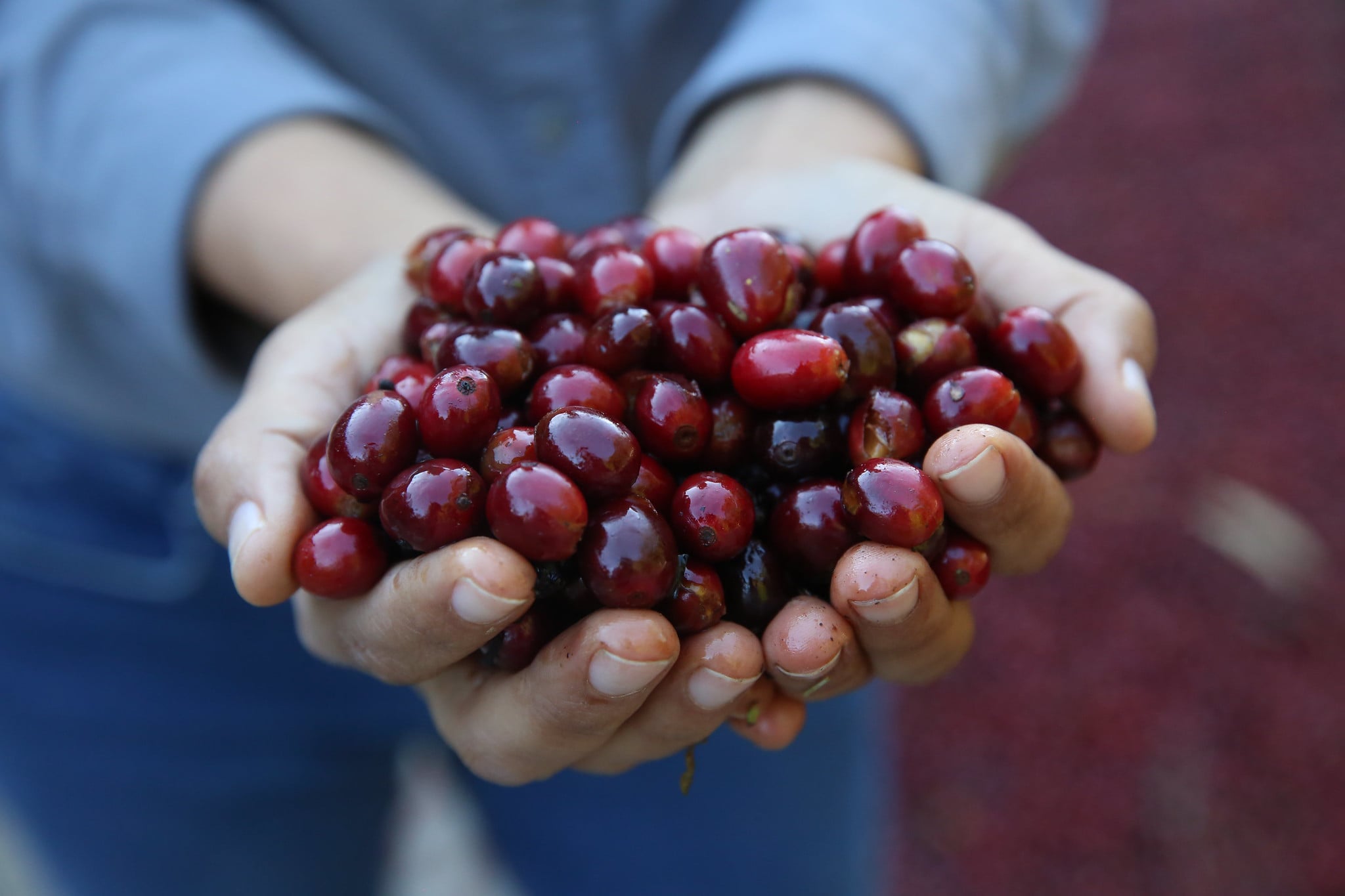
One farm in Panama grows what a lot of coffee experts call the best in the entire world, hands down. Nobody even knew the Geisha variety was anything special until 2004, when it started sweeping competitions and shattering auction records left and right.
These beans need high altitude and very specific conditions to develop their signature floral taste that reminds people of jasmine tea. Some auction lots have gone for over $800 per pound, and the farm only produces small amounts each season, so good luck getting your hands on it.
Fazenda Santa Ines from Brazil
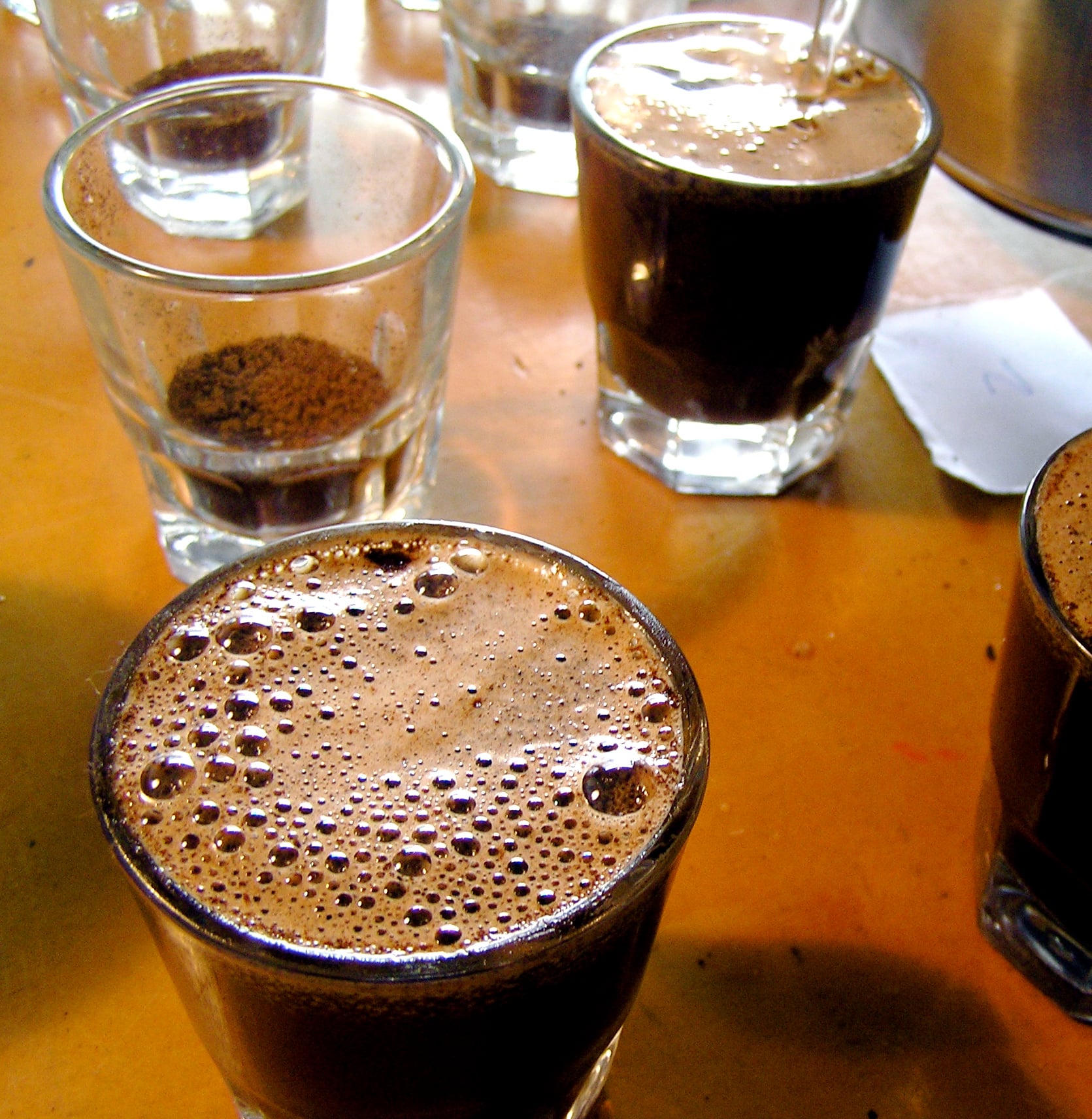
Yellow bourbon beans from this Brazilian mountain farm take a different approach to rarity. The estate sits in the Mantiqueira Mountains where the climate hits just the right notes for growing exceptional coffee.
This isn’t about weird processing methods or animals eating the beans, just really good farming and careful harvesting when the cherries are perfectly ripe. The small production runs and obsessive attention to detail make it a hit with people who want top quality without the gimmicks.
Finca El Injerto from Guatemala
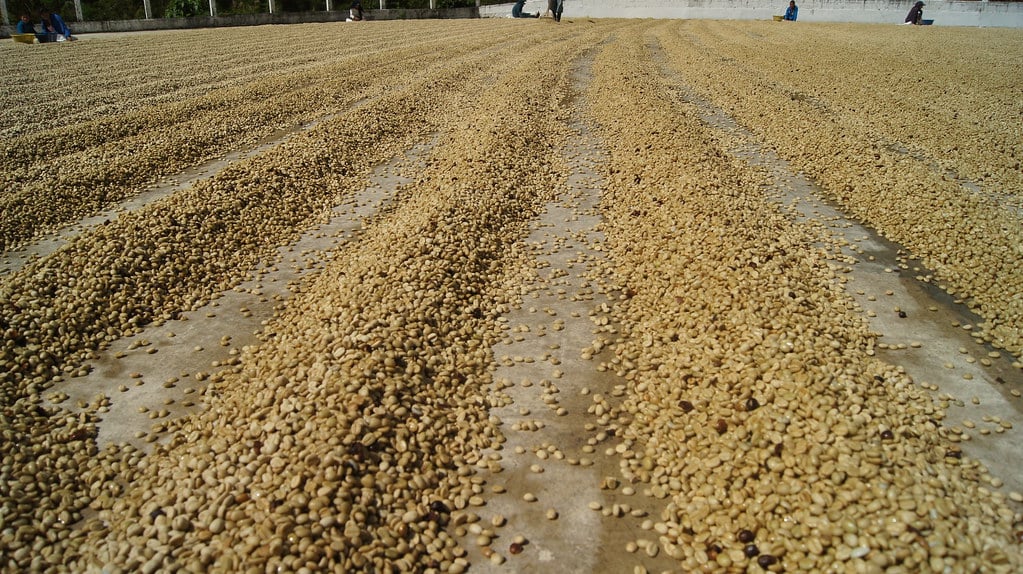
A family farm in Guatemala’s Huehuetenango region regularly sells beans for over $500 per pound at specialty auctions. They mix old-school growing methods that have been in the family for generations with modern quality checks at every step.
The really tricky part is that most of the harvest gets bought by specialty roasters before regular customers even hear about it. Each year’s coffee tastes a bit different, with fruit and chocolate notes that shift depending on weather and growing conditions.
Hawaiian Kona Coffee
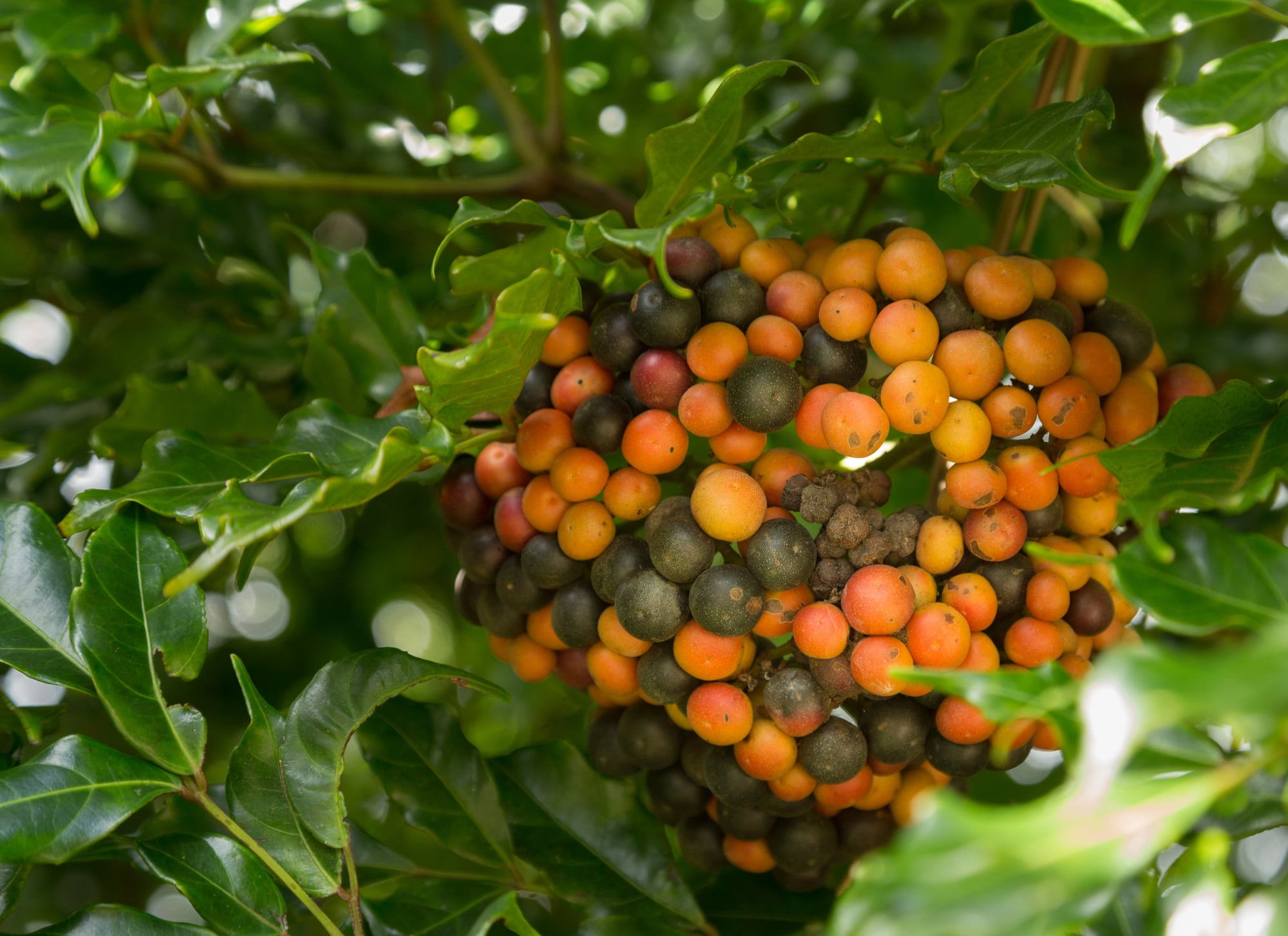
The volcanic slopes on Hawaii’s Big Island have been famous for coffee since the 1800s, and for good reason. Real Kona coffee only grows in a skinny strip along two mountains, where afternoon clouds roll in like clockwork and volcanic soil pumps the plants full of minerals.
Here’s the catch though: lots of bags labeled ‘Kona’ only have 10% actual Kona beans mixed with cheaper stuff. Pure Kona runs about $50 per pound or more, and the tiny growing area means there will never be enough for everyone who wants it.
Ospina Dynasty Gran Cafe
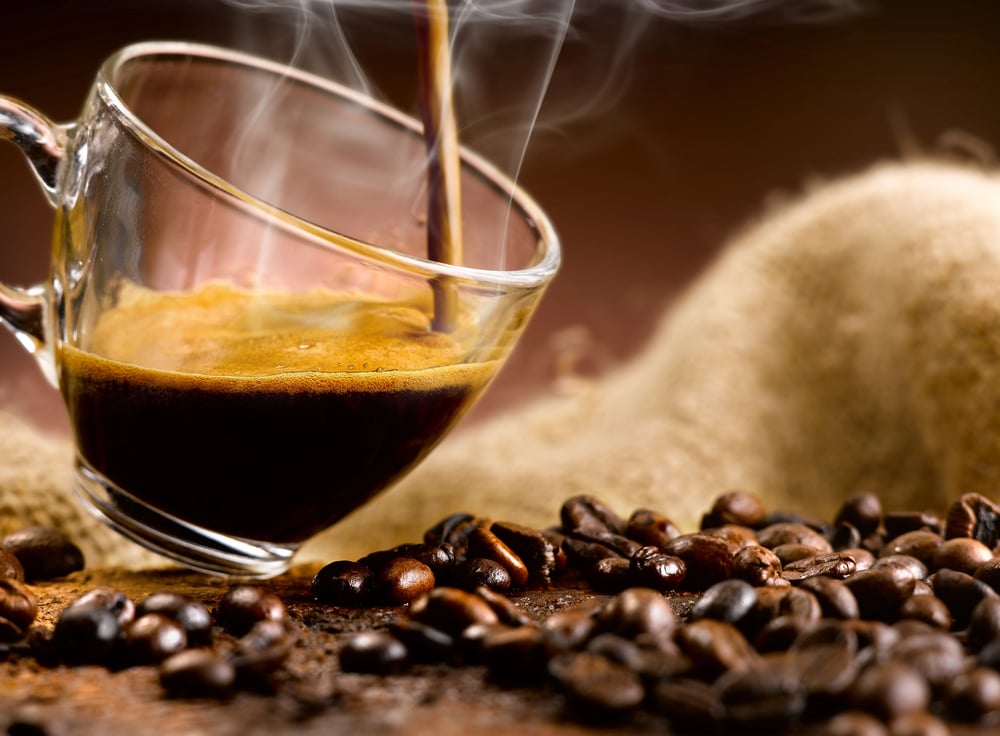
The Ospina family in Colombia has been in the coffee business since 1835, but their Dynasty Gran Cafe is their absolute premium product. These beans come from plants growing above 7,500 feet in the Andes, where the thin air and harsh sunlight put stress on the plants in ways that supposedly boost flavor.
They only make a few hundred pounds per year, and sometimes they age the beans for years before selling them. That aging thing is pretty controversial among coffee people, but collectors still pay thousands for the older lots.
Molokai Coffee from Hawaii
While everyone knows about Kona coffee, hardly anyone has heard of what grows on the small Hawaiian island of Molokai. The farmers there skip pesticides and chemicals entirely, growing their beans the traditional way.
The whole island only produces around 20,000 pounds yearly, and locals and tourists buy up most of it before it goes anywhere else. The red volcanic dirt and distance from other coffee farms give it a taste that’s nothing like Kona, even though they’re in the same state.
Los Planes Coffee from El Salvador
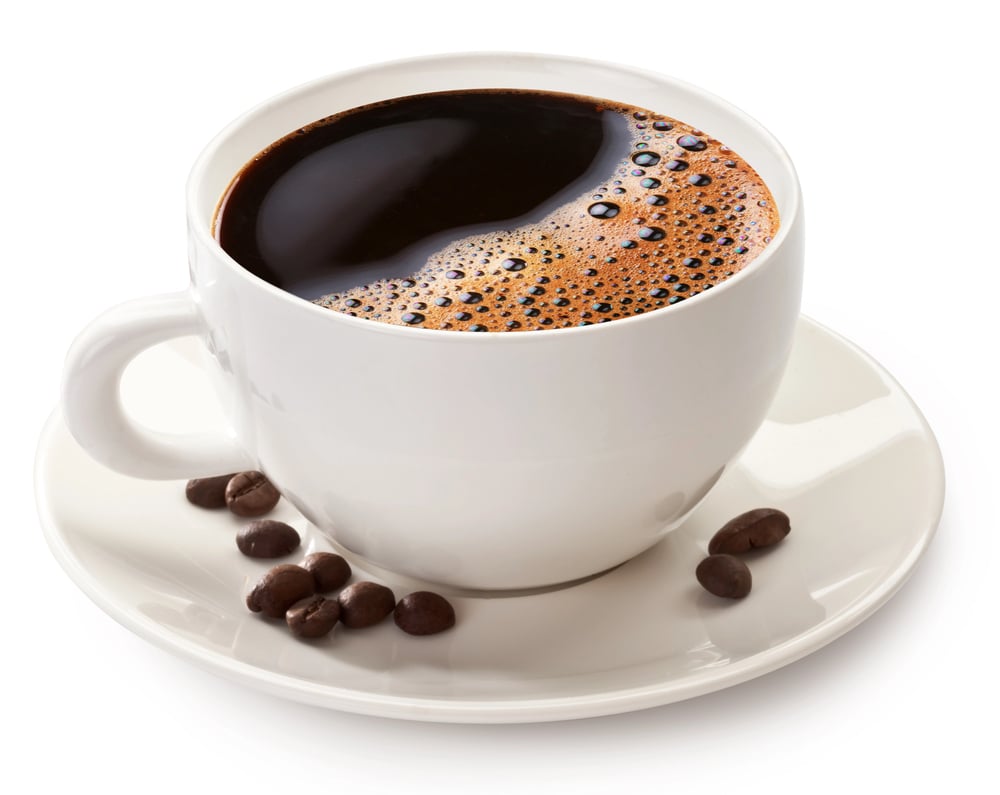
Way up in El Salvador’s mountains, a small group of farmers grows award-winning beans that most coffee drinkers have never encountered. The volcanic dirt and high elevation help, but what really sets this apart is the harvesting method.
Workers only pick cherries that are fully ripe, which means they have to go back to the same trees five or six times during harvest season. That kind of labor-intensive work results in tiny amounts of coffee and prices that reflect all those extra hours.
Yauco Selecto AA from Puerto Rico
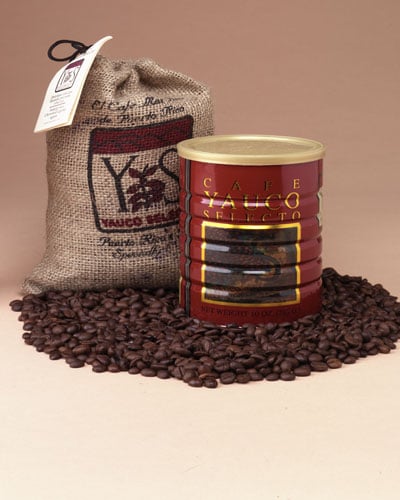
Puerto Rico almost lost its entire coffee industry after World War II, but a few stubborn farms in the Yauco region kept it going. The beans grow in limestone-heavy soil that gives the coffee a thick body and mineral taste you won’t find elsewhere.
Hurricanes regularly damage the crops, and production stays low even in good years, so export quantities rarely exceed a few thousand pounds. The surviving farms throw out anything that isn’t the largest AA-grade bean, focusing entirely on quality instead of quantity.
Kopiko Coffee from the Philippines
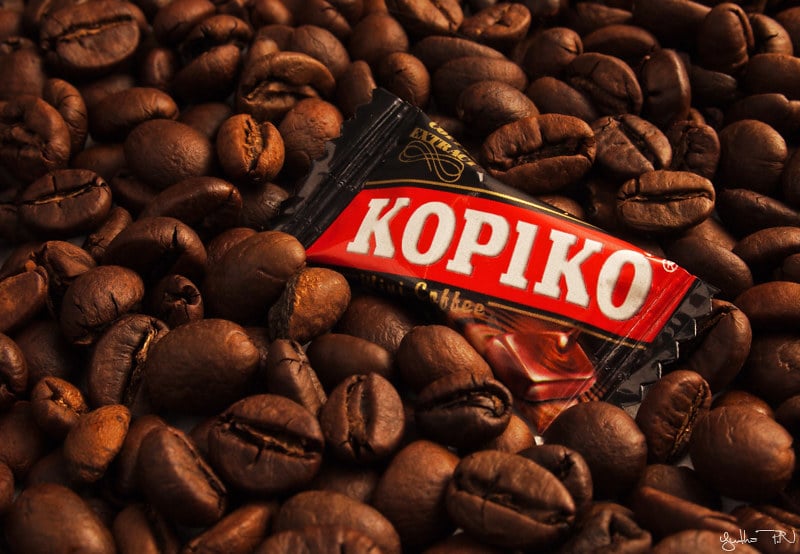
Deep in the Philippine mountains, indigenous families harvest coffee from trees growing wild in the forest instead of neat plantation rows. Some of these trees are over a century old, and families have been picking from the same plants for generations.
They ferment the beans naturally and dry them on bamboo mats in the sun, just like their great-grandparents did. The remote locations and tiny scale mean this coffee almost never shows up in stores outside the Philippines.
Peaberry Coffee from Tanzania
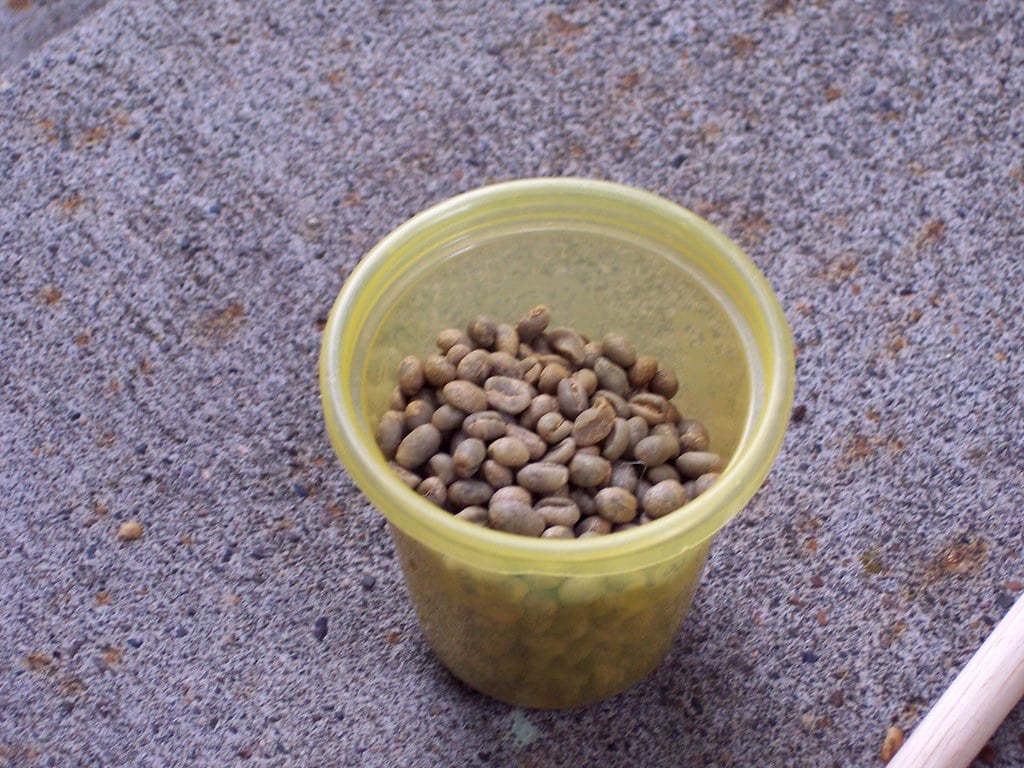
Usually a coffee cherry has two beans inside, but every so often you get a cherry with just one round bean instead of two flat ones. These peaberry beans only make up 5 to 10% of any crop, and the ones from Tanzania are considered among the finest.
That single bean supposedly gets all the nutrients that would normally split between two, packing in more concentrated flavors. Sorting peaberries away from regular beans takes extra time and effort, which drives up the cost, and the limited supply means roasters save them for special occasions.
Kauai Coffee from Hawaii
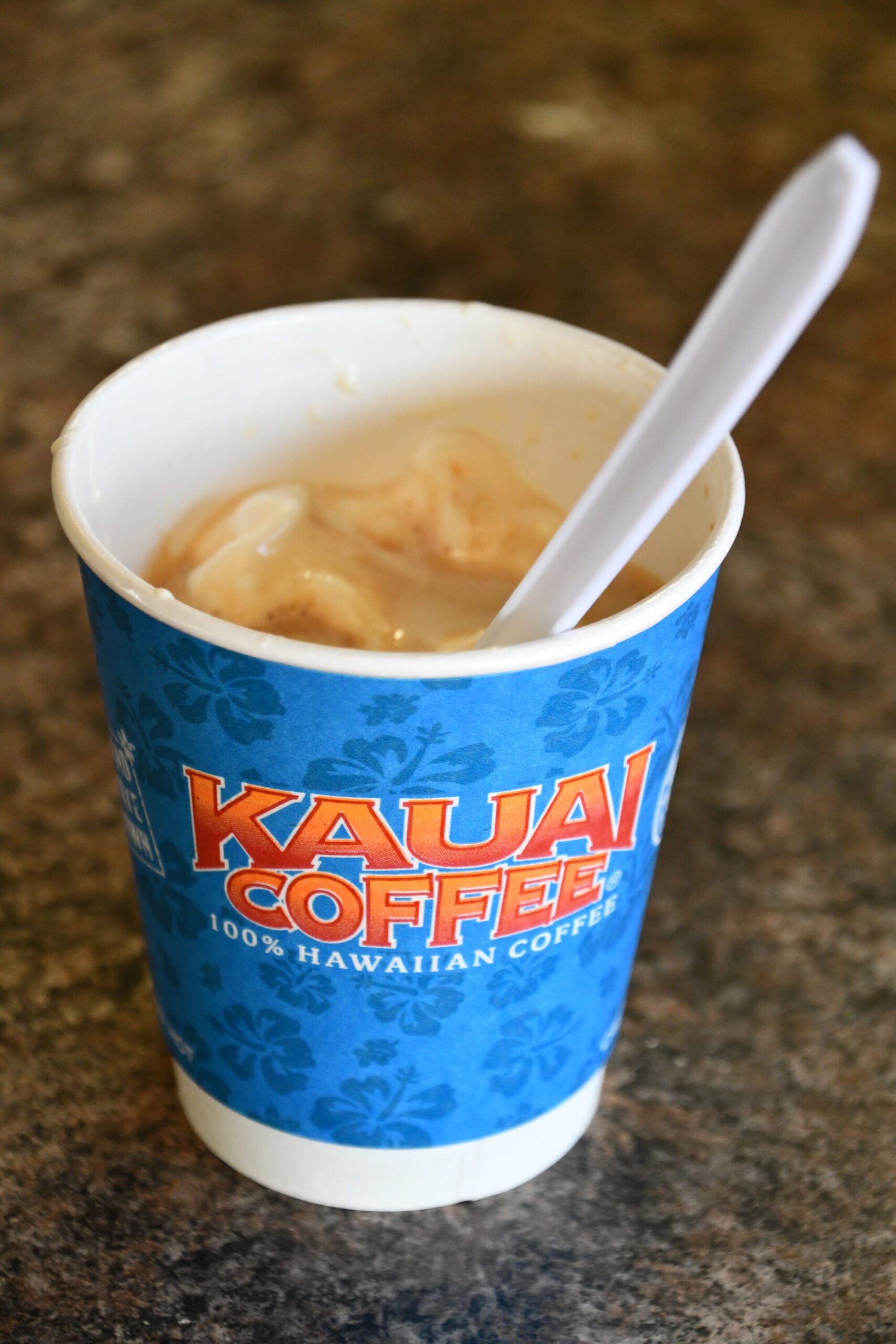
Coffee estates on Kauai grow their beans in bright red volcanic soil that’s been collecting minerals for centuries. The island’s spot in the Pacific creates weather patterns where mornings are sunny and afternoons bring clouds, which coffee plants absolutely love.
Even though Kauai produces more than some rare coffees, it’s still a drop in the bucket compared to big coffee countries. Estate-grown beans fetch high prices, and particular harvests from great years become collectibles that enthusiasts hunt down.
Zambia Terranova Estate Coffee
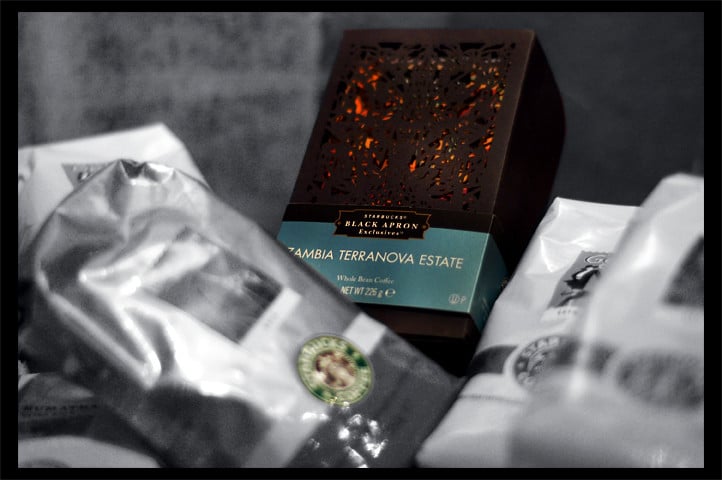
When people think of African coffee, they usually think of Ethiopia or Kenya, but Zambia quietly produces small amounts of outstanding beans. The Terranova Estate sits way up high where big temperature swings between day and night help create complex flavors.
Political problems and rough infrastructure mean Zambian coffee rarely makes it to international buyers in any real quantity. When it does pop up, the bright, fruity taste surprises people who didn’t even know Zambia grew coffee.
Volcanica Hawaiian Coffee
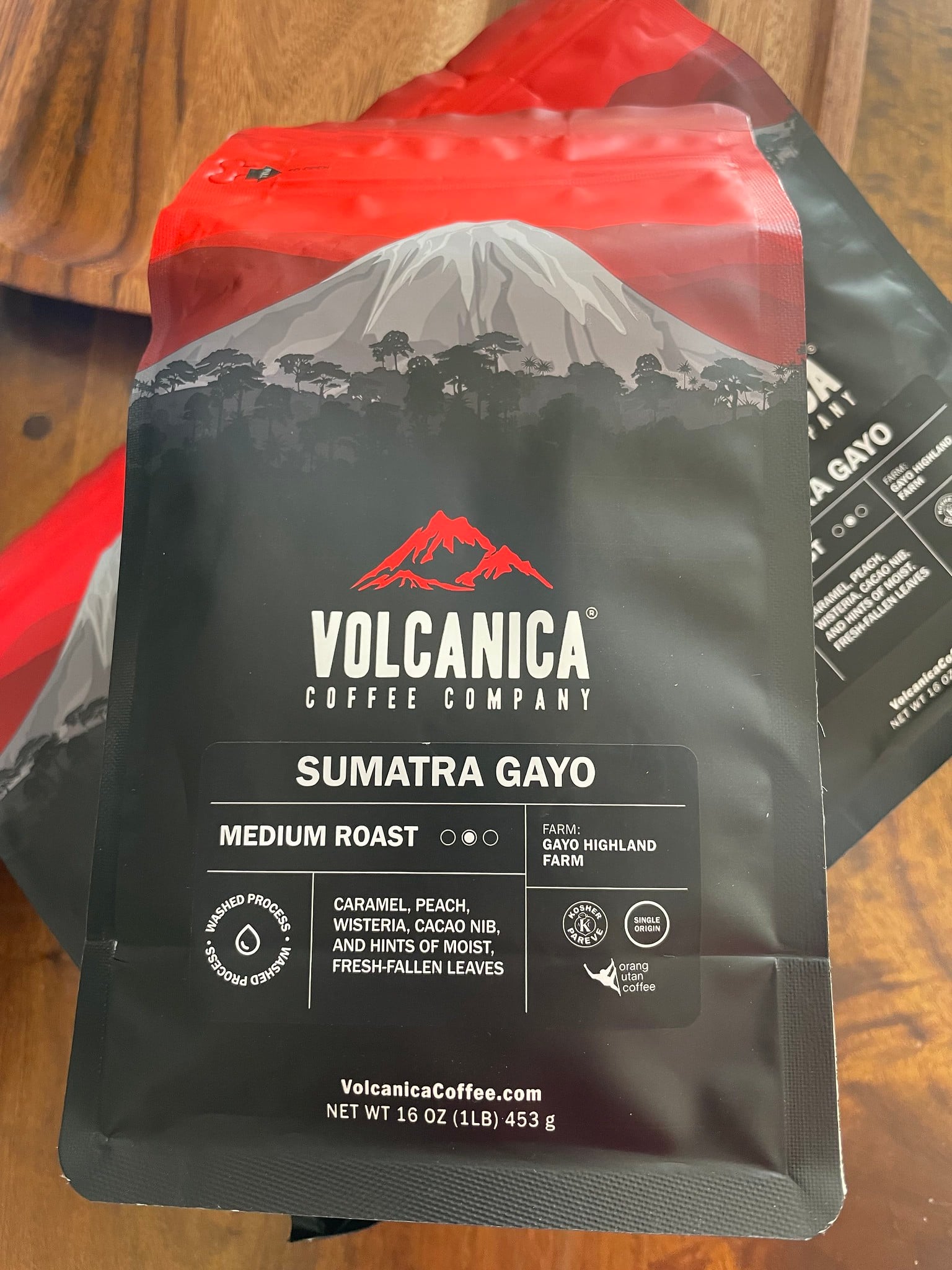
The youngest island in Hawaii produces coffee from volcanic soil that’s still pretty new and developing its mineral content. Farmers there try out different processing methods and bean types, making small batches that change dramatically from year to year.
That experimental approach means you never quite know what you’re getting, but it also leads to unexpected discoveries and one-of-a-kind flavors. Limited production and locals buying most of it means very little leaves the island.
More Than Just a Drink

These rare coffees aren’t just about spending a ton of money on a cup. They connect you to specific patches of earth, unusual stories, and farmers who could definitely make life easier doing something else.
Whether it’s elephants in Thailand or volcanic mountains in Hawaii, each cup brings you closer to a place and tradition that regular coffee just can’t touch.
More from Go2Tutors!

- The Romanov Crown Jewels and Their Tragic Fate
- 13 Historical Mysteries That Science Still Can’t Solve
- Famous Hoaxes That Fooled the World for Years
- 15 Child Stars with Tragic Adult Lives
- 16 Famous Jewelry Pieces in History
Like Go2Tutors’s content? Follow us on MSN.