14 Military Codes That Took Decades to Finally Crack
Throughout history, military forces have developed increasingly sophisticated ways to keep their secrets safe from enemy eyes. These encrypted messages and coded communications have sparked some of the most intense intellectual battles ever fought—not with weapons, but with mathematics, linguistics, and sheer determination. Some codes proved so challenging that they stumped the world’s brightest minds for decades, becoming legendary puzzles that defined entire careers and changed the course of wars.
The crackers of these codes weren’t just codebreakers—they were pioneers who pushed the boundaries of what was possible with technology, logic, and human ingenuity. Here is a list of 14 military codes that took decades to finally crack.
Enigma Machine

The German Enigma cipher seemed unbreakable when it was first developed in the 1920s, and for good reason—it had over 150 trillion possible combinations. Polish mathematicians made the first breakthrough in 1932, but it took the combined efforts of British, Polish, and French cryptographers at Bletchley Park to fully crack it during World War II.
The work required building some of the world’s first computers and fundamentally changed how we think about mechanical computation.
Purple Code

Japan’s diplomatic cipher, codenamed Purple by American cryptographers, took nearly two years to crack starting in 1938. The breakthrough came when the U.S. Army’s Signal Intelligence Service figured out that the Japanese were using modified telephone switching equipment instead of traditional rotor machines.
This discovery led to the creation of the ‘Purple Machine,’ an American replica that could decode Japanese diplomatic messages throughout World War II.
Like Go2Tutors’s content? Follow us on MSN.
Venona Project

Soviet intelligence communications intercepted during and after World War II remained a mystery for decades. The NSA and its predecessors worked on these encrypted messages from 1943 until the project was declassified in 1995.
The partial decryption of these communications revealed extensive Soviet espionage networks in the United States, including the atomic spy ring that had penetrated the Manhattan Project.
Kryptos

This encrypted sculpture at CIA headquarters has been taunting cryptographers since 1990. Three of its four sections have been solved, but the final 97-character section remains a mystery over three decades later.
The sculpture has become a symbol of the ongoing battle between code makers and code breakers, with thousands of amateur and professional cryptographers still working on its final puzzle.
Linear B
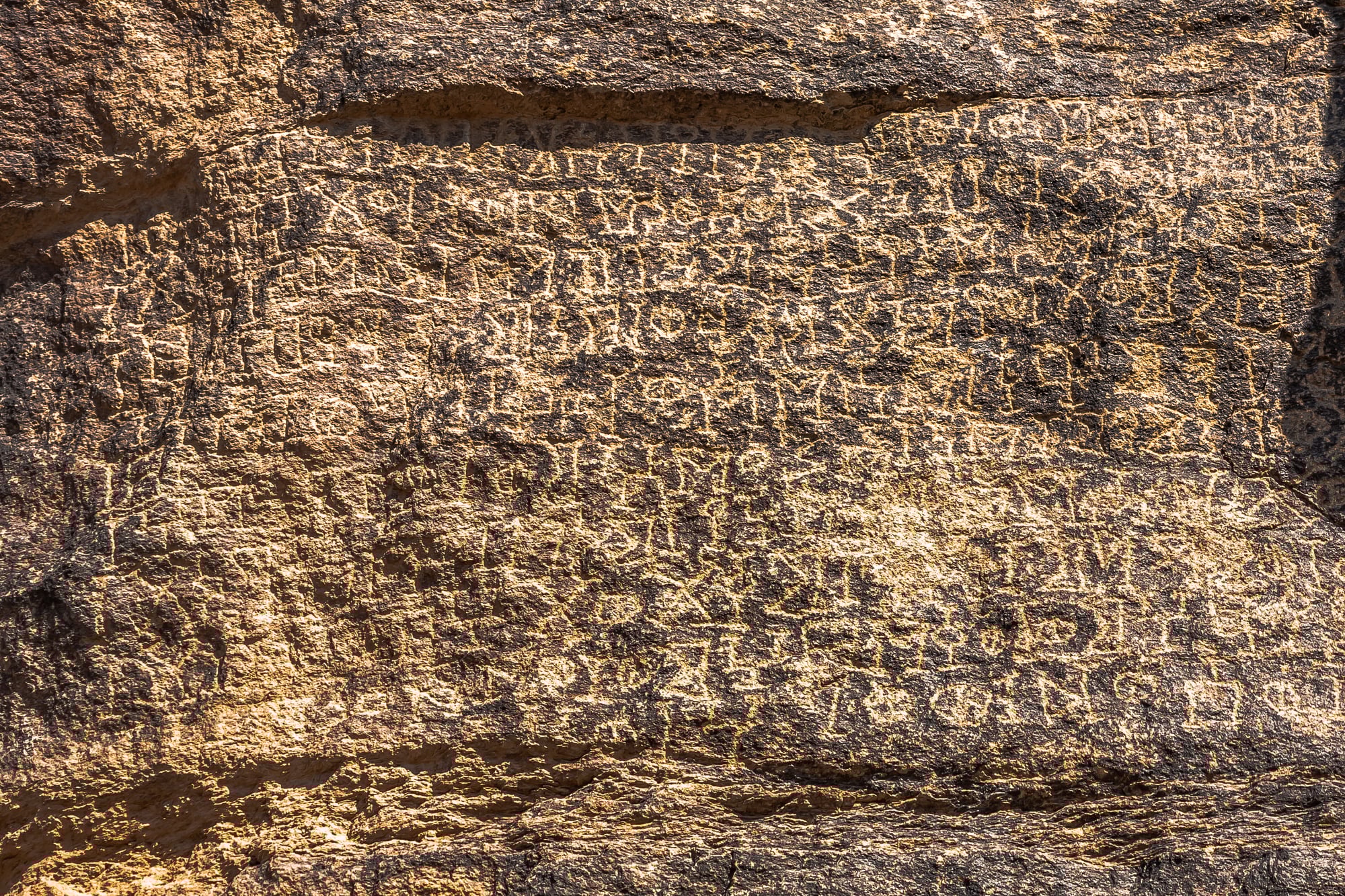
This ancient Greek script, found on clay tablets from around 1450 BC, puzzled scholars for over 50 years. Michael Ventris finally cracked it in 1952 by recognizing that it represented an early form of Greek rather than an unknown language.
The breakthrough required combining archaeological evidence with linguistic analysis and revealed that the Mycenaean civilization was more advanced than previously thought.
Like Go2Tutors’s content? Follow us on MSN.
Zodiac Killer Ciphers
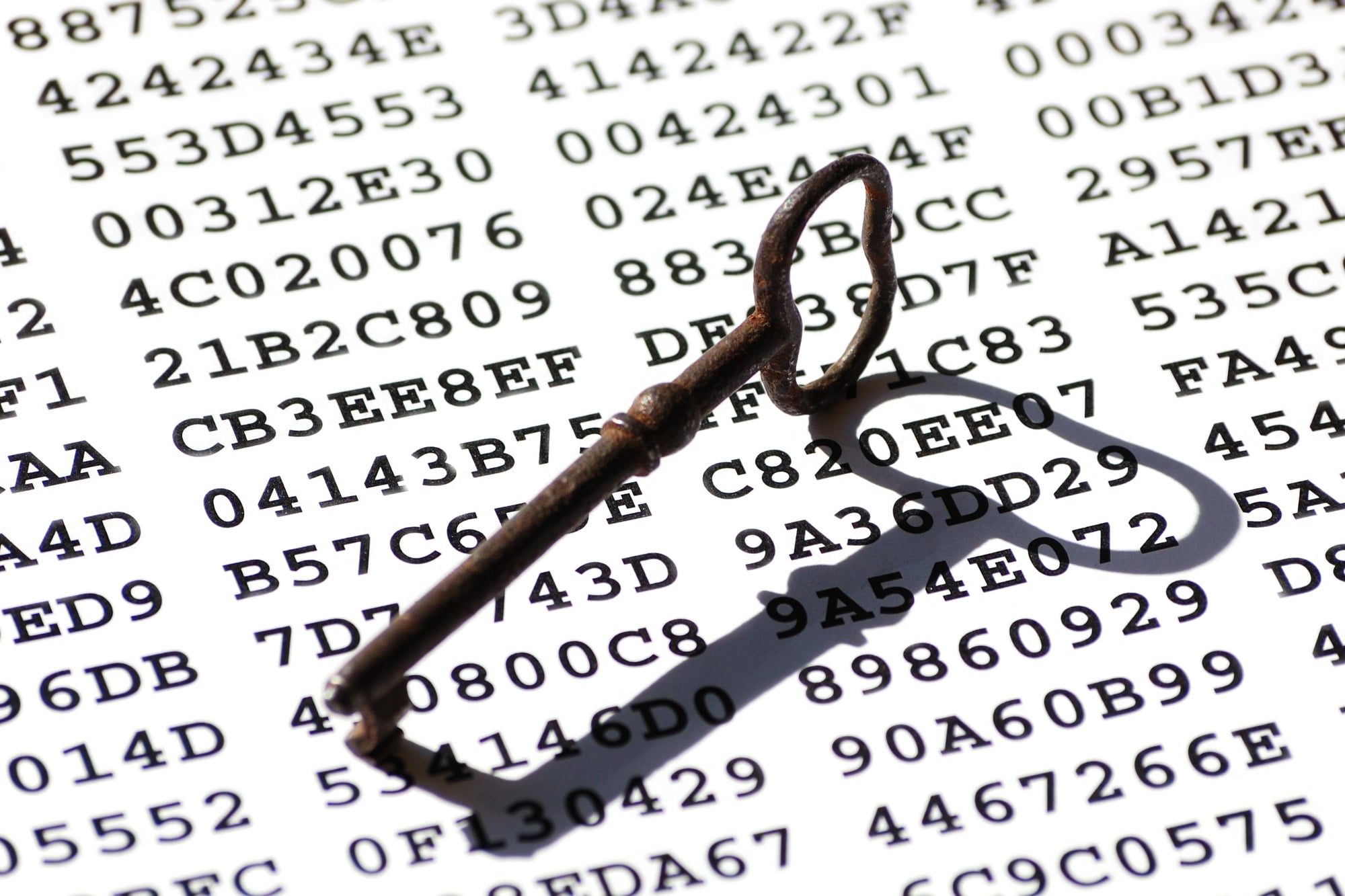
The infamous serial killer’s encrypted messages have challenged law enforcement and amateur sleuths for over five decades. The first cipher was cracked in 1969, but the 340-character cipher remained unsolved until 2020—a full 51 years after it was sent.
The breakthrough came when amateur cryptographers used modern computer analysis combined with traditional cryptographic techniques.
Beale Ciphers
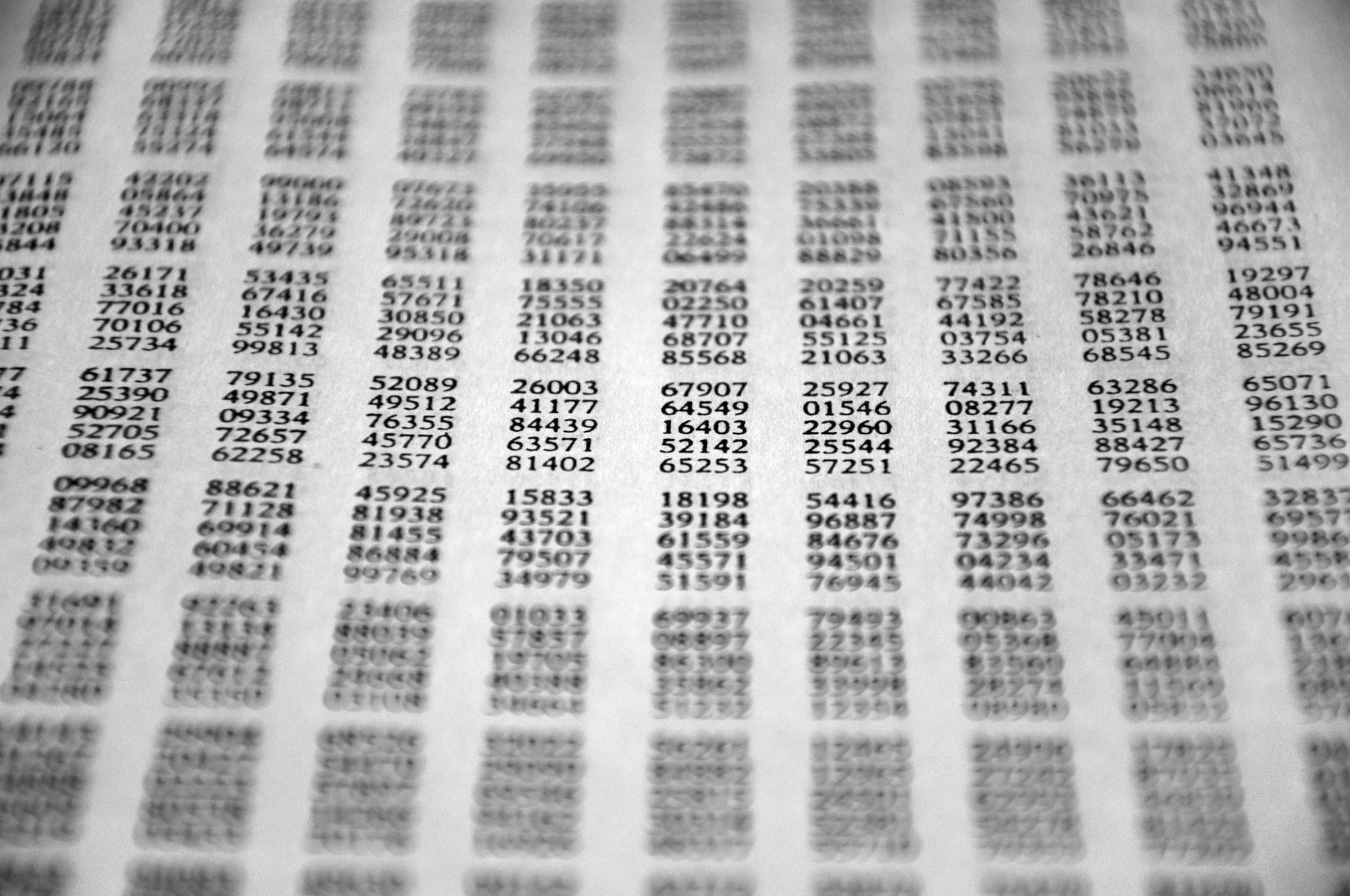
These three ciphers, supposedly revealing the location of a buried treasure in Virginia, have remained largely unsolved since 1885. Only the second cipher has been cracked, using the Declaration of Independence as a key, but it merely describes the contents of the treasure rather than its location.
The first and third ciphers continue to frustrate treasure hunters and cryptographers alike, with many questioning whether they’re even solvable.
Voynich Manuscript

This mysterious 15th-century book, written in an unknown script and language, has defied every attempt at decryption for over 100 years. Professional cryptographers, linguists, and computer scientists have all tried their hand at cracking its code, but the manuscript continues to guard its secrets.
Some researchers believe it might be an elaborate hoax, while others think it could be an unknown natural language or sophisticated cipher.
Like Go2Tutors’s content? Follow us on MSN.
Dorabella Cipher

Composer Edward Elgar created this 87-character cipher in 1897 and sent it to a friend, but its meaning died with him. Despite numerous attempts by cryptographers and Elgar enthusiasts, the cipher remains unsolved after more than 120 years.
The simple-looking puzzle has become a favorite challenge among recreational cryptographers, though its brevity makes it particularly difficult to crack.
Shugborough Inscription

This 18th-century stone inscription at Shugborough Hall in England has puzzled visitors for over 250 years. The ten-letter sequence ‘OUOSVAVV’ flanked by the letters ‘D’ and ‘M’ has generated hundreds of theories but no definitive solution.
Everyone from amateur historians to professional cryptographers has taken a crack at it, but the inscription keeps its secret.
Copiale Cipher
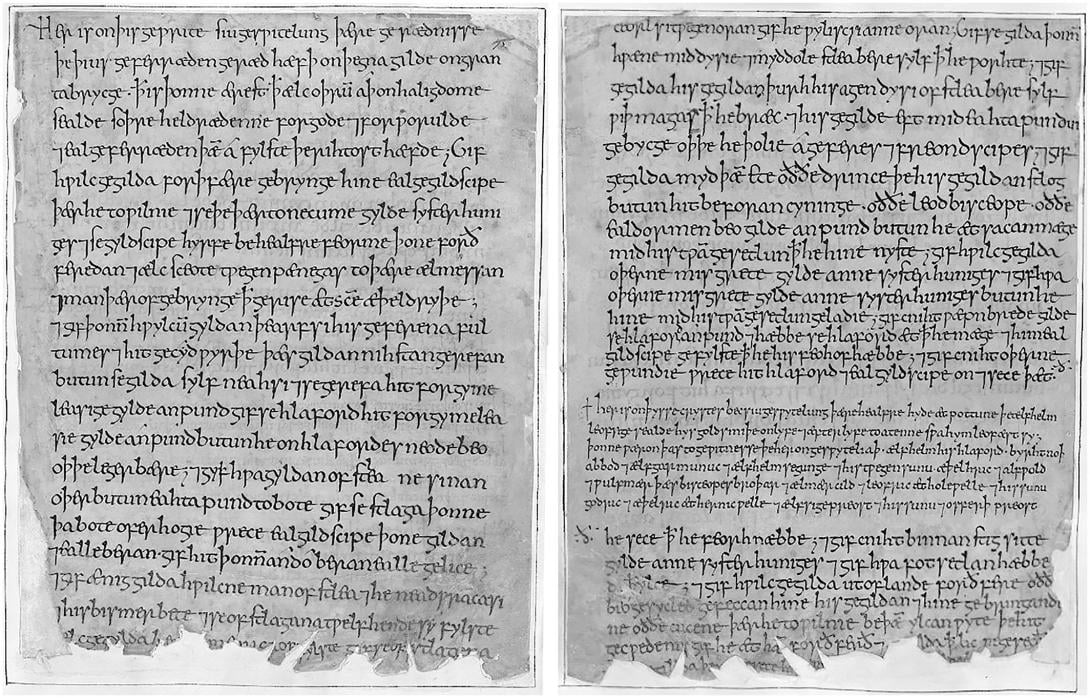
This 18th-century encrypted manuscript stumped researchers for decades until 2011, when a team of computer scientists finally broke it using modern statistical analysis. The 105-page document turned out to be the initiation ritual of a German secret society.
The breakthrough demonstrated how modern computing power could solve historical puzzles that had resisted traditional cryptographic methods.
Tamam Shud Case

The mysterious piece of paper found in the pocket of an unidentified man in 1948 contained a code that has never been cracked. The text, torn from a rare edition of the Rubaiyat of Omar Khayyam, remains one of Australia’s most enduring mysteries.
Despite decades of investigation and numerous theories, both the code and the identity of the man remain unknown.
Like Go2Tutors’s content? Follow us on MSN.
Rohonc Codex
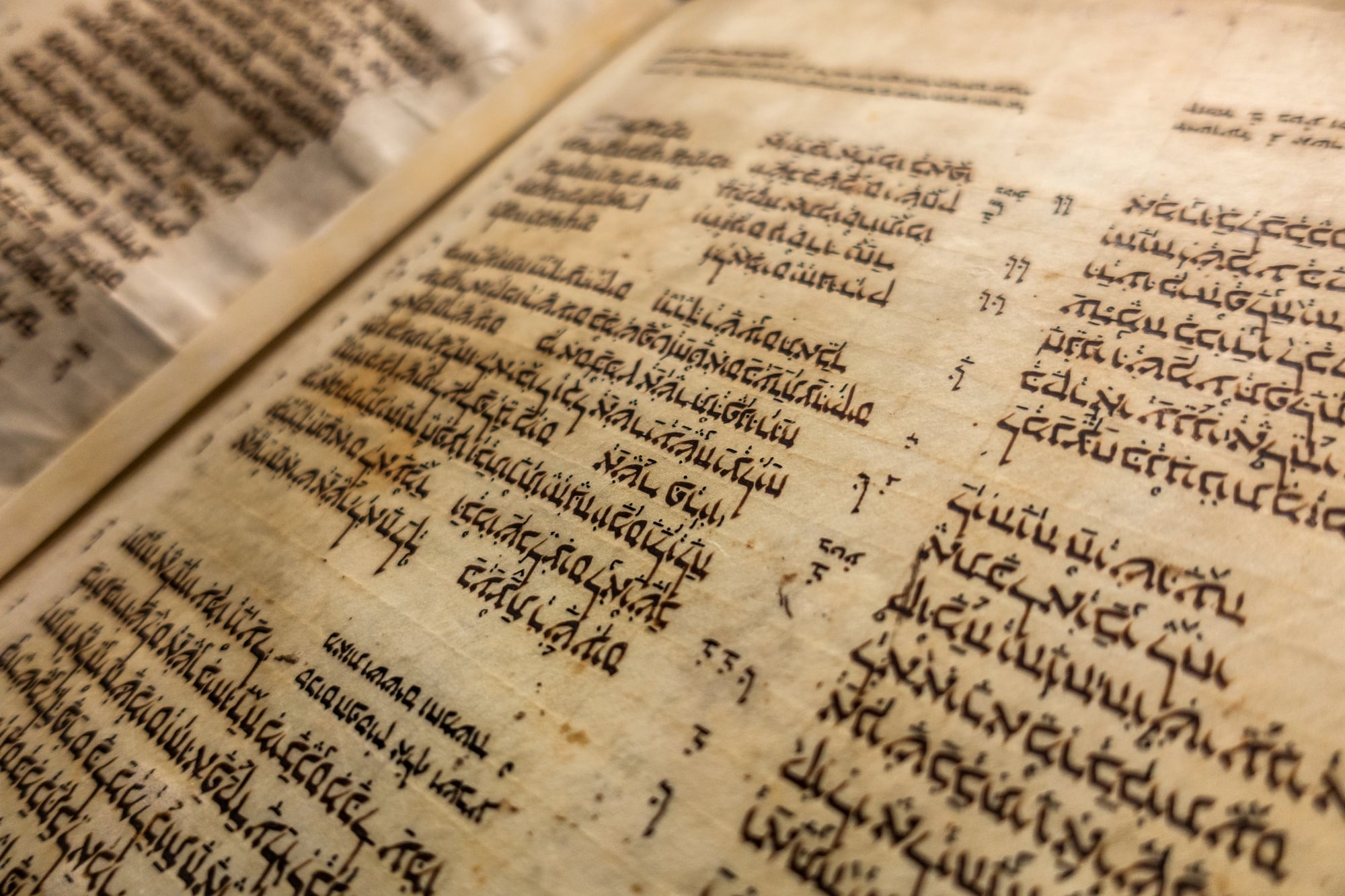
This 448-page manuscript, discovered in Hungary, contains symbols that don’t match any known writing system. Scholars have been trying to decode it since the 1800s, with theories ranging from ancient Hungarian to medieval Latin written in a secret script.
The document’s origins and meaning remain completely unknown despite over 200 years of investigation.
Chinese Gold Bar Cipher
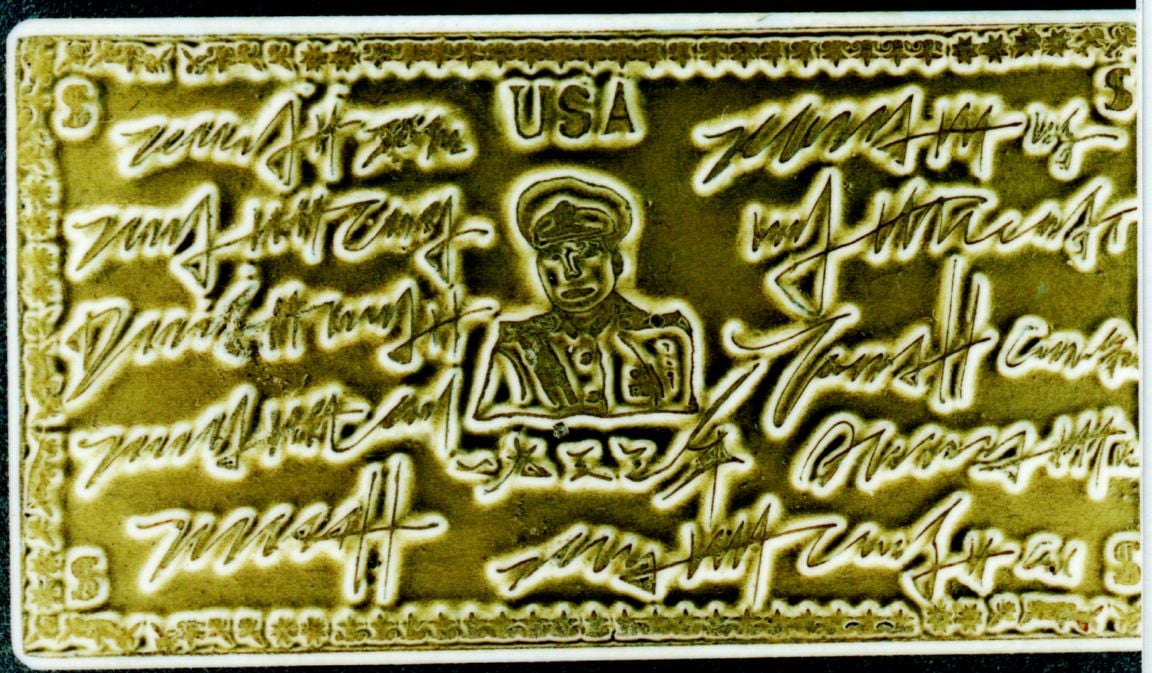
Seven gold bars discovered in the 1930s contain Chinese characters that supposedly reveal the location of a massive treasure hidden by a Chinese general. The cipher has resisted solution for nearly 90 years, despite numerous attempts by both amateur treasure hunters and professional cryptographers.
The complexity of classical Chinese combined with the unknown encryption method has kept this puzzle locked away.
Breaking the Unbreakable

These 16 codes represent humanity’s endless fascination with secrets and the equally persistent drive to uncover them. Each breakthrough required not just intelligence but also patience, creativity, and often a bit of luck.
The decades-long struggles to crack these ciphers have advanced our understanding of cryptography, linguistics, and computer science in ways their creators never imagined. Even today, as some of these puzzles finally yield their secrets, new codes emerge to challenge the next generation of cryptographers and ensure that the ancient game of hide-and-seek with information continues into the future.
More from Go2Tutors!

- 18 Unexpectedly Valuable Collectibles You Might Have Lying Around
- 20 Little-Known Historical Battles That Had Huge Consequences
- 20 Historical Artifacts That Scientists Can’t Explain
- 15 Inventions That Were Immediately Banned After Being Created
- 20 Actors Who Were Almost Cast in Iconic Roles
Like Go2Tutors’s content? Follow us on MSN.