13 Strange Places Spiders Have Been Discovered
Arachnids are among nature’s most adaptable creatures, with over 45,000 known species inhabiting nearly every environment on Earth. While most people expect to find these eight-legged creatures in gardens, forests, or perhaps the occasional bathroom corner, spiders have proven remarkably adept at establishing themselves in some truly unexpected locations.
Their remarkable resilience and ability to thrive in diverse conditions continue to surprise even seasoned entomologists. Here is a list of 13 bizarre places where spiders have been discovered, demonstrating just how resourceful and tenacious these creatures can be when finding a home.
Commercial Aircraft

Airplane cabins might seem too sterile for spider habitation, yet several species have been found building webs in overhead compartments and behind seat-back trays. In 2018, maintenance crews discovered an established colony of common house spiders living in the insulation of a Boeing 777 that had completed over 240 international flights.
These stowaways created a self-sustaining micro-ecosystem, feeding on insects that entered during cargo loading. Their survival in such a sterile, pressurized environment showcases remarkable adaptability.
Active Volcanoes

Scientists studying ecology around Hawaiian volcanic vents found specialized heat-resistant spiders living mere yards from active lava flows where ground temperatures exceed 120°F. These remarkable arachnids developed thicker exoskeletons and sensitive leg hairs to detect minute temperature changes.
They primarily hunt insects attracted to the sulfur emissions and organic material that occasionally falls into their territory. Their presence reveals how life can flourish even in extreme heat.
Underground Bank Vaults

Several banking institutions have discovered spider populations living inside rarely-opened safety deposit vault rooms, sometimes undisturbed for decades. In 2019, workers renovating a century-old bank in Boston found an isolated colony that had evolved distinct physical traits.
These vault-dwellers subsisted on small insects that entered during infrequent human visits. Their development over nearly 80 years highlights nature’s ability to adapt even in sealed spaces.
Antarctic Research Stations
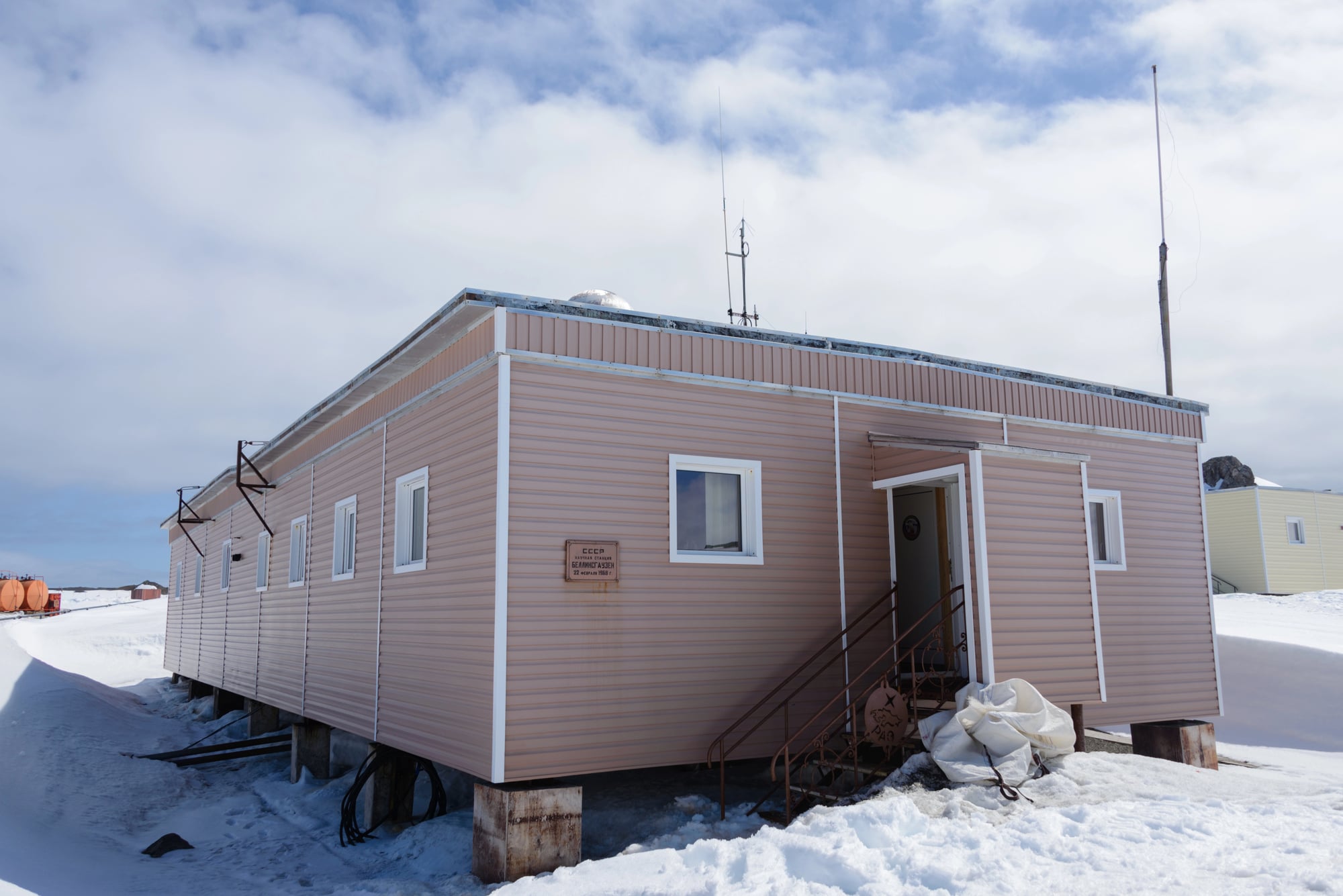
Despite Antarctica’s hostile conditions, certain spider species have established themselves in human research outposts, traveling thousands of miles from their native habitats. McMurdo Station researchers documented over 300 individual spiders in 2015.
These adaptable arachnids arrived as eggs on imported supplies and thrived in the artificially heated environment. Their survival in such an extreme location underscores their resilience.
Nuclear Submarines
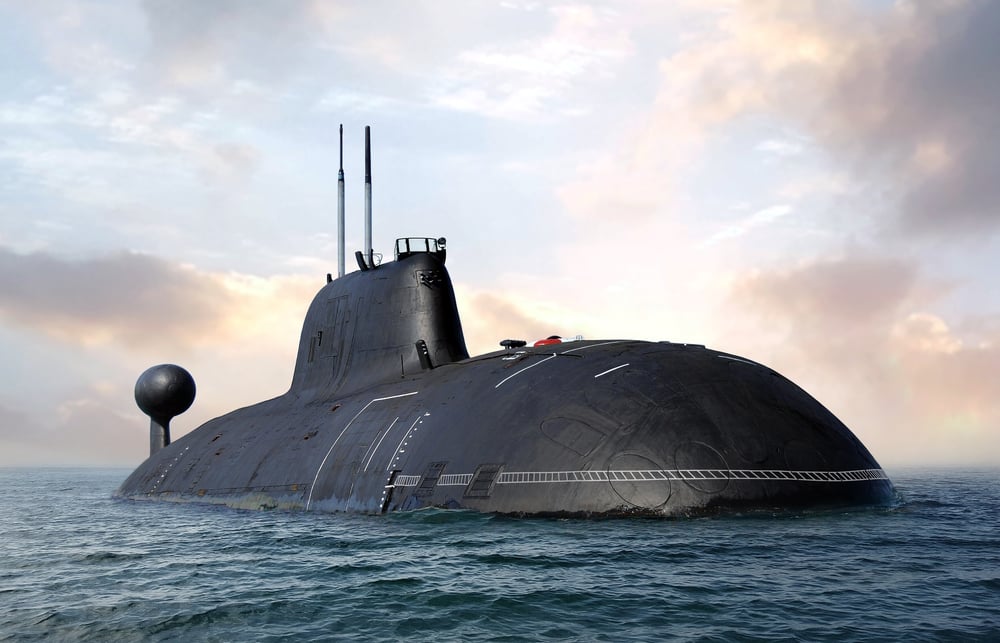
Naval personnel have documented spiders living aboard nuclear submarines during extended underwater deployments. A notable case involved brown recluse spiders found aboard the USS Tennessee.
These spiders lived in rarely-accessed storage compartments, feeding on cockroaches and insects in food storage areas. Even under high-pressure, enclosed conditions, spiders manage to thrive.
Operating Computers

Computer technicians regularly find spiders that have built homes inside desktops, laptops, and even smaller devices. The warm, enclosed interiors provide ideal habitats.
Spiders often spin webs across cooling fans, sometimes causing overheating issues. One Texas repair center reported removing over 300 spiders in a single year, including several from malfunctioning systems.
Museum Artifacts
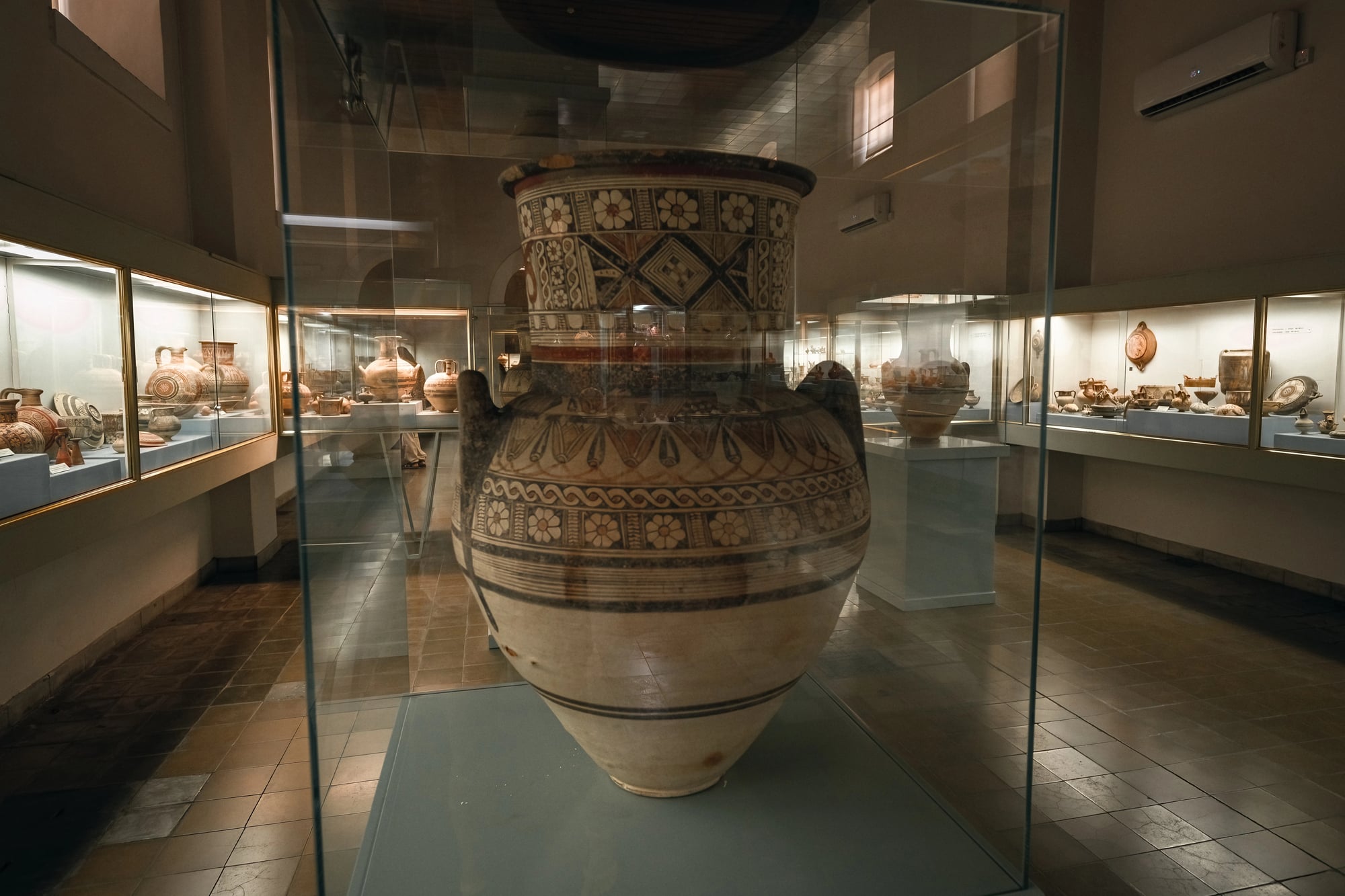
Curators at the Metropolitan Museum of Art discovered yellow sac spiders living inside an ancient Egyptian sarcophagus sealed for nearly 50 years. The spiders had built an extensive web network within the artifact.
They fed on small insects entering through imperceptible cracks. Ironically, their presence helped preserve the sarcophagus by controlling more destructive pests.
Space Stations

The most extraordinary spider habitat may be the International Space Station, where jumping spiders were introduced for zero-gravity experiments. Unexpectedly, unauthorized spiders were also discovered hiding in Earth-sent equipment.
Though web-building was initially challenging without gravity, these space-faring arachnids adapted within days. Their behavior provides insights into biological resilience in space.
Olympic Swimming Pools

Specialized aquatic spiders have been found living in the filtration systems of Olympic-sized pools. They trap air bubbles around their bodies to breathe underwater.
During the 2016 Rio Olympics, technicians discovered a colony resistant to chlorine, having adapted to chemical exposure that would normally be fatal. These spiders built waterproof retreats inside pipe systems.
Wind Turbines

Technicians servicing wind farms have found entire spider ecosystems inside wind turbine nacelles. These elevated habitats attract insects drawn to the turbine lights.
Spiders are carried up by air currents or climb the structures, thriving in the high-altitude environment. A Texas wind farm documented 25 different spider species inhabiting its turbines.
Active Beehives

Some spider species have evolved to live directly inside active beehives, developing chemical camouflage to avoid detection. These spiders consume hive debris and sometimes weakened bees.
Beekeepers in southern France discovered a new species that could move across honeycombs undisturbed. Their integration into such complex communities shows remarkable biological specialization.
Deep Mines
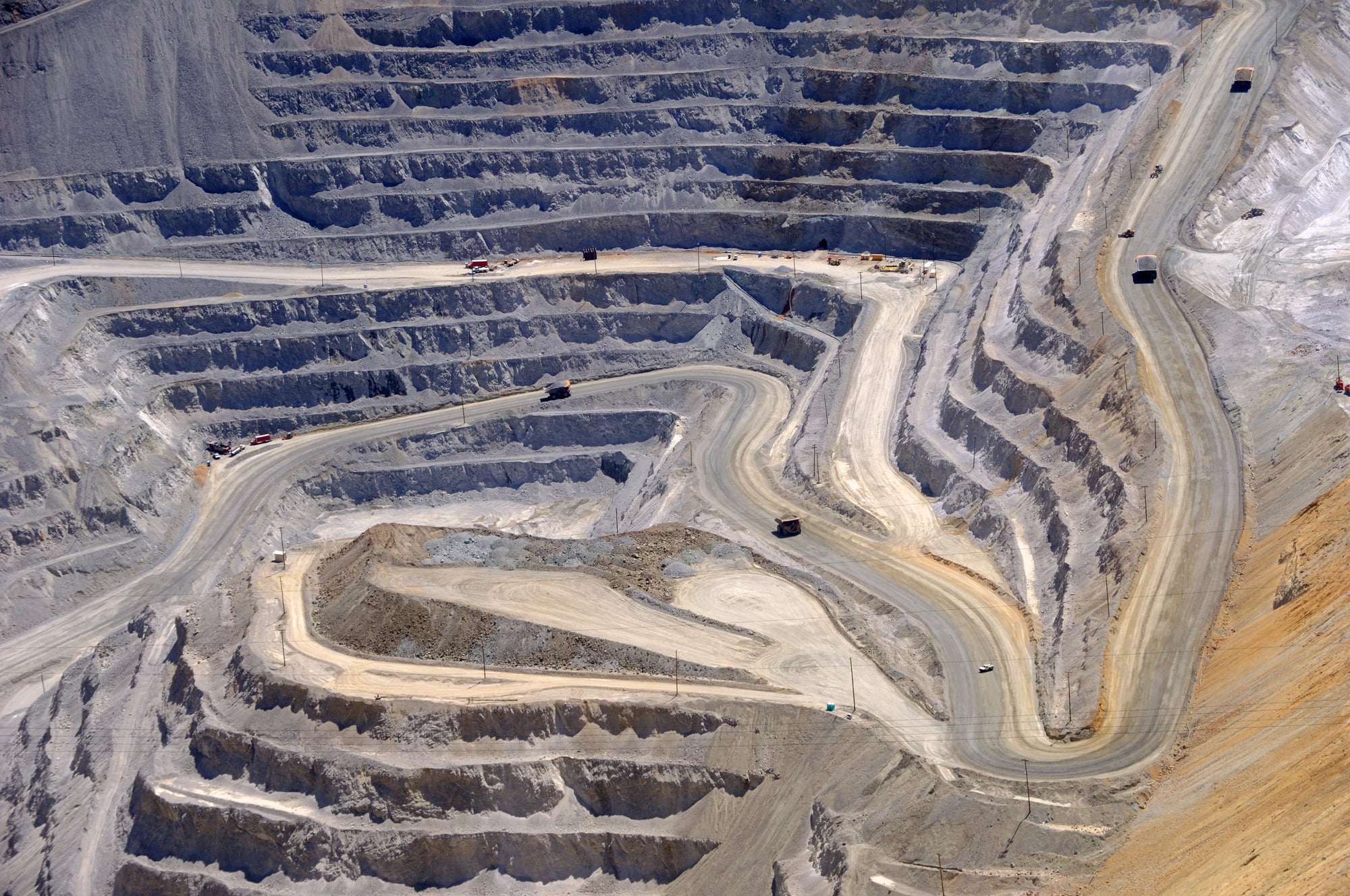
Mining operations have uncovered spider populations in shafts over 3,500 feet below ground. In 2017, a reopened South Dakota gold mine revealed pale spiders adapted to complete darkness.
These subterranean arachnids had enhanced vibration sensitivity and nearly no pigmentation. Their isolation led to distinct evolutionary traits over generations.
Surgical Equipment

In rare but disturbing cases, spiders have been found inside sealed surgical packages. In 2020, a Boston hospital discovered a brown spider and its egg sac inside a supposedly sterile tray.
The incident prompted a major recall and investigation, exposing flaws in the sterilization process. It served as a chilling reminder that nature can infiltrate even the most controlled environments.
Eight-Legged Adventurers
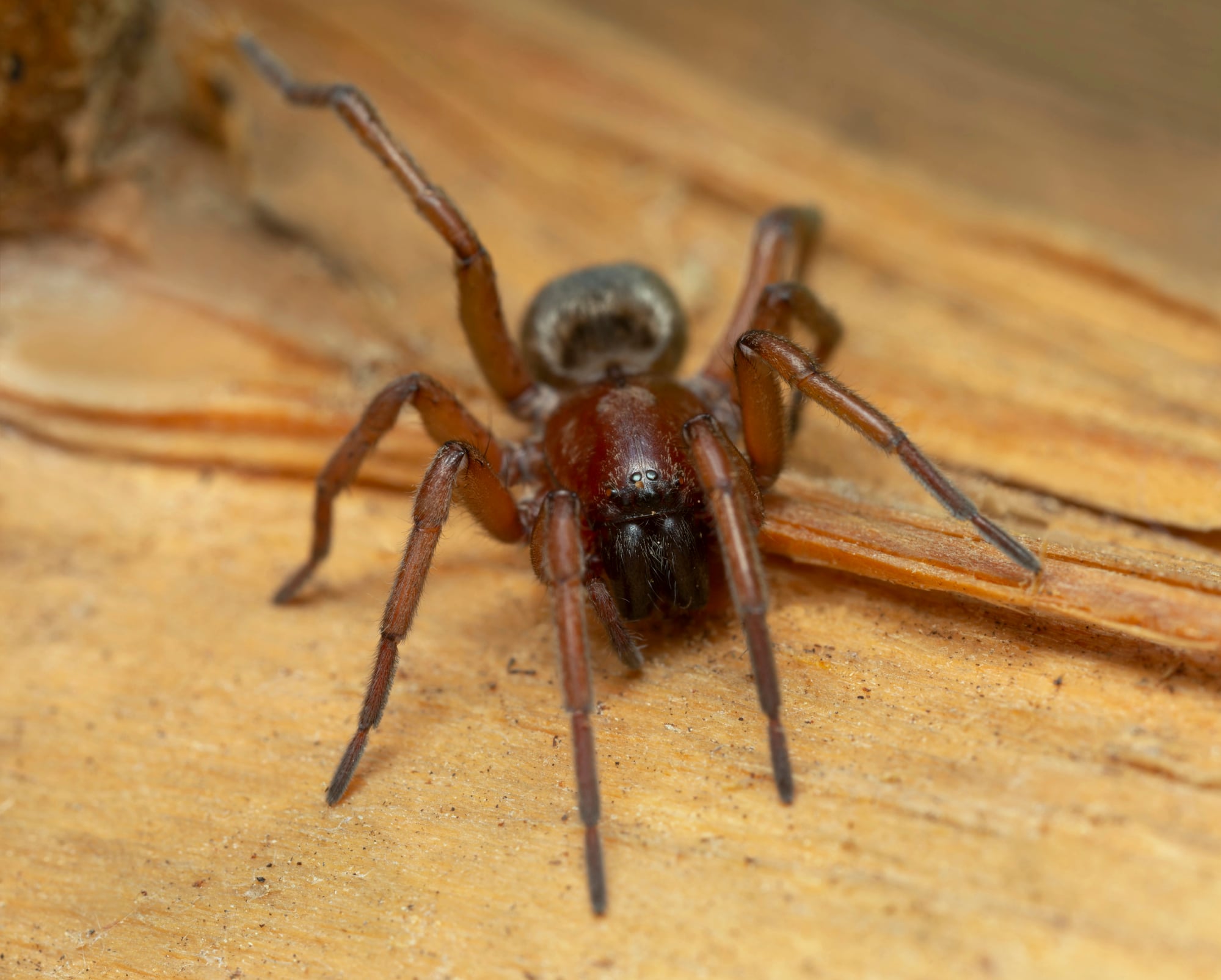
Spiders’ presence in such varied and inhospitable places demonstrates their extraordinary adaptability. From lava fields to orbiting space labs, they continue to accompany humans into every frontier.
Though often unwelcome, these arachnids offer valuable insights into survival in extreme environments. Their persistent presence reminds us that nature rarely stays behind—it travels with us.
More from Go2Tutors!

- The Romanov Crown Jewels and Their Tragic Fate
- 13 Historical Mysteries That Science Still Can’t Solve
- Famous Hoaxes That Fooled the World for Years
- 15 Child Stars with Tragic Adult Lives
- 16 Famous Jewelry Pieces in History
Like Go2Tutors’s content? Follow us on MSN.