15 Famous People Who Went to Law School
The path to fame rarely follows a straight line. While some celebrities seemed destined for stardom from childhood, others took surprisingly traditional routes before finding their calling.
Law school, with its rigorous demands and promise of professional respectability, has attracted numerous future entertainers, politicians, and public figures who eventually traded legal briefs for something entirely different. These individuals prove that a legal education can serve as an unexpected launching pad for careers that have nothing to do with courtrooms or contracts.
Their stories reveal how the analytical thinking, public speaking skills, and sheer determination required to survive law school often translate into success in completely different fields.
Rebel Wilson

Comedy wasn’t Wilson’s original plan. She earned a law degree from the University of New South Wales in Australia before realizing that making people laugh felt more natural than arguing cases.
The analytical skills she developed studying contract law now help her dissect what makes audiences tick — though her timing improved significantly once she left the courtroom behind.
Julio Iglesias
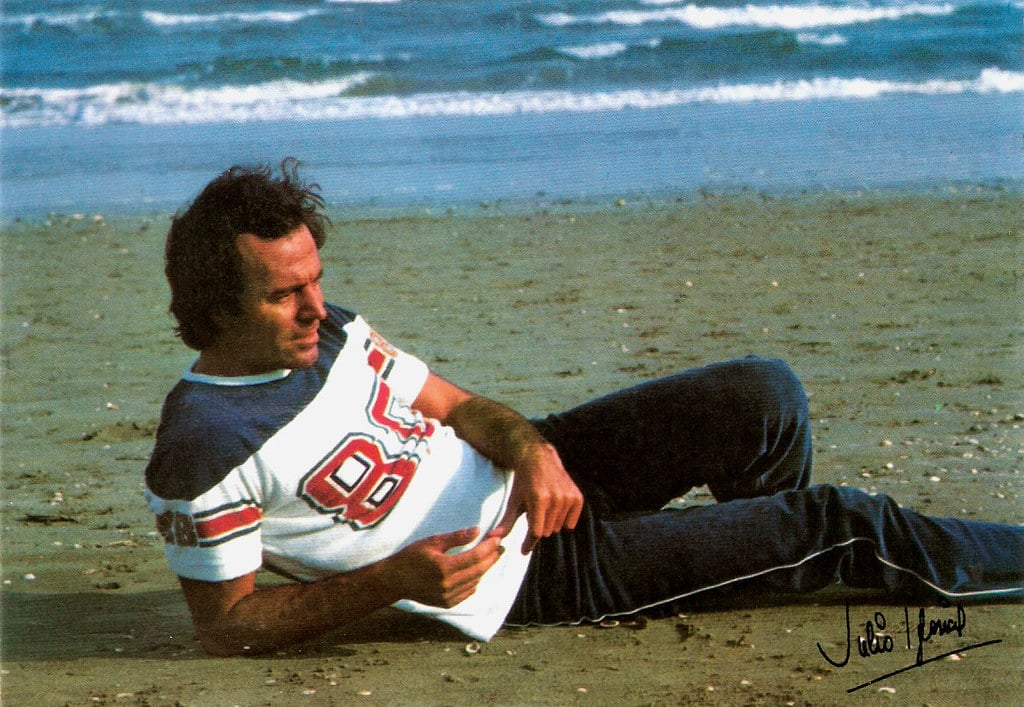
The Spanish crooner’s path from law school to international stardom happened largely by accident (a car crash that left him bedridden gave him time to focus on music), but his legal background shaped how he approached the business side of entertainment. Iglesias understood contracts, negotiations, and the importance of protecting intellectual property long before most artists learned these lessons the hard way.
So when record executives tried to take advantage of a young musician, they discovered he could read the fine print better than they expected — and his legal training meant he knew exactly when they were attempting to deceive him about royalty structures or distribution rights. The same precision that serves a lawyer well in parsing complex legal language (and there’s no language more deliberately convoluted than entertainment law) helped him navigate an industry notorious for exploiting artists who don’t understand the business mechanics.
But here’s the thing about legal training: it teaches you to think several moves ahead.
John Cleese
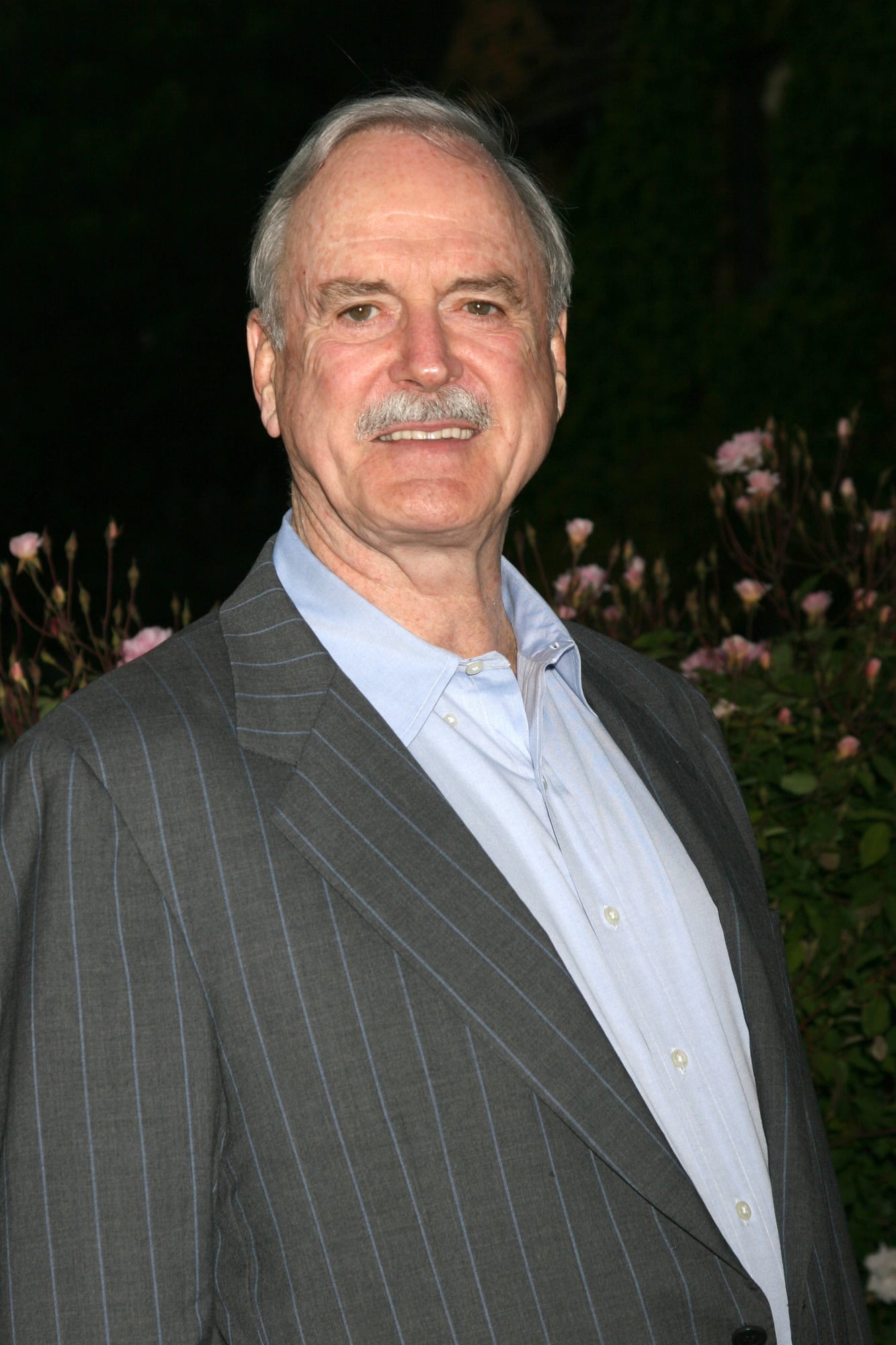
Cleese studied law at Cambridge before Python happened. Legal training teaches you to find gaps in arguments, which turns out to be excellent preparation for comedy writing.
The absurdist sketches that made him famous often work because they follow a twisted internal logic — the same kind of reasoning you’d use to construct a legal argument, just applied to something completely ridiculous.
Howard Cosell
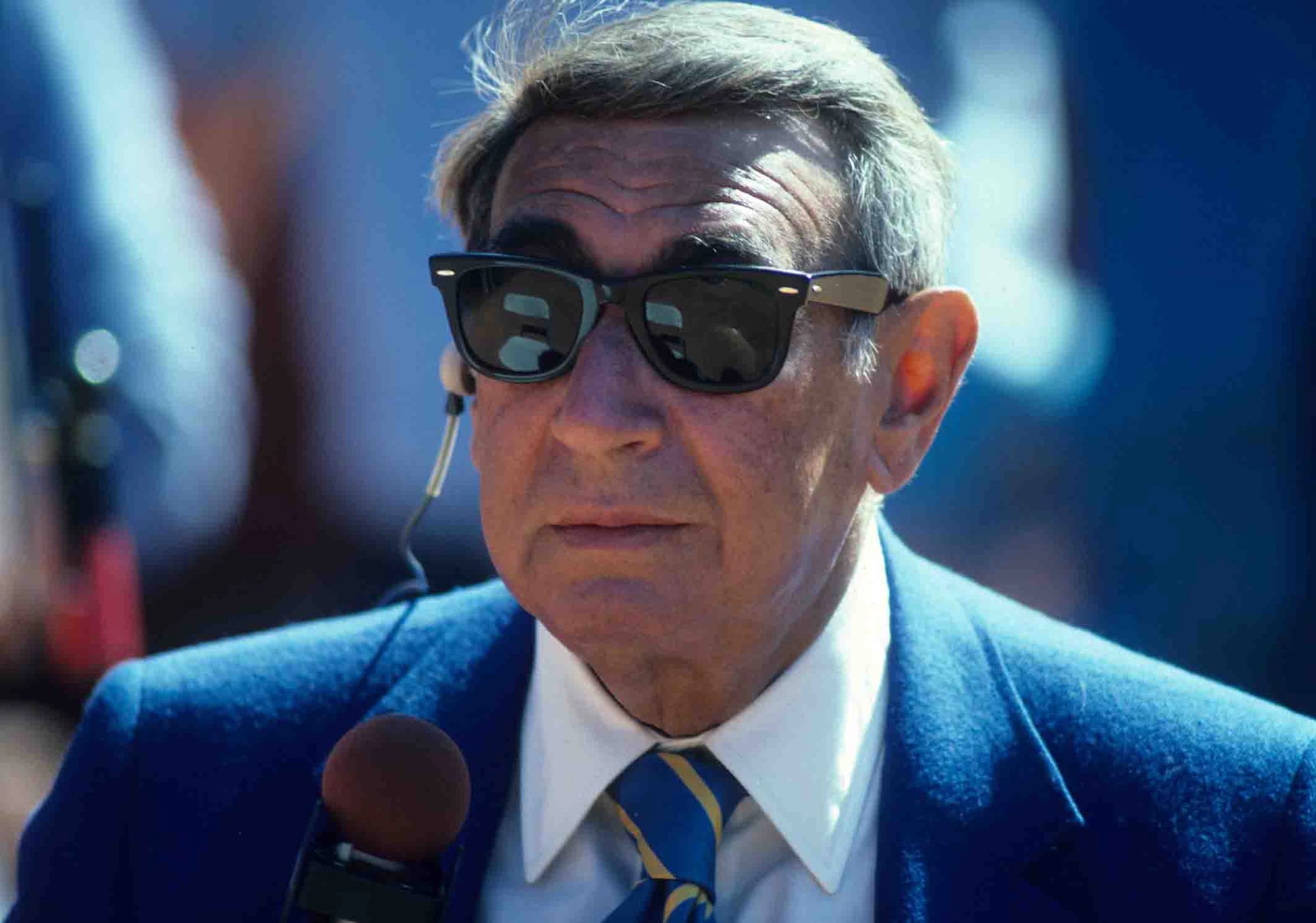
Cosell practiced law for years before becoming the most controversial sports broadcaster in television history. His legal background made him fearless about saying exactly what he thought, regardless of who it offended.
Lawyers learn to argue unpopular positions and defend them under pressure — skills that translated perfectly to calling Muhammad Ali fights when half the country wanted Ali silenced. The man understood that being right mattered more than being liked, which made him simultaneously the most respected and most hated voice in sports journalism.
And yet (because this is where legal training creates an interesting contradiction) he also knew precisely how far he could push before crossing lines that would get him sued or fired. So his controversies were calculated risks rather than reckless outbursts, though the audience rarely understood the difference.
But the legal mind never fully disappears: even his most inflammatory statements were carefully constructed to be defensible if challenged.
Fidel Castro
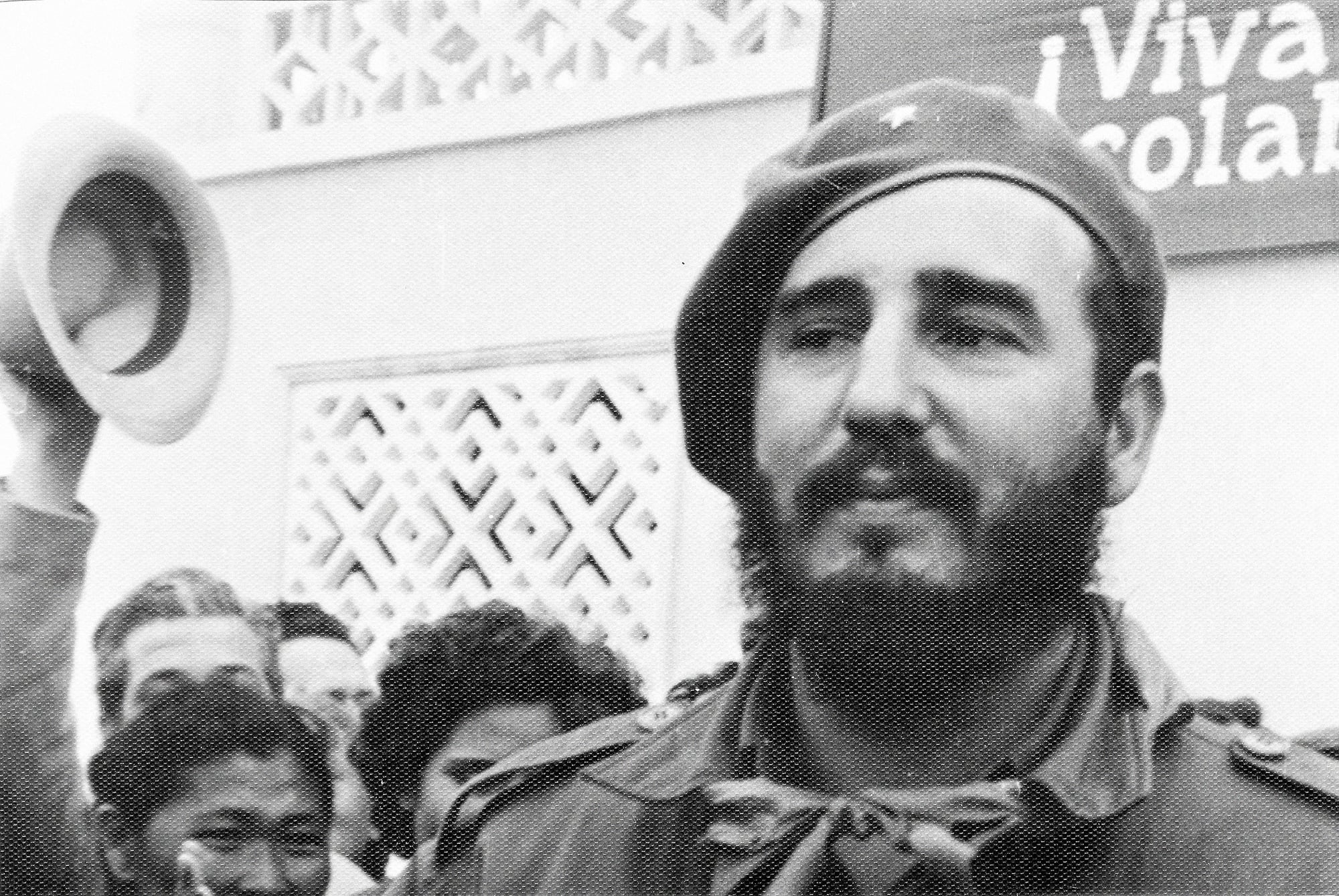
Castro earned a law degree from the University of Havana before leading the Cuban Revolution. Revolutionary movements require the same skills that make successful lawyers: the ability to argue persuasively, organize complex information, and understand how power structures actually function.
His legal training helped him navigate international diplomacy even as he positioned Cuba against American interests.
Gandhi
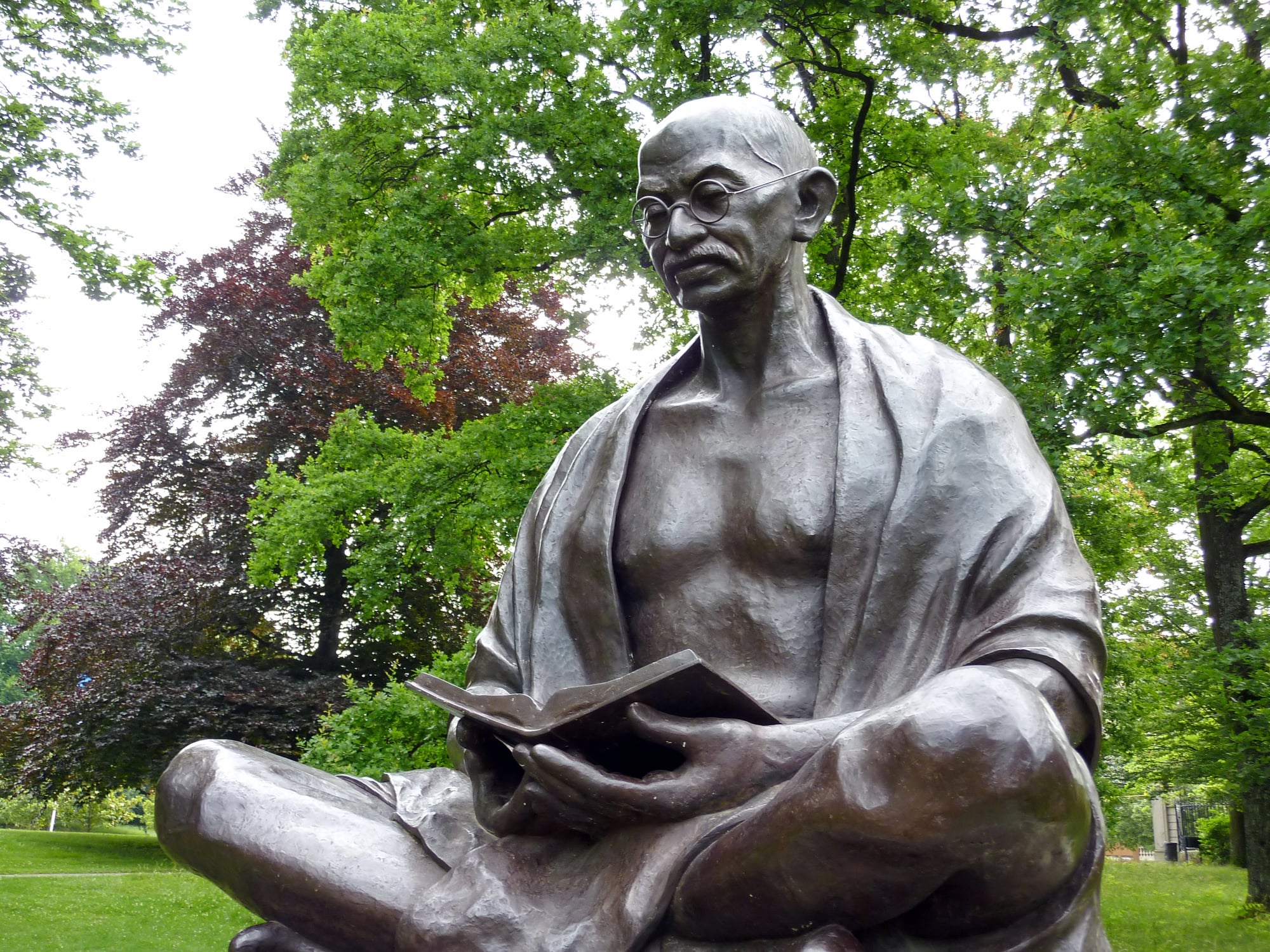
Legal education shaped Gandhi’s approach to civil disobedience more than most people realize. He studied law in London and practiced in South Africa before returning to India to lead the independence movement.
The precision with which he structured protest campaigns — knowing exactly which laws to break and why — reflects legal thinking applied to revolutionary purposes.
Nelson Mandela
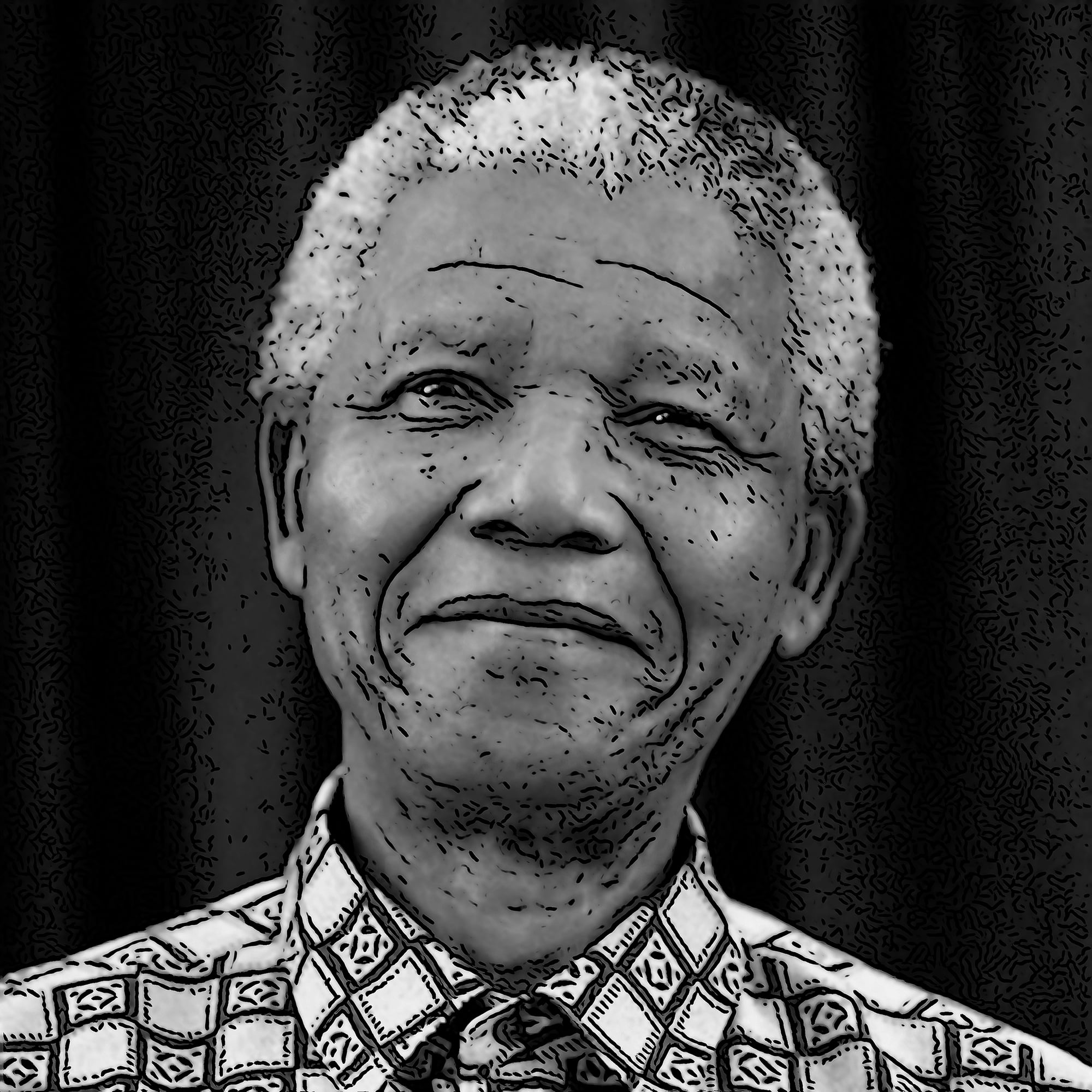
Before becoming South Africa’s most important political figure, Mandela was the country’s first Black lawyer. His legal background proved essential during his imprisonment and the negotiations that eventually ended apartheid.
Understanding constitutional law from the inside gave him credibility with opponents who might otherwise have dismissed him as just another activist.
J. Springer

The talk show that made Springer famous represents a dramatic departure from his original career path, but his legal training never fully disappeared. Before television, he practiced law and served as mayor of Cincinnati — experiences that taught him how to manage chaos and keep public proceedings from spiraling completely out of control.
The same skills that help a lawyer handle difficult clients translate surprisingly well to managing guests who want to throw chairs at each other on national television. So while the content of his show was pure entertainment, the structure underneath relied on someone who understood how to maintain just enough order to keep filming.
And yet the legal mind creates interesting contradictions: Springer always seemed slightly embarrassed by his show’s content, like a serious person who accidentally discovered he was excellent at something frivolous. But that tension worked in his favor — audiences trusted him precisely because he seemed too respectable for the chaos he was orchestrating.
John Grisham
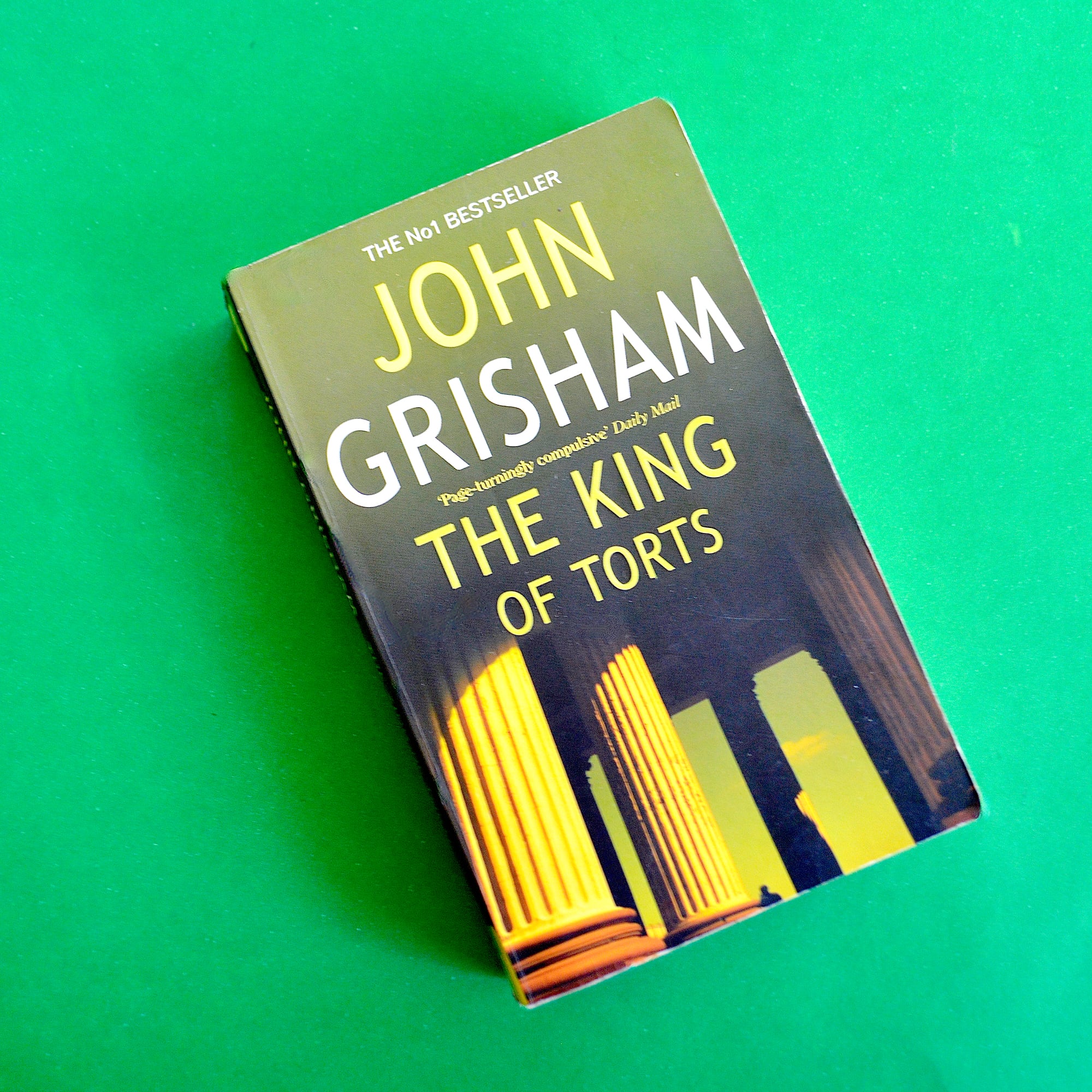
Grisham practiced law for nearly a decade before his first novel made him wealthy enough to quit. His legal thrillers work because he understands how the system actually functions — not the Hollywood version, but the mundane reality of depositions and discovery motions that somehow becomes fascinating when filtered through storytelling.
The procedural accuracy gives his fiction credibility that purely imaginative writers struggle to achieve.
Scott Turow
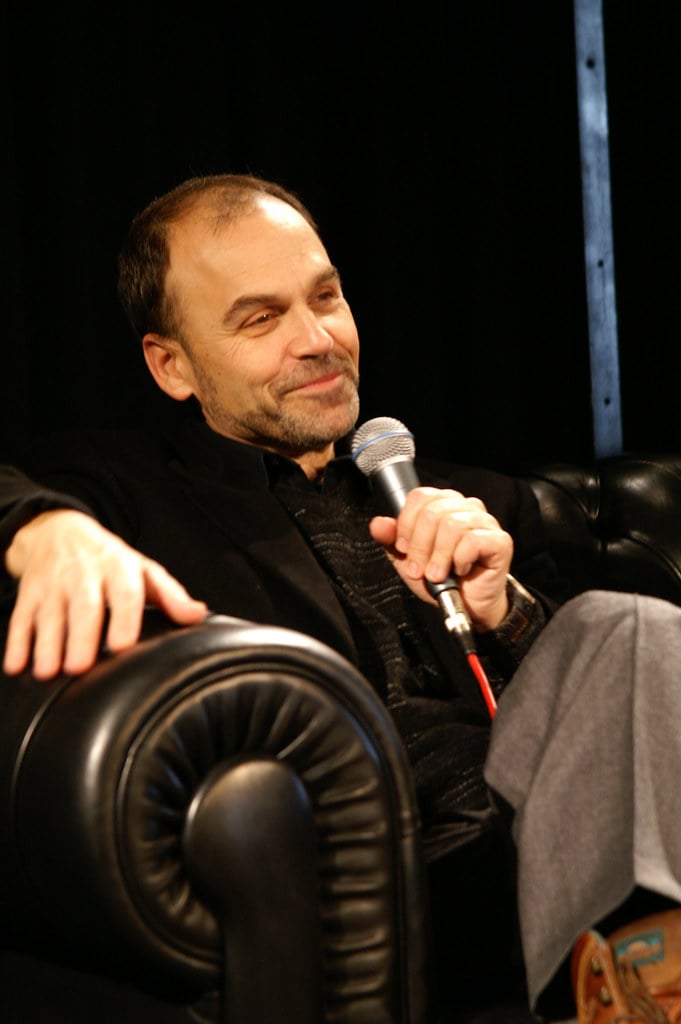
Another lawyer-turned-novelist, Turow wrote his breakthrough novel “One L” about surviving Harvard Law School. His legal background shows up in every book: the way evidence gets presented, how investigations unfold, the politics within law firms.
Reading his work feels like getting inside information about how the legal system really operates when the cameras aren’t rolling.
Tony La Russa
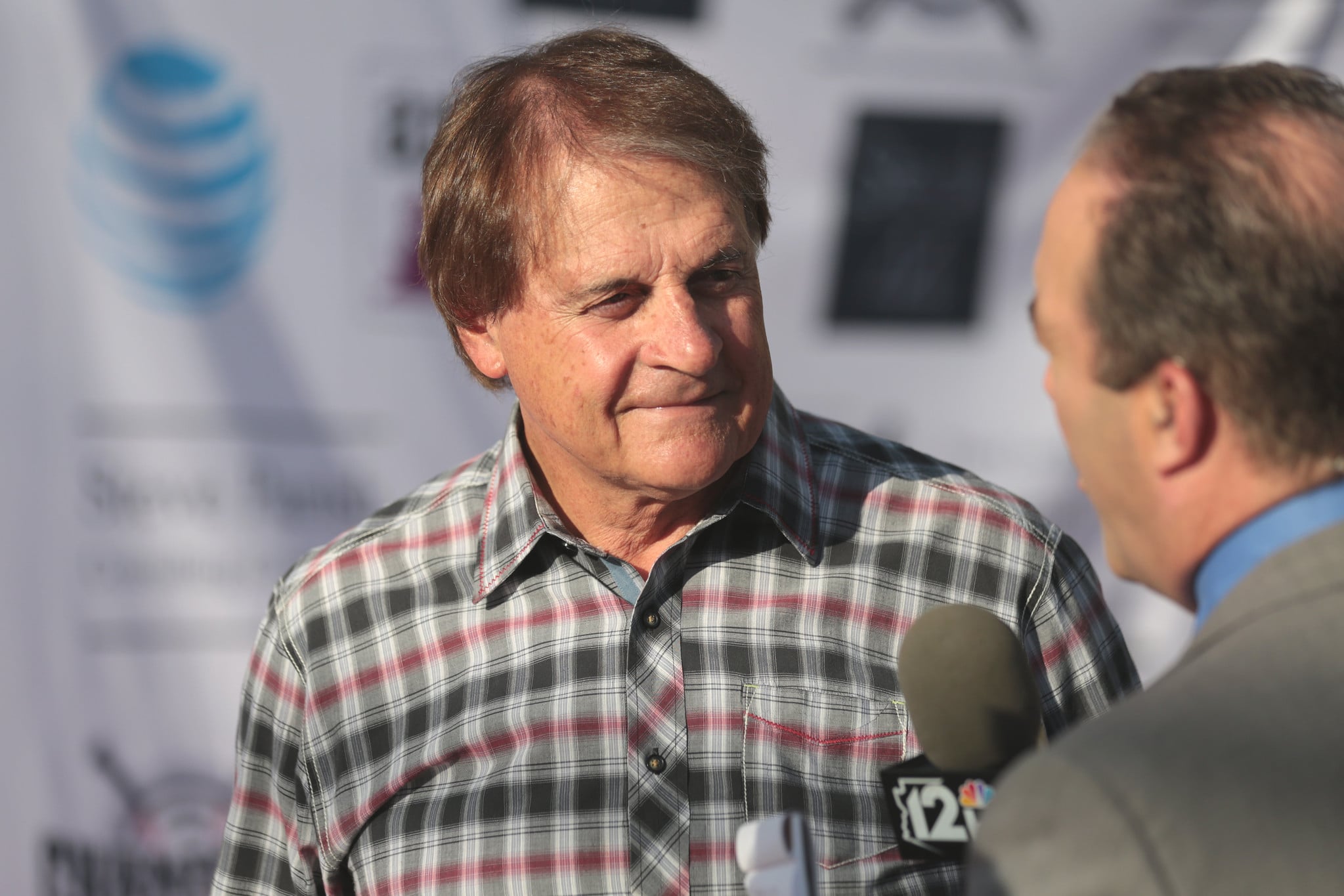
La Russa earned his law degree from Florida State University in 1978, after his playing career ended in 1973, and passed the Florida bar exam in 1980 while managing the Chicago White Sox. Baseball strategy and legal reasoning share more similarities than most people expect: both require analyzing complex situations quickly, understanding precedent, and making decisions based on incomplete information.
The methodical approach that makes a good lawyer also makes a successful manager, though the consequences of poor judgment are admittedly different (though equally public when you’re managing in the World Series). And yet legal training creates habits that serve managers well — the ability to review decisions objectively, understand when rules can be bent versus when they’re absolute, and maintain composure when everyone around you is losing theirs.
But the courtroom and the dugout reward different personality types: lawyers succeed by being cautious and thorough, while managers often need to trust instincts and make snap decisions with limited information. So the most interesting part of La Russa’s career might be watching how someone trained to avoid risk learned to embrace the gambling mentality that baseball strategy requires.
Andrea Bocelli
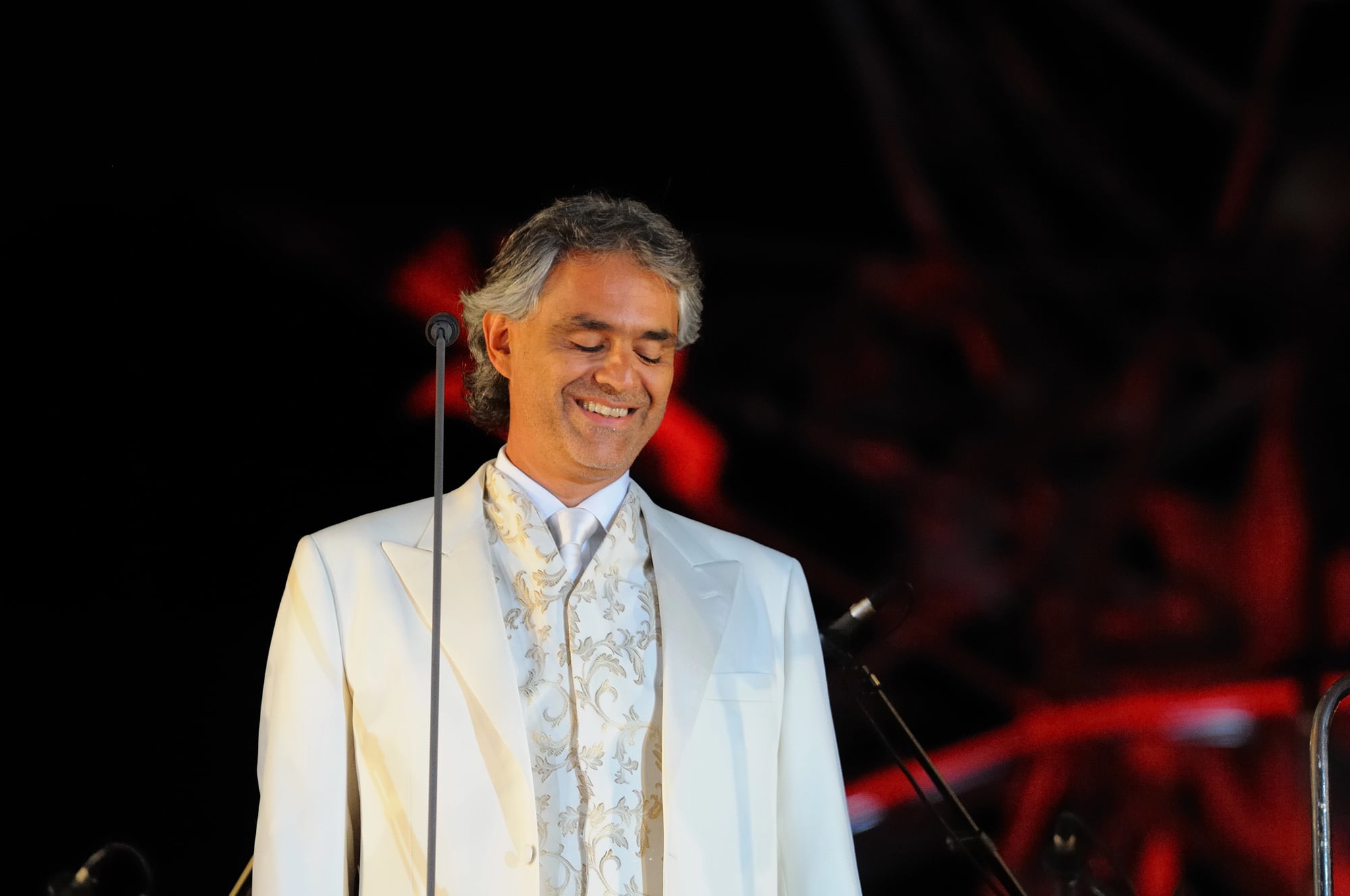
Opera seems worlds apart from legal practice, but both require extraordinary discipline and attention to detail. Bocelli completed law school and practiced briefly before his musical career took precedence.
The same focus that helps a lawyer master complex cases translates well to learning operatic roles that demand perfect pitch and flawless timing.
Francis Scott Key
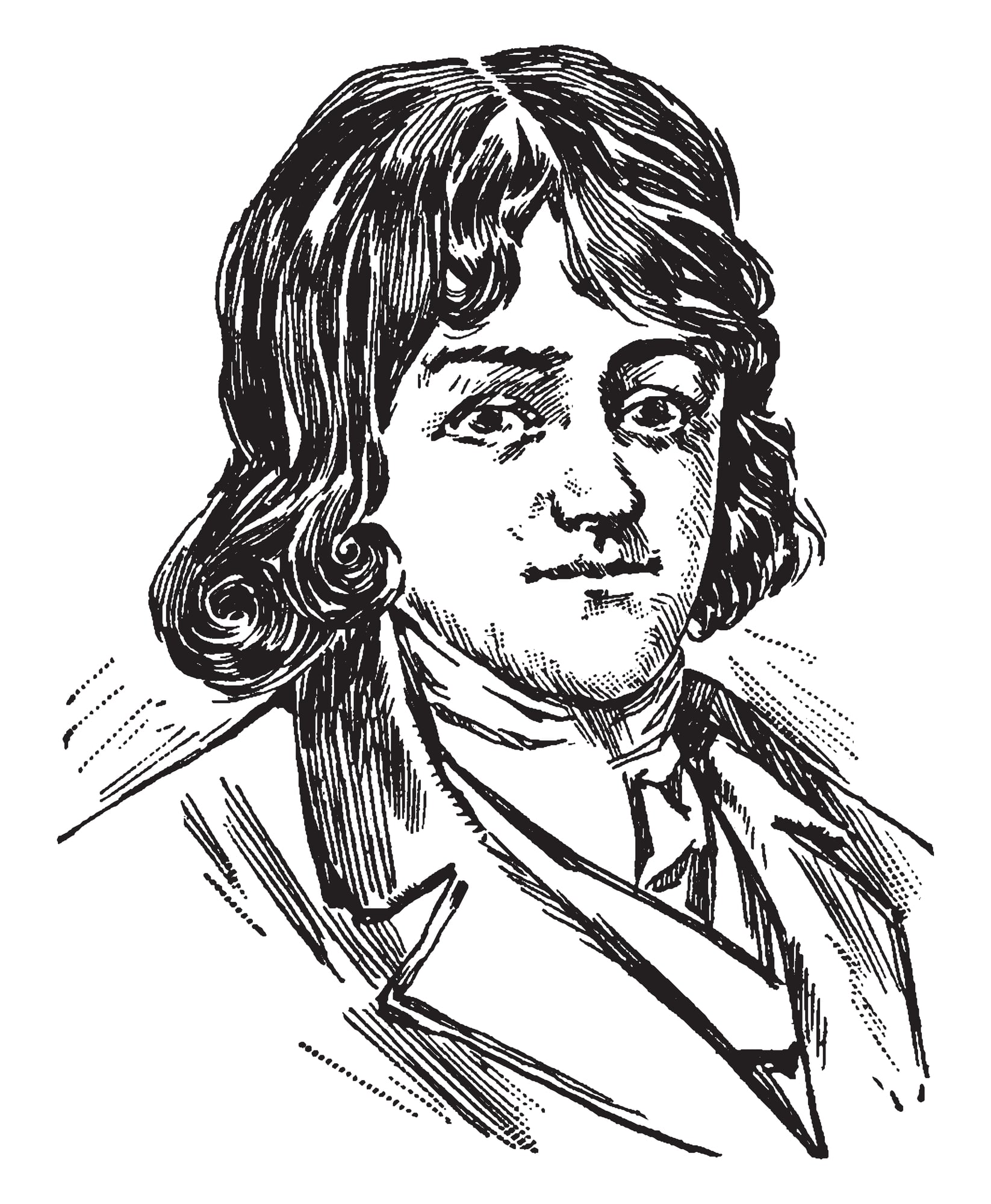
The man who wrote “The Star-Spangled Banner” was practicing law when he witnessed the bombardment of Fort McHenry during the War of 1812. His legal background influenced how he structured the song’s lyrics — each verse builds an argument, leading to the triumphant conclusion that the flag still flies.
The precision and formal language reflect someone trained to write documents that would be scrutinized for meaning.
Matt Santos (Jimmy Smits)
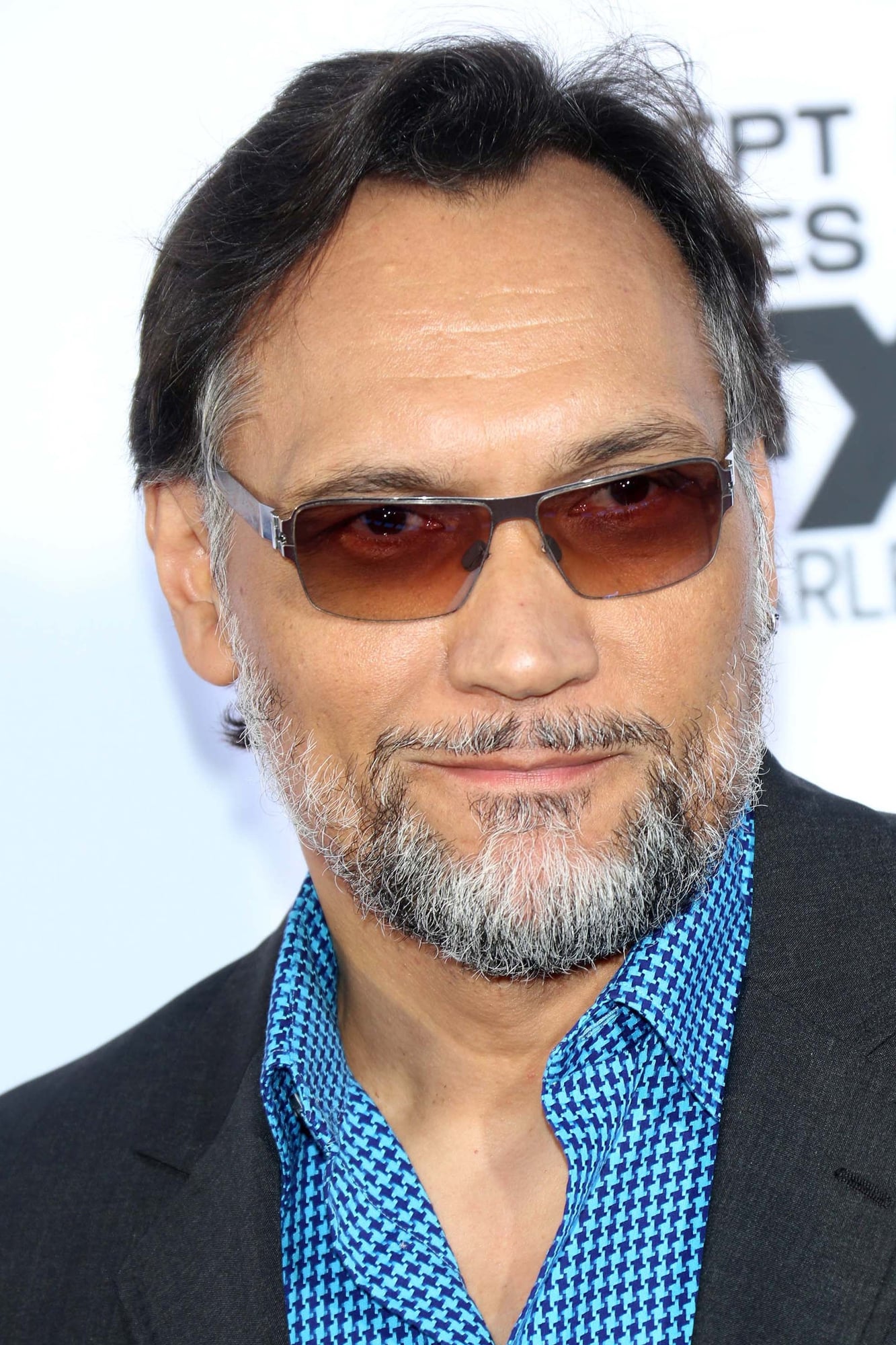
This one’s fictional, but Smits’s character on “The West Wing” represented how legal training prepares people for political leadership. Santos came across as authentic precisely because his legal background gave him credibility when discussing constitutional issues and policy details.
The character worked because viewers believed someone with that background could actually handle the presidency.
Demetri Martin

Stand-up comedy and legal education make strange bedfellows, but Martin’s analytical approach to humor reflects his law school training. His jokes often work like legal arguments — they establish premises, follow logical progression, and arrive at unexpected conclusions.
The precision required to construct airtight comedy parallels what lawyers do when building cases, just with different stakes.
Beyond The Courtroom

These career changes prove that legal education teaches skills far more valuable than just practicing law. The ability to think critically, argue persuasively, and work under pressure transfers to almost any field that requires mental toughness and strategic thinking.
Perhaps law school’s greatest lesson isn’t about statutes or precedents — it’s about learning to function when the stakes are high and failure isn’t an option.
More from Go2Tutors!

- The Romanov Crown Jewels and Their Tragic Fate
- 13 Historical Mysteries That Science Still Can’t Solve
- Famous Hoaxes That Fooled the World for Years
- 15 Child Stars with Tragic Adult Lives
- 16 Famous Jewelry Pieces in History
Like Go2Tutors’s content? Follow us on MSN.